
Fashion
Rajasthani Hair Color Manufacturer: Why Global Brands Source Henna and Herbal Hair Color from Sojat, Rajasthan

If you’re searching for a reliable Rajasthani hair color manufacturer for your private label or wholesale business, you’ve probably already noticed that not every henna supplier can back up their claims. Plenty of exporters say they sell “pure” henna or “natural” hair color. Far fewer can show you the fields where the leaves were grown, the drying yards where they were cured, or a production process that hasn’t changed much in decades for good reason.
That’s the gap Kirpal Export Overseas was built to close. Based in Sojat, Rajasthan — a town that has supplied henna to the rest of the world for generations — we manufacture and export herbal hair color, henna powder, and indigo-based formulations for OEM brands, private label businesses, and salon and spa buyers across international markets.
In this article, we’ll walk through what makes Sojat the henna capital it is, what serious buyers should look for in a manufacturing partner, and how working with an established henna manufacturer in Rajasthan can actually shorten your path to market instead of complicating it.
Why Sojat, Rajasthan Is the Global Hub for Henna and Hair Color Manufacturing
Sojat isn’t henna’s marketing story. It’s the reason the industry exists in its current form.
The Soil and Climate Behind the Reputation
The Pali district, where Sojat sits, has a soil composition and arid climate that happen to be close to ideal for growing Lawsonia inermis, the plant henna powder comes from. Lower humidity during the harvest season means the leaves dry faster and retain a higher lawsone content, which is the natural compound responsible for henna’s staining and conditioning properties.
This isn’t something a manufacturer can replicate by sourcing leaves from elsewhere and processing them in Sojat. The growing conditions genuinely matter, and they’re a large part of why “Sojat henna” carries weight with buyers who know the industry.
A Manufacturing Culture Built Over Generations
Henna processing in Sojat isn’t a new export business that sprang up to chase demand. Families here have dried, sieved, and milled henna for generations, and that experience shows up in details a newer operation might miss — how long leaves should cure before milling, how fine the sieving needs to be for different end uses, and how to keep moisture content low enough for long shelf life during ocean freight.
When you’re evaluating a Rajasthani hair color manufacturer, this is the kind of operational depth worth asking about directly. Anyone can say “100% natural.” Fewer can explain their drying timeline.
What to Look for in a Rajasthani Hair Color Manufacturer
Not every supplier claiming to be a henna manufacturer in Rajasthan is set up to handle international, OEM-scale orders. Here’s what actually separates a manufacturing partner from a reseller.
Certifications and Compliance for Export Markets
If you’re importing into the US, EU, GCC, or Australia, your supplier’s compliance documentation matters as much as the product itself. Depending on your target market, you’ll want a manufacturer who can support:
- Halal certification for GCC and broader Muslim-majority markets
- CPSR (Cosmetic Product Safety Report) documentation for the EU
- REACH compliance for chemical safety standards in Europe
- TGA-aligned formulation practices for Australian buyers
- FDA-compliant manufacturing practices for the US market
A manufacturer who’s already navigated these requirements will save you months of back-and-forth compared to one who’s hearing about them for the first time from you.
OEM and Private Label Capabilities
If you’re building your own hair color or henna brand, your manufacturer needs to do more than fill orders — they need to support customization. That includes formulation adjustments (lighter or darker shades, added ingredients like indigo, amla, or hibiscus), custom packaging and labeling, and flexibility on batch sizes as your brand scales.
A true OEM partner will also be transparent about ingredient sourcing and willing to share batch documentation, since your own buyers will eventually ask you the same questions you’re asking your supplier now.
Minimum Order Quantities and Export Readiness
Big difference between a domestic henna seller and an export-ready manufacturer: documentation, packaging durability for long shipping routes, and realistic MOQs for first-time international buyers. A manufacturer used to working with overseas clients will already have export packaging, labeling formats, and shipping documentation worked out, rather than improvising it for your order.
Kirpal Export Overseas: A Trusted Henna Manufacturer in Rajasthan
Kirpal Export Overseas operates out of Sojat with a focus on herbal hair color and henna manufacturing for international B2B buyers. Our work spans private label hair color development, bulk henna powder supply, and herbal formulations sold under our own brand, Indalo, as well as under partner brands we manufacture for.
Manufacturing Capabilities
Our production process starts with sourcing leaves grown in and around the Sojat belt, followed by traditional sun-drying, triple-sieving, and fine milling to a consistent particle size. For herbal hair color lines, we blend henna with complementary natural ingredients — indigo for darker, blue-black tones, amla and bhringraj for brown shades, and hibiscus for warmer red and burgundy finishes.
Every production run is tracked by batch, which matters for international buyers who need traceability for their own quality assurance and regulatory documentation.
Product Range
Our core export catalog includes:
- Pure Rajasthani henna powder, unblended
- Herbal hair colors in dark brown, light brown, burgundy, and black
- Natural indigo powder for two-step herbal coloring systems
- Amla and bhringraj-based hair care products
- Custom-formulated herbal hair color for private label brands
If your business needs a formulation outside this list, our team can work with you on custom development based on your target market and price point.
Global Export Reach
We export to buyers across the UK, USA, UAE, Germany, and other markets where demand for chemical-free, herbal hair color continues to grow. That experience means we’re already familiar with the labeling conventions, certification expectations, and shipping logistics specific to each of these regions—which is one less thing you need to figure out on your own.
The Growing Global Demand for Ammonia-Free, Herbal Hair Color
Demand for herbal hair color hasn’t grown by accident. Across the US, UK, and Western Europe, consumers have spent the last several years moving away from ammonia and PPD-heavy chemical dyes, driven by scalp sensitivity concerns and a broader shift toward “clean beauty” positioning on store shelves.
That shift has put pressure on salons, private label brands, and distributors to find suppliers who can back up “natural” claims with an actual herbal formulation rather than a chemical dye with a plant extract added for marketing purposes. This is where sourcing directly from a Rajasthani hair color manufacturer becomes a genuine competitive advantage rather than a nice-to-have.
Markets in the Gulf region tell a similar story, where Halal-certified, chemical-free hair color has strong demand among both retail consumers and salon chains. Buyers in these markets are often more familiar with henna as a product category to begin with, which makes authentic sourcing from Rajasthan an easier sell rather than a harder one.
For private label brands, this trend translates into a straightforward opportunity: the demand exists, the regulatory pressure on synthetic dyes is increasing in several markets, and the supply chain advantage goes to brands that can source from an actual henna-producing region instead of a generic cosmetics contract manufacturer adding henna extract to an existing formula.
Benefits of Partnering with a Rajasthani Henna Exporter
Working with an established Rajasthani henna exporter rather than a generic supplier brings a few concrete advantages to your business.
Lower cost of goods without cutting corners. Because Sojat is the source region rather than a middleman market, you’re not paying multiple layers of margin before the product reaches you.
Consistency across batches. Established manufacturers have quality control built into their process, which matters enormously if you’re selling under your own brand and need every shipment to match the last.
Faster time to market for private label brands. Instead of building a manufacturing relationship from scratch, you’re plugging into a process that’s already export-ready, with packaging, documentation, and shipping experience in place.
Genuine natural positioning. As more buyers — and their end customers — move away from ammonia-based and chemically processed hair color, sourcing from an authentic henna-producing region gives your brand a real story, not just a marketing claim.
How OEM and Private Label Manufacturing Works with Kirpal Export Overseas
For brands looking to launch or expand a herbal hair color line, our process typically runs through a few clear stages:
- Initial consultation to understand your target shades, market, certification needs, and order volume.
- Sample formulation and approval, where we send sample batches for you to test before committing to bulk production.
- Custom packaging and labeling, built around your brand specifications and the regulatory requirements of your target country.
- Bulk production, run and tracked by batch for full traceability.
- Export documentation and shipping, handled according to the destination market’s import requirements.
This structure is designed to reduce the guesswork for first-time importers while still giving established brands the flexibility to scale.
Frequently Asked Questions
What makes Sojat, Rajasthan the best location for henna manufacturing? Sojat’s soil and climate are particularly well suited to growing Lawsonia inermis, and the region has generations of accumulated processing expertise — from drying techniques to sieving standards — that’s difficult to replicate elsewhere.
Can a Rajasthani hair color manufacturer support private label branding? Yes. Most established manufacturers, including Kirpal Export Overseas, offer private label services covering formulation, custom packaging, and labeling tailored to your brand and target market.
What certifications should I ask a henna manufacturer in Rajasthan for? Depending on your destination market, ask about Halal certification, CPSR documentation for the EU, REACH compliance, FDA-compliant manufacturing practices for the US, and TGA-aligned formulation for Australia.
What is the typical minimum order quantity for herbal hair color export? MOQs vary by manufacturer and product type, but established exporters usually offer tiered MOQs that scale with order frequency, making it easier for new private label brands to start with smaller test orders.
Is herbal hair color from Rajasthan suitable for international markets with strict cosmetic regulations? Yes, provided the manufacturer can supply the relevant compliance documentation for your target market. This is one of the key questions to clarify before placing a bulk order.
How is Rajasthani henna different from henna grown elsewhere? Lawsone content, color intensity, and conditioning properties vary by growing region. Henna grown in Sojat’s climate is widely regarded in the industry as producing stronger color results and better consistency batch to batch.
Final Thoughts
Choosing a Rajasthani hair color manufacturer isn’t just about finding the lowest price per kilogram. It’s about partnering with a supplier whose certifications, production process, and export experience match what your brand and your buyers actually need.
Kirpal Export Overseas has built that experience around Sojat’s natural advantages and decades of local manufacturing knowledge, with the documentation and export readiness international buyers expect.
If you’re sourcing herbal hair color, henna powder, or private label formulations for your brand, reach out to our export team for samples, certification details, and a quotation tailored to your market.
Infoimpact.co.uk Newsbritania.co.uk
Magentoservicegonzay.au
Handinhandadventures.com Billionscope.org
Instapv.co.uk
breakingthelines.com

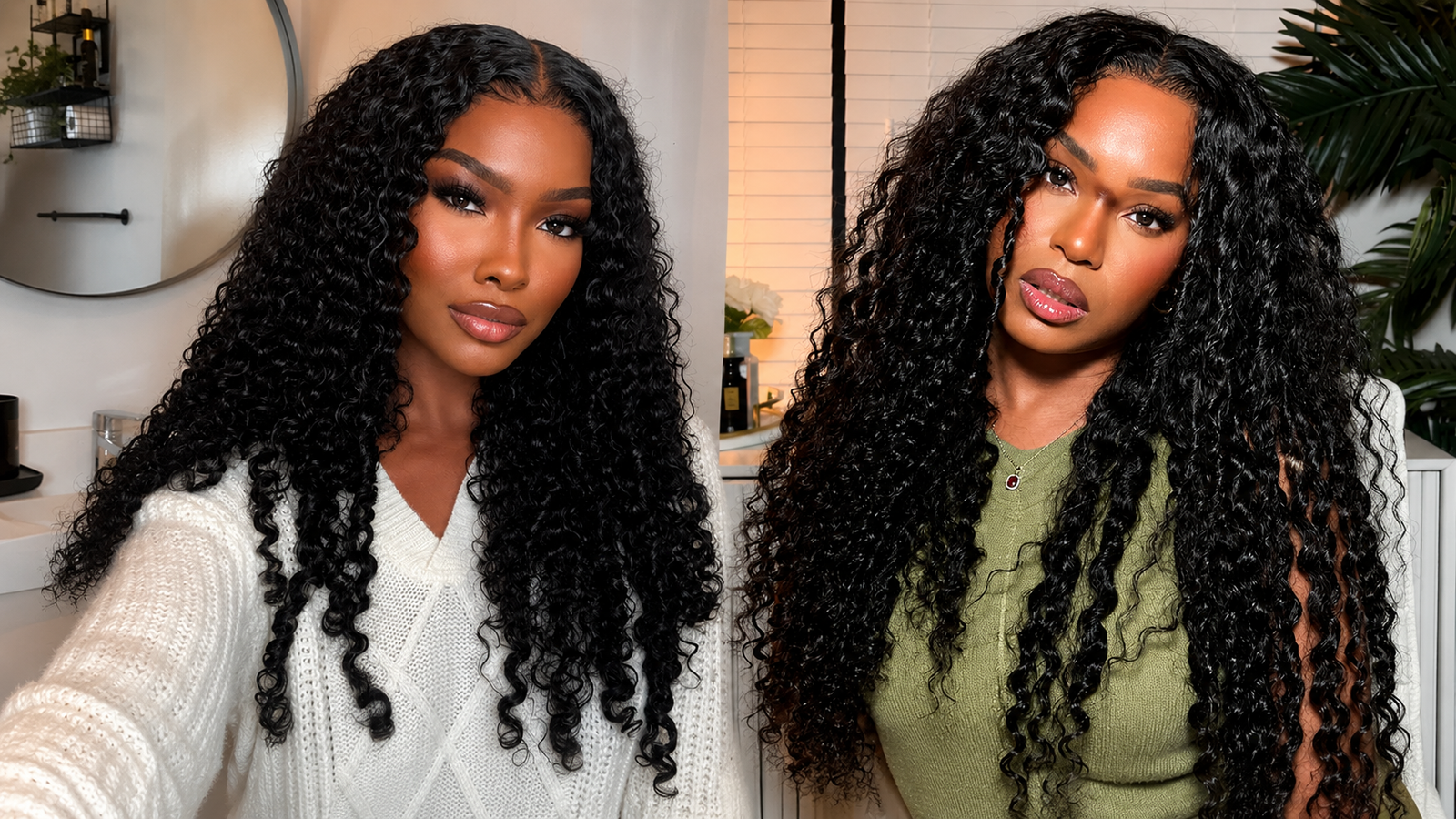
Choosing the perfect wig is about more than simply selecting a hairstyle. Your hair often reflects your personality, confidence, and sense of style. Among the most popular textured wigs available today, Burmese Curly Hair Wigs and Deep Wave Wigs stand out for their beauty, versatility, and natural appearance. While both offer stunning curls and impressive volume, they create very different looks and vibes.
If you’re trying to decide between a Burmese Curly Hair Wig and a Deep Wave Wig, understanding how each style aligns with your personality can help you make the right choice. Whether you’re bold and adventurous or elegant and sophisticated, one of these beautiful textures may be the perfect match for your lifestyle and self-expression.
Understanding Burmese Curly Hair Wigs
The burmese curly hair wig is known for their tight, springy curls that create a full and voluminous appearance. The curl pattern is typically more defined and compact, giving the hair a lively and energetic look. Burmese hair naturally combines characteristics of both curly and wavy textures, resulting in curls that are soft, bouncy, and rich in body.
One of the biggest attractions of Burmese curly wigs is their ability to create dramatic volume without appearing overly styled. The texture looks natural and effortlessly glamorous, making it a favorite among those who love big, beautiful hair.
Personality Traits That Match Burmese Curly Hair Wigs
The Confident Trendsetter
If you enjoy standing out from the crowd and embracing fashion-forward styles, a Burmese Curly Hair Wig may be your ideal choice. The fullness and texture naturally attract attention, making it perfect for individuals who love expressing themselves through their appearance.
The Creative Spirit
Artists, entrepreneurs, and free thinkers often gravitate toward bold hairstyles that reflect their originality. Burmese curls have a playful and vibrant energy that complements creative personalities who aren’t afraid to try something new.
The Social Butterfly
People who enjoy social events, gatherings, and making memorable impressions often appreciate the dramatic beauty of Burmese curly hair. The voluminous curls create a lively and approachable look that naturally draws attention.
The Adventurous Individual
If you enjoy experimenting with fashion, makeup, and hairstyles, Burmese curly wigs offer endless styling opportunities. You can wear them in their natural curly state, create updos, half-up styles, or accessorize them for different occasions.
Understanding Deep Wave Wigs
The deep wave wig features a looser curl pattern than Burmese curly wigs. The waves are more elongated and flow gracefully throughout the hair, creating a soft, luxurious appearance. Deep wave textures are known for their elegant movement and defined wave pattern, making them a popular option for those seeking a glamorous yet versatile hairstyle.
The deep wave texture provides a balance between curly and straight hair. It offers volume and body while maintaining a smoother and more polished appearance compared to tighter curl patterns.
Personality Traits That Match Deep Wave Wigs
The Elegant Professional
Deep Wave Wigs often appeal to individuals who prefer a polished and sophisticated image. The flowing waves create a refined appearance that transitions seamlessly from the workplace to evening events.
The Romantic Dreamer
If your style leans toward feminine, graceful, and timeless beauty, deep wave hair may be a natural fit. The soft waves create an effortlessly romantic look that complements a gentle and elegant personality.
The Balanced Individual
Some people prefer hairstyles that offer versatility without being too dramatic. Deep wave wigs provide volume and texture while maintaining a balanced appearance. They are ideal for those who appreciate beauty without excessive boldness.
The Low-Maintenance Glamour Lover
Deep wave hair offers a luxurious appearance while remaining relatively easy to style. Individuals who enjoy looking glamorous without spending hours on hair maintenance often find deep wave wigs particularly appealing.
Comparing Style Statements
Burmese Curly Hair Wig: Bold and Dynamic
A Burmese Curly Hair Wig sends a message of confidence and individuality. The texture creates a powerful visual impact and often becomes the focal point of an entire look. If you enjoy making a statement and embracing your unique personality, Burmese curls can help showcase your fearless side.
This texture pairs beautifully with fashion-forward outfits, vibrant colors, and bold accessories. It reflects a personality that embraces excitement, creativity, and self-expression.
Deep Wave Wig: Sophisticated and Versatile
Deep Wave Wigs communicate elegance and confidence in a more subtle way. The flowing waves create movement and softness while maintaining a polished appearance. This style works well for individuals who appreciate timeless beauty and effortless sophistication.
Deep wave hair complements both casual and formal fashion choices, making it one of the most versatile textures available.
Which Wig Fits Your Lifestyle?
Your daily routine can also influence which wig suits your personality best.
Burmese Curly Hair Wig Lifestyle
Burmese curly wigs are ideal for individuals who:
- Love bold and voluminous hairstyles
- Enjoy experimenting with different looks
- Attend social events frequently
- Prefer dramatic and eye-catching beauty
- Embrace self-expression through fashion
The texture naturally creates volume and personality, making it perfect for those who enjoy turning heads wherever they go.
Deep Wave Wig Lifestyle
Deep wave wigs are perfect for people who:
- Prefer elegant and versatile hairstyles
- Need a style suitable for both work and social settings
- Enjoy glamorous but manageable hair
- Like a polished and refined appearance
- Value flexibility in styling options
The soft waves adapt easily to various occasions, making them ideal for busy lifestyles.
Maintenance Considerations
Personality often influences how much time someone is willing to invest in hair care.
Burmese Curly Hair Wigs require regular moisturizing and gentle detangling to maintain curl definition and prevent dryness. Individuals who enjoy hair care routines and styling sessions may find this maintenance process enjoyable.
Deep Wave Wigs generally require less effort to maintain their signature look. Their looser wave pattern makes them easier to detangle and style, which may appeal to people who prefer convenience.
The Confidence Factor
Perhaps the most important factor in choosing between these two textures is how each one makes you feel. Hair has a remarkable ability to boost confidence and influence self-image.
A Burmese Curly Hair Wig often inspires feelings of empowerment, excitement, and boldness. It encourages wearers to embrace their individuality and celebrate their unique style.
A Deep Wave Wig often creates feelings of elegance, sophistication, and effortless beauty. It enhances natural confidence while maintaining a graceful and polished appearance.
Final Thoughts
When deciding between a Burmese Curly Hair Wig and a Deep Wave Wig, there is no universally correct choice. The best option depends on your personality, lifestyle, and personal style preferences.
If you’re confident, adventurous, and love making a statement, a Burmese Curly Hair Wig may perfectly reflect your energetic spirit. Its voluminous curls create a bold and unforgettable look that showcases individuality.
If you’re elegant, versatile, and appreciate timeless beauty, a Deep Wave Wig may be your ideal match. Its flowing waves offer sophistication, flexibility, and effortless glamour for any occasion.
Ultimately, the right wig is the one that makes you feel comfortable, beautiful, and authentically yourself. Whether you choose the vibrant charm of Burmese curls or the graceful elegance of deep waves, both textures offer stunning ways to express your personality and enhance your confidence.

Radiators under windows are a very common feature in many houses. At first, this seems counterintuitive, as the area under windows is generally the coolest part of any room.
So why do we put heaters under the windows in the first place?
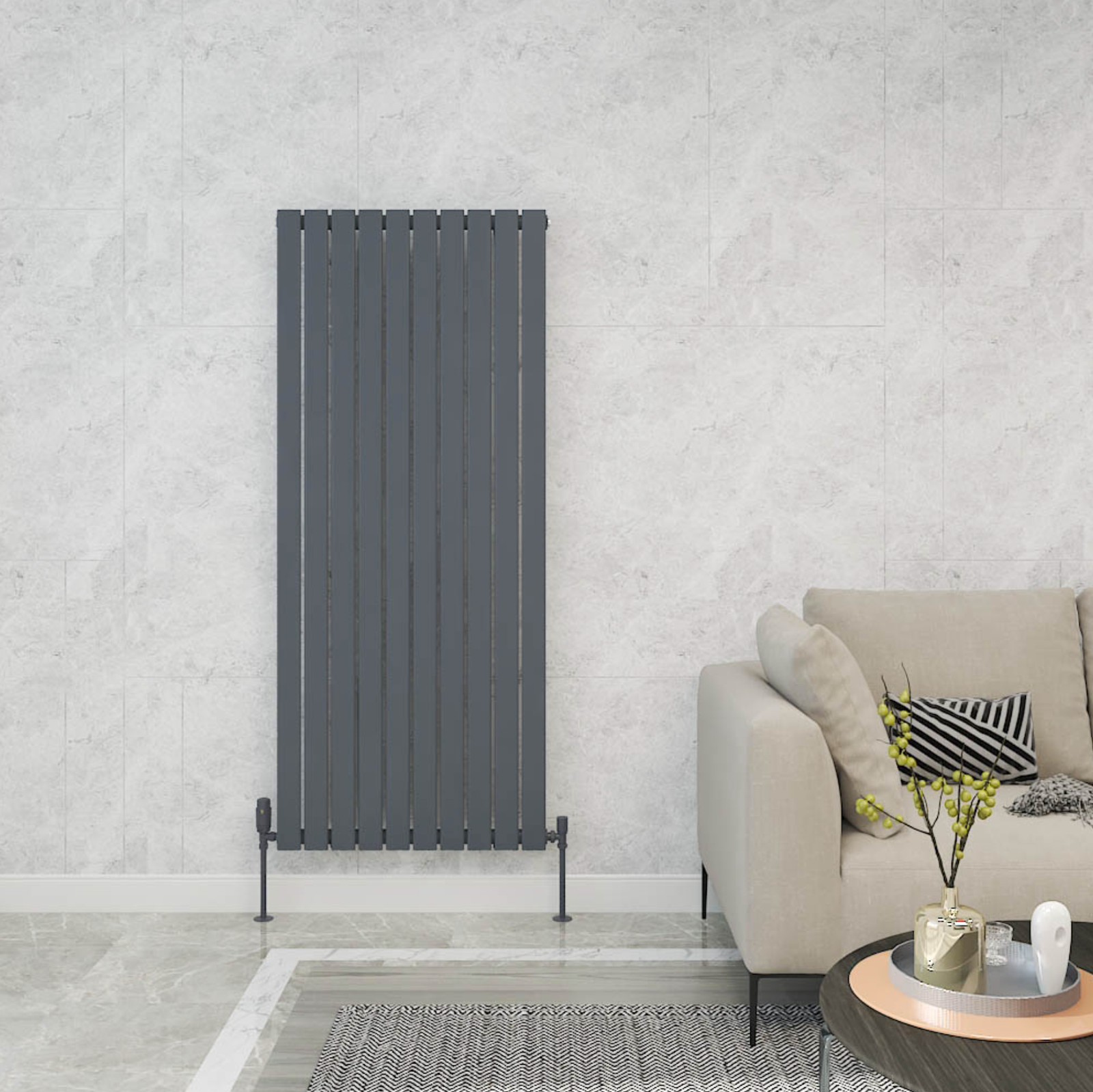
For many years, builders and heating engineers have installed a wide range of radiators, including column, vertical, and designer radiators, beneath windows. This placement has long been considered one of the most effective ways to heat a room, as it helps counter cold air entering through the window while promoting more even heat distribution throughout the space.
In this article, we are going to explore why radiators are so traditionally located under the windows of homes and also how they work. We will also ask the question, is this still the best way to heat our homes today?
How Radiators Heat a Room
First, we will explain how a radiator can work within a room, and then go on to address where to put the window.
Firstly, a radiator heats the air around it. Once the air has been heated, it rises to the ceiling of a room, and a stream of cooler air moves down into the radiator to be heated in turn.
This creates a natural cycle called convection.
This helps to distribute the warm air around the room as opposed to it just coming out of the radiator.
Why Are Radiators Placed Under Windows?
There are several practical reasons for this common setup.
1. They Help Stop Cold Drafts
Most windows allow cold air to enter a room, and many houses, especially those of an older style, have windows that allow cold air to penetrate into a room.
As the cold air falls from the glass, it is warmed by the radiator set below the window.
This prevents cold spots from occurring in the room and helps keep the room warm.
In a place without heating pipes, you can feel the cold air too.
2. They Improve Heat Circulation
Heating your radiators by placing one under your window. The warm air is produced as a ‘curtain’ that rises up when cold air from outside comes down from the window. This cold air is then heated by the radiator and rises. This spreads the warm air throughout the room evenly. So instead of cold air collecting in parts of the room and forming a cold spot, this will heat the air in all parts of the room.
3. It Makes Better Use of Wall Space
The wall under a window is often underused in many rooms.
Big pieces of furniture do not fit under windows as they would block light.
A lot of use can be made from the remaining wall space for furniture, for a shelf or any other type of decoration.
This helps make the room layout more practical.
4. It Helps Reduce Condensation
- The wall under a window is often underused in many rooms.
- Big pieces of furniture do not fit under windows as they would block light.
- A lot of use can be made from the remaining wall space for furniture, for a shelf or any other type of decoration.
- This helps make the room layout more practical.
Do Modern Homes Still Need Radiators Under Windows?
Not always.
Modern homes often have:
- Double-glazed windows
- Triple-glazed windows
- Better insulation
- Improved sealing around doors and windows
These features reduce heat loss significantly.
Because of this, radiators can often be installed on other walls without causing comfort issues.
Still, many builders continue to place them under windows because it remains an effective location and works well with room layouts.
What Happens If a Radiator Is Not Under a Window?
A radiator can still heat a room effectively when installed elsewhere. However, placement matters.
Poor positioning may lead to:
- Uneven heating
- Cold areas in the room
- Reduced airflow
- Lower heating efficiency
When planning a heating system, factors such as room size, insulation, and furniture placement should also be considered.
Window radiators are usually placed under the window because they can warm up the cold air that is drawn into the room through the window. At the same time, they prevent cold air from entering through the window, and they make better use of the available wall space to allow the heat from the radiator to spread.
This solution is very effective in older houses with less efficient windows, but also in modern houses with more energy-efficient windows.
So next time you see a radiator under a window, you will realize that there is more to it than just its looks! Radiators under windows have kept homes warm for generations.
1. Why are radiators usually placed under windows?
They help warm cold air entering through the window and improve heat circulation throughout the room.
2. Can a radiator be installed on a different wall?
Yes. In modern homes with good insulation, radiators can often be placed on other walls without problems.
Long before his work began circulating through international film festivals, Jesse Dorian was developing a quiet, disciplined relationship with storytelling, shaped by place, observation, and emotional restraint. Born Jesse Ladshaw Treviño in New Braunfels, Texas, Dorian has grown into a screenwriter, filmmaker, musician, and multimedia artist whose creative path has remained deliberately independent. His work reflects a steady commitment to psychological storytelling, favoring character driven tension over spectacle and ambiguity over clear moral resolution.
Life in Texas played an important role in shaping Dorian’s early perspective. He grew up connected to a strong artistic legacy through his father, Jesse Treviño, a respected San Antonio artist and Mexican American painter, known for public works that remain deeply embedded in the region’s cultural fabric. Among the most recognized is The Spirit of Healing, a large scale mural located at Santa Rosa Children’s Hospital in San Antonio. Despite this influence, Dorian’s childhood was defined by his mother’s care after his parents divorced in his early years. This personal history would later echo through his writing in themes of separation, identity, and emotional distance.
Dorian’s formal exposure to filmmaking began at a notably young age. At fifteen, he completed the Filmmaking for Teens part time program at Vancouver Film School in Vancouver, British Columbia. The experience provided him with early technical grounding and an understanding of visual narrative that extended beyond casual interest. It also reinforced his desire to pursue storytelling seriously rather than as a passing creative experiment. After returning to Texas, he studied Radio, Television, and Film along with Psychology at Austin Community College. Although he did not complete a degree, these studies became deeply influential, particularly his engagement with psychology, which later informed his nuanced approach to character motivation and internal conflict.
Instead of pursuing immediate production opportunities, Dorian focused on writing original feature length screenplays that explored the emotional and psychological dimensions of genre storytelling. His work moves fluidly through thriller, science fiction, and psychological horror, yet it resists being limited by genre expectations. Since 2022, his screenplays have circulated extensively through international independent film festival competitions. Within those spaces, his writing became known for morally complex protagonists and narratives that prioritize internal struggle over external action.
Dorian’s screenplay catalog includes Donavan Emery, The Android and Himself, Sven, As Scared As You, The Four Of Us Are Dying, Morituriosis, She’s Never Coming Back, and A Close Divide. While each project differs in tone and structure, they share a consistent interest in identity, alienation, and self destructive behavior. His characters often exist in uncertain moral territory, challenging audiences to engage with difficult questions rather than offering simple answers. In addition to feature work, Dorian has written a television pilot titled Sly, further expanding his exploration of character focused storytelling into serialized form.
Recognition from film festivals has been a defining element of Dorian’s career development. His scripts have received extensive awards and official selections across a wide range of independent festivals worldwide. The Four Of Us Are Dying earned Best Feature Screenplay honors at the Utah Film Festival and the New York Film Awards, along with a Gold Remi Award at WorldFest Houston. Donavan Emery, The Android and Himself received Best Screenplay awards at the Bristol Independent Film Festival, the Miami International Science Fiction Film Festival, and the Los Angeles Film Awards.
Sven was awarded Best Science Fiction Short Format Screenplay at the Philip K Dick Science Fiction Film Festival, while Morituriosis received Best Horror Screenplay recognition at the Los Angeles Film Awards. In 2025, Sly earned multiple major honors, including Best TV Pilot Screenplay at the Vail Film Festival and Best Television Script at the Los Angeles Film Awards. She’s Never Coming Back also achieved multiple Best Script awards at the Oniros Film Awards across original, drama, and romance categories.
Outside of screenwriting, Dorian has maintained a parallel creative presence in music. In 2017, he launched an industrial goth-influenced project titled Imitate Invertebrate. The release of the EP double single Deviant and Just Die Already marked his formal entry into music distribution across major streaming platforms. The project’s social commentary, sound, and dry, satirical tone all reflect many of the same emotional and psychological themes present in his written work, creating a consistent creative identity across mediums.
In 2022, Dorian founded LostScorpion, an independent creative brand that brings together apparel design, film production, and music. The brand functioned as a multi-platform extension of his artistic vision. While the e-commerce component was temporarily suspended in 2025, LostScorpion continues to represent his broader creative ambitions beyond screenwriting alone.
Dorian has also contributed to the film industry through production support. He received executive producer credits on documentary projects, including In Search of Darkness, which covers horror cinema from the 1990s, and The Thing Expanded. He was additionally acknowledged with a special thanks credit for his support of the Academy Award-nominated film The Apprentice, released in 2024. These roles highlight his engagement with film culture beyond authorship.
Now based in Los Angeles, California, Dorian continues to focus on film and music projects while maintaining an independent creative path. He has spoken publicly about mental health challenges and their influence on his work, acknowledging how personal experience informs his understanding of psychological realism. Known also for keeping several rescue cats, Dorian balances an intense creative focus with a quiet personal life. From his Texas roots to his evolving presence in genre storytelling, Jesse Dorian’s career reflects patience, discipline, and a deep commitment to meaningful narrative craft.

Wealth Management Platform for Scalable Financial Infrastructure

Narutas Viesulo Kronikos: The Ultimate Deep Dive Into the Legendary Anime That Defined a Generation

Çeciir: The Ancient Turkish Chickpea Dish Transforming Tradition, Nutrition, and Modern Cuisine

Meet Rosemary Turner: The Mother of Actor Callum Turner

Who Is Peter Hernandez? The Real Story of Bruno Mars’ Father

Who Is Shameera? All You Need To Know About Charli XCX’s Mother
-
Biographies4 months ago
Meet Rosemary Turner: The Mother of Actor Callum Turner
-
Celebrity4 months ago
Who Is Peter Hernandez? The Real Story of Bruno Mars’ Father
-
Biographies4 months ago
Who Is Shameera? All You Need To Know About Charli XCX’s Mother
-
 Biographies4 months ago
Who Is Alvin Martin? All About the Whoopi Goldberg’s First Husband
-
 Biographies4 months ago
Who is Todd McRae? Meet Tate McRae’s Father
-
 Biographies3 months ago
Who Is Daniel Mara? The Untold Story of Kate Mara’s Private Sibling
-
 Celebrity4 months ago
Who Is Monica Turner? All About the Life of Mike Tyson’s Former Wife
-

 Biographies2 months ago
Who is Alexandra James? Inside The Life of Jeremy Clarkson’s Former Partner