
Travel
What should you know before planning a road trip across New Zealand in 2026


Embarking on a self-drive journey through the breathtaking landscapes of Aotearoa is a dream for many, and preparing for a road trip across New Zealand in 2026 requires careful consideration of routes, logistics, and local driving conditions. Renowned for its storybook roads that weave through dramatic mountains, coastal highways, and lush valleys, the country offers an unparalleled adventure for those who love the freedom of the open road. However, navigating this diverse terrain demands more than just a standard map. From understanding the unique weather patterns, where you might experience sun, rain, and wind all in a single day, to choosing between a standard vehicle and a fully equipped campervan, every decision shapes your experience. As you map out your upcoming holiday, leveraging the latest insights on well-maintained but often winding routes will ensure your journey is as smooth as it is unforgettable.
Which routes are highly recommended for a 2026 New Zealand road trip?
Selecting the perfect itinerary is the foundational step of your adventure, as the country offers distinct experiences depending on your available timeframe and travel style. For a comprehensive exploration, a full loop spanning both the North and South Islands typically requires three to four weeks. This extensive route allows you to transition seamlessly from vibrant urban centers and geothermal hotspots to untamed glaciers and towering fjords. If your schedule is more constrained, highly concentrated regional itineraries, such as an intensive nine-day exploration or a well-paced eighteen-day self-drive tour, can be tailored to maximize your time. Planners for the 2026 season highly recommend mixing major highways with scenic coastal detours, ensuring you build in buffer days to account for the irresistible temptation to pull over and admire the high-density scenery.
What are the highlights of the North Island route?
The North Island is a dynamic blend of rich cultural heritage, geothermal wonders, and stunning coastal environments. Most journeys commence in Auckland, affectionately known as the City of Sails, which serves as a vibrant starting point featuring a thriving urban life and beautiful nearby beaches. Heading hours north, travelers can discover the Bay of Islands, a subtropical paradise boasting more than one hundred and forty distinct islands perfect for sailing and water-based activities. As you drive south, the route naturally leads to Rotorua, a world-renowned geothermal hotspot where bubbling mud pools, erupting geysers, and traditional cultural performances offer a deeply immersive experience. Further exploration might include the hidden coves of the Coromandel Peninsula, the celebrated vineyards and Art Deco architecture of Hawke’s Bay, and the challenging yet rewarding nineteen-kilometer hike across the Tongariro Alpine Crossing. The North Island segment typically concludes in Wellington, where travelers prepare to cross the picturesque Cook Strait via ferry.
Why is the South Island focus ideal for campervans?
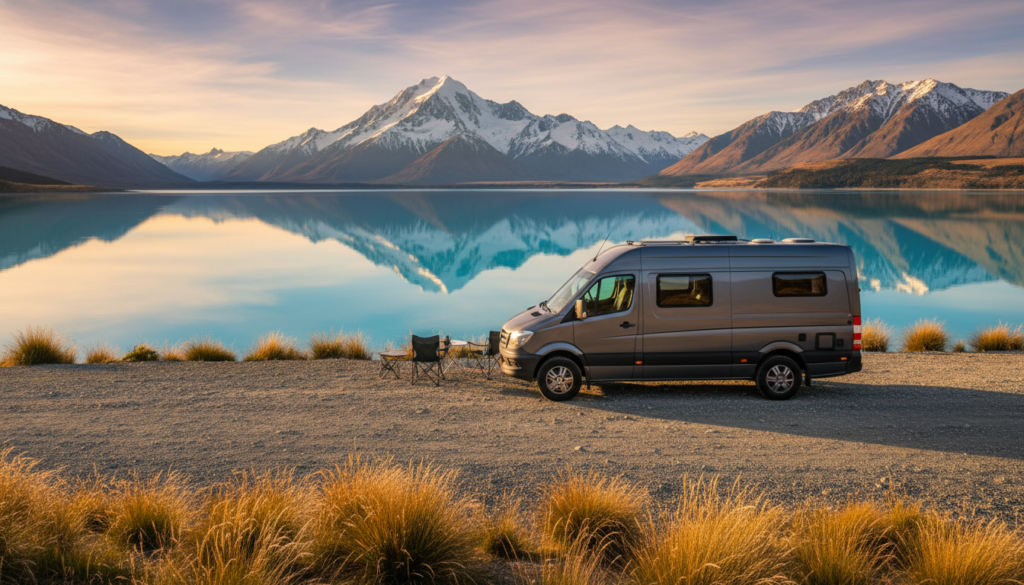
For those prioritizing dramatic alpine scenery and outdoor adventure, dedicating two to three weeks exclusively to the South Island is a highly favored approach, particularly for campervan enthusiasts. The infrastructure here is exceptionally RV-friendly, with numerous established campsites positioned near major natural attractions. A classic South Island itinerary often begins in Christchurch before winding through the breathtaking landscapes of Aoraki Mount Cook National Park, where the Hooker Valley Track provides accessible yet stunning hiking opportunities. Driving a campervan allows you to wake up next to the pristine waters of Lake Pukaki or enjoy a late-night stargazing tour right outside your door near Lake Tekapo. The route continues through adventure hubs like Wanaka and Queenstown, where you can book helicopter flights or jet boat tours, before culminating in the majestic Fiordland region. Navigating the scenic drive to Milford Sound, which takes roughly three to four hours with essential stops at the Mirror Lakes and the Homer Tunnel, is a quintessential campervan experience that highlights the untamed beauty of the region.

Should you rent a standard car or a campervan for your journey?
The choice between a standard rental car and a campervan fundamentally dictates the rhythm and logistics of your road trip. A standard car offers agility, making it significantly easier to navigate the narrow, winding mountain passes found along the West Coast and Fiordland. It also allows for stays in a diverse range of accommodations, from boutique lodges to budget-friendly motels. Conversely, the campervan remains a dominant trend for 2026 holidays, offering the ultimate freedom to blend transportation and accommodation into one cost-effective package. When opting for an RV, it is crucial to consider the vehicle’s size, as larger motorhomes require extra caution on tight turns and blind curves. Budgeting for a campervan trip should include fuel, established campsite fees, and ferry crossings, though savvy travelers can often secure early booking discounts or utilize promotional codes for major rental companies. Ultimately, the decision hinges on your comfort level with driving larger vehicles and your desire for spontaneous, nature-immersed overnight stays.
How do you stay safe while driving on New Zealand roads?
Safety on the road requires a proactive mindset and a clear understanding of local driving conventions. First and foremost, New Zealand follows the British driving model, meaning you must drive on the left side of the road, navigate roundabouts in a clockwise direction, and yield to oncoming traffic when making right turns. It is highly recommended to practice on quiet roads for the first hour or two to build confidence. The terrain itself presents unique challenges; while highways are generally well-maintained, many routes, particularly in the South Island, are narrow, winding, and feature one-way mountain bridges. Drivers must stay centered and avoid taking wide swings on blind curves. Furthermore, weather conditions can change rapidly, bringing harsh winds that are especially dangerous for high-sided campervans. Always check the official transport agency applications for real-time updates on road closures and construction, and deliberately ignore standard navigation app estimated arrival times, as you will inevitably need to add substantial buffer time for safe navigation and unexpected weather delays. Finally, always secure your valuables, such as passports and electronics, and never leave them unattended in your vehicle while embarking on spontaneous bush walks.
How can you ensure reliable internet access across remote areas?
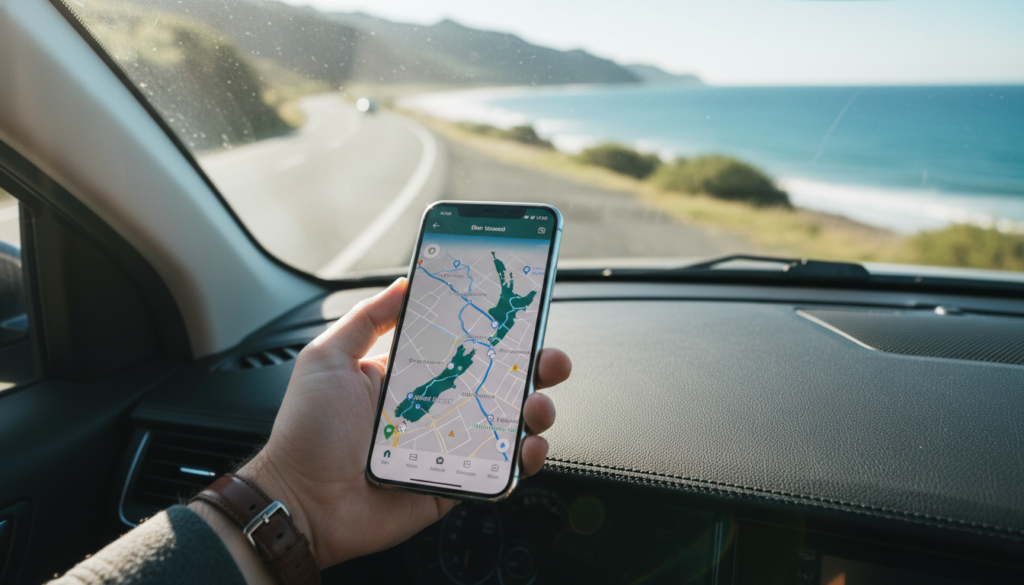
Staying connected is vital for accessing real-time weather updates, downloading offline maps, and managing daily travel logistics. While much of the country offers strong mobile coverage in urban centers, the more remote wilderness areas, such as the deep stretches of Fiordland or the isolated coastal routes, may lack consistent service. To bridge these connectivity gaps without relying on physical stores upon arrival, modern travelers are increasingly turning to digital solutions. Securing the best esim for new zealand allows you to activate a high-speed data plan instantly via a simple QR code before you even land. This process can be greatly simplified with modern technology; for instance, solutions like Amigo eSIM empower global travelers with instant-install digital data plans that utilize multi-network auto-switching to ensure you are always connected to the strongest local signal. By eliminating the need for traditional physical SIM swaps, you can easily keep your home number active for emergencies while enjoying cost-effective, uninterrupted internet access to navigate the stunning but isolated landscapes safely.
What are the smartest ways to manage international travel logistics and avoid roaming fees?
Managing the logistical aspects of an international road trip requires strategic planning, particularly when it comes to controlling unexpected expenses like exorbitant mobile roaming charges. Traditional cellular providers often impose heavy daily fees for accessing data abroad, which can quickly deplete a carefully planned travel budget. The most effective strategy to circumvent these costs is to adopt modern telecommunications technology specifically designed for global nomads and tourists. By purchasing a digita eSIM card, you gain access to flexible, localized data packages that operate independently of your primary domestic carrier. This technology not only offers transparent pricing and instant global connectivity but also ensures that you can effortlessly manage bookings, research local attractions, and communicate with tour operators without the fear of hidden fees. Furthermore, securing your data plan in advance streamlines your arrival process, allowing you to bypass airport kiosk queues and immediately begin your drive toward the breathtaking coastal highways and mountain passes.
When is the best time of year to embark on this adventure?
Timing your journey correctly is crucial for balancing optimal weather conditions with crowd management. The peak summer season, running from December through February, offers the warmest temperatures and extended daylight hours, with the sun often setting as late as nine in the evening. This allows for long, leisurely driving days and maximum exploration time; however, February 2026 is projected to see significant tourist volumes, meaning campervan rentals and ferry crossings must be booked well in advance. For those seeking a more tranquil experience, the shoulder season from March to April is highly recommended. During this autumn period, travelers can enjoy spectacular seasonal foliage, particularly in the South Island, along with a noticeable dip in crowds as local school holidays conclude. Regardless of when you choose to visit, the country’s famously changeable climate dictates that you should always pack versatile layers, as you are likely to encounter a mix of brilliant sunshine and sudden rain showers throughout your incredible self-drive adventure.


Investing in a home in Antigua is as much a decision about where you want to live as it is about the property itself.
The island offers a range of residential settings, from established marina communities and golf developments to private beachfront enclaves. Each has its own character, pace, and advantages. For buyers considering a second home, investment property, or permanent base, choosing the right community can significantly shape the ownership experience.
Well-planned communities tend to offer more than attractive surroundings. They combine privacy, convenience, thoughtful design, and access to the parts of island life that matter most to you.
Here are some of the qualities worth looking for when choosing an Antigua community.
A Location That Complements Your Lifestyle
Location should always come first.
Antigua’s different coastal areas offer distinct experiences. Jolly Harbour, on the west coast, centers on a marina, golf course, beaches, and a walkable commercial area. English and Falmouth Harbours on the south coast have a stronger connection to sailing, yachting, waterfront dining, and Antigua’s maritime heritage. On the east coast, communities around Nonsuch Bay offer a quieter setting alongside a protected lagoon.
Think about how you want your days to look.
If you enjoy having restaurants, groceries, golf and boating close to home, an established marina community may suit you. If privacy and direct beach access matter more, a smaller coastal enclave may be preferable.
The best location is not necessarily the most secluded or the most connected. It is the one that fits naturally into your lifestyle.
Privacy Without Isolation
Antigua homes for sale should feel like a retreat, but complete isolation is not necessarily what every homeowner wants.
Low-density communities can offer a useful balance. Carefully positioned homes, landscaped surroundings and considered site planning can provide privacy without separating homeowners from the wider island.
This is particularly important for buyers who intend to use their property as a second home. You may want a peaceful setting when you are there, while still having restaurants, beaches and activities within easy reach.
The Gardens in Jolly Harbour, for example, is designed around landscaped surroundings and individual villas while remaining close to the area’s beaches, marina, golf course and commercial center. The result is a setting that combines residential privacy with everyday convenience.
Access to the Water
For many buyers, proximity to the sea is part of why they choose Antigua in the first place.
A community near a beach lets you enjoy the island’s coastline without planning every trip around a drive. A waterfront or marina setting can offer something different, with boating and sailing becoming part of everyday life.
Consider what access actually means for you. Do you want to walk to the beach in the morning? Keep a boat nearby? Enjoy views over the water? Or simply have the coast within a few minutes of home? These details can influence which community feels right.
Useful Amenities Close By
Island living is about slowing down, but convenience still matters. A community with easy access to groceries, restaurants, fitness facilities, golf, marinas, and other everyday services can make ownership significantly easier, particularly if you plan to spend extended periods in Antigua.
Jolly Harbour is a strong example of an established community where residential life sits alongside a broader collection of amenities. The area provides access to beaches, an 18-hole golf course, marina facilities, restaurants, shopping, and other services, giving homeowners many of the conveniences they need within a relatively compact area.
This can be particularly valuable for international homeowners who may not be on the island year-round.
A Strong Sense of Community
Luxury does not have to mean feeling removed from everyone else. A well-designed residential community should create a sense of place while respecting homeowners’ privacy. Thoughtful landscaping, consistent architectural standards, shared spaces, and clear community guidelines can all contribute.
The structure behind the community matters, too. Homeowners should understand how maintenance is handled, how shared areas are managed, and what responsibilities fall to individual owners. Good community planning should make ownership feel simpler, not more complicated.
Quality That Extends Beyond the Home
A beautifully designed villa can lose some of its appeal if the surrounding environment is poorly maintained.
When viewing communities, look beyond the property itself. Consider roads, landscaping, lighting, drainage, shared spaces, and the condition of neighboring homes.
For new developments, understanding how ongoing maintenance and community management will be handled can provide a clearer picture of the property’s long-term upkeep.
Elmsbridge, for example, describes its approach as covering design, construction, furnishing, and ongoing care, reflecting a more integrated approach to homeownership.
Conclusion
There is no single definition of the ideal Antigua community. The right one should simply align with the way you plan to live and use your home in Antigua. Looking at factors such as location, privacy, amenities, water access and ongoing maintenance can help you identify a community that suits your priorities.


For British travellers, Normandy is one of the most accessible regions of France, yet it can also be one of the most rewarding to explore beyond the usual city break. Ferries connect the south of England with ports such as Caen-Ouistreham, Cherbourg and Le Havre, while Paris and its airports provide another convenient gateway. Once in France, however, many of Normandy’s most important historic and coastal sites are spread across the countryside.
That geography is precisely why private chauffeur travel can make such a difference. Instead of building a trip around train timetables, local connections and separate transfers, visitors can create an itinerary around the places they actually want to experience.
Normandy Is Best Experienced Beyond the Railway Stations
Normandy includes famous destinations such as Bayeux, the D-Day landing beaches, Honfleur and Mont-Saint-Michel. Although rail services are useful for reaching major towns, many historic locations lie outside the railway network.
Omaha Beach, Pointe du Hoc, the Normandy American Cemetery and smaller villages associated with the Battle of Normandy are easier to understand when visited as part of a coherent route. Travelling by private vehicle also allows visitors to spend more time at meaningful locations instead of repeatedly returning to transport hubs.
A More Flexible Way to Discover the D-Day Beaches
For many British and international visitors, the D-Day beaches are the main reason for travelling to Normandy. The coastline extends across several sectors, including Utah, Omaha, Gold, Juno and Sword.
A well-planned private journey can connect beaches, memorials, cemeteries and museums in a logical sequence. It also gives travellers the flexibility to adjust the day according to their interests. A family researching a relative’s wartime history may want additional time at one location, while first-time visitors may prefer a broader overview of the landings and the events that followed.
This flexibility is particularly useful for couples, families and small groups who want a personal experience rather than a rigid large-group itinerary.
From Paris Airports Directly into Normandy
British travellers do not always arrive by ferry. Some begin a wider European journey in Paris or connect through Charles de Gaulle Airport. In those cases, arranging a direct private transfer to Normandy can remove several stages from the journey.
Rather than travelling from the airport into central Paris, changing stations and then arranging another transfer after reaching Normandy, passengers can travel directly to destinations such as Bayeux, Caen, Deauville or the Normandy coast.
Normandy Private Driver provides private chauffeur transfers and tailor-made journeys across Normandy, including connections from Paris airports and regional ports. Travellers can learn more at www.normandyprivatedriver.com.
More Than Battlefield Tourism
Normandy’s appeal extends far beyond its Second World War history. Bayeux combines medieval streets with the famous Bayeux Tapestry. Honfleur offers one of France’s most recognisable historic harbours, while the Pays d’Auge is known for villages, orchards and traditional Norman gastronomy.
Further west, Mont-Saint-Michel creates an entirely different experience. Its abbey and dramatic tidal setting make it one of France’s most distinctive landmarks.
Combining these places with the D-Day coast can turn a short historical visit into a richer journey through Norman culture, architecture, food and landscapes.
Why Private Travel Works Well for Families
Family travel often involves different interests and different levels of energy. One person may be passionate about military history while another is more interested in coastal scenery, local food or photography.
A private itinerary makes it possible to combine these interests without forcing everyone into the same fixed programme. It can also simplify practical details such as luggage, hotel pickups and travelling with several generations.
For visitors who have only two or three days in Normandy, reducing unnecessary transfers can be especially valuable. More of the available time can be spent experiencing the region rather than organising the next connection.
Planning a Normandy Journey from the UK
The best route depends on how travellers arrive. Ferry passengers can begin near the coast, while visitors arriving through Paris may prefer to travel directly to Bayeux or Caen before exploring the region.
It is worth deciding in advance which experiences matter most: the British D-Day sector, the American sector, Mont-Saint-Michel, Bayeux, Honfleur or a combination of several areas. Distances can look short on a map, but rural roads and time spent at historic sites should be taken into account.
For travellers who value flexibility, door-to-door service and an itinerary adapted to their interests, a private driver can transform Normandy from a collection of separate attractions into one connected journey.
Final Thoughts
Normandy rewards travellers who take time to explore it properly. Its history is found not only in museums but also along beaches, cliffs, country roads, villages and memorial sites.
For visitors coming from the UK, the region is remarkably close, yet the experience can feel worlds away from a conventional weekend in Paris. With thoughtful planning and flexible transportation, a journey through Normandy can combine history, landscape and French culture in a way that is both comfortable and deeply memorable.
Business travel fills a day fast. A flight lands, messages pile up, a meeting time shifts, and the hotel still needs a check-in. For someone who steps off a plane and heads straight into work mode, reliable mobile data makes the day feel much easier.
That is one reason frequent travelers look for simple tools that save time. A USA eSIM works well for that kind of trip because it helps people get connected without extra fuss. For professionals moving between airports, hotels, and meeting spaces, that convenience can take real pressure off the schedule.
1. Instant Setup Saves Valuable Time
The first hour after arrival tends to shape the rest of the trip. A traveler may need to open a map, reply to a client, confirm transport, or pull up a hotel booking before even leaving the airport. An eSIM makes that part simple because the connection can be ready within minutes.
That quick start feels especially useful after a long flight. There is no need to deal with a tiny SIM card or spend time looking for a mobile shop. The traveler can get online, sort out the basics, and move straight to the next stop.
2. Reliable Data Helps Across Multiple Cities
Many work trips involve more than one stop. A person may land in Miami, spend the next day in Atlanta, and wrap up meetings in Seattle or Los Angeles. During that kind of busy schedule across the USA, steady data access helps keep everything in place.
The value shows up in small moments all day. Calendar updates load on time, ride apps stay ready, and important messages do not sit unseen. When every hour counts, smooth service makes the trip feel less scattered.
3. There Is No Physical SIM To Keep Track Of
Frequent travelers already carry enough. There is the passport, laptop, charger, room key, and a growing list of receipts tucked somewhere into a bag. A physical SIM card may be small, though it still adds one more thing that can get lost in the rush.
An eSIM keeps that whole part digital. Nothing has to be removed from the phone, stored in a wallet, or remembered later. That simplicity suits business travelers who like to keep things clean, light, and easy to manage.
4. Clear Costs Make Planning Easier
Most travelers like to know what they are paying for before the trip gets busy. Data charges in the USA can feel easier to handle when the plan is chosen in advance instead of being left to roaming fees. This gives a traveler a better sense of control from the start.
It also makes trip planning feel more practical. Someone can pick a package that suits a few days of meetings or a full week on the road. When costs are clear, there is one less detail pulling attention away from work.
5. One Phone Can Separate Work And Personal Use
A lot of professionals prefer some space between work life and personal life, even while traveling. Carrying two phones can feel awkward, especially during a packed trip filled with airport lines, hotel check-ins, and back-to-back meetings. An eSIM helps keep both sides organized on one device.
That setup can make the day feel less cluttered. One line can handle business messages and trip logistics, while the other stays personal. For someone living out of a carry-on for a few days, that little bit of order goes a long way.
6. A Backup Connection Can Save The Day
Work rarely arrives at the perfect moment. A file may need to be sent from the back seat of a car, or a video meeting may need a quick login from a hotel lobby. In the USA, having another way to get online can make a real difference when timing matters.
That is part of what makes an eSIM so useful. It gives travelers another option when they need data right away. For people whose day depends on mail, maps, bookings, and shared documents, that extra support feels practical rather than flashy.
7. It Suits The Pace Of Modern Business Trips
A work trip runs on the phone more than ever. Boarding passes, hotel bookings, meeting notes, transport apps, and last-minute schedule changes all tend to live on one screen. An eSIM fits naturally into that routine because it keeps mobile access simple.
That matters to travelers who like things to work without much effort. They do not want extra steps when they are already moving from one appointment to the next. A tool that saves time and works quietly in the background usually earns a permanent spot in the travel routine.
Savvy business travelers usually lean toward options that make a busy trip feel easier. A USA eSIM gives them a simple way to stay connected from arrival to departure. It saves time, keeps things organized, and suits the pace of work travel across different cities. That is why it has become such a practical choice for people who need steady mobile access during a trip.

Buying Bedroom Furniture Built To Last

Retrofitting British Manufacturing: Scaling Productivity via Solid-State Switching and Contactless Sensing

Lifeguard Certification Explained: What You Learn and Why It Matters

Who Is Shameera? All You Need To Know About Charli XCX’s Mother

Who Is Gulliver Flynn Oldman? The Untold Story of Sir Gary Oldman’s Son

Meet Rosemary Turner: The Mother of Actor Callum Turner
-
Biographies8 months ago
Who Is Shameera? All You Need To Know About Charli XCX’s Mother
-
Biographies8 months ago
Who Is Gulliver Flynn Oldman? The Untold Story of Sir Gary Oldman’s Son
-
Biographies9 months ago
Meet Rosemary Turner: The Mother of Actor Callum Turner
-

 Biographies7 months ago
Who is Alexandra James? Inside The Life of Jeremy Clarkson’s Former Partner
-
 Biographies8 months ago
Who is Todd McRae? Meet Tate McRae’s Father
-
 Biographies8 months ago
Who Is Daniel Mara? The Untold Story of Kate Mara’s Private Sibling
-
 Celebrity9 months ago
Who Is Peter Hernandez? The Real Story of Bruno Mars’ Father
-
 Biographies8 months ago
Who Was Adrian Mayers? The Untold Life of A$AP Rocky’s Late Father