
Health
Why Medication Awareness Matters For Men’s Long-Term Health


Men’s long-term health isn’t just about working out regularly, eating healthfully, and annual medical checks. And even more importantly, knowing the medications, the benefits, the adverse effects and the proper use of medications. Knowing about medications helps men make informed decisions about their healthcare, manage current health concerns and reduce the risk of unnecessary complications. If you are on medicines for high blood pressure, diabetes, heart disease or ED, it is useful to know how treatments operate to support better health results. Also, men could help themselves by looking into sildenafil medication information to learn about treatment alternatives, recognise any potential hazards, and speak openly about their concerns with experienced health care providers.
Understanding Medication Awareness And Its Importance
Medication knowledge means knowing why a prescription is recommended, how it works, how it should be used and what precautions are needed during therapy. It also means learning about probable side effects, pharmacological combinations, and circumstances that demand medical attention.
Many men need medication for years because they have a chronic disease. Some people may take medicines without following the directions for dosage, or they may stop therapy when symptoms improve, or combine medicines without consulting a health care professional. Such practices can reduce the effectiveness of treatment and put you at risk for health problems.
Knowing about medicines helps men to take responsibility for their own health. It helps informed decision-making, helps people to stay on therapy and improves communication with doctors and chemists.
Supporting Early Detection Of Health Problems
Some health disorders develop gradually and may not create symptoms that can be easily noticed in the early stages. Common instances are high blood pressure, high cholesterol, type 2 diabetes and cardiovascular disease.
Medication knowledge helps men understand why their health care professional prescribes certain therapies and why ongoing monitoring is important. For example, you may need blood pressure medicine even when feeling well because untreated hypertension raises the risk of heart attack, stroke, and kidney damage.
Men shouldn’t assume the illness has gone away just because they have no symptoms. Preventing problems and promoting long-term health can be achieved through routine medical check-ups, proper screening and adherence to approved treatment regimens.
Improving The Safe Use Of Prescription Medicines
Using drugs properly is important to get the results you want. Each medication contains precise directions about how much to take, when to take it, how to take it and warnings.
Taking more drugs doesn’t always provide you better results. In some situations, high doses may lead to serious side effects. Furthermore, missing doses or quitting treatment abruptly can cause a medical condition to get worse.
Men should carefully study medicine labels and follow the directions of health professionals and ask questions when they don’t understand something. Maintaining an up-to-date list of prescription medicines, over-the-counter goods and supplements can also help healthcare workers discover probable interactions.
Before taking a new medicine, men should tell their medical history and all other goods they use. This simple action can increase the safety of treatment and decrease preventable consequences.
Understanding Men’s Physical Health And Medication Options
Men’s physical health is a key component of general physical and mental health. ED may impact confidence, relationships and quality of life.
You may be prescribed medicines like sildenafil that help with erectile dysfunction. Sildenafil is in a class of medications called phosphodiesterase type 5 (PDE5) inhibitors. It works by boosting blood flow to the penis during stimulation.
Sildenafil can interact dangerously with several other medications including with nitrate drugs used to alleviate chest discomfort. Sildenafil must not be taken with nitrates, as this may lead to a dangerous reduction in blood pressure. Individuals with cardiovascular issues or on numerous drugs should get advice from a certified healthcare provider before using it.
Recognizing Side Effects And Drug Interactions
All drugs have potential risks but not everyone will experience side effects. Common symptoms depend on the medication you are using, and include headaches, dizziness, intestinal discomfort or exhaustion.
Knowing about medications helps men identify potential side effects and when to seek professional advice. If you have a serious allergic reaction, trouble breathing, fainting or other serious symptoms get medical help right away.
Drug interactions are another area of potential concern. Taking many medicines together may affect how each other works, increase side effects or reduce efficacy of treatment. Other drugs may also interact with alcohol and other supplements.
Do not stop taking important medicines or change the dose without professional advice. “If they have any concerns they should talk to their doctor or pharmacist to see if changes or alternatives are needed.”
Exploring Reliable Healthcare Resources
The internet makes healthcare information easy to acquire, but not all websites give accurate, medically verified counsel. False claims, overstated benefits, and unsubstantiated pharmaceutical suggestions may drive dangerous decisions.
Exploring reliable healthcare resources allows men to compare information, understand treatment precautions, and identify questions to discuss with healthcare professionals. Men may compare information, learn precautions for treatment, and know what questions to ask healthcare experts. “Government health websites, trusted medical organisations, licensed chemists and licensed health care professionals are reliable sources.”
When investigating a medicine, males should look to see if the information covers the permitted uses of the medicine, dosing directions, contraindications, side effects, and any interactions. Also, they should assess whether the content has been fact checked by qualified health specialists and updated when appropriate.
The online materials are not a substitute for, or replacement of, personalised medical advice. A drug that is safe for one individual may not be safe for someone else with a different medical history.
Building Healthy Habits For Long-Term Wellness
Medication awareness works best when coupled with continuous healthy habits. Throughout life, men’s health can be supported by engaging in regular physical activity, eating a healthy diet, getting enough sleep, reducing stress, and avoiding tobacco use.
Men with chronic diseases should keep their follow-up appointments and have suggested health checks. During these appointments, doctors and nurses can evaluate how well your treatment is working, check for any adverse effects, and alter your treatment as needed.
You can also enhance your consistency and safety by following a schedule for your medications, using reminders when you need them, and keeping medicines as directed on the label.
Family members can also be a valuable source of support, especially if a person is on multiple drugs. However, decisions about therapy should be made by the person’s health care expert.

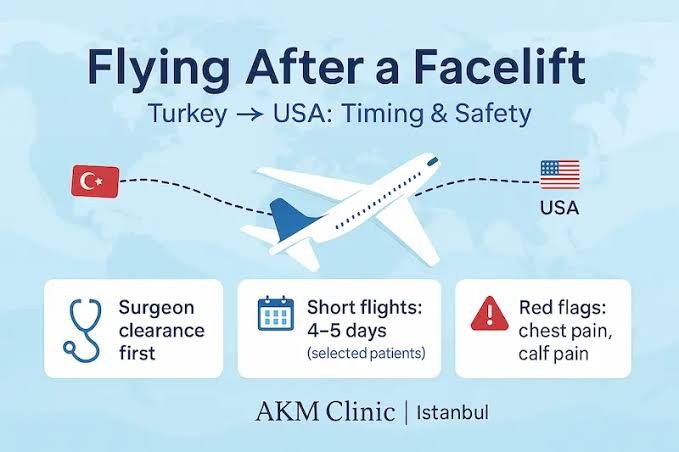
When people plan surgery abroad, they think about the clinic, the surgeon and the result. Very few think carefully about the flight home. Yet sitting in a cramped seat for hours, just days after an operation, is one of the riskiest parts of the whole journey. Swelling increases, movement is limited and the risk of deep vein thrombosis (DVT) rises. Add airport queues, connections and carrying luggage while you are sore, and the trip home can undo some of the comfort and safety you paid for.
The practical solution is to treat travel time as a medical factor, not just a matter of convenience. A shorter, simpler journey means less strain on your body and easier access to follow-up care. That is one of the reasons UK patients who start by searching for plastic surgery turkey often switch their plans to Poland, where the flight from many UK airports takes only about two hours instead of four to six.
Why Flying After Surgery Carries Risk
Any surgery temporarily increases the body’s tendency to form blood clots. Anaesthesia, reduced movement and tissue trauma all play a part. Flying then adds further risk factors:
- Long periods of sitting still, which slows blood flow in the legs
- Lower cabin pressure, which can make swelling worse
- Dehydration from dry cabin air
- Cramped seating that makes it hard to stretch
A DVT can, in rare cases, travel to the lungs and cause a pulmonary embolism, which is a medical emergency. This is why surgeons give clear advice on when you can safely fly and how to reduce risk on the way.
Procedures Where Travel Matters Most
All operations need care when travelling, but some carry a higher clot risk or cause more discomfort when seated:
- Tummy tuck (abdominoplasty)
- Liposuction, especially of large areas
- Brazilian butt lift and bum lift, where sitting is restricted
- Thigh lift
- Combined procedures such as a “mummy makeover”
For these operations, every extra hour in a seat matters, and so does every extra connection.
When Is It Safe to Fly?
There is no single rule for everyone. Your surgeon will consider the type and length of your operation, your general health, your personal clot risk and how your recovery is going. Smaller procedures may allow travel within days, while larger body procedures usually need a longer wait. Be wary of any package that sets a fixed flight date before you have even had surgery. Your flight should fit your recovery, not the other way round.
The Full Door-to-Door Journey
Flight time is only part of the story. Picture the whole trip:
- Travel from the clinic or hotel to the airport
- Check-in and security queues
- Waiting at the gate
- The flight itself, plus any connection
- Passport control and baggage collection in the UK
- The drive or train home
On a long route with a connection, this can easily stretch to a full day. From Wroclaw, the clinic used by Europe Surgery is only about 10 minutes from the airport and the direct flight is around two hours, so the whole journey is far shorter.
Airport Tips for Post-Surgery Travellers
- Book special assistance so you do not have to walk long distances or queue standing
- Choose an aisle seat so you can get up and move easily
- Travel light or have a companion handle heavy bags, because lifting can strain wounds
- Wear comfortable, loose clothing over your garments
- Keep medication and documents in your hand luggage, including your operation notes
- Allow extra time so you are never rushing through the terminal
How to Reduce Clot Risk During the Flight
Wherever you have your procedure, these steps can help:
- Follow your surgeon’s advice on compression stockings or garments
- Drink plenty of water and avoid alcohol
- Flex your ankles and calves regularly while seated
- Walk up and down the aisle when it is safe to do so
- Avoid sleeping in one position for long periods
- Ask your surgeon whether any extra preventive treatment is right for you
Know the warning signs of a clot: calf pain, swelling, warmth or redness in one leg, sudden breathlessness or chest pain. If you notice them, seek urgent medical help.
Travelling With a Companion
A friend or family member makes a big difference on the way home. They can carry bags, deal with check-in, fetch water and notice if you seem unwell. With budget flights to Wroclaw often costing around £50 return, bringing someone along is also far more affordable than on longer routes.
Returning for Check-Ups
Short flights are not only about the first trip home. If you ever need to see your surgeon again, a quick and inexpensive journey makes it realistic. Europe Surgery also runs a UK aftercare clinic led by the operating surgeon, so many follow-ups can happen without flying at all.
The First Few Days After You Land
Getting home is a relief, but the journey can leave you more tired and swollen than you expect. Plan to do very little for the first couple of days. Keep walking gently around the house every hour or so to support circulation, stay well hydrated and continue wearing your garments as instructed. Watch your legs for any one-sided swelling or pain, and check your wounds daily for redness or discharge. If anything worries you, contact your surgeon’s team straight away rather than waiting for your next appointment.
Flight Time FAQs
Is a two-hour flight really safer than a five-hour one? Shorter flights reduce the time you spend sitting still, which is one of the main contributors to clot risk. Other factors still matter, so always follow your surgeon’s advice.
Can I break up a long journey? You can, but a connection adds walking, queuing and lifting bags, which is often harder on a recovering body than a single direct flight.
Should I fly business class after surgery? Extra legroom helps, but it does not replace movement, hydration and compression. A short direct flight with an aisle seat can be just as comfortable.
What if my surgeon says I am not ready to fly? Listen to them. Extending your stay by a few days is far better than risking a complication in the air.
Conclusion
The journey home is part of your recovery, not something separate from it. Before you choose cosmetic surgery turkey on price alone, picture yourself sitting in that seat a few days after surgery. Fewer hours in the air, a shorter transfer and an easy route back for check-ups can make your recovery safer and far more comfortable.

Anyone who has tried to compare research peptide prices in the UK will know the problem. One store sells a 10mg vial, another a 5mg vial, a third sells packs of five. One charges £4.95 for delivery, another offers it free over £100, a third has a discount code that only works on certain products. The price on the product page tells you surprisingly little about what you will actually pay.
There is a simple way to cut through it. Instead of comparing prices, compare the cost per milligram, delivered.
Why the headline price misleads
Vial sizes vary widely between suppliers. A 5mg vial at £25 looks cheaper than a 10mg vial at £40, but the first works out at £5.00 per mg and the second at £4.00 per mg. Multi-packs make this even harder to judge at a glance, because the saving only shows once you divide the total by the number of milligrams.
Delivery then changes the picture again. On a single small vial, a £5 delivery charge can add more than 10% to the real cost. On a larger order it barely matters. And discount codes vary from a few pounds off to 20% or more, sometimes only for first orders.
How to work out the real cost
The calculation is straightforward:
- Take the total you would pay at checkout for the product, including delivery.
- Subtract any discount code you can genuinely use.
- Divide by the total number of milligrams you receive.
The result is the delivered price per milligram, and it is the only figure that lets you compare a 5mg vial, a 10mg vial and a 10-vial pack fairly. Some peptides, such as growth hormone fragments sold in units rather than milligrams, need a different unit, but the principle is the same.
Doing it across a whole market
Working this out by hand for one product at one store is easy. Doing it across a dozen UK suppliers, several vial sizes and changing discount codes is not, and prices move often. That is the gap price comparison sites are designed to fill. PeptideCheck ranks UK research peptide prices by delivered cost per milligram, with each supplier’s delivery charge and published discount code already applied, and the figures update automatically from the suppliers’ own stores.
For a popular compound such as retatrutide, where vial sizes range from 5mg up to multi-vial packs, the difference between the cheapest and most expensive delivered price per milligram can be large. You can see it for yourself by comparing retatrutide prices across UK suppliers.
Cheapest is not the whole story
Price per milligram only makes sense if the milligrams are really there. A vial that is under-filled or impure is poor value at any price, and in research it can make results worthless. Before choosing a supplier on price alone, check that it publishes independent, batch-matched certificates of analysis from a recognised laboratory, and that those certificates can be verified on the laboratory’s own website.
The bottom line
Ignore the headline price. Work out the delivered cost per milligram, apply only the codes you can actually use, and then weigh that number against the supplier’s testing record. It takes a little more effort, but it is the only fair way to compare research peptide prices in the UK.
This article is for information only. Research peptides are sold for laboratory research use only and are not for human consumption.
Health
Dental Care Across London and Antalya: Communication, All-on-4 Treatment and Patient Planning


Modern dental care increasingly connects patients with treatment options across different cities and countries. Some Turkish-speaking patients living in the United Kingdom seek dental professionals with whom they can communicate in their native language. Others explore full-arch implant treatments in Antalya as an alternative to removable dentures or as a way to replace multiple missing teeth.
Whether treatment takes place in London or Antalya, location should not be the only consideration. Professional qualifications, clinical assessment, informed consent, treatment duration and aftercare arrangements can all affect the patient experience. Understanding these factors before making a decision helps patients compare available options more carefully.
Why do patients search for a Turkish dentist in London?
Dental consultations often involve technical information about diagnosis, possible procedures, risks and long-term maintenance. For patients who primarily speak Turkish, discussing these matters in a familiar language may make the process easier to understand.
A patient looking for a turkish dentist in london may want to describe symptoms in Turkish, ask detailed questions or understand the differences between several treatment options. Clear communication can be especially important for procedures involving surgery, dental implants, root canal treatment or extensive restorative work.
Language compatibility may also support the informed consent process. Before agreeing to treatment, patients should understand:
- Why the proposed procedure has been recommended
- Which alternative treatments may be available
- How many appointments could be necessary
- What risks and limitations are associated with the procedure
- What type of maintenance may be required afterward
Speaking the same language can facilitate these discussions, but it should not replace other selection criteria. Patients should also consider professional registration, clinical facilities, hygiene protocols and continuity of care.
What should be discussed during the first examination?
An initial dental appointment generally includes an assessment of the teeth, gums, bite and surrounding oral tissues. The patient’s medical history, allergies, current medication and previous dental procedures may also influence the treatment plan.
Diagnostic imaging can be necessary when a problem cannot be fully evaluated through a visual examination. X-rays may help identify decay, infections, bone loss, impacted teeth and the condition of previous restorations. For implant treatment, three-dimensional imaging may be used to evaluate the available bone and nearby anatomical structures.
Patients should explain their expectations clearly during this stage. Cosmetic preferences, functional concerns, discomfort and previous negative experiences can all be relevant. A suitable plan should address oral health needs while also explaining what can realistically be achieved.
What is the All-on-4 implant concept?
All-on-4 is a full-arch rehabilitation method in which four dental implants support a complete set of replacement teeth in one jaw. It may be evaluated for patients who have lost all or most of their teeth, experience difficulties with removable dentures or have remaining teeth that cannot be maintained.
People researching all on 4 antalya should understand that the treatment name refers to a general implant arrangement. It does not mean the procedure will be identical for every person.
The implants are positioned according to the available bone, jaw anatomy and planned prosthetic design. In suitable cases, the implants placed toward the back of the jaw may be angled to use the existing bone more effectively. This arrangement can reduce the need for certain additional procedures in some situations, but it does not guarantee that bone grafting will never be required.
Who may be considered for All-on-4 treatment?
All-on-4 treatment may be considered for completely edentulous patients and those with extensive tooth loss. However, suitability can only be determined following a clinical examination and appropriate imaging.
The assessment generally considers:
- The amount and quality of available jawbone
- The condition of the gums and remaining teeth
- The relationship between the upper and lower jaws
- Bite forces and available restorative space
- Smoking habits and oral hygiene
- Medical conditions and current medication
- Tooth grinding or clenching habits
Untreated gum disease and active infections may need to be managed before implant placement. Patients should provide accurate information about their general health because some medical conditions and medicines can affect bleeding, healing or bone integration. Prescribed medication should not be stopped without guidance from the relevant healthcare professional.
How does the All-on-4 process progress?
Treatment begins with diagnostic planning. Teeth that cannot be retained may need to be removed, and infections should be addressed. The four implants are then placed in positions selected according to the patient’s anatomy and the intended restoration.
A temporary fixed restoration may sometimes be fitted shortly after surgery. This process, often called immediate loading, depends on implant stability, bone quality and other clinical findings. It is not suitable for every patient.
Temporary teeth are generally designed for use during the healing stage. Patients may need to follow a modified diet and avoid excessive chewing pressure. After the implants have integrated with the bone, further impressions or digital scans can be taken for the definitive restoration.
Before the final teeth are fitted, their appearance, bite, speech, comfort and cleanability should be evaluated. Adjustments may be needed to ensure that forces are distributed appropriately.
What risks and maintenance requirements should patients understand?
Implant placement is a surgical procedure and may involve swelling, tenderness, bruising or temporary difficulty opening the mouth. Potential complications include bleeding, infection, delayed healing and failure of an implant to integrate with the jawbone.
Nearby anatomical structures also require consideration. Nerve canals can influence implant placement in the lower jaw, while the maxillary sinuses may affect treatment in the upper jaw. Three-dimensional planning helps the clinical team assess these areas before surgery.
Long-term mechanical issues may include loosening of components, wear or fracture of artificial teeth and changes in the bite. Patients who grind or clench their teeth may place additional pressure on the restoration.
Implants do not develop tooth decay, but plaque can still cause inflammation in the surrounding gums and bone. Cleaning underneath the full-arch restoration may require interdental brushes, specialist floss or an oral irrigation device. Regular professional examinations remain necessary.
What should international patients consider before travelling?
Anyone considering implant treatment in Antalya should ask how many visits will be required and how much time should be allocated for each stage. Full-arch implant treatment can involve surgery, temporary teeth, a healing period and later placement of the definitive restoration.
A remote assessment based on photographs or existing X-rays may provide preliminary guidance, but the final plan can change after an in-person examination. Travel dates should therefore allow sufficient time for diagnosis, laboratory work, fitting and necessary adjustments.
Patients should also ask how follow-up will be handled after they return home. Copies of scans, implant details, treatment notes and information about restorative materials may be useful if another dentist needs to evaluate the work.
Evaluating a Dental Clinic Antalya option
When researching a Dental Clinic Antalya, patients should examine diagnostic facilities, professional credentials, hygiene procedures and aftercare arrangements. A written treatment plan should clarify what is included and whether imaging, extractions, temporary teeth, medication or additional procedures involve separate costs.
Choosing between local dental care in London and implant treatment in Antalya requires individual evaluation. Clear communication, detailed diagnosis, realistic scheduling and long-term maintenance planning are essential regardless of where the procedure is performed.

Best SaaS GEO Agencies: Who’s Winning AI Search in 2026

The Secrets Behind Hollywood’s Most Convincing On-Screen Transformations

Flying Home After Plastic Surgery: Why Flight Time Matters More Than You Think

Who Is Shameera? All You Need To Know About Charli XCX’s Mother

Who Is Gulliver Flynn Oldman? The Untold Story of Sir Gary Oldman’s Son

Meet Rosemary Turner: The Mother of Actor Callum Turner
-
Biographies9 months ago
Who Is Shameera? All You Need To Know About Charli XCX’s Mother
-
Biographies8 months ago
Who Is Gulliver Flynn Oldman? The Untold Story of Sir Gary Oldman’s Son
-
Biographies9 months ago
Meet Rosemary Turner: The Mother of Actor Callum Turner
-

 Biographies7 months ago
Who is Alexandra James? Inside The Life of Jeremy Clarkson’s Former Partner
-
 Biographies9 months ago
Who is Todd McRae? Meet Tate McRae’s Father
-
 Biographies8 months ago
Who Is Daniel Mara? The Untold Story of Kate Mara’s Private Sibling
-
 Celebrity9 months ago
Who Is Peter Hernandez? The Real Story of Bruno Mars’ Father
-

 Blog5 months ago
AI Video for Social Media: How Small Brands Keep Up Without Burning Out