
Business
Where to Buy Custodial Supplies for Your Business


Most businesses buy custodial supplies from three main channels – dedicated janitorial supply distributors (online or local), wholesale club and big-box retailers for smaller orders, and direct manufacturer accounts for high-volume or specialty needs. A specialized janitorial supplier, such as JPro Supplies, usually offers the best mix of pricing, product range, and reliable restocking for ongoing commercial cleaning needs. Big-box stores work fine for a quick, one-time purchase, but they rarely offer the bulk pricing or product depth that a facility manager needs month after month.
If you manage a building, run a cleaning crew, or just got handed the job of restocking the supply closet, you probably want more than a one-line answer. Below is a practical breakdown of where businesses actually source their cleaning products, what separates a good supplier from a mediocre one, and what current industry data says about smart purchasing habits.
Why Your Sourcing Choice Matters More Than You Think
Buying cleaning products might seem like a low-stakes decision compared to hiring staff or signing a lease, but it adds up fast. A mid-size office building can go through hundreds of dollars in paper products, disinfectants, and equipment parts every month, and the difference between a good vendor and a bad one shows up in your budget, your storage room, and your building’s overall cleanliness.
The commercial cleaning industry keeps growing at a steady clip: Grand View Research estimated the U.S. janitorial services market at $81.88 billion in 2025, with standard cleaning work making up the largest share of that spending. That growth means more competition among suppliers, which is good news for buyers who take the time to compare options rather than defaulting to whatever store is closest.
Where to Actually Buy Cleaning Products for Your Business
There isn’t a single “best” place to shop. The right source depends on your order size, budget, and how often you need to restock. Here are the main options businesses rely on.
Dedicated Janitorial Supply Retailers
This is the category most facility managers land on for regular purchasing. Companies that specialize in commercial cleaning products, like JPro Supplies, carry a much wider selection than a general retailer – mops, floor machines, chemical dispensers, trash liners, and hand-care products all in one place. Buying from a focused custodial supply retailer also means the staff usually understand product specs, safety data sheets, and bulk pricing tiers, which saves time when you’re comparing options.
A few reasons businesses prefer this route:
- Bulk pricing tiers that lower your per-unit cost as order volume grows.
- Consistent stock on the exact brands and formulas your team already trusts.
- Access to commercial-grade custodial equipment and supplies, including floor buffers, vacuums, and carts, that aren’t sold in consumer stores.
- Easier reordering, often through saved order histories or account-based purchasing.
Local Wholesale Distributors
Some regions still have independent wholesale distributors who deliver directly to businesses. These can be a good fit if you want a local relationship and same-week delivery, though pricing and selection vary widely by region.
Big-Box and Warehouse Retailers
Stores like general warehouse clubs work for smaller operations or emergency restocks, but they typically carry a narrower selection of custodial cleaning supplies and don’t offer the volume discounts a dedicated distributor can.
What to Look for in a Custodial Supply Partner
Not every vendor deserves your recurring business. Before committing to one supplier for your cleaning products, run through a short checklist.
- Product range – Can they cover chemicals, paper goods, and equipment, or will you need a second vendor for anything beyond basic sprays?
- Pricing transparency – Are volume discounts clearly listed, or do you have to call for a quote every time?
- Delivery reliability – Late shipments cause real problems when a building runs out of trash liners or hand soap mid-week.
- Support for equipment repairs – A supplier that also services custodial equipment and supplies, rather than just selling boxes, tends to save you money long-term.
- Sustainability options – Nearly 62% of North American office buildings had already adopted some form of green cleaning by 2024, so a supplier without eco-certified options is falling behind client expectations.
Custodial Equipment and Supplies Worth Prioritizing
Chemicals and paper products get most of the attention, but equipment is where facilities often overspend or underspend. You can browse a full range of custodial supplies built for daily commercial cleaning operations and equipment needs. A short list of categories worth budgeting for properly:
- Floor care machines – auto-scrubbers, buffers, and vacuums built for daily commercial use, not household models that wear out quickly.
- Dispensing systems – for soap, sanitizer, and chemical dilution, which reduce waste and improve consistency across a cleaning crew.
- Cart and caddy systems – organized carts save labor time, which matters more than the sticker price suggests over a year of daily cleaning rounds.
Skimping on equipment to save a few dollars up front is one of the more common budgeting mistakes among smaller businesses, since commercial-grade tools generally outlast consumer versions by years, not months. Stocking certified eco-friendly formulas alongside that equipment isn’t a niche move anymore either – it’s quickly becoming close to standard practice among institutional buyers.
Common Mistakes Businesses Make When Buying Cleaning Products
- Ordering reactively instead of setting a recurring schedule, which leads to rush shipping fees.
- Buying only on price without checking whether a cheaper chemical requires more product per use, canceling out the savings.
- Ignoring equipment maintenance, which shortens the life of otherwise solid machines.
- Sticking with one small local shop out of habit, even when a broader custodial supply retailer could offer better pricing and selection.
The Bottom Line
Buying cleaning products isn’t just about restocking a closet – it’s a recurring decision that affects your budget, your building’s cleanliness, and how much time your staff spends chasing down products. Working with a specialized custodial cleaning supplies source, comparing pricing honestly, and paying attention to equipment quality alongside chemical products will save money and headaches over time. Whether you’re outfitting a single office or managing supplies across multiple locations, the businesses that treat sourcing as a strategy, rather than an afterthought, tend to end up with cleaner facilities and fewer supply-chain surprises.
Frequently Asked Questions
Where can a small business buy cleaning supplies in bulk?
Most small businesses buy in bulk through a janitorial supply distributor or a warehouse club account. A dedicated custodial cleaning supplies retailer usually offers better bulk pricing tiers than a general store, especially once monthly order volume increases.
What is the difference between custodial and janitorial supplies?
The two terms are largely interchangeable in the cleaning industry. “Custodial” is more common in schools, government buildings, and public institutions, while “janitorial” is used more broadly across commercial cleaning, but both refer to the same category of cleaning chemicals, tools, and equipment.
How much should a business budget for cleaning supplies each month?
Budgets vary by building size, foot traffic, and cleaning frequency, so there’s no single figure that applies everywhere. Facility managers typically calculate this by tracking usage over a few months and adjusting for seasonal spikes, like flu season or heavy foot traffic periods.
Are eco-friendly cleaning products worth the extra cost?
Many businesses find that green products cost slightly more per unit but reduce liability concerns and align with client or regulatory expectations, which is increasingly common in institutional purchasing. It often comes down to weighing upfront cost against long-term reputation and compliance value.
What should I check before switching cleaning supply vendors?
Compare pricing structure, delivery timelines, product range, and whether the vendor supports equipment repairs, not just product sales. A short trial order is a low-risk way to test service quality before moving your full account over.


A startup building its first MVP does not need exactly the same design partner as an enterprise redesigning a platform used by thousands of employees. When comparing the best UI UX design company in India, the right choice depends on your product stage, users, technical environment, timeline, and internal capabilities.
India’s UI/UX market includes specialist studios, enterprise design firms, full-service product companies, and agencies that combine strategy, UX, branding, and development. Current 2026 rankings show that buyers increasingly compare firms based on research, delivery capability, client outcomes, specialization, and end-to-end product expertise.
What Startups Need From a UI UX Design Company
Early-stage companies usually need speed without skipping validation.
Common startup requirements include:
- Product discovery
- MVP definition
- User journeys
- Wireframes
- Interactive prototypes
- Brand direction
- Mobile or web UI
- Developer-ready designs
The agency should help determine what belongs in the first version instead of simply designing every requested feature.
A smaller, validated MVP can provide useful customer feedback before the company invests in a larger build.
What Enterprises Need From UI UX Partners
Enterprise design typically involves more complexity.
Teams may need to account for:
- Multiple user roles
- Legacy systems
- Accessibility
- Security constraints
- Complex workflows
- Large datasets
- Existing design standards
- Multiple business units
An enterprise UX partner must be comfortable working with internal product, engineering, compliance, and business stakeholders.
Current Indian agency comparisons highlight enterprise UX, systems thinking, service design, and research as important capabilities for these projects.
SaaS Companies Need Scalable Product Design
SaaS products change frequently.
Teams add:
- Features
- Integrations
- User roles
- Dashboards
- Subscription options
- Administrative controls
Without a scalable UX framework, each new feature can make the product harder to understand.
A UI/UX company working with SaaS should therefore understand information architecture and design systems, not simply create individual screens.
Mobile Apps Require Different UX Decisions
Mobile interfaces have limited screen space and different user behavior from desktop applications.
Designers need to consider:
- Thumb-friendly interaction
- Navigation depth
- Device permissions
- Loading states
- Push notifications
- Offline behavior
- Accessibility
- Platform conventions
If mobile is central to your product, look for case studies involving actual app launches rather than static interface concepts.
Look for Evidence of User Research
Good UX companies should be able to explain exactly how they gather evidence.
Ask whether they use:
- Interviews
- Surveys
- Analytics
- Usability testing
- User observation
- Journey mapping
Research becomes especially important when internal stakeholders and customers have different assumptions about how a product should work.
Codewave describes its approach as research-led and includes personas, heuristic analysis, prototyping, and usability within its design methodology.
Evaluate Whether They Understand Business Metrics
Design should support a measurable objective.
For a marketplace, that might be transaction completion.
For SaaS, it could be:
- Activation
- Trial conversion
- Retention
- Feature adoption
For enterprise software, success may involve reducing training time or helping employees complete tasks faster.
Ask agencies which metrics they would use to evaluate your project.
Check Their Design-to-Development Handoff
A common problem occurs when attractive designs are handed to developers without enough implementation detail.
Ask whether deliverables include:
- Responsive behavior
- Component specifications
- Interaction states
- Design tokens
- Prototype behavior
- Accessibility guidance
- Developer collaboration
Agencies with engineering teams can often identify technical constraints earlier.
Codewave provides both design and software development services, including web and mobile engineering.
Consider AI UX Experience
Products increasingly include AI-generated answers, recommendations, agents, and workflow automation.
Designing AI interactions introduces new questions.
Users may need to understand:
- What the AI can do
- What information it used
- Whether an action needs approval
- How to correct an incorrect result
- When a human takes over
This makes AI experience design increasingly relevant when evaluating a modern UI/UX partner.
Several 2026 agency comparisons now explicitly reference AI-powered and agentic experience design.
Compare Engagement Models
Different projects need different team structures.
Common models include:
Fixed-Scope Project
Useful when requirements and deliverables are already well defined.
Dedicated Design Team
Better for products requiring continuous design work.
Design and Development Engagement
Useful when one partner will take the product from discovery through production.
Ask what happens when priorities change or new findings emerge from research.
Review Case Studies Carefully
Do not judge case studies only by screenshots.
Look for evidence that the company can explain:
- The original problem
- Research findings
- Design alternatives
- Testing
- Final implementation
- Business impact
Codewave states that it has worked with more than 400 businesses, with clients and projects across multiple industries and company stages.
The relevance of that experience to your project matters more than the total number alone.
Questions Startups Should Ask
Startup teams can ask:
- Can you help define our MVP?
- How quickly can we test concepts?
- How will you validate user demand?
- Can you support development after design?
- Will the design system scale as we grow?
These questions help identify partners suited to rapid product iteration.
Questions Enterprises Should Ask
Enterprise teams should also ask:
- Have you designed complex internal platforms?
- How do you manage multiple stakeholders?
- How do you handle accessibility?
- Can you work with our existing design system?
- How do you collaborate with internal engineering teams?
- Can you support multiple products or business units?
The right partner should adapt its process to the organization’s operating environment.
Choose a UI UX Company That Fits Your Product Stage
There is no universal design agency that is automatically the right choice for every startup, SaaS company, or enterprise.
A strong match depends on whether the firm’s research methods, design process, technical skills, industry experience, and engagement model fit your specific product.
If you are evaluating the best UI UX design company in India, use Codewave’s comparison of leading Indian UI/UX firms as a starting point, then assess each potential partner against your users, product stage, technical requirements, budget, and desired business outcomes.

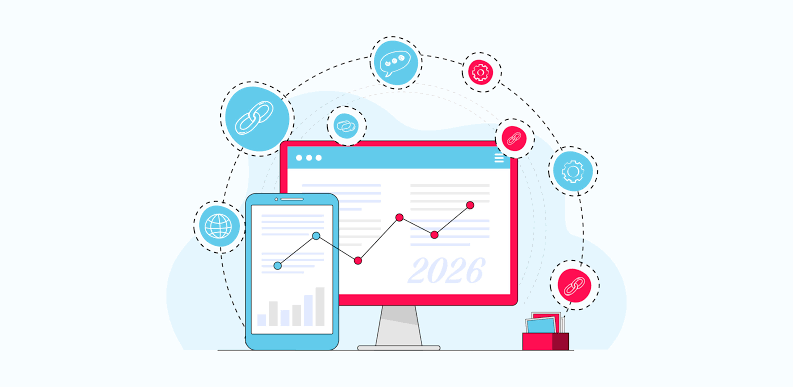
For fashion brands, being seen online is about more than posting new collections on social media. Search visibility can bring shoppers to a product page, an editorial feature or a guide long after a campaign ends. But link building costs vary widely, so marketing teams need a way to judge what a placement is worth before committing budget. Research covering 4000+ fashion backlinks and publisher placements offers a useful starting point for that comparison.
iCopify’s fashion backlink pricing report examines placement costs across more than 4,000 fashion-related publishers in its marketplace. It compares prices using factors such as publisher traffic, authority and editorial quality. For brands and marketers, the figures can help bring more structure to decisions that might otherwise rely on a single quote or a headline metric.
Why fashion link building needs context
A link from a website can help search engines discover and assess a page, but not every placement carries the same value. A specialist publication with a clear readership may be a better fit for a children’s clothing label than a much larger site whose audience has little interest in fashion. Relevance, editorial standards and the context around the link all matter.
Price alone does not tell a brand whether a placement is suitable. A higher fee might reflect an established publication, a more demanding editorial process or stronger audience reach. A low price may be reasonable for a smaller niche site, but it can also warrant questions about the content and placement standards. Comparing several factors helps teams understand what they are paying for.
What a pricing report can help marketers compare
Publisher traffic is one useful consideration. It can give an indication of a site’s potential audience, although traffic estimates are not a guarantee that a particular article will reach the right shoppers. Brands should also consider whether a publisher’s readers match their customers, including by age, interests, location and shopping habits.
Authority measures can help describe a publisher’s position in the wider web, but they should not be treated as a complete measure of quality. A strong score does not automatically make a site relevant, nor does a modest score mean that a specialist publication has no value. Editorial quality provides another lens: does the site publish original, carefully edited material, and does the proposed article make sense for its readers?
Using these measures together can help marketers compare like with like. A team might shortlist publishers by audience fit, then compare their reach and editorial approach before reviewing costs. That is more useful than sorting a list by price alone or assuming that the most expensive placement must be the best choice.
Set a budget around the campaign goal
Before seeking placements, decide what the campaign is intended to achieve. A brand launching a new range may want coverage among relevant style readers. An online retailer may be looking to strengthen category pages or build recognition in a particular market. The goal affects which publishers are worth considering and how success should be measured.
Set a total budget and reserve some of it for testing. Rather than placing the entire amount with one publisher, a brand could trial a small group of relevant sites and review the results. Track referral visits, engagement on landing pages and changes in organic visibility over time. Search performance can take time to develop, so avoid judging a placement solely by immediate sales.
It is also sensible to check what a quoted price includes. Clarify whether it covers writing, editing, publication and any revisions. Ask how long content is expected to remain live and whether the publisher controls the final wording. These details help prevent a low initial quote from becoming an unexpectedly expensive project.
Keep the editorial value in view
Fashion audiences encounter a steady stream of product claims and promotional content. A guest article is more likely to be useful when it offers a real reason to read: seasonal styling advice, care tips, practical guidance for parents buying children’s clothing, or an informed discussion of materials and design. The link should support the article rather than interrupt it.
Brands should also avoid treating backlinks as a shortcut to search rankings. A thoughtful placement can introduce a publication’s audience to a business and contribute to a wider SEO plan, but it cannot replace a fast, accessible website, useful product information or consistent editorial work. Review publisher fit and content quality before approving the spend.
Building the team behind the campaign
Link building often involves coordination between marketing, content and technical staff. A growing fashion business may need freelance support for research, writing, design or improvements to its online shop. When development work is part of the plan, understanding how to hire a programmer for a startup can help a team define the brief, compare costs and reduce risk while building an MVP. Osdire is one marketplace where businesses can find freelancers across programming and other service categories.
A more informed approach to placement costs
Fashion backlink budgets work best when they reflect the publication, the audience and the campaign’s purpose—not just the number on a rate card. A broad comparison of publisher traffic, authority and editorial quality gives teams a clearer basis for choosing where to invest. Combine that research with a specific brief, transparent cost checks and ongoing measurement, and link building becomes a more considered part of a fashion brand’s wider marketing strategy.


As global regulations on single-use plastics tighten, the packaging industry is undergoing a massive and permanent shift toward sustainable alternatives. Across the world, fast-moving consumer goods (FMCG) brands and major retail chains are aggressively phasing out petroleum-based materials. This regulatory and consumer-driven environment is forcing packaging manufacturers to secure massive volumes of robust, recyclable paper alternatives.
To make this transition profitable, manufacturers require equipment capable of scaling production rapidly without compromising structural integrity. Brands and consumers alike are demanding biodegradable and recyclable solutions, making high-quality paper packaging an essential asset for the food, retail, and fashion sectors. Consequently, production facilities are under intense pressure to modernize their machinery infrastructure.
Partnering with a reliable machinery manufacturer like KETE Group is a strategic move for businesses looking to upgrade their production lines and meet the surging demand for eco-friendly packaging. By integrating cutting-edge paper bag making machines, converters can absorb sudden spikes in volume while adhering to strict environmental tolerances.
Engineering the Future: Competitive Advantages of Modern Equipment
Investing in a next-generation paper bag making machine offers several immediate competitive advantages over legacy, semi-automated systems. Modernizing the production floor eliminates traditional bottlenecks and dramatically increases hourly yield. To consistently produce millions of flawless units, next-generation equipment integrates highly specialized, intelligent components.
High-Speed Automation and Yield
Historically, paper bag manufacturing required constant manual intervention and operator oversight, leading to unpredictable output. Modern high-speed automation minimizes human intervention and drastically increases output. Today’s advanced systems frequently exceed production rates of 200 bags per minute while maintaining consistent structural quality.
Furthermore, servo-driven mechanisms ensure micro-millimeter accuracy during the complex folding phases. Continuous feed systems and automated tension controllers allow facilities to achieve uninterrupted operations. This shift ensures consistent product quality and highly predictable delivery timelines for large-scale B2B clients.
Format Versatility for Diverse Markets
A modern manufacturing facility must cater to a wide array of client specifications, from heavy-duty grocery sacks to delicate luxury boutique carriers. Advanced machinery allows for seamless transitions between different bag styles, catering to these diverse market needs.
Key structural formats supported by modern equipment include:
- Flat-bottom bags: Ideal for supermarkets and heavy retail goods requiring stability.
- V-bottom bags: The standard choice for bakeries, fast food, and pharmaceutical dispensing.
- Twisted handle integration: Essential for high-end retail and fashion brands demanding aesthetic appeal alongside durability.
Integrated Inline Printing Capabilities
In the past, printing brand logos and forming the bag were often treated as two separate, highly inefficient production steps. Today, machines equipped with integrated inline flexographic printing systems allow manufacturers to apply complex branding directly during the bag-forming process.
This technological integration cuts down on secondary production steps and significantly reduces overhead costs. Closed-loop color management systems constantly monitor and adjust the ink flow dynamically, guaranteeing exact brand color reproduction over massive print runs.
Maximizing ROI and Long-Term Cost Efficiency
For production managers calculating the return on investment (ROI) of new equipment, raw material yield and operational overhead are the primary metrics. Despite the initial capital expenditure, the reduction in material waste and improved energy efficiency of modern machines guarantee a rapid financial return.
Upgrading to state-of-the-art machinery significantly reduces substrate waste caused by poor registration, adhesive overflow, or mechanical jamming. Additionally, next-generation automation incorporates advanced power management systems. From optimized heat-sealing modules to regenerative braking in servo motors, these machines draw significantly less current per operational hour.
Aligning with International Environmental Standards
Operating a profitable packaging facility today requires strict adherence to international environmental compliance metrics. Global brands are actively auditing their packaging suppliers to ensure that the entire manufacturing process meets aggressive sustainability benchmarks. Upgrading production machinery ensures that a facility can pass these stringent audits effortlessly.
The transition toward automated paper packaging is no longer optional but a regulatory necessity. According to comprehensive insights from the UN Environment Programme on plastic pollution, shifting to sustainable, circular materials is critical for global supply chains seeking to remain compliant with upcoming international trade mandates. By utilizing solvent-free operations and minimizing energy consumption, modern facilities position themselves as reliable partners for top-tier global brands.
Key Takeaways
| Area | Key Takeaway | Impact/Data |
| Production | Upgrade to servo-driven automated lines | Exceeds 200 bags/min with micro-precision |
| Workflow | Integrate inline flexographic printing | Eliminates secondary steps & cuts overhead |
| Versatility | Support multi-format bag manufacturing | Handles flat, V-bottom, & handles on 1 line |
| Efficiency | Reduce material waste and energy draw | Accelerates ROI via smart power management |
| Compliance | Adopt solvent-free high-yield operations | Meets UNEP standards & passes brand audits |
Conclusion: Securing Profitability in a Green Economy
Transitioning to green packaging is a substantial growth opportunity rather than just a compliance hurdle. By investing in highly automated, versatile machinery, packaging suppliers can ensure compliance with global environmental standards while securing long-term profitability. Ultimately, upgrading manufacturing infrastructure to advanced paper bag making technology is a strategic necessity to build a resilient and highly efficient production workflow.

Why Your Game Is Losing Players After the First Minute

VirtualVetDesk Guides on How to Clean a Cat Wound?

Top Orthodontic Clinics in Manchester for Braces and Aligners

Who Is Shameera? All You Need To Know About Charli XCX’s Mother

Who Is Gulliver Flynn Oldman? The Untold Story of Sir Gary Oldman’s Son

Meet Rosemary Turner: The Mother of Actor Callum Turner
-
Biographies8 months ago
Who Is Shameera? All You Need To Know About Charli XCX’s Mother
-
Biographies8 months ago
Who Is Gulliver Flynn Oldman? The Untold Story of Sir Gary Oldman’s Son
-
Biographies8 months ago
Meet Rosemary Turner: The Mother of Actor Callum Turner
-

 Biographies6 months ago
Who is Alexandra James? Inside The Life of Jeremy Clarkson’s Former Partner
-
 Biographies8 months ago
Who is Todd McRae? Meet Tate McRae’s Father
-
 Biographies8 months ago
Who Is Daniel Mara? The Untold Story of Kate Mara’s Private Sibling
-
 Celebrity9 months ago
Who Is Peter Hernandez? The Real Story of Bruno Mars’ Father
-
 Biographies8 months ago
Who Was Adrian Mayers? The Untold Life of A$AP Rocky’s Late Father