
Blog
Why Grease Build-up in Ovens Requires Professional Attention


We buy modern kitchen appliances expecting them to make our lives easier. But after a few months of regular use, your oven can start causing bizarre problems you never saw coming.
At first, it’s easy to ignore a few grease splatters on the walls. However, over time, those old fats build up, changing the way your food tastes and driving your utility bills through the roof.
So, keep reading to learn why calling in a professional is usually the easiest way to save your sanity.
Odd Flavours
You spend an afternoon baking a lemon drizzle cake, carefully measuring every ingredient and resisting the urge to eat half the batter. So, the last thing you want is a slice that somehow tastes faintly of last week’s garlic-roasted potatoes.
The problem is that grease and food particles don’t simply vanish once the timer dings. They stick around inside your oven and get reheated every time you cook.
As those old deposits warm up, they release smoky odours and vapours that find their way straight into whatever you’re baking. Because of this, sweet pies can take on unexpected savoury notes, and dishes that should taste fresh end up carrying traces of previous dinners.
If you want your ingredients to taste the way they’re supposed to, you’ll need to bring in a professional to wipe the slate clean.
Uneven Cooking
Have you ever taken a lasagna out of your oven only to find that one side is bubbling away beautifully while the other looks like it needs another 10 minutes?
It might feel like bad luck, but a dirty oven is often the secret culprit behind uneven cooking.
Ovens rely on good airflow and consistent heat distribution to do their job right. And when grease accumulates all over the interior walls and heating elements, it completely disrupts that process.
Instead of circulating freely, the heat gets trapped and concentrated in certain areas while struggling to reach others. Suddenly, you may find yourself rotating trays halfway through, moving dishes between shelves, and praying dinner comes together at the same time.
Of course, uneven cooking can have several causes, especially in older models, but built-up grime is the most common one.
Higher Energy Bills
Let’s face it, energy costs in the UK are high enough already without your oven making the situation even worse.
When grease and burnt food residue build up inside, your oven has to work overtime to compensate for that. Instead of heating up quickly, it can take longer to reach your desired temperature and struggle to hold it consistently.
Sure, you still get your dinner in the end, but your oven burns through a lot more electricity or gas to get you there. Over time, that extra strain adds up on your utility bills.
How can you tell that your appliance isn’t running as efficiently as it used to, though? You might notice that meals take longer to cook than they used to, your oven takes ages to preheat, or the fan seems to keep running long after you’ve switched it off.
So, before you accept sky-high bills as the new norm, consider bringing in a professional. Sometimes, deep cleaning is all it takes to give your oven a fresh start.
False Smoke Alarms
Few things ruin a relaxing dinner like a smoke alarm suddenly shrieking at you for no apparent reason.
One minute, you’re calmly prepping a perfectly ordinary meal. Next, you’re frantically opening the windows, aggressively waving a tea towel at the ceiling, and trying to convince the dog that the house isn’t actually burning down.
In many cases, the food you’re cooking isn’t even the problem. It’s the old grease left behind from previous meals.
Burnt-on residue doesn’t need much heat to start smoking. As a result, your kitchen can fill with fumes long before your meal is cooked, while the smoke alarm reacts as though you’ve accidentally started a bonfire indoors.
Why put up with this when there’s an easier solution? Professional oven cleaners will get rid of the root cause so you can finally focus on whipping up delicious meals without setting off the alarm every time you preheat your appliance.
Stubborn Carbon Deposits
After being baked on over and over again, greasy splatters turn into rock-hard carbon deposits that lock themselves onto your racks, trays, and glass panels.
At this stage, most supermarket sprays barely make a dent. You can spend hours scrubbing, soaking the racks in the sink, and working your way through every miracle cleaner on the shelf, only to find that grime has barely budged.
Fortunately, experienced technicians use specialised dip tanks and commercial-grade solutions that are specifically designed to break down heavy carbon safely. These tools allow them to strip away years of baked-on build-up without scratching or damaging your appliance.
With professional oven cleaning, Croydon residents can get their ovens looking remarkably close to new again. After all, some jobs require a little more than a sponge, a pair of rubber gloves, and unwavering optimism.
Increased Fire Risks
If you’ve been telling yourself you’ll clean your oven ‘next week’ for the past few months, you’re definitely not alone. We’re all guilty of doing that, especially when life gets busy. However, that built-up grease can become a huge fire risk if it’s left unchecked.
Every single splash of oil, butter, or cooking fat adds to the layer of residue inside the base and walls. Over time, these deposits form highly flammable crusts right next to the heating elements and hot surfaces.
And when you crank up the heat for your next meal, that build-up can easily ignite, starting a dangerous fire right inside your kitchen.
But here is the good news: this is completely preventable. Expert cleaners target and remove those hidden, dangerous pockets of grease, including the spots in the back and around the elements that you can’t easily reach yourself.
This way, you can finally turn on your oven with total confidence, knowing it’s clean, safe, and running exactly the way it should.
Conclusion
Most of us don’t think much about our ovens until they start causing problems. If your food is coming out half-burnt and half-raw or your kitchen fills with smoke the second you turn the dial, grease build-up is probably behind it.
But why spend your hard-earned weekend scrubbing the racks when you can just pass the job to a specialist? So, treat yourself to a break and let the pros handle the grime. Your next Sunday roast will taste a whole lot better for it.


A procurement manager at a mid-sized manufacturer signs off on a new packaging supplier. The quote is competitive, the samples are good, and the decision looks sound. Eight months later, an internal review notices that the supplier’s operations director is the manager’s brother-in-law.
The manager never hid the relationship. Nobody ever asked. The annual declaration form he completed two years earlier covered shareholdings and second jobs, and at the time his brother-in-law worked somewhere else entirely.
Most conflicts of interest look like this. They are rarely schemes. They are ordinary relationships and interests that shift over time, meeting a disclosure process that only looks once a year, at a single point, with the same questions for everyone.
A Conflict Is Not A Wrongdoing
A conflict of interest exists when someone’s personal interests could influence, or appear to influence, decisions they make at work. Having one is not misconduct. Failing to declare it, or continuing to make decisions affected by it, is where the problems begin.
The distinction matters because it shapes how people respond. If staff believe that admitting a conflict will be treated as a confession, they will declare as little as possible. If they see disclosure as a routine part of working life, followed by sensible arrangements such as stepping back from a particular decision, they are far more likely to be open.
Organisations that handle conflicts well tend to treat declarations as useful information rather than evidence against the person making them.
Where Conflicts Usually Hide
Financial interests are the obvious category: shares in a supplier, a stake in a competitor, or an investment in a business the organisation deals with. They are also the type most forms are designed to catch.
Family relationships are harder. A partner working for a customer, a sibling running a contractor, or a relative applying for a job in the same department can all create conflicts that the employee may not think to mention unless asked directly.
Outside employment and roles raise similar issues. Consulting work, a seat on another company’s board, or a part-time role with a charity that receives funding from the employer can all overlap with someone’s main job.
Gifts and hospitality from business contacts, and political or government relationships, round out the common categories. Each carries different risks depending on who receives them and what decisions that person makes.
Why One Form For Everyone Falls Short
The traditional approach sends the same declaration form to every employee once a year. It is simple to run, and it creates a record that disclosures were requested. It also has clear weaknesses.
A warehouse operative and a head of procurement face very different conflict risks. Giving them identical questions means the form is either too detailed for most staff or too shallow for the people whose decisions carry real financial weight.
Volume is another problem. In a large organisation, hundreds of declarations arrive in a short window. Most are routine. A small number deserve close attention. When everything lands in the same queue, reviewers spend their time on the routine ones while the significant disclosures wait.
Annual timing is the third weakness. People change roles, relatives change jobs, and new suppliers are appointed throughout the year. A snapshot taken every twelve months can be out of date within weeks.
Asking Better Questions
Many organisations now tailor declarations to the role. Senior leaders and directors receive questions about board positions and significant financial interests. Procurement staff are asked specifically about relationships with suppliers. Managers are asked about connections to people in their reporting line. Everyone else receives a shorter baseline form.
Adaptive questioning helps further. When someone answers yes to having a relationship with a supplier, follow-up questions appear asking for details. When an answer crosses a set threshold, such as a gift above a certain value, the declaration can be flagged for prompt review. Staff with nothing to declare move through quickly, and those with something relevant are guided to provide what reviewers actually need.
Tracking Change, Not Just Status
A single year’s declarations show what people have disclosed. Comparing years shows what has changed, which is often more revealing.
When last year’s answers are carried forward, employees can confirm that nothing has changed or update what has. Reviewers can then see new conflicts, modified ones, and those that have been resolved, rather than reading every declaration from scratch. Patterns that build gradually become visible, and the organisation has a full history if it ever needs to show how a particular conflict was handled.
Moving From Policing To Guidance
The most useful shift many organisations make is introducing pre-clearance. An employee considering an outside directorship, a consulting arrangement, or an investment can ask before acting, and receive a clear answer from the right reviewer.
This changes how staff experience the process. Instead of a yearly exercise that feels designed to catch them out, conflict management becomes a source of advice when they need it. People tend to engage with a process that helps them avoid problems, and that engagement produces more honest disclosures.
Spreadsheets Reach Their Limit
Running all of this manually is possible in a small organisation. It becomes unwieldy as headcount grows. Compiling staff lists, emailing forms, chasing non-responders, removing leavers, and adding new starters consumes a surprising amount of time, and people slip through the gaps.
This is where conflict of interest disclosure management software has become common. Connected to HR records, such systems can send the right form to the right people automatically, enrol new starters, update forms when someone changes role, schedule reminders, and show completion rates as a campaign runs. Declarations that need closer attention can be escalated into an investigation process, with the link back to the original disclosure preserved.
Technology does not decide whether a conflict is acceptable. Reviewers still need to weigh the circumstances, agree sensible safeguards, and record their reasoning. What automation removes is the administrative work that crowds out that judgement.
Getting The Basics Right
Whatever tools an organisation uses, a few principles tend to make the difference.
Policies should explain clearly what counts as a conflict, with practical examples drawn from the organisation’s own work.
Questions should match the risks attached to each role rather than applying a single template to everyone.
Declarations should be possible at any time, not only during the annual campaign.
Reviews should end with a recorded decision and, where needed, a clear arrangement such as stepping away from a particular contract.
Leaders should declare their own interests visibly and promptly, since staff take their cue from the top.
Questions Worth Asking
Do current disclosure forms ask different questions of people with different levels of decision-making power?
How quickly would a new conflict be noticed if it arose midway through the year?
Can reviewers easily distinguish routine declarations from those needing urgent attention?
Do employees know they can ask for guidance before taking on an outside interest?
Conflicts of interest are a normal part of working life. The organisations that manage them well are not the ones with fewer conflicts, but the ones that hear about them early enough to deal with them sensibly.

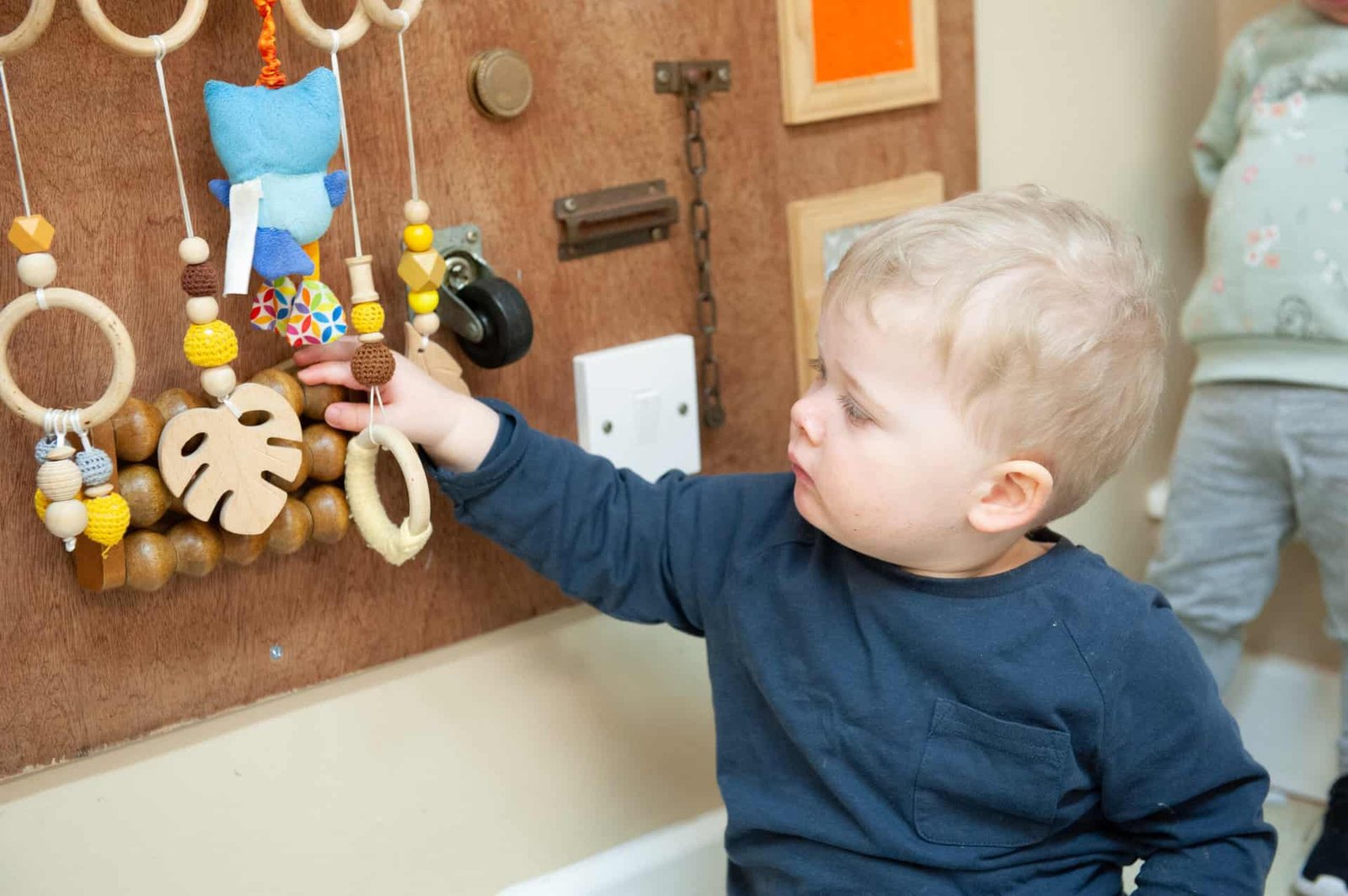
Choosing a nursery school is an important milestone for families. For many children, it is their first regular experience of learning alongside other children, following a classroom routine, and spending time away from home. While early literacy and numeracy certainly matter, nursery education supports a much wider range of developmental skills.
Young children learn best when they feel secure, interested, and actively involved. A thoughtfully designed nursery environment combines stories, play, conversation, movement, creativity, and practical experiences so children can develop naturally while enjoying the learning process.
Why Nursery Education Matters
The early years are a period of rapid growth. Children are developing language, coordination, social awareness, emotional regulation, and problem-solving abilities at the same time.
A nursery school can support these areas through everyday experiences rather than relying only on formal lessons.
For example, building with blocks involves planning and spatial awareness. Listening to stories develops vocabulary and comprehension. Playing with classmates introduces cooperation and communication.
Learning Happens Through Experience
Young children need opportunities to touch, move, build, sort, create, and experiment.
A good nursery school makes learning interactive. Instead of expecting children to absorb information passively, educators encourage them to explore concepts through activities that make sense at their developmental stage.
This helps children connect new ideas with real experiences.
Language Development Starts With Conversation
Children develop communication skills throughout the day.
Stories, songs, rhymes, role play, and everyday conversations expose children to new words and encourage them to express their ideas.
A nursery school should create many opportunities for children to speak, listen, ask questions, and participate in discussions.
Stories Encourage Imagination
Books do more than prepare children for reading.
Stories help children understand characters, emotions, sequence, and cause and effect.
Teachers can ask children to predict what happens next, describe illustrations, or talk about how a character might feel.
These interactions make literacy meaningful rather than mechanical.
Social Skills Grow in a Group Setting
Young children are still learning how friendships work.
They may struggle to share, wait for turns, or manage disagreements. These situations are normal and provide useful learning opportunities.
Families exploring a nursery learning environment in ESTZ Chennai can observe how educators help children communicate and cooperate.
A nursery school should guide children through social challenges without expecting perfect behavior.
Creativity Supports Flexible Thinking
Drawing, painting, music, construction, storytelling, and imaginative play give children opportunities to express themselves.
A nursery school should not make every creative activity produce an identical result.
Children benefit from choosing materials, experimenting with ideas, and discovering that there can be more than one way to solve a problem.
Mistakes Are Valuable
A tower may fall. A puzzle piece may not fit. A drawing may change halfway through.
These moments teach persistence.
Teachers can encourage children to try again rather than immediately completing the task for them.
Physical Development Needs Daily Attention
Young children need movement.
Running, jumping, balancing, dancing, climbing, and outdoor play support gross motor development. Drawing, threading, building, and puzzles strengthen fine motor control.
A balanced nursery school programme should include both energetic and quieter activities.
Movement can also improve concentration by giving children healthy opportunities to use their energy.
Independence Develops Gradually
Small responsibilities can build confidence.
Children might carry belongings, tidy materials, wash hands, select activities, or help organize a shared space.
A nursery school should allow children enough time to attempt manageable tasks independently while keeping adult support available.
These simple experiences teach children that they are capable.
Predictable Routines Create Security
Young children often feel more comfortable when the day follows a recognizable pattern.
Arrival, activities, meals, stories, movement, and departure cues help them anticipate what comes next.
Predictability can make the environment feel safe while children develop independence.
Conclusion
A nursery school provides much more than early academic preparation. It creates a community where children can build language, social confidence, creativity, physical coordination, emotional awareness, and independence.
The strongest early-learning experiences often happen during ordinary moments: listening to a story, solving a puzzle, completing a small task, or learning how to cooperate with a friend.
When children experience these moments in a warm and supportive environment, they develop skills and attitudes that can support them throughout their future education.


When aging adults consider moving to a senior living community, they are not simply looking for a place to eat and sleep. They are evaluating whether a community aligns with their values, respects their choices, and supports the lifestyle they want for the years ahead. What older adults want from senior living has changed considerably over time. Longer life expectancies, evolving family dynamics, and a desire for continued engagement have reshaped expectations. As a result, today’s senior living communities are adapting to meet a broader range of needs and preferences.
1. Independence and Autonomy in Daily Life
Aging adults consistently identify personal choice and independence as top priorities. They want the freedom to decide when to wake up, what to eat, and how to spend their time. Rather than following rigid schedules, many prefer communities that offer flexibility and support individualized lifestyles.
This desire for autonomy extends to personal wellness decisions as well. Many residents appreciate having a voice in how support services are provided, choosing the level of assistance that best fits their preferences and circumstances. Communities that offer flexible service options often help residents feel more comfortable, respected, and in control of their daily experiences.
2. Meaningful Social Connections and Community Engagement
Social connection plays an important role in overall well-being. While many older adults value their privacy, they also want opportunities to develop meaningful relationships and engage with others who share similar interests.
Residents often look for communities that offer book clubs, gardening groups, craft programs, educational discussions, and social gatherings. Beyond organized programs, they appreciate welcoming spaces where casual conversations and friendships can develop naturally.
Shared dining areas, community lounges, walking paths, and outdoor gathering spaces can help create an environment where relationships flourish. When residents feel connected to those around them, they often report greater satisfaction and a stronger sense of belonging.
3. Access to Quality Healthcare and Wellness Services
Reliable healthcare access remains an important consideration for many aging adults. Communities that coordinate wellness services, preventive care, and healthcare resources can provide valuable convenience and peace of mind.
Many seniors appreciate having access to wellness programs that focus on maintaining health and quality of life. These may include fitness classes, nutrition education, wellness seminars, and emotional well-being resources. Accessible healthcare services can help residents spend less time coordinating appointments and more time enjoying their daily routines.
The ability to easily access support when needed allows residents to feel confident as their needs change over time.
4. Affordability and Financial Transparency
Financial stability is a major consideration for many older adults. Residents want clear information about monthly costs, included services, and any additional fees. Transparent pricing helps families and residents make informed decisions without worrying about unexpected expenses later.
Families researching communities that balance affordability and quality often consider Taylor Place, an independent living community that helps prospective residents understand available services and pricing information. Communities that offer straightforward cost structures and a variety of service options can give residents greater flexibility when planning for the future.
When financial expectations are clear, residents can focus more on enjoying community life and less on concerns about unforeseen expenses.
5. Purpose, Learning, and Personal Growth Opportunities
Many outdated assumptions suggest that aging adults simply want to slow down during retirement. In reality, many seniors remain interested in learning, contributing, and pursuing personal interests.
Older adults often seek opportunities to attend educational programs, explore creative hobbies, learn new skills, and engage in meaningful volunteer work. Some communities partner with local organizations, colleges, and guest speakers to offer ongoing educational opportunities.
Many residents also enjoy sharing their experience and knowledge through mentoring, volunteering, and leadership opportunities within the community. These experiences provide a sense of purpose and reinforce the idea that personal growth can continue throughout every stage of life.
6. Privacy, Safety, and Personalized Support
Although community engagement is important, residents also value privacy and personal space. Aging adults often want apartments that reflect their personal style, opportunities to host family and friends, and quiet areas where they can relax and recharge.
Safety is another important consideration. Residents want confidence that community team members understand their needs and can provide appropriate support when necessary. Personalized service plans that incorporate resident input help ensure that support remains respectful and aligned with individual preferences.
Regular conversations about changing needs can help residents feel heard and empowered, contributing to a more positive living experience.
Conclusion
Senior living continues to evolve as aging adults seek communities that support far more than their basic daily needs. Today’s seniors want environments that respect their choices, encourage social connection, provide access to wellness resources, and create opportunities for continued growth and purpose. They also value transparency, privacy, and individualized support that recognizes their unique goals and preferences. Communities that embrace these priorities can create meaningful experiences that help residents remain engaged, connected, and fulfilled while enjoying the next chapter of life.

The Conflicts Nobody Thinks To Declare

How to Source European Bricks for UK Building Projects

How Automation is Reshaping the Global Food & Beverage Packaging Industry in 2026

Who Is Shameera? All You Need To Know About Charli XCX’s Mother

Who Is Gulliver Flynn Oldman? The Untold Story of Sir Gary Oldman’s Son

Meet Rosemary Turner: The Mother of Actor Callum Turner
-
Biographies8 months ago
Who Is Shameera? All You Need To Know About Charli XCX’s Mother
-
Biographies8 months ago
Who Is Gulliver Flynn Oldman? The Untold Story of Sir Gary Oldman’s Son
-
Biographies8 months ago
Meet Rosemary Turner: The Mother of Actor Callum Turner
-

 Biographies6 months ago
Who is Alexandra James? Inside The Life of Jeremy Clarkson’s Former Partner
-
 Biographies8 months ago
Who is Todd McRae? Meet Tate McRae’s Father
-
 Biographies7 months ago
Who Is Daniel Mara? The Untold Story of Kate Mara’s Private Sibling
-
 Celebrity8 months ago
Who Is Peter Hernandez? The Real Story of Bruno Mars’ Father
-
 Biographies8 months ago
Who Was Adrian Mayers? The Untold Life of A$AP Rocky’s Late Father