
Travel
Where to Stay and How to Get Around During Events at RAI Amsterdam?

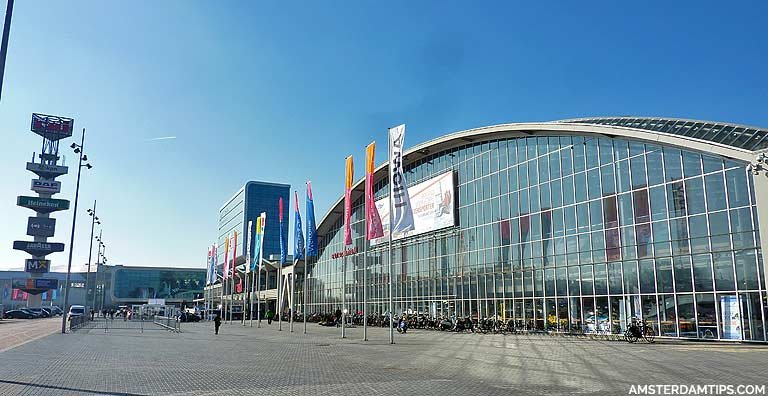
Attending a major conference, exhibition, or trade fair in Amsterdam requires more than registering for the event and preparing your schedule. Choosing suitable accommodation and arranging reliable transportation can make a significant difference to your overall experience. For international visitors attending events at RAI Amsterdam Netherlands, staying in a convenient location helps reduce unnecessary travel and makes it easier to balance professional commitments with sightseeing. Whether you are visiting for a single day, a week-long exhibition, or several business meetings, planning where to stay and how to get around will help you enjoy a smoother and more productive trip.
Why Your Accommodation Choice Matters
Amsterdam attracts business travellers throughout the year, with conferences, exhibitions, cultural events, and international trade fairs bringing visitors from across Europe and beyond. During major events, hotels near exhibition venues can become busy, and room rates may increase as demand rises. Booking accommodation early is therefore one of the most practical ways to secure a suitable place to stay.
Your ideal location depends on the length of your visit, your budget, and your daily schedule. If you need to attend early-morning sessions or return to your room between meetings, staying close to the event venue may be particularly convenient. Travellers who want to experience Amsterdam’s restaurants, canals, and historic attractions may prefer accommodation closer to the city centre.
Consider the complete journey rather than the distance alone. A hotel that looks close on a map may still require additional walking or a change of transport. Before confirming a reservation, check the available transport connections, breakfast arrangements, cancellation policy, and expected journey time to the exhibition centre.
Where to Stay Near RAI Amsterdam
Amsterdam offers several accommodation options for visitors attending professional events. Each area provides a different balance of convenience, atmosphere, and cost.
Amsterdam Zuid for Business Convenience
Amsterdam Zuid is a practical choice for many corporate visitors because it is close to the RAI exhibition complex and has connections to the wider city. The area includes offices, restaurants, accommodation, and transport links that can be useful during a busy conference schedule.
Staying nearby can reduce commuting time and make it easier to return to your hotel after a full day of networking. It is particularly suitable for attendees who prioritise efficiency over being in the middle of Amsterdam’s busiest tourist districts.
The City Centre for Sightseeing and Dining
Amsterdam’s city centre is a good option for travellers who want to combine business with leisure. The historic canal belt, shopping streets, restaurants, and cultural attractions are accessible from many central accommodation options.
However, staying centrally may mean travelling farther to reach RAI Amsterdam each morning. Check the route before booking and allow enough time for peak-hour travel, especially when a major exhibition is taking place.
Hotels Near Amsterdam Zuid and Schiphol Connections
Some visitors prefer accommodation that provides convenient access to both the exhibition venue and Schiphol Airport. Hotels around Amsterdam Zuid or other well-connected districts may help simplify journeys between flights, meetings, and evening activities.
If you have an early departure or arrive late at night, compare the hotel’s transport connections with your actual flight schedule. A location that works well for a conference may not necessarily be the most convenient option for every airport transfer.
How to Get Around During Events at RAI Amsterdam
Transportation planning is especially important during large exhibitions, when thousands of attendees may be travelling to the same venue at similar times. Amsterdam has an extensive public transport network, and visitors can use trains, trams, buses, and metro services to reach many parts of the city.
RAI Amsterdam has its own railway station, Amsterdam RAI, as well as nearby metro and tram connections. These options can be useful for travelling between the venue, accommodation, and other parts of Amsterdam. Before departure, check current routes, service updates, ticket requirements, and the location of your hotel in relation to the nearest stop.
Public transport can be cost-effective, particularly for solo travellers with light luggage. However, changing services, navigating unfamiliar stations, and travelling during busy periods may add complexity to an already demanding schedule.
Taxis and private transfers provide another option for visitors who prefer direct transportation. They can be particularly useful when carrying exhibition materials, travelling with colleagues, or arriving with several suitcases. The best choice depends on your budget, group size, schedule, and preferred level of convenience.
Is a Private Chauffeur Useful for Business Visitors?
For corporate travellers, punctuality and flexibility are often just as important as comfort. A pre-arranged private chauffeur can help organise journeys between Schiphol Airport, a hotel, RAI Amsterdam, and business meetings at other locations.
Unlike a journey that depends on multiple public transport connections, a private transfer can provide direct, door-to-door transportation based on the agreed itinerary. This can be useful for executives with packed schedules, international guests unfamiliar with Amsterdam, and teams attending conferences together.
A professional chauffeur service may also offer different vehicle options depending on passenger numbers and luggage requirements. A Mercedes-Benz car may suit an individual business traveller or a small group, while a minivan can provide more space for colleagues travelling together. Services and inclusions vary, so it is advisable to confirm the vehicle category, pickup arrangements, waiting time, and pricing before booking.
Private transportation can also make it easier to plan evening dinners, hotel changes, or short sightseeing stops after an exhibition. For groups, sharing a vehicle may help coordinate arrivals and departures, although the overall cost should be compared with public transport and standard taxi options.
Exploring Amsterdam After Your Business Event
A visit to Amsterdam does not need to be limited to conference halls and meeting rooms. If your schedule allows, you can use your free time to discover some of the city’s best-known attractions.
A walk along the canals offers a relaxing introduction to Amsterdam’s architecture and historic atmosphere. The Museumplein area is worth considering for art and culture enthusiasts, while the Jordaan district features independent shops, cafés, and picturesque streets.
Visitors with more time may enjoy a canal cruise or a meal at a traditional Dutch restaurant. If your event ends early, you could also plan a short trip to another destination in the Netherlands, provided the travel time fits your schedule.
The key is to avoid overloading your itinerary. Allow time to return to your hotel, prepare for the next day’s sessions, and account for any transportation delays. A small number of carefully selected activities often creates a more enjoyable experience than rushing between multiple attractions.
Planning an Airport Stopover Around Your Event
Some international visitors arrive in Amsterdam before their exhibition begins or have several hours between flights and scheduled activities. In these situations, the available time, immigration requirements, and luggage arrangements will determine whether sightseeing is practical.
An Amsterdam Layover Tour may suit travellers with a sufficiently long stopover who want to see selected attractions without organising every part of the journey independently. Depending on the schedule, visitors may be able to explore the canal district, enjoy a meal, or see a few central landmarks before returning to the airport or continuing to their hotel.
It is important to calculate the complete journey, including arrival procedures, travel into the city, sightseeing, and the return trip. Travellers should also confirm their eligibility to enter the Netherlands and leave an appropriate buffer before their next flight. If you are attending an event at RAI Amsterdam on the same day, make sure the sightseeing plan does not interfere with registration, meetings, or conference sessions.
Practical Tips for a Stress-Free Business Trip
A few simple preparations can help prevent common travel problems during busy exhibition periods.
- Book early: Reserve your accommodation as soon as your event dates are confirmed.
- Check the location: Compare the hotel’s actual route to RAI Amsterdam rather than relying only on straight-line distance.
- Plan your daily commute: Review transport options before your first event session.
- Allow extra time: Major exhibitions can increase demand for taxis, public transport, and nearby restaurants.
- Choose suitable luggage storage: Confirm whether your hotel can hold your bags before check-in or after checkout.
- Confirm transfer details: If booking a private chauffeur, agree on the pickup location, schedule, vehicle, and price.
- Keep your itinerary flexible: Leave room for meeting overruns, traffic, and unexpected changes.
These steps help you spend less time managing logistics and more time focusing on the purpose of your visit.
Conclusion
Finding the right accommodation and choosing convenient transportation can transform a demanding business trip into a more comfortable experience. Staying near Amsterdam Zuid or selecting a well-connected hotel in the city centre can make attending exhibitions easier, while public transport, taxis, and private chauffeurs offer different ways to reach RAI Amsterdam. If your schedule includes time between flights and professional commitments, an Amsterdam Layover Tour can provide an opportunity to discover the city’s canals, historic streets, and cultural attractions when your available time permits. By booking accommodation early, checking travel connections, and arranging transfers according to your needs, you can enjoy a well-organised visit to Amsterdam while staying focused on your business objectives.


Staying in Mayfair puts you within walking distance of two royal parks, some of the best art galleries in London, and streets that have barely changed in character for two hundred years. Hyde Park and Green Park sit on its western and southern edges, Bond Street and Savile Row run through the middle, and quiet garden squares tucked behind the main roads give you somewhere to slow down between all of it.
A stay based in mayfair luxury apartments means most of what’s covered below is reachable on foot, which changes how you plan a day here compared to staying further out and relying on the Underground.
Near Mayfair, you can walk to Hyde Park, Green Park, Bond Street shopping, the Royal Academy of Arts, and Shepherd Market within fifteen minutes. Most attractions, galleries, and restaurants sit within a compact, walkable grid, so a Mayfair base works well for both daytime sightseeing and evening dining without needing transport.
Start With the Parks on Either Side
Hyde Park runs along Mayfair’s western edge, past Park Lane, and covers roughly 350 acres, enough space for a proper walk, a boat trip on the Serpentine, or just somewhere quiet to sit away from traffic. The Diana, Princess of Wales Memorial Fountain sits inside the park and draws a steady stream of visitors most mornings.
Green Park lies to the south, between Mayfair and Buckingham Palace, and offers a quieter, more open stretch of grass without the crowds Hyde Park sometimes pulls in. It’s a genuinely good spot for a slow morning walk before the rest of the day gets busy.
If you’re still weighing up where exactly to base yourself before booking, Luxury London Listings has a range of Mayfair properties listed with walking distances to the main landmarks, which makes it easier to judge how central a specific address actually is.
Shopping and Galleries Within Walking Distance
1.Bond Street and the Boutiques
Bond Street runs straight through the middle of Mayfair and remains one of the most recognised shopping streets in the world, lined with flagship stores and jewellers. Nearby Burlington Arcade, a covered Regency-era shopping walkway, is worth ducking into even if you’re not buying anything.
2. Savile Row and Cork Street
Savile Row is still home to some of the best known tailors in the world, and a walk down it gives you a proper sense of Mayfair’s history with craftsmanship. Cork Street, just around the corner, is lined with contemporary art galleries that are free to walk into.
3. The Royal Academy of Arts
Founded in 1768, the Royal Academy sits right on Piccadilly at the southern edge of Mayfair and runs major exhibitions throughout the year alongside its permanent collection, making it an easy stop between shopping and lunch.
Quiet Corners Worth Seeking Out
Mayfair rewards anyone willing to step off the main streets, and some of its best spots barely register on a typical tourist map.
• Shepherd Market, a small village-like cluster of pubs and cafes tucked south of Piccadilly
• Mount Street Gardens, a peaceful, less crowded green space behind the main shopping streets
• Grosvenor Square, a large historic square with mature trees and open lawns
• Brown Hart Gardens, an elevated garden terrace above street level near Duke Street
Where to Stay Based on What You’re Planning
Anyone booking luxury apartments in Mayfair for a shopping-focused trip should look toward the Bond Street or South Molton Street end of the neighbourhood, keeping the main stores within a five-minute walk. Those more interested in galleries and quiet evenings tend to prefer the Mount Street or Berkeley Square side instead.
Guests searching for luxury Mayfair rentals ahead of a longer stay often prioritise proximity to Green Park, since it gives easy access to both the shopping streets and a short walk down to St James’s and Buckingham Palace beyond.
Mayfair Neighbourhood Snapshot
| Area | Best For | Nearby Landmark |
| Bond Street | Shopping and boutiques | Burlington Arcade |
| Mount Street | Fine dining, quiet streets | Mount Street Gardens |
| Shepherd Market | Pubs and evening atmosphere | Green Park |
| Park Lane edge | Park access, morning walks | Hyde Park |
Practical Tips for a Mayfair-Based Stay
Most of what’s listed here sits within a fifteen-minute walk of a typical Mayfair address, so comfortable shoes matter more than transport planning. Booking Mayfair serviced apartments with a proper kitchen also makes it easy to skip a restaurant some evenings and pick up food from one of the smaller local shops instead, which is a nice change of pace after a few days of dining out.
Anyone looking specifically at Mayfair apartments for rent for a short trip should check walking distance to Bond Street station or Green Park station, since both give quick access to the rest of London when you do want to venture further afield.
Common Mistakes to Avoid
Trying to cram Mayfair, Soho, and Covent Garden into one day on foot is a common one. They’re close on a map, but a relaxed pace matters more here than rushing between postcodes. Skipping the smaller garden squares in favour of only the big-name streets is another, since some of the best quiet moments in Mayfair happen away from the main shopping stretch entirely.
Frequently Asked Questions
1. Is Mayfair a good base for a first trip to London?
Yes. Its central position means Hyde Park, Green Park, and major shopping streets are all within walking distance, cutting down on transport time.
2. What’s within walking distance of Mayfair luxury apartments?
Hyde Park, Green Park, Bond Street, the Royal Academy of Arts, and Shepherd Market are all reachable within a ten to fifteen minute walk.
3. Are there quiet spots in Mayfair away from the shopping crowds?
Yes. Mount Street Gardens, Grosvenor Square, and Shepherd Market all offer a slower pace just off the main streets.
4. Is Mayfair walkable, or do I need to use the Underground?
Mayfair is highly walkable. Most attractions sit close together, though Bond Street and Green Park stations are handy for trips further out.
5. What’s the best time of day to visit Hyde Park from Mayfair?
Early morning tends to be quietest, before the paths fill up with joggers, tourists, and office workers on their lunch break.
6. Are Mayfair short term rentals suitable for a week-long stay?
Yes. Most are set up with full kitchens and flexible booking terms, making them practical for stays ranging from a few days to several weeks.
Final Thoughts
Mayfair works best when you let the neighbourhood set the pace rather than trying to see everything in one packed day. Parks on either side, galleries in the middle, and quiet garden squares tucked behind the main streets give you a good mix without ever needing to travel far.
Luxury London Listings has helped plenty of guests find a Mayfair base that actually suits how they want to spend their stay, whether that’s shopping-focused, gallery-heavy, or built around slow mornings in the park.


Investing in a home in Antigua is as much a decision about where you want to live as it is about the property itself.
The island offers a range of residential settings, from established marina communities and golf developments to private beachfront enclaves. Each has its own character, pace, and advantages. For buyers considering a second home, investment property, or permanent base, choosing the right community can significantly shape the ownership experience.
Well-planned communities tend to offer more than attractive surroundings. They combine privacy, convenience, thoughtful design, and access to the parts of island life that matter most to you.
Here are some of the qualities worth looking for when choosing an Antigua community.
A Location That Complements Your Lifestyle
Location should always come first.
Antigua’s different coastal areas offer distinct experiences. Jolly Harbour, on the west coast, centers on a marina, golf course, beaches, and a walkable commercial area. English and Falmouth Harbours on the south coast have a stronger connection to sailing, yachting, waterfront dining, and Antigua’s maritime heritage. On the east coast, communities around Nonsuch Bay offer a quieter setting alongside a protected lagoon.
Think about how you want your days to look.
If you enjoy having restaurants, groceries, golf and boating close to home, an established marina community may suit you. If privacy and direct beach access matter more, a smaller coastal enclave may be preferable.
The best location is not necessarily the most secluded or the most connected. It is the one that fits naturally into your lifestyle.
Privacy Without Isolation
Antigua homes for sale should feel like a retreat, but complete isolation is not necessarily what every homeowner wants.
Low-density communities can offer a useful balance. Carefully positioned homes, landscaped surroundings and considered site planning can provide privacy without separating homeowners from the wider island.
This is particularly important for buyers who intend to use their property as a second home. You may want a peaceful setting when you are there, while still having restaurants, beaches and activities within easy reach.
The Gardens in Jolly Harbour, for example, is designed around landscaped surroundings and individual villas while remaining close to the area’s beaches, marina, golf course and commercial center. The result is a setting that combines residential privacy with everyday convenience.
Access to the Water
For many buyers, proximity to the sea is part of why they choose Antigua in the first place.
A community near a beach lets you enjoy the island’s coastline without planning every trip around a drive. A waterfront or marina setting can offer something different, with boating and sailing becoming part of everyday life.
Consider what access actually means for you. Do you want to walk to the beach in the morning? Keep a boat nearby? Enjoy views over the water? Or simply have the coast within a few minutes of home? These details can influence which community feels right.
Useful Amenities Close By
Island living is about slowing down, but convenience still matters. A community with easy access to groceries, restaurants, fitness facilities, golf, marinas, and other everyday services can make ownership significantly easier, particularly if you plan to spend extended periods in Antigua.
Jolly Harbour is a strong example of an established community where residential life sits alongside a broader collection of amenities. The area provides access to beaches, an 18-hole golf course, marina facilities, restaurants, shopping, and other services, giving homeowners many of the conveniences they need within a relatively compact area.
This can be particularly valuable for international homeowners who may not be on the island year-round.
A Strong Sense of Community
Luxury does not have to mean feeling removed from everyone else. A well-designed residential community should create a sense of place while respecting homeowners’ privacy. Thoughtful landscaping, consistent architectural standards, shared spaces, and clear community guidelines can all contribute.
The structure behind the community matters, too. Homeowners should understand how maintenance is handled, how shared areas are managed, and what responsibilities fall to individual owners. Good community planning should make ownership feel simpler, not more complicated.
Quality That Extends Beyond the Home
A beautifully designed villa can lose some of its appeal if the surrounding environment is poorly maintained.
When viewing communities, look beyond the property itself. Consider roads, landscaping, lighting, drainage, shared spaces, and the condition of neighboring homes.
For new developments, understanding how ongoing maintenance and community management will be handled can provide a clearer picture of the property’s long-term upkeep.
Elmsbridge, for example, describes its approach as covering design, construction, furnishing, and ongoing care, reflecting a more integrated approach to homeownership.
Conclusion
There is no single definition of the ideal Antigua community. The right one should simply align with the way you plan to live and use your home in Antigua. Looking at factors such as location, privacy, amenities, water access and ongoing maintenance can help you identify a community that suits your priorities.


For British travellers, Normandy is one of the most accessible regions of France, yet it can also be one of the most rewarding to explore beyond the usual city break. Ferries connect the south of England with ports such as Caen-Ouistreham, Cherbourg and Le Havre, while Paris and its airports provide another convenient gateway. Once in France, however, many of Normandy’s most important historic and coastal sites are spread across the countryside.
That geography is precisely why private chauffeur travel can make such a difference. Instead of building a trip around train timetables, local connections and separate transfers, visitors can create an itinerary around the places they actually want to experience.
Normandy Is Best Experienced Beyond the Railway Stations
Normandy includes famous destinations such as Bayeux, the D-Day landing beaches, Honfleur and Mont-Saint-Michel. Although rail services are useful for reaching major towns, many historic locations lie outside the railway network.
Omaha Beach, Pointe du Hoc, the Normandy American Cemetery and smaller villages associated with the Battle of Normandy are easier to understand when visited as part of a coherent route. Travelling by private vehicle also allows visitors to spend more time at meaningful locations instead of repeatedly returning to transport hubs.
A More Flexible Way to Discover the D-Day Beaches
For many British and international visitors, the D-Day beaches are the main reason for travelling to Normandy. The coastline extends across several sectors, including Utah, Omaha, Gold, Juno and Sword.
A well-planned private journey can connect beaches, memorials, cemeteries and museums in a logical sequence. It also gives travellers the flexibility to adjust the day according to their interests. A family researching a relative’s wartime history may want additional time at one location, while first-time visitors may prefer a broader overview of the landings and the events that followed.
This flexibility is particularly useful for couples, families and small groups who want a personal experience rather than a rigid large-group itinerary.
From Paris Airports Directly into Normandy
British travellers do not always arrive by ferry. Some begin a wider European journey in Paris or connect through Charles de Gaulle Airport. In those cases, arranging a direct private transfer to Normandy can remove several stages from the journey.
Rather than travelling from the airport into central Paris, changing stations and then arranging another transfer after reaching Normandy, passengers can travel directly to destinations such as Bayeux, Caen, Deauville or the Normandy coast.
Normandy Private Driver provides private chauffeur transfers and tailor-made journeys across Normandy, including connections from Paris airports and regional ports. Travellers can learn more at www.normandyprivatedriver.com.
More Than Battlefield Tourism
Normandy’s appeal extends far beyond its Second World War history. Bayeux combines medieval streets with the famous Bayeux Tapestry. Honfleur offers one of France’s most recognisable historic harbours, while the Pays d’Auge is known for villages, orchards and traditional Norman gastronomy.
Further west, Mont-Saint-Michel creates an entirely different experience. Its abbey and dramatic tidal setting make it one of France’s most distinctive landmarks.
Combining these places with the D-Day coast can turn a short historical visit into a richer journey through Norman culture, architecture, food and landscapes.
Why Private Travel Works Well for Families
Family travel often involves different interests and different levels of energy. One person may be passionate about military history while another is more interested in coastal scenery, local food or photography.
A private itinerary makes it possible to combine these interests without forcing everyone into the same fixed programme. It can also simplify practical details such as luggage, hotel pickups and travelling with several generations.
For visitors who have only two or three days in Normandy, reducing unnecessary transfers can be especially valuable. More of the available time can be spent experiencing the region rather than organising the next connection.
Planning a Normandy Journey from the UK
The best route depends on how travellers arrive. Ferry passengers can begin near the coast, while visitors arriving through Paris may prefer to travel directly to Bayeux or Caen before exploring the region.
It is worth deciding in advance which experiences matter most: the British D-Day sector, the American sector, Mont-Saint-Michel, Bayeux, Honfleur or a combination of several areas. Distances can look short on a map, but rural roads and time spent at historic sites should be taken into account.
For travellers who value flexibility, door-to-door service and an itinerary adapted to their interests, a private driver can transform Normandy from a collection of separate attractions into one connected journey.
Final Thoughts
Normandy rewards travellers who take time to explore it properly. Its history is found not only in museums but also along beaches, cliffs, country roads, villages and memorial sites.
For visitors coming from the UK, the region is remarkably close, yet the experience can feel worlds away from a conventional weekend in Paris. With thoughtful planning and flexible transportation, a journey through Normandy can combine history, landscape and French culture in a way that is both comfortable and deeply memorable.

The New Challenges of Getting Noticed Online

Where to Stay and How to Get Around During Events at RAI Amsterdam?

Preserve Digital Processes and Important Records with iTop Screen Recorder

Who Is Shameera? All You Need To Know About Charli XCX’s Mother

Who Is Gulliver Flynn Oldman? The Untold Story of Sir Gary Oldman’s Son

Meet Rosemary Turner: The Mother of Actor Callum Turner
-
Biographies9 months ago
Who Is Shameera? All You Need To Know About Charli XCX’s Mother
-
Biographies8 months ago
Who Is Gulliver Flynn Oldman? The Untold Story of Sir Gary Oldman’s Son
-
Biographies9 months ago
Meet Rosemary Turner: The Mother of Actor Callum Turner
-

 Biographies7 months ago
Who is Alexandra James? Inside The Life of Jeremy Clarkson’s Former Partner
-
 Biographies9 months ago
Who is Todd McRae? Meet Tate McRae’s Father
-
 Biographies8 months ago
Who Is Daniel Mara? The Untold Story of Kate Mara’s Private Sibling
-
 Celebrity9 months ago
Who Is Peter Hernandez? The Real Story of Bruno Mars’ Father
-
 Biographies9 months ago
Who Was Adrian Mayers? The Untold Life of A$AP Rocky’s Late Father