
Technology
Can Your Phone Support eSIM Singapore? A Device Compatibility Guide


The emergence of smartphones has transformed the way we connect to mobile networks, our phone numbers, and the internet. One innovation that has increased the flexibility of mobile connectivity is the embedded SIM, or eSIM. Users can download a digital SIM profile to access a compatible mobile network rather than install a physical SIM card.
However, before you select an eSIM in Singapore plan, you need to check if your smartphone supports this technology. Not all devices are equipped with eSIM hardware, and some only support eSIM in certain regions. Knowing these criteria will save you from purchasing a plan your smartphone cannot set up.
What Does It Mean to Be eSIM-Compatible?
An eSIM is a programmable SIM that’s built into a device. It carries the subscriber information, enabling it to connect to a mobile network without a removable SIM card.
Just because you’ve bought a fairly recent smartphone doesn’t mean to say eSIM is standard equipment. Some models do, but it is contingent upon the manufacturer and the country in which you purchased it.
1. Integrated eSIM Hardware
Firstly, a smartphone needs to possess an embedded SIM (eSIM) hardware component. This component allows the phone to download/store an eSIM profile for a mobile operator.
Without this, a device usually cannot be enabled for a generic eSIM offering through software updates. Don’t just look at the release year or price of the device; check the manufacturer’s specifications.
2. Software and Operating System Compatibility
Your phone will also need to support software to install and manage these eSIM options. Manufacturers offer a way to add, delete, and switch mobile profiles in network settings.
Sometimes an operating system update will resolve activation or compatibility issues. An update will not, however, add eSIM hardware when your device was not built to be eSIM-compatible.
3. Regional and Carrier Restrictions
Some phones are eSIM-enabled in one country but not the other. Manufacturers can make different hardware for different markets.
For example, some versions of the iPhone sold in mainland China, Hong Kong, and Macau have different SIM configurations than those sold in other markets. Samsung and other Android manufacturers also feature regional variants.
So two phones with the same name may not have exactly the same connectivity features.
What Smartphone Brands Support eSIM?
Most major brands of smartphones offer eSIM on some of their devices. Not every device of a brand supports it, so you’ll need to double-check the precise model number.
1. iPhone by Apple
Apple first introduced eSIM support in the iPhone XS, iPhone XS Max, and iPhone XR. Newer models generally support this technology, but there are regional differences.
The technology is supported on the following iPhones:
- Xs Max, Xs, and Xr
- iPhone 11, 12, and 13 series.
- iPhone 14, 15, and 16 series
- iPhone 17 series and later.
Some models sold in the United States are eSIM only, while most international models come with a nano-SIM slot and eSIM. Some mainland China and Hong Kong models are further restricted.
See Apple’s eSIM compatibility guide for each model.
2. Samsung Galaxy
Samsung Galaxy flagships are eSIM compatible.
Supported families include:
- Galaxy S20 series and newer S models.
- Galaxy Note 20 Series.
- Galaxy Z Flip and Z Fold lines.
- Some Galaxy A models.
However, not all Galaxy devices support eSIM. Carrier variants and regional models differ. Because of this, users should check their model number against specs from Samsung or their mobile carrier.
3. Google Pixel
Some generations of Google Pixels also have eSIM support.
From Pixel 4 series, and up, eSIM is supported in general, with some exceptions depending on the region. Some older Pixel models have eSIM, too, depending on the market version of the phone.
Pixel owners can check their network settings for the option to add an eSIM profile before purchasing a mobile plan.
4. Other Android Manufacturers
Other Android manufacturers (e.g. Motorola, Xiaomi, Oppo, and Huawei) also offer eSIM devices.
However, the compatibility can be highly inconsistent across product series. For example, some high-end phones can read digital SIM profiles, but other phones at the same price range can only accept physical SIM cards.
Always check official manufacturer specs to ensure the specific regional variant is compatible with your network.
How to Tell If Your Phone Supports eSIM
You do not need to purchase an eSIM plan just to find out whether your smartphone supports the technology. Most compatible devices will have evidence of it in the settings.
1. iPhone Compatibility
Checking on iPhones is a simple matter for Apple.
Here’s what you need to do:
- On your iPhone, open Settings.
- Tap General.
- Tap on About.
- Scroll and find a digital SIM or EID number.
The EID is the embedded identity document number of the eSIM hardware in the phone. If an EID appears, that’s a good sign that the phone supports eSIM.
Also check the Carrier Lock section. If it says “No SIM Restrictions,” then the phone is unlocked and will normally accept a SIM profile from any other compatible carrier.
2. Checking on an Android Phone
While the Android settings can differ by manufacturer, the process is generally similar.
- Open Settings.
- Tap Connections, Network and Internet, or Mobile Network.
- Find SIM Manager or SIMs.
- Look for an option like Add eSIM or Add Mobile Plan.
Seeing this option is a good indicator that your device is eSIM-compatible. However, there’s still a need for users to check for carrier restrictions and regional compatibility.
3. Verify IMEI and EID Numbers
If you have the identification information of the device, you can use it to check for compatibility.
Simply dial *#06# on your phone. Most smartphones will display their IMEI numbers and, on phones with eSIM support, an EID.
The IMEI number belongs to the mobile device, whereas the EID belongs to its embedded SIM hardware. The numbers are not interchangeable and serve different purposes.
In fact, any operator may require the IMEI to check that its eSIM service is compatible with the device that it will be installed on.
What Else Do You Need to Activate an eSIM?
Having a compatible smartphone is only part of the story. You also have to meet requirements from your mobile operator.
1. Unlocked Device
If the phone is tied to a carrier, you may not be able to add an eSIM from a different carrier.
For example, you might have to unlock the phone from the contract you bought it on first.
For an iPhone, you can check Carrier Lock status in Settings > General, then About. On an Android, check the device settings or call the original operator.
2. A Trusted Mobile Provider
Not all mobile operators support eSIMs on all plans and devices.
Verify that your operator allows eSIM activation on your smartphone model before purchasing. You should also check whether it is only for postpaid service, prepaid service, or both.
If you are in Singapore, see if Singaporean carriers such as Singtel, StarHub, and M1 list eSIM information.
3. Consistent Internet Access
Most eSIMs will require an internet connection to download the digital profile.
Having a good Wi-Fi connection while installing can be helpful, particularly if the user is activating a new plan on the go. Users should also read the operator’s instructions carefully because some activation QR codes are single-use.
Typical eSIM Compatibility Problems to Look Out For
Even if a smartphone is compatible with eSIMs, there may be problems that prevent successful activation. Familiarising yourself with these will help you avoid unnecessary time and expenditures.
1. Local Model Variations
A phone model from overseas may have different SIM capabilities compared to a local phone model in Singapore. This becomes particularly critical with imported smartphones and smartphones purchased off international marketplaces.
Always check the complete model number, not just the product name.
2. Carrier Limitations
However, a few devices lock to the original carrier. The phone may even refuse profiles from other networks despite the hardware supporting eSIM.
Confirm with the original carrier whether the device is eligible for unlocking.
3. Restricted eSIM Move Capability
Unlike a physical SIM, swapping eSIMs between phones will not be as simple as swapping cards. Some carriers will transfer automatically, while others will have you order a new QR code or validate your identity.
Make sure to inspect the transfer process of the operator before the switch so you aren’t cut off from your mobile number.
Choosing an eSIM Provider in Singapore
Once you verify that your smartphone supports eSIM, you can then seek a mobile plan that works for you.
Consider the amount of mobile data, network coverage, subscription validity, and whether the plan supports calls and SMS. International travellers should also look into roaming limits, and residents can also compare prepaid vs. postpaid.
For example, Giga lists details of its eSIM plan, which Singapore mobile users can check out for its digital-SIM plan.
Regardless of which provider you pick, check its supported device requirements before purchasing. This is particularly important if you have an imported or third-party-purchased phone.
Conclusion: The Importance of eSIM Compatibility
Planning to purchase an eSIM? Do a compatibility check with your phone to save yourself from the headache of an activation and money waste. While many newer Apple, Samsung, and Google phones utilise this technology, there may be exceptions, as hardware differences, carrier locks, and regional restrictions on whether this technology is used can impact the compatibility of a specific phone.
Start by looking in the settings of your device for an EID or the ability to add an eSIM. Next, confirm that your phone is unlocked and compatible with your mobile carrier.
These steps will help you become confident or more confident that you have ensured your smartphone can connect to digital mobile connections and can find a suitable eSIM plan.


An Instagram giveaway can help you connect with your audience. But when you collect entrants’ details, you need to ensure you don’t misuse their data.
The safest starting point is simple: ask only for what you need, explain how you will use it, and keep unrelated marketing optional.
Even a small giveaway can involve usernames, email addresses, shipping details, and information shared through direct messages. So, plan how you will handle those details before posting the prize announcement, rather than trying to fix privacy gaps after entries arrive.
Keep Your Instagram Giveaway Entry Rules Simple
Choose an entry method for your giveaway that requires little personal information and lets you check entries fairly. A comment may be enough initially, while a shipping address usually belongs later, once you have selected a winner.
Avoid asking every entrant for a phone number, birth date, or home address unless you have a specific, defensible need. Even eligibility checks should use the least intrusive approach available.
Unclear instructions and unreliable checks undermined an Instagram prize draw. For your giveaway, straightforward rules make entries easier to verify without requesting extra evidence from participants.
You should also check Instagram’s community guidelines before you take your first steps.
Get Legal Help Before Collecting Entrant Data
Bring in legal support while you are still able to change things like the entry form, rules, and privacy wording. A review before launch gives you time to address problems without disrupting an active giveaway.
And seeing as different regions have different legalities, make sure you consult a specialist lawyer in the area where you will be running the giveaway.
For instance, if your giveaway is happening in the UK, consider hiring a data privacy lawyer in London. They can assist with regulatory compliance.
They can also help with things like data breach and incident response, policies and procedures gaps, risks, and updates, and third-party privacy agreements.
Give your lawyer practical materials to review, such as:
- Your entry form and giveaway rules
- Your planned marketing permissions
- Your vendors and deletion schedule
Separate Giveaway Entry From Marketing Permission
Keep prize administration separate from newsletter subscriptions and future promotional messages. Someone entering to win a product has not necessarily agreed to receive ongoing advertising.
Where consent is required for marketing, use a separate, unticked option and record what the person agreed to. Ask your adviser to confirm the lawful basis for administration and the separate rules governing your intended marketing channels.
Explain Your Data Practices Before Entry
Put a short, readable explanation beside the entry instructions or entry form, with access to the fuller privacy notice. Entrants should not have to submit their information before discovering what happens to it.
Explain who runs the giveaway, what information you collect, why you need it, and who receives it. Include the relevant lawful basis, retention information, and a contact route for privacy questions and rights requests.
Keep the wording specific to the promotion. If you will use an external fulfillment company to send the prize, explain that arrangement rather than hiding it behind a broad reference to “trusted partners.”
Limit Access to Entrant Information
Give access only to people who need the information to run the giveaway. A colleague scheduling Instagram posts may not need the spreadsheet containing the winner’s address.
Use access-controlled storage rather than passing entrant lists around through personal email accounts. Remove access when a team member’s role in the promotion ends.
Before using a giveaway platform or shipping provider, check what information it receives, what it does with that information, and how deletion works.
Have the appropriate agreements reviewed, particularly where a provider handles personal data on your behalf or transfers it internationally.
Contact Winners Without Exposing Private Details
Contact the selected winner privately and request only the information needed to verify eligibility and deliver the prize. Never ask them to post an address, phone number, or identification document in public comments.
Plan any winner announcement before launch and explain the relevant publicity arrangements in your rules and privacy information. Avoid treating permission to enter as unlimited permission to publish someone’s identity or reuse their photographs.
If publicity obligations apply, get advice on balancing those requirements with privacy rights. Keep the public announcement separate from the private details needed for delivery.
Delete Giveaway Data on a Planned Schedule
Set retention periods before entries start arriving, rather than keeping everything indefinitely. Different records may need different schedules, depending on prize delivery, complaints, and applicable obligations.
Once those purposes end, delete unnecessary entrant exports, duplicate spreadsheets, and delivery details. Include vendors in that process, and check that your deletion instructions cover their copies.
Keep any properly obtained marketing records separate from the giveaway administration file. An entry list should not quietly become a permanent prospect database.
Making Your Next Instagram Giveaway Privacy Ready
A well-run Instagram giveaway combines simple entry rules, clear explanations, limited access, and a realistic deletion plan. Separate marketing choices and proportionate legal support help keep the promotion focused on the prize rather than unnecessary data collection.
Was this post helpful? If so, explore some of our other informative articles!

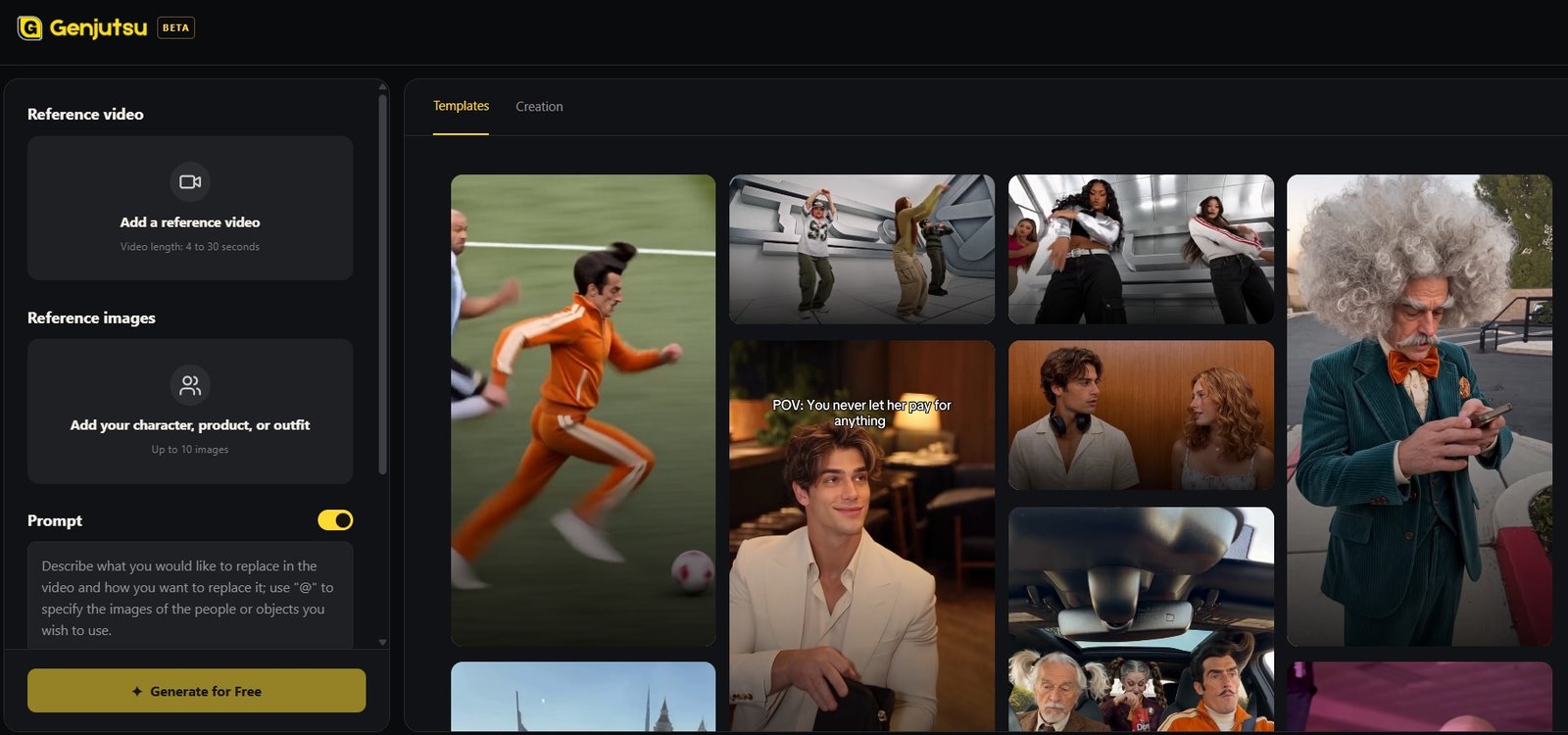
A familiar video can feel very different when an animated character takes over the main performance. A solemn knight joining a casual dance or a tiny robot delivering an exaggerated reaction creates an immediate contrast between subject and action. With genjutsu ai, creators can explore that contrast by combining reference footage with character images. The most interesting version gives the replacement a personality and a situation that make the familiar movement newly entertaining.
Build the Joke Around the Character
Start by naming the trait that makes your subject distinctive. A theatrical villain may overreact to a minor inconvenience. A disciplined robot may celebrate an ordinary task with surprising enthusiasm. A shy character may struggle with an overly confident entrance.
The reference should give that trait something to do. Choose movement that supports the personality or creates a deliberate contradiction viewers can understand.
Use an original character or visual assets you have permission to adapt. You can describe a broad character type without relying on a recognizable copyrighted figure. The creative value comes from the relationship between personality and performance, not simply a familiar name.
How to Recast a Trend with an Animated Character
Step 1: Find a Performance That Reads Clearly
Choose a recognizable action such as an entrance, dance, celebration, or reaction. Watch the full sequence and identify the exact moment that makes it work.
Look for visibility and manageable interactions. A character with a large helmet or short arms may present different visual challenges from the original performer. If the joke does not require complex contact with props, simpler footage can give you an easier first test.
Use source footage you have permission to adapt. Keep a record of the reference so it can be reviewed before publication.
Step 2: Prepare a Consistent Character Design
Select images that agree on the face, outfit, colors, and proportions. Mixing early concept art with a later design can introduce conflicting details.
Identify the features viewers should recognize throughout the movement. For a knight, that might be a broad helmet and blue cape. For a robot, it could be a square face and bright antenna.
Make those features visible in the references. A dramatic image that hides the face may express mood, but it may provide less useful information for a reaction-focused clip.
Step 3: Describe the Replacement Without Overloading the Scene
Upload your reference footage and character images, then identify the performer to replace in the prompt. Describe the central action and the design details that matter.
For example: replace the main dancer with the original knight character in the reference images, following the original dance and camera framing. Keep the blue cape and helmet recognizable.
This instruction describes the intended outcome, not a guaranteed result. Keep extra transformations limited until you have reviewed whether the character and movement work together.
Step 4: Watch the Timing Before Inspecting Frames
Review at normal speed. Does the new subject make the performance unexpected? Does the pause, turn, or reaction still happen clearly? Can you identify the character during the main moment?
Then inspect continuity. Check the face, accessories, costume, and proportions through changes in pose. Look closely at any contact with the ground, furniture, or another object.
If the action is suitable but the design changes, revise the visual inputs. If the character looks recognizable but the movement communicates the wrong attitude, choose a different performance rather than endlessly expanding the prompt.
Step 5: Add a Situation That Completes the Contrast
A short caption can connect the dramatic character to an ordinary problem. The knight celebrates finishing the laundry. The villain reacts to a cancelled appointment. The robot discovers a typo in its carefully prepared plan.
Choose a setup that the movement can communicate without a lengthy explanation. If the caption and action disagree, the viewer has to solve the scene rather than enjoy it.
Example Case: A Knight Celebrates Finishing the Chores
Imagine a fictional illustrator whose original knight is serious about every assignment, including household tasks. They want to adapt a celebratory dance format into a character-led joke. This is an illustrative scenario, not a reported result.
The illustrator selects footage with a readable celebration and uploads consistent knight images. The contrast is intentional: armor and a cape turn an ordinary victory dance into an exaggerated response to a small achievement.
They would review whether the helmet remains stable, whether the cape becomes confusing during the turn, and whether the main gesture still reads at normal speed. If the outfit obscures the joke, a slower or more open performance could be a better foundation.
A caption such as “Quest complete: folded the fitted sheet” gives the celebration a specific meaning. The creator could later explore the same personality in other suitable formats without repeating the exact joke.
Turn a Surprise into a Recurring Character Idea
Create a short list of everyday situations that fit the character before choosing more references. The knight might approach shopping, laundry, and making tea as important quests. This gives you several possible captions while keeping one personality. Match each situation to an available action instead of forcing every joke into the same dance or reaction.
Save the approved references and personality notes with the draft. Future adaptations should feel like the same character encountering new situations. That connection can make the account easier to understand than a collection of unrelated animated substitutions.
Unexpected casting becomes more useful when it reveals a recognizable personality. To explore an original animated subject within a familiar video format, genjutsu ai provides a reference-based starting point for combining a known action with a new character-led joke.

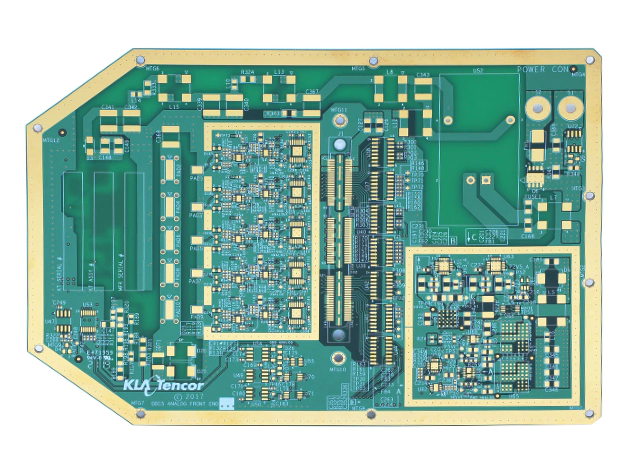
The electronics industry is experiencing continuous technological advancement, creating a growing demand for faster product development and reliable electronic components. From consumer gadgets and automotive systems to industrial machinery and medical equipment, printed circuit boards (PCBs) are essential to modern electronic devices. As businesses compete to introduce innovative products, rapid PCB prototyping has become an important part of the manufacturing process. Fast Turn PCB solutions help engineers and companies develop, test, and improve circuit board designs while maintaining efficient project timelines.
Understanding Rapid PCB Prototyping
Traditional manufacturing processes can sometimes involve longer waiting periods, making it difficult for development teams to meet tight deadlines. Rapid prototyping addresses this challenge by focusing on efficient production methods and organized manufacturing workflows. For complex designs that need several conductive layers, working with an experienced multilayer pcb manufacturer can help ensure accurate layer alignment and consistent board quality.
Fast Turn PCB services support this approach by helping businesses obtain prototype circuit boards more quickly. This allows engineers to test their ideas, make design improvements, and continue product development without unnecessary delays.
Why Speed Matters in Modern PCB Development
Speed is an important factor in today’s competitive electronics market. Businesses often work with strict product launch schedules, and delays during development can affect their overall plans.
Rapid PCB prototyping helps reduce the time between the initial design and the testing stage. Engineers can quickly evaluate whether a circuit board performs as expected and identify areas that require modification.
Faster production also supports multiple design iterations. Instead of waiting extended periods for every prototype, development teams can make adjustments and evaluate updated versions more efficiently.
This process is particularly useful for startups, electronics designers, research teams, and established manufacturers developing new products.
The Growing Importance of Multilayer PCB Technology
As electronic devices become smaller and more sophisticated, circuit board designs must support increasingly complex electrical connections. Multilayer PCBs provide an effective solution by incorporating several conductive layers within a single board.
These layers allow engineers to create compact designs while supporting more complicated circuits. Multilayer technology is commonly used in computers, communication equipment, automotive electronics, medical devices, and industrial control systems.
Choosing an experienced multilayer pcb manufacturer is important for businesses that require precise fabrication and consistent board quality. Manufacturing multilayer circuit boards involves several technical considerations, including layer alignment, material selection, copper thickness, insulation, and drilling accuracy.
Proper manufacturing processes help ensure that different layers connect correctly and that the finished circuit board meets its intended electrical and mechanical requirements.
Benefits of Rapid PCB Prototyping
Rapid prototyping offers several advantages for electronics businesses and product developers.
1. Faster Product Development
Quick access to prototype boards allows engineers to begin testing earlier. This can help reduce development delays and support more efficient project planning.
2. Early Problem Detection
Testing prototype circuit boards makes it easier to identify design errors, connection problems, and component placement issues before mass production begins.
3. Greater Design Flexibility
Engineers can experiment with different layouts, materials, and component arrangements. This flexibility supports innovation and continuous improvement.
4. Better Production Planning
Prototype testing provides useful information about manufacturing requirements. Businesses can use these findings to prepare more accurate production plans.
5. Reduced Development Risks
Identifying potential problems during the prototype stage can help prevent expensive corrections after commercial manufacturing has started.
Advanced Manufacturing Processes and Quality Control
Reliable PCB prototyping requires more than fast production. Manufacturers must maintain appropriate quality standards throughout the fabrication process.
Common manufacturing stages include circuit imaging, drilling, copper plating, etching, solder mask application, and surface finishing. Each step contributes to the electrical performance and physical quality of the finished board.
Quality inspection may involve automated optical inspection, electrical continuity testing, dimensional verification, and visual examination. These procedures help identify defects and ensure that prototype boards meet the required specifications.
For multilayer designs, additional attention is needed to verify layer registration, internal connections, and structural consistency.
Combining efficient manufacturing methods with careful inspection helps businesses receive prototype boards that are suitable for meaningful product testing.
Industries Benefiting from Rapid PCB Prototyping
Rapid PCB prototyping supports innovation across numerous industries.
- Consumer Electronics: Helps developers test circuit boards for smartphones, computers, smart devices, and home appliances.
- Automotive Technology: Supports the development of electronic control systems, sensors, and vehicle monitoring equipment.
- Medical Equipment: Helps manufacturers evaluate circuit boards used in diagnostic and monitoring devices.
- Industrial Automation: Supports the development of controllers, robotics, and electronic machinery.
- Telecommunications: Enables testing of advanced networking equipment and communication hardware.
As these industries continue adopting advanced electronic technologies, the demand for efficient PCB development is expected to increase.
What to Consider When Selecting a PCB Manufacturer
Choosing the right manufacturing partner is an important decision for any electronics project. Businesses should evaluate production capabilities, technical experience, material options, quality inspection procedures, and turnaround times.
For complex electronic designs, manufacturers should also have experience with multilayer fabrication and advanced PCB structures. Clear communication about technical specifications, design files, and project requirements can help prevent unnecessary production issues.
A suitable manufacturing partner should be able to support different development stages, from initial prototypes to larger production requirements.
Conclusion
Rapid PCB prototyping is becoming increasingly important as electronic products continue to evolve. Faster manufacturing, flexible design testing, and reliable quality control help businesses develop better products while managing demanding project schedules.
Fast Turn PCB solutions support this process by helping engineers move efficiently from circuit design to prototype evaluation. Meanwhile, an experienced multilayer pcb manufacturer can provide the technical capabilities needed for complex electronic applications. Together, these manufacturing approaches contribute to a more efficient and innovative future for the electronics industry.

How to Run an Instagram Giveaway Without Misusing Data

“Should I Order Medium or Large?” What Latex Sizing Advice Should Explain

How to Put Animated Characters into Viral Videos with genjutsu ai

Who Is Shameera? All You Need To Know About Charli XCX’s Mother

Who Is Gulliver Flynn Oldman? The Untold Story of Sir Gary Oldman’s Son

Meet Rosemary Turner: The Mother of Actor Callum Turner
-
Biographies9 months ago
Who Is Shameera? All You Need To Know About Charli XCX’s Mother
-
Biographies9 months ago
Who Is Gulliver Flynn Oldman? The Untold Story of Sir Gary Oldman’s Son
-
Biographies9 months ago
Meet Rosemary Turner: The Mother of Actor Callum Turner
-

 Biographies7 months ago
Who is Alexandra James? Inside The Life of Jeremy Clarkson’s Former Partner
-

 Blog5 months ago
AI Video for Social Media: How Small Brands Keep Up Without Burning Out
-
 Biographies9 months ago
Who is Todd McRae? Meet Tate McRae’s Father
-
 Biographies9 months ago
Who Is Daniel Mara? The Untold Story of Kate Mara’s Private Sibling
-
 Celebrity10 months ago
Who Is Peter Hernandez? The Real Story of Bruno Mars’ Father