
Home Improvement
How Expert Window Installation Improves Comfort and Property Value


Windows are one of the most important structural and design features of any home. They influence natural light, ventilation, insulation, energy efficiency, and overall appearance. While many homeowners focus on choosing high-quality windows, the installation process itself is equally important. Even the best windows can fail to perform properly if they are not installed correctly.
Professional window installation ensures that windows operate efficiently, improve indoor comfort, and contribute to the long-term value of the property. From reducing energy loss to enhancing curb appeal, expert installation provides benefits that homeowners can enjoy for many years.
The Importance of Proper Window Installation
Window installation involves more than simply placing a frame into an opening. It requires accurate measurements, structural alignment, sealing, insulation, and secure fitting.
Improper installation can lead to air leaks, water intrusion, poor insulation, and operational issues. Professional installers understand how to ensure that each window fits perfectly and functions correctly.
Homeowners researching trusted providers often turn to Zen Windows Central PA for guidance on quality window solutions and professional installation services.
Improving Indoor Comfort Through Better Insulation
One of the biggest advantages of expert window installation is improved indoor comfort. Poorly installed windows often create drafts and uneven room temperatures, especially during extreme weather conditions.
Professional installation ensures that windows are tightly sealed and insulated. This prevents heat loss during winter and reduces unwanted heat gain during summer.
As a result, homeowners experience more stable indoor temperatures and a more comfortable living environment throughout the year.
Enhancing Energy Efficiency
Energy efficiency is closely connected to window performance. Gaps or improper sealing around windows can allow conditioned air to escape, forcing heating and cooling systems to work harder.
Expert installation helps maximize energy efficiency by eliminating leaks and ensuring proper insulation around the frame. Combined with modern energy-efficient windows, professional installation can significantly lower utility bills.
Reducing energy waste also supports environmentally responsible living and long-term sustainability.
Preventing Air and Water Leaks
Air and water leaks are common problems caused by poor window installation. Moisture intrusion can damage walls, insulation, and flooring while increasing the risk of mold growth.
Professional installers use proper sealing techniques and weatherproof materials to prevent leaks. This protects the structural integrity of the home and improves long-term durability.
Properly installed windows also help maintain better indoor air quality by reducing moisture-related problems.
Increasing Natural Light and Ventilation
Windows are essential for bringing natural light and fresh air into a home. Expert installation ensures that windows open and close smoothly, allowing homeowners to maximize airflow and ventilation.
Correctly installed windows also improve the visual appearance of interior spaces by allowing more consistent natural lighting throughout the home.
Bright and well-ventilated rooms feel more open, comfortable, and inviting.
Reducing Outside Noise
Modern windows can significantly reduce outside noise, but only when they are installed correctly. Gaps around the frame can allow sound to pass through, reducing the effectiveness of insulated glass systems.
Professional window installation ensures proper sealing and alignment, helping create a quieter indoor environment.
This is especially beneficial for homes located near busy roads, urban areas, or noisy neighborhoods.
Enhancing Home Security
Windows contribute to overall home security. Improperly installed windows may not lock correctly or may weaken the structural stability of the frame.
Expert installers ensure that windows are securely fitted and aligned with locking systems functioning properly. This improves protection against forced entry and increases homeowner peace of mind.
Secure windows are an important feature for both safety and property value.
Improving Curb Appeal
Windows have a major impact on the exterior appearance of a home. Crooked frames, poor finishing, or visible gaps can negatively affect curb appeal.
Professional installation creates a clean and polished appearance that enhances the architectural style of the property. Symmetrical alignment and precise finishing improve the overall look of the home both inside and out.
Homes with professionally installed windows often appear more modern and well-maintained.
Increasing Property Value
Window upgrades are considered one of the most valuable home improvement projects because they improve both functionality and appearance.
Buyers are often attracted to homes with modern, energy-efficient windows that have been professionally installed. These upgrades signal quality workmanship and reduced future maintenance needs.
Professional window installation can increase resale value by improving comfort, efficiency, and overall visual appeal.
Extending Window Lifespan
Improper installation can place stress on frames, seals, and hardware, causing windows to wear out more quickly.
Expert installation ensures that windows operate smoothly without unnecessary strain. Proper alignment and insulation help preserve structural integrity and reduce long-term maintenance issues.
As a result, professionally installed windows often last longer and perform better over time.
Reducing Future Repair Costs
Poorly installed windows can lead to recurring problems such as drafts, leaks, and condensation. These issues may require ongoing repairs that increase maintenance expenses.
Professional installation reduces the likelihood of these problems by ensuring that windows are installed correctly from the beginning.
Investing in expert workmanship helps homeowners avoid unnecessary repair costs in the future.
The Importance of Professional Experience
Experienced installers understand how to work with different window materials, home structures, and environmental conditions.
They can identify hidden structural issues, ensure proper sealing, and follow industry best practices for long-term performance.
Choosing a professional installation provides confidence that the project will be completed safely and correctly.
Maintaining Window Performance After Installation
After installation, regular maintenance helps preserve window performance and appearance. Homeowners should clean glass surfaces, inspect seals, and ensure hardware remains in good condition.
Routine care combined with expert installation ensures long-lasting comfort, efficiency, and reliability.
Properly maintained windows continue to improve home value and functionality for many years.
Conclusion
Expert window installation plays a critical role in improving home comfort, energy efficiency, and property value. Proper installation prevents air leaks, enhances insulation, improves security, and creates a more visually appealing home environment.
By investing in professional window installation from trusted providers like Zen Windows Central PA, homeowners can maximize the performance and lifespan of their windows while enjoying lower energy costs and increased property appeal. Quality installation is not only a practical improvement but also a long-term investment in the overall value and comfort of the home.

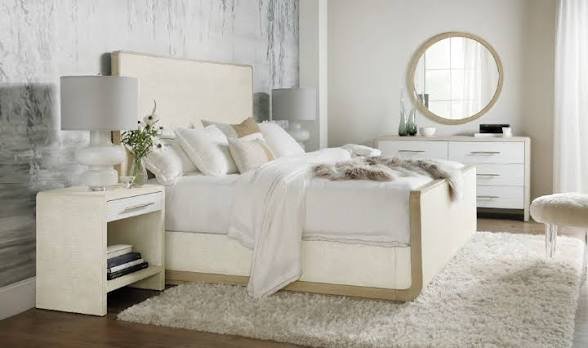
Keeping a bedroom tidy can be challenging when clothing, accessories and everyday essentials have no dedicated storage space. A well-chosen dresser offers a simple way to organise these items while adding style and functionality to your interior. Whether you have a spacious bedroom or a compact living space, the right furniture can help you make better use of the room.
Why Is a Dresser Useful in the Bedroom?
A dresser provides practical storage for clothing and personal belongings that you want to keep within easy reach. It is particularly useful for folded garments, socks, accessories and other smaller items that can be difficult to organise in a wardrobe.
The drawers help separate belongings into categories, making it easier to find what you need without searching through piles of clothing. A tidy storage arrangement can also make daily routines quicker and more convenient.
Many dressers feature a flat top surface that can hold a mirror, a lamp, decorative accessories or a small tray for everyday essentials. This allows one piece of furniture to serve several purposes without taking up excessive space.
Select the Right Size for Your Room
Before purchasing a dresser, measure the area where you intend to place it. Consider its width, height and depth, along with enough clearance to open the drawers fully.
A narrow dresser can be suitable for smaller bedrooms where floor space is limited. Wider models may provide greater storage capacity for larger households or people with extensive clothing collections.
It is also important to consider the height of the furniture. A lower dresser can create a more open appearance, while a taller design may offer additional storage without occupying as much floor space.
Avoid choosing a unit simply because it looks attractive. The most suitable option should fit comfortably into your bedroom and provide enough room for everyday movement.
Consider the Number of Drawers
Different dresser designs offer different storage arrangements. Some feature a few large drawers, while others include several smaller compartments.
Large drawers are useful for jumpers, trousers and other folded garments. Smaller drawers can help organise underwear, socks, belts and accessories. If you prefer keeping different clothing categories separate, a model with several drawers may be more convenient.
Think about your current storage habits before deciding. A practical arrangement that suits your belongings will make it easier to maintain an organised bedroom over time.
You can explore different styles and sizes of dresser to compare storage options and find a design that suits your home.
Match the Dresser to Your Bedroom Décor
Bedroom furniture should work together to create a comfortable and balanced appearance. Choosing a dresser that complements your bed frame, wardrobe and bedside furniture can help achieve a coordinated interior.
White furniture is a popular option for bright, contemporary bedrooms. Wood-effect finishes introduce warmth, while grey and darker colours can complement modern decorative schemes.
You do not necessarily need every item of furniture to match exactly. Combining complementary colours and finishes can create a more individual look while maintaining visual consistency.
For a simple approach, choose a dresser with clean lines and a finish that works with your existing décor.
Look for Quality and Practical Features
A dresser should be designed for regular use, so pay attention to its construction and functionality. Check that the drawers open smoothly and that the handles feel comfortable to use.
The materials and overall build quality also matter. A sturdy frame and well-supported drawers can contribute to long-term usability. If you have limited space, consider a design that offers generous storage without an unnecessarily bulky appearance.
Safety is another important consideration. Tall or narrow furniture should be secured to the wall according to the manufacturer’s instructions, especially in households with young children.
Keep Your Dresser Organised
Even a spacious dresser can become cluttered without a simple organisation system. Assign each drawer a purpose, such as everyday clothing, accessories or seasonal garments.
Fold clothes neatly to make better use of the available space. Small organisers can help separate accessories and prevent smaller items from becoming mixed together.
Keep the top surface relatively clear. A mirror, lamp or a few decorative pieces can add character without turning the dresser into another source of clutter.
Reviewing the contents occasionally also helps you remove items you no longer use and maintain an efficient storage arrangement.
Frequently Asked Questions
What is the main purpose of a dresser?
A dresser provides drawer-based storage for clothing, accessories and personal belongings. Its top surface can also be used for a mirror or decorative items.
Is a dresser suitable for a small bedroom?
Yes. A compact or narrow dresser can provide useful storage while taking up relatively little floor space. Always measure the room before buying.
Can a dresser complement a wardrobe?
Yes. A dresser and wardrobe serve different storage purposes. The wardrobe is useful for hanging clothes, while the dresser is ideal for folded garments and smaller items.
Conclusion
A suitable dresser can improve bedroom organisation while complementing the room’s overall design. By considering size, drawer configuration, materials and appearance, you can choose furniture that meets your everyday needs. With a little planning, a dresser becomes a practical addition that helps keep your bedroom neat, functional and comfortable.

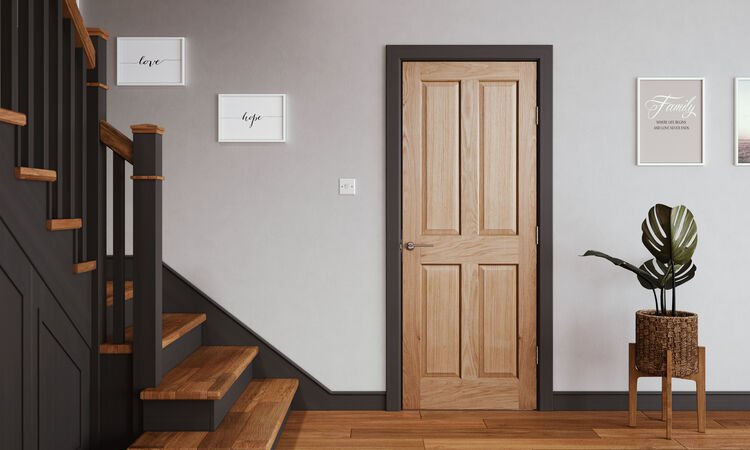
Oak interior doors sit at the intersection of design and daily use. The grain adds warmth, the weight adds presence, and the finish determines how the door handles fingerprints, steam, sunlight, and scrapes. When you are deciding between prefinished and unfinished oak, the right choice usually depends on how fast you need the doors installed, how precisely you want to match surrounding woodwork, and how each room behaves. This guide breaks down practical differences that matter in real homes, from lacquer sheen and oil feel to glazing, trimming limits, and long-term upkeep. You will leave with a clear way to choose what fits your timeline, your rooms, and your style.
- When Prefinished Oak Makes Sense
Choose prefinished oak when speed and uniformity are priorities. Factory-applied coatings arrive ready to hang, so you can skip site sanding and curing time. This reliability helps on time-sensitive projects like a rental refresh or a multi-door hallway where consistent color and sheen matter. Prefinished doors typically have an even satin or matt lacquer that resists everyday handling, so entry-level maintenance is a damp microfiber cloth rather than periodic re-oiling. For a quick sense of what’s possible, you can view oak-finished internal doors to compare grain direction, panel layouts, and glazed openings before finalizing a look.
Prefinished doors also reduce site-finishing risks, such as dust nibs settling in wet varnish or streaks from uneven staining. Because the color coat and topcoat are applied in a controlled environment, edge tone and face panels usually match well across a set. That said, you will still need to drill for hardware and lightly seal any freshly exposed timber at latch cutouts or hinge mortises to prevent moisture wicking into the core over time.
- Where Unfinished Still Wins
Unfinished oak is the right move when you need a custom color or a richer, hand-rubbed look. If your stair treads or floorboards are a specific smoked oak tone, site finishing lets you tune the stain to blend. You can choose an oil that enhances figure and open grain, or a tinted varnish that pulls the door closer to existing casing and baseboards. This route favors period homes and spaces where matching surrounding millwork takes priority over a rapid schedule.
There are trade-offs. Site finishing adds mess, odor, and dry time. You must seal all faces and edges, including the top and bottom of the slab and any new cuts after trimming. Missing an edge is a common mistake that lets bathroom steam or kitchen humidity into the core, causing swelling near the latch or softening around hinge screws. To reduce blotching on end grain, many finishers condition the wood or wipe back stain before clear coats, especially on rails and stiles that absorb differently than flat panels.
- Finish Types: Lacquer, Oil, or Varnish?
Lacquer, common on prefinished doors, creates a thin, hard film that keeps fingerprints and minor scuffs at bay. It preserves oak’s pale gold tone and suits high-traffic spaces like hallways and living rooms. Oil finishes soak into the fibers, deepen color, and deliver a tactile, low-sheen surface that feels natural to the touch. They are forgiving to touch up but typically need periodic re-oiling. Varnish or polyurethane builds a thicker protective layer that improves moisture resistance and can be a smart pick for half baths or near a busy kitchen.
Maintenance follows the chemistry. Lacquered and varnished doors respond well to a soft cloth and a pH-neutral cleaner; avoid abrasive pads and ammonia-based sprays that can haze the surface. Oiled doors benefit from a light recoat as the sheen dulls, especially around the handle set, where contact is constant. For minor dings, a matching wax filler or stain pen can disguise a mark before you refresh the top layer. Good ventilation helps in humid rooms, and sealing freshly drilled holes keeps edges stable.
- Construction Details That Affect Fit and Feel
Beyond the finish, what is inside the slab matters. A solid core or engineered core door feels substantial, damps sound better than hollow constructions, and closes with a reassuring thud. That extra mass calls for robust hinges, typically three per door, and careful alignment of the latch and strike. Trimming has limits: most oak-veneered doors include a solid lipping around the edges, but remove too much, and you risk exposing the substrate beneath the veneer. Always confirm allowable trim and, if you do shorten a leaf, reseal the new edge before hanging. If a space needs a fire-rated door, follow the manufacturer’s strict guidance on hardware, seals, and edge modification.
Glazing, Privacy, and Light for Real Rooms
Glazed oak doors borrow daylight without losing timber’s warmth. Clear glass works for a dining room where you want openness between spaces. Frosted, reeded, or sandblasted glass balances light with privacy in a home office or bath. Safety glass, often laminated or tempered, is standard for internal glazed apertures and worth confirming when children are around. Solid doors excel where sound and seclusion matter most, like bedrooms or media rooms, and can pair with perimeter seals for extra hush. If a hallway lacks natural light, a glazed oak door on the adjacent room can turn it from a cave into a corridor you enjoy using.
The best decisions start before you order. Measure existing frames at several points to catch out-of-square openings, check swing direction against nearby furniture, and note floor coverings that could reduce clearance. Acclimate new doors indoors, flat and supported, until they match room temperature and humidity. Then choose prefinished for speed and consistent sheen, or unfinished for color control and a tailored look. Match finish chemistry to room conditions, mind trimming and edge sealing, and think carefully about glazing where light or privacy is at stake. With those calls made, oak rewards you every time the handle turns.

Starting an Essex house extension project helps create more living space, improves comfort, and could potentially increase your overall property’s value without the stress of moving. Prioritising careful preparation can make the difference between a successful project and an expensive one. According to SunLife’s 2025 Life Well Spent report, the average amount spent on a home extension was £22,325, compared to £26,417 in 2024. These figures demonstrate why homeowners need to plan their budgets carefully before starting construction.
4 Common Mistakes To Avoid When Planning Your House Extension In Essex, UK
Here are some common mistakes to avoid when planning your home extension in Essex, UK.
- Not Consulting Experienced Residential Architecture Firms
Although it may seem cheaper to manage everything independently, overlooking important design and planning considerations can lead to expensive problems later. One of the best decisions Essex homeowners can make before starting an extension project is seeking professional architectural advice. Experienced residential architecture firms understand how to develop practical house extension Essex designs that complement existing properties while making the best use of the available space.
- Underestimating Your Extension Budget
Any Essex house extension project involves several additional expenses, including architectural fees, structural engineering, building control, materials, electrical installations, and plumbing. Unexpected problems, such as drainage complications or structural weaknesses, can also increase your spending. It is also sensible to maintain a contingency fund for unforeseen expenses and prepare a detailed budget covering both the main construction work and associated professional services.
- Ignoring Planning Permission And Building Regulations
Assuming that every house extension can proceed without permission is a costly mistake. While some extensions may qualify for permitted development rights, others may require planning permission. The rules depend on factors such as the extension’s dimensions, location, property type, and previous alterations. Additional restrictions may apply to listed buildings and properties in designated areas. Property owners should always check the relevant requirements with their local planning authority in Essex.
- Choosing a Design That Does Not Suit Your Lifestyle
A beautiful extension can still be disappointing if it does not meet your household’s everyday needs. For example, a large kitchen extension might look impressive but provide insufficient storage or poor access to the garden. Similarly, adding a bedroom without considering natural light, ventilation, and privacy may reduce its practicality. Discussing your core priorities with your architect before finalising the design is essential for getting the best results. A carefully-planned extension should improve how you live and increase your property’s floor area.
Planning a house extension in Essex requires choosing an attractive design, finding a great builder, and understanding your budget. Planning requirements, architectural decisions, and contractor selection can all influence the final outcome. Avoiding these common mistakes can reduce unnecessary expenses, minimize delays, and create a home that better suits your family’s needs. Consulting experienced residential architecture firms such as HumphreysandSons can help you approach your extension with a clearer design strategy and a better understanding of the steps involved. With proper preparation, realistic financial planning and the right professionals, your Essex house extension can become a worthwhile investment in your property’s functionality, comfort, and long-term appeal.

Keyrings UK: The Pocket-Sized Promotional Item Businesses Never Knew They Needed

Why Eddy Current Inspection Signals Change and How to Interpret Them

Can Your Phone Support eSIM Singapore? A Device Compatibility Guide

Who Is Shameera? All You Need To Know About Charli XCX’s Mother

Who Is Gulliver Flynn Oldman? The Untold Story of Sir Gary Oldman’s Son

Meet Rosemary Turner: The Mother of Actor Callum Turner
-
Biographies9 months ago
Who Is Shameera? All You Need To Know About Charli XCX’s Mother
-
Biographies9 months ago
Who Is Gulliver Flynn Oldman? The Untold Story of Sir Gary Oldman’s Son
-
Biographies9 months ago
Meet Rosemary Turner: The Mother of Actor Callum Turner
-

 Biographies7 months ago
Who is Alexandra James? Inside The Life of Jeremy Clarkson’s Former Partner
-
 Biographies9 months ago
Who is Todd McRae? Meet Tate McRae’s Father
-
 Biographies8 months ago
Who Is Daniel Mara? The Untold Story of Kate Mara’s Private Sibling
-
 Celebrity9 months ago
Who Is Peter Hernandez? The Real Story of Bruno Mars’ Father
-

 Blog5 months ago
AI Video for Social Media: How Small Brands Keep Up Without Burning Out