
Blog
Tragus Piercing: Pros, Cons, Healing Tips, and Expert Advice

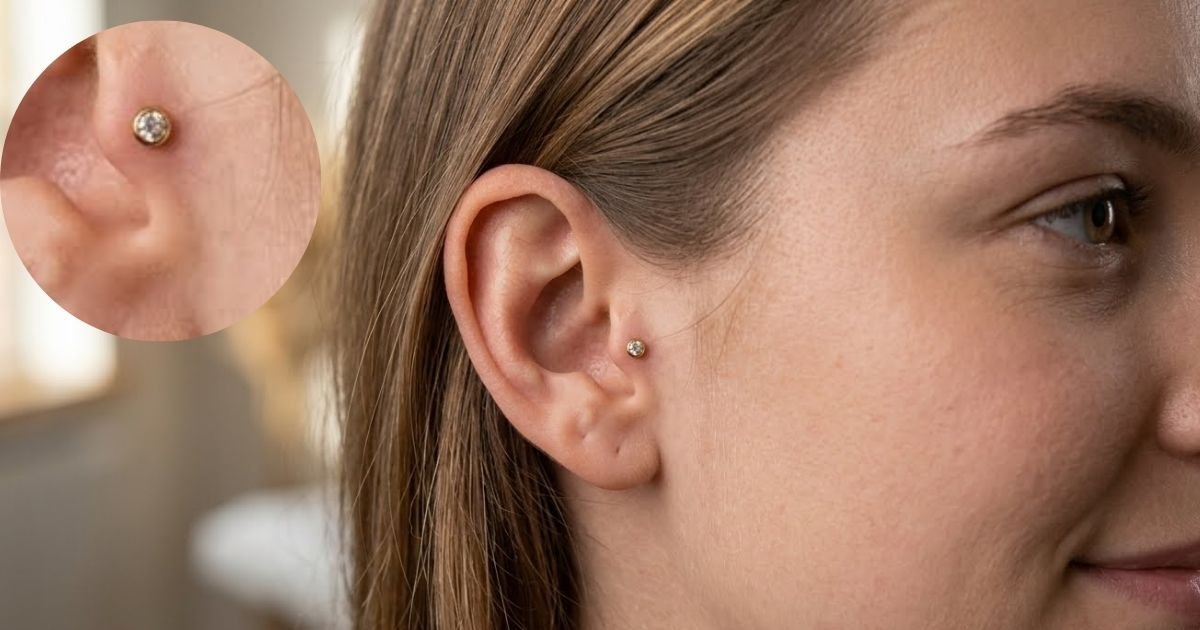
A Tragus Piercing is a cartilage piercing placed through the small, thick flap of tissue located directly in front of the ear canal. This part of the ear, known as the tragus, acts as a natural protector for the inner ear and plays a role in sound direction.
Unlike standard lobe piercings, this type involves dense cartilage, making it structurally different and slightly more complex. Its position gives it a unique visual appeal, sitting flat against the face and becoming a focal point in modern ear styling.
Over the past decade, the Tragus Piercing has evolved from a niche body modification into a mainstream fashion statement. It is especially popular among individuals seeking a minimalist yet striking look that enhances curated ear stacks.
Why Tragus Piercing Is So Popular Today?
The growing popularity of It can be attributed to both aesthetic and functional appeal. It offers a subtle elegance that works well with both casual and high-fashion looks.
Celebrities have played a major role in popularizing this piercing. Stars like Scarlett Johansson and Rihanna have frequently showcased delicate tragus jewelry on red carpets and public appearances. Similarly, Zoë Kravitz and Lucy Hale are known for their curated ear aesthetics that prominently feature this piercing.
Another reason for its popularity is visibility. Unlike other cartilage piercings that are best seen from the side, a Tragus Piercing is visible from a front-facing angle, making it ideal for photographs and everyday style.
Its ability to complement other piercings, such as helix or conch, further enhances its appeal. Whether styled with a tiny diamond stud or a minimalist gold hoop, it adds dimension and personality to the ear.
Anatomy and Suitability: Do You Qualify?
One of the most critical aspects of getting a Tragus Piercing is anatomy. Not everyone has the right ear structure to support it safely.
The tragus must have enough thickness and a defined protrusion to hold jewelry securely. Professional piercers typically perform a simple pinch test to determine if the area can support a post. If the tissue is too flat or small, the piercing may migrate or reject over time.
Studies and industry experience suggest that approximately 15 to 20 percent of individuals may not be suitable candidates due to anatomical limitations. Attempting to force a piercing on an unsuitable tragus can lead to complications such as uneven healing or permanent scarring.
Additionally, the tragus sits very close to the Temporomandibular Joint (TMJ), the hinge that connects your jaw to your skull. Improper placement can result in discomfort while chewing or yawning, which highlights the importance of choosing an experienced professional.
Pain Level: What Does It Really Feel Like?
Pain is one of the most common concerns when considering a Tragus Piercing, but the experience varies widely from person to person.
On average, the pain level is described as moderate, often rated between 4 and 5 out of 10. Because the tragus contains fewer nerve endings than some other parts of the ear, many people find the actual piercing surprisingly tolerable.
What makes the experience unique is the sensation rather than the pain. Many individuals report hearing a distinct “crunch” or “pop” sound during the procedure. This occurs because the needle passes through dense cartilage, and the sound echoes inside the ear canal.
While the noise can be startling, it is completely normal and not a sign of anything going wrong. The procedure itself is quick, usually lasting only a few seconds.
The Healing Process Explained
Healing a Tragus Piercing requires patience, as cartilage takes significantly longer to recover compared to soft tissue.
The full healing process typically ranges from 6 to 12 months. Even if the outer area appears healed within a few weeks, the internal tissue continues to regenerate for several months.
During the initial phase, you may experience swelling, tenderness, and slight discharge. This is a normal part of the body’s healing response. Over time, the swelling subsides, but the area remains sensitive to pressure and irritation.
Cartilage is avascular, meaning it lacks a direct blood supply. Instead, it heals through surrounding tissues, which slows the process. This is why proper aftercare is essential for avoiding complications and ensuring a smooth recovery.
Month-by-Month Healing Timeline
Understanding the healing stages can help you manage expectations and avoid common mistakes.
In the first week, the body reacts with inflammation. Swelling, warmth, and minor discomfort are common. A pale-yellow fluid may form and dry into crust around the jewelry.
Between weeks two and four, tenderness remains high, and crust formation continues. This is when accidental bumps or pressure can cause irritation.
From one to three months, the piercing may appear healed on the outside. However, this is a deceptive stage where many people make mistakes, such as using earbuds or sleeping on the piercing.
Between three and six months, the internal channel begins to strengthen. Collagen forms around the jewelry, stabilizing the piercing.
By six to twelve months, the Tragus Piercing reaches full maturity. At this stage, it becomes more resilient, and short periods without jewelry are less likely to cause closure.
Essential Aftercare Tips for Safe Healing
Proper aftercare is the foundation of a successful Tragus Piercing. Neglecting it can lead to infections, irritation bumps, or prolonged healing.
The recommended cleaning method involves using a sterile saline solution. Spray the front and back of the piercing twice daily to remove debris and bacteria.
Drying is equally important. Moisture can accumulate in the ear’s natural recess, creating an ideal environment for irritation. Gently pat the area dry with a clean paper towel or use a hair dryer on a cool setting.
Avoid touching or rotating the jewelry, as this can damage the healing tissue. Hands should only come into contact with the piercing when absolutely necessary and always after thorough washing.
Cotton swabs should also be avoided. Their fibers can wrap around the jewelry and trap bacteria, increasing the risk of infection.
Common Mistakes That Cause Complications
Many issues associated with a Tragus Piercing are the result of simple mistakes that can easily be avoided.
Sleeping on the piercing is one of the most common problems. Constant pressure can distort the healing cartilage, leading to a crooked angle that becomes permanent.
Using in-ear earbuds too soon is another major mistake. These devices press directly against the piercing and introduce bacteria from the ear canal, significantly increasing the risk of infection.
Skipping the downsizing appointment is equally problematic. Initial jewelry is intentionally longer to accommodate swelling. If not replaced with a shorter post, it can tilt, snag, and cause irritation bumps.
Finally, failing to dry the area properly allows moisture to accumulate, which can lead to chronic irritation and delayed healing.
Jewelry Types and Best Materials
Choosing the right jewelry is crucial for both comfort and healing. A Tragus Piercing should always start with a flat-back labret stud.
This type of jewelry sits securely against the ear and minimizes movement, reducing irritation. Hoops, while stylish, should be avoided during the initial healing phase because they tend to move excessively.
Material selection is equally important. Implant-grade titanium is considered the gold standard due to its biocompatibility and lightweight nature. Solid gold is another safe option, provided it meets high purity standards.
For those seeking a black finish, niobium is often recommended because it can be safely treated without harmful coatings. Plated jewelry should be avoided, as coatings can wear off and irritate the piercing.
Earbuds, Headphones, and Daily Lifestyle Adjustments
One of the biggest lifestyle changes required after getting a Tragus Piercing involves headphone use.
In-ear earbuds, including popular wireless options, should be avoided for at least the first few months. They apply pressure directly to the piercing and can introduce bacteria into the healing site.
Instead, over-the-ear headphones are a safer alternative. Choose models with deep ear cups that do not touch the ear itself, allowing the piercing to heal undisturbed.
Other adjustments include being mindful of hair, clothing, and accessories. While the tragus is less prone to snagging than other piercings, caution is still necessary during the healing phase.
Pros and Cons of Tragus Piercing
Like any body modification, a Tragus Piercing comes with both advantages and drawbacks.
One of its biggest advantages is its aesthetic versatility. It complements various styles and works well with other piercings, making it a favorite for curated ear designs.
It is also relatively low-maintenance once fully healed. Because it sits flat against the ear, it rarely catches on hair or clothing.
However, the healing process can be lengthy and restrictive. Avoiding earbuds and managing moisture require consistent effort. Additionally, the piercing can be difficult to change without assistance due to its location.
Risks, Complications, and How to Avoid Them
While a Tragus Piercing is generally safe when performed correctly, there are potential risks that should not be ignored. Most complications arise from improper aftercare, poor jewelry choices, or incorrect placement.
One of the most common issues is the formation of irritation bumps. These are usually soft, fluid-filled swellings caused by friction, pressure, or trapped moisture. Unlike keloids, which are rare and genetically driven, irritation bumps typically resolve once the source of irritation is removed.
Another concern is infection. Because the tragus sits in a recessed area, sweat, shampoo, and dirt can accumulate easily. If not cleaned and dried properly, this environment can promote bacterial growth.
Improper piercing angle is another risk. Since the tragus is located near the Temporomandibular Joint (TMJ), a poorly placed piercing may lead to discomfort when chewing or speaking. This is why choosing a skilled piercer is essential.
There is also a slight chance of experiencing a vasovagal response during the procedure due to the proximity of sensitive nerve areas. This can cause temporary dizziness or lightheadedness but usually resolves quickly.
Trends and Styling Ideas in 2026
The Tragus Piercing continues to evolve as a central feature in modern ear styling trends. In 2026, the focus has shifted toward precision, symmetry, and minimalist aesthetics.
One of the most notable trends is the double tragus stack. This involves placing two tiny studs either vertically or horizontally on the tragus. However, this style requires a larger-than-average tragus and expert placement to ensure proper healing.
Another popular approach is negative space styling. Instead of filling every part of the ear with jewelry, stylists use the tragus as a standalone focal point, leaving surrounding areas clean for a balanced and refined look.
Luxury ear curation is also on the rise, driven by brands like Maria Tash and BVLA. These brands specialize in ultra-fine gold and diamond pieces designed specifically for small cartilage areas like the tragus.
Minimalist studs, micro-hoops, and gemstone accents remain popular choices, allowing individuals to express their personality while maintaining elegance.
The Science Behind Tragus Piercing
The Tragus Piercing is not just a fashion choice; it also involves fascinating biological and physical processes.
The tragus plays a role in sound localization. Its shape helps reflect sound waves, allowing the brain to determine whether a sound is coming from the front or behind. Piercing this area can temporarily affect this function, especially during the healing phase.
Cartilage, unlike other tissues, is avascular. This means it does not have its own blood supply. Instead, it relies on surrounding tissues for nutrients, which explains the extended healing time associated with this piercing.
Another interesting phenomenon is the “crunch” sound heard during the procedure. This occurs when the needle passes through dense cartilage, and the sound is amplified within the ear canal.
Additionally, the tragus lies near sensitive nerve zones, including areas connected to the vagus nerve. While the piercing does not directly affect the nerve, this proximity can explain why some individuals feel dizzy during the procedure.
Myths and Misconceptions You Should Know
There are several myths surrounding the Tragus Piercing, and understanding the truth can help you make an informed decision.
One common misconception is that tragus piercings aid in weight loss. This belief stems from acupuncture practices that identify the tragus as a “hunger point.” However, a permanent piercing does not provide the same effect as controlled acupuncture stimulation.
Another myth is that all ear piercings heal quickly. In reality, cartilage piercings take significantly longer to heal than lobe piercings. Assuming it is healed too soon can lead to complications.
Some people also confuse a traditional tragus piercing with a surface tragus. A surface tragus is placed on the skin in front of the ear and has a much higher rejection rate, making it less reliable than the traditional cartilage version.
Clearing up these misconceptions ensures better expectations and safer decisions.
Alternatives to Tragus Piercing
If your anatomy is not suitable for a Tragus Piercing, or if your lifestyle requires frequent earbud use, there are several excellent alternatives.
The forward helix is one option. Located just above the tragus, it offers a similar front-facing aesthetic while leaving the ear canal unobstructed.
Another alternative is the daith piercing, which sits deeper inside the ear. It provides a unique visual appeal and works well with hoop jewelry.
The conch piercing is also a popular choice. Positioned in the center of the ear, it creates a bold yet balanced look without interfering significantly with headphones.
These alternatives allow individuals to achieve a similar style without the limitations associated with the tragus.
Pricing: What Does a Tragus Piercing Cost?
The cost of a It varies depending on location, studio reputation, and jewelry quality.
In cities like Karachi, standard studios typically charge between PKR 2,500 and PKR 5,000 for a basic titanium setup. High-end studios or mall outlets may charge anywhere from PKR 6,000 to PKR 15,000 or more, especially when premium materials are used.
Globally, prices are higher. In the United States, United Kingdom, and Europe, a standard professional piercing usually ranges from $45 to $80. This often includes basic implant-grade titanium jewelry.
Luxury options can cost significantly more. High-end studios offering gold, diamonds, or designer jewelry may charge between $150 and $500 or more, depending on customization.
It is important to remember that quality and safety should always take priority over cost.
Real User Reviews and Satisfaction Insights
Feedback from piercing communities and forums suggests that the Tragus Piercing has a high satisfaction rate, often rated around 8.5 out of 10.
Many users report that the actual piercing is less painful than expected. The most surprising aspect for first-timers is usually the sound rather than the sensation.
However, the healing phase is often described as the most challenging part. Avoiding earbuds, managing moisture, and being careful during sleep require consistent attention.
On the positive side, once healed, the piercing is praised for its stability and low maintenance. It rarely snags on hair or clothing, making it a practical long-term choice.
Final Thoughts: Is Tragus Piercing Worth It?
The Tragus Piercing is a perfect blend of style and subtlety. It offers a unique way to enhance your appearance while remaining understated and elegant.
However, it is not a decision to take lightly. The piercing requires proper anatomy, a skilled professional, and a commitment to aftercare. The healing process can be lengthy, and certain lifestyle adjustments are necessary.
For those willing to follow the guidelines and invest in proper care, the results are highly rewarding. A well-healed It can become a defining feature of your personal style, offering both beauty and individuality.
READ ALSO: What Is the Low Taper Fade Meme?
FAQs
1. How painful is a tragus piercing?
Most people rate the pain between 4 and 5 out of 10. The sensation is quick, and the discomfort is usually minimal compared to expectations.
2. How long does a tragus piercing take to heal?
A Tragus Piercing typically takes between 6 and 12 months to fully heal, although the outer area may appear healed sooner.
3. Can I use earbuds after getting a tragus piercing?
It is best to avoid in-ear earbuds for at least 2 to 3 months, and ideally longer, to prevent irritation and infection.
4. What is the best jewelry for a new tragus piercing?
A flat-back labret stud made from implant-grade titanium or solid gold is the safest option for initial healing.
5. What should I do if I get a bump on my tragus piercing?
Most bumps are irritation bumps. Focus on proper cleaning, avoid pressure, and eliminate sources of friction. If it persists, consult a professional piercer.


The smartphone industry still behaves as though a year is a long time. Every twelve months there is another launch, another chip, another camera claim and another invitation to replace a device that was considered state of the art only recently. Consumers appear increasingly unconvinced.
The interesting part is that the upgrade cycle can lose its emotional grip without changing the economics underneath it. You may keep a phone for three or four years instead of two, but it will still depreciate while you own it. The question is no longer whether to upgrade every year. It is how to choose the point at which continued use is worth more to you than the remaining resale value.
Annual innovation is no longer annual transformation
Recent research examining smartphone-review narratives found a recurring tension between manufacturers’ yearly innovation claims and reviewers’ perception that many changes are incremental. The study argues that improvements in design, performance and software often fail to produce equally large gains in everyday utility. The research is available here.
That matches the lived experience of many phone owners. A three-year-old flagship can still take excellent photos, run banking apps instantly, navigate, stream video and handle messaging without complaint. The technical case for replacing it may be weaker than the marketing case.
But depreciation does not care whether you are bored of upgrading
A phone is both a tool and an asset with a shrinking resale value. Keeping it longer saves you the cost of buying something new, but it also means giving up some of the money you could have recovered by selling earlier. Neither choice is automatically right.
This is where the simple search phrase sell my phone becomes more useful than it sounds. Checking what your current handset is worth does not commit you to selling it. It tells you the price of continuing to own it.
The ‘cost of keeping’ is the missing comparison
Imagine a phone is worth £500 today and £350 a year from now. Keeping it for that year effectively consumes £150 of resale value. That may be fantastic value if the phone still does everything you need. It may be poor value if you were already planning to replace it in three months.
Thinking this way makes upgrade decisions less emotional. You are not asking whether the new phone is exciting. You are asking whether another year of use from your existing phone is worth the depreciation you expect to absorb.
The better upgrade cycle is personal, not annual
· Upgrade when battery life or reliability genuinely affects your day.
· Upgrade when a new feature changes something you actually do, not because a keynote says it is revolutionary.
· Check resale value before a major launch if you already expect to replace the device soon.
· Keep the phone if another year of use is worth more to you than the cash it will lose.
A healthier relationship with new phones
There is nothing wrong with enjoying new technology. The problem begins when the industry calendar becomes your personal replacement schedule. A launch date is useful information, not an obligation.
The smarter habit is to treat your existing phone as part of the purchase equation. Check what it is worth, compare that with the cost and usefulness of the upgrade, and make the decision on your own timetable. Annual launches may continue indefinitely. Annual upgrading does not have to.
Blog
The Graffitifun model: how a 20-year venture turned street art into a major UK experience market

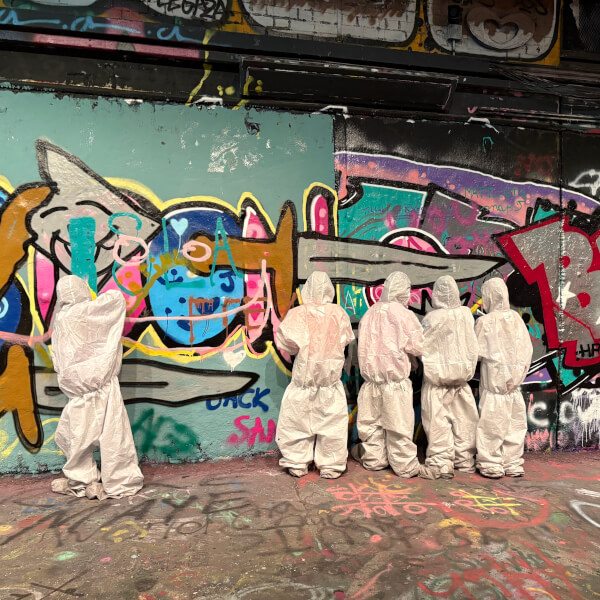
The European experience economy has seen a marked pivot toward authentic, hands-on cultural activities. Leading this transformation is Graffitifun, an enterprise founded in 2005 that spent two decades transforming underground spray-can culture into a highly structured corporate and educational service.
By building a specialized workshop framework and backing it with an international roster of practitioners, the organization has catalyzed the regional growth of urban art masterclasses across Western Europe, London, and the wider United Kingdom.
Engineering a standardized urban art curriculum
When Graffitifun launched 20 years ago, street art lacked an accessible, scalable educational framework. To address this gap, the founders developed a proprietary workshop methodology that balanced creative spontaneity with operational precision.
Instead of unguided painting sessions, Graffitifun built a curriculum centered around three distinct pillars:
- Foundational theory: Direct instruction on spray-art history, typography, color theory, and spatial composition.
- Controlled delivery technology: Utilizing specialized low-pressure cans and fine-line nozzles, allowing complete beginners to master line thickness, gradients, and shading without paint splatters or fumes.
- Operational reliability: Implementing strict safety protocols, protective equipment, and guaranteed artist coverage for large-scale institutional bookings.
This structured approach reframed street art as a legitimate visual discipline, making it viable for corporate retreats, municipal youth programs, and academic institutions.
Scaling operations: 42 core artists and a 250-strong global network
Executing consistent live workshops across multiple international borders requires significant operational depth. Graffitifun solved this logistics challenge by establishing a dual-tiered artist network.
The core of the business is driven by a permanent team of 42 senior artists and workshop leaders who oversee curriculum development and direct major corporate events. Supporting this core is an extended international network of over 250 verified street art professionals worldwide in the Graffitifunworld graffiti company.
Because every instructor is an active practitioner within the street art scene, participants gain direct access to authentic techniques, industry background, and expert guidance.
Expanding across London and the UK market
With its two-decade operational foundation established in continental Europe, Graffitifun has rapidly scaled its presence across key commercial and cultural hubs in the United Kingdom, and graffiti events with a heavy operational focus on London.
In the UK, the company operates across two main sectors:
- Corporate performance and team cohesion: Designing large-scale collaborative mural sessions where corporate teams translate company identity, logos, or values into visual art. The hands-on medium removes office hierarchies and drives cross-functional communication.
- Educational and youth programs: Delivering tailored modules for primary and secondary schools, providing students with a safe, guided introduction to street art history, stencil application, and freehand control.
From corporate headquarters in London to educational institutions across the UK, Graffitifun’s proprietary model continues to prove that street art, when delivered with professional precision, serves as a powerful medium for creative collaboration.


ADHD can affect concentration, organisation, time management, and daily life at any age. If you believe you have symptoms, an ADHD assessment NHS pathway is the first step towards receiving an accurate diagnosis and appropriate support.
For many people, waiting for an assessment can feel overwhelming. Fortunately, eligible patients in England may have access to the NHS Right to Choose pathway, allowing them to select an approved provider for assessment and treatment through their GP referral.
What Is an ADHD Assessment NHS?
An NHS assessment for ADHD is a detailed physical, behavioural and developmental evaluation conducted by a trained professional to identify if a child or young person has ADHD.
The assessment aims to gain an understanding of:
- Your current symptoms
- Childhood behavioural history
- Daily functioning
- Mental health
- Educational and employment challenges
- Family and medical history
Rather than relying on a single questionnaire, clinicians gather detailed information before making a diagnosis.
Who Can Request an ADHD Assessment NHS?
If adults and children have persistent symptoms that impact their daily life, they can discuss this with their GP, who could refer them for an assessment.
Common symptoms include:
- Difficulty concentrating
- Poor organisation
- Forgetfulness
- Restlessness
- Impulsivity
- Difficulty completing tasks
- Poor time management
If your GP believes an assessment is appropriate, they can refer you to an NHS ADHD service or an approved provider through the Right to Choose pathway in England.
Understanding the NHS Right to Choose Pathway
The NHS Right to Choose pathway is one choice that may be available to eligible patients. Patients registered at a GP in England may be able to ask for a referral to an NHS-funded provider rather than to their local ADHD service, where they might be eligible. This choice may allow NHS patients more choice in accessing an ADHD assessment.
Services like ADHD Right to Choose facilitate the referral process and support patients from referral to treatment. The service has a streamlined referral process, a dedicated patient support service, electronic prescribing, ongoing treatment management, and no shared care needs for GP practices, making the entire process easier for the patient and GP practices.
What Happens During an ADHD Assessment?
Each assessment is unique, but most are done in a structured manner.
The clinician may:
- Review completed questionnaires
- Discuss childhood experiences
- Explore current symptoms
- Assess work, education and relationships
- Consider mental health history
- Rule out other possible conditions
The assessment usually involves an in-depth clinical interview rather than a simple checklist.
Preparing for Your ADHD Assessment NHS
Being prepared can make the most of your appointment.
It can help to include useful information such as:
- School reports if available
- Previous medical records
- Notes about your symptoms
- Examples of difficulties at work or home
- Information from family members who knew you during childhood
Many providers also require patients to fill out questionnaires prior to the appointment to gain insight into patients’ experiences.
What Happens After the Diagnosis?
After your ADHD assessment NHS, the clinician will be able to discuss the results with you.
If your child has been diagnosed with ADHD, they may be prescribed:
- Medication
- Behavioural strategies
- Lifestyle advice
- Regular follow-up appointments
- Medication titration where appropriate
- Ongoing clinical reviews
If ADHD is not diagnosed, your clinician might suggest additional tests or other conditions that can mimic symptoms of ADHD.
Benefits of Choosing an Approved Right to Choose Provider
Many patients explore the Right to Choose pathway because local waiting lists can be lengthy.
Approved providers often focus on creating a smoother referral experience by offering:
- Clear communication
- Guided onboarding
- Specialist ADHD clinicians
- Secure electronic prescribing
- Dedicated patient support
- Structured treatment pathways
For example, ADHD Right to Choose, delivered through Harrow Health, supports patients from GP referral to assessment, diagnosis, and ongoing treatment where appropriate. It also manages prescribing and annual reviews, helping reduce the workload for GP practices.
Common Questions About ADHD Assessment NHS
Many people worry about the assessment process before attending.
Some frequently asked questions include:
Is the assessment difficult?
No. It is simply a detailed conversation about your experiences and symptoms.
Can adults receive an ADHD diagnosis?
Yes. Many adults are diagnosed after recognising long-standing symptoms that were never identified during childhood.
Can I choose where I am assessed?
Eligible patients in England may request an NHS-funded provider through the Right to Choose pathway, although referrals must be made by a GP.
Will I receive treatment after diagnosis?
If ADHD is diagnosed, your clinician will discuss the most appropriate treatment options for your circumstances.
Why Early ADHD Assessment Matters
Many aspects of life can be impacted by undiagnosed ADHD, such as:
- Employment
- Education
- Relationships
- Confidence
- Emotional wellbeing
- Financial organisation
An accurate diagnosis can help people understand their issues and access the right treatment and practical support.
Choosing the Right ADHD Assessment Pathway
Starting an ADHD assessment NHS can feel like a significant step, but understanding your options makes the process much easier.
If you are registered with a GP in England and your GP agrees that an assessment is appropriate, you may be able to access the NHS Right to Choose pathway and select an approved provider. Services such as ADHD Right to Choose simplify referrals, provide dedicated patient support, and continue care through diagnosis and treatment where clinically appropriate.
Speaking with your GP is the first step towards obtaining a professional assessment and receiving the support needed to manage ADHD confidently.

A Newcomer’s Guide to Living and Driving in Aldershot

What to Wear in Australia: Essentials Hoodies, T-Shirts, Shorts and Tracksuits

Streetwear Culture 2026: Why Hellstar and Better With Age Are Dominating the US Scene

Who Is Shameera? All You Need To Know About Charli XCX’s Mother

Who Is Gulliver Flynn Oldman? The Untold Story of Sir Gary Oldman’s Son

Meet Rosemary Turner: The Mother of Actor Callum Turner
-
Biographies7 months ago
Who Is Shameera? All You Need To Know About Charli XCX’s Mother
-
Biographies6 months ago
Who Is Gulliver Flynn Oldman? The Untold Story of Sir Gary Oldman’s Son
-
Biographies7 months ago
Meet Rosemary Turner: The Mother of Actor Callum Turner
-

 Biographies5 months ago
Who is Alexandra James? Inside The Life of Jeremy Clarkson’s Former Partner
-
 Biographies7 months ago
Who is Todd McRae? Meet Tate McRae’s Father
-
 Biographies6 months ago
Who Is Daniel Mara? The Untold Story of Kate Mara’s Private Sibling
-
 Celebrity7 months ago
Who Is Peter Hernandez? The Real Story of Bruno Mars’ Father
-
 Biographies7 months ago
Who Is Alvin Martin? All About the Whoopi Goldberg’s First Husband