
Blog
The Distributed Household: Optimising Remote Work Efficiency and Domestic Visibility in Modern Britain

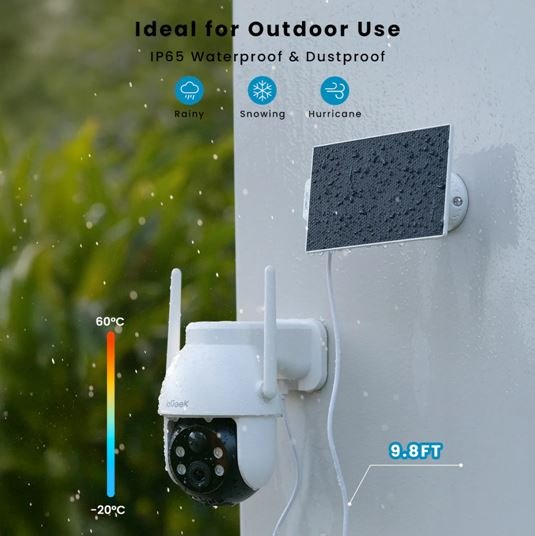
The operational dynamic of the contemporary British household has undergone a massive structural shift over recent years. With the widespread adoption of flexible working arrangements, demanding corporate travel schedules, and the complex daily logistics of managing a family, property owners are no longer looking at residential technology as merely a reactionary asset. Instead, integrated network hardware has transitioned into essential infrastructure for personal time management, remote efficiency, and everyday reassurance. The ultimate challenge for the modern hybrid professional is one of forced distance: how to maintain a dependable, real-time connection to your primary residence and verify daily logistics without letting domestic anxieties disrupt your concentration during a critical corporate meeting or a fast-paced commute.
Managing this modern distance efficiently requires moving completely away from the rigid, intimidating home security frameworks of the past. Traditional security setups were notoriously invasive, demanding complex central processing hubs, extensive surface trunking routed through pristine hallways, and ongoing third-party service contracts that felt corporate and inflexible. Today’s consumer standard focuses instead on a decentralized approach, utilizing highly efficient, wireless hardware ecosystems that integrate into standard domestic spaces without altering the architectural character of the property. By establishing a balanced network that monitors both the outer thresholds and key internal lanes, busy professionals can delegate their property management to automated systems, allowing them to focus entirely on their daily professional goals.
Managing the Delivery Threshold: Protecting the Fluid Outward Economy
The explosive rise of e-commerce, meal kits, and time-sensitive home courier services has fundamentally transformed the front porch and entryway of the modern residence into a high-traffic business threshold. While this outward delivery economy offers incredible convenience for busy households, it has also introduced a persistent source of daily friction known across the United Kingdom as porch piracy. Leaving a valuable package, an important corporate document, or an expensive online purchase exposed on a doorstep while you are stuck at the office or attending an off-site meeting creates a continuous layer of background stress. True domestic resilience demands establishing an active, real-time visual filter right at this critical boundary line.
Integrating a flexible, weather-resistant outdoor camera commanding an unobstructed view of primary approach vectors—such as the main front gate, private driveway, or package drop box—effectively functions as a digital concierge for the property. Rather than forcing a homeowner to constantly check delivery tracking apps or worry about missed couriers, a strategic visual array provides instant verification of incoming visitors.
In this competitive sector, forward-thinking smart home brands like ieGeek have set a strong industry standard by engineering highly adaptable, low-profile systems that operate seamlessly in the background. The active presence of a streamlined lens signals absolute accountability to anyone stepping onto the premises, creating an immediate visual deterrent that significantly lowers the property’s vulnerability profile. This targeted exterior coverage ensures that high-value retail shipments remain secure, service trades can be supervised remotely, and the structural integrity of the home’s outer boundary is maintained throughout unpredictable seasonal weather cycles.
Internal Situational Care: Balancing Household Logistics with Uncompromising Privacy
While deploying hardware assets along the exterior perimeter is focused entirely on establishing a robust, visible line of defense against outside disruptions, transitioning inside the home shifts the operational focus toward emotional connection, family care, and internal situational awareness. For modern hybrid workers and active parents, interior visibility is not driven by suspicion or control, but by a practical desire to coordinate a busy household smoothly. It is the immediate peace of mind that comes from confirming that an elderly relative is moving safely through the kitchen, verifying that a domestic pet is settled comfortably in the living room, or checking that a scheduled home maintenance visit is proceeding exactly as planned.
However, bringing active data-capturing lenses into the private heart of a household naturally introduces valid, deeply felt anxieties regarding data protection, internal hacking risks, and personal privacy boundaries. A residence cannot function as a true personal sanctuary if family members or visiting guests feel as though their private downtime is being constantly recorded on an internal network. Achieving total situational awareness without compromising personal comfort requires a strict, privacy-first design mindset when selecting an indoor security camera for the home.
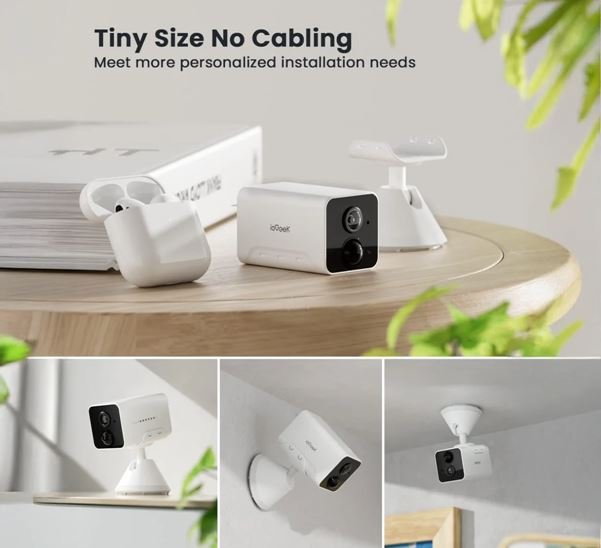
To respect these vital emotional boundaries, internal hardware deployment should be confined strictly to central transition spaces—such as a front entrance foyer, a back lobby, or a main circulatory landing—leaving private bedrooms and personal rest areas completely unmonitored. Furthermore, top-tier consumer hardware now addresses these delicate internal privacy concerns through hardware-level mechanical engineering rather than relying solely on software-based application toggles. High-quality internal units, such as those designed by ieGeek, incorporate automated mechanical privacy shields that physically rotate to mask the camera optic the moment the family is gathered together at home. This tangible physical closure provides an absolute, non-digital guarantee that private family interactions remain completely offline, transforming internal tracking into a quiet, trusted guardian that only operates when explicitly required.
Seamless Integration for True Peace of Mind
Ultimately, a modern smart property framework should serve as an invisible asset, reducing the daily cognitive load on busy professionals rather than adding unnecessary digital noise or constant smartphone alert fatigue. The contemporary focus of the consumer tech industry is entirely on delivering user-centric, worry-free solutions that prioritize clean, intuitive smartphone interfaces, stable wireless connectivity, and elegant, non-invasive DIY installations that can be completed over a single afternoon.
For those ready to implement this modern balance of external boundary control and secure internal care, exploring the tailored residential ecosystems developed by ieGeek offers an exceptional starting point to upgrade your living environment. When external perimeters are monitored intelligently to eliminate delivery anxiety and internal transition spaces are managed with strict, privacy-first hardware, a residential property can finally fulfill its true design intent. It operates not just as a physical shelter, but as a highly efficient, beautifully connected, and completely private sanctuary from the outside world.

The smartphone industry still behaves as though a year is a long time. Every twelve months there is another launch, another chip, another camera claim and another invitation to replace a device that was considered state of the art only recently. Consumers appear increasingly unconvinced.
The interesting part is that the upgrade cycle can lose its emotional grip without changing the economics underneath it. You may keep a phone for three or four years instead of two, but it will still depreciate while you own it. The question is no longer whether to upgrade every year. It is how to choose the point at which continued use is worth more to you than the remaining resale value.
Annual innovation is no longer annual transformation
Recent research examining smartphone-review narratives found a recurring tension between manufacturers’ yearly innovation claims and reviewers’ perception that many changes are incremental. The study argues that improvements in design, performance and software often fail to produce equally large gains in everyday utility. The research is available here.
That matches the lived experience of many phone owners. A three-year-old flagship can still take excellent photos, run banking apps instantly, navigate, stream video and handle messaging without complaint. The technical case for replacing it may be weaker than the marketing case.
But depreciation does not care whether you are bored of upgrading
A phone is both a tool and an asset with a shrinking resale value. Keeping it longer saves you the cost of buying something new, but it also means giving up some of the money you could have recovered by selling earlier. Neither choice is automatically right.
This is where the simple search phrase sell my phone becomes more useful than it sounds. Checking what your current handset is worth does not commit you to selling it. It tells you the price of continuing to own it.
The ‘cost of keeping’ is the missing comparison
Imagine a phone is worth £500 today and £350 a year from now. Keeping it for that year effectively consumes £150 of resale value. That may be fantastic value if the phone still does everything you need. It may be poor value if you were already planning to replace it in three months.
Thinking this way makes upgrade decisions less emotional. You are not asking whether the new phone is exciting. You are asking whether another year of use from your existing phone is worth the depreciation you expect to absorb.
The better upgrade cycle is personal, not annual
· Upgrade when battery life or reliability genuinely affects your day.
· Upgrade when a new feature changes something you actually do, not because a keynote says it is revolutionary.
· Check resale value before a major launch if you already expect to replace the device soon.
· Keep the phone if another year of use is worth more to you than the cash it will lose.
A healthier relationship with new phones
There is nothing wrong with enjoying new technology. The problem begins when the industry calendar becomes your personal replacement schedule. A launch date is useful information, not an obligation.
The smarter habit is to treat your existing phone as part of the purchase equation. Check what it is worth, compare that with the cost and usefulness of the upgrade, and make the decision on your own timetable. Annual launches may continue indefinitely. Annual upgrading does not have to.
Blog
The Graffitifun model: how a 20-year venture turned street art into a major UK experience market

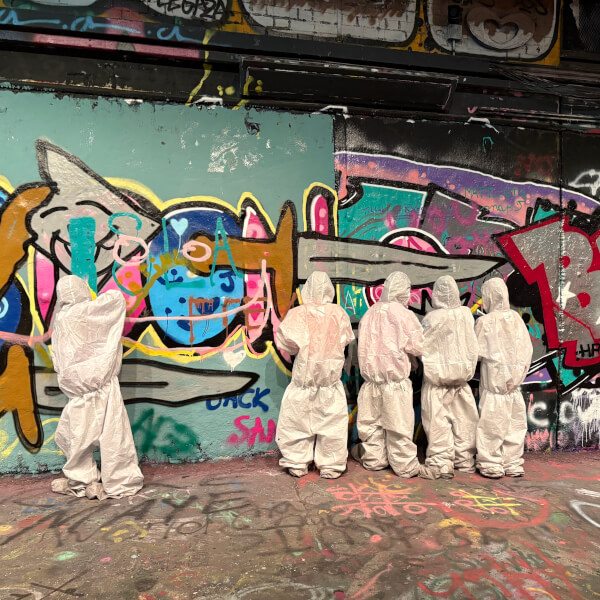
The European experience economy has seen a marked pivot toward authentic, hands-on cultural activities. Leading this transformation is Graffitifun, an enterprise founded in 2005 that spent two decades transforming underground spray-can culture into a highly structured corporate and educational service.
By building a specialized workshop framework and backing it with an international roster of practitioners, the organization has catalyzed the regional growth of urban art masterclasses across Western Europe, London, and the wider United Kingdom.
Engineering a standardized urban art curriculum
When Graffitifun launched 20 years ago, street art lacked an accessible, scalable educational framework. To address this gap, the founders developed a proprietary workshop methodology that balanced creative spontaneity with operational precision.
Instead of unguided painting sessions, Graffitifun built a curriculum centered around three distinct pillars:
- Foundational theory: Direct instruction on spray-art history, typography, color theory, and spatial composition.
- Controlled delivery technology: Utilizing specialized low-pressure cans and fine-line nozzles, allowing complete beginners to master line thickness, gradients, and shading without paint splatters or fumes.
- Operational reliability: Implementing strict safety protocols, protective equipment, and guaranteed artist coverage for large-scale institutional bookings.
This structured approach reframed street art as a legitimate visual discipline, making it viable for corporate retreats, municipal youth programs, and academic institutions.
Scaling operations: 42 core artists and a 250-strong global network
Executing consistent live workshops across multiple international borders requires significant operational depth. Graffitifun solved this logistics challenge by establishing a dual-tiered artist network.
The core of the business is driven by a permanent team of 42 senior artists and workshop leaders who oversee curriculum development and direct major corporate events. Supporting this core is an extended international network of over 250 verified street art professionals worldwide in the Graffitifunworld graffiti company.
Because every instructor is an active practitioner within the street art scene, participants gain direct access to authentic techniques, industry background, and expert guidance.
Expanding across London and the UK market
With its two-decade operational foundation established in continental Europe, Graffitifun has rapidly scaled its presence across key commercial and cultural hubs in the United Kingdom, and graffiti events with a heavy operational focus on London.
In the UK, the company operates across two main sectors:
- Corporate performance and team cohesion: Designing large-scale collaborative mural sessions where corporate teams translate company identity, logos, or values into visual art. The hands-on medium removes office hierarchies and drives cross-functional communication.
- Educational and youth programs: Delivering tailored modules for primary and secondary schools, providing students with a safe, guided introduction to street art history, stencil application, and freehand control.
From corporate headquarters in London to educational institutions across the UK, Graffitifun’s proprietary model continues to prove that street art, when delivered with professional precision, serves as a powerful medium for creative collaboration.


ADHD can affect concentration, organisation, time management, and daily life at any age. If you believe you have symptoms, an ADHD assessment NHS pathway is the first step towards receiving an accurate diagnosis and appropriate support.
For many people, waiting for an assessment can feel overwhelming. Fortunately, eligible patients in England may have access to the NHS Right to Choose pathway, allowing them to select an approved provider for assessment and treatment through their GP referral.
What Is an ADHD Assessment NHS?
An NHS assessment for ADHD is a detailed physical, behavioural and developmental evaluation conducted by a trained professional to identify if a child or young person has ADHD.
The assessment aims to gain an understanding of:
- Your current symptoms
- Childhood behavioural history
- Daily functioning
- Mental health
- Educational and employment challenges
- Family and medical history
Rather than relying on a single questionnaire, clinicians gather detailed information before making a diagnosis.
Who Can Request an ADHD Assessment NHS?
If adults and children have persistent symptoms that impact their daily life, they can discuss this with their GP, who could refer them for an assessment.
Common symptoms include:
- Difficulty concentrating
- Poor organisation
- Forgetfulness
- Restlessness
- Impulsivity
- Difficulty completing tasks
- Poor time management
If your GP believes an assessment is appropriate, they can refer you to an NHS ADHD service or an approved provider through the Right to Choose pathway in England.
Understanding the NHS Right to Choose Pathway
The NHS Right to Choose pathway is one choice that may be available to eligible patients. Patients registered at a GP in England may be able to ask for a referral to an NHS-funded provider rather than to their local ADHD service, where they might be eligible. This choice may allow NHS patients more choice in accessing an ADHD assessment.
Services like ADHD Right to Choose facilitate the referral process and support patients from referral to treatment. The service has a streamlined referral process, a dedicated patient support service, electronic prescribing, ongoing treatment management, and no shared care needs for GP practices, making the entire process easier for the patient and GP practices.
What Happens During an ADHD Assessment?
Each assessment is unique, but most are done in a structured manner.
The clinician may:
- Review completed questionnaires
- Discuss childhood experiences
- Explore current symptoms
- Assess work, education and relationships
- Consider mental health history
- Rule out other possible conditions
The assessment usually involves an in-depth clinical interview rather than a simple checklist.
Preparing for Your ADHD Assessment NHS
Being prepared can make the most of your appointment.
It can help to include useful information such as:
- School reports if available
- Previous medical records
- Notes about your symptoms
- Examples of difficulties at work or home
- Information from family members who knew you during childhood
Many providers also require patients to fill out questionnaires prior to the appointment to gain insight into patients’ experiences.
What Happens After the Diagnosis?
After your ADHD assessment NHS, the clinician will be able to discuss the results with you.
If your child has been diagnosed with ADHD, they may be prescribed:
- Medication
- Behavioural strategies
- Lifestyle advice
- Regular follow-up appointments
- Medication titration where appropriate
- Ongoing clinical reviews
If ADHD is not diagnosed, your clinician might suggest additional tests or other conditions that can mimic symptoms of ADHD.
Benefits of Choosing an Approved Right to Choose Provider
Many patients explore the Right to Choose pathway because local waiting lists can be lengthy.
Approved providers often focus on creating a smoother referral experience by offering:
- Clear communication
- Guided onboarding
- Specialist ADHD clinicians
- Secure electronic prescribing
- Dedicated patient support
- Structured treatment pathways
For example, ADHD Right to Choose, delivered through Harrow Health, supports patients from GP referral to assessment, diagnosis, and ongoing treatment where appropriate. It also manages prescribing and annual reviews, helping reduce the workload for GP practices.
Common Questions About ADHD Assessment NHS
Many people worry about the assessment process before attending.
Some frequently asked questions include:
Is the assessment difficult?
No. It is simply a detailed conversation about your experiences and symptoms.
Can adults receive an ADHD diagnosis?
Yes. Many adults are diagnosed after recognising long-standing symptoms that were never identified during childhood.
Can I choose where I am assessed?
Eligible patients in England may request an NHS-funded provider through the Right to Choose pathway, although referrals must be made by a GP.
Will I receive treatment after diagnosis?
If ADHD is diagnosed, your clinician will discuss the most appropriate treatment options for your circumstances.
Why Early ADHD Assessment Matters
Many aspects of life can be impacted by undiagnosed ADHD, such as:
- Employment
- Education
- Relationships
- Confidence
- Emotional wellbeing
- Financial organisation
An accurate diagnosis can help people understand their issues and access the right treatment and practical support.
Choosing the Right ADHD Assessment Pathway
Starting an ADHD assessment NHS can feel like a significant step, but understanding your options makes the process much easier.
If you are registered with a GP in England and your GP agrees that an assessment is appropriate, you may be able to access the NHS Right to Choose pathway and select an approved provider. Services such as ADHD Right to Choose simplify referrals, provide dedicated patient support, and continue care through diagnosis and treatment where clinically appropriate.
Speaking with your GP is the first step towards obtaining a professional assessment and receiving the support needed to manage ADHD confidently.

A Newcomer’s Guide to Living and Driving in Aldershot

What to Wear in Australia: Essentials Hoodies, T-Shirts, Shorts and Tracksuits

Streetwear Culture 2026: Why Hellstar and Better With Age Are Dominating the US Scene

Who Is Shameera? All You Need To Know About Charli XCX’s Mother

Who Is Gulliver Flynn Oldman? The Untold Story of Sir Gary Oldman’s Son

Meet Rosemary Turner: The Mother of Actor Callum Turner
-
Biographies7 months ago
Who Is Shameera? All You Need To Know About Charli XCX’s Mother
-
Biographies6 months ago
Who Is Gulliver Flynn Oldman? The Untold Story of Sir Gary Oldman’s Son
-
Biographies7 months ago
Meet Rosemary Turner: The Mother of Actor Callum Turner
-

 Biographies5 months ago
Who is Alexandra James? Inside The Life of Jeremy Clarkson’s Former Partner
-
 Biographies7 months ago
Who is Todd McRae? Meet Tate McRae’s Father
-
 Biographies6 months ago
Who Is Daniel Mara? The Untold Story of Kate Mara’s Private Sibling
-
 Celebrity7 months ago
Who Is Peter Hernandez? The Real Story of Bruno Mars’ Father
-
 Biographies7 months ago
Who Is Alvin Martin? All About the Whoopi Goldberg’s First Husband