
Blog
What Is Simple Scoop? The Easy Way to Keep Your Pool Clean in 2026

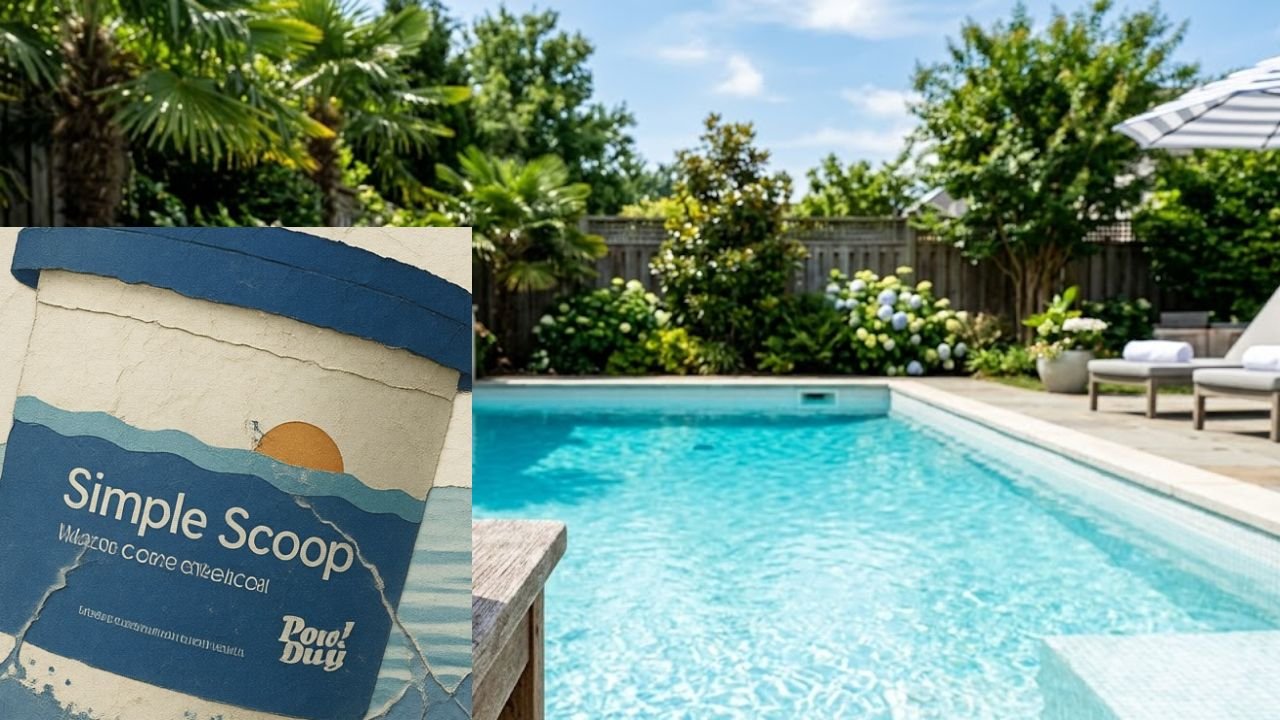
If you own a pool, you already know one thing. Keeping the water clean is not always easy. You have to think about chlorine, shock, algae, cloudy water, and more. It can feel confusing and time-consuming. That is exactly why Simple Scoop has become so popular in recent years.
Many pool owners started talking about it on platforms like TikTok and Facebook. People loved the idea of a product that takes just two minutes a week. No mixing. No guessing. Just one scoop and you are done. But here is the real question. Does it actually replace everything? Or is there more to the story? In this guide, we will break it down in the simplest way possible so you understand exactly how it works.
What Simple Scoop Is and How Pool Day Positions the Product
Simple Scoop is a weekly pool treatment made by Pool Day. It comes in a granular powder form. The company says it is made and packed in the United States. The goal is simple. Replace many pool chemicals with just one product.
According to Pool Day, this product combines several functions into one. It works as a non-chlorine shock, an algaecide, a clarifier, and even helps with scale and stains. It is also used when opening or closing a pool for the season. That sounds like a complete solution, right? That is exactly how it is marketed.
The brand mostly sells it through its own online store. This means you usually buy it directly from them instead of a local shop. This also makes it feel like a modern, direct-to-customer product that fits today’s fast lifestyle.
How Simple Scoop Works in the Pool Water
Using Simple Scoop is very simple. You take the powder and spread it directly into your pool. The pump should be running so the water keeps moving. You do not need to mix it in a bucket or dissolve it first. This makes it quick and easy.
The main working part of the product is something called Potassium Monopersulfate, also known as MPS. This is a non-chlorine shock. It helps break down things like sweat, oils, and lotion that swimmers leave behind. These small things can make water look dull or cloudy over time.
Another useful part is that it does not create strong chlorine smells. You know that sharp pool smell that can hurt your eyes? That comes from something called chloramines. Since this product does not use chlorine as shock, it avoids that problem. This is why many users say the water feels more comfortable.
The Full Chemical Blend Behind Simple Scoop
Now let’s look a bit deeper, but still keep it simple. Simple Scoop is not just one chemical. It is a mix of different parts working together in the water.
First, there is Potassium Monopersulfate. This is the main cleaner that removes organic waste. Then there is copper sulfate, which works as an algaecide. It helps stop algae from growing in your pool. You also have aluminum-based compounds that act like a glue for tiny dirt particles. These particles join together so your filter can catch them more easily.
There are also small amounts of balancing chemicals like sodium bicarbonate and sodium bisulfate. These help keep your water from changing too quickly. On top of that, there are special agents that hold minerals in place so they do not cause stains or scale. When you look at it this way, you can see that the product is designed to handle many small problems at once.
Dosing Rules, Application Timing, and Seasonal Use
One thing you should understand clearly is how much to use. The rule is simple. You use one scoop for every 5,000 gallons of water each week. So if your pool is bigger, you will need more scoops.
For example, a small pool may only need one scoop. But a large 20,000-gallon pool needs four scoops every week. That means a bucket can run out faster than you expect. This is something many people do not think about at first.
When it comes to time, the process is very fast. It takes less than two minutes to add it to your pool. The powder dissolves quickly. In many cases, people say they can swim again in about 15 minutes. Within 24 hours, the water often looks clearer and brighter.
There is also a seasonal use. When opening your pool in spring or closing it before winter, you use a double dose. That means two scoops for every 5,000 gallons. This helps prepare the water for storage or restart.
What Simple Scoop Can Do Well in Real Pool Care
So, where does Simple Scoop really shine? The biggest strength is keeping clean water looking good. If your pool is already balanced and clear, this product helps maintain that condition.
Many users say they notice a “clear water” effect. The water looks brighter and more reflective. It feels softer on the skin as well. This is because of the built-in conditioning part of the formula. It helps reduce that dry feeling you sometimes get from untreated pool water.
Another strong point is convenience. Instead of using many different chemicals, you can follow one simple routine. For busy people, this makes a big difference. It also works with many systems like saltwater, chlorine, bromine, UV, and ozone pools. No matter if your pool is vinyl, fiberglass, or concrete, it can be used without much worry.
The Limits of Simple Scoop and What It Cannot Replace
While Simple Scoop is very convenient, it has clear limits. One important fact is that it does not replace a sanitizer. You still need chlorine, liquid chlorine, or a salt-water generator to keep your water safe from bacteria. This means you cannot skip your usual sanitizer routine. Simple Scoop helps maintain clean water, but it cannot make dirty water safe on its own.
Another limitation is algae. If your pool turns dark green or has heavy algae on the walls, Simple Scoop alone will not clear it. Experts say you must first superchlorinate the pool with liquid shock. Only after that can Simple Scoop take over routine maintenance. This is why it is called a preventative tool rather than a cure for big problems.
Also, Simple Scoop cannot fix major chemistry crashes. Heavy storms or heat waves can change your pool’s pH or Total Alkalinity dramatically. The small balancing agents in Simple Scoop are not strong enough to correct big problems. You will still need products like muriatic acid or a pH increaser for serious water imbalance.
The Expert Debate Around Cost, CYA, Copper, and Long-Term Use
Not everyone agrees on using Simple Scoop. Casual pool owners love it because it makes maintenance easy. One scoop each week with standard 3-inch chlorine pucks is often enough to keep a backyard pool crystal clear. People enjoy not testing water constantly or measuring many chemicals.
On the other hand, pool experts warn about long-term effects. One concern is Cyanuric Acid (CYA). Simple Scoop contains stabilizers to protect chlorine from sunlight. But if you already use stabilized chlorine tablets, your CYA can rise too high. High CYA can “lock” your chlorine, making it less effective. In some cases, you may need to partially drain and refill the pool to fix it.
Another concern is copper accumulation. Simple Scoop uses chelated copper sulfate as an algaecide. Copper does not evaporate. Weekly use over months can increase copper levels. High copper may stain vinyl liners or fiberglass shells. Blonde hair can even get a slight green tint if swimming in water with high copper. These risks show why regular water testing is important when using the product long-term.
Pricing, Alternatives, and Where to Buy
Simple Scoop is a premium product, and its price reflects that. A 10 lb bucket costs around $189.99, or $154.99 with a subscription. A 20 lb bucket is about $319.99, and a 25 lb bucket is listed at $384.99. Large pools go through buckets quickly, so the cost can add up over a swim season.
If the price seems high, there are alternatives. E-Z POOL by APi is another weekly all-in-one granular treatment, costing $115–$140 for a 10 lb bucket. Pure & Simple Weekly Treatment is a seasonal 5-month kit priced at $80–$110. For a hardware option, the PoolRx Blue Mineral Unit slowly releases copper and silver ions for six months, reducing weekly chemical needs.
For budget-conscious owners, there is also the Trouble Free Pool method. This involves using separate household products like liquid bleach, baking soda, and washing soda. This method is cheaper but requires more effort and attention to dosing.
You can buy Simple Scoop mainly through the Pool Day Store, which ensures genuine product and support. It is occasionally available through Amazon Pool Supplies Store or Walmart Marketplace, but it is rarely stocked in physical stores like Lowe’s, The Home Depot, or Costco. Local pool stores like Pinch A Penny or Leslie’s Pool Supplies may carry similar products if you cannot wait for shipping.
Safety and Handling
Simple Scoop is generally safe for swimmers, kids, and pets once dissolved in water. The non-chlorine shock does not create the strong chlorine smell or irritation you get from traditional shock. Water usually feels softer and smoother. Many people can swim again in about 15 minutes after adding it.
However, the raw powder is hazardous. Direct contact can irritate skin, eyes, or throat. Inhaling the dust can be harmful. You should never mix it with other loose chemicals in the same bucket, as this can cause dangerous reactions or toxic gas. Always store it sealed, dry, and out of reach of children or pets. Following the instructions carefully keeps it safe for both humans and your pool equipment.
Final Thoughts
Simple Scoop is a convenient, modern solution for routine pool maintenance. It combines multiple treatments in one granular powder, saves time, and keeps water clear and soft. For casual pool owners, it is easy to use and reduces weekly work.
At the same time, it is not a complete replacement for chlorine or other essential chemicals. Heavy algae, water imbalances, or long-term copper buildup still require attention. Experts advise monitoring your pool regularly and testing water to avoid unintended effects.
Ultimately, Simple Scoop works best for those who want a fast, weekly maintenance routine on a mostly clean and balanced pool. With careful use and attention to water chemistry, it can make pool care simpler, more predictable, and even enjoyable in 2026.
FAQs
What does Simple Scoop actually do in a pool?
Simple Scoop helps keep pool water clean and clear. It works as a non-chlorine shock, algaecide, and clarifier. It removes small waste like sweat and oils and helps prevent algae and cloudy water.
Can Simple Scoop replace chlorine completely?
No, Simple Scoop cannot replace chlorine. You still need a sanitizer like chlorine tablets, liquid chlorine, or a salt system to kill bacteria and keep the water safe.
How often should I use Simple Scoop?
You should use it once a week. The basic rule is one scoop for every 5,000 gallons of water. Larger pools need more scoops each week.
Is Simple Scoop safe for kids and pets?
Yes, it is generally safe after it dissolves in the pool water. Most people can swim within about 15 minutes. But the raw powder should be handled carefully to avoid skin or eye contact.
Is Simple Scoop worth the price?
It depends on your needs. If you want a simple and quick routine, it can save time. But it is more expensive than buying separate pool chemicals, so some people prefer cheaper methods.
READ ALSO: Why Everyone Is Talking About The TVApp Right Now

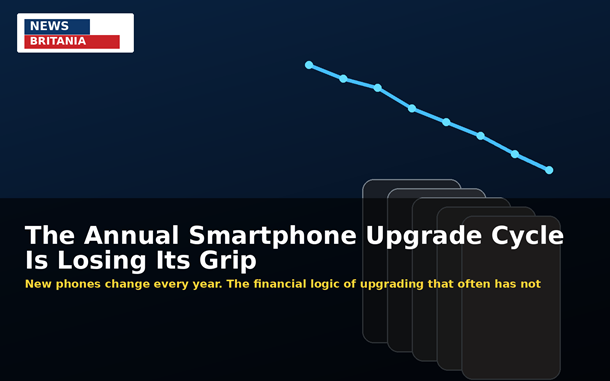
The smartphone industry still behaves as though a year is a long time. Every twelve months there is another launch, another chip, another camera claim and another invitation to replace a device that was considered state of the art only recently. Consumers appear increasingly unconvinced.
The interesting part is that the upgrade cycle can lose its emotional grip without changing the economics underneath it. You may keep a phone for three or four years instead of two, but it will still depreciate while you own it. The question is no longer whether to upgrade every year. It is how to choose the point at which continued use is worth more to you than the remaining resale value.
Annual innovation is no longer annual transformation
Recent research examining smartphone-review narratives found a recurring tension between manufacturers’ yearly innovation claims and reviewers’ perception that many changes are incremental. The study argues that improvements in design, performance and software often fail to produce equally large gains in everyday utility. The research is available here.
That matches the lived experience of many phone owners. A three-year-old flagship can still take excellent photos, run banking apps instantly, navigate, stream video and handle messaging without complaint. The technical case for replacing it may be weaker than the marketing case.
But depreciation does not care whether you are bored of upgrading
A phone is both a tool and an asset with a shrinking resale value. Keeping it longer saves you the cost of buying something new, but it also means giving up some of the money you could have recovered by selling earlier. Neither choice is automatically right.
This is where the simple search phrase sell my phone becomes more useful than it sounds. Checking what your current handset is worth does not commit you to selling it. It tells you the price of continuing to own it.
The ‘cost of keeping’ is the missing comparison
Imagine a phone is worth £500 today and £350 a year from now. Keeping it for that year effectively consumes £150 of resale value. That may be fantastic value if the phone still does everything you need. It may be poor value if you were already planning to replace it in three months.
Thinking this way makes upgrade decisions less emotional. You are not asking whether the new phone is exciting. You are asking whether another year of use from your existing phone is worth the depreciation you expect to absorb.
The better upgrade cycle is personal, not annual
· Upgrade when battery life or reliability genuinely affects your day.
· Upgrade when a new feature changes something you actually do, not because a keynote says it is revolutionary.
· Check resale value before a major launch if you already expect to replace the device soon.
· Keep the phone if another year of use is worth more to you than the cash it will lose.
A healthier relationship with new phones
There is nothing wrong with enjoying new technology. The problem begins when the industry calendar becomes your personal replacement schedule. A launch date is useful information, not an obligation.
The smarter habit is to treat your existing phone as part of the purchase equation. Check what it is worth, compare that with the cost and usefulness of the upgrade, and make the decision on your own timetable. Annual launches may continue indefinitely. Annual upgrading does not have to.
Blog
The Graffitifun model: how a 20-year venture turned street art into a major UK experience market

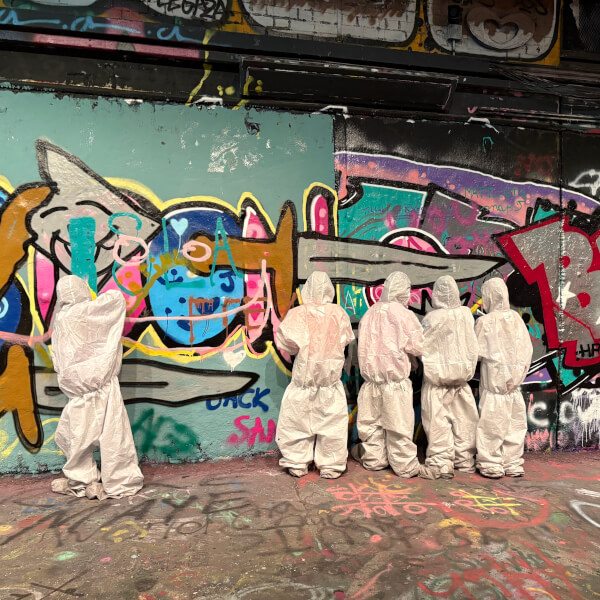
The European experience economy has seen a marked pivot toward authentic, hands-on cultural activities. Leading this transformation is Graffitifun, an enterprise founded in 2005 that spent two decades transforming underground spray-can culture into a highly structured corporate and educational service.
By building a specialized workshop framework and backing it with an international roster of practitioners, the organization has catalyzed the regional growth of urban art masterclasses across Western Europe, London, and the wider United Kingdom.
Engineering a standardized urban art curriculum
When Graffitifun launched 20 years ago, street art lacked an accessible, scalable educational framework. To address this gap, the founders developed a proprietary workshop methodology that balanced creative spontaneity with operational precision.
Instead of unguided painting sessions, Graffitifun built a curriculum centered around three distinct pillars:
- Foundational theory: Direct instruction on spray-art history, typography, color theory, and spatial composition.
- Controlled delivery technology: Utilizing specialized low-pressure cans and fine-line nozzles, allowing complete beginners to master line thickness, gradients, and shading without paint splatters or fumes.
- Operational reliability: Implementing strict safety protocols, protective equipment, and guaranteed artist coverage for large-scale institutional bookings.
This structured approach reframed street art as a legitimate visual discipline, making it viable for corporate retreats, municipal youth programs, and academic institutions.
Scaling operations: 42 core artists and a 250-strong global network
Executing consistent live workshops across multiple international borders requires significant operational depth. Graffitifun solved this logistics challenge by establishing a dual-tiered artist network.
The core of the business is driven by a permanent team of 42 senior artists and workshop leaders who oversee curriculum development and direct major corporate events. Supporting this core is an extended international network of over 250 verified street art professionals worldwide in the Graffitifunworld graffiti company.
Because every instructor is an active practitioner within the street art scene, participants gain direct access to authentic techniques, industry background, and expert guidance.
Expanding across London and the UK market
With its two-decade operational foundation established in continental Europe, Graffitifun has rapidly scaled its presence across key commercial and cultural hubs in the United Kingdom, and graffiti events with a heavy operational focus on London.
In the UK, the company operates across two main sectors:
- Corporate performance and team cohesion: Designing large-scale collaborative mural sessions where corporate teams translate company identity, logos, or values into visual art. The hands-on medium removes office hierarchies and drives cross-functional communication.
- Educational and youth programs: Delivering tailored modules for primary and secondary schools, providing students with a safe, guided introduction to street art history, stencil application, and freehand control.
From corporate headquarters in London to educational institutions across the UK, Graffitifun’s proprietary model continues to prove that street art, when delivered with professional precision, serves as a powerful medium for creative collaboration.


ADHD can affect concentration, organisation, time management, and daily life at any age. If you believe you have symptoms, an ADHD assessment NHS pathway is the first step towards receiving an accurate diagnosis and appropriate support.
For many people, waiting for an assessment can feel overwhelming. Fortunately, eligible patients in England may have access to the NHS Right to Choose pathway, allowing them to select an approved provider for assessment and treatment through their GP referral.
What Is an ADHD Assessment NHS?
An NHS assessment for ADHD is a detailed physical, behavioural and developmental evaluation conducted by a trained professional to identify if a child or young person has ADHD.
The assessment aims to gain an understanding of:
- Your current symptoms
- Childhood behavioural history
- Daily functioning
- Mental health
- Educational and employment challenges
- Family and medical history
Rather than relying on a single questionnaire, clinicians gather detailed information before making a diagnosis.
Who Can Request an ADHD Assessment NHS?
If adults and children have persistent symptoms that impact their daily life, they can discuss this with their GP, who could refer them for an assessment.
Common symptoms include:
- Difficulty concentrating
- Poor organisation
- Forgetfulness
- Restlessness
- Impulsivity
- Difficulty completing tasks
- Poor time management
If your GP believes an assessment is appropriate, they can refer you to an NHS ADHD service or an approved provider through the Right to Choose pathway in England.
Understanding the NHS Right to Choose Pathway
The NHS Right to Choose pathway is one choice that may be available to eligible patients. Patients registered at a GP in England may be able to ask for a referral to an NHS-funded provider rather than to their local ADHD service, where they might be eligible. This choice may allow NHS patients more choice in accessing an ADHD assessment.
Services like ADHD Right to Choose facilitate the referral process and support patients from referral to treatment. The service has a streamlined referral process, a dedicated patient support service, electronic prescribing, ongoing treatment management, and no shared care needs for GP practices, making the entire process easier for the patient and GP practices.
What Happens During an ADHD Assessment?
Each assessment is unique, but most are done in a structured manner.
The clinician may:
- Review completed questionnaires
- Discuss childhood experiences
- Explore current symptoms
- Assess work, education and relationships
- Consider mental health history
- Rule out other possible conditions
The assessment usually involves an in-depth clinical interview rather than a simple checklist.
Preparing for Your ADHD Assessment NHS
Being prepared can make the most of your appointment.
It can help to include useful information such as:
- School reports if available
- Previous medical records
- Notes about your symptoms
- Examples of difficulties at work or home
- Information from family members who knew you during childhood
Many providers also require patients to fill out questionnaires prior to the appointment to gain insight into patients’ experiences.
What Happens After the Diagnosis?
After your ADHD assessment NHS, the clinician will be able to discuss the results with you.
If your child has been diagnosed with ADHD, they may be prescribed:
- Medication
- Behavioural strategies
- Lifestyle advice
- Regular follow-up appointments
- Medication titration where appropriate
- Ongoing clinical reviews
If ADHD is not diagnosed, your clinician might suggest additional tests or other conditions that can mimic symptoms of ADHD.
Benefits of Choosing an Approved Right to Choose Provider
Many patients explore the Right to Choose pathway because local waiting lists can be lengthy.
Approved providers often focus on creating a smoother referral experience by offering:
- Clear communication
- Guided onboarding
- Specialist ADHD clinicians
- Secure electronic prescribing
- Dedicated patient support
- Structured treatment pathways
For example, ADHD Right to Choose, delivered through Harrow Health, supports patients from GP referral to assessment, diagnosis, and ongoing treatment where appropriate. It also manages prescribing and annual reviews, helping reduce the workload for GP practices.
Common Questions About ADHD Assessment NHS
Many people worry about the assessment process before attending.
Some frequently asked questions include:
Is the assessment difficult?
No. It is simply a detailed conversation about your experiences and symptoms.
Can adults receive an ADHD diagnosis?
Yes. Many adults are diagnosed after recognising long-standing symptoms that were never identified during childhood.
Can I choose where I am assessed?
Eligible patients in England may request an NHS-funded provider through the Right to Choose pathway, although referrals must be made by a GP.
Will I receive treatment after diagnosis?
If ADHD is diagnosed, your clinician will discuss the most appropriate treatment options for your circumstances.
Why Early ADHD Assessment Matters
Many aspects of life can be impacted by undiagnosed ADHD, such as:
- Employment
- Education
- Relationships
- Confidence
- Emotional wellbeing
- Financial organisation
An accurate diagnosis can help people understand their issues and access the right treatment and practical support.
Choosing the Right ADHD Assessment Pathway
Starting an ADHD assessment NHS can feel like a significant step, but understanding your options makes the process much easier.
If you are registered with a GP in England and your GP agrees that an assessment is appropriate, you may be able to access the NHS Right to Choose pathway and select an approved provider. Services such as ADHD Right to Choose simplify referrals, provide dedicated patient support, and continue care through diagnosis and treatment where clinically appropriate.
Speaking with your GP is the first step towards obtaining a professional assessment and receiving the support needed to manage ADHD confidently.

A Newcomer’s Guide to Living and Driving in Aldershot

What to Wear in Australia: Essentials Hoodies, T-Shirts, Shorts and Tracksuits

Streetwear Culture 2026: Why Hellstar and Better With Age Are Dominating the US Scene

Who Is Shameera? All You Need To Know About Charli XCX’s Mother

Who Is Gulliver Flynn Oldman? The Untold Story of Sir Gary Oldman’s Son

Meet Rosemary Turner: The Mother of Actor Callum Turner
-
Biographies7 months ago
Who Is Shameera? All You Need To Know About Charli XCX’s Mother
-
Biographies6 months ago
Who Is Gulliver Flynn Oldman? The Untold Story of Sir Gary Oldman’s Son
-
Biographies7 months ago
Meet Rosemary Turner: The Mother of Actor Callum Turner
-

 Biographies5 months ago
Who is Alexandra James? Inside The Life of Jeremy Clarkson’s Former Partner
-
 Biographies7 months ago
Who is Todd McRae? Meet Tate McRae’s Father
-
 Biographies6 months ago
Who Is Daniel Mara? The Untold Story of Kate Mara’s Private Sibling
-
 Celebrity7 months ago
Who Is Peter Hernandez? The Real Story of Bruno Mars’ Father
-
 Biographies7 months ago
Who Is Alvin Martin? All About the Whoopi Goldberg’s First Husband