
Home Improvement
The Biggest Mistakes Homeowners Make When Choosing New Flooring

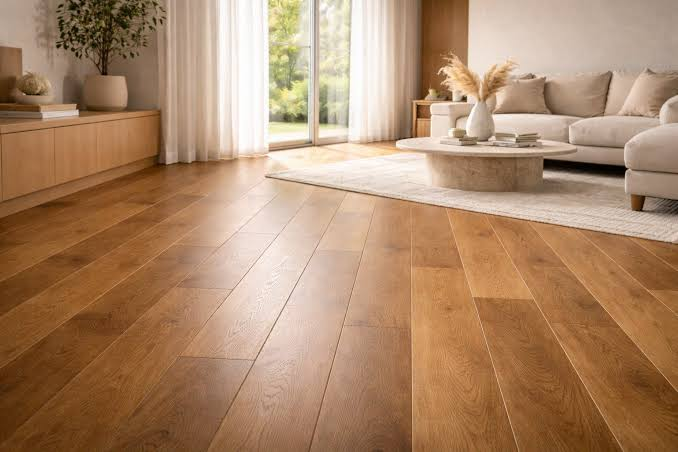
Have you ever made a purchase you were happy with but doubted if it was right for you? Choosing a new floor can be challenging because it covers a significant portion of the room. The issue is that more often than not, homeowners choose flooring on the sole basis of its appearance and budget.
However, there are several details that they fail to consider before purchasing the material. This blog outlines those mistakes homeowners frequently make when choosing new flooring.
Only Thinking About Appearance
The flooring’s sample can be deceiving. A couple of planks shown under bright display lights do not always tell you what to expect in equal lighting in the room. A shade can appear warmer at home. Shiny materials reflect light and, therefore, dust and smudges are more apparent under bright lights.
The same applies to the floor’s pattern and texture, which may look more prominent across dozens of planks than on a single sample. To avoid surprises, it is a good idea to take the material home and look at it during different times of the day. Furthermore, place the sample plank next to the room’s walls, furniture, cabinetry, and doors.
Not Considering the Room’s Requirements
What a homeowner needs in a floor depends on the space. They have to ask themselves what activities take place there most often. Is it an entryway where guests track in water and dirt after rainy weather? Or perhaps a kitchen where food is prepared and spilled? Does the sun shine directly on it? Will children’s toys live on the floor? Will pets also track in dirt or cause spills? Finally, the local climate has to be factored in.
For example, Singapore’s high humidity and moisture fluctuations can contribute to expansion, contraction, cupping, or other problems with wood flooring, so it may require more careful installation and maintenance than in a consistently dry climate.
If the floor in question is Vinyl Flooring Singapore, there may be dozens of seemingly identical options such as LVP, LVT, Sheet Vinyl, etc., but they may differ significantly in construction, water resistance, surface, and installation needs.
Basing the Selection Solely on the Price Per Square Foot
The first thing that comes to mind when comparing the prices of two materials is the price per square foot. One of them is clearly cheaper than the other, so the choice is easy. What people forget is that when all the expenses are itemised, this square foot price may differ drastically from the final bill.
This is because flooring material is only a small part of the job. A big chunk of the budget is taken by underlayment, glue, preparation and removal of the old floor, trims, transitions, delivery, and the labour of the contractor.
Always ask for a full installed price when comparing two materials. After a contractor has given you this information, go through it and see what is included and what is not. And be prepared for the fact that sometimes a lower initial price may hide a higher mark-up upon closer inspection.
Picking a Material Unsuitable for the Existing Subfloor
Homeowners may devote hours and even days to picking out the ideal pattern, material, and finish without giving a thought to the subfloor.
This is understandable since the visual appeal takes up the majority of one’s attention when choosing a new floor. However, it is also crucial to ensure that the floor can withstand the daily hustle and bustle of the household. The existing subfloor should also be inspected to see if it can support the new floor. For some materials, any unevenness, dryness, dampness, cracking, or expandability can be an issue.
This step is especially important when re-planking an old surface, rather than installing over a new subfloor. Ask the installer to inspect the subfloor and identify any necessary repairs before you buy the flooring. A lovely new planked floor will not hide an unsuitable subfloor for long.
Conclusion
Selecting a new floor can be an overwhelming process. Making the decision based on a couple of samples is not the best idea. Considering these four things can ease the task. Looking not just at the floor but at the overall situation in the room is advisable. This will give you a more realistic sense of how the flooring will look and perform.
A floor that looks great in a showroom window may not be a good choice because of subfloor and maintenance requirements. The best option will often be the one that still makes the top even after testing samples and considering all costs.

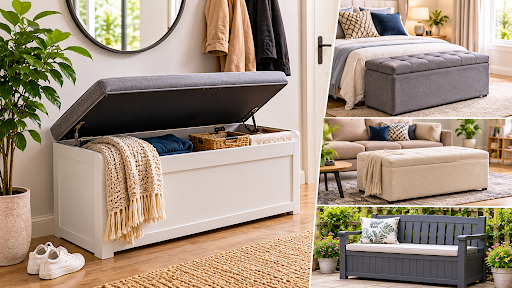
When space is limited, choosing furniture that serves more than one purpose can make a noticeable difference to how a home looks and functions. A storage bench is one of the simplest ways to combine practical storage with comfortable seating, making it a useful addition to hallways, bedrooms, living rooms and even gardens.
But with so many styles, sizes and materials available, choosing the right storage bench is not always straightforward. The best option depends on where it will be placed, what you intend to store and how frequently you expect to use it.
For homeowners considering their options, Storage Bench UK offers a range of storage benches designed for different areas of the home. However, before choosing a particular model, there are several important factors worth considering.
Start With Where the Bench Will Go
The first step is to decide where you want the storage bench to be placed.
A bench for a hallway will have different requirements from one positioned at the end of a bed or on a patio.
Hallways often benefit from narrower designs that do not obstruct the walkway. A shoe storage bench, for example, can provide somewhere to sit while putting on footwear while keeping shoes organised underneath.
In a bedroom, a larger upholstered or ottoman-style bench may be more suitable. It can provide additional seating while offering space for blankets, bedding, cushions or clothing.
For outdoor areas, the priority changes again. A garden storage bench needs to be suitable for outdoor conditions and should ideally provide enough capacity for cushions, gardening accessories and other items that need to be kept close at hand.
Measure the Available Space
One of the most common mistakes when buying furniture is choosing a product based on appearance before checking whether it will actually fit.
Before purchasing a storage bench, measure the area where it will be positioned. Consider the bench’s width, depth and height, but also leave enough room around it for people to move comfortably.
This is particularly important in hallways and smaller rooms. A bench that looks compact online may take up more practical space than expected once doors, cupboards and walkways are taken into account.
It is also worth checking the dimensions of lifts, staircases and doorways if the furniture is being delivered fully assembled.
Think About What You Need to Store
The amount and type of storage you need should influence your choice.
If the main purpose is storing shoes, a bench with shelves or individual compartments could be more convenient than a large enclosed compartment.
For larger items such as blankets, cushions and bedding, an ottoman-style storage bench with a spacious interior may be more practical.
Families may also want to consider benches that can accommodate toys, books or everyday items that tend to accumulate in shared living spaces.
The key question is not simply, “How much storage does this bench have?” It is “What exactly am I going to store inside it?”
Choose a Style That Works With Your Home
Practicality is important, but a storage bench is still a piece of furniture that will contribute to the appearance of a room.
Modern homes may suit minimalist benches with clean lines and neutral colours, while traditional interiors may work better with wooden designs or more decorative finishes.
Upholstered benches can introduce additional texture and softness, particularly in bedrooms and living rooms. Wooden benches, meanwhile, can create a more natural appearance and can work particularly well in hallways and outdoor spaces.
Rather than choosing a bench simply because it looks attractive on its own, consider how its material and colour will work with the furniture you already have.
Consider the Seating Comfort
Not every storage bench is designed for extended sitting.
If the bench will mainly be used for putting on shoes, a firm seat may be perfectly adequate. However, if it will regularly be used as additional seating in a bedroom or living room, comfort becomes much more important.
Upholstered and cushioned benches can be more comfortable for regular use, while wooden or harder surfaces may be better suited to occasional seating.
Think about how the bench will actually be used rather than treating the seating element as an added bonus.
Look at the Storage Access
The way you access the storage can make a significant difference to everyday convenience.
Lift-up lids provide easy access to a large internal compartment, making them useful for blankets, cushions and other bulky items.
Drawers can make it easier to organise smaller belongings, while open shelves can be particularly useful for shoes and items that need to be accessed frequently.
For a hallway bench, for example, open shoe storage may be more convenient than repeatedly opening a large lid.
Don’t Forget About Weight and Durability
A storage bench needs to support both its contents and the people sitting on it.
Check the manufacturer’s recommended weight capacity before purchasing, particularly if the bench will be used regularly as seating.
Material quality also matters. A bench made for a busy hallway may experience considerably more daily use than one placed in a guest bedroom.
For outdoor benches, durability becomes even more important. Materials and finishes should be appropriate for outdoor use, and buyers should consider how the product is designed to cope with changing weather conditions.
Outdoor Storage Benches Require Extra Consideration
Garden storage benches can be particularly useful during the warmer months, providing seating while also creating somewhere to keep outdoor accessories.
However, outdoor furniture requires a different approach to indoor furniture.
Before buying a garden storage bench, consider whether the materials are suitable for outdoor use, whether the storage compartment is protected from rain and how the bench should be maintained.
It is also worth thinking about what will be stored inside. Soft furnishings such as cushions may require additional protection, particularly during periods of wet or cold weather.
Think About Capacity, Not Just Size
A larger bench does not automatically mean better storage.
Internal dimensions can vary considerably between products with similar external dimensions. Thick walls, structural supports and internal compartments can all affect the amount of usable space.
If storage capacity is a major priority, look beyond the external measurements and check the actual internal storage dimensions where they are provided.
This can help avoid buying a large-looking bench that ultimately holds less than expected.
Consider the Bench’s Long-Term Use
Furniture can be easy to buy based on an immediate need, but it is worth considering how your requirements might change.
A small shoe bench might be perfect for a first flat, while a family home may eventually benefit from a larger hallway storage bench.
Similarly, an ottoman used to store spare bedding could later become useful for children’s toys or seasonal clothing.
Choosing a versatile design can therefore provide more value over time.
Why Storage Benches Are Becoming a Popular Choice
The appeal of storage benches is relatively simple: they make better use of existing space.
Rather than adding a separate chair and storage unit, one piece of furniture can provide both functions. In smaller homes, this can help keep rooms organised without filling them with additional furniture.
They can also be moved between different purposes. A hallway bench can provide shoe storage, a bedroom bench can store bedding, and a garden bench can provide somewhere to keep outdoor accessories.
For homeowners looking for this combination of practicality and style, Storage Bench UK also known as storagebench.co.uk provides a range of options intended for different rooms and uses.
The Bottom Line
Choosing the perfect storage bench is ultimately about matching the furniture to your space and your lifestyle.
Before buying, consider where the bench will go, how much space is available, what you need to store, how often it will be used for seating, and which materials and design will work best in that environment.
A good storage bench should do more than simply look attractive. It should make everyday life a little easier by giving belongings a proper place while providing useful additional seating.
Whether it is a compact shoe bench for a busy hallway, an upholstered ottoman for the bedroom or a weather-resistant bench for the garden, choosing the right design can turn an otherwise unused area into valuable, functional space.

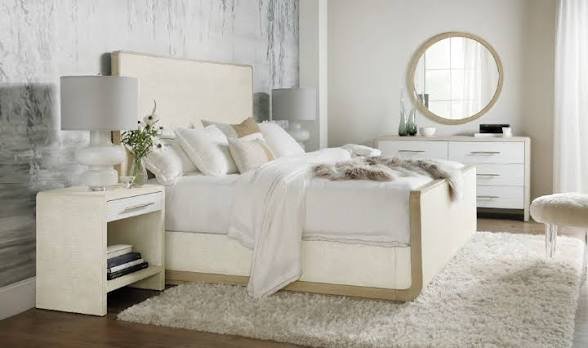
Keeping a bedroom tidy can be challenging when clothing, accessories and everyday essentials have no dedicated storage space. A well-chosen dresser offers a simple way to organise these items while adding style and functionality to your interior. Whether you have a spacious bedroom or a compact living space, the right furniture can help you make better use of the room.
Why Is a Dresser Useful in the Bedroom?
A dresser provides practical storage for clothing and personal belongings that you want to keep within easy reach. It is particularly useful for folded garments, socks, accessories and other smaller items that can be difficult to organise in a wardrobe.
The drawers help separate belongings into categories, making it easier to find what you need without searching through piles of clothing. A tidy storage arrangement can also make daily routines quicker and more convenient.
Many dressers feature a flat top surface that can hold a mirror, a lamp, decorative accessories or a small tray for everyday essentials. This allows one piece of furniture to serve several purposes without taking up excessive space.
Select the Right Size for Your Room
Before purchasing a dresser, measure the area where you intend to place it. Consider its width, height and depth, along with enough clearance to open the drawers fully.
A narrow dresser can be suitable for smaller bedrooms where floor space is limited. Wider models may provide greater storage capacity for larger households or people with extensive clothing collections.
It is also important to consider the height of the furniture. A lower dresser can create a more open appearance, while a taller design may offer additional storage without occupying as much floor space.
Avoid choosing a unit simply because it looks attractive. The most suitable option should fit comfortably into your bedroom and provide enough room for everyday movement.
Consider the Number of Drawers
Different dresser designs offer different storage arrangements. Some feature a few large drawers, while others include several smaller compartments.
Large drawers are useful for jumpers, trousers and other folded garments. Smaller drawers can help organise underwear, socks, belts and accessories. If you prefer keeping different clothing categories separate, a model with several drawers may be more convenient.
Think about your current storage habits before deciding. A practical arrangement that suits your belongings will make it easier to maintain an organised bedroom over time.
You can explore different styles and sizes of dresser to compare storage options and find a design that suits your home.
Match the Dresser to Your Bedroom Décor
Bedroom furniture should work together to create a comfortable and balanced appearance. Choosing a dresser that complements your bed frame, wardrobe and bedside furniture can help achieve a coordinated interior.
White furniture is a popular option for bright, contemporary bedrooms. Wood-effect finishes introduce warmth, while grey and darker colours can complement modern decorative schemes.
You do not necessarily need every item of furniture to match exactly. Combining complementary colours and finishes can create a more individual look while maintaining visual consistency.
For a simple approach, choose a dresser with clean lines and a finish that works with your existing décor.
Look for Quality and Practical Features
A dresser should be designed for regular use, so pay attention to its construction and functionality. Check that the drawers open smoothly and that the handles feel comfortable to use.
The materials and overall build quality also matter. A sturdy frame and well-supported drawers can contribute to long-term usability. If you have limited space, consider a design that offers generous storage without an unnecessarily bulky appearance.
Safety is another important consideration. Tall or narrow furniture should be secured to the wall according to the manufacturer’s instructions, especially in households with young children.
Keep Your Dresser Organised
Even a spacious dresser can become cluttered without a simple organisation system. Assign each drawer a purpose, such as everyday clothing, accessories or seasonal garments.
Fold clothes neatly to make better use of the available space. Small organisers can help separate accessories and prevent smaller items from becoming mixed together.
Keep the top surface relatively clear. A mirror, lamp or a few decorative pieces can add character without turning the dresser into another source of clutter.
Reviewing the contents occasionally also helps you remove items you no longer use and maintain an efficient storage arrangement.
Frequently Asked Questions
What is the main purpose of a dresser?
A dresser provides drawer-based storage for clothing, accessories and personal belongings. Its top surface can also be used for a mirror or decorative items.
Is a dresser suitable for a small bedroom?
Yes. A compact or narrow dresser can provide useful storage while taking up relatively little floor space. Always measure the room before buying.
Can a dresser complement a wardrobe?
Yes. A dresser and wardrobe serve different storage purposes. The wardrobe is useful for hanging clothes, while the dresser is ideal for folded garments and smaller items.
Conclusion
A suitable dresser can improve bedroom organisation while complementing the room’s overall design. By considering size, drawer configuration, materials and appearance, you can choose furniture that meets your everyday needs. With a little planning, a dresser becomes a practical addition that helps keep your bedroom neat, functional and comfortable.

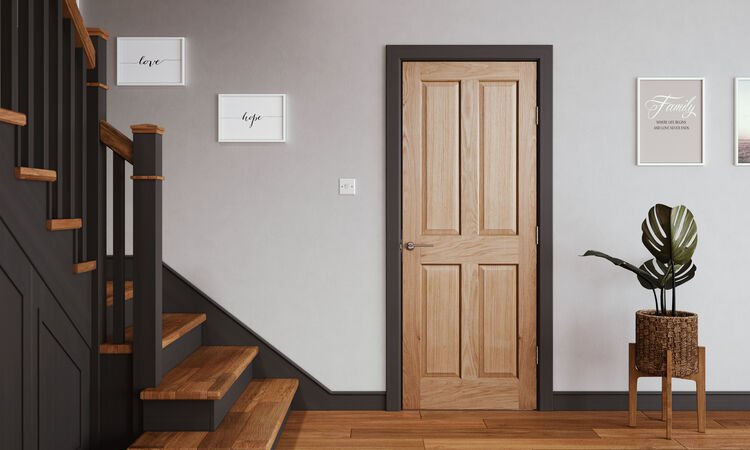
Oak interior doors sit at the intersection of design and daily use. The grain adds warmth, the weight adds presence, and the finish determines how the door handles fingerprints, steam, sunlight, and scrapes. When you are deciding between prefinished and unfinished oak, the right choice usually depends on how fast you need the doors installed, how precisely you want to match surrounding woodwork, and how each room behaves. This guide breaks down practical differences that matter in real homes, from lacquer sheen and oil feel to glazing, trimming limits, and long-term upkeep. You will leave with a clear way to choose what fits your timeline, your rooms, and your style.
- When Prefinished Oak Makes Sense
Choose prefinished oak when speed and uniformity are priorities. Factory-applied coatings arrive ready to hang, so you can skip site sanding and curing time. This reliability helps on time-sensitive projects like a rental refresh or a multi-door hallway where consistent color and sheen matter. Prefinished doors typically have an even satin or matt lacquer that resists everyday handling, so entry-level maintenance is a damp microfiber cloth rather than periodic re-oiling. For a quick sense of what’s possible, you can view oak-finished internal doors to compare grain direction, panel layouts, and glazed openings before finalizing a look.
Prefinished doors also reduce site-finishing risks, such as dust nibs settling in wet varnish or streaks from uneven staining. Because the color coat and topcoat are applied in a controlled environment, edge tone and face panels usually match well across a set. That said, you will still need to drill for hardware and lightly seal any freshly exposed timber at latch cutouts or hinge mortises to prevent moisture wicking into the core over time.
- Where Unfinished Still Wins
Unfinished oak is the right move when you need a custom color or a richer, hand-rubbed look. If your stair treads or floorboards are a specific smoked oak tone, site finishing lets you tune the stain to blend. You can choose an oil that enhances figure and open grain, or a tinted varnish that pulls the door closer to existing casing and baseboards. This route favors period homes and spaces where matching surrounding millwork takes priority over a rapid schedule.
There are trade-offs. Site finishing adds mess, odor, and dry time. You must seal all faces and edges, including the top and bottom of the slab and any new cuts after trimming. Missing an edge is a common mistake that lets bathroom steam or kitchen humidity into the core, causing swelling near the latch or softening around hinge screws. To reduce blotching on end grain, many finishers condition the wood or wipe back stain before clear coats, especially on rails and stiles that absorb differently than flat panels.
- Finish Types: Lacquer, Oil, or Varnish?
Lacquer, common on prefinished doors, creates a thin, hard film that keeps fingerprints and minor scuffs at bay. It preserves oak’s pale gold tone and suits high-traffic spaces like hallways and living rooms. Oil finishes soak into the fibers, deepen color, and deliver a tactile, low-sheen surface that feels natural to the touch. They are forgiving to touch up but typically need periodic re-oiling. Varnish or polyurethane builds a thicker protective layer that improves moisture resistance and can be a smart pick for half baths or near a busy kitchen.
Maintenance follows the chemistry. Lacquered and varnished doors respond well to a soft cloth and a pH-neutral cleaner; avoid abrasive pads and ammonia-based sprays that can haze the surface. Oiled doors benefit from a light recoat as the sheen dulls, especially around the handle set, where contact is constant. For minor dings, a matching wax filler or stain pen can disguise a mark before you refresh the top layer. Good ventilation helps in humid rooms, and sealing freshly drilled holes keeps edges stable.
- Construction Details That Affect Fit and Feel
Beyond the finish, what is inside the slab matters. A solid core or engineered core door feels substantial, damps sound better than hollow constructions, and closes with a reassuring thud. That extra mass calls for robust hinges, typically three per door, and careful alignment of the latch and strike. Trimming has limits: most oak-veneered doors include a solid lipping around the edges, but remove too much, and you risk exposing the substrate beneath the veneer. Always confirm allowable trim and, if you do shorten a leaf, reseal the new edge before hanging. If a space needs a fire-rated door, follow the manufacturer’s strict guidance on hardware, seals, and edge modification.
Glazing, Privacy, and Light for Real Rooms
Glazed oak doors borrow daylight without losing timber’s warmth. Clear glass works for a dining room where you want openness between spaces. Frosted, reeded, or sandblasted glass balances light with privacy in a home office or bath. Safety glass, often laminated or tempered, is standard for internal glazed apertures and worth confirming when children are around. Solid doors excel where sound and seclusion matter most, like bedrooms or media rooms, and can pair with perimeter seals for extra hush. If a hallway lacks natural light, a glazed oak door on the adjacent room can turn it from a cave into a corridor you enjoy using.
The best decisions start before you order. Measure existing frames at several points to catch out-of-square openings, check swing direction against nearby furniture, and note floor coverings that could reduce clearance. Acclimate new doors indoors, flat and supported, until they match room temperature and humidity. Then choose prefinished for speed and consistent sheen, or unfinished for color control and a tailored look. Match finish chemistry to room conditions, mind trimming and edge sealing, and think carefully about glazing where light or privacy is at stake. With those calls made, oak rewards you every time the handle turns.

Antioxidants and Everyday Wellness: A Clear, Evidence-Led Overview

Is Your Achy Knee a Better Forecaster Than the Weatherman?

Smart Watch vs Smart Ring: How to Choose the Best Smart Ring in 2026

Who Is Shameera? All You Need To Know About Charli XCX’s Mother

Who Is Gulliver Flynn Oldman? The Untold Story of Sir Gary Oldman’s Son

AI Video for Social Media: How Small Brands Keep Up Without Burning Out
-
Biographies9 months ago
Who Is Shameera? All You Need To Know About Charli XCX’s Mother
-
Biographies9 months ago
Who Is Gulliver Flynn Oldman? The Untold Story of Sir Gary Oldman’s Son
-
 Blog5 months ago
AI Video for Social Media: How Small Brands Keep Up Without Burning Out
-
 Biographies10 months ago
Meet Rosemary Turner: The Mother of Actor Callum Turner
-

 Biographies8 months ago
Who is Alexandra James? Inside The Life of Jeremy Clarkson’s Former Partner
-
 Biographies9 months ago
Who is Todd McRae? Meet Tate McRae’s Father
-
 Biographies9 months ago
Who Is Daniel Mara? The Untold Story of Kate Mara’s Private Sibling
-
 Celebrity10 months ago
Who Is Peter Hernandez? The Real Story of Bruno Mars’ Father