
Home Improvement
Gas Grill Essentials for Better Backyard Cooking

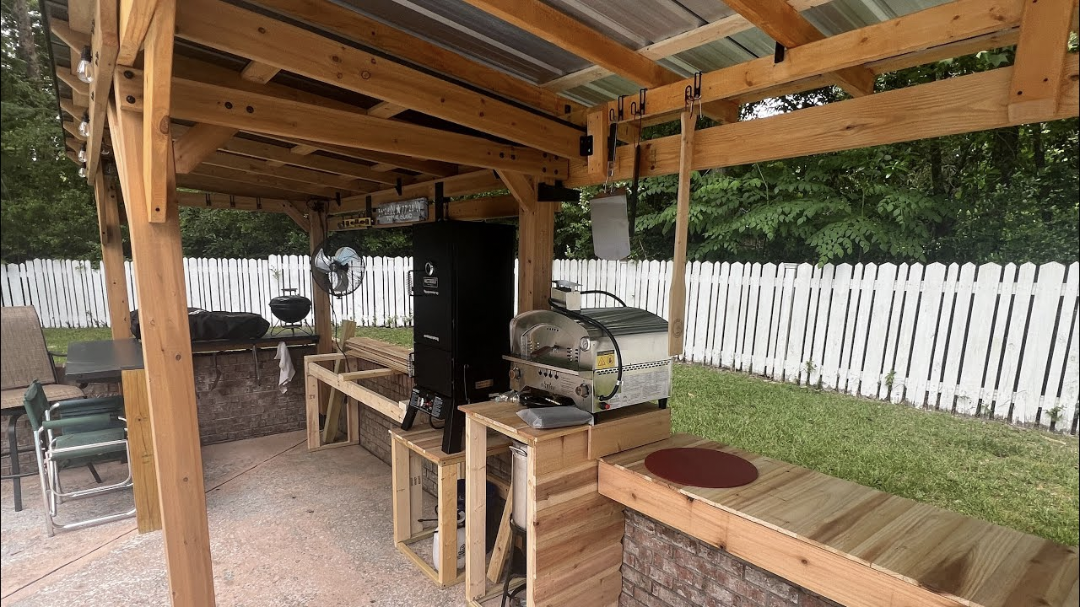
Nothing brings family and friends together quite like outdoor cooking. Whether you’re hosting a weekend barbecue, preparing a casual weeknight dinner, or celebrating special occasions, a gas grill can transform your backyard into the ultimate gathering space. Known for their convenience, quick heating, and consistent performance, gas grill are a favorite choice among home cooks who want delicious results without the hassle of charcoal.
If you’re looking to elevate your backyard cooking experience, understanding the essential features, tools, and techniques of gas grilling can help you achieve restaurant-quality meals right at home.
Why Choose a Gas Grill?
Gas grills have become increasingly popular because they offer simplicity and reliability. Unlike charcoal grills that require time and effort to light and maintain, gas grill provide instant heat with the turn of a knob. They also allow for better temperature control, making it easier to cook everything from burgers and steaks to vegetables and seafood.
Some key advantages of gas grills include:
- Fast startup and preheating.
- Easy temperature adjustments.
- Less smoke and mess.
- Convenient cleanup.
- Ideal for frequent outdoor cooking.
These benefits make gas grills perfect for beginners and experienced grill enthusiasts alike.
Selecting the Right Gas Grill
Before firing up your first meal, choosing the right gas grill is essential. Consider the following factors:
Grill Size
Think about how many people you typically cook for. Smaller grills are ideal for couples or small families, while larger models with multiple burners are perfect for entertaining guests.
Number of Burners
More burners provide greater flexibility. Multiple heat zones allow you to cook different foods simultaneously and create indirect cooking areas for larger cuts of meat.
Cooking Surface
A spacious cooking area gives you more room to prepare multiple dishes at once. Look for durable cooking grates made from stainless steel or cast iron for even heat distribution.
Construction Quality
High-quality materials ensure durability and resistance to weather conditions. Stainless steel components are especially popular because they resist rust and require minimal maintenance.
Additional Features
Modern gas grills often include:
- Side burners.
- Warming racks.
- Built-in thermometers.
- Storage cabinets.
- Rotisserie kits.
- LED lighting for nighttime grilling.
These features can make outdoor cooking more enjoyable and efficient.
Essential Grilling Tools
Having the right accessories can significantly improve your grilling experience. Some must-have tools include:
Long-Handled Tongs
Tongs allow you to safely flip food while keeping your hands away from high heat.
Grill Spatula
Perfect for burgers, fish, and delicate foods that require gentle handling.
Meat Thermometer
A digital thermometer helps ensure meats reach safe internal temperatures without overcooking.
Grill Brush
Regular cleaning keeps cooking grates free from residue and extends the life of your grill.
Heat-Resistant Gloves
Protect your hands while handling hot cookware and grill components.
Aluminum Foil and Grill Baskets
These accessories are excellent for cooking vegetables, seafood, and smaller foods that might otherwise fall through the grates.
Mastering Temperature Control
One of the greatest advantages of gas grills is precise temperature management. Understanding different heat levels helps you cook foods perfectly every time.
High Heat
High temperatures are ideal for:
- Steaks
- Burgers
- Hot dogs
- Thin cuts of meat
High heat creates flavorful sear marks while locking in juices.
Medium Heat
Medium heat works well for:
- Chicken breasts
- Pork chops
- Vegetables
- Sausages
This setting promotes even cooking without burning the exterior.
Low Heat
Low temperatures are best for:
- Ribs
- Whole chickens
- Large roasts
- Slow-cooked dishes
Using indirect heat allows food to cook thoroughly while remaining tender and juicy.
Preparing Your Grill
Proper preparation ensures successful results.
Preheat Before Cooking
Always preheat your gas grill for 10 to 15 minutes. This helps eliminate leftover residue and creates an even cooking surface.
Clean the Grates
Use a grill brush after preheating to remove debris and prevent sticking.
Oil the Grates
Lightly oiling the cooking grates helps foods release easily and improves grill marks.
Check Fuel Levels
Running out of propane in the middle of cooking can quickly ruin a meal. Keep an extra propane tank on hand whenever possible.
Popular Foods for Gas Grilling
Gas grills are versatile enough to handle a wide range of dishes.
Burgers and Steaks
Classic backyard favorites cook beautifully over direct heat. Season simply with salt and pepper for maximum flavor.
Chicken
Chicken breasts, wings, thighs, and whole birds all benefit from controlled temperatures and indirect cooking methods.
Seafood
Shrimp, salmon, and scallops cook quickly and absorb smoky flavors exceptionally well.
Vegetables
Bell peppers, zucchini, onions, asparagus, and corn become sweeter and more flavorful when grilled.
Pizza
With the right accessories, gas grills can produce crispy homemade pizzas with delicious wood-fired characteristics.
Desserts
Fruit, pound cake, and even grilled peaches topped with ice cream make fantastic outdoor desserts.
Safety Tips for Backyard Grilling
Safety should always come first when using a gas grill.
Inspect Connections
Check hoses and connections regularly for cracks or leaks. Apply soapy water to connections and watch for bubbles, which may indicate a leak.
Keep the Grill Away from Structures
Position the grill in an open area away from walls, fences, and overhanging branches.
Never Leave the Grill Unattended
Stay nearby whenever the burners are operating, especially when children and pets are present.
Use Proper Tools
Long-handled utensils help prevent burns and accidental contact with hot surfaces.
Shut Off Gas Properly
Turn off the burners and close the propane tank valve after cooking.
Maintaining Your Gas Grill
Regular maintenance keeps your grill performing efficiently for years.
Clean After Every Use
Remove grease and food residue while the grill is still warm.
Empty the Grease Tray
Prevent flare-ups by regularly cleaning the grease collection system.
Inspect Burners
Check burner ports for blockages and ensure flames burn evenly.
Cover Your Grill
A weather-resistant cover protects your investment from rain, dust, and sun exposure.
Deep Clean Seasonally
At least once or twice a year, disassemble removable components and thoroughly clean the interior of the grill.
Creating the Ultimate Backyard Cooking Space
A great grilling setup extends beyond the grill itself. Consider enhancing your outdoor living area with:
- Comfortable seating.
- Outdoor lighting.
- A dining table.
- Shade structures.
- Storage cabinets.
- Beverage coolers.
- Decorative plants and landscaping.
These additions create a welcoming environment where family and friends can relax and enjoy memorable meals together.
Final Thoughts
Gas grills provide the perfect combination of convenience, versatility, and performance for backyard cooking enthusiasts. With the right grill, essential tools, and proper techniques, anyone can create delicious meals and unforgettable gatherings outdoors. From juicy steaks and grilled vegetables to seafood and desserts, the possibilities are endless.
By investing in quality equipment and practicing good maintenance habits, your gas grill can become the centerpiece of your backyard living space for many years to come. Whether you’re a beginner or a seasoned grill master, mastering the essentials of gas grilling is the key to better backyard cooking and countless enjoyable moments with family and friends.


Introduction
A blocked toilet always seems to happen at the worst possible moment. You flush, expect the water to disappear, and instead the level in the bowl starts rising. Your first reaction may be to flush again, reach for a strong cleaning product, or try to push the blockage away with whatever tool is nearby.
But is that actually the best approach?
If you want to verstopfte Toilette frei bekommen, the first step is not finding the strongest product. It is understanding what caused the blockage and how far into the drainage system it may have travelled. A simple paper blockage can often be handled at home, while repeated backups or problems affecting several drains may point toward a larger plumbing issue.
This guide explains the most sensible ways to deal with a blocked WC, the mistakes worth avoiding, and when professional Rohrreinigung becomes the better option.
1. What Does a Blocked Toilet Actually Tell You?
Not every toilet blockage is the same. The symptoms can provide useful clues about where the problem may be located.
If the water rises immediately after flushing but slowly disappears after several minutes, the obstruction may be relatively close to the toilet trap. This can happen because of excessive toilet paper or material that does not break down easily.
A toilet that repeatedly drains slowly is different. It may indicate that the pipe is only partially restricted. In this situation, the toilet can appear to work normally one moment and become blocked again shortly afterwards.
There is another important warning sign: other fixtures start behaving strangely at the same time. For example, the shower may drain slowly, the sink may gurgle, or water may appear in another bathroom fixture when the toilet is flushed. These symptoms can suggest that the obstruction is farther down the drainage line rather than directly inside the toilet.
That distinction matters because repeatedly plunging the toilet will not necessarily solve a blockage located deeper in the pipe system.
2. Before Anything Else: Stop the Water
The easiest way to turn a small plumbing problem into a messy one is to keep flushing.
If the water level is already rising, stop using the flush immediately. Turn off the small shut-off valve supplying the cistern. Keep towels or an old cloth around the toilet in case some water spills during the next steps.
If the bowl is almost full, carefully remove some water with a container and place it in a bucket. This gives you more working space and reduces the risk of an overflow.
This simple preparation is particularly important when you are attempting a DIY solution. A toilet blockage is inconvenient; contaminated water spreading across the bathroom is considerably worse.
3. Can a Plunger Really Solve the Problem?
Yes—but only when it is used correctly.
A toilet plunger creates pressure and suction around the outlet. The objective is not simply to push the blockage farther into the pipe. Instead, repeated controlled movement can loosen the material and allow it to move through the drainage path.
For a better result:
- Make sure there is enough water in the bowl to cover the rubber part of the plunger.
- Position the plunger directly over the toilet outlet.
- Create a reasonably tight seal.
- Press down gently at first.
- Follow with several firm, controlled strokes.
- Pause and check whether the water level begins to fall.
- Repeat rather than immediately flushing again.
A toilet-specific flange plunger generally provides a better seal than a basic flat sink plunger.
Do not use excessive force. Aggressive plunging can cause dirty water to splash around the bathroom and may not help if the obstruction is caused by a solid object.
4. What About Warm Water and Dish Soap?
For a relatively mild blockage caused by paper or organic material, warm water combined with a small amount of dish soap may sometimes help.
The soap can make the surfaces more slippery, while warm water may soften some material. However, the water should not be boiling.
Very hot or boiling water can create unnecessary thermal stress on porcelain and other toilet components. It is also not a magic solution for objects such as toys, sanitary products or wipes.
Allow the mixture some time to work rather than immediately flushing. If the water level drops naturally, test the toilet cautiously.
The key point is that this method is better viewed as a gentle attempt for a minor obstruction—not as a substitute for proper equipment when a serious blockage exists.
5. Why You Should Think Twice About Chemical Drain Cleaners
When searching online for ways to verstopfte Toilette frei bekommen, you will find plenty of suggestions involving powerful chemical products.
However, stronger does not automatically mean better.
Chemical drain cleaners can be corrosive and may create additional hazards if they fail to remove the obstruction. If the chemical remains in standing water and you later use a plunger or another tool, it can potentially splash back onto your skin or eyes. Some professional plumbing guidance also warns that aggressive chemicals may damage plumbing components.
There is another practical problem: a solid object does not simply disappear because a chemical product is poured into the toilet. A child’s toy, hygiene product or other foreign object generally requires mechanical removal.
For this reason, mechanical methods such as a suitable toilet plunger or toilet auger are usually more logical starting points than randomly pouring strong chemicals into the bowl.
Never mix different drain-cleaning chemicals.
6. What If Something Has Fallen Into the Toilet?
This is where DIY attempts can easily make the situation worse.
Suppose a small object, cosmetic container, toy or another solid item has accidentally fallen into the bowl. The instinct may be to flush it and hope it disappears.
That can turn a visible problem into a hidden one.
If you can safely reach and remove the object without forcing it deeper, that may solve the problem. But if the object has already moved into the trap or pipe, repeated flushing or poking with improvised metal tools can make removal more difficult.
Toilet augers are designed specifically for this type of mechanical clearing and can be safer for the porcelain than improvised wires or metal objects. A professional can also determine whether the blockage is inside the toilet or farther along the drainage route.
7. When Is It No Longer Just a Toilet Problem?
One of the most important questions is whether the blockage is actually limited to the WC.
Watch for these signs:
- The toilet becomes blocked repeatedly.
- Water drains slowly even after the apparent blockage is removed.
- The shower or bathtub also begins draining slowly.
- A sink makes bubbling or gurgling sounds.
- Water rises in another fixture when the toilet is flushed.
- An unpleasant sewage smell becomes noticeable.
- The toilet is the only usable WC in the property.
- A foreign object has disappeared down the toilet.
- Plunging provides only temporary improvement.
When several drains show symptoms together, the issue may be located farther down the shared drainage system. In such cases, professional Rohrreinigung can be more appropriate than repeatedly treating the toilet itself.
A deeper blockage may require a suitable drain-cleaning spiral or other professional equipment. Depending on the situation, specialists can also investigate the line to determine whether the obstruction is local or further along the drainage system.
8. Benefits of Solving the Problem the Right Way
Taking a measured approach to a blocked toilet has several advantages.
Less risk of overflow
Stopping the water supply before experimenting with solutions reduces the chance of wastewater spreading across the bathroom.
Lower risk of damage
Using the correct toilet tools is preferable to pushing random objects into the drain or exposing porcelain and pipe components to aggressive chemicals.
Better diagnosis
Looking at the symptoms can help distinguish between a simple toilet blockage and a problem affecting the wider drainage system.
Avoiding repeated blockages
If a toilet keeps becoming blocked, simply clearing the immediate obstruction may not address the underlying cause. A professional inspection can be useful when the same problem repeatedly returns.
More efficient repairs
When the blockage is deeper than the toilet trap, professional equipment can reach areas that household methods cannot.
9. How to Prevent the Next Toilet Blockage
Prevention is much easier than dealing with an overflowing toilet.
Only flush materials intended to go through a toilet drainage system. Avoid putting wipes, sanitary products, cotton items, kitchen paper, food waste or other unsuitable materials into the WC.
It is also worth paying attention to how the toilet flushes. If the flush has gradually become weaker, water disappears unusually slowly, or the toilet frequently requires several attempts, investigate the problem instead of waiting for a complete blockage.
Recurring problems deserve attention because a partial restriction can eventually become a complete obstruction.
10. When Should You Call a Professional?
A simple blockage does not necessarily require immediate professional assistance. If a plunger successfully restores normal drainage and the toilet works normally afterwards, the problem may have been relatively minor.
Professional help becomes more sensible when basic mechanical methods fail, the blockage repeatedly returns, a foreign object is involved, or other drains are affected.
Most importantly, do not continue experimenting indefinitely. If the bowl is close to overflowing or wastewater is backing up elsewhere, stop using the affected fixtures.
A professional Rohrreinigung service can determine where the obstruction is located and select the appropriate method rather than relying on guesswork.
Conclusion
Knowing how to verstopfte Toilette frei bekommen is useful, but knowing when to stop trying DIY methods is just as important.
Start by preventing an overflow, shut off the water and assess the symptoms. For a straightforward blockage, a properly positioned toilet plunger may be enough. Warm—not boiling—water and a little dish soap can also be worth trying for a mild obstruction.
However, solid objects, repeated blockages and symptoms involving several drains require a different approach. In those situations, forcing the problem deeper or repeatedly applying chemical products can create more complications.
The goal should not simply be to make the water disappear once. The real goal is to restore reliable drainage without damaging the toilet or hiding a larger problem in the pipe system. When the evidence points beyond the toilet itself, professional Rohrreinigung is often the more practical and safer solution.


Have you ever made a purchase you were happy with but doubted if it was right for you? Choosing a new floor can be challenging because it covers a significant portion of the room. The issue is that more often than not, homeowners choose flooring on the sole basis of its appearance and budget.
However, there are several details that they fail to consider before purchasing the material. This blog outlines those mistakes homeowners frequently make when choosing new flooring.
Only Thinking About Appearance
The flooring’s sample can be deceiving. A couple of planks shown under bright display lights do not always tell you what to expect in equal lighting in the room. A shade can appear warmer at home. Shiny materials reflect light and, therefore, dust and smudges are more apparent under bright lights.
The same applies to the floor’s pattern and texture, which may look more prominent across dozens of planks than on a single sample. To avoid surprises, it is a good idea to take the material home and look at it during different times of the day. Furthermore, place the sample plank next to the room’s walls, furniture, cabinetry, and doors.
Not Considering the Room’s Requirements
What a homeowner needs in a floor depends on the space. They have to ask themselves what activities take place there most often. Is it an entryway where guests track in water and dirt after rainy weather? Or perhaps a kitchen where food is prepared and spilled? Does the sun shine directly on it? Will children’s toys live on the floor? Will pets also track in dirt or cause spills? Finally, the local climate has to be factored in.
For example, Singapore’s high humidity and moisture fluctuations can contribute to expansion, contraction, cupping, or other problems with wood flooring, so it may require more careful installation and maintenance than in a consistently dry climate.
If the floor in question is Vinyl Flooring Singapore, there may be dozens of seemingly identical options such as LVP, LVT, Sheet Vinyl, etc., but they may differ significantly in construction, water resistance, surface, and installation needs.
Basing the Selection Solely on the Price Per Square Foot
The first thing that comes to mind when comparing the prices of two materials is the price per square foot. One of them is clearly cheaper than the other, so the choice is easy. What people forget is that when all the expenses are itemised, this square foot price may differ drastically from the final bill.
This is because flooring material is only a small part of the job. A big chunk of the budget is taken by underlayment, glue, preparation and removal of the old floor, trims, transitions, delivery, and the labour of the contractor.
Always ask for a full installed price when comparing two materials. After a contractor has given you this information, go through it and see what is included and what is not. And be prepared for the fact that sometimes a lower initial price may hide a higher mark-up upon closer inspection.
Picking a Material Unsuitable for the Existing Subfloor
Homeowners may devote hours and even days to picking out the ideal pattern, material, and finish without giving a thought to the subfloor.
This is understandable since the visual appeal takes up the majority of one’s attention when choosing a new floor. However, it is also crucial to ensure that the floor can withstand the daily hustle and bustle of the household. The existing subfloor should also be inspected to see if it can support the new floor. For some materials, any unevenness, dryness, dampness, cracking, or expandability can be an issue.
This step is especially important when re-planking an old surface, rather than installing over a new subfloor. Ask the installer to inspect the subfloor and identify any necessary repairs before you buy the flooring. A lovely new planked floor will not hide an unsuitable subfloor for long.
Conclusion
Selecting a new floor can be an overwhelming process. Making the decision based on a couple of samples is not the best idea. Considering these four things can ease the task. Looking not just at the floor but at the overall situation in the room is advisable. This will give you a more realistic sense of how the flooring will look and perform.
A floor that looks great in a showroom window may not be a good choice because of subfloor and maintenance requirements. The best option will often be the one that still makes the top even after testing samples and considering all costs.


When it comes to creating stylish and functional interiors, homeowners and businesses are increasingly looking for solutions that combine attractive design with lasting quality. OPPEIN has established itself as a recognized name in the home furnishing and interior solutions industry, offering a wide range of products designed to meet the changing needs of modern spaces. From kitchens and wardrobes to whole-house customization, the brand focuses on practical design, contemporary aesthetics, and personalized solutions that can make everyday living more comfortable.
A Growing Focus on Customized Interiors
Interior design is no longer simply about choosing attractive furniture and matching colors. Today, people want their homes to reflect their personality while also making the best use of available space. This has increased demand for customized cabinetry, fitted kitchens, wardrobes, bathroom solutions, and other built-in furniture.
A major advantage of customized interiors is flexibility. Instead of trying to fit standard furniture into a room, homeowners can select designs according to their room dimensions, storage requirements, preferred colors, and lifestyle. This approach can be especially useful in apartments and compact homes where every square foot matters.
OPPEIN’s approach to home furnishing centers around this idea of customization. Different rooms can be planned as part of one coordinated interior concept, allowing materials, finishes, colors, and layouts to work together rather than appearing disconnected.
Designing Kitchens for Everyday Life
The kitchen is one of the most frequently used areas in any home. A beautiful kitchen is appealing, but practical organization is equally important. Storage, movement, lighting, countertop space, and accessibility all influence how comfortable a kitchen feels.
Modern kitchen designs often include tall cabinets, pull-out storage, corner solutions, integrated appliances, and carefully planned work zones. These features can help reduce clutter while keeping commonly used items within easy reach.
Another important consideration is material selection. Kitchen cabinets are exposed to moisture, heat, stains, and frequent handling, so surfaces need to be selected with everyday use in mind. A combination of durable materials and sensible construction can help maintain the appearance of a kitchen for years.
Wardrobes That Combine Storage and Style
Bedrooms require storage solutions that are both attractive and practical. Freestanding wardrobes can sometimes leave unused gaps, while built-in wardrobes can be designed to use the available wall space more effectively.
Contemporary wardrobes can include hanging sections, drawers, shelves, shoe storage, accessories compartments, and specialized areas for different types of clothing. Sliding doors may also be useful in rooms where traditional swinging doors would take up valuable floor space.
The visual appearance matters as well. Neutral finishes can create a calm and understated bedroom, while wood textures, glass panels, or darker tones can introduce a stronger design statement. The ability to coordinate wardrobe finishes with beds, bedside tables, flooring, and wall colors can create a more unified interior.
The Importance of Quality Door Materials
Doors are an important part of any interior because they combine functionality with visual appeal. They provide privacy, separate spaces, and contribute significantly to the overall appearance of a room.
As consumers become more aware of material performance, alternative door materials have gained attention. Among these options, WPC doors have become popular for applications where resistance to moisture, durability, and low maintenance are important considerations.
People researching these products often compare different wpc doors manufacturers to understand the available materials, finishes, construction methods, and customization possibilities. WPC, or wood-plastic composite, combines wood-related characteristics with polymer materials, creating a product that can be suitable for various interior applications.
The right choice depends on the specific project. Buyers should consider factors such as thickness, surface finish, hardware compatibility, moisture resistance, installation requirements, and after-sales support rather than selecting a door solely on appearance.
Bringing Different Spaces Together
One of the interesting developments in contemporary interior design is the move toward whole-home solutions. Instead of designing each room independently, homeowners increasingly want a consistent visual language throughout their property.
For example, a kitchen might use a particular wood texture that is repeated in the living room storage units. Bedroom wardrobes can use complementary colors, while bathroom cabinets can follow a similar design theme. This creates a sense of continuity without requiring every room to look exactly the same.
Whole-home customization can also simplify the planning process. Instead of coordinating multiple furniture suppliers, homeowners can work around a unified design concept. This may make it easier to maintain consistency in dimensions, colors, materials, and finishes.
Technology and Modern Interior Planning
Technology has changed how people approach interior design. Digital visualization tools allow customers to explore layouts and finishes before production begins. This can make it easier to understand how a particular cabinet arrangement, color combination, or storage configuration might look in the finished space.
Technology can also improve manufacturing accuracy. Computer-assisted production and modern machinery allow furniture components to be produced with greater consistency. Precision is particularly important for customized furniture because even small dimensional differences can affect installation.
For customers, the benefit is not simply a more modern manufacturing process. Accurate planning can reduce installation difficulties and help ensure that individual components fit together as intended.
Sustainability and Responsible Choices
Environmental considerations are becoming increasingly important in the furniture industry. Consumers are paying more attention to where materials come from, how products are manufactured, and how long furniture is expected to last.
Durability itself can contribute to more responsible consumption. Furniture that remains functional and attractive for a longer period does not need to be replaced as frequently. At the same time, manufacturers are exploring material and production approaches that can reduce waste and improve resource efficiency.
For homeowners, sustainability does not necessarily mean sacrificing style. Many modern materials and finishes offer attractive appearances while providing the performance required for busy households.
Choosing the Right Interior Solution
Every home has different requirements. A large family may prioritize storage capacity, while a smaller household might focus on open layouts and minimalist designs. Similarly, a homeowner in a humid environment may place greater importance on moisture-resistant materials.
Before beginning an interior project, it is useful to consider the practical needs of each room. Measurements should be checked carefully, storage requirements should be listed, and the preferred design style should be established. Budget is another important factor because material choices, hardware, customization, and installation can all influence the final cost.
Rather than focusing exclusively on appearance, buyers should also ask about construction quality, warranties, maintenance, installation services, and the expected lifespan of the products.
The Future of Home Interiors
The future of interior design is likely to become even more personalized. People want homes that work around their lifestyles rather than forcing their lifestyles to adapt to standard furniture. This means greater demand for modular designs, intelligent storage, flexible layouts, and customized finishes.
At the same time, aesthetics will remain important. Modern homeowners want functional spaces that also feel welcoming and visually distinctive. Brands operating in this sector will therefore need to balance design, technology, material innovation, and customer expectations.
OPPEIN represents this broader shift toward integrated interior solutions. Its emphasis on customized kitchens, wardrobes, furniture, and other home applications reflects the changing way people think about their living spaces. Instead of viewing furniture as individual products, modern interior planning increasingly treats the home as one connected environment.
Ultimately, successful interior design comes down to finding the right balance between appearance, functionality, quality, and personal preference. Whether someone is renovating a single kitchen or planning an entire home, careful material selection and thoughtful space planning can make a significant difference. With customized solutions becoming more accessible, homeowners have more opportunities than ever to create interiors that are practical, comfortable, and genuinely suited to the way they live.

The Conflicts Nobody Thinks To Declare

How to Source European Bricks for UK Building Projects

How Automation is Reshaping the Global Food & Beverage Packaging Industry in 2026

Who Is Shameera? All You Need To Know About Charli XCX’s Mother

Who Is Gulliver Flynn Oldman? The Untold Story of Sir Gary Oldman’s Son

Meet Rosemary Turner: The Mother of Actor Callum Turner
-
Biographies8 months ago
Who Is Shameera? All You Need To Know About Charli XCX’s Mother
-
Biographies8 months ago
Who Is Gulliver Flynn Oldman? The Untold Story of Sir Gary Oldman’s Son
-
Biographies8 months ago
Meet Rosemary Turner: The Mother of Actor Callum Turner
-

 Biographies6 months ago
Who is Alexandra James? Inside The Life of Jeremy Clarkson’s Former Partner
-
 Biographies8 months ago
Who is Todd McRae? Meet Tate McRae’s Father
-
 Biographies7 months ago
Who Is Daniel Mara? The Untold Story of Kate Mara’s Private Sibling
-
 Celebrity8 months ago
Who Is Peter Hernandez? The Real Story of Bruno Mars’ Father
-
 Biographies8 months ago
Who Was Adrian Mayers? The Untold Life of A$AP Rocky’s Late Father