
Blog
New Muhas: Inside the Next-Gen Vape Empire Transforming Cannabis Technology and Culture


The rise of New Muhas marks a defining shift in the modern cannabis industry, blending advanced vape engineering with a powerful brand identity built from the ground up. What started as a small, bootstrapped venture in California has evolved into a multimillion-dollar enterprise driven by innovation, cultural relevance, and a relentless focus on product performance. Behind this transformation is a story rooted in entrepreneurship, technology, and strategic growth, where every element—from extraction methods to digital ecosystems—plays a critical role in shaping the brand’s influence across legal cannabis markets.
The Origin Story That Built a Modern Cannabis Powerhouse
The foundation of this growing empire begins with two brothers, Ali Garawi and Muhammad “Muha” Garawi, who launched their business using just $15,000 in initial capital. They chose a rare path in today’s startup landscape by rejecting venture capital and scaling entirely through early revenue. This decision allowed them to retain complete ownership and control, shaping a brand that reflects their vision without outside influence.
Their journey is deeply tied to immigrant ambition, as they come from a first-generation Iraqi-American family. Instead of following traditional corporate routes, Ali Garawi entered the cannabis extraction market at just 22 years old. This early start, combined with an aggressive growth mindset, laid the groundwork for what would eventually become a dominant force in vapor-based cannabis products.
Leadership That Drives Innovation and Expansion
The success of New Muhas is inseparable from the leadership roles played by its founders. Ali Garawi, a graduate of California State University, Long Beach, leads as Chief Executive Officer and is responsible for building a vertically integrated system that spans cultivation, manufacturing, and retail. His strategic approach ensures efficiency and consistency across the supply chain.
Muhammad “Muha” Garawi, serving as Chief Revenue Officer and Chief Marketing Officer, shapes the brand’s identity and market positioning. He oversees supply chain partnerships and develops revenue strategies that keep the company competitive in an increasingly crowded market. Together, the brothers combine operational precision with creative branding, creating a balanced leadership structure that fuels sustained growth.
Revenue Growth and Market Dominance
Financially, the company stands as a major player in the cannabis industry. Reports indicate annual sales reaching approximately $175 million, with some estimates pushing closer to $180 million. This level of revenue places the brand among the top-performing vape-focused companies in legal markets such as Michigan.
The most striking aspect of its financial model is the dominance of vapor products. Vapor pens alone account for roughly 73.16 percent of total revenue, highlighting the central role of disposable and cartridge-based systems. Other categories, including flower, pre-rolls, edibles, and concentrates, contribute smaller shares but still play an important role in diversifying the product portfolio.
The Technology Behind New Muhas Devices
The defining feature of New Muhas lies in its advanced hardware design and extraction technology. The latest generation of devices introduces a significant upgrade through the use of postless ceramic cores. This innovation replaces traditional metal components, reducing the risk of contamination while improving heat distribution and flavor delivery.
Equally important is the brand’s signature Melted Diamonds extraction process. By isolating THCA crystals and gently converting them into a liquid form, the company creates a smoother oil that resists clogging and preserves natural terpene profiles. This approach enhances both performance and user experience, setting a new standard for disposable vape technology.
The integration of USB-C charging further improves usability, allowing faster recharging and even pass-through functionality. Users can continue vaping while the device charges, solving one of the most common frustrations associated with earlier disposable systems.
Strain Selection and California Terroir Influence
Another key element that defines the brand is its approach to sourcing and strain selection. The company prioritizes high-terpene cannabis grown in the unique climates of Humboldt and the Central Coast of California. This terroir-focused strategy emphasizes quality over quantity, ensuring that each strain maintains its distinct aroma and effect profile.
The product lineup includes a wide range of strain categories, from relaxing Indica varieties like Sweet Dreams OG and Jedi Kush to energizing Sativa options such as Magic Melon OG and Green Crack. Hybrid strains like Blue Slushie and Sour Watermelon Squirt offer balanced effects, appealing to a broader audience. By focusing on genetic lineage and terpene integrity, the brand delivers a consistent and recognizable flavor experience.
Expanding Product Categories Beyond Vapes
While vapor devices remain the core revenue driver, the company has expanded into multiple product categories to strengthen its market position. Indoor-grown flower, carefully selected and hand-trimmed, provides a traditional cannabis experience. Infused pre-rolls enhance this category by combining high-quality flower with concentrates for added potency.
The brand also produces edibles, particularly THC-infused gummies with standardized dosing, catering to consumers seeking precise and controlled effects. In the concentrates category, offerings include live rosin, hash piatella, and hydrocarbon extracts, each targeting different segments of the market.
Through its federally compliant branch, MuhaCBD, the company has introduced hemp-derived products such as high-capacity 3.5-gram disposables. These products leverage compounds like THC-A and Delta-9 to reach consumers in regions where traditional cannabis sales face restrictions.
The Muha Members Ecosystem and Counterfeit Protection
One of the most innovative aspects of New Muhas is its digital ecosystem designed to combat counterfeit products. The Muha Members platform, available on the Apple App Store, allows users to scan QR codes on packaging to verify authenticity. This system connects directly to laboratory data, ensuring that consumers can confirm the safety and legitimacy of their purchase.
Beyond security, the app functions as a lifestyle platform. Users can earn rewards by scanning products, unlocking exclusive merchandise such as customized jackets and streetwear items. This gamified approach transforms the buying experience into an interactive journey, strengthening brand loyalty and engagement.
The launch of this ecosystem also reflects a broader cultural strategy. Events like MUHALLOWEEN, which attracted hundreds of attendees, demonstrate the brand’s ability to merge product innovation with community-driven experiences.
Regulatory Challenges and Market Adaptation
Operating in the cannabis industry requires navigating complex regulatory frameworks, and the company has faced its share of challenges. A notable incident occurred when the Michigan Cannabis Regulatory Agency temporarily suspended its processing license due to tracking inconsistencies. The issue centered on unlinked entries within the Metrc system, raising concerns about product traceability.
In response, the company implemented a comprehensive overhaul of its compliance systems, improving data tracking and operational transparency. This effort allowed it to regain regulatory approval and continue operating in one of its key markets. The experience highlights the importance of adaptability and strict compliance in maintaining long-term success.
Competitive Landscape and Strategic Collaborations
The cannabis vape market is highly competitive, with over 230 brands vying for consumer attention. Major competitors include Cookies, Green Dot Labs, and Chill Brands Group, each offering distinct product lines and market strategies. Despite this competition, the brand has maintained its position through innovation and strategic partnerships.
One of the most notable collaborations is with the Cookies brand, resulting in co-branded disposable devices that combine premium distillate with popular strains like Gary Payton and Cereal Milk. These partnerships not only expand product offerings but also strengthen cultural relevance within the cannabis community.
At the same time, alternative brands such as STIIIZY and Mfused Super Fog provide consumers with additional options, pushing the entire industry toward higher standards of quality and performance.
Consumer Experience, Reviews, and Market Perception
Consumer feedback plays a crucial role in shaping the brand’s reputation. Overall ratings hover around 3.9 out of 5, reflecting a generally positive reception with some areas for improvement. Users frequently praise the affordability and potency of the products, noting that they deliver strong effects at competitive price points.
The latest generation of devices has also received positive feedback for improved airflow and reduced clogging, addressing common issues found in earlier models. However, the widespread presence of counterfeit products remains a concern, as it can negatively impact user experiences when unverified items enter the market.
Despite these challenges, the brand continues to attract a loyal customer base, particularly among consumers seeking a balance between quality and affordability.
READ MORE: How Long Does Simple Syrup Last?
Final Thoughts
The evolution of New Muhas represents more than just a product upgrade; it reflects a broader transformation in how cannabis brands operate and connect with their audience. From its humble beginnings as a bootstrapped startup to its current status as a revenue-generating powerhouse, the company has demonstrated the impact of innovation, strategic leadership, and cultural engagement.
By combining advanced extraction techniques, cutting-edge hardware, and a strong digital ecosystem, the brand has positioned itself at the forefront of the vape market. While challenges such as regulation and counterfeiting persist, its ability to adapt and evolve ensures that it remains a key player in the ever-changing cannabis landscape.


Some research peptides are studied mainly on their own. Others are almost always mentioned as a pair. CJC-1295 and Ipamorelin are one of the best-known pairings in growth-hormone-axis research, and the reason comes down to the fact that they act on two different receptors in the same system.
The Growth-Hormone Axis in Brief
Growth hormone is released by the pituitary gland in pulses. Two main signals push that release up. The first is growth-hormone-releasing hormone (GHRH), produced by the hypothalamus. The second is ghrelin, which acts through the growth hormone secretagogue receptor (GHS-R). A third signal, somatostatin, pushes release down.
What Is CJC-1295?
CJC-1295 is a synthetic analogue of GHRH. The version most often studied in combination work is CJC-1295 without DAC, sometimes called modified GRF (1-29). It is based on the first 29 amino acids of GHRH, with substitutions that make it more resistant to enzyme breakdown than the natural hormone. The “with DAC” version adds a drug affinity complex that greatly extends its half-life, which makes it behave quite differently in research models.
What Is Ipamorelin?
Ipamorelin is a synthetic pentapeptide that acts on the ghrelin receptor (GHS-R). It is often described as a selective secretagogue, because early studies found it stimulated growth hormone release with less effect on other hormones, such as cortisol and prolactin, than older compounds in the same class.
Why Study Them Together?
Because CJC-1295 acts on the GHRH receptor and Ipamorelin acts on the ghrelin receptor, they reach the same outcome through two separate routes. Researchers are interested in whether activating both pathways at once produces a different pattern of growth hormone release than either one alone, and in how that pattern compares with the body’s natural pulses.
The pairing is also compared with Tesamorelin, another GHRH analogue with a longer clinical research history, and with Sermorelin, an earlier GHRH fragment.
Combined Vials vs Separate Vials
CJC-1295 and Ipamorelin are available as separate vials or as a single blended vial. A blend is convenient and keeps the ratio fixed, while separate vials give more flexibility for studies that vary each compound independently. Whichever format is used, the label should state the exact amount of each peptide in the vial.
Sourcing for Research
As with any blend, testing matters even more than usual. A good certificate of analysis should confirm the identity and amount of both peptides, not just overall purity. This CJC-1295 and Ipamorelin UK research guide covers storage and what to check, and Revial Labs supplies a CJC-1295 (no DAC) and Ipamorelin 10mg blend from UK stock.
The Bottom Line
CJC-1295 and Ipamorelin are studied together because they work through two different receptors in the same hormonal system. That makes the pair a useful model for understanding how the growth-hormone axis is regulated, as long as the material used is well characterised.
All compounds discussed are supplied for in vitro laboratory research only. They are not licensed medicines in the UK, and nothing here is medical advice.

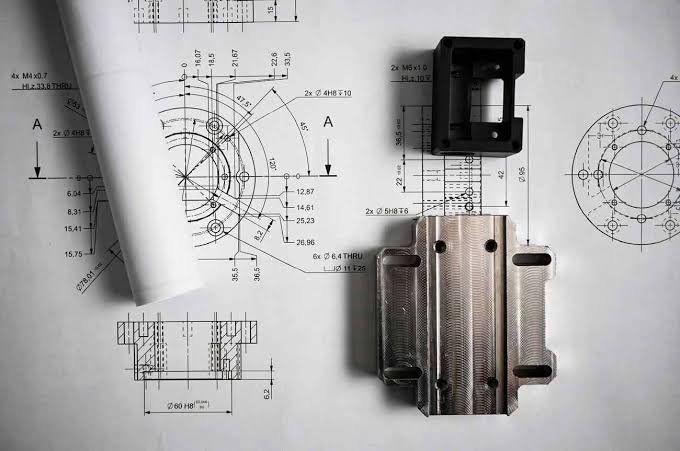
Engineering drawings carry a lot of information in a small space. Dimensions, tolerances, materials and surface finishes usually get careful attention. Tucked into the notes, often in one short line, is the coating callout. It might reference an aerospace standard, a vehicle manufacturer’s internal specification or a military document with a long string of letters and numbers.
That single line can decide whether a part survives years of heat, friction and corrosion or fails early in service. For manufacturers, buyers and project managers, understanding what a coating specification means, and what it demands from a supplier, is one of the simplest ways to reduce risk on a project.
What A Coating Specification Actually Defines
A coating specification is a written standard that sets out exactly how a coating must perform and, often, how it must be applied. Depending on the document, it may cover:
Thickness, including minimum and maximum limits.
Adhesion, or how firmly the coating bonds to the surface.
Corrosion resistance, often tested under set conditions.
Lubrication and wear performance for moving parts.
Process controls, such as surface preparation and curing.
Testing and inspection methods that prove compliance.
Instead of a vague note like “apply a durable coating,” a specification gives everyone the same measurable target. The designer, the buyer, the coating applicator and the quality inspector all work from one shared definition of success.
Different Industries, Different Priorities
Specifications are written for the conditions a part will face, so they vary widely by sector.
Aerospace standards focus on precise thickness, adhesion and corrosion resistance in extreme environments. Aircraft, space and defense components face rapid temperature changes, vibration and long service lives, and safety margins are tight.
Automotive specifications are usually set by vehicle manufacturers themselves. They emphasize corrosion resistance, durability and consistent performance across high-volume production, where a small defect repeated across thousands of parts becomes a costly problem.
Industrial specifications tend to center on wear resistance, corrosion protection and lubrication. They give manufacturers consistent benchmarks for testing, process control and material compatibility across many types of equipment.
Military specifications set rigorous, standardized requirements for defense applications. Their goal is uniformity, so parts made by different suppliers in different places behave the same way and work together reliably.
A coating that is perfectly acceptable under one industry’s standard may not satisfy another’s. That is why the exact callout on the drawing matters so much.
Small Details That Cause Big Problems
Many coating issues trace back not to poor workmanship but to misread or incomplete specifications. A few details deserve close attention.
Revision letters. Specifications are updated over time, and each revision is marked with a letter or suffix. A drawing that calls for a particular revision may require different testing or materials than an older version. Confirming which revision applies avoids disputes at inspection.
Types and classes. Many standards are divided into types or classes that describe different formulations or performance levels. “Type I” and “Type II” under the same specification can be meaningfully different products. Leaving the type off a drawing invites guesswork.
Superseded documents. Some older specifications have been replaced by newer performance-based versions. Legacy drawings may still reference the old document, so it is worth checking how the original and replacement relate before production starts.
Conflicting notes. Occasionally a drawing lists a coating thickness that does not match the referenced specification. Catching that conflict during quoting is far cheaper than discovering it after parts are rejected.
Asking The Right Questions Before Production
Before releasing a coated part for production, it helps to work through a short checklist with the supplier:
Do you have access to the specified coating?
Have you applied this exact specification before?
Which revision, type and class will you work to?
How will thickness and adhesion be measured?
What documentation will accompany each batch?
Can you support prototypes as well as full volumes?
Clear answers to these questions set expectations on both sides. They also reveal early whether a supplier truly understands the requirement or is simply hoping to match it.
When A Specification Is Not On The List
Not every project uses a widely known standard. Some parts carry customer-specific requirements, older internal documents or unusual combinations of performance needs. In those cases, an experienced coating applicator can review the requirements, explain which materials and processes are likely to meet them and flag any risks. Specialists such as Orion Industries typically keep a list of the specifications they apply most often and will discuss requirements that fall outside it.
That conversation is valuable even when a specification looks routine. Engineers who design parts are not always coating experts, and applicators often spot practical issues, such as masking needs, cure temperatures or tolerance stack-ups, that are easy to miss on paper.
Why Getting It Right Pays Off
Precise coating specifications protect more than individual parts. They reduce rejected batches, rework and delays. They make it easier to switch or add suppliers without changing performance. They support audits and certification, since documented compliance is far easier to prove than informal agreements. Over the life of a product, they help prevent field failures, warranty claims and the reputational damage that follows.
For businesses buying coated components, a little extra time spent reviewing that one line on the drawing can save weeks of trouble later.
One Line, Lasting Consequences
A coating callout may look like a minor note at the edge of a drawing, but it carries the expectations of an entire industry. Understanding what the specification requires, confirming the right revision and type, and choosing an applicator with relevant experience turns that line into a reliable promise. When everyone works from the same clear standard, parts perform as designed, and projects stay on schedule.
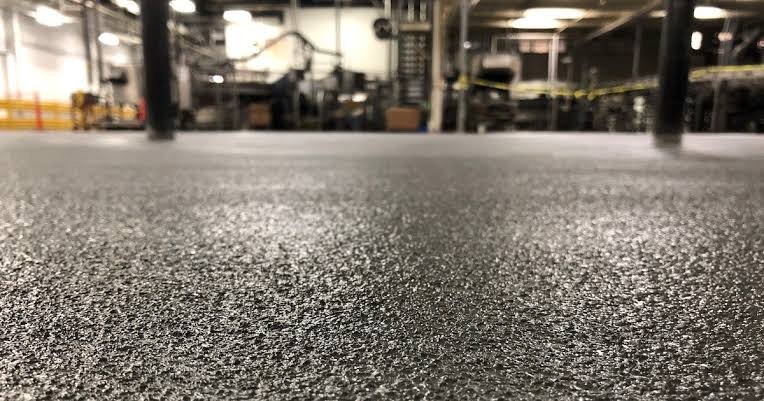
Epoxy flooring is chosen for its strength. Warehouses, hospitals, schools, labs, commercial kitchens and showrooms rely on it because it stands up to chemicals, heavy loads and constant cleaning once a building is in use. That reputation can lead to a costly assumption on site: that a floor built for decades of hard use can take a few months of construction traffic without any help.
It often can’t. Epoxy is tough, but it’s not scratch-proof, stain-proof or impact-proof, especially soon after installation. A dragged pallet, a dropped tool or a leaking piece of equipment can mark a seamless coating in seconds. Fixing that damage is rarely as simple as patching one spot, and the cost tends to arrive just as a project is trying to close out.
Why Epoxy Repairs Are So Disruptive
Many floor finishes can be repaired piece by piece. A damaged tile can be swapped and a section of carpet replaced. Epoxy is different. It’s usually applied as a continuous coating, so a gouge or stain in the middle of a floor can be difficult to blend in. Spot repairs may show visible differences in color or sheen, especially on glossy or decorative finishes.
When the damage is serious, the fix can mean grinding down an area, reapplying coats and waiting for each layer to cure. That work shuts down the space, sends other trades elsewhere and can delay occupancy. On a commercial or industrial project where the floor is a major line item, an avoidable repair can eat into margins quickly.
Every Epoxy Floor Faces Different Risks
Epoxy isn’t one product. Systems vary in thickness, texture, finish and chemistry, and they’re installed in very different environments. That variety is why protection can’t be one size fits all.
Common risks on site include:
Heavy equipment, such as forklifts, scissor lifts and loaded carts.
Impact, from dropped tools, fixtures and materials.
Scratches and abrasion, from grit carried in on boots and wheels.
Spills, including paint, solvents, oils and other chemicals.
Weather exposure, in buildings that aren’t yet fully enclosed.
A school corridor mostly sees foot traffic and occasional carts. A warehouse slab may carry forklifts and pallets for weeks before handover. A manufacturing facility may face chemical exposure during equipment installation. Each setting calls for a different approach.
Planning Protection Before Work Begins
The most effective protection plans start before the epoxy is even installed. Coordinating the floor schedule with the rest of the project helps answer the key questions early:
Which trades will work on the floor after it’s finished?
What equipment will cross it, and how heavy is it?
Will chemicals or liquids be used nearby?
How long must the floor stay protected?
Who will install, inspect and remove protection?
Timing matters too. Epoxy needs time to cure before it can handle traffic or be covered. Placing protection on a floor too early can mark the surface or interfere with curing. Following the coating manufacturer’s guidance on cure times, and confirming the floor is ready before covering it, avoids creating the very damage you’re trying to prevent.
Clear responsibility is just as important. Protection that belongs to no one tends to get moved, torn or left incomplete. Assigning one team to own it keeps coverage consistent.
Matching Protection To The Job
Good floor protection for builders working with epoxy usually falls into three broad categories, each suited to different conditions.
Rigid protection boards offer the strongest defense against impact and heavy loads. They spread weight from equipment, resist dropped tools and suit areas where forklifts and lifts will travel. Lightweight versions are easier to handle and install, and options with fire-retardant properties add a margin of safety on busy sites. Some boards are designed to hold up even when exposed to the elements, which helps on projects that aren’t fully weathertight.
Bonded protective layers adhere directly to the floor surface. They create a continuous barrier against spills, abrasion and fine debris, making them useful for large commercial areas with steady trade traffic. Because they stay firmly in place, they’re less likely to shift and expose the floor underneath.
Breathable loose-lay mats guard against scratches, staining and everyday wear while allowing moisture to escape. That breathability matters on newer installations, since trapped moisture under a cover can cause problems. Loose-lay options are also easy to move as work zones change.
Many sites combine these. A bonded layer or breathable mat protects the surface, while rigid boards on top handle heavy traffic routes. Because site conditions affect performance, it’s worth reviewing the specific epoxy system, the expected loads and the project timeline with a protection supplier before making a final choice.
Keeping Coverage Intact
Installing protection is only the first step. Regular site walks should check for lifted edges, shifted boards and torn sections. Small gaps let grit and liquid reach the floor, and those are often the spots that end up on the punch list.
Spills deserve quick attention even when the floor is covered. Cleaning them up promptly prevents liquids from seeping under protection or degrading it.
Removal should be timed with care. Taking protection up before the final trades and cleaning crews finish leaves the floor exposed during one of the busiest stages of the job. Keeping it in place until the end, then inspecting the floor as coverings come off, gives the clearest record of its condition at handover.
The Business Case For Protection
For contractors, temporary floor protection is a small, predictable cost set against a large and unpredictable one. Repairing epoxy can mean extra labor, materials, downtime and disputes over which trade caused the damage. Building protection into the bid from the start avoids those surprises and protects margins.
For owners, it means a floor that performs as specified from the first day of operation. An epoxy floor is expected to last many years. Starting that life free of construction damage protects both its appearance and its long-term value.
A Durable Floor Deserves A Careful Start
Epoxy floors are built to handle years of hard use, but they need help getting through construction. Understanding the specific risks on site, matching protection to traffic and conditions, and keeping coverage in place until the last trade leaves all add up to a cleaner handover. The result is a floor that looks and performs exactly as intended on day one.

RUNT, SIMIT and SENA SOFIA PLUS: The Complete Guide for Colombia

CJC-1295 and Ipamorelin: Why Researchers Study Them Together

How to Choose the Perfect Storage Bench for Your Home

Who Is Shameera? All You Need To Know About Charli XCX’s Mother

Who Is Gulliver Flynn Oldman? The Untold Story of Sir Gary Oldman’s Son

AI Video for Social Media: How Small Brands Keep Up Without Burning Out
-
Biographies9 months ago
Who Is Shameera? All You Need To Know About Charli XCX’s Mother
-
Biographies9 months ago
Who Is Gulliver Flynn Oldman? The Untold Story of Sir Gary Oldman’s Son
-
 Blog5 months ago
AI Video for Social Media: How Small Brands Keep Up Without Burning Out
-
 Biographies10 months ago
Meet Rosemary Turner: The Mother of Actor Callum Turner
-

 Biographies8 months ago
Who is Alexandra James? Inside The Life of Jeremy Clarkson’s Former Partner
-
 Biographies9 months ago
Who is Todd McRae? Meet Tate McRae’s Father
-
 Biographies9 months ago
Who Is Daniel Mara? The Untold Story of Kate Mara’s Private Sibling
-
 Celebrity10 months ago
Who Is Peter Hernandez? The Real Story of Bruno Mars’ Father