
Blog
How Long Does Simple Syrup Last?

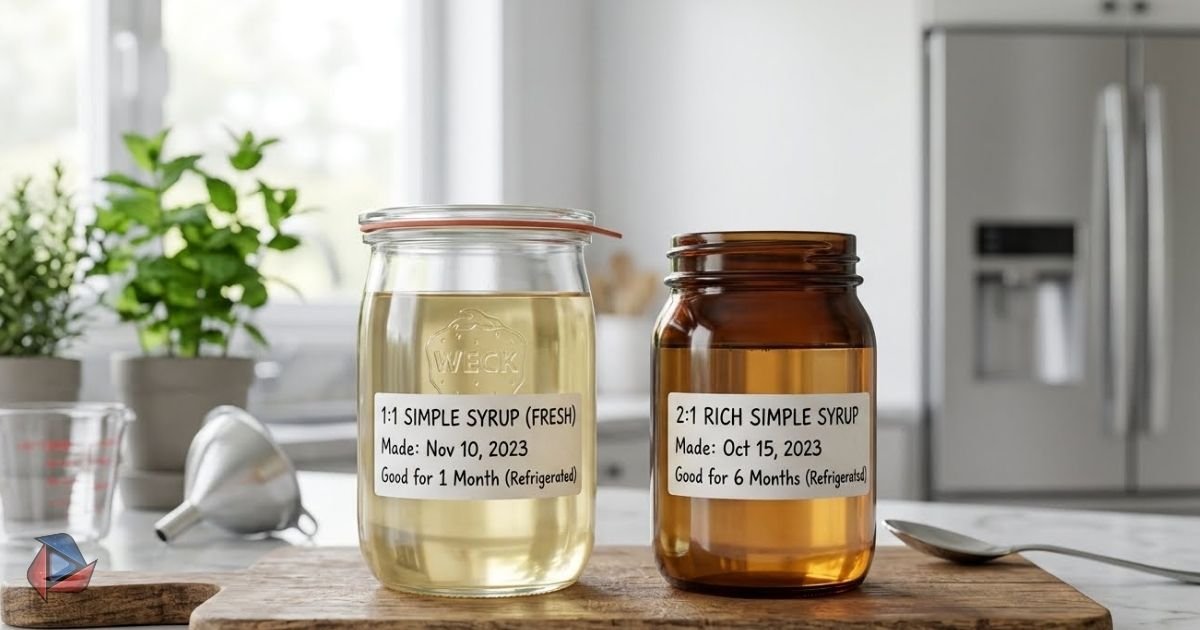
How long does simple syrup last? The answer depends on sugar ratio, storage method, contamination, and ingredients used. A standard 1:1 simple syrup typically lasts about a month in the fridge, while a 2:1 rich syrup can last up to six months due to higher Brix levels and reduced microbial growth. Understanding free water, spoilage signs, and proper storage techniques ensures your syrup stays fresh, safe, and perfectly sweet for cocktails, coffee, and baking.
What Is Simple Syrup and Why Shelf Life Matters
Simple syrup is one of the most essential liquid sweeteners in both home kitchens and professional bars. Made by dissolving sugar into water, it creates a smooth, instantly mixable sweetener that blends seamlessly into cold beverages where granulated sugar would otherwise remain gritty.
Understanding how long does simple syrup last is critical because this seemingly simple mixture is surprisingly sensitive to environmental factors. Unlike dry sugar, which can last indefinitely, simple syrup introduces water into the equation, making it vulnerable to mold, bacteria, and fermentation. The moment sugar dissolves, it transforms into a biological environment that must be managed carefully.
The shelf life of simple syrup is not fixed. Instead, it changes depending on sugar concentration, storage conditions, and exposure to contaminants. This makes it essential to understand the science behind its longevity rather than relying on rough estimates.
Standard Shelf Life of Simple Syrup
When people ask how long does simple syrup last, they are usually referring to the standard 1:1 ratio. This is the most common version used in cocktails, coffee, and baking.
A 1:1 simple syrup, which contains equal parts sugar and water, typically lasts about 3 to 4 weeks in the refrigerator when stored properly in an airtight container. At room temperature, however, its shelf life drops dramatically to around one week, as microbial activity accelerates in warmer environments.
In contrast, a 2:1 rich simple syrup can last significantly longer. Because it contains more sugar, it reaches a higher Brix level, which reduces the amount of free water available for microbes. This allows it to last up to six months in the refrigerator under optimal conditions.
These timelines are not guarantees but averages. The actual lifespan depends heavily on how the syrup is prepared, stored, and handled after opening.
The Science Behind Shelf Life and Brix Levels
To fully understand how long does simple syrup last, you need to look at the concept of Brix, which measures the percentage of sugar in a solution. A standard 1:1 syrup sits around 50° Brix, while a 2:1 syrup reaches approximately 66.7° Brix.
This difference is crucial because sugar acts as a natural preservative through osmotic pressure. At higher concentrations, sugar binds water molecules, leaving less “free water” available for microbial growth. Microorganisms like mold and bacteria require this free water to survive and reproduce.
Food science identifies a threshold around 65° Brix, where solutions begin to become self-preserving. This explains why rich simple syrup lasts much longer than standard syrup. The higher sugar concentration effectively starves microbes, slowing spoilage significantly.
In simpler terms, the more sugar present, the less room there is for bacteria and mold to thrive.
Why 1:1 Syrup Spoils Faster Than 2:1 Syrup
The reason a standard syrup has a shorter lifespan comes down to water availability. In a 1:1 mixture, there is a substantial amount of unbound water, creating an ideal environment for microbial growth.
This is often referred to as the free water problem. Even though the syrup tastes sweet, microbes are not feeding on the sugar directly. Instead, they rely on the water that remains unbound by sugar molecules.
A 2:1 syrup significantly reduces this free water. With more sugar molecules binding the available water, microbes struggle to survive. This is why rich syrup is commonly used in professional settings where longer shelf life is required.
However, even rich syrup is not completely immune to spoilage. Contamination and improper storage can still introduce bacteria and yeast into the solution.
How Storage Conditions Affect Longevity
Storage plays a massive role in determining how long does simple syrup last. Even a perfectly prepared syrup can spoil quickly if stored incorrectly.
Temperature is one of the most important factors. Refrigeration slows down microbial growth, which is why syrup lasts significantly longer in the fridge than at room temperature. Keeping the syrup consistently cold reduces the risk of fermentation and mold formation.
The type of container also matters. Glass containers are generally superior to plastic because they are non-porous and less likely to harbor bacteria. Plastic containers can develop microscopic scratches and pores that trap contaminants over time.
Another overlooked factor is headspace, or the air gap inside the container. A nearly empty bottle contains more oxygen and airborne spores, which can accelerate spoilage. Keeping syrup in a container that is as full as possible helps extend its life.
Proper sealing is equally important. An airtight container prevents new microbes from entering and slows down oxidation.
Signs That Simple Syrup Has Gone Bad
Knowing how long does simple syrup last is only part of the equation. Recognizing when it has gone bad is just as important for safety.
One of the first signs is cloudiness. Fresh syrup should be crystal clear. A cloudy appearance often indicates bacterial growth spreading throughout the liquid.
Another major indicator is mold, which may appear as dark spots, white fuzz, or floating particles. Any visible mold means the syrup should be discarded immediately.
A more subtle but serious sign is the development of a ropey or slimy texture. This is often caused by bacterial contamination, particularly from organisms that produce thick, stringy compounds.
You may also notice a sour or fermented smell, which suggests that wild yeast has begun converting the sugar into alcohol and gas. In some cases, opening the bottle may release a slight hiss, indicating fermentation.
When any of these signs appear, the syrup is no longer safe to use.
The Impact of Ingredients on Shelf Life
Not all simple syrups are created equal. The ingredients used can significantly affect how long does simple syrup last.
Syrups made with white refined sugar tend to last the longest because they contain fewer impurities. In contrast, syrups made with brown sugar or demerara sugar spoil faster due to the presence of molasses and minerals that provide nutrients for microbes.
Honey syrup presents an interesting case. While raw honey can last indefinitely on its own, diluting it with water breaks its natural defenses. As a result, honey syrup can spoil faster than standard sugar syrup.
Syrups infused with fresh fruits, herbs, or juices have the shortest shelf life. These ingredients introduce enzymes, organic matter, and microbial spores, accelerating spoilage dramatically.
On the other hand, syrups made with dried spices may last slightly longer due to their natural antimicrobial properties.
Does Adding Alcohol Make Syrup Last Longer
A common belief is that adding a splash of alcohol can extend the life of simple syrup. While this idea has some basis in science, it is often misunderstood.
For alcohol to effectively preserve a liquid at room temperature, it must reach an alcohol by volume (ABV) of around 20 to 30 percent. A small amount of vodka added to syrup does not come close to this threshold.
In fact, mixing alcohol into the syrup can dilute the sugar concentration, potentially increasing the amount of free water and making the syrup more vulnerable to spoilage.
Some professionals use a different approach known as the floating barrier technique, where a thin layer of high-proof alcohol is placed on top of the syrup rather than mixed in. This creates a protective layer that helps block airborne contamination.
However, for most home users, proper refrigeration and sterilization are far more effective than relying on alcohol.
Best Practices to Extend Shelf Life
If you want to maximize how long your syrup lasts, following a few best practices can make a significant difference.
Start by using clean, sterilized containers. Pouring boiling water into your storage jar before use helps eliminate existing bacteria.
Store the syrup in the refrigerator immediately after preparation and keep it sealed tightly. Avoid leaving it at room temperature for extended periods.
Use glass bottles whenever possible, as they are less prone to contamination than plastic.
Minimize exposure by pouring carefully and avoiding direct contact with utensils or fingers. Every time the bottle is opened, there is a chance of introducing new microbes.
Finally, consider making smaller batches more frequently. This reduces waste and ensures that your syrup is always fresh when used.
Can You Freeze Simple Syrup for Longer Storage
If you are wondering how long does simple syrup last beyond refrigeration limits, freezing is one of the most effective solutions. Unlike water, simple syrup does not freeze into a solid block because sugar lowers the freezing point. Instead, it becomes a thick, viscous gel-like substance that remains scoopable and easy to use.
This unique property makes freezing highly practical. You do not need to thaw the syrup completely before using it. A spoonful can be taken directly from the container and mixed into beverages or recipes without waiting.
When stored in a freezer-safe container, simple syrup can last up to three months or even longer without significant quality loss. However, it is still important to use airtight packaging to prevent absorption of odors from other foods. Freezing does not kill all microorganisms, but it slows their activity to near zero, preserving the syrup effectively.
Cold Process vs Boiled Syrup Shelf Life
Many people assume that boiling is necessary to make simple syrup, but this is not entirely true. The cold-process method, where sugar and water are shaken together until dissolved, can produce syrup with a similar shelf life under the right conditions.
The key factor here is not heat but sanitation. Boiling helps kill bacteria and microbes during preparation, but if a cold-process syrup is made in a properly sterilized container, it can last just as long as a boiled version.
However, boiling introduces another variable. As water evaporates during heating, the syrup’s ratio can unintentionally shift. A mixture intended to be 1:1 may become more concentrated, slightly increasing its shelf life while also altering its sweetness and thickness.
Both methods can be effective, but cleanliness and storage conditions ultimately determine how long does simple syrup last, not the preparation technique alone.
How Infusions and Flavorings Change Shelf Life
Flavored syrups are popular in cocktails, coffee, and desserts, but they significantly impact how long does simple syrup last. Adding ingredients like fresh herbs, fruits, or juices introduces new biological elements into the mixture.
Fresh ingredients contain enzymes, natural sugars, and microorganisms that accelerate spoilage. A syrup infused with mint, basil, or berries may only last one to two weeks, even when refrigerated.
These additions also create nucleation sites, tiny particles where mold spores can attach and grow more easily. This makes flavored syrups much more vulnerable than plain sugar solutions.
On the other hand, using dried spices such as cinnamon sticks or cloves can slightly extend shelf life. These ingredients contain natural compounds with mild antimicrobial properties, which can slow down microbial growth.
For best results, strained and filtered syrups tend to last longer than those with visible particles left inside.
The Role of Containers: Glass vs Plastic
Container choice is often overlooked, yet it plays a critical role in determining how long does simple syrup last. The difference between glass and plastic can be more significant than many people realize.
Glass containers are non-porous and do not retain odors or microscopic residues. This makes them ideal for repeated use, as they are easier to clean thoroughly and less likely to harbor bacteria.
Plastic containers, even food-grade ones, can develop tiny scratches and pores over time. These imperfections can trap microorganisms from previous batches, increasing the risk of contamination in future uses.
Additionally, glass provides better protection against chemical interactions and does not absorb flavors, which is especially important for flavored syrups. For long-term storage and maximum shelf life, glass is the preferred option.
Professional Techniques That Extend Shelf Life
Professional bartenders and food experts use advanced methods to extend the lifespan of simple syrup beyond typical home practices. One of the most effective techniques is thermal shock bottling, also known as the hot-fill method.
In this process, freshly boiled syrup is poured directly into a sterilized, heat-resistant glass container and sealed immediately. As the liquid cools, it creates a slight vacuum inside the bottle, reducing exposure to air and airborne contaminants.
Another technique involves controlling pH levels using small amounts of acid, such as citric acid, to create an environment less favorable for microbial growth. Commercial producers often combine this with preservatives like potassium sorbate to achieve longer shelf stability.
These methods highlight an important principle: controlling contamination at the start is often more effective than trying to fix problems later.
The Truth About Crystallization and Stability
While spoilage is a major concern, crystallization is another issue that affects syrup quality. This occurs when sugar begins to separate from the solution and form solid crystals, especially in 2:1 rich syrups.
Crystallization does not necessarily mean the syrup has gone bad, but it can affect texture and usability. One way to prevent this is through acid-induced inversion, where sucrose breaks down into glucose and fructose.
This process creates invert sugar, which is more stable and less likely to crystallize over time. It also slightly increases sweetness, which may change the flavor profile of the syrup.
Temperature also plays a role. As syrup cools, it becomes thicker and more viscous. In colder environments, it may appear almost syrupy like heavy oil, but this is a physical change rather than spoilage.
Simple Syrup Shelf Life Comparison by Type
Understanding how long does simple syrup last becomes easier when comparing different types side by side.
A standard 1:1 white sugar syrup lasts about one month in the refrigerator, while a 2:1 rich syrup can last up to six months due to its higher sugar concentration.
Syrups made with brown sugar or demerara sugar typically last two to three weeks, as their impurities encourage microbial growth.
Fresh herb or fruit-infused syrups have the shortest lifespan, often limited to one to two weeks because of their organic content.
In contrast, dried spice-infused syrups can last slightly longer, around three to four weeks, due to their lower moisture content and natural antimicrobial properties.
Frozen syrup, regardless of type, can last up to three months, making it the best option for long-term storage.
Common Mistakes That Reduce Shelf Life
Many people unintentionally shorten the life of their syrup by making small but impactful mistakes. These errors can drastically affect how long does simple syrup last.
One common mistake is storing syrup in unsterilized containers. Even a clean-looking jar can contain invisible bacteria that quickly multiply once introduced to the sugar solution.
Another issue is leaving syrup at room temperature for extended periods. Warm environments accelerate microbial activity and increase the risk of fermentation.
Using contaminated utensils, such as dipping spoons directly into the container, introduces new microbes each time the syrup is accessed. This repeated exposure can significantly reduce shelf life.
Improper sealing and excessive headspace also contribute to faster spoilage. The more air inside the container, the greater the chance of contamination.
Avoiding these mistakes can make a noticeable difference in how long your syrup remains fresh and usable.
Nutritional and Practical Considerations
While discussing how long does simple syrup last, it is also worth considering its nutritional and practical aspects. Simple syrup is essentially a concentrated sugar solution, providing quick energy but no nutritional value.
Each tablespoon contains roughly 30 to 40 calories, making it a high-calorie addition to beverages and recipes. Frequent use can contribute to increased sugar intake, which may not align with all dietary goals.
Despite this, its convenience and versatility make it a staple in many kitchens. It ensures consistent sweetness, improves texture, and enhances the overall drinking or dining experience.
For those seeking alternatives, options like agave nectar, maple syrup, or sugar-free substitutes can be used, though each comes with its own storage and stability considerations.
READ ALSO: Rehydration Clause: Rules, Risks, and Boxing Controversy
Final Verdict
So, how long does simple syrup last? The answer depends on several interconnected factors, but clear guidelines can be drawn.
A standard 1:1 simple syrup lasts about one month in the refrigerator, while a 2:1 rich syrup can last up to six months due to its higher sugar concentration and reduced free water.
Flavored syrups, especially those made with fresh ingredients, have much shorter lifespans, often limited to one to two weeks. Freezing can extend shelf life to around three months, making it a reliable long-term option.
Ultimately, the key to longevity lies in proper storage, high sugar concentration, sterilization, and minimizing contamination. By understanding the science behind syrup stability, you can ensure that your simple syrup stays fresh, safe, and ready to use whenever you need it.


Staying in Mayfair puts you within walking distance of two royal parks, some of the best art galleries in London, and streets that have barely changed in character for two hundred years. Hyde Park and Green Park sit on its western and southern edges, Bond Street and Savile Row run through the middle, and quiet garden squares tucked behind the main roads give you somewhere to slow down between all of it.
A stay based in mayfair luxury apartments means most of what’s covered below is reachable on foot, which changes how you plan a day here compared to staying further out and relying on the Underground.
Near Mayfair, you can walk to Hyde Park, Green Park, Bond Street shopping, the Royal Academy of Arts, and Shepherd Market within fifteen minutes. Most attractions, galleries, and restaurants sit within a compact, walkable grid, so a Mayfair base works well for both daytime sightseeing and evening dining without needing transport.
Start With the Parks on Either Side
Hyde Park runs along Mayfair’s western edge, past Park Lane, and covers roughly 350 acres, enough space for a proper walk, a boat trip on the Serpentine, or just somewhere quiet to sit away from traffic. The Diana, Princess of Wales Memorial Fountain sits inside the park and draws a steady stream of visitors most mornings.
Green Park lies to the south, between Mayfair and Buckingham Palace, and offers a quieter, more open stretch of grass without the crowds Hyde Park sometimes pulls in. It’s a genuinely good spot for a slow morning walk before the rest of the day gets busy.
If you’re still weighing up where exactly to base yourself before booking, Luxury London Listings has a range of Mayfair properties listed with walking distances to the main landmarks, which makes it easier to judge how central a specific address actually is.
Shopping and Galleries Within Walking Distance
1.Bond Street and the Boutiques
Bond Street runs straight through the middle of Mayfair and remains one of the most recognised shopping streets in the world, lined with flagship stores and jewellers. Nearby Burlington Arcade, a covered Regency-era shopping walkway, is worth ducking into even if you’re not buying anything.
2. Savile Row and Cork Street
Savile Row is still home to some of the best known tailors in the world, and a walk down it gives you a proper sense of Mayfair’s history with craftsmanship. Cork Street, just around the corner, is lined with contemporary art galleries that are free to walk into.
3. The Royal Academy of Arts
Founded in 1768, the Royal Academy sits right on Piccadilly at the southern edge of Mayfair and runs major exhibitions throughout the year alongside its permanent collection, making it an easy stop between shopping and lunch.
Quiet Corners Worth Seeking Out
Mayfair rewards anyone willing to step off the main streets, and some of its best spots barely register on a typical tourist map.
• Shepherd Market, a small village-like cluster of pubs and cafes tucked south of Piccadilly
• Mount Street Gardens, a peaceful, less crowded green space behind the main shopping streets
• Grosvenor Square, a large historic square with mature trees and open lawns
• Brown Hart Gardens, an elevated garden terrace above street level near Duke Street
Where to Stay Based on What You’re Planning
Anyone booking luxury apartments in Mayfair for a shopping-focused trip should look toward the Bond Street or South Molton Street end of the neighbourhood, keeping the main stores within a five-minute walk. Those more interested in galleries and quiet evenings tend to prefer the Mount Street or Berkeley Square side instead.
Guests searching for luxury Mayfair rentals ahead of a longer stay often prioritise proximity to Green Park, since it gives easy access to both the shopping streets and a short walk down to St James’s and Buckingham Palace beyond.
Mayfair Neighbourhood Snapshot
| Area | Best For | Nearby Landmark |
| Bond Street | Shopping and boutiques | Burlington Arcade |
| Mount Street | Fine dining, quiet streets | Mount Street Gardens |
| Shepherd Market | Pubs and evening atmosphere | Green Park |
| Park Lane edge | Park access, morning walks | Hyde Park |
Practical Tips for a Mayfair-Based Stay
Most of what’s listed here sits within a fifteen-minute walk of a typical Mayfair address, so comfortable shoes matter more than transport planning. Booking Mayfair serviced apartments with a proper kitchen also makes it easy to skip a restaurant some evenings and pick up food from one of the smaller local shops instead, which is a nice change of pace after a few days of dining out.
Anyone looking specifically at Mayfair apartments for rent for a short trip should check walking distance to Bond Street station or Green Park station, since both give quick access to the rest of London when you do want to venture further afield.
Common Mistakes to Avoid
Trying to cram Mayfair, Soho, and Covent Garden into one day on foot is a common one. They’re close on a map, but a relaxed pace matters more here than rushing between postcodes. Skipping the smaller garden squares in favour of only the big-name streets is another, since some of the best quiet moments in Mayfair happen away from the main shopping stretch entirely.
Frequently Asked Questions
1. Is Mayfair a good base for a first trip to London?
Yes. Its central position means Hyde Park, Green Park, and major shopping streets are all within walking distance, cutting down on transport time.
2. What’s within walking distance of Mayfair luxury apartments?
Hyde Park, Green Park, Bond Street, the Royal Academy of Arts, and Shepherd Market are all reachable within a ten to fifteen minute walk.
3. Are there quiet spots in Mayfair away from the shopping crowds?
Yes. Mount Street Gardens, Grosvenor Square, and Shepherd Market all offer a slower pace just off the main streets.
4. Is Mayfair walkable, or do I need to use the Underground?
Mayfair is highly walkable. Most attractions sit close together, though Bond Street and Green Park stations are handy for trips further out.
5. What’s the best time of day to visit Hyde Park from Mayfair?
Early morning tends to be quietest, before the paths fill up with joggers, tourists, and office workers on their lunch break.
6. Are Mayfair short term rentals suitable for a week-long stay?
Yes. Most are set up with full kitchens and flexible booking terms, making them practical for stays ranging from a few days to several weeks.
Final Thoughts
Mayfair works best when you let the neighbourhood set the pace rather than trying to see everything in one packed day. Parks on either side, galleries in the middle, and quiet garden squares tucked behind the main streets give you a good mix without ever needing to travel far.
Luxury London Listings has helped plenty of guests find a Mayfair base that actually suits how they want to spend their stay, whether that’s shopping-focused, gallery-heavy, or built around slow mornings in the park.

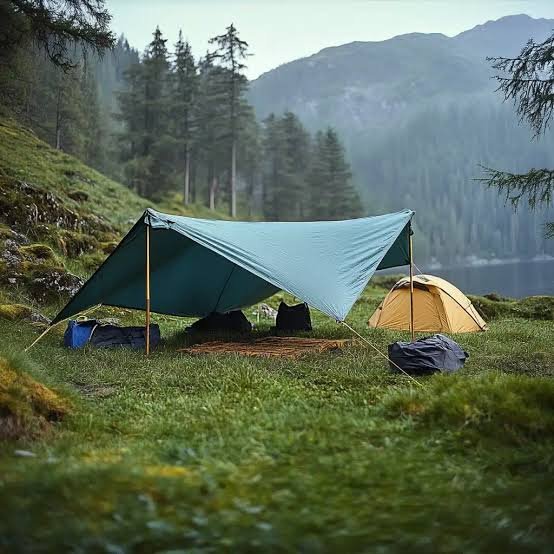
Camping is this chance to roam a bit, breathe fresher air, and park the daily grind somewhere else for awhile. But outdoors is way more enjoyable when you’ve got real shade. Also, a bit of extra cover if that “quick” rain decides to show up. A camping shade tarp helps you shape up a sheltered pocket, wherever your weekend ends up, up in the mountains, near a lake, or doing that same old forest-woods thing, the right tarp can shift the whole vibe, for real.
Why a camping shade tarp is worth the space in your bag
A camping shade tarp gives you flexible coverage when the weather can’t decide what it’s doing. In bright hours it blocks a lot of sun, and if light rain comes around, it adds that second layer you’ll end up liking later. Plus, compared with bulky shelter stuff, most tarps weigh less, fold smaller, and go up fast, which matters if you like moving around without it becoming some huge ordeal.
Shade and protection for your camping equipment. Easy to assemble to provide a cooking area or a relaxing environment for you, your family and friends. This product can be used on a variety of activities including hiking, picnics and fishing.
Materials that don’t fall apart after a few outings
When you’re choosing a tarp, the fabric really matters. Polyester and nylon tarps are popular for a reason they’re light to tote, and they usually play nice with different camping setups. Some tarps also come with waterproof coatings, so moisture has a harder time getting through the weave.
Then there’s durability, and no, it’s not just marketing talk. The corners are reinforced, strong attachment points and tear proof so they will hold up when used outside. The tarp will feel more secure if it is suited to the weather conditions you are likely to face.
Easy to Setup
You should look for a camping canopy that can be easily set up. You can look for ones with lots of eyelets, strong grommets and adjustable ropes to make it easier to secure in between trees or poles. If you’re only looking to cover one person, then a smaller canopy may be sufficient. If you’re trying to cover more than one person, then a larger canopy may be better to give more coverage. You can look at how many people will be using the shaded area and the general size of your campsite.
Quick things to check before you purchase
When you’re comparing camping shade tarps, keep an eye on stuff like:
- Weather resistance: water resistant, or waterproof options are usually the smarter call
- Size and coverage: choose dimensions that match what you need
- Portability: lighter builds are great for backpacking and quick getaways
- Build quality: strong seams and reinforced attachment points support longer use
- Ease of installation: cleaner attachment systems lower setup and takedown hassle
Taking care of your tarp will help increase the lifespan. Ensure you clean and dry.
Buying shade tarps for camping
Shade tarps for camping buy from China can be a great choice for retailers, wholesalers & outdoors enthusiasts. You’ll be able to choose from a selection of different styles and materials. You can view all your product information, personalisation options & supplier pricing to make sure it suits your customers. Before ordering ensure you request samples, quality assurance & shipping to make the ordering process relaxed.
Conclusion
Overall camping shade tarps are a great addition to your equipment to make any outdoor adventure more reliable. They’re easy to carry, versatile & will help with the weather. Go with durable material, get the right coverage size, and choose a design that’s easy to manage, then you can build a cozy sheltered zone in different environments. With the right tarp you’ll get more convenience, better support for important equipment, and a nature trip that feels calmer, cleaner, and way more memorable.


A condo viewing is more useful when it goes beyond whether the rooms look appealing. In Malaysia, heat, heavy rain, shared facilities and ongoing building costs can all affect daily life. Prepare a short list of questions before you go, then give yourself time to observe as well as listen. An agent or seller may not have every answer on the spot, so note what needs written confirmation. The aim is not to find a flawless home; it is to understand what you would be committing to.
Does the unit work for your everyday routine?
Walk through the home as though you already live there. Where would you leave shoes, dry laundry, store cleaning supplies and place a work desk? Check whether doors open fully without blocking furniture or walkways. Ask what is included in the sale or tenancy, particularly appliances, fittings and built-in cabinets. If the unit is occupied, distinguish the space itself from the current resident’s furniture and styling.
Notice daylight, airflow and noise with windows both open and closed. A pleasant view may matter less if nearby activity disturbs your usual sleeping hours. Ask which direction the main windows face, but judge the comfort of the rooms for yourself. If possible, visit at a different time of day before deciding. A single viewing offers only a brief snapshot of how the unit feels.
What condition is the unit really in?
Look beyond fresh paint. Scan ceilings, walls and areas around windows for stains, bubbling or musty smells. Test switches, taps and water pressure where permission is given, and ask whether any leaks or electrical problems have been reported. In a climate where intense rain is familiar, it is reasonable to ask how the unit has performed during downpours. Do not treat a dry wall on viewing day as proof that problems cannot occur.
Ask when major items such as air conditioners and water heaters were last serviced, and who would be responsible for repairs under the proposed arrangement. For a purchase, consider an independent inspection if you need help assessing condition. For a rental, agree on the condition of existing items before signing and keep a written record. Clear questions now can prevent disagreements about what was already worn or damaged.
How do the shared spaces function?
The journey from the entrance to the unit is part of the viewing. Observe lift waiting times, corridor lighting, cleanliness and the condition of stairwells. Ask how visitors and deliveries enter, where rubbish is disposed of, and whether there is a practical route for moving bulky items. If you rely on a car, confirm the parking arrangement rather than assuming that an available bay belongs to the unit.
Ask which facilities residents can use and whether there are booking procedures or additional charges. Notice whether shared areas seem maintained, but avoid drawing firm conclusions from one visit: a temporary repair or busy hour can change the impression. It may help to return at a time when you would normally arrive home. The question is whether the building supports your routine, not simply whether its photographs look inviting.
What will the monthly commitment include?
The advertised price is only one part of affordability. For a purchase, ask for the current maintenance charges, sinking fund contributions and any other regular payments associated with the unit. Find out whether outstanding amounts need to be settled and request relevant documents for review. Charges can change, so build room into your budget rather than treating today’s figure as permanent. A qualified adviser can help with financing questions specific to your circumstances.
What would your first month at 9 Bukit Utama cost, rather than just the advertised rent? Set out the deposit and any agreed move-in payments separately from recurring expenses. Ask what the rent covers and who pays for utilities, internet, parking and access cards. Confirm payment dates and the conditions affecting the deposit’s return in the written agreement. Bring this breakdown to the viewing so the person handling the tenancy can resolve the missing figures before you decide whether the rental fits your budget.
Which documents and arrangements need checking?
Before moving forward with a purchase, ask who owns the unit, what documents are available and whether there are restrictions or obligations that could affect your plans. The answers may depend on the property and transaction, so have a conveyancing lawyer review matters you do not understand. Ask for written clarification of anything described verbally as included, from parking to fixtures. A viewing is the place to identify questions, not to substitute for due diligence.
For either buying or renting, ask about building guidelines that matter to your household, such as renovation work, pets or use of shared spaces. Do not assume one condo follows the same practices as another. If you expect to work from home or have frequent visitors, explain your needs and check the relevant arrangements. Request the current written guidelines where available, rather than relying solely on an informal summary.
What should you do after the viewing?
Immediately afterwards, write down what you observed and separate it from what you were told. Photograph details only with permission, and keep a list of unanswered questions for follow-up. Compare homes using the same categories: unit condition, everyday convenience, shared spaces, total costs and documents. This makes it easier to avoid favouring the most recently viewed unit merely because its presentation is fresh in your mind.
Finally, ask yourself which concerns can be resolved with evidence and which reflect a genuine mismatch with your needs. A repair promise should be documented; a commute or layout you dislike is unlikely to improve through negotiation. Take time to review the answers, revisit if necessary and seek professional advice where appropriate. A good viewing does not have to produce an immediate decision. It should leave you better equipped to make one.

Things to Do Near Mayfair Luxury Apartments During a London Stay

More Login Website Access Control: URL Allowlist and Blocklist Rules for Teams

Portable Protection: Discover the Best Shade Tarps for Camping

Who Is Shameera? All You Need To Know About Charli XCX’s Mother

Who Is Gulliver Flynn Oldman? The Untold Story of Sir Gary Oldman’s Son

Meet Rosemary Turner: The Mother of Actor Callum Turner
-
Biographies8 months ago
Who Is Shameera? All You Need To Know About Charli XCX’s Mother
-
Biographies8 months ago
Who Is Gulliver Flynn Oldman? The Untold Story of Sir Gary Oldman’s Son
-
Biographies9 months ago
Meet Rosemary Turner: The Mother of Actor Callum Turner
-

 Biographies7 months ago
Who is Alexandra James? Inside The Life of Jeremy Clarkson’s Former Partner
-
 Biographies9 months ago
Who is Todd McRae? Meet Tate McRae’s Father
-
 Biographies8 months ago
Who Is Daniel Mara? The Untold Story of Kate Mara’s Private Sibling
-
 Celebrity9 months ago
Who Is Peter Hernandez? The Real Story of Bruno Mars’ Father
-
 Biographies9 months ago
Who Was Adrian Mayers? The Untold Life of A$AP Rocky’s Late Father