
Home Improvement
British Kitchens Are Going Green (Here’s Why)

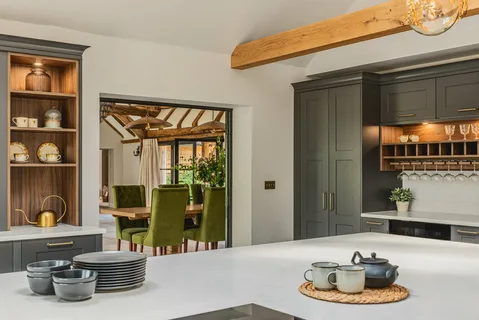
The British kitchen is changing. Not just in style or layout, but in the materials homeowners choose. Across the UK, from London flats to Yorkshire farmhouses, sustainable materials are becoming the default choice.
This isn’t a trend driven by magazines or Instagram. It’s a shift rooted in cost, durability, and values that reflect how modern British households want to live. According to professional kitchen installers working across London and beyond, requests for eco-friendly materials have doubled in the past two years. Homeowners aren’t just asking if a worktop looks good. They’re asking where it comes from, how long it lasts, and what happens when it’s replaced.
Here’s why sustainable kitchen materials are taking over British homes in 2026.
Energy Bills Are Changing How People Think About Kitchens
British homeowners have felt the sting of rising energy costs. That experience has made energy efficiency a priority in every room, and the kitchen is no exception.
Sustainable materials often come with practical energy benefits. Reclaimed wood requires far less energy to process than virgin timber. Recycled glass worktops use significantly less power to produce than mined stone. Locally sourced materials mean fewer miles travelled and lower embedded carbon.
Energy-efficient appliances pair naturally with sustainable kitchen builds. LED lighting, A-rated fridges, and induction hobs all reduce monthly bills. Homeowners are viewing their kitchen renovation as a long-term investment in lower running costs, not just an aesthetic upgrade.
Durability Matters More Than Ever
Sustainable doesn’t mean fragile. Many eco-friendly materials outlast conventional alternatives.
Bamboo is harder than most hardwoods and grows back rapidly. Recycled composite worktops resist scratches and heat better than many natural stones. Cork flooring can last decades with proper care.
British homeowners are tired of replacing cheap materials every few years. Sustainable materials often last longer because they’re built to perform.
Durability also means less waste. A worktop that lasts 20 years instead of 10 keeps materials out of landfills.
Values Are Driving Purchasing Decisions
Modern British households care about where their money goes. The same homeowners who check food labels and reduce plastic use are applying those values to their homes.
Sustainable kitchen materials align with a broader lifestyle shift. Choosing FSC-certified wood, recycled tiles, or low-VOC paints isn’t just about the kitchen. It’s about living consistently with personal beliefs.
This is especially true among younger homeowners. Millennials and Gen Z buyers, now making up a significant portion of the UK housing market, prioritise sustainability in renovation decisions.
Local Sourcing Is Becoming the Norm
British homeowners are increasingly interested in materials sourced within the UK. Locally quarried stone, reclaimed wood from UK buildings, and tiles produced in British factories all reduce the carbon footprint of a kitchen renovation.
Local sourcing also supports British businesses. It keeps money in the local economy and often results in better communication and faster delivery.
Homeowners are asking more questions about supply chains. Where was this worktop cut? How far did these tiles travel? These aren’t niche concerns anymore.
The Resale Argument Is Stronger Than Ever
A kitchen fitted with sustainable materials holds its value better. Buyers in 2026 are looking for energy efficiency, low running costs, and future-proof design. A kitchen built with recycled, durable, and responsibly sourced materials ticks all those boxes.
Estate agents are noticing the difference. Listings that highlight eco-friendly kitchens attract more interest and often achieve higher offers.
This matters for homeowners planning to sell within the next five to ten years. Sustainable materials aren’t just an ethical choice. They’re financially smart.
The Cost Barrier Is Disappearing
Sustainable materials used to come with a premium price tag. That’s changing. As demand grows and production scales up, prices are falling. Recycled glass worktops now compete directly with granite on cost.
Even where sustainable options remain slightly more expensive upfront, the long-term savings balance the equation. Lower energy bills, reduced replacement costs, and higher resale values make the investment worthwhile.
British homeowners are getting smarter about where to spend and where to save. Splurging on a durable, sustainable worktop while choosing reclaimed wood for shelving keeps budgets in check.
What This Means for the Future
The shift towards sustainable kitchen materials isn’t a passing fad. It’s a permanent change in how British homeowners think about their homes.
As more people choose eco-friendly options, the market will continue to respond with more innovations, better availability, and lower costs.
For anyone planning a kitchen renovation in 2026, sustainability isn’t just an option. It’s the standard.


When it comes to creating stylish and functional interiors, homeowners and businesses are increasingly looking for solutions that combine attractive design with lasting quality. OPPEIN has established itself as a recognized name in the home furnishing and interior solutions industry, offering a wide range of products designed to meet the changing needs of modern spaces. From kitchens and wardrobes to whole-house customization, the brand focuses on practical design, contemporary aesthetics, and personalized solutions that can make everyday living more comfortable.
A Growing Focus on Customized Interiors
Interior design is no longer simply about choosing attractive furniture and matching colors. Today, people want their homes to reflect their personality while also making the best use of available space. This has increased demand for customized cabinetry, fitted kitchens, wardrobes, bathroom solutions, and other built-in furniture.
A major advantage of customized interiors is flexibility. Instead of trying to fit standard furniture into a room, homeowners can select designs according to their room dimensions, storage requirements, preferred colors, and lifestyle. This approach can be especially useful in apartments and compact homes where every square foot matters.
OPPEIN’s approach to home furnishing centers around this idea of customization. Different rooms can be planned as part of one coordinated interior concept, allowing materials, finishes, colors, and layouts to work together rather than appearing disconnected.
Designing Kitchens for Everyday Life
The kitchen is one of the most frequently used areas in any home. A beautiful kitchen is appealing, but practical organization is equally important. Storage, movement, lighting, countertop space, and accessibility all influence how comfortable a kitchen feels.
Modern kitchen designs often include tall cabinets, pull-out storage, corner solutions, integrated appliances, and carefully planned work zones. These features can help reduce clutter while keeping commonly used items within easy reach.
Another important consideration is material selection. Kitchen cabinets are exposed to moisture, heat, stains, and frequent handling, so surfaces need to be selected with everyday use in mind. A combination of durable materials and sensible construction can help maintain the appearance of a kitchen for years.
Wardrobes That Combine Storage and Style
Bedrooms require storage solutions that are both attractive and practical. Freestanding wardrobes can sometimes leave unused gaps, while built-in wardrobes can be designed to use the available wall space more effectively.
Contemporary wardrobes can include hanging sections, drawers, shelves, shoe storage, accessories compartments, and specialized areas for different types of clothing. Sliding doors may also be useful in rooms where traditional swinging doors would take up valuable floor space.
The visual appearance matters as well. Neutral finishes can create a calm and understated bedroom, while wood textures, glass panels, or darker tones can introduce a stronger design statement. The ability to coordinate wardrobe finishes with beds, bedside tables, flooring, and wall colors can create a more unified interior.
The Importance of Quality Door Materials
Doors are an important part of any interior because they combine functionality with visual appeal. They provide privacy, separate spaces, and contribute significantly to the overall appearance of a room.
As consumers become more aware of material performance, alternative door materials have gained attention. Among these options, WPC doors have become popular for applications where resistance to moisture, durability, and low maintenance are important considerations.
People researching these products often compare different wpc doors manufacturers to understand the available materials, finishes, construction methods, and customization possibilities. WPC, or wood-plastic composite, combines wood-related characteristics with polymer materials, creating a product that can be suitable for various interior applications.
The right choice depends on the specific project. Buyers should consider factors such as thickness, surface finish, hardware compatibility, moisture resistance, installation requirements, and after-sales support rather than selecting a door solely on appearance.
Bringing Different Spaces Together
One of the interesting developments in contemporary interior design is the move toward whole-home solutions. Instead of designing each room independently, homeowners increasingly want a consistent visual language throughout their property.
For example, a kitchen might use a particular wood texture that is repeated in the living room storage units. Bedroom wardrobes can use complementary colors, while bathroom cabinets can follow a similar design theme. This creates a sense of continuity without requiring every room to look exactly the same.
Whole-home customization can also simplify the planning process. Instead of coordinating multiple furniture suppliers, homeowners can work around a unified design concept. This may make it easier to maintain consistency in dimensions, colors, materials, and finishes.
Technology and Modern Interior Planning
Technology has changed how people approach interior design. Digital visualization tools allow customers to explore layouts and finishes before production begins. This can make it easier to understand how a particular cabinet arrangement, color combination, or storage configuration might look in the finished space.
Technology can also improve manufacturing accuracy. Computer-assisted production and modern machinery allow furniture components to be produced with greater consistency. Precision is particularly important for customized furniture because even small dimensional differences can affect installation.
For customers, the benefit is not simply a more modern manufacturing process. Accurate planning can reduce installation difficulties and help ensure that individual components fit together as intended.
Sustainability and Responsible Choices
Environmental considerations are becoming increasingly important in the furniture industry. Consumers are paying more attention to where materials come from, how products are manufactured, and how long furniture is expected to last.
Durability itself can contribute to more responsible consumption. Furniture that remains functional and attractive for a longer period does not need to be replaced as frequently. At the same time, manufacturers are exploring material and production approaches that can reduce waste and improve resource efficiency.
For homeowners, sustainability does not necessarily mean sacrificing style. Many modern materials and finishes offer attractive appearances while providing the performance required for busy households.
Choosing the Right Interior Solution
Every home has different requirements. A large family may prioritize storage capacity, while a smaller household might focus on open layouts and minimalist designs. Similarly, a homeowner in a humid environment may place greater importance on moisture-resistant materials.
Before beginning an interior project, it is useful to consider the practical needs of each room. Measurements should be checked carefully, storage requirements should be listed, and the preferred design style should be established. Budget is another important factor because material choices, hardware, customization, and installation can all influence the final cost.
Rather than focusing exclusively on appearance, buyers should also ask about construction quality, warranties, maintenance, installation services, and the expected lifespan of the products.
The Future of Home Interiors
The future of interior design is likely to become even more personalized. People want homes that work around their lifestyles rather than forcing their lifestyles to adapt to standard furniture. This means greater demand for modular designs, intelligent storage, flexible layouts, and customized finishes.
At the same time, aesthetics will remain important. Modern homeowners want functional spaces that also feel welcoming and visually distinctive. Brands operating in this sector will therefore need to balance design, technology, material innovation, and customer expectations.
OPPEIN represents this broader shift toward integrated interior solutions. Its emphasis on customized kitchens, wardrobes, furniture, and other home applications reflects the changing way people think about their living spaces. Instead of viewing furniture as individual products, modern interior planning increasingly treats the home as one connected environment.
Ultimately, successful interior design comes down to finding the right balance between appearance, functionality, quality, and personal preference. Whether someone is renovating a single kitchen or planning an entire home, careful material selection and thoughtful space planning can make a significant difference. With customized solutions becoming more accessible, homeowners have more opportunities than ever to create interiors that are practical, comfortable, and genuinely suited to the way they live.
Home Improvement
Wood Paneling and Plywood: Choosing the Right Materials for a Lasting Home Renovation


Home renovation is one of the most significant investments a homeowner can make. Whether you are refreshing a single room or undertaking a full structural overhaul, the materials you select will determine not only the aesthetic outcome but also the long-term durability and value of your property. Among the most critical decisions in any renovation project is choosing the right type of wood-based material — from decorative wall paneling to structural plywood. Understanding the differences, benefits, and limitations of these materials can save you considerable time, money, and frustration down the road.
The Resurgence of Wood Paneling in Modern Interior Design
Wood paneling has experienced a remarkable revival in contemporary interior design. Once associated with dated, dark-paneled studies of the 1970s, today’s wood paneling is sophisticated, versatile, and deeply sought after by designers and homeowners alike. From shiplap and board-and-batten to fluted panels and geometric wall treatments, the range of styles available has never been broader. Designers are using wood paneling to add warmth, texture, and architectural interest to spaces that might otherwise feel flat or uninspired.
According to House Beautiful’s in-depth look at the wood paneling design trend, the material is being embraced across a wide spectrum of interior styles — from rustic farmhouse aesthetics to sleek, minimalist urban apartments. The key to its success lies in how it is applied and finished. Light-toned woods with natural grain patterns can open up a space, while darker stains create intimacy and drama. The trend shows no signs of slowing, making it an excellent investment for homeowners looking to add lasting character to their interiors.
Selecting the Right Wood Species and Finish
Not all wood paneling is created equal. The species of wood, the cut of the grain, and the type of finish applied all play a role in how the final product looks and performs. Oak, pine, walnut, and cedar are among the most popular choices for interior paneling. Oak offers durability and a prominent grain that takes stain beautifully. Pine is more affordable and works well in casual or rustic settings. Walnut brings a rich, luxurious tone ideal for statement walls in living rooms or home offices. Cedar, with its natural aromatic properties and resistance to moisture, is often used in closets and bathrooms.
When selecting a finish, consider the room’s function and the level of maintenance you are willing to commit to. Oil-based finishes penetrate the wood deeply and enhance its natural color, while water-based polyurethane provides a harder, more protective surface. For high-traffic areas, a durable topcoat is essential to prevent scratching and wear over time.
The Critical Role of Plywood in Structural Renovation
While decorative paneling addresses the visual layer of a renovation, plywood forms the backbone of many structural applications — from subfloors and roof sheathing to cabinetry and furniture construction. Plywood’s cross-laminated construction gives it exceptional strength and resistance to warping, making it far superior to solid wood in many structural contexts. However, not all plywood is suitable for every application, and one of the most overlooked considerations is termite resistance.
Termites cause billions of dollars in property damage every year, and standard plywood is highly vulnerable to infestation. If you are renovating in a region with a high termite risk, using untreated plywood in walls, floors, or roofing can lead to catastrophic structural damage within just a few years. This is why understanding why termite-proof plywood is essential for home renovation is a critical step that every homeowner and contractor should take before purchasing materials. Treated or engineered plywood options are now widely available and offer the same structural performance with the added benefit of chemical or physical resistance to termite activity.
Types of Termite-Resistant Plywood and When to Use Them
There are several approaches to termite-resistant plywood available on the market today. Pressure-treated plywood is infused with chemical preservatives under high pressure, making it inhospitable to termites and other wood-boring insects. Marine-grade plywood, while primarily designed for moisture resistance, also offers some degree of pest resistance due to its dense construction and adhesive quality. Additionally, some manufacturers produce plywood from naturally termite-resistant wood species such as teak or redwood, which provide an organic solution without chemical treatment.
The choice between these options depends largely on the specific application, your budget, and local environmental conditions. In areas with extreme termite pressure, a combination of treated plywood and physical barriers — such as stainless steel mesh installed beneath the slab — may be the most prudent approach. Consulting with a licensed pest control professional before beginning any major renovation is always a wise investment.
TarRiver: Quality Materials for Discerning Renovators
When sourcing materials for a renovation project, the supplier you choose matters as much as the products themselves. TarRiver has established itself as a trusted resource for homeowners and contractors seeking quality wood products and renovation materials. With a commitment to craftsmanship and customer satisfaction, TarRiver provides access to a curated selection of materials that meet the demands of both aesthetic and structural renovation goals. Whether you are searching for premium paneling to transform a living space or durable plywood for a structural application, working with a reputable supplier ensures consistency, quality, and expert guidance throughout the process.
Why Supplier Reputation Matters in Renovation Projects
In the renovation industry, the quality of materials can vary dramatically from one supplier to another. Substandard plywood may meet minimum grading requirements on paper while still being prone to delamination, warping, or pest vulnerability in real-world conditions. Similarly, decorative paneling sourced from unreliable suppliers may fade, crack, or fail to match advertised specifications. Working with an established supplier who stands behind their products gives homeowners and contractors the confidence to proceed with large-scale projects knowing that the materials will perform as expected over the long term.
Integrating Aesthetics and Durability in Your Renovation Plan
The most successful renovation projects are those that balance visual impact with structural integrity. It is tempting to focus exclusively on the decorative elements — the paneling style, the paint color, the hardware — while treating structural materials as an afterthought. In reality, the two are deeply interconnected. A beautifully paneled wall installed over compromised or pest-damaged framing will not hold up, no matter how carefully the surface has been finished. Conversely, a structurally sound renovation that neglects design considerations may fail to add meaningful value to the property.
The most effective approach is to plan both layers simultaneously. Begin with a thorough assessment of the existing structure, address any issues with moisture, pests, or deterioration, and then select your finish materials with both aesthetics and performance in mind. Engage professionals where necessary — structural engineers, pest control specialists, and experienced contractors — and source your materials from suppliers who can provide documentation of quality and compliance with relevant standards.
Conclusion: Building a Home That Lasts
A well-executed home renovation is one of the most rewarding projects a homeowner can undertake. By understanding the role of both decorative and structural wood materials, selecting termite-resistant plywood where appropriate, and embracing the enduring appeal of quality wood paneling, you can create a home that is as beautiful as it is resilient. Take the time to research your materials, choose reputable suppliers, and approach each phase of the project with the same level of care and attention. The result will be a living space that stands the test of time — in both style and structure.
Home Improvement
Architects in London: What HMO Meaning and Licensing Rules Mean for Your Conversion
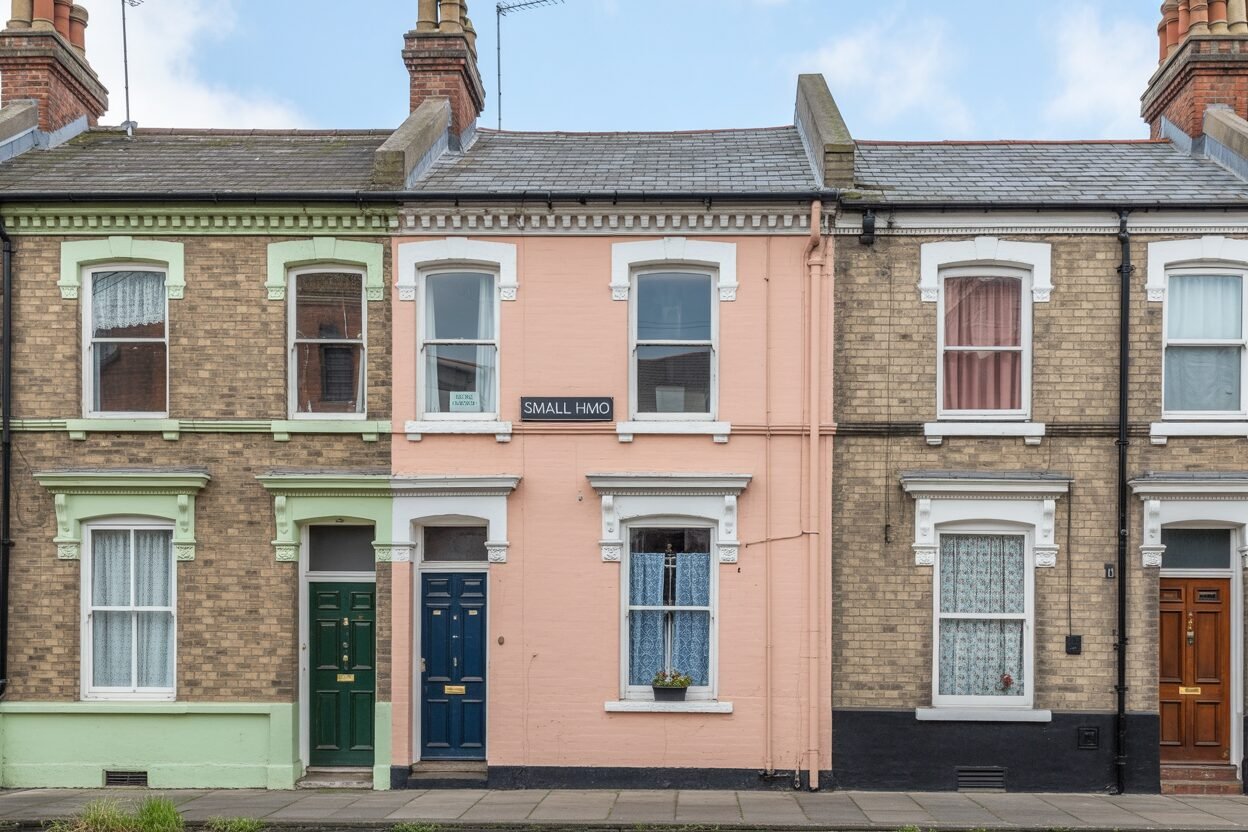
A single wrong assumption about HMO rules can turn a profitable conversion into a stalled project with a council enforcement notice attached. Most of that risk comes down to myths people repeat as fact, often because they read about someone else’s project in a different borough and assumed the same rules applied to theirs.
Working with architects in London who deal with HMO conversions regularly means seeing the same misconceptions come up project after project. Separating what’s actually true from what just sounds true is where most of the risk gets removed before it costs anyone money.
What Does HMO Actually Mean?
A House in Multiple Occupation is a property shared by three or more tenants. If you’re new to the hmo meaning and licensing side of things, it helps to start with the basics before getting into rules. These tenants are not part of the same household, and they share facilities such as a kitchen or bathroom.
Renting rooms to friends who moved in together doesn’t automatically make a property an HMO. It’s the unrelated-household element combined with shared facilities that defines it, not simply having multiple tenants under one roof.
Myth: Permitted Development Always Covers HMO Conversions
This is the most expensive myth in London specifically. Permitted development rights can, in principle, allow a change of use from a single dwelling to a small HMO without a full planning application.
Reality: Article 4 Directions have become common across most London boroughs, and they specifically remove or restrict that right for HMO conversions. Where a borough has one in place, planning permission is required regardless of what permitted development would normally allow. Assuming your project is exempt because a similar one nearby went ahead without permission is a common and costly mistake, since that project may have completed before the Article 4 Direction came into force locally.
Myth: Any HMO Needs the Same License
People often treat HMO licensing as one uniform requirement, which isn’t accurate.
Reality: Mandatory licensing applies when three specific conditions are all met together, the property is occupied by five or more people forming two or more households, the building is at least three storeys, and tenants share some amenities such as a kitchen or bathroom. If any one of those three isn’t met, mandatory licensing doesn’t apply automatically, though some councils run additional local licensing schemes that catch smaller HMOs too. Checking your specific council’s scheme before assuming either way saves a wasted application or an unlicensed property.
What Happens If You Get Licensing Wrong?
Operating an HMO that should be licensed but isn’t is a criminal offence, not just an administrative slip. Landlords can face significant fines, and in some cases prosecution, on top of having to sort the licensing retroactively while a property sits unrentable.
That risk is exactly why checking licensing status before exchange, not after completion, matters more with HMOs than with almost any other property type.
Myth: Fire Safety Just Means Smoke Alarms
Fire safety compliance gets treated as a checkbox item by a lot of first-time HMO landlords, assuming standard domestic alarms are enough.
Reality: Larger HMOs, particularly the central London townhouse layouts with small gardens that are common across the capital, usually need a wired fire alarm system rather than a wireless one, along with fire doors, fire-resistant furniture, and fire extinguishers or blankets at every level. Kitchen extraction has its own requirement too, needing to extract externally at a specific velocity, since filter or recirculation-only systems don’t meet the standard. These details are easy to miss on paper and expensive to fix once building work is underway, which is exactly where getting an architect involved early earns its cost back.
Do You Need Planning Permission, A License, Or Both?
These are two separate approval processes, and people frequently confuse having one for covering the other.
Planning permission relates to the change of use itself, whether the property can legally operate as an HMO under your council’s rules. Licensing relates to ongoing standards once it is operating, covering safety, management, and amenity provision. A property can have full planning permission and still be operating illegally if it should be licensed and isn’t, and the reverse is also true. Both need checking independently for any conversion.
Quick answer: An HMO is a property shared by three or more unrelated tenants with shared facilities. Whether you need planning permission depends on your borough’s Article 4 status, and whether you need a license depends on occupant numbers, storeys, and shared amenities, checked separately against your specific council.
Why Location Inside London Changes Everything
The same HMO conversion can be straightforward in one borough and require a full planning application two streets over, purely because of local Article 4 coverage. This is one of the reasons distance from an architect’s office matters less than their track record with your specific council.
An architect who has taken HMO applications through your borough before will know which conditions planning officers push back on locally, what evidence they expect on fire strategy, and how long the process realistically takes there. That local pattern recognition, more than general HMO knowledge, is often what separates a smooth application from one that gets delayed over avoidable issues.
Should You Convert To An HMO At All?
HMOs generally produce higher rental yields than letting a property as a single unit, since multiple tenants contribute to the total income rather than one household paying a single rent. That’s a large part of why the model has grown across London, alongside genuine demand for more affordable shared accommodation as overall housing costs have risen.
The trade-off is added management responsibility and stricter compliance obligations, which is worth weighing against the yield uplift before committing to a conversion rather than a standard letting.
The One Thing Worth Checking First
Before instructing anyone or making an offer on a property with HMO potential, check whether your target borough currently has an Article 4 Direction covering HMO conversions, and if so, when it came into force relative to the property’s history. This single check, done in the first conversation rather than after an offer’s accepted, resolves most of the planning permission question before any fees are spent, and it’s a step landlords researching independently often skip entirely.
Getting the meaning right, the licensing criteria right, and the local planning status right are three separate checks. Skipping any one of them is usually where HMO projects run into trouble that proper groundwork would have caught early.

From Sketch to Sign-Off: A Step-by-Step UX Prototyping Framework Used by Leading US Design Agencies

How do you choose the right metal for an engagement ring: platinum, gold or rose gold?

The Growing Interest in Peptides for Health and Wellness

Who Is Shameera? All You Need To Know About Charli XCX’s Mother

Who Is Gulliver Flynn Oldman? The Untold Story of Sir Gary Oldman’s Son

Meet Rosemary Turner: The Mother of Actor Callum Turner
-
Biographies8 months ago
Who Is Shameera? All You Need To Know About Charli XCX’s Mother
-
Biographies7 months ago
Who Is Gulliver Flynn Oldman? The Untold Story of Sir Gary Oldman’s Son
-
Biographies8 months ago
Meet Rosemary Turner: The Mother of Actor Callum Turner
-

 Biographies6 months ago
Who is Alexandra James? Inside The Life of Jeremy Clarkson’s Former Partner
-
 Biographies8 months ago
Who is Todd McRae? Meet Tate McRae’s Father
-
 Biographies7 months ago
Who Is Daniel Mara? The Untold Story of Kate Mara’s Private Sibling
-
 Celebrity8 months ago
Who Is Peter Hernandez? The Real Story of Bruno Mars’ Father
-
 Biographies8 months ago
Who Is Alvin Martin? All About the Whoopi Goldberg’s First Husband