Real Estate
Why Affordable Family Housing Continues to Drive Demand in Northampton

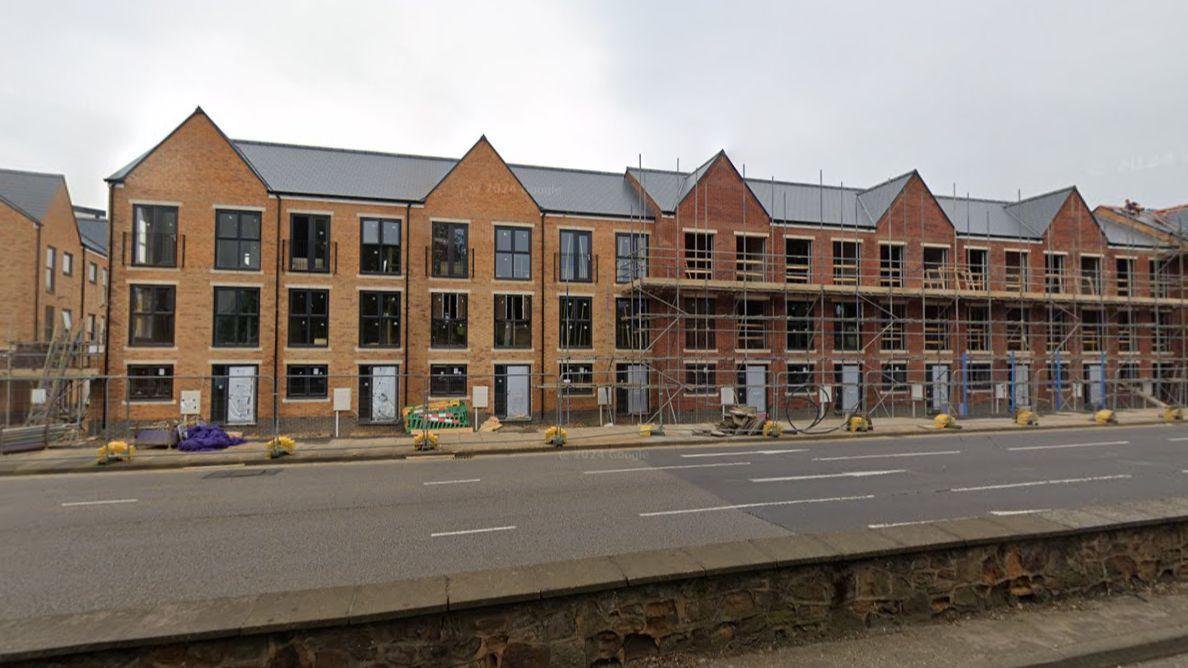
Affordable family housing remains one of the strongest drivers of property demand in Northampton, as buyers continue searching for locations that offer space, connectivity and long-term value. With rising property costs in many parts of the UK, Northampton has become increasingly attractive to families, commuters and first-time buyers looking for larger homes without the price pressures found in nearby cities and commuter hotspots.
As buyer priorities continue to evolve, affordable housing options are playing a major role in shaping demand across Northampton’s property market.
Many buyers begin their search by working with professionals who understand local housing trends, such as agents offering local property expertise, helping homeowners, landlords and investors navigate Northampton’s growing market.
Buyers Are Looking for Better Value
Affordability remains a key factor
One of Northampton’s biggest attractions is the ability to access larger homes at more affordable prices compared to many surrounding commuter towns and cities. Buyers are increasingly prioritising:
- Larger family homes within budget
- Gardens and outdoor space
- Flexible layouts suitable for hybrid working
- Better long-term value for money
As affordability pressures continue elsewhere, more buyers are widening their search to include locations like Northampton.
Strong Transport Links Continue to Support Demand
Connectivity attracts commuters and families
Northampton’s location remains highly attractive to buyers who need convenient access to employment hubs while wanting more affordable housing options.
The area benefits from:
- Direct rail services into London and Birmingham
- Easy access to the M1 motorway
- Strong regional road connectivity across the Midlands
This combination of affordability and accessibility continues to attract commuters and hybrid workers into the town.
Family Buyers Are Driving Competition
Space and schools matter
Family buyers continue to shape Northampton’s housing market, particularly in residential neighbourhoods offering:
- Access to schools and educational facilities
- Parks and green spaces
- Local amenities and healthcare services
- Safe, community-focused environments
Areas that combine family-friendly living with good transport access often experience stronger buyer demand and increased competition.
Hybrid Working Has Changed Buyer Priorities
Buyers want more flexible living space
The rise of hybrid working has changed what many buyers expect from a home. Instead of focusing purely on commuting distance, families are increasingly prioritising:
- Additional rooms for home offices
- Larger kitchens and living areas
- Outdoor space and gardens
- Better work-life balance
Northampton’s housing market is benefiting from this shift because buyers can often access more practical family housing compared to higher-priced urban areas.
Local Amenities Add to Northampton’s Appeal
Convenience influences long-term demand
Northampton continues to attract buyers because it offers a wide range of amenities that support long-term family living, including:
- Shopping centres and retail parks
- Sports and leisure facilities
- Restaurants, cafés and entertainment venues
- Healthcare and community services
These amenities help strengthen the town’s appeal among both local buyers and relocating families.
Affordable Housing Supports Investment Demand
Investors continue to monitor the market
Northampton’s affordability and growing demand are also attracting landlords and property investors.
The area can offer:
- Competitive property entry prices
- Strong family rental demand
- Long-term tenant stability
- Potential future capital growth
Rising rental demand and continued population growth are helping maintain investor confidence in several parts of the town.
Residential Growth Continues Across Northampton
Housing development supports future demand
Ongoing residential development and housing expansion continue to shape Northampton’s market.
Investment in housing supply and infrastructure is helping support:
- Growing family demand
- New-build housing opportunities
- Expanding residential communities
As the town continues to grow, affordable housing remains a major focus for both buyers and local development planning.
Northampton’s Balance of Affordability and Lifestyle
Buyers increasingly want practical long-term locations
Many buyers are choosing Northampton because it offers a balance between affordability and lifestyle that can be difficult to find elsewhere.
The town provides:
- More space for growing families
- Convenient commuter access
- Local amenities and green spaces
- A broad range of housing options across different budgets
This combination continues to attract strong interest from buyers seeking long-term value and stability.
Why Affordable Family Housing Continues to Shape Northampton’s Market
Affordable family housing remains one of the biggest factors driving demand across Northampton. Buyers increasingly want larger homes, flexible living space and access to amenities without the higher costs associated with nearby cities and commuter hotspots.
For homeowners, landlords and investors, understanding these trends can provide valuable insight into where demand is likely to remain strongest. Areas that combine affordability, transport connectivity and family appeal are expected to continue attracting strong buyer interest across Northampton’s property market.


For many homebuyers, choosing where to live is increasingly about finding the right balance between work, home and everyday convenience. Commuting time, transport costs and access to employment centres can all influence which properties make it onto a buyer’s shortlist.
Rochester benefits from its position within the Medway area, with rail connections to London and other parts of Kent, alongside road links and a range of established local amenities. This combination can make the area appealing to professionals, families, first-time buyers and investors looking at well-connected locations.
For buyers and landlords assessing the local market, speaking to Expert Local estate agents can provide useful insight into the neighbourhoods and property features attracting local demand.
Why Commuting Is Influencing Homebuying Decisions
The daily commute can have a significant impact on household routines. Buyers are increasingly considering not only how a property looks and how much it costs, but also how easily they can travel to work.
A shorter or more convenient commute can create additional time for family, leisure and personal activities. It can also reduce reliance on private transport for households with access to reliable rail or bus services.
As a result, connectivity is becoming an important part of the wider property decision.
Rochester’s Rail Links Support Commuter Appeal
Rochester railway station provides services towards London and other destinations across Kent, giving residents an option for commuting without relying entirely on the car.
For professionals travelling towards London, the ability to access rail services can be an important consideration when comparing properties.
This does not mean every commuter will prioritise living close to the station. Some households may prefer a quieter residential neighbourhood and accept a longer local journey in exchange for more space or better value.
Road Connectivity Adds Flexibility
Rail is only one part of Rochester’s transport network.
The wider Medway area benefits from road connections to the M2 and other major routes, providing access towards London, Canterbury and destinations across Kent.
This can be particularly useful for commuters whose work requires travel between different locations rather than a fixed office.
For buyers who drive regularly, proximity to major roads and the availability of parking can therefore be important property considerations.
Hybrid Working Is Changing Commuter Priorities
The rise of hybrid working has changed how some buyers assess distance from employment centres.
Someone commuting into London several days a week may prioritise a railway connection, while someone travelling only occasionally could be prepared to live further from the station if the property offers more space or better value.
This has increased interest in homes that provide a comfortable working environment.
A spare bedroom, study or flexible living area can allow residents to work from home while retaining easy access to transport when office attendance is required.
Schools Remain Important for Commuting Families
For families, the property search involves more than the journey to work.
Schools can be a major factor in deciding where to live, with parents often considering school quality alongside travel times, walking routes and access to other daily amenities.
Rochester and the wider Medway area offer a range of primary and secondary schools.
A property that allows parents to manage both the school run and commute conveniently can therefore have a strong practical advantage.
Local Amenities Reduce the Need for Additional Travel
A commuter-friendly location is not simply one with a railway station nearby.
Buyers may also value easy access to supermarkets, shops, healthcare, restaurants and leisure facilities.
Rochester benefits from established local amenities, while the wider Medway area provides additional retail and recreational options.
Having these facilities within a convenient journey can reduce the number of trips households need to make outside their immediate neighbourhood.
Rochester’s Historic Setting Adds Lifestyle Appeal
Transport connectivity can be particularly attractive when combined with a distinctive local environment.
Rochester’s historic character, including its cathedral, castle and established town centre, gives the area a different feel from many commuter locations.
For buyers who want access to London while also valuing local character and community amenities, this combination can be appealing.
The result is a property market where lifestyle considerations can sit alongside commuting requirements.
Green Spaces Offer a Balance to Urban Living
Access to outdoor space can also influence buyer decisions.
Parks, riverside areas and nearby countryside provide opportunities for walking, exercise and recreation.
For professionals who spend part of their week commuting or working indoors, access to green space can contribute to a more balanced lifestyle.
Families may also value nearby outdoor areas for children’s activities and weekend recreation.
Different Commuters Look for Different Homes
Commuter demand does not create a single type of property preference.
A young professional may prioritise a smaller home close to the railway station. A family may prefer a larger house with parking and a garden, even if it involves a longer journey to the station.
Someone working primarily from home may prioritise internal space and broadband connectivity, while an office-based professional may place greater emphasis on transport.
Understanding these differences is important for both buyers and investors.
Rental Demand Can Follow Transport Connectivity
Transport links can also influence the rental market.
Tenants who commute to London, other parts of Kent or local employment centres may seek homes that make their daily journeys easier.
Properties located within convenient reach of railway stations, major roads or bus services can therefore appeal to professionals looking for practical accommodation.
For landlords, however, transport should be considered alongside rental values, property condition, tenant competition and overall investment costs.
Investment Opportunities Depend on the Target Tenant
An investor considering Rochester needs to understand who is most likely to rent a particular property.
A compact property close to transport may appeal to professionals, while larger houses with gardens and parking could be more suitable for families.
Properties with flexible space may also appeal to hybrid workers who need a dedicated office.
Matching the property to the likely tenant demographic can help investors assess its potential rental appeal more realistically.
Employment Opportunities Strengthen Local Demand
Rochester is not simply a commuter base for London.
The wider Medway area has its own employment, education, healthcare, retail and commercial sectors.
This creates a more diverse housing market, with demand coming from both local workers and people commuting to other employment centres.
For landlords, this can help create a broader potential tenant audience.
Energy Efficiency Can Influence Housing Choices
Commuting costs are only one part of household affordability.
Energy bills can also influence the overall cost of living, particularly for buyers managing mortgage payments and other household expenses.
Energy-efficient homes with effective insulation, modern heating and good EPC ratings may therefore attract buyers and tenants looking to manage ongoing costs.
For landlords, maintaining energy performance can also become increasingly important as tenant expectations develop.
Practical Features Still Matter
Good transport connections cannot compensate for a property that does not meet the household’s needs.
Parking, storage, garden space, bedroom numbers and internal layout can all influence the final decision.
For example, a family may prefer a property slightly further from Rochester station if it provides an additional bedroom, garden and off-street parking.
The strongest property choices often balance accessibility with practical living requirements.
What Should Rochester Buyers Consider?
When comparing properties, buyers may want to assess:
- Distance from Rochester railway station
- Access to the M2 and major roads
- Typical commuting frequency
- Local schools
- Shops and supermarkets
- Healthcare facilities
- Parks and green spaces
- Parking availability
- Home office potential
- Energy efficiency
- Future resale appeal
Considering these factors together can help buyers understand whether a property genuinely fits their lifestyle.
Why Rochester Appeals to Commuters and Families
Rochester combines transport accessibility with established amenities, schools, green spaces and a distinctive historic environment.
Its rail links provide access towards London and other destinations, while road connections give drivers flexibility across Kent.
At the same time, residents can benefit from the wider amenities and employment opportunities available across the Medway area.
This combination allows buyers to consider more than simply the shortest commute.
A Broader Definition of Commuter-Friendly Living
Today’s commuter does not necessarily want to live as close as possible to the workplace.
Instead, buyers may be looking for a location that provides an acceptable journey alongside space, affordability, schools, amenities and quality of life.
Rochester offers several of these factors within the same market, helping explain its continued relevance to buyers who need access to employment centres but want more than a purely functional commuter base.
For homeowners, connectivity can make everyday routines more manageable. For landlords, it can contribute to tenant appeal. For investors, transport accessibility can be one useful factor when assessing long-term demand.
As working patterns continue to evolve, Rochester’s combination of connectivity, local amenities and lifestyle appeal is likely to remain an important consideration for property buyers and renters.


Across the UK construction sector, the word “competence” is used in several ways and rarely with the same meaning twice. To some, it means holding the right tickets.To others, it is about on-site behaviour.
To others, again, it ties back to gateways, dutyholders and organisational capability. Each reading holds some truth, which is exactly why the confusion lingers.
As the industry has tightened up how it proves its people are fit for the work, the terminology has piled up quickly. Two phrases get mixed up more than any other, and getting a firm grip on competence management vs competence assurance clears away most of the muddle.
Why does the terminology get muddled on site?
The language did not arrive in one tidy package. It grew across different parts of the trade, and each part brought its own label for what is broadly the same idea.
Health and safety practices contributed to one set of duties. Integrated management systems gave us SHEQ. The Building Safety Act added another layer of wording on top. So the same underlying point, making sure the right people carry out the right work safely, ends up wearing several different coats. No wonder site teams lose the thread.
Some of that weight now sits with dedicated Building Safety Act compliance software, built specifically to track competence declarations against gateway requirements
The distinction that clears the fog
Two terms sit at the heart of the mix-up, and separating them cleanly unlocks everything else.
Competence management
This is the system a firm uses to ensure its workforce maintains the competence each role requires. In practice, it means:
- Setting the standard: working out the skills and knowledge every role on the job demands.
- Assessing the individual: checking people against that standard rather than assuming it.
- Closing the gaps: putting training, mentoring and development in place where they fall short.
- Keeping records: logging who is signed off for what, and when.
- Reviewing on a cycle: revisiting it all, since competence fades if left alone.
If you know the plan-do-check-act loop that sits behind most recognised management systems, you already know the rhythm. Management is the engine that turns out competent people.
Competence assurance
Assurance is the proof. It is how a firm shows a client, an auditor or a regulator that the competence is real, current and able to hold up under scrutiny. It leans on independent checks, audit trails and documented evidence.
Put plainly, management is what you do, and assurance is how you prove it stands up. Picture an operative arriving for a task. Management is everything that gets them ready to work.
Assurance is the evidence that proves they were genuinely competent on the day the work was carried out. Blur the two, and you land back in the mix-up that catches out half the industry.
A plain glossary for the terms that trip people up
The jargon around competence carries real weight at the tender stage, in audits and across the supply chain. Here is what each term means, stripped back.
| Term | What it means on the ground |
| SKEB | Skills, Knowledge, Experience and Behaviours. A widely used shorthand for what makes up individual competence. The point being: competence runs deeper than qualifications alone. Behaviours matter too, and that includes knowing the limits of your own competence and turning down work beyond them. |
| SKEW | A looser variant, usually Skills, Knowledge, Experience and Wisdom. People search for it and confuse it with SKEB, so keep it clear: in UK building safety, SKEB is the term you will see used across the sector. SKEW is the informal relation, not a swap-in. |
| Competence framework | A structured document that sets out what a role requires. Frameworks generally run to a few parts: a statement of the skills, knowledge, experience and behaviours needed, a route to reaching competence, and a plan for putting it into practice. A competence framework turns the vague word “competent” into something you can measure and provide evidence. |
| Organisational capability | The company-level partner to individual competence. The policies, systems, procedures and resources a firm needs so it can actually deliver competent work, rather than resting on the skills of a few individuals. |
| Dutyholder | A defined, accountable role across design and construction. The principal ones are the Client, the Principal Designer and the Principal Contractor. Each must be competent, and each must cooperate, coordinate and communicate. |
| Gateway 2 | A pre-construction hold point. Work cannot start on a higher-risk building until approval is granted, backed by competence declarations and control plans. |
| Gateway 3 | A pre-occupation hold point. The building cannot be occupied until a completion certificate is issued and the record of safety information is handed over. |
| SHEQ | Safety, Health, Environment and Quality. An integrated approach built on recognised management standards. It is the broad umbrella that competence work sits under, not a rival to it. |
How the pieces fit together on a project
Trace the thread, and the jargon stops feeling random. Individual competence rolls up into organisational capability. Dutyholders must evidence that capability at the pre-construction stage, carry it through the build, and prove it again before occupation, with the safety record running underneath throughout.
Competence management keeps that thread true. Competence assurance keeps it provable. Drop one, and you leave yourself exposed.
Speaking the language, meeting the standard
Definitions are not pedantry when they surface in audits, tenders and pre-qualification questionnaires. Grasping competence management vs competence assurance, along with the glossary around it, means you can answer a client’s competence question without hesitation and turn down work beyond your remit with confidence.
Get the words straight, and you are already partway to meeting the standard they describe. Keep this glossary to hand, share it with your team, and let it settle the next debate before it gets going.


There is a class of wealth that goes beyond expensive. It is a world where homes are architectural masterpieces, wardrobes are curated collections, and daily life reads more like a fantasy film than reality. The ultra-wealthy do not simply buy expensive things, they invest in experiences, spaces, and identities that most people will never encounter, even in photographs.
Understanding this lifestyle is not about envy. It is about recognizing what drives people to build fortunes and how those fortunes reshape the world around them, in real estate, fashion, entertainment, and culture.
What Defines an “Ultra-Luxury” Lifestyle?
Not all wealthy people live the same way. There is a meaningful difference between someone worth $10 million and someone worth $500 million or more. The ultra-luxury tier is defined not just by spending, but by exclusivity, access to things that simply cannot be bought with ordinary money.
Key characteristics of ultra-luxury living include:
- Custom-designed or architect-built private residences
- Private jet travel and yacht ownership
- Wardrobes featuring one-of-a-kind or couture-only fashion
- Front-row access to every major global event — fashion weeks, NBA Finals, F1 races, art fairs
- A social circle made up entirely of other billionaires, celebrities, and global influencers
- Homes that double as galleries, entertainment venues, or architectural landmarks
This is not a lifestyle you fall into. It is carefully constructed, often over decades, and it becomes a form of personal branding.
The Role of Real Estate in Billionaire Identity
For most people, a home is a shelter. For the ultra-wealthy, it is a statement.
Some of the most iconic private residences in the world are not just large, they are defining cultural objects. The architecture, the location, the interior design, and even the history of who has visited all contribute to a property’s legendary status.
Why Iconic Homes Matter More Than Price Tags
The value of a truly legendary home cannot be measured in square footage or market price alone. What makes a property extraordinary is its uniqueness, properties that were designed around a specific vision, built to defy convention, and maintained as private sanctuaries against the outside world.
One of the most talked-about examples in this space is James Goldstein’s house in Los Angeles, the Sheats-Goldstein Residence. Designed by architect John Lautner, this hillside property is one of the most photographed and referenced private homes in the world. It has appeared in films, music videos, and countless design publications. It is not just a home. It is a cultural icon.
When people research the James Goldstein net worth, they are often drawn into a much larger conversation about how personal wealth transforms a living space into a legacy.
Fashion as a Language of Wealth
Among the ultra-rich, fashion is rarely about trends. It is about identity and access. The most exclusive fashion collectors attend every major runway show, not as guests in the audience, but as front-row fixtures who have personal relationships with designers. They wear pieces before they are released to the public, commission custom items, and attend private previews that the general public never hears about.
James Goldstein is a well-known example of this. Long before discussions of James Goldstein net worth circulated online, he was recognized as one of fashion’s most consistent and iconic front-row personalities, attending Paris Fashion Week, Milan, and New York with a signature personal style that has remained unchanged for decades. His presence at fashion shows is not purchased. It is earned through decades of authentic participation in the fashion world.
This level of access reflects a truth about ultra-luxury lifestyle: at a certain level of wealth and cultural presence, you stop chasing the world. The world invites you in.
Sports as Social Currency Among the Elite
The ultra-wealthy do not just watch sports, they help shape the culture around them. NBA courtside seats have become symbols of status, networking, and celebrity influence. James Goldstein has been a famous courtside presence at Los Angeles Lakers games for decades, making him part of basketball culture itself.
Discussions about his net worth often reflect the connection between wealth, sports, and modern celebrity lifestyle. Sites like urbansfreaks.com explore these intersections of wealth, lifestyle, and culture in depth, from iconic homes to the personalities behind them.
Wealth, Art, and Architecture: An Inseparable Triangle
There is a deep connection between extreme wealth, architecture, and art. The ultra-rich do not just collect art, they create spaces that become part of the artistic vision itself. This is what makes the Sheats-Goldstein Residence so remarkable.
Designed by John Lautner, the home broke traditional architectural rules with its futuristic use of concrete, glass, and the Hollywood Hills landscape. When people search for James Goldstein net worth, they are often exploring how wealth can shape culture, architecture, and lasting influence.
The Private World of Billionaire Socializing
One of the most misunderstood aspects of extreme wealth is how its owners actually socialize. Hollywood portrays it as constant parties and spectacle. The reality is often more selective and private.
The ultra-wealthy tend to gather in small, invitation-only circles:
- Exclusive dinners hosted at private homes that never make headlines
- Yacht gatherings in the Mediterranean or Caribbean during summer season
- VIP rooms at global fashion events where access is entirely relationship-based
- Private art previews at galleries and auction houses before public openings
- Members-only clubs in cities like New York, London, Paris, and Los Angeles
What matters in these circles is not just wealth, it is cultural fluency. Knowing the right designers, architects, artists, and athletes. Showing up in the right places, consistently, over many years. Building a reputation that makes you a fixture rather than a visitor.
How Ultra-Luxury Lifestyles Influence Popular Culture
The influence of the ultra-wealthy on mainstream culture is enormous and often underestimated. The cars they drive become aspirational purchases, the neighborhoods they live in define prestige, and even the restaurants and fashion they choose can shape global trends.
This is one reason figures like James Goldstein continue to attract public interest. When people search for his net worth, they are not only curious about his fortune, but also the lifestyle and cultural influence that have helped shape the image of luxury for decades.
Is the Ultra-Luxury Lifestyle Sustainable?
A growing conversation around extreme wealth is whether this style of living can or should continue in its current form.
Some points worth considering:
- Mega-mansions and private jets carry significant environmental footprints
- The concentration of wealth that enables this lifestyle raises economic equity questions
- A new generation of wealthy individuals is increasingly focused on sustainability and ethical consumption
- Some billionaires are redirecting portions of their wealth toward climate, health, and education initiatives
The ultra-luxury world is changing, slowly, but noticeably. Younger wealth holders are more likely to invest in sustainable architecture, plant-based dining experiences, and carbon-offset travel. What does not change is the fundamental desire for exclusivity, excellence, and spaces that reflect a deeply personal vision of how life should be lived.
Conclusion
The ultra-luxury lifestyle is more than a display of wealth. It is a complete ecosystem of taste, access, architecture, fashion, and cultural participation that evolves over a lifetime.
From iconic homes like the Sheats-Goldstein Residence to permanent front-row fashion seats, the most compelling figures in this world are those who have used their resources to build something irreplaceable, a life so specific to their identity that no amount of money alone could replicate it.
The conversation around James Goldstein net worth is really a conversation about legacy: what we build with what we have, and whether those choices outlast us.

Best Tools to Download Instagram Reel: A Practical Comparison for Everyday Users

Which AI-First SEO Consultancy Should UK Brands Use?

OrcaVerify Text 1.0: The 115-Millisecond Answer, Fastest in This Cluster

Who Is Shameera? All You Need To Know About Charli XCX’s Mother

Who Is Gulliver Flynn Oldman? The Untold Story of Sir Gary Oldman’s Son

Meet Rosemary Turner: The Mother of Actor Callum Turner
-
Biographies8 months ago
Who Is Shameera? All You Need To Know About Charli XCX’s Mother
-
Biographies7 months ago
Who Is Gulliver Flynn Oldman? The Untold Story of Sir Gary Oldman’s Son
-
Biographies8 months ago
Meet Rosemary Turner: The Mother of Actor Callum Turner
-

 Biographies6 months ago
Who is Alexandra James? Inside The Life of Jeremy Clarkson’s Former Partner
-
 Biographies8 months ago
Who is Todd McRae? Meet Tate McRae’s Father
-
 Biographies7 months ago
Who Is Daniel Mara? The Untold Story of Kate Mara’s Private Sibling
-
 Celebrity8 months ago
Who Is Peter Hernandez? The Real Story of Bruno Mars’ Father
-
 Biographies8 months ago
Who Was Adrian Mayers? The Untold Life of A$AP Rocky’s Late Father