
Health
Carrier Oil Dilution, Phototoxicity and Client Safety Protocols in Modern Aromatherapy


Aromatherapy has moved well beyond the realm of wellness trends and into the serious domain of evidence-informed skincare practice. As more clients seek plant-based solutions for everything from stress relief to skin repair, the professionals and brands guiding them carry a significant responsibility. That responsibility begins with two foundational pillars: proper carrier oil dilution and a thorough understanding of phototoxic risk. Without these, even the most thoughtfully sourced essential oils can cause harm rather than healing. This article explores both concepts in depth, alongside the client safety protocols that every aromatherapy practitioner and skincare brand should have firmly in place.
Why Carrier Oil Dilution Is Non-Negotiable
Essential oils are extraordinarily concentrated plant extracts. A single drop of peppermint oil, for example, is roughly equivalent to twenty-eight cups of peppermint tea in terms of its active compound concentration. Applied directly to the skin without dilution, these compounds can cause chemical burns, sensitisation reactions, and long-term immune responses that make the client permanently reactive to that oil. This is not a theoretical risk — it is a well-documented clinical reality.
Carrier oils serve as the delivery medium that makes essential oils both safe and effective. They slow the rate of absorption, reduce the risk of irritation, and in many cases contribute their own therapeutic properties. Jojoba, rosehip, sweet almond, and fractionated coconut oil are among the most widely used carriers, each with distinct fatty acid profiles that interact differently with skin types. A practitioner working with a client who has dry, mature skin will make very different carrier choices than one working with someone prone to congestion or breakouts.
Standard Dilution Guidelines by Application Type
The industry standard for facial applications sits at one percent or below — meaning one drop of essential oil per teaspoon of carrier oil. Body massage blends typically range from two to three percent, while acute localised applications such as muscle relief or targeted wound care may go as high as five percent for short-term use on healthy adult skin. Children, elderly clients, pregnant individuals, and those with compromised skin barriers require significantly lower concentrations, often as low as 0.25 to 0.5 percent. These are not arbitrary numbers; they are derived from decades of dermatological research and safety assessments conducted by organisations such as the International Fragrance Association.
Understanding Phototoxicity: The Sunlight Risk Most Clients Don’t Know About
Phototoxicity is one of the most misunderstood hazards in aromatherapy, and it is one that can cause serious, lasting skin damage if not properly managed. Certain essential oils — particularly cold-pressed citrus oils such as bergamot, lemon, lime, grapefruit, and bitter orange — contain compounds called furanocoumarins. When these compounds are applied to the skin and then exposed to ultraviolet light, they trigger a photochemical reaction that can result in severe burns, hyperpigmentation, and in some cases permanent scarring.
The reaction is not immediate, which is part of what makes it so dangerous. A client may apply a bergamot-containing product in the morning, step outside, and not notice any reaction until hours later when the skin begins to redden, blister, or darken. The resulting hyperpigmentation can persist for months or even years. Practitioners must communicate this risk clearly and in writing, particularly when recommending any product containing cold-pressed citrus oils for daytime use.
Furocoumarin-Free Alternatives and Safe Formulation Choices
The good news is that the industry has developed furocoumarin-free (FCF) versions of many phototoxic oils. Bergamot FCF, for instance, has had the problematic compounds removed through steam distillation or molecular distillation, making it safe for daytime topical use. Steam-distilled citrus oils also carry significantly lower phototoxic risk compared to their cold-pressed counterparts. When formulating or recommending products for clients who will be using them during daylight hours, these alternatives should always be the default choice. Transparency in labelling and ingredient disclosure is not just good practice — it is an ethical obligation.
Building a Robust Client Safety Protocol
Client safety in aromatherapy is not a single action but a layered system. It begins at the intake stage, where a thorough health history should identify contraindications including pregnancy, epilepsy, hormone-sensitive conditions, known allergies, and current medications. Essential oils such as clary sage, rosemary, and camphor have documented interactions with certain health conditions and pharmaceutical drugs that make their use inappropriate without medical clearance.
Patch testing is a critical and often skipped step. A small amount of the diluted blend should be applied to the inner forearm or behind the ear and left for twenty-four to forty-eight hours before full application. This simple protocol can prevent severe allergic reactions and builds client trust by demonstrating professional diligence. Documentation of patch test results, client consent, and product formulations used should be maintained as part of a formal client record.
Aftercare Education and Ongoing Communication
Aftercare is where many practitioners fall short. Clients need clear, written guidance on sun avoidance timelines following citrus oil applications, how to store their blends correctly to prevent oxidation, and what signs of adverse reaction to watch for. Oxidised essential oils — those that have been improperly stored or kept past their shelf life — are a leading cause of sensitisation reactions and should never be used on clients. Educating clients about these realities positions the practitioner as a credible, safety-conscious professional rather than simply a product vendor.
For brands entering the aromatherapy and skincare space, navigating the complexities of product formulation, compliance, and market entry in the U.S. requires both industry expertise and strategic distribution partnerships that understand the regulatory landscape.
The Science Behind Aromatherapy and Skin Interaction
For clients and practitioners who want to go deeper into the mechanisms at work, exploring the different categories of skincare and how active ingredients interact with skin biology provides essential context for understanding why aromatherapy works the way it does at a cellular level. Essential oil molecules are lipophilic, meaning they are attracted to the fatty layers of the skin and can penetrate the stratum corneum to reach deeper dermal layers — a property that makes them powerful but also demands respect and precision in their application.
Bonjil: Where Aromatherapy Education Meets Skincare Integrity
Bonjil has established itself as a resource that takes the science of plant-based skincare seriously. Their approach to aromatherapy is grounded in transparency, education, and formulation integrity — values that align directly with the safety protocols discussed throughout this article. For anyone beginning their journey with essential oils or looking to deepen their existing practice, understanding aromatherapy benefits through a credible, evidence-informed lens is the essential first step. Bonjil’s content bridges the gap between accessible wellness information and the kind of rigorous knowledge that protects clients and elevates professional standards across the industry.
Conclusion: Safety Is the Foundation of Effective Aromatherapy
Carrier oil dilution and phototoxicity management are not advanced topics reserved for specialists — they are baseline competencies for anyone working with essential oils in a professional or product development context. The growing consumer appetite for natural skincare solutions creates both opportunity and obligation. Practitioners and brands that invest in rigorous safety protocols, clear client communication, and ongoing education will not only protect the people they serve but will also build the kind of trust that sustains long-term professional credibility. In aromatherapy, as in all areas of skincare, safety and efficacy are not competing values — they are inseparable ones.

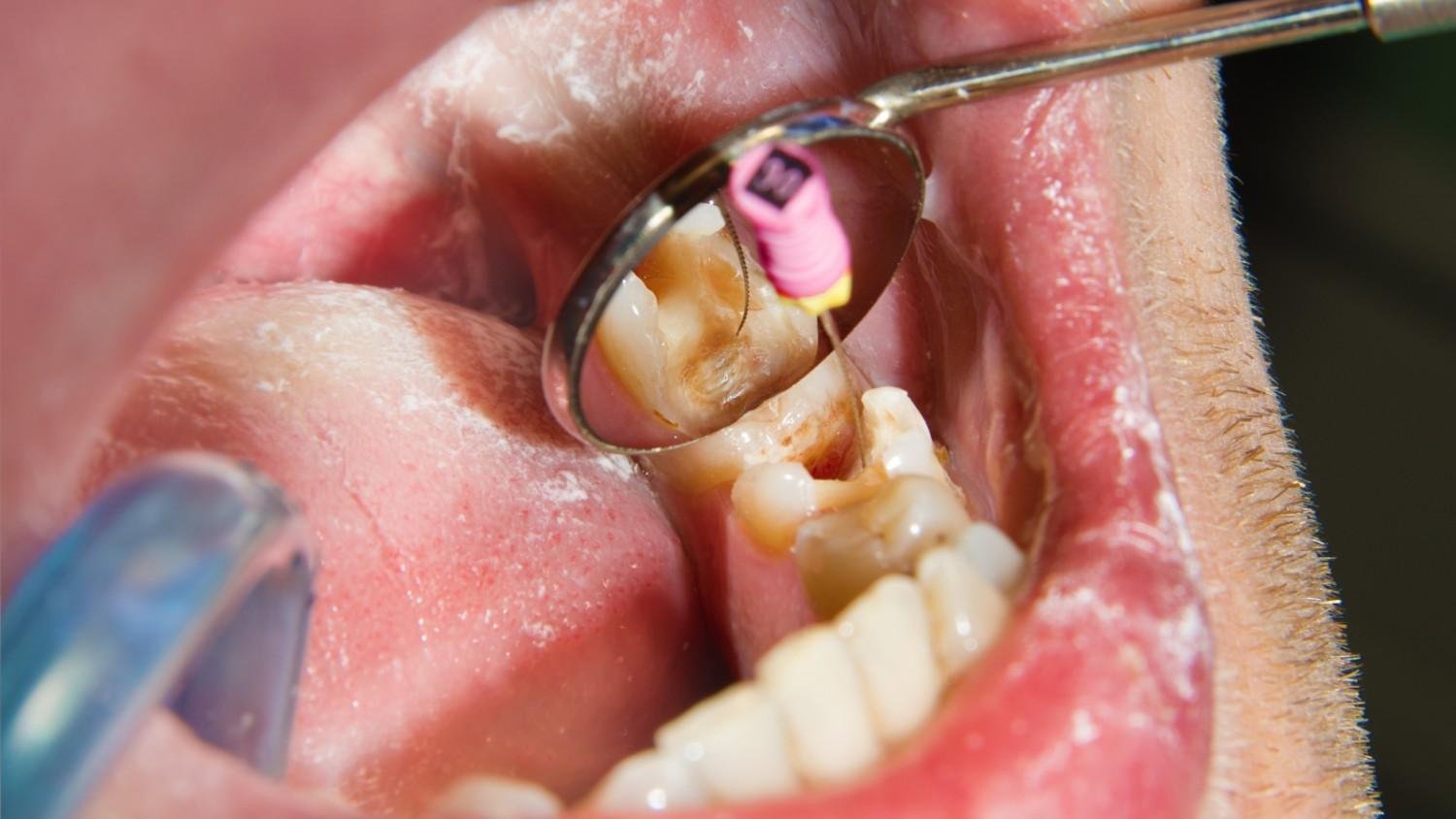
A tooth can repair some small damage, but it is not infallible. It is possible to reverse the damage before a cavity is formed at the first sign of tooth decay. With enamel this is not possible, once it is lost in significant amounts it can not be regenerated. But when the damage reaches the soft pulp inside a tooth, it’s another story. When the pulp becomes irreversibly inflamed or infected, root canal treatment is necessary because infected pulp cannot heal itself.
That distinction can be confusing, especially when the tooth pain comes and goes. “They feel better and they think the tooth is healed, but the problem underneath is still there.” Knowing what a tooth can and can’t naturally repair, and how dental treatment works, can make decisions feel less intimidating while supporting both oral health and mental wellness.
Is it possible for a tooth to heal itself?
Teeth do have some amazing powers of protection but they can not repair all types of damage.
If there is early mineral loss, minerals in saliva and fluoride can be beneficial to enamel, the hard outer layer of a tooth. This process, called remineralization, may help to rebuild weakened enamel before a cavity develops. But once decay has created an actual hole, the tooth usually needs restorative treatment, not natural repair.
Enamel covers dentin. Dentin has limited biological repair potential. Pulp has a different restriction. It has nerves, blood vessels and connective tissue and its ability to recover can be compromised by severe inflammation or infection.
According to the American Association of Endodontists, once a tooth has matured, it can survive without the pulp as the tissues surrounding the tooth nourish it. But that doesn’t mean an infected pulp should just be left untreated.
What if dental damage affects the pulp?
The pulp is the central portion of the tooth, and descends the root canals. Deep decay, cracks, trauma or repeated dental procedures may expose or irritate this sensitive tissue.
Initially, the inflammatory response of the body can cause sensitivity or pain. If the injury is severe, the pulp can die. This can then make the tooth less sensitive, which can give the false impression that the tooth has healed.
The Pain Goes Away But That Doesn’t Mean You’re Better
Pain is a symptom, not a direct measure of whether infection remains.
The discomfort may decrease when the infected pulp can no longer respond in a normal manner, but bacteria are still present within the root canal system. The infection may then spread into the tissues surrounding the root. The NHS also says symptoms can disappear as the infected pulp dies, even if the infection has not necessarily gone.
That is why waiting for the pain to come back is not a good way to monitor a suspicious tooth.
Cracks Might Be a Separate Issue
A cracked tooth can cause a variety of symptoms. You may have a day where you are in pain when chewing and the next day you are fine.
According to the AAE, cracks can irritate the pulp and cause damage that the pulp cannot heal on its own.
That uncertainty can also take a toll on mental wellness. Intermittent symptoms may prompt repeated checking, worry about the next flare-up or avoidance of dental appointments. A professional diagnosis can remove the guesswork and help you get a clearer plan.
Which dental problems can improve on their own?
A toothache doesn’t always mean you need a root canal. Some problems can be treated conservatively or with proper care.
Some temporary sensitivity after certain dental procedures may sometimes resolve as the pulp recovers. The AAE does not assume that every instance of sensitivity indicates lasting damage, but recommends evaluation if symptoms continue or get worse.
Early decay is not the same as advanced decay. If the loss of minerals has not developed into a cavity, remineralization can help to rebuild the tooth. But if decay gets to the pulp, the treatment gets more complicated.
5 Situations When You Need a Professional Evaluation
- Sensitive to heat or cold
- Pain on biting or chewing
- Extensive tooth decay or a large cavity
- A broken, chipped, or previously damaged tooth
- Swelling of gums, draining or recurrent pimple near the tooth
These signs may not necessarily indicate the need for root canal treatment. A dental exam can help identify the source and extent of the problem, they say.
What is Root Canal Treatment and How Does it Work?
A root canal is meant to treat the disease within the tooth, not just hide the pain.
In the course of treatment, the dentist or endodontist removes the inflamed or infected pulp, cleans and disinfects the root canal system, and then fills and seals the space. The tooth is then restored to protect the remaining structure.
The purpose is therefore not to make a tooth “heal itself.” Instead, treatment removes the source of the infection and allows the rest of the tooth structure to continue to function.
Is root canal treatment painful?
The fear of pain is one of the most common reasons for putting off dental treatment. Modern root canal treatment is performed under local anesthesia and the procedure is usually designed to be comfortable. You may have some soreness or tenderness as the tissues around the treated area heal.
Knowing what to expect can make the experience easier not only physically but mentally. Tell your dentist if you have significant dental anxiety before treatment. Opening the discussion to concerns allows the clinical team to explain each step and to address reasonable needs for comfort.
Root Canal Treatment or Tooth Removal?
When a tooth is badly diseased, the patient may hear two possible approaches: “Let’s try to save the tooth” or “Let’s remove the tooth.”
The right choice will depend on the amount of remaining tooth structure, the severity of the infection, cracks, whether it can be restored and the overall dental health. A tooth that is predicted to be savable may be treated endodontically instead of being extracted right away. The AAE recommends that you talk about your options with a dentist or endodontist to see if the diseased tooth can be saved.
Why Is It Important to Save the Natural Tooth
Saving a natural tooth can help you to continue chewing and biting normally and can prevent the immediate loss of that tooth. If extraction is necessary, replacement of the missing tooth may involve additional treatment including an implant, bridge or other prosthetic option.
Fear of root canal treatment alone should not be the basis for the decision. This should take into account the long term health, function and prognosis of the individual tooth.
How dental anxiety affects treatment choices
People don’t realize that dental health and mental wellness often intersect.
Someone who has had painful dental treatment in the past may relate a new diagnosis to that memory. Someone else might be concerned with cost, time of treatment, pain or the loss of a tooth. These concerns may cause avoidance.
Avoiding the dentist can provide short-term emotional relief, but it can lead to an underlying dental condition to go worse. The more productive course of action is to ask questions, learn about the diagnosis and discuss alternatives with the dental professional.
5 Tips to Make Dental Decision Easier
- Ask the dentist to tell you the diagnosis in plain language.
- Ask for clarification on what the X-ray or clinical tests show.
- Ask what might happen if treatment is delayed.
- Discuss Would an endodontist’s opinion be useful?
- Let the dental team know if you have a lot of anxiety before treatment starts.
An educated dialog may turn an unknown procedure into a sequence of understandable steps.
When should you go to the dentist?
If a tooth hurts for a little bit and then feels fine, it may not be an emergency, but if the pain continues or comes back, it needs to be checked.
If you have swelling, pain when you bite, sensitivity to temperature that lasts, a tooth that changes color, drainage, or a bump that comes back near the affected tooth, contact a dentist. These signs may be related to pulp infection or damage.
If there is a lot of swelling of the face, trouble swallowing or difficulty breathing, you will need urgent medical and dental attention, as a spreading dental infection can be serious.
How to Find Quality Dental Information
Research can help but online information should be used to supplement rather than replace an examination. Tooth pain can be brought on by a variety of things. Decay, cracks, problems with the gums, bite issues, or other conditions may cause similar symptoms.
Resources such as Nuffield Dental can give more background on dental care for people considering treatment options or getting ready for a consultation. The most helpful information is that which helps you understand your options and gets you ready to have a productive discussion with your dental professional.
The dentist or endodontist can use your symptoms, clinical examination, diagnostic testing and imaging to decide whether the pulp is healthy, inflamed, infected or non-vital.
The Real Truth About Healing Teeth
Can a tooth heal itself? Sometimes. But only within limits. Some temporary irritation may resolve. Early enamel mineral loss may improve with remineralization. A different story is a badly infected or irreversibly damaged pulp. However, once an infection has taken hold in the root canal system of the tooth, it usually needs to be treated by a professional.
Thus pain resolution should be viewed as useful information, not necessarily proof of recovery. A tooth can have an active problem even when it’s silent.
Moving Forward in a Healthy Way
If told you need a root canal ask why and what the diagnostic findings are and what the alternatives are. If still unsure, another level of specialist assessment is an endodontic consultation.
Above all, don’t let fear make decisions for you. Being aware of the condition can reduce uncertainty, protect your natural tooth when it is realistically saveable and make dental care feel more manageable.
Last Look: Recognize When a Tooth Needs Assistance
One of the amazing things about the body is natural healing. But teeth have biological limits. Some temporary irritations and some early changes in enamel may resolve but deep infection or irreversible damage to the pulp usually requires professional treatment.
A root canal treatment is not a tooth that failed to heal. It’s a treatment to remove infection or damaged pulp, save the remaining tooth and restore function. Timely dental care combined with good information can help you preserve your oral health and reduce the stress that often accompanies uncertainty.
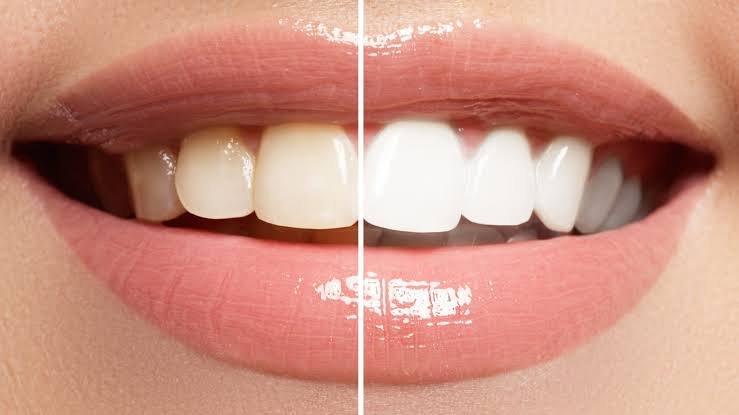
Three days before a wedding, someone books a whitening appointment. A week before Eid, another person starts searching for strips, gels, and “instant” whitening. The expectation is usually the same: walk into the clinic, sit in the chair,r and leave with the finished smile.
The problem is that teeth do not always cooperate with event planning.
Across the Gulf, dental clinics and regional lifestyle coverage repeatedly position weddings, E, id and other major gatherings as occasions when whitening demand becomes especially visible, with clinics specifically promoting whitening around Eid and pre-wedding schedules. There is not, however, a reliable public GCC-wide dataset establishing the size or exact timing of these seasonal spikes, so the safer conclusion is qualitative: whitening is strongly associated with periods when people expect more photographs, social gatherings, and formal events.
That matters because the treatment itself is more predictable when it is planned rather than treated as a last-minute cosmetic emergency.
Why the Gulf event calendar changes the whitening conversation
The connection between whitening and celebrations is not difficult to understand.
Eid brings family visits, gatherings and photographs, while weddings put the bride and groom in front of cameras for hours; GCC dental providers explicitly market whitening around both types of occasions. Regional lifestyle coverage has likewise advised brides not to leave whitening until the last minute because the appropriate treatment depends on the existing colour of the teeth and may require more than one session.
The seasonal pattern is therefore less about a mysterious change in people’s teeth and more about visibility. When an event puts someone in more photographs and social situations, a cosmetic concern that was easy to ignore suddenly becomes a deadline.
That deadline is where unrealistic expectations begin.
What professional whitening actually does
Professional whitening is not simply a stronger version of toothpaste.
Dental bleaching uses peroxide-based agents, primarily hydrogen peroxide or carbamide peroxide, to change the colour of natural teeth. A 2024 systematic review of professional whitening found that in-office, at-home, and combined peroxide-based approaches can all produce tooth-colour changes, although results and sensitivity vary between protocols.
In-office treatment is performed under dental supervision, while dentist-prescribed home whitening generally uses a customised tray and bleaching gel applied according to a prescribed protocol; systematic reviews have evaluated both approaches as established methods of bleaching natural teeth.
The important point is that whitening changes natural tooth colour rather than replacing the tooth surface with a new material, and the result depends partly on the original cause and degree of discoloration. Dental guidance from a GCC clinic notes that some deeper or non-responsive discolorations may require different cosmetic approaches rather than simply repeating whitening.
Whitening can also produce temporary sensitivity, which is one reason professional assessment and treatment planning matter when someone is working toward a fixed event date. Systematic reviews identify tooth sensitivity as a recognized adverse effect of bleaching, with differences between protocols but no universally sensitivity-free technique.
For readers wanting to understand the clinical process before booking, an explanation of how professional whitening is carried out provides useful context.
Why “three days before Eid” is not necessarily a great treatment plan
Professional whitening can produce relatively rapid colour change, but the evidence does not support a single universal timeline for every patient or technique.
An updated 2025 systematic review comparing in-office and at-home bleaching found no significant difference in some measures of whitening efficacy, while the evidence quality was considered low; the review also found differences in sensitivity intensity between approaches. Another 2024 umbrella review found no significant difference between in-office and at-home techniques for colour change or post-treatment sensitivity across the included evidence.
At-home approaches can require repeated applications rather than a single appointment. Clinical research on over-the-counter systems, for example, has evaluated outcomes over periods extending from one to two weeks, while professional home protocols can also involve repeated use rather than a single application.
Even when an in-office treatment produces a visible change during one appointment, the practical preparation around it matters. A pre-event dental assessment can identify issues such as existing decay, gum problems, sensitivity or restorations that may affect whether whitening is appropriate, and GCC clinical guidance recommends arranging treatment sufficiently ahead of an event to allow for assessment and any sensitivity or colour-stabilisation period.
So the sensible deadline is not “the day before the wedding.”
It is the point at which there is still time to assess the teeth, choose an appropriate method, and deal with an unexpected sensitivity issue without the event itself becoming the backup plan.
Professional whitening versus the products on the shelf
Over-the-counter whitening is not automatically ineffective.
A 2024 systematic review of OTC bleaching products found that whitening strips can produce short-term improvements in tooth colour, while the evidence for toothpastes, mouth rinses and whitening trays was more heavily based on laboratory research; sensitivity and gum irritation were among the main reported adverse effects. A separate 2024 network meta-analysis similarly found satisfactory short-term effects from several OTC protocols but rated the overall evidence as low quality and advised consumers about the risks of unsupervised use.
Whitening toothpaste is different again. A systematic review found that whitening dentifrices can reduce extrinsic surface staining compared with ordinary toothpaste, meaning their main cosmetic contribution is stain removal rather than reproducing the bleaching effect of a professional peroxide treatment.
The distinction is therefore not simply professional equals effective, and OTC equals useless. Different products use different concentrations, delivery systems and treatment schedules, and the available evidence does not justify treating them as interchangeable.
Cleaning belongs in the conversation too.
A whitening appointment is not a substitute for routine dental care.
Professional cleaning can remove external deposits and stains, while whitening addresses the colour of natural tooth structure; that makes cleaning a logical part of preparing and maintaining a cosmetic result when surface deposits are contributing to a dull appearance. Evidence reviews show that whitening toothpastes, for example, can reduce extrinsic staining, while bleaching studies specifically evaluate changes in the colour of the teeth themselves.
For people preparing for an important occasion, information about professional dental cleaning and its role in maintaining a brighter smile can help separate stain removal from actual bleaching.
The larger lesson is slightly inconvenient for anyone who enjoys a last-minute booking.
Eid, weddings and major gatherings can create perfectly understandable reasons to want a brighter smile, and GCC clinics clearly see these events as important whitening occasions. But whitening is still a dental treatment with different protocols, variable responses and possible sensitivity, not a filter that can simply be switched on 48 hours before the photographs.
The event belongs on the calendar first. The whitening appointment belongs somewhere earlier.

The Difference Between an IVF Treatment Plan and an IVF Strategy
If you just started your journey with fertility treatments, you are probably left surprised by just how much planning is involved in simply deciding to do IVF. Doing an IVF sounds simple on paper, but the truth is that it involves medications to take, scans to attend, eggs to collect, sperm to collect, embryos to develop, and, in between all of that, decisions about what you and your partner must do next. For any couple, it can feel like quite an undertaking.
At the same time, it is important to start separating the two things that work together here. One is obviously your IVF treatment plan, which lays out all the details of the process that you’re about to go through. But the other is your IVF strategy, which looks at the bigger picture and asks what approach makes the most sense for your specific situation and fertility journey. So, keeping that in mind, let’s look at how these differ and what you can do to make the procedure seem less confusing for you and your partner.
What is an IVF treatment plan?
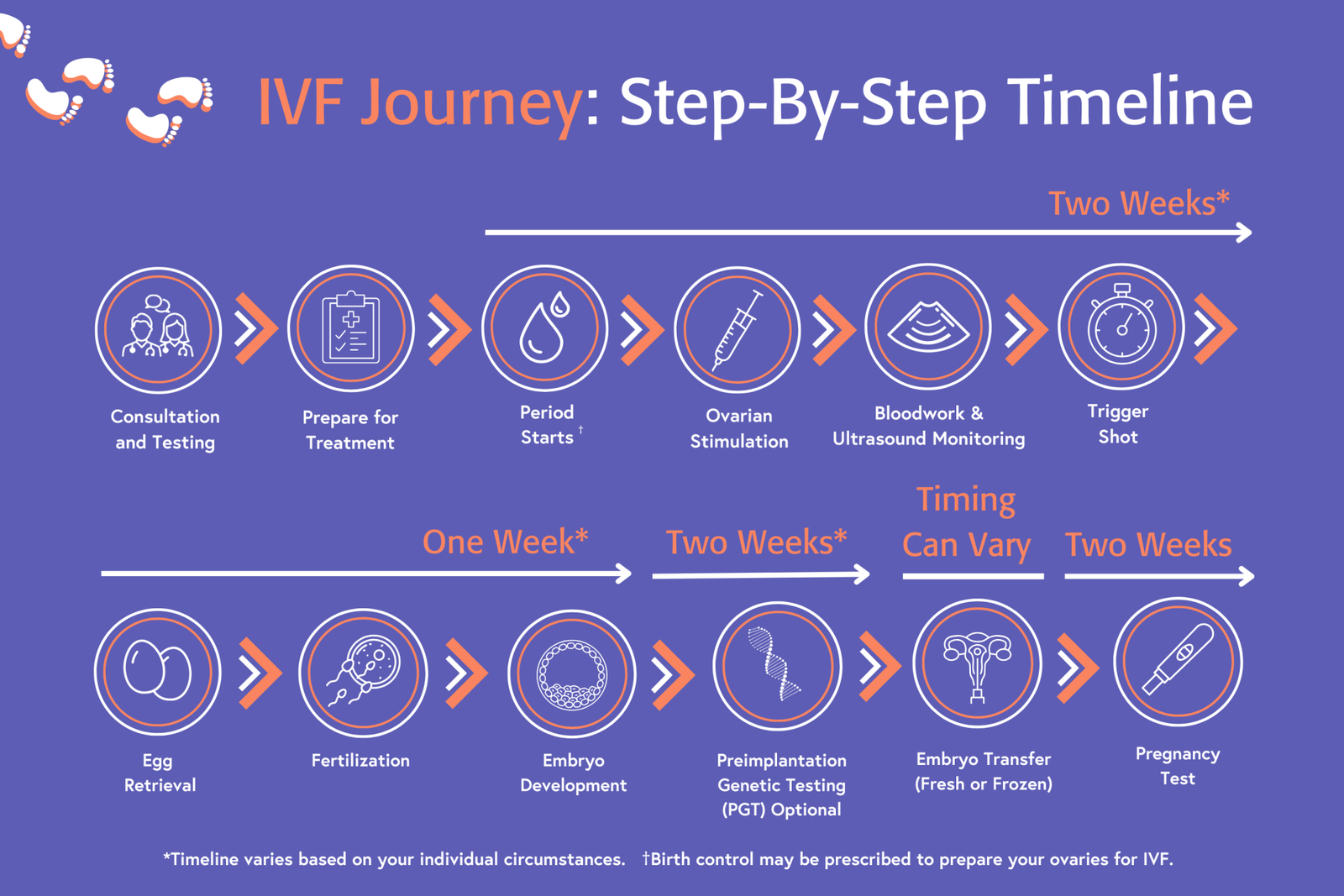
An IVF treatment plan is the roadmap you and your partner need to follow for one specific cycle. It covers what needs to happen, when it needs to happen, and the role your fertility team will play throughout the process. If you are new to IVF, the process will generally begin with a couple of assessments and preparations before moving into ovarian stimulation. This is where medication is used to encourage the female partner’s ovaries to produce multiple eggs. Once that is happening, the fertility team will monitor the progress and take blood tests to see how the ovaries are responding. When the follicles are ready, further medication is used to trigger one final egg maturation process before the eggs are collected from your reproductive system. These eggs are then used for fertilisation in the laboratory, either through IVF or another assisted reproduction technique. Once an embryo is found, it is either transferred back into the female partner’s womb or frozen for future use. This is what will be laid out step by step in one IVF treatment plan.
One thing to note, though, is that this plan will differ and evolve differently for everyone. Your age, ovarian reserve, medical history, previous fertility treatment, and how your ovaries respond to stimulation will all influence the choices made in this plan. Ovarian stimulation is highly individualised and takes into account factors such as ovarian response, safety, and treatment results. In other words, if your ovary is responding differently from what was expected or laid out in the plan, the whole thing may need to change along the way to suit your goals.
What is an IVF strategy?
If you zoom out of one individual treatment plan and focus on multiple cycles and the overall objectives of an IVF, you get your IVF strategy. A treatment plan is always going to focus on the cycle happening right now, while the IVF strategy will take into consideration the bigger reproductive picture. It involves decisions about bigger questions, such as whether IVF is the right treatment, which form of IVF to use, whether to transfer or freeze an embryo, and what your next step should be if the first attempt fails. As you can probably already tell, an IVF strategy is where you need to lay down your long-term goals. For example, if you’re hoping to have more than one child, you’ll be taking a somewhat different route towards embryo creation and freezing than someone who wants one child or a single pregnancy for now.
Your previous IVF outcomes may also affect how a future cycle is handled, rather than simply repeating what happened before. Suitable embryos that remain after one treatment cycle are usually cryopreserved for potential future use, meaning your next episode of ovarian stimulation may involve the use of both fresh and previously frozen embryo transfers.
An IVF strategy will also cover whether your particular situation warrants any additional tests or treatment approaches. You need to be a little careful here because not every treatment marketed as an add-on for IVF has been shown to improve the chances of having a baby. Look carefully at the evidence behind any optional add-ons before adding them to your strategy and paying for them.
How is an IVF treatment plan different from an IVF strategy?
Here’s the simplest way to think about it. The treatment plan is the “what and when” of one single cycle, and the strategy is the “why and what next” behind the whole thing across multiple cycles. Imagine for a moment that your treatment plan says that you need to use ovarian stimulation medication, attend monitoring appointments, have your eggs collected, and fertilise them in a laboratory. Your wider strategy will decide what you want to achieve with the results from here on out. This could be transferring an embryo back into the womb, freezing suitable embryos for later, or considering wider changes across multiple cycles if things don’t work out in one.
Again, both are part of the same process and don’t compete with each other. The strategy is the direction and vision, while the treatment plan is the set of actionable items for a point in time. This is said again and again because your first cycle may not go exactly as planned. Maybe your ovaries may produce fewer eggs than expected, or they fail to turn into embryos, or the pregnancy may not be successful. All of these should shape your strategy for what happens next, including whether to consider other techniques like ICSI instead of just trying to modify another IVF cycle.
Why is having a personalised IVF strategy important?
Now, the big problem with following some standardised IVF pathway is that your fertility may not fit that one-size-fits-all plan. Our biology is very complex and differs from one another. Two people can undergo apparently similar treatments on paper and respond completely differently because of that. This is part of why reviewing and personalising the strategy is so important for this to work.
The outcome of one cycle should always inform all decisions that follow. It’s better to have a personalised strategy that prevents every new possibility from automatically becoming part of your treatment. There are plenty of laboratory techniques and add-ons available in modern fertility care, but newer or more expensive does not necessarily mean it’s the right one for you. All that is to say, if you are looking at an IVF clinic in London, you should be a little prepared for what options are right for you.
At the end of the day, IVF is a big procedure, yes, but it is not a collection of injections, scans, and procedures repeated endlessly until success is achieved. Each stage has a reason for existing, and the most immediate treatment plan will always make sense within the procedure’s wider strategy. When you’re well-informed on all that, it will become much easier to know what to expect, understand why certain things are changing, and, most importantly, handle the possibility of failure during one cycle. Just be inquisitive and look up everything you need about this process instead of simply following instructions and wishing for the best.

Four Season Room or Three Season Porch: How to Judge a Glass Room Addition

Prompt, Automate and Orchestrate: 5 AI Programs for Building Intelligent Workflows

Can a Tooth Heal Itself? The Surprising Truth About Root Canal Treatment

Who Is Shameera? All You Need To Know About Charli XCX’s Mother

Who Is Gulliver Flynn Oldman? The Untold Story of Sir Gary Oldman’s Son

Meet Rosemary Turner: The Mother of Actor Callum Turner
-
Biographies7 months ago
Who Is Shameera? All You Need To Know About Charli XCX’s Mother
-
Biographies7 months ago
Who Is Gulliver Flynn Oldman? The Untold Story of Sir Gary Oldman’s Son
-
Biographies8 months ago
Meet Rosemary Turner: The Mother of Actor Callum Turner
-

 Biographies5 months ago
Who is Alexandra James? Inside The Life of Jeremy Clarkson’s Former Partner
-
 Biographies7 months ago
Who is Todd McRae? Meet Tate McRae’s Father
-
 Biographies7 months ago
Who Is Daniel Mara? The Untold Story of Kate Mara’s Private Sibling
-
 Celebrity8 months ago
Who Is Peter Hernandez? The Real Story of Bruno Mars’ Father
-
 Biographies7 months ago
Who Is Alvin Martin? All About the Whoopi Goldberg’s First Husband