
Real Estate
The Most Common Mistakes Sellers Make Before Listing Their Home


Selling a home is one of the biggest financial decisions many people make, yet it is surprisingly common for sellers to rush into the process without enough preparation.
In 2026, buyers are more informed, more selective and far more likely to compare multiple properties before making an offer. This means even small mistakes before listing a home can affect:
- buyer interest,
- viewing numbers,
- sale speed,
- and even the final selling price.
The good news is that many of the most common mistakes are avoidable with the right preparation and realistic planning.
Whether you are moving locally or selling a property for the first time, understanding what buyers notice — and what often puts them off — can help you create a smoother and more successful sale.
Overpricing the Property
One of the biggest mistakes sellers still make is setting the asking price too high.
It is understandable that homeowners want to achieve the best possible value for their property. However, pricing a home unrealistically can reduce interest almost immediately.
Today’s buyers research the market carefully. They compare:
- similar homes,
- recent sales,
- local asking prices,
- and overall value.
If a property appears overpriced compared with nearby alternatives, buyers may simply ignore it altogether.
Overpriced homes often:
- stay on the market longer,
- require price reductions later,
- and lose momentum over time.
In many cases, realistic pricing from the beginning creates stronger interest and a better chance of attracting serious buyers quickly.
Ignoring Kerb Appeal
First impressions begin before buyers even enter the property.
The outside appearance of a home can strongly influence how people feel during a viewing. Untidy gardens, peeling paint, dirty windows or cluttered entrances can create negative impressions immediately.
Simple improvements can make a noticeable difference:
- mowing the lawn,
- cleaning pathways,
- trimming hedges,
- repainting the front door,
- or adding outdoor plants.
Buyers often associate external appearance with how well the property has been maintained overall.
A welcoming exterior helps create a positive mindset before the viewing even starts.
Failing to Declutter
Many sellers underestimate how much clutter affects buyer perception.
Too much furniture, personal belongings or crowded storage spaces can make rooms feel:
- smaller,
- darker,
- and less functional.
Buyers want to visualise themselves living in the property, and clutter can make that difficult.
Decluttering helps create:
- cleaner room layouts,
- better flow,
- improved photography,
- and a more spacious atmosphere.
This does not mean removing all personality from the home, but simplifying spaces often makes properties feel more appealing to a wider range of buyers.
Neglecting Small Repairs
Minor maintenance problems may seem unimportant to homeowners who have lived in the property for years, but buyers tend to notice them immediately.
Common issues include:
- dripping taps,
- cracked paint,
- broken handles,
- squeaky doors,
- damaged flooring,
- or loose tiles.
While these problems may appear small individually, together they can create concerns about the overall condition of the home.
Buyers may start wondering:
- What else has not been maintained?
- Could there be hidden issues?
- Will more repairs be needed later?
Addressing small repairs before listing can improve buyer confidence significantly.
Poor Quality Photography
Most buyers begin their property search online, which means photography has become one of the most important parts of marketing a home.
Dark, blurry or poorly framed images can reduce interest even before viewings are arranged.
Professional-looking photography helps properties:
- stand out online,
- attract more clicks,
- and generate stronger enquiries.
Good lighting, clean rooms and thoughtful presentation can make a huge difference to how a property appears in online listings.
In today’s market, strong photography is no longer optional — it is expected.
Not Preparing Properly for Viewings
Some sellers assume buyers will overlook mess or poor presentation during viewings because they are mainly interested in the size or location of the property.
In reality, atmosphere matters a great deal.
Buyers often notice:
- smells,
- lighting,
- cleanliness,
- temperature,
- and overall comfort.
Simple preparation before viewings can improve the experience considerably:
- opening curtains,
- cleaning surfaces,
- airing rooms,
- and creating a calm environment.
Homes that feel welcoming are often easier for buyers to connect with emotionally.
Being Too Emotionally Attached
Selling a home can be emotional, especially for owners who have lived there for many years.
However, emotional attachment sometimes makes it difficult for sellers to:
- accept feedback,
- price realistically,
- or view the property from a buyer’s perspective.
Buyers may not value the same features or decorations that hold sentimental meaning for the seller.
Approaching the process practically and objectively often helps create a smoother experience overall.
Forgetting About Energy Efficiency
Energy efficiency continues to influence buyer decisions in 2026.
Rising household costs mean many buyers are paying closer attention to:
- EPC ratings,
- insulation,
- heating systems,
- and running costs.
Simple improvements such as:
- replacing older bulbs,
- sealing draughts,
- improving insulation,
- or servicing the boiler
can help improve buyer confidence and make the property feel more modern and cost-effective.
Trying to Hide Problems
Attempting to cover up issues rather than addressing them honestly can create problems later during surveys or negotiations.
Buyers appreciate transparency.
Whether it is damp, roofing concerns or ageing fixtures, being upfront about known issues often builds more trust than trying to disguise them temporarily.
In some cases, minor honesty early on can help avoid bigger complications later in the sales process.
Underestimating the Importance of Presentation
Presentation plays a major role in how buyers perceive a property.
A clean, bright and well-organised home usually feels:
- more valuable,
- better maintained,
- and easier to move into.
For sellers looking for affordable ways to improve presentation, this helpful guide on house staging on a budget explores practical staging ideas that can help make homes more attractive to buyers without major expense.
Not Seeking Local Market Advice
Every property market behaves differently.
Buyer demand, pricing expectations and popular property types can vary significantly between locations. Sellers who rely only on national headlines may miss important local trends that affect how their property performs.
Local guidance can help sellers understand:
- buyer expectations,
- pricing strategies,
- marketing approaches,
- and the best way to position their home.
For homeowners planning to sell in Lancaster, the local estate agents in Lancaster can provide insight into the local property market, buyer demand and practical advice on preparing homes for sale.
Final Thoughts
Selling a property successfully often begins long before the home officially reaches the market.
Avoiding common mistakes such as overpricing, poor presentation, clutter and neglected maintenance can improve:
- buyer interest,
- viewing experiences,
- and overall sale potential.
In 2026, buyers are looking not only for properties but for homes that feel cared for, realistic and easy to imagine living in.
With thoughtful preparation and the right local guidance, sellers can place themselves in a much stronger position before the first viewing even takes place.

Buy-to-let has a reputation problem these days. Between tax changes, higher mortgage rates and a thick wad of new regulation, plenty of landlords have sold up, and plenty of would-be investors have stayed on the sidelines. Yet the investors who are still buying are being far more selective about where.
That’s where Abingdon keeps landing on shortlists. It isn’t the cheapest town in Oxfordshire, and it doesn’t promise eye-watering yields. What it offers is something many landlords now value more: steady demand, reliable tenants and a rental market that doesn’t swing wildly from one year to the next.
If you’re considering a purchase here, speak to some of the local letting agents in Abingdon before you commit. They’ll tell you which streets let in days rather than weeks, what tenants are actually asking for and whether the numbers you’ve worked out on a spreadsheet match what the market will really pay. With that in hand, here’s why the town keeps winning over investors.
A tenant pool with real staying power
The best buy-to-let locations share one trait: people need to live there. Abingdon has that in abundance. The town sits roughly six miles from Oxford, one of the strongest employment hubs in the country, and it’s surrounded by major employers. Culham Campus, Harwell Campus and Milton Park between them support thousands of well-paid scientific, technical and engineering jobs, and those workers need somewhere to live nearby.
That matters because tenants in stable, professional roles tend to stay longer, pay on time and look after the property. For a landlord, fewer void periods and less turnover often count for more than a few extra percentage points of headline yield.
Rents that have held up
Rental demand across the Oxfordshire area has outstripped supply for years, and Abingdon has felt it. Recent local market data shows the average rent achieved for homes let in Abingdon at around £1,376 a month, up roughly 8% on the previous 12 months. Flats let at a lower average than houses, which gives investors options at different budgets.
Those numbers are a snapshot, of course, and rents move. But the direction of travel is reassuring. The shortage of rental homes nationally shows no sign of easing quickly, and a town with strong jobs and limited new supply is well placed to keep rents firm.
A mix of property types that suits different strategies
One of Abingdon’s quiet strengths is variety. Ask ten landlords what they own here and you’ll hear a surprising range of answers. Some hold modern flats near the town centre, which appeal to young professionals and couples who want walkable access to shops, restaurants and the riverside. Others favour three- and four-bed family houses on the residential estates, which attract longer tenancies and settled households.
That range lets you match the property to your own appetite. If you want lower entry costs and quick lettings, a well-presented flat can work well. If you’d rather aim for stability and longer tenancies, a family home with a garden and parking is hard to beat. Many tenants here expect off-street parking, so check that before you buy.
Character that holds its value
Abingdon claims to be one of the oldest continuously inhabited towns in England, and you feel it as soon as you arrive. There’s the historic market place, the Thames running through, plenty of independent shops and a lively calendar of local events. It’s a pleasant town, and pleasant towns often hold their value better when the wider market wobbles.
Good schools, both state and independent, also bring families who want to rent nearby while they save for a purchase of their own. That keeps demand steady for the kind of homes landlords like to own.
Connections, with one honest caveat
Abingdon has excellent road access. The A34 puts Oxford, Didcot and the M4 within easy reach, and cycling routes into Oxford are well used by commuters. Didcot Parkway, with fast services to London Paddington, is a short drive away.
The caveat is that Abingdon itself has no railway station, and some tenants will want to know that before they sign. It’s usually not a dealbreaker for people who work locally, but if you’re targeting London commuters, you may want to look at properties with easy road access to Didcot.
The regulations: treat them as a business cost
Let’s not pretend the landscape is easy. The Renters’ Rights Act has changed the rules on how tenancies are ended, and minimum energy efficiency standards are tightening. Landlords who keep their properties in good order, and who budget for improvements rather than hope to avoid them, will be in the strongest position.
Compliance isn’t hard when you have clear guidance and regular inspections, but it’s expensive when you get it wrong. A good managing agent keeps you on the right side of it, deals with tenants day to day and spots problems before they become costly. Always check current legislation or take professional advice before you buy.
The bottom line
Abingdon won’t suit someone chasing the highest yield in the country. But for landlords who want resilient demand, a respectable return and a town that people genuinely want to live in, it makes a lot of sense. Do your sums carefully, view a few properties, and look beyond the headline figures to who will actually be renting your home.
Get that right, and Abingdon can reward patient investors for years to come.

Bicester has changed a lot in the last twenty years. It used to be a market town you passed through on the way to Oxford, and now it’s somewhere people choose to live, with new estates, two railway stations and a fair bit of regeneration. Buyers often assume it’s all new-build family housing, but the picture is more varied than that. Here’s what the sales data shows about the types of homes available, and it’s worth getting your head around the mix before you find expert help from our Bicester estate agents.
Looking at the share of sales by bedroom count, the town sits a little differently from the national picture.
One-bedroom homes make up 6.7% of Bicester sales, against 7.38% nationally. Two-bedroom homes are 18.4% locally, compared with almost 26% across the country. Three-bedroom homes account for 48.7% (the national figure is 46.06%), and homes with four bedrooms or more represent 26.2%, well above the national 20.58%.
Put simply, Bicester leans towards family housing. Around three in four sales here are three bedrooms or more. Nationally it’s closer to two in three.
Why that makes sense
This is a town built, in large part, on family estates. Kingsmere, Langford Village, Bure Park and the newer parts of the north-west, including Elmsbrook, were designed around houses with gardens and parking. Smaller flats do exist, but they’ve never been the main event.
Graven Hill is worth a mention. It’s one of the largest self-build developments in the country, so you’ll find owner-designed homes there that don’t look like anything else on the market.
The small end of the market
Flats and one- and two-bedroom homes are fewer, but they attract steady interest from first-time buyers, investors and people downsizing. Average flat prices tend to sit around £200,000 to £250,000, depending on the source and the postcode.
Because supply is thinner, a decent two-bed in a good spot can move quicker than you’d expect. Buyers usually ask about leasehold terms and service charges first, so have those details ready.
The middle: three-bedroom homes
This is the heart of Bicester. Semis and terraces dominate, and they’re the homes most first-time family buyers are chasing. Prices vary by estate, age and condition.
If you’re selling one, remember you’re competing with plenty of similar homes. Presentation and a realistic price do more work here than almost anywhere.
Larger homes and the villages
Four-bedroom homes and above make up more than a quarter of sales, and that’s partly down to executive-style new builds and the villages around the town. The outer postcodes, particularly OX25, carry noticeably higher house prices than central OX26, with some portal data putting the average house in OX25 well above £700,000. Treat that as indicative, since small sample sizes can skew it.
Buyers coming from Oxford, London or Buckinghamshire are often surprised by how much space their money buys here compared with where they’ve come from.
What prices are doing
Over the last twelve months, Land Registry-based figures put Bicester’s average sale price at roughly £374,000, around £388 per square foot. That’s close to the South East average of about £376,000 and well above the England and Wales average of roughly £282,000.
More recent sold-price data for 2026 suggests the average is around £386,000, slightly down on 2025. Asking prices have drifted down too, and homes are taking around thirteen weeks to go under offer. It’s a market that’s steady rather than overheated, with buyers having a little more room to negotiate.
Why people keep choosing Bicester
Location is a large part of it. Bicester North connects to London Marylebone in under an hour, and Bicester Village station links to Oxford. The M40 is close, and Oxford itself is about twenty minutes away. East West Rail developments have only added to the town’s long-term appeal.
Then there’s employment. Bicester Heritage, the logistics and engineering firms, and the retail pull of Bicester Village create a local economy that doesn’t depend on commuters alone.
What this means for you
If you’re buying, decide early whether you want a newer estate home or something older with more character. They behave differently on price and in resale.
If you’re selling a three- or four-bedroom home, expect competition and price against what’s genuinely sold, not what’s merely listed. And if you’re a landlord, family houses tend to hold their appeal, though the Renters’ Rights Act has made it more important to get the rent and the condition right from the start.
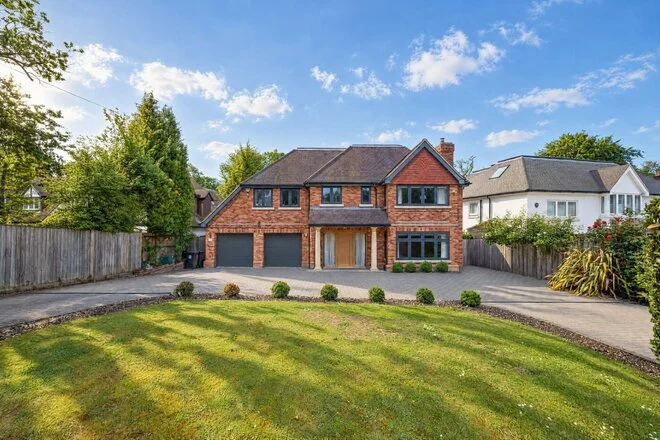
Choosing a home involves more than finding the right number of bedrooms. Buyers want a property that fits their lifestyle, offers practical features for everyday living and makes financial sense over the long term. In Beckenham, South East London, the appeal of green spaces, transport connections and an established town centre means that different types of homes can attract buyers for different reasons.
From period houses with original character to modern flats with manageable running costs, buyer priorities often depend on budget, household size and plans for the future. Understanding which features matter most can help sellers prepare their property for the market and help prospective buyers decide which compromises are worthwhile.
Space, Layout and Potential to Adapt
Space remains an important consideration for many buyers, particularly those planning to work from home or accommodate a growing family. A spare bedroom that can double as a home office, a separate dining area or a flexible reception room may make a property more appealing than one with a similar floor area but a less practical layout.
Buyers comparing homes in Beckenham may find a varied mix of traditional houses, flats and more contemporary developments. Period properties can offer generous rooms and distinctive architectural details, while newer homes may provide open-plan living, modern fittings and layouts designed around everyday convenience.
Storage is another feature that can make a noticeable difference. Built-in wardrobes, a useful hallway cupboard, loft storage or space for bicycles and pushchairs can help keep a home organised without sacrificing living space.
For those starting their search, speaking with top estate agents in beckhenham can help clarify which property types and features are available within a realistic budget. Local insight can also help buyers compare locations and identify homes that suit their priorities rather than simply choosing the property with the most attractive photographs.
Gardens, Outdoor Space and Nearby Greenery
Outdoor space can be a major selling point, especially for families, keen gardeners and buyers who enjoy spending time outside. A private garden offers room for children to play, space for entertaining and somewhere to relax during warmer months. Even a modest courtyard or balcony can be valuable for buyers who want an outdoor area without the upkeep of a large garden.
The type of outdoor space matters as much as its size. Buyers may consider how much sunlight it receives, whether it offers privacy and how much maintenance it requires. A well-kept garden with a usable patio can feel more appealing than a larger space that needs substantial work.
Beckenham also benefits from parks and open spaces, which can appeal to people who do not need a private garden but still want easy access to the outdoors. Buyers should consider walking routes to nearby green spaces alongside the property itself, particularly if outdoor recreation is part of their regular routine.
Energy Efficiency and the Cost of Running a Home
With household bills an important part of monthly budgeting, buyers may pay closer attention to insulation, heating systems, glazing and overall energy performance. A property that retains heat effectively can be more comfortable during winter and may cost less to run, although actual bills depend on the household, energy tariffs and how the home is used.
An Energy Performance Certificate (EPC) provides information about a property’s energy efficiency and typical energy costs, alongside recommendations for improvements. Buyers can read the government’s guidance on Energy Performance Certificates for property owners and buyers to understand what an EPC covers and when one is required.
When viewing a property, it is worth asking about the age and condition of the boiler, the type of insulation installed and whether the windows are double-glazed. Buyers should also consider the likely cost of upgrading older systems. A lower-priced home may need investment to improve its efficiency, while a recently updated property may offer more predictable maintenance in the short term.
Energy efficiency is not only about immediate savings. Buyers planning to stay for several years may want to understand which improvements are practical, whether the property has any restrictions on alterations and how much disruption work could involve.
Transport Links and Everyday Convenience
A property’s location can be just as influential as its internal features. Buyers often consider how easily they can travel to work, visit family, reach schools or access essential services. Beckenham’s rail and tram connections make transport an important part of the area’s appeal, but journey times and convenience depend on the specific station, destination and time of travel.
Prospective buyers should test their likely commute before making a decision. They may also want to check walking distances to public transport, local shops and supermarkets, rather than relying solely on the distance shown on a map.
Parking can be another deciding factor. A driveway or allocated parking space may be particularly useful for households with a car, while buyers who rely on public transport might prioritise being within easy walking distance of a station. It is sensible to check any parking restrictions, permit arrangements and access limitations before committing.
Modern Kitchens, Bathrooms and Low-Maintenance Finishes
Kitchens and bathrooms can strongly influence how buyers feel about a property during a viewing. A practical kitchen with sufficient worktop space, good storage and room for essential appliances can make everyday routines easier. In smaller homes, clever storage and an efficient layout may matter more than having the largest possible kitchen.
Bathrooms are also important. Good ventilation, reliable fittings and a clean, well-maintained finish can make a positive impression. Buyers do not necessarily expect every room to be newly renovated, but they may be cautious about properties that appear to require immediate and expensive work.
Neutral decoration, sound flooring and well-maintained windows can help a home feel ready to move into. Sellers considering improvements before listing should focus on repairs and practical upgrades rather than assuming a costly refurbishment will automatically increase the property’s value.
Buyers should remember that cosmetic appeal is only part of the picture. It is worth checking the condition of major components and arranging an appropriate survey before proceeding, particularly when purchasing an older property.
Character, Kerb Appeal and Long-Term Potential
Beckenham’s housing stock includes properties with different architectural styles, from period homes to modern flats. Some buyers are drawn to original fireplaces, high ceilings, bay windows and other traditional details. Others prefer contemporary interiors, efficient layouts and fewer immediate maintenance demands.
First impressions can influence interest, but buyers should look beyond attractive presentation. The condition of the roof, external walls, windows and drainage may be more significant financially than freshly painted rooms. A survey can help identify defects that are not obvious during a viewing.
Future flexibility is worth considering too. Some buyers may want the option to extend, convert a loft or reconfigure internal space as their needs change. However, potential alterations should never be assumed to be straightforward. Planning permission, building regulations, lease terms and other restrictions may apply, so buyers should investigate before placing a value on possible improvements.
Finding the Right Balance Between Features and Budget
There is rarely one property feature that matters to every buyer. A family may prioritise bedrooms and outdoor space, a commuter may focus on transport links, and a first-time buyer may prefer a well-maintained flat with manageable running costs.
The most useful approach is to separate essential requirements from desirable extras. Buyers can then compare properties according to the features that genuinely affect their daily lives, while keeping enough financial flexibility for moving costs, maintenance and unexpected repairs.
For sellers, understanding these priorities can help when preparing a home for viewings. Clear presentation, practical repairs and accurate information about the property can make it easier for buyers to assess its benefits.
Ultimately, the most appealing home is one that combines a suitable layout, a convenient location and realistic ongoing costs. By looking beyond surface appearance and considering how a property will work over time, buyers can make a more confident decision about finding a home in Beckenham.

Why Abingdon Is a Strong Choice for Buy-to-Let Landlords

Limited Company Tax Return: What to File, When and How

Drain Patch Repair: Why Hiring a Professional Beats Doing It Yourself

Who Is Shameera? All You Need To Know About Charli XCX’s Mother

Who Is Gulliver Flynn Oldman? The Untold Story of Sir Gary Oldman’s Son

Meet Rosemary Turner: The Mother of Actor Callum Turner
-
Biographies9 months ago
Who Is Shameera? All You Need To Know About Charli XCX’s Mother
-
Biographies8 months ago
Who Is Gulliver Flynn Oldman? The Untold Story of Sir Gary Oldman’s Son
-
Biographies9 months ago
Meet Rosemary Turner: The Mother of Actor Callum Turner
-

 Biographies7 months ago
Who is Alexandra James? Inside The Life of Jeremy Clarkson’s Former Partner
-
 Biographies9 months ago
Who is Todd McRae? Meet Tate McRae’s Father
-
 Biographies8 months ago
Who Is Daniel Mara? The Untold Story of Kate Mara’s Private Sibling
-
 Celebrity9 months ago
Who Is Peter Hernandez? The Real Story of Bruno Mars’ Father
-

 Blog5 months ago
AI Video for Social Media: How Small Brands Keep Up Without Burning Out