
Real Estate
Why Abingdon Is a Strong Choice for Buy-to-Let Landlords


Buy-to-let has a reputation problem these days. Between tax changes, higher mortgage rates and a thick wad of new regulation, plenty of landlords have sold up, and plenty of would-be investors have stayed on the sidelines. Yet the investors who are still buying are being far more selective about where.
That’s where Abingdon keeps landing on shortlists. It isn’t the cheapest town in Oxfordshire, and it doesn’t promise eye-watering yields. What it offers is something many landlords now value more: steady demand, reliable tenants and a rental market that doesn’t swing wildly from one year to the next.
If you’re considering a purchase here, speak to some of the local letting agents in Abingdon before you commit. They’ll tell you which streets let in days rather than weeks, what tenants are actually asking for and whether the numbers you’ve worked out on a spreadsheet match what the market will really pay. With that in hand, here’s why the town keeps winning over investors.
A tenant pool with real staying power
The best buy-to-let locations share one trait: people need to live there. Abingdon has that in abundance. The town sits roughly six miles from Oxford, one of the strongest employment hubs in the country, and it’s surrounded by major employers. Culham Campus, Harwell Campus and Milton Park between them support thousands of well-paid scientific, technical and engineering jobs, and those workers need somewhere to live nearby.
That matters because tenants in stable, professional roles tend to stay longer, pay on time and look after the property. For a landlord, fewer void periods and less turnover often count for more than a few extra percentage points of headline yield.
Rents that have held up
Rental demand across the Oxfordshire area has outstripped supply for years, and Abingdon has felt it. Recent local market data shows the average rent achieved for homes let in Abingdon at around £1,376 a month, up roughly 8% on the previous 12 months. Flats let at a lower average than houses, which gives investors options at different budgets.
Those numbers are a snapshot, of course, and rents move. But the direction of travel is reassuring. The shortage of rental homes nationally shows no sign of easing quickly, and a town with strong jobs and limited new supply is well placed to keep rents firm.
A mix of property types that suits different strategies
One of Abingdon’s quiet strengths is variety. Ask ten landlords what they own here and you’ll hear a surprising range of answers. Some hold modern flats near the town centre, which appeal to young professionals and couples who want walkable access to shops, restaurants and the riverside. Others favour three- and four-bed family houses on the residential estates, which attract longer tenancies and settled households.
That range lets you match the property to your own appetite. If you want lower entry costs and quick lettings, a well-presented flat can work well. If you’d rather aim for stability and longer tenancies, a family home with a garden and parking is hard to beat. Many tenants here expect off-street parking, so check that before you buy.
Character that holds its value
Abingdon claims to be one of the oldest continuously inhabited towns in England, and you feel it as soon as you arrive. There’s the historic market place, the Thames running through, plenty of independent shops and a lively calendar of local events. It’s a pleasant town, and pleasant towns often hold their value better when the wider market wobbles.
Good schools, both state and independent, also bring families who want to rent nearby while they save for a purchase of their own. That keeps demand steady for the kind of homes landlords like to own.
Connections, with one honest caveat
Abingdon has excellent road access. The A34 puts Oxford, Didcot and the M4 within easy reach, and cycling routes into Oxford are well used by commuters. Didcot Parkway, with fast services to London Paddington, is a short drive away.
The caveat is that Abingdon itself has no railway station, and some tenants will want to know that before they sign. It’s usually not a dealbreaker for people who work locally, but if you’re targeting London commuters, you may want to look at properties with easy road access to Didcot.
The regulations: treat them as a business cost
Let’s not pretend the landscape is easy. The Renters’ Rights Act has changed the rules on how tenancies are ended, and minimum energy efficiency standards are tightening. Landlords who keep their properties in good order, and who budget for improvements rather than hope to avoid them, will be in the strongest position.
Compliance isn’t hard when you have clear guidance and regular inspections, but it’s expensive when you get it wrong. A good managing agent keeps you on the right side of it, deals with tenants day to day and spots problems before they become costly. Always check current legislation or take professional advice before you buy.
The bottom line
Abingdon won’t suit someone chasing the highest yield in the country. But for landlords who want resilient demand, a respectable return and a town that people genuinely want to live in, it makes a lot of sense. Do your sums carefully, view a few properties, and look beyond the headline figures to who will actually be renting your home.
Get that right, and Abingdon can reward patient investors for years to come.

Bicester has changed a lot in the last twenty years. It used to be a market town you passed through on the way to Oxford, and now it’s somewhere people choose to live, with new estates, two railway stations and a fair bit of regeneration. Buyers often assume it’s all new-build family housing, but the picture is more varied than that. Here’s what the sales data shows about the types of homes available, and it’s worth getting your head around the mix before you find expert help from our Bicester estate agents.
Looking at the share of sales by bedroom count, the town sits a little differently from the national picture.
One-bedroom homes make up 6.7% of Bicester sales, against 7.38% nationally. Two-bedroom homes are 18.4% locally, compared with almost 26% across the country. Three-bedroom homes account for 48.7% (the national figure is 46.06%), and homes with four bedrooms or more represent 26.2%, well above the national 20.58%.
Put simply, Bicester leans towards family housing. Around three in four sales here are three bedrooms or more. Nationally it’s closer to two in three.
Why that makes sense
This is a town built, in large part, on family estates. Kingsmere, Langford Village, Bure Park and the newer parts of the north-west, including Elmsbrook, were designed around houses with gardens and parking. Smaller flats do exist, but they’ve never been the main event.
Graven Hill is worth a mention. It’s one of the largest self-build developments in the country, so you’ll find owner-designed homes there that don’t look like anything else on the market.
The small end of the market
Flats and one- and two-bedroom homes are fewer, but they attract steady interest from first-time buyers, investors and people downsizing. Average flat prices tend to sit around £200,000 to £250,000, depending on the source and the postcode.
Because supply is thinner, a decent two-bed in a good spot can move quicker than you’d expect. Buyers usually ask about leasehold terms and service charges first, so have those details ready.
The middle: three-bedroom homes
This is the heart of Bicester. Semis and terraces dominate, and they’re the homes most first-time family buyers are chasing. Prices vary by estate, age and condition.
If you’re selling one, remember you’re competing with plenty of similar homes. Presentation and a realistic price do more work here than almost anywhere.
Larger homes and the villages
Four-bedroom homes and above make up more than a quarter of sales, and that’s partly down to executive-style new builds and the villages around the town. The outer postcodes, particularly OX25, carry noticeably higher house prices than central OX26, with some portal data putting the average house in OX25 well above £700,000. Treat that as indicative, since small sample sizes can skew it.
Buyers coming from Oxford, London or Buckinghamshire are often surprised by how much space their money buys here compared with where they’ve come from.
What prices are doing
Over the last twelve months, Land Registry-based figures put Bicester’s average sale price at roughly £374,000, around £388 per square foot. That’s close to the South East average of about £376,000 and well above the England and Wales average of roughly £282,000.
More recent sold-price data for 2026 suggests the average is around £386,000, slightly down on 2025. Asking prices have drifted down too, and homes are taking around thirteen weeks to go under offer. It’s a market that’s steady rather than overheated, with buyers having a little more room to negotiate.
Why people keep choosing Bicester
Location is a large part of it. Bicester North connects to London Marylebone in under an hour, and Bicester Village station links to Oxford. The M40 is close, and Oxford itself is about twenty minutes away. East West Rail developments have only added to the town’s long-term appeal.
Then there’s employment. Bicester Heritage, the logistics and engineering firms, and the retail pull of Bicester Village create a local economy that doesn’t depend on commuters alone.
What this means for you
If you’re buying, decide early whether you want a newer estate home or something older with more character. They behave differently on price and in resale.
If you’re selling a three- or four-bedroom home, expect competition and price against what’s genuinely sold, not what’s merely listed. And if you’re a landlord, family houses tend to hold their appeal, though the Renters’ Rights Act has made it more important to get the rent and the condition right from the start.
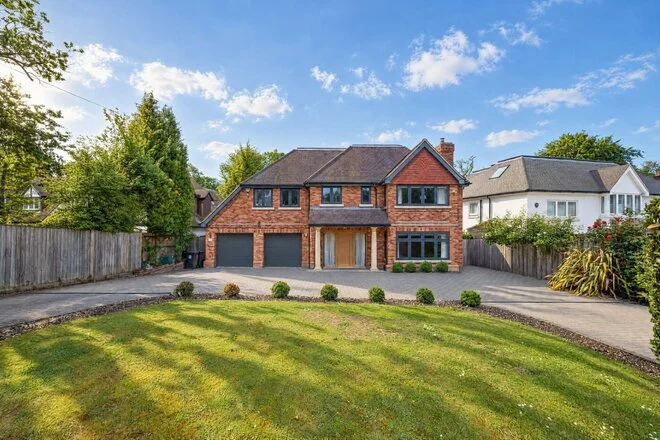
Choosing a home involves more than finding the right number of bedrooms. Buyers want a property that fits their lifestyle, offers practical features for everyday living and makes financial sense over the long term. In Beckenham, South East London, the appeal of green spaces, transport connections and an established town centre means that different types of homes can attract buyers for different reasons.
From period houses with original character to modern flats with manageable running costs, buyer priorities often depend on budget, household size and plans for the future. Understanding which features matter most can help sellers prepare their property for the market and help prospective buyers decide which compromises are worthwhile.
Space, Layout and Potential to Adapt
Space remains an important consideration for many buyers, particularly those planning to work from home or accommodate a growing family. A spare bedroom that can double as a home office, a separate dining area or a flexible reception room may make a property more appealing than one with a similar floor area but a less practical layout.
Buyers comparing homes in Beckenham may find a varied mix of traditional houses, flats and more contemporary developments. Period properties can offer generous rooms and distinctive architectural details, while newer homes may provide open-plan living, modern fittings and layouts designed around everyday convenience.
Storage is another feature that can make a noticeable difference. Built-in wardrobes, a useful hallway cupboard, loft storage or space for bicycles and pushchairs can help keep a home organised without sacrificing living space.
For those starting their search, speaking with top estate agents in beckhenham can help clarify which property types and features are available within a realistic budget. Local insight can also help buyers compare locations and identify homes that suit their priorities rather than simply choosing the property with the most attractive photographs.
Gardens, Outdoor Space and Nearby Greenery
Outdoor space can be a major selling point, especially for families, keen gardeners and buyers who enjoy spending time outside. A private garden offers room for children to play, space for entertaining and somewhere to relax during warmer months. Even a modest courtyard or balcony can be valuable for buyers who want an outdoor area without the upkeep of a large garden.
The type of outdoor space matters as much as its size. Buyers may consider how much sunlight it receives, whether it offers privacy and how much maintenance it requires. A well-kept garden with a usable patio can feel more appealing than a larger space that needs substantial work.
Beckenham also benefits from parks and open spaces, which can appeal to people who do not need a private garden but still want easy access to the outdoors. Buyers should consider walking routes to nearby green spaces alongside the property itself, particularly if outdoor recreation is part of their regular routine.
Energy Efficiency and the Cost of Running a Home
With household bills an important part of monthly budgeting, buyers may pay closer attention to insulation, heating systems, glazing and overall energy performance. A property that retains heat effectively can be more comfortable during winter and may cost less to run, although actual bills depend on the household, energy tariffs and how the home is used.
An Energy Performance Certificate (EPC) provides information about a property’s energy efficiency and typical energy costs, alongside recommendations for improvements. Buyers can read the government’s guidance on Energy Performance Certificates for property owners and buyers to understand what an EPC covers and when one is required.
When viewing a property, it is worth asking about the age and condition of the boiler, the type of insulation installed and whether the windows are double-glazed. Buyers should also consider the likely cost of upgrading older systems. A lower-priced home may need investment to improve its efficiency, while a recently updated property may offer more predictable maintenance in the short term.
Energy efficiency is not only about immediate savings. Buyers planning to stay for several years may want to understand which improvements are practical, whether the property has any restrictions on alterations and how much disruption work could involve.
Transport Links and Everyday Convenience
A property’s location can be just as influential as its internal features. Buyers often consider how easily they can travel to work, visit family, reach schools or access essential services. Beckenham’s rail and tram connections make transport an important part of the area’s appeal, but journey times and convenience depend on the specific station, destination and time of travel.
Prospective buyers should test their likely commute before making a decision. They may also want to check walking distances to public transport, local shops and supermarkets, rather than relying solely on the distance shown on a map.
Parking can be another deciding factor. A driveway or allocated parking space may be particularly useful for households with a car, while buyers who rely on public transport might prioritise being within easy walking distance of a station. It is sensible to check any parking restrictions, permit arrangements and access limitations before committing.
Modern Kitchens, Bathrooms and Low-Maintenance Finishes
Kitchens and bathrooms can strongly influence how buyers feel about a property during a viewing. A practical kitchen with sufficient worktop space, good storage and room for essential appliances can make everyday routines easier. In smaller homes, clever storage and an efficient layout may matter more than having the largest possible kitchen.
Bathrooms are also important. Good ventilation, reliable fittings and a clean, well-maintained finish can make a positive impression. Buyers do not necessarily expect every room to be newly renovated, but they may be cautious about properties that appear to require immediate and expensive work.
Neutral decoration, sound flooring and well-maintained windows can help a home feel ready to move into. Sellers considering improvements before listing should focus on repairs and practical upgrades rather than assuming a costly refurbishment will automatically increase the property’s value.
Buyers should remember that cosmetic appeal is only part of the picture. It is worth checking the condition of major components and arranging an appropriate survey before proceeding, particularly when purchasing an older property.
Character, Kerb Appeal and Long-Term Potential
Beckenham’s housing stock includes properties with different architectural styles, from period homes to modern flats. Some buyers are drawn to original fireplaces, high ceilings, bay windows and other traditional details. Others prefer contemporary interiors, efficient layouts and fewer immediate maintenance demands.
First impressions can influence interest, but buyers should look beyond attractive presentation. The condition of the roof, external walls, windows and drainage may be more significant financially than freshly painted rooms. A survey can help identify defects that are not obvious during a viewing.
Future flexibility is worth considering too. Some buyers may want the option to extend, convert a loft or reconfigure internal space as their needs change. However, potential alterations should never be assumed to be straightforward. Planning permission, building regulations, lease terms and other restrictions may apply, so buyers should investigate before placing a value on possible improvements.
Finding the Right Balance Between Features and Budget
There is rarely one property feature that matters to every buyer. A family may prioritise bedrooms and outdoor space, a commuter may focus on transport links, and a first-time buyer may prefer a well-maintained flat with manageable running costs.
The most useful approach is to separate essential requirements from desirable extras. Buyers can then compare properties according to the features that genuinely affect their daily lives, while keeping enough financial flexibility for moving costs, maintenance and unexpected repairs.
For sellers, understanding these priorities can help when preparing a home for viewings. Clear presentation, practical repairs and accurate information about the property can make it easier for buyers to assess its benefits.
Ultimately, the most appealing home is one that combines a suitable layout, a convenient location and realistic ongoing costs. By looking beyond surface appearance and considering how a property will work over time, buyers can make a more confident decision about finding a home in Beckenham.

For many homebuyers, choosing where to live is increasingly about finding the right balance between work, home and everyday convenience. Commuting time, transport costs and access to employment centres can all influence which properties make it onto a buyer’s shortlist.
Rochester benefits from its position within the Medway area, with rail connections to London and other parts of Kent, alongside road links and a range of established local amenities. This combination can make the area appealing to professionals, families, first-time buyers and investors looking at well-connected locations.
For buyers and landlords assessing the local market, speaking to Expert Local estate agents can provide useful insight into the neighbourhoods and property features attracting local demand.
Why Commuting Is Influencing Homebuying Decisions
The daily commute can have a significant impact on household routines. Buyers are increasingly considering not only how a property looks and how much it costs, but also how easily they can travel to work.
A shorter or more convenient commute can create additional time for family, leisure and personal activities. It can also reduce reliance on private transport for households with access to reliable rail or bus services.
As a result, connectivity is becoming an important part of the wider property decision.
Rochester’s Rail Links Support Commuter Appeal
Rochester railway station provides services towards London and other destinations across Kent, giving residents an option for commuting without relying entirely on the car.
For professionals travelling towards London, the ability to access rail services can be an important consideration when comparing properties.
This does not mean every commuter will prioritise living close to the station. Some households may prefer a quieter residential neighbourhood and accept a longer local journey in exchange for more space or better value.
Road Connectivity Adds Flexibility
Rail is only one part of Rochester’s transport network.
The wider Medway area benefits from road connections to the M2 and other major routes, providing access towards London, Canterbury and destinations across Kent.
This can be particularly useful for commuters whose work requires travel between different locations rather than a fixed office.
For buyers who drive regularly, proximity to major roads and the availability of parking can therefore be important property considerations.
Hybrid Working Is Changing Commuter Priorities
The rise of hybrid working has changed how some buyers assess distance from employment centres.
Someone commuting into London several days a week may prioritise a railway connection, while someone travelling only occasionally could be prepared to live further from the station if the property offers more space or better value.
This has increased interest in homes that provide a comfortable working environment.
A spare bedroom, study or flexible living area can allow residents to work from home while retaining easy access to transport when office attendance is required.
Schools Remain Important for Commuting Families
For families, the property search involves more than the journey to work.
Schools can be a major factor in deciding where to live, with parents often considering school quality alongside travel times, walking routes and access to other daily amenities.
Rochester and the wider Medway area offer a range of primary and secondary schools.
A property that allows parents to manage both the school run and commute conveniently can therefore have a strong practical advantage.
Local Amenities Reduce the Need for Additional Travel
A commuter-friendly location is not simply one with a railway station nearby.
Buyers may also value easy access to supermarkets, shops, healthcare, restaurants and leisure facilities.
Rochester benefits from established local amenities, while the wider Medway area provides additional retail and recreational options.
Having these facilities within a convenient journey can reduce the number of trips households need to make outside their immediate neighbourhood.
Rochester’s Historic Setting Adds Lifestyle Appeal
Transport connectivity can be particularly attractive when combined with a distinctive local environment.
Rochester’s historic character, including its cathedral, castle and established town centre, gives the area a different feel from many commuter locations.
For buyers who want access to London while also valuing local character and community amenities, this combination can be appealing.
The result is a property market where lifestyle considerations can sit alongside commuting requirements.
Green Spaces Offer a Balance to Urban Living
Access to outdoor space can also influence buyer decisions.
Parks, riverside areas and nearby countryside provide opportunities for walking, exercise and recreation.
For professionals who spend part of their week commuting or working indoors, access to green space can contribute to a more balanced lifestyle.
Families may also value nearby outdoor areas for children’s activities and weekend recreation.
Different Commuters Look for Different Homes
Commuter demand does not create a single type of property preference.
A young professional may prioritise a smaller home close to the railway station. A family may prefer a larger house with parking and a garden, even if it involves a longer journey to the station.
Someone working primarily from home may prioritise internal space and broadband connectivity, while an office-based professional may place greater emphasis on transport.
Understanding these differences is important for both buyers and investors.
Rental Demand Can Follow Transport Connectivity
Transport links can also influence the rental market.
Tenants who commute to London, other parts of Kent or local employment centres may seek homes that make their daily journeys easier.
Properties located within convenient reach of railway stations, major roads or bus services can therefore appeal to professionals looking for practical accommodation.
For landlords, however, transport should be considered alongside rental values, property condition, tenant competition and overall investment costs.
Investment Opportunities Depend on the Target Tenant
An investor considering Rochester needs to understand who is most likely to rent a particular property.
A compact property close to transport may appeal to professionals, while larger houses with gardens and parking could be more suitable for families.
Properties with flexible space may also appeal to hybrid workers who need a dedicated office.
Matching the property to the likely tenant demographic can help investors assess its potential rental appeal more realistically.
Employment Opportunities Strengthen Local Demand
Rochester is not simply a commuter base for London.
The wider Medway area has its own employment, education, healthcare, retail and commercial sectors.
This creates a more diverse housing market, with demand coming from both local workers and people commuting to other employment centres.
For landlords, this can help create a broader potential tenant audience.
Energy Efficiency Can Influence Housing Choices
Commuting costs are only one part of household affordability.
Energy bills can also influence the overall cost of living, particularly for buyers managing mortgage payments and other household expenses.
Energy-efficient homes with effective insulation, modern heating and good EPC ratings may therefore attract buyers and tenants looking to manage ongoing costs.
For landlords, maintaining energy performance can also become increasingly important as tenant expectations develop.
Practical Features Still Matter
Good transport connections cannot compensate for a property that does not meet the household’s needs.
Parking, storage, garden space, bedroom numbers and internal layout can all influence the final decision.
For example, a family may prefer a property slightly further from Rochester station if it provides an additional bedroom, garden and off-street parking.
The strongest property choices often balance accessibility with practical living requirements.
What Should Rochester Buyers Consider?
When comparing properties, buyers may want to assess:
- Distance from Rochester railway station
- Access to the M2 and major roads
- Typical commuting frequency
- Local schools
- Shops and supermarkets
- Healthcare facilities
- Parks and green spaces
- Parking availability
- Home office potential
- Energy efficiency
- Future resale appeal
Considering these factors together can help buyers understand whether a property genuinely fits their lifestyle.
Why Rochester Appeals to Commuters and Families
Rochester combines transport accessibility with established amenities, schools, green spaces and a distinctive historic environment.
Its rail links provide access towards London and other destinations, while road connections give drivers flexibility across Kent.
At the same time, residents can benefit from the wider amenities and employment opportunities available across the Medway area.
This combination allows buyers to consider more than simply the shortest commute.
A Broader Definition of Commuter-Friendly Living
Today’s commuter does not necessarily want to live as close as possible to the workplace.
Instead, buyers may be looking for a location that provides an acceptable journey alongside space, affordability, schools, amenities and quality of life.
Rochester offers several of these factors within the same market, helping explain its continued relevance to buyers who need access to employment centres but want more than a purely functional commuter base.
For homeowners, connectivity can make everyday routines more manageable. For landlords, it can contribute to tenant appeal. For investors, transport accessibility can be one useful factor when assessing long-term demand.
As working patterns continue to evolve, Rochester’s combination of connectivity, local amenities and lifestyle appeal is likely to remain an important consideration for property buyers and renters.

We Tested Every Popular AI Chatbot Like ChatGPT. Here’s How They Compare

How to Run an Instagram Giveaway Without Misusing Data

“Should I Order Medium or Large?” What Latex Sizing Advice Should Explain

Who Is Shameera? All You Need To Know About Charli XCX’s Mother

Who Is Gulliver Flynn Oldman? The Untold Story of Sir Gary Oldman’s Son

Meet Rosemary Turner: The Mother of Actor Callum Turner
-
Biographies9 months ago
Who Is Shameera? All You Need To Know About Charli XCX’s Mother
-
Biographies9 months ago
Who Is Gulliver Flynn Oldman? The Untold Story of Sir Gary Oldman’s Son
-
Biographies9 months ago
Meet Rosemary Turner: The Mother of Actor Callum Turner
-

 Biographies7 months ago
Who is Alexandra James? Inside The Life of Jeremy Clarkson’s Former Partner
-

 Blog5 months ago
AI Video for Social Media: How Small Brands Keep Up Without Burning Out
-
 Biographies9 months ago
Who is Todd McRae? Meet Tate McRae’s Father
-
 Biographies9 months ago
Who Is Daniel Mara? The Untold Story of Kate Mara’s Private Sibling
-
 Celebrity10 months ago
Who Is Peter Hernandez? The Real Story of Bruno Mars’ Father