
Home Improvement
Shower Door Replacement: What It Does for Your Bathroom

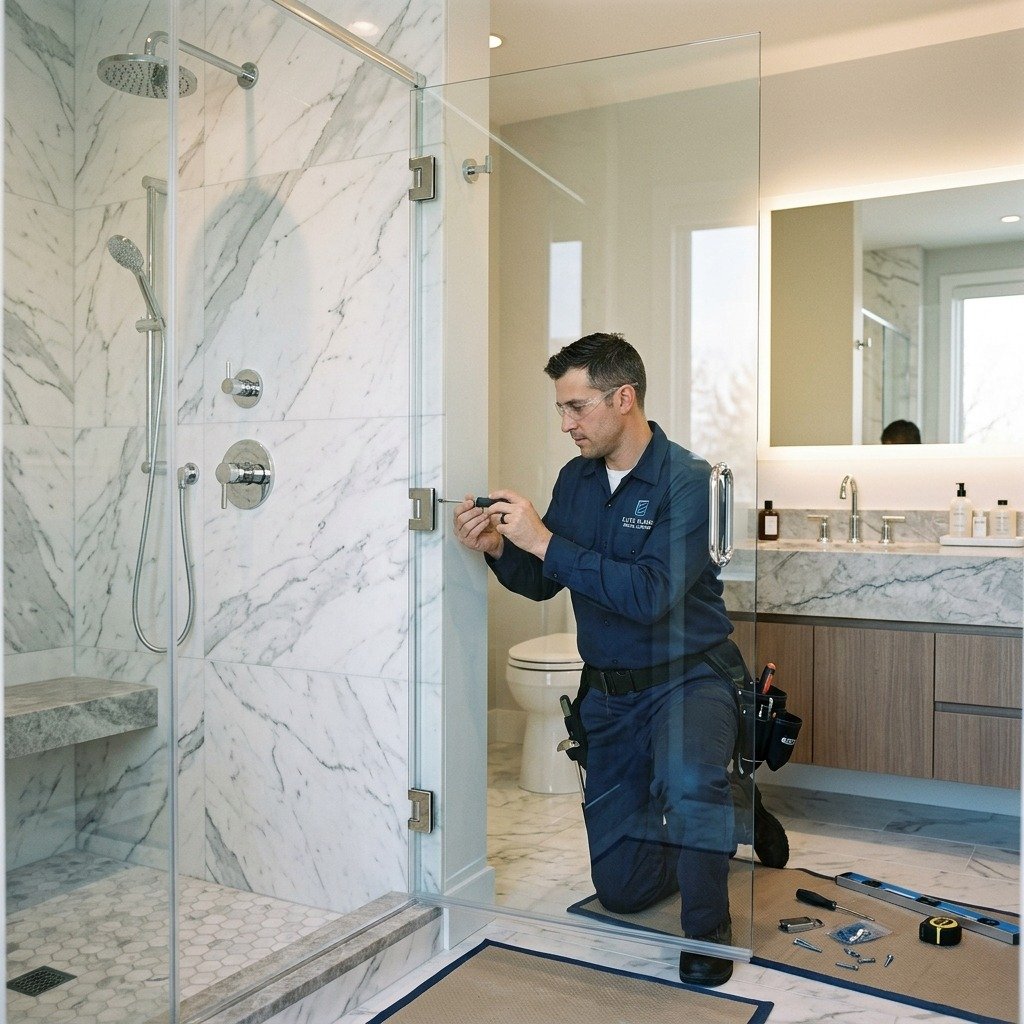
A bathroom can look spotless, freshly painted, and well-organized—yet one worn, outdated shower door quietly pulls the whole room down. It’s the kind of thing you stop noticing after a while, but your guests don’t. Neither does a potential home buyer. And neither does the water creeping past a broken seal onto your bathroom floor.
Shower door replacement is one of those home services that delivers far more than people expect going in. Better function, better aesthetics, better waterproofing—all from a single project that takes far less time than a full bathroom renovation.
What Happens to Shower Doors Over Time?
Glass doesn’t age gracefully on its own. Years of soap buildup, hard water minerals, humidity cycles, and daily use leave their mark. Frames corrode. Rollers wear down. Seals dry out and crack. What was once a clean, clear enclosure gradually becomes something you’d rather not look at—let alone step into.
Beyond appearance, deteriorating shower doors create real functional problems. A door that doesn’t close flush wastes water outside the shower. A frame with rust or mold buildup becomes a hygiene issue. A door with outdated, thin glass becomes a safety concern.
These aren’t slow-moving cosmetic problems. They tend to get worse quickly once the seals or hardware start to fail.
Why Shower Door Replacement Makes More Sense Than Repair
At a certain point, patching becomes more expensive than replacing. Replacement parts for older shower door systems can be difficult to source, and even when found, the results are often inconsistent—a new roller on a worn frame, a new seal on damaged glass.
A full replacement gives you a clean slate. New glass. New hardware. New seals. Everything calibrated to work together from the start. The result is a shower door that operates smoothly, seals properly, and looks sharp for years rather than months.
There’s also the question of value. Bathroom improvements consistently rank among the highest-ROI home upgrades. A fresh, well-fitted shower enclosure is one of the first things buyers and appraisers notice, and one of the last things they forget.
Frameless, Semi-Frameless, or Framed: Which Option Is Right for You?
Not all shower enclosures are built the same, and the right choice depends on your bathroom layout, budget, and style preferences.
Frameless Shower Doors
Frameless doors use thick tempered glass with minimal metal hardware. They offer a sleek, open feel and are significantly easier to clean—no frame channels to collect soap scum or mildew. These are the premium option and work especially well in modern or contemporary bathrooms.
Semi-Frameless Shower Doors
Semi-frameless designs use some hardware at key structural points while leaving much of the glass exposed. They sit between frameless and framed in both price and appearance, offering a cleaner look than fully framed without the higher cost of fully frameless.
Framed Shower Doors
Fully framed doors are the most traditional and most affordable option. They use metal framing around the entire perimeter of the glass, which adds structure and durability. For classic bathroom designs, or where budget is the primary consideration, framed doors remain a strong choice.
The Installation Process: What to Expect
Professional shower door replacement is straightforward when handled by an experienced team. Here’s a general breakdown of what the process looks like:
- Removal of the existing door and frame – Old hardware, tracks, and any caulking are taken out carefully to avoid damaging surrounding tile or wall surfaces.
- Surface preparation – The area is cleaned and prepped to ensure a proper seal with the new installation.
- Custom measurement and fitting – Shower openings are rarely perfectly square, which is why precise measurement matters. A professional team accounts for any variance before cutting or ordering glass.
- Installation of new hardware and glass – The new door is fitted, leveled, and secured.
- Sealing and finishing – Caulk is applied along contact points to create a watertight seal, and all hardware is tightened and tested.
A professional installation typically takes just a few hours, leaving you with a fully functional shower enclosure the same day.
What Makes a Quality Shower Door Replacement Worth It
Shower door replacement by a skilled professional team gives homeowners a noticeably cleaner, more functional bathroom space—without the timeline, disruption, or cost of a larger renovation. The difference between a sagging, discolored door and a properly installed frameless or semi-frameless enclosure is immediate and visible from the moment you walk into the room.
At L.A. Direct Shower Door, replacement work is handled with attention to fit, finish, and function. Every installation is measured precisely, installed by experienced professionals, and backed by the kind of workmanship that holds up over time. Whether the goal is a modern frameless look or a clean-lined framed option, the team works to deliver a result that fits the space and meets the homeowner’s expectations.
How Do You Know It’s Time for a Replacement?
A few clear signs point toward replacement rather than repair:
- Visible corrosion or rust on frames or hinges that cleaning can’t resolve
- Persistent leaking around seals that continue after resealing attempts
- Cloudy or etched glass that no longer comes clean with standard methods
- Stiff, misaligned, or broken rollers that make the door hard to open and close
- Cracked or chipped glass, which poses a safety risk and should be addressed immediately
If two or more of these apply, replacement is almost always the more practical—and more economical—choice long term.
The Right Time to Act Is Before the Problem Grows
Shower door problems tend to compound. A failing seal leads to water damage. A corroded frame becomes a mold issue. What starts as a cosmetic annoyance can quietly become a structural one.
Addressing a worn or damaged shower door sooner means less remediation down the line, a better-functioning bathroom in the near term, and a more attractive space overall. It’s a focused, efficient improvement with results that are immediately visible—and consistently appreciated.


Keeping a bedroom tidy can be challenging when clothing, accessories and everyday essentials have no dedicated storage space. A well-chosen dresser offers a simple way to organise these items while adding style and functionality to your interior. Whether you have a spacious bedroom or a compact living space, the right furniture can help you make better use of the room.
Why Is a Dresser Useful in the Bedroom?
A dresser provides practical storage for clothing and personal belongings that you want to keep within easy reach. It is particularly useful for folded garments, socks, accessories and other smaller items that can be difficult to organise in a wardrobe.
The drawers help separate belongings into categories, making it easier to find what you need without searching through piles of clothing. A tidy storage arrangement can also make daily routines quicker and more convenient.
Many dressers feature a flat top surface that can hold a mirror, a lamp, decorative accessories or a small tray for everyday essentials. This allows one piece of furniture to serve several purposes without taking up excessive space.
Select the Right Size for Your Room
Before purchasing a dresser, measure the area where you intend to place it. Consider its width, height and depth, along with enough clearance to open the drawers fully.
A narrow dresser can be suitable for smaller bedrooms where floor space is limited. Wider models may provide greater storage capacity for larger households or people with extensive clothing collections.
It is also important to consider the height of the furniture. A lower dresser can create a more open appearance, while a taller design may offer additional storage without occupying as much floor space.
Avoid choosing a unit simply because it looks attractive. The most suitable option should fit comfortably into your bedroom and provide enough room for everyday movement.
Consider the Number of Drawers
Different dresser designs offer different storage arrangements. Some feature a few large drawers, while others include several smaller compartments.
Large drawers are useful for jumpers, trousers and other folded garments. Smaller drawers can help organise underwear, socks, belts and accessories. If you prefer keeping different clothing categories separate, a model with several drawers may be more convenient.
Think about your current storage habits before deciding. A practical arrangement that suits your belongings will make it easier to maintain an organised bedroom over time.
You can explore different styles and sizes of dresser to compare storage options and find a design that suits your home.
Match the Dresser to Your Bedroom Décor
Bedroom furniture should work together to create a comfortable and balanced appearance. Choosing a dresser that complements your bed frame, wardrobe and bedside furniture can help achieve a coordinated interior.
White furniture is a popular option for bright, contemporary bedrooms. Wood-effect finishes introduce warmth, while grey and darker colours can complement modern decorative schemes.
You do not necessarily need every item of furniture to match exactly. Combining complementary colours and finishes can create a more individual look while maintaining visual consistency.
For a simple approach, choose a dresser with clean lines and a finish that works with your existing décor.
Look for Quality and Practical Features
A dresser should be designed for regular use, so pay attention to its construction and functionality. Check that the drawers open smoothly and that the handles feel comfortable to use.
The materials and overall build quality also matter. A sturdy frame and well-supported drawers can contribute to long-term usability. If you have limited space, consider a design that offers generous storage without an unnecessarily bulky appearance.
Safety is another important consideration. Tall or narrow furniture should be secured to the wall according to the manufacturer’s instructions, especially in households with young children.
Keep Your Dresser Organised
Even a spacious dresser can become cluttered without a simple organisation system. Assign each drawer a purpose, such as everyday clothing, accessories or seasonal garments.
Fold clothes neatly to make better use of the available space. Small organisers can help separate accessories and prevent smaller items from becoming mixed together.
Keep the top surface relatively clear. A mirror, lamp or a few decorative pieces can add character without turning the dresser into another source of clutter.
Reviewing the contents occasionally also helps you remove items you no longer use and maintain an efficient storage arrangement.
Frequently Asked Questions
What is the main purpose of a dresser?
A dresser provides drawer-based storage for clothing, accessories and personal belongings. Its top surface can also be used for a mirror or decorative items.
Is a dresser suitable for a small bedroom?
Yes. A compact or narrow dresser can provide useful storage while taking up relatively little floor space. Always measure the room before buying.
Can a dresser complement a wardrobe?
Yes. A dresser and wardrobe serve different storage purposes. The wardrobe is useful for hanging clothes, while the dresser is ideal for folded garments and smaller items.
Conclusion
A suitable dresser can improve bedroom organisation while complementing the room’s overall design. By considering size, drawer configuration, materials and appearance, you can choose furniture that meets your everyday needs. With a little planning, a dresser becomes a practical addition that helps keep your bedroom neat, functional and comfortable.

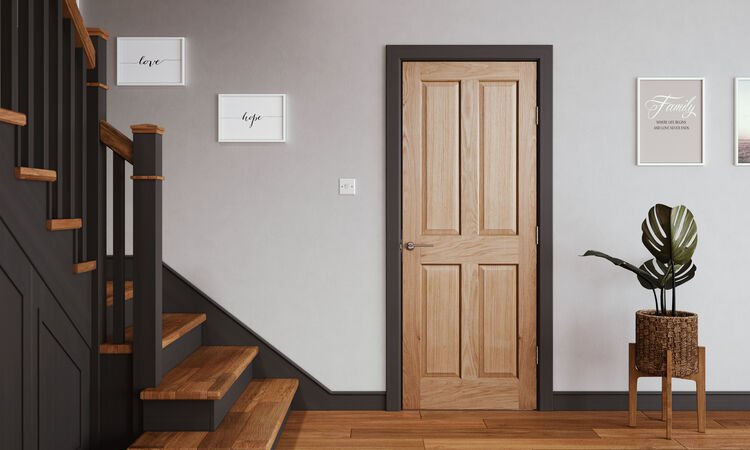
Oak interior doors sit at the intersection of design and daily use. The grain adds warmth, the weight adds presence, and the finish determines how the door handles fingerprints, steam, sunlight, and scrapes. When you are deciding between prefinished and unfinished oak, the right choice usually depends on how fast you need the doors installed, how precisely you want to match surrounding woodwork, and how each room behaves. This guide breaks down practical differences that matter in real homes, from lacquer sheen and oil feel to glazing, trimming limits, and long-term upkeep. You will leave with a clear way to choose what fits your timeline, your rooms, and your style.
- When Prefinished Oak Makes Sense
Choose prefinished oak when speed and uniformity are priorities. Factory-applied coatings arrive ready to hang, so you can skip site sanding and curing time. This reliability helps on time-sensitive projects like a rental refresh or a multi-door hallway where consistent color and sheen matter. Prefinished doors typically have an even satin or matt lacquer that resists everyday handling, so entry-level maintenance is a damp microfiber cloth rather than periodic re-oiling. For a quick sense of what’s possible, you can view oak-finished internal doors to compare grain direction, panel layouts, and glazed openings before finalizing a look.
Prefinished doors also reduce site-finishing risks, such as dust nibs settling in wet varnish or streaks from uneven staining. Because the color coat and topcoat are applied in a controlled environment, edge tone and face panels usually match well across a set. That said, you will still need to drill for hardware and lightly seal any freshly exposed timber at latch cutouts or hinge mortises to prevent moisture wicking into the core over time.
- Where Unfinished Still Wins
Unfinished oak is the right move when you need a custom color or a richer, hand-rubbed look. If your stair treads or floorboards are a specific smoked oak tone, site finishing lets you tune the stain to blend. You can choose an oil that enhances figure and open grain, or a tinted varnish that pulls the door closer to existing casing and baseboards. This route favors period homes and spaces where matching surrounding millwork takes priority over a rapid schedule.
There are trade-offs. Site finishing adds mess, odor, and dry time. You must seal all faces and edges, including the top and bottom of the slab and any new cuts after trimming. Missing an edge is a common mistake that lets bathroom steam or kitchen humidity into the core, causing swelling near the latch or softening around hinge screws. To reduce blotching on end grain, many finishers condition the wood or wipe back stain before clear coats, especially on rails and stiles that absorb differently than flat panels.
- Finish Types: Lacquer, Oil, or Varnish?
Lacquer, common on prefinished doors, creates a thin, hard film that keeps fingerprints and minor scuffs at bay. It preserves oak’s pale gold tone and suits high-traffic spaces like hallways and living rooms. Oil finishes soak into the fibers, deepen color, and deliver a tactile, low-sheen surface that feels natural to the touch. They are forgiving to touch up but typically need periodic re-oiling. Varnish or polyurethane builds a thicker protective layer that improves moisture resistance and can be a smart pick for half baths or near a busy kitchen.
Maintenance follows the chemistry. Lacquered and varnished doors respond well to a soft cloth and a pH-neutral cleaner; avoid abrasive pads and ammonia-based sprays that can haze the surface. Oiled doors benefit from a light recoat as the sheen dulls, especially around the handle set, where contact is constant. For minor dings, a matching wax filler or stain pen can disguise a mark before you refresh the top layer. Good ventilation helps in humid rooms, and sealing freshly drilled holes keeps edges stable.
- Construction Details That Affect Fit and Feel
Beyond the finish, what is inside the slab matters. A solid core or engineered core door feels substantial, damps sound better than hollow constructions, and closes with a reassuring thud. That extra mass calls for robust hinges, typically three per door, and careful alignment of the latch and strike. Trimming has limits: most oak-veneered doors include a solid lipping around the edges, but remove too much, and you risk exposing the substrate beneath the veneer. Always confirm allowable trim and, if you do shorten a leaf, reseal the new edge before hanging. If a space needs a fire-rated door, follow the manufacturer’s strict guidance on hardware, seals, and edge modification.
Glazing, Privacy, and Light for Real Rooms
Glazed oak doors borrow daylight without losing timber’s warmth. Clear glass works for a dining room where you want openness between spaces. Frosted, reeded, or sandblasted glass balances light with privacy in a home office or bath. Safety glass, often laminated or tempered, is standard for internal glazed apertures and worth confirming when children are around. Solid doors excel where sound and seclusion matter most, like bedrooms or media rooms, and can pair with perimeter seals for extra hush. If a hallway lacks natural light, a glazed oak door on the adjacent room can turn it from a cave into a corridor you enjoy using.
The best decisions start before you order. Measure existing frames at several points to catch out-of-square openings, check swing direction against nearby furniture, and note floor coverings that could reduce clearance. Acclimate new doors indoors, flat and supported, until they match room temperature and humidity. Then choose prefinished for speed and consistent sheen, or unfinished for color control and a tailored look. Match finish chemistry to room conditions, mind trimming and edge sealing, and think carefully about glazing where light or privacy is at stake. With those calls made, oak rewards you every time the handle turns.


Starting an Essex house extension project helps create more living space, improves comfort, and could potentially increase your overall property’s value without the stress of moving. Prioritising careful preparation can make the difference between a successful project and an expensive one. According to SunLife’s 2025 Life Well Spent report, the average amount spent on a home extension was £22,325, compared to £26,417 in 2024. These figures demonstrate why homeowners need to plan their budgets carefully before starting construction.
4 Common Mistakes To Avoid When Planning Your House Extension In Essex, UK
Here are some common mistakes to avoid when planning your home extension in Essex, UK.
- Not Consulting Experienced Residential Architecture Firms
Although it may seem cheaper to manage everything independently, overlooking important design and planning considerations can lead to expensive problems later. One of the best decisions Essex homeowners can make before starting an extension project is seeking professional architectural advice. Experienced residential architecture firms understand how to develop practical house extension Essex designs that complement existing properties while making the best use of the available space.
- Underestimating Your Extension Budget
Any Essex house extension project involves several additional expenses, including architectural fees, structural engineering, building control, materials, electrical installations, and plumbing. Unexpected problems, such as drainage complications or structural weaknesses, can also increase your spending. It is also sensible to maintain a contingency fund for unforeseen expenses and prepare a detailed budget covering both the main construction work and associated professional services.
- Ignoring Planning Permission And Building Regulations
Assuming that every house extension can proceed without permission is a costly mistake. While some extensions may qualify for permitted development rights, others may require planning permission. The rules depend on factors such as the extension’s dimensions, location, property type, and previous alterations. Additional restrictions may apply to listed buildings and properties in designated areas. Property owners should always check the relevant requirements with their local planning authority in Essex.
- Choosing a Design That Does Not Suit Your Lifestyle
A beautiful extension can still be disappointing if it does not meet your household’s everyday needs. For example, a large kitchen extension might look impressive but provide insufficient storage or poor access to the garden. Similarly, adding a bedroom without considering natural light, ventilation, and privacy may reduce its practicality. Discussing your core priorities with your architect before finalising the design is essential for getting the best results. A carefully-planned extension should improve how you live and increase your property’s floor area.
Planning a house extension in Essex requires choosing an attractive design, finding a great builder, and understanding your budget. Planning requirements, architectural decisions, and contractor selection can all influence the final outcome. Avoiding these common mistakes can reduce unnecessary expenses, minimize delays, and create a home that better suits your family’s needs. Consulting experienced residential architecture firms such as HumphreysandSons can help you approach your extension with a clearer design strategy and a better understanding of the steps involved. With proper preparation, realistic financial planning and the right professionals, your Essex house extension can become a worthwhile investment in your property’s functionality, comfort, and long-term appeal.

Best SaaS GEO Agencies: Who’s Winning AI Search in 2026

The Secrets Behind Hollywood’s Most Convincing On-Screen Transformations

Flying Home After Plastic Surgery: Why Flight Time Matters More Than You Think

Who Is Shameera? All You Need To Know About Charli XCX’s Mother

Who Is Gulliver Flynn Oldman? The Untold Story of Sir Gary Oldman’s Son

Meet Rosemary Turner: The Mother of Actor Callum Turner
-
Biographies9 months ago
Who Is Shameera? All You Need To Know About Charli XCX’s Mother
-
Biographies8 months ago
Who Is Gulliver Flynn Oldman? The Untold Story of Sir Gary Oldman’s Son
-
Biographies9 months ago
Meet Rosemary Turner: The Mother of Actor Callum Turner
-

 Biographies7 months ago
Who is Alexandra James? Inside The Life of Jeremy Clarkson’s Former Partner
-
 Biographies9 months ago
Who is Todd McRae? Meet Tate McRae’s Father
-
 Biographies8 months ago
Who Is Daniel Mara? The Untold Story of Kate Mara’s Private Sibling
-
 Celebrity9 months ago
Who Is Peter Hernandez? The Real Story of Bruno Mars’ Father
-

 Blog5 months ago
AI Video for Social Media: How Small Brands Keep Up Without Burning Out