
Blog
Lamps4u: The Complete Guide to Sustainable Lighting, Recycling Innovation, and Smart Energy Solutions

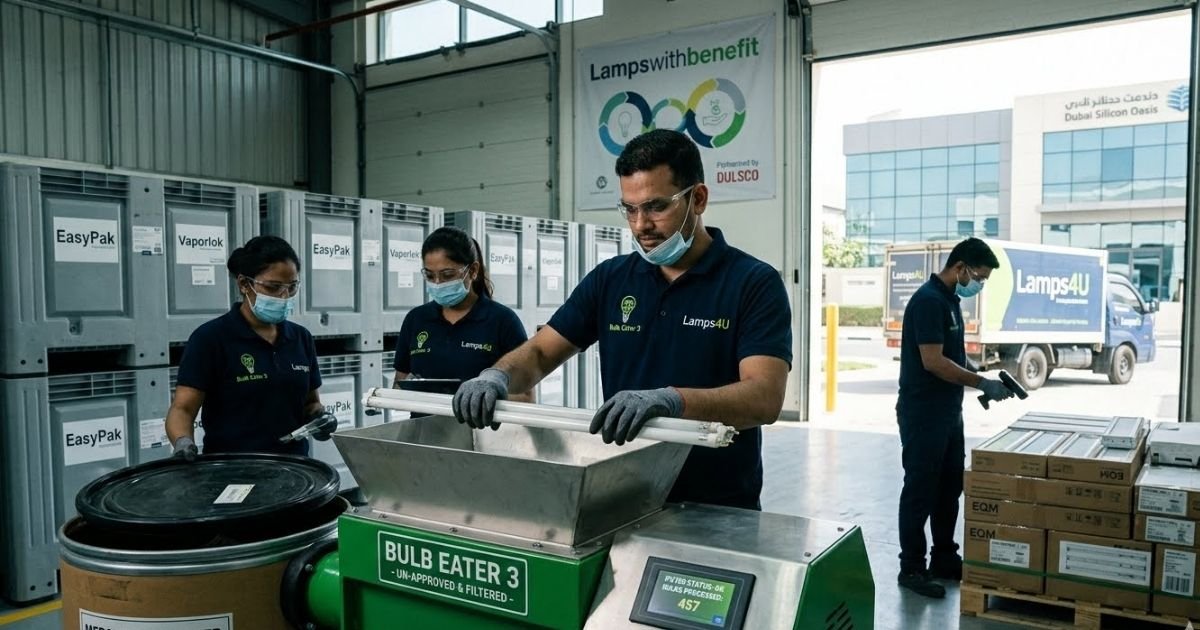
In today’s rapidly evolving world, businesses are under increasing pressure to adopt sustainable practices while maintaining efficiency and cost control. Lamps4u has emerged as a forward-thinking solution provider that bridges the gap between energy-efficient lighting and responsible waste management. Unlike traditional lighting suppliers, this company operates with a broader vision that combines advanced LED technology, environmental compliance, and safe disposal systems.
The growing demand for eco-friendly infrastructure across commercial and industrial sectors has pushed organizations to rethink how they manage lighting systems. Lamps4u addresses this need by offering a comprehensive approach that not only reduces energy consumption but also handles hazardous waste responsibly. This dual-purpose strategy has positioned the company as a valuable partner for organizations aiming to meet modern sustainability standards.
The Origin and Foundational Vision
The foundation of Lamps4u traces back to a clear environmental challenge in the United Arab Emirates. At the time of its creation, there was a noticeable lack of proper infrastructure for disposing of mercury-containing compact fluorescent lamps. Recognizing the environmental risks associated with improper disposal, the company was established with a mission to create a closed-loop lighting system.
The concept was inspired by practical industry experience and shaped into a business model that focuses on both supply and disposal. This vision gave rise to a “cradle-to-cradle” system, where lighting products are managed throughout their entire lifecycle. From installation to end-of-life recycling, the company ensures that no harmful materials enter landfills.
Headquarters and Strategic Location Advantage
Operating from Dubai Silicon Oasis, Lamps4u benefits from a highly advanced technological and logistical environment. This location offers modern infrastructure, efficient transportation systems, and access to a wide network of industrial clients. The free-zone status of the area also supports smooth business operations and international collaboration.
The strategic positioning allows the company to handle both product distribution and recycling logistics effectively. It also enhances its ability to serve clients across the Gulf Cooperation Council and the broader Middle East region. This geographical advantage plays a key role in maintaining operational efficiency and scalability.
Understanding the Cradle-to-Cradle Model
One of the defining aspects of Lamps4u is its commitment to a cradle-to-cradle approach. This concept ensures that every product introduced into the market is eventually collected, processed, and recycled in a responsible manner. Instead of allowing used lighting components to become waste, the company redirects them into reusable material streams.
This system reduces environmental impact while also supporting circular economy principles. By managing both ends of the product lifecycle, the company helps organizations achieve sustainability goals without relying on multiple vendors. The result is a seamless integration of energy efficiency and waste management.
Energy-Efficient LED Solutions and Compliance
A significant portion of the company’s offerings focuses on high-performance LED lighting systems. These products are designed to deliver strong illumination while consuming significantly less power compared to traditional lighting solutions. In many cases, businesses can achieve up to an eighty percent reduction in energy usage after switching to modern LED fixtures.
Compliance is another critical aspect of these solutions. The lighting systems meet strict regulatory standards, making them suitable for government projects and large-scale commercial developments. This ensures that clients can confidently adopt these systems without worrying about regulatory challenges.
The Role of Advanced Recycling Technology
Recycling technology is at the core of Lamps4u’s operations. The company utilizes specialized machinery to process used lighting products safely and efficiently. This technology allows businesses to manage hazardous waste directly at their facilities, eliminating the need for risky transportation of intact bulbs.
The integration of advanced systems ensures that harmful substances such as mercury are contained during the recycling process. This not only protects the environment but also enhances workplace safety. By combining innovation with practicality, the company provides a reliable solution for handling complex waste challenges.
Bulb Eater Technology and Its Capabilities
One of the most notable innovations used by Lamps4u is the Bulb Eater system. This machine is designed to crush fluorescent lamps quickly while capturing hazardous vapors. It can process standard tubes in less than a second, making it highly efficient for large-scale operations.
The system includes a multi-stage filtration mechanism that prevents the release of harmful particles. Activated carbon filters trap mercury vapor, ensuring that the air remains safe for workers. This technology allows organizations to handle large volumes of waste without compromising safety or compliance.
Logistics and Waste Management Efficiency
Efficient logistics play a vital role in the company’s success. Lamps4u provides specialized storage containers that allow businesses to safely collect used bulbs before processing. These containers are designed to prevent leakage and maintain a controlled environment for hazardous materials.
Once the waste is processed, it is transported through a structured logistics network. This system ensures that all materials are handled according to safety regulations and environmental standards. By streamlining the entire process, the company reduces operational complexity for its clients.
Cost Savings and Operational Benefits
One of the key advantages of working with Lamps4u is the potential for significant cost savings. By reducing the volume of waste through on-site processing, businesses can lower storage and transportation expenses. This also minimizes the need for manual handling, saving both time and labor.
Additionally, the transition to energy-efficient lighting reduces electricity bills over time. When combined with reduced waste management costs, the overall financial benefits become substantial. This makes the company’s solutions not only environmentally responsible but also economically attractive.
Environmental Impact and Sustainability Goals
Sustainability is a central theme in the operations of Lamps4u. The company actively works to reduce landfill waste by ensuring that all processed materials are recycled or repurposed. Components such as glass, aluminum, and plastic are separated and redirected into manufacturing processes.
This zero-landfill approach aligns with global environmental goals and supports corporate sustainability initiatives. Organizations that partner with the company can improve their environmental performance while meeting regulatory requirements. This contributes to a cleaner and more sustainable future.
Partnerships and Industry Collaboration
Collaboration with industry partners strengthens the overall impact of Lamps4u. The company works with established waste management organizations to ensure that all materials are processed efficiently. These partnerships enable a complete recycling loop, from collection to final reuse.
By leveraging external expertise, the company enhances its service capabilities and maintains high standards of quality. This collaborative approach ensures that clients receive comprehensive solutions that address every aspect of lighting and waste management.
Corporate Clients and Market Segments
The primary focus of Lamps4u is on business-to-business clients. This includes corporate facilities, industrial complexes, educational institutions, and government entities. These organizations often deal with large volumes of lighting waste and require reliable solutions for compliance and sustainability.
The company’s services are particularly valuable for large-scale operations that need efficient and scalable systems. By addressing the specific needs of these clients, Lamps4u has built a strong reputation in the commercial sector.
Energy Audits and Smart Planning
Beyond lighting and recycling, Lamps4u also offers energy audit services. These audits analyze existing lighting systems and identify opportunities for improvement. By mapping energy consumption and illumination levels, the company provides tailored recommendations for upgrades.
This data-driven approach helps organizations make informed decisions about their infrastructure. It also ensures that new systems are optimized for both performance and efficiency. As a result, clients can achieve better outcomes with minimal disruption.
Safety Standards and Worker Protection
Safety is a critical concern when dealing with hazardous materials. Lamps4u addresses this by implementing advanced filtration systems and strict operational protocols. These measures protect workers from exposure to harmful substances during the recycling process.
The use of sealed containers and controlled processing environments further enhances safety. This comprehensive approach ensures that all activities are conducted in a secure and compliant manner.
Advantages of Choosing Lamps4u
Choosing Lamps4u provides several clear benefits for businesses. The company offers a complete lifecycle solution that combines lighting supply with waste management. This eliminates the need for multiple service providers and simplifies operations.
The focus on compliance ensures that clients meet all regulatory requirements without additional effort. At the same time, the emphasis on efficiency and cost savings makes the solutions highly practical for long-term use.
Limitations and Considerations
While Lamps4u offers many advantages, there are certain limitations to consider. The company primarily serves large-scale commercial clients, which means it may not be suitable for individual consumers or small businesses. The initial investment in specialized equipment can also be significant for smaller operations.
Additionally, the company’s logistics network is mainly concentrated in the Gulf region. This may limit its accessibility for organizations located outside this area. However, for businesses within its operational range, the benefits often outweigh these challenges.
Industry Trends Supporting Growth
The rise of sustainable practices in construction and infrastructure development has created a strong demand for solutions like Lamps4u. Governments and organizations are increasingly focusing on energy efficiency and responsible waste management. This trend is expected to continue, driving further growth in the sector.
The shift toward smart buildings and green certifications also supports the adoption of advanced lighting systems. As regulations become stricter, companies that provide integrated solutions will play an essential role in shaping the future of the industry.
Future Outlook and Innovation Potential
Looking ahead, Lamps4u is well-positioned to expand its influence in the sustainability sector. The integration of smart technology and data analytics could further enhance its offerings. This includes automated monitoring systems and improved efficiency tracking.
As environmental awareness continues to grow, the demand for comprehensive solutions will increase. By staying focused on innovation and sustainability, the company can maintain its competitive edge and continue to deliver value to its clients.
Conclusion
Lamps4u represents a modern approach to lighting and environmental responsibility. By combining energy-efficient products with advanced recycling systems, the company addresses two critical challenges faced by businesses today. Its cradle-to-cradle model ensures that lighting solutions remain sustainable from start to finish.
The emphasis on safety, compliance, and efficiency makes it a reliable partner for organizations seeking to improve their operations. While certain limitations exist, the overall value offered by Lamps4u is significant. As industries continue to prioritize sustainability, solutions like these will become increasingly essential in shaping a cleaner and more efficient future.


Choosing a nursery school is an important milestone for families. For many children, it is their first regular experience of learning alongside other children, following a classroom routine, and spending time away from home. While early literacy and numeracy certainly matter, nursery education supports a much wider range of developmental skills.
Young children learn best when they feel secure, interested, and actively involved. A thoughtfully designed nursery environment combines stories, play, conversation, movement, creativity, and practical experiences so children can develop naturally while enjoying the learning process.
Why Nursery Education Matters
The early years are a period of rapid growth. Children are developing language, coordination, social awareness, emotional regulation, and problem-solving abilities at the same time.
A nursery school can support these areas through everyday experiences rather than relying only on formal lessons.
For example, building with blocks involves planning and spatial awareness. Listening to stories develops vocabulary and comprehension. Playing with classmates introduces cooperation and communication.
Learning Happens Through Experience
Young children need opportunities to touch, move, build, sort, create, and experiment.
A good nursery school makes learning interactive. Instead of expecting children to absorb information passively, educators encourage them to explore concepts through activities that make sense at their developmental stage.
This helps children connect new ideas with real experiences.
Language Development Starts With Conversation
Children develop communication skills throughout the day.
Stories, songs, rhymes, role play, and everyday conversations expose children to new words and encourage them to express their ideas.
A nursery school should create many opportunities for children to speak, listen, ask questions, and participate in discussions.
Stories Encourage Imagination
Books do more than prepare children for reading.
Stories help children understand characters, emotions, sequence, and cause and effect.
Teachers can ask children to predict what happens next, describe illustrations, or talk about how a character might feel.
These interactions make literacy meaningful rather than mechanical.
Social Skills Grow in a Group Setting
Young children are still learning how friendships work.
They may struggle to share, wait for turns, or manage disagreements. These situations are normal and provide useful learning opportunities.
Families exploring a nursery learning environment in ESTZ Chennai can observe how educators help children communicate and cooperate.
A nursery school should guide children through social challenges without expecting perfect behavior.
Creativity Supports Flexible Thinking
Drawing, painting, music, construction, storytelling, and imaginative play give children opportunities to express themselves.
A nursery school should not make every creative activity produce an identical result.
Children benefit from choosing materials, experimenting with ideas, and discovering that there can be more than one way to solve a problem.
Mistakes Are Valuable
A tower may fall. A puzzle piece may not fit. A drawing may change halfway through.
These moments teach persistence.
Teachers can encourage children to try again rather than immediately completing the task for them.
Physical Development Needs Daily Attention
Young children need movement.
Running, jumping, balancing, dancing, climbing, and outdoor play support gross motor development. Drawing, threading, building, and puzzles strengthen fine motor control.
A balanced nursery school programme should include both energetic and quieter activities.
Movement can also improve concentration by giving children healthy opportunities to use their energy.
Independence Develops Gradually
Small responsibilities can build confidence.
Children might carry belongings, tidy materials, wash hands, select activities, or help organize a shared space.
A nursery school should allow children enough time to attempt manageable tasks independently while keeping adult support available.
These simple experiences teach children that they are capable.
Predictable Routines Create Security
Young children often feel more comfortable when the day follows a recognizable pattern.
Arrival, activities, meals, stories, movement, and departure cues help them anticipate what comes next.
Predictability can make the environment feel safe while children develop independence.
Conclusion
A nursery school provides much more than early academic preparation. It creates a community where children can build language, social confidence, creativity, physical coordination, emotional awareness, and independence.
The strongest early-learning experiences often happen during ordinary moments: listening to a story, solving a puzzle, completing a small task, or learning how to cooperate with a friend.
When children experience these moments in a warm and supportive environment, they develop skills and attitudes that can support them throughout their future education.


When aging adults consider moving to a senior living community, they are not simply looking for a place to eat and sleep. They are evaluating whether a community aligns with their values, respects their choices, and supports the lifestyle they want for the years ahead. What older adults want from senior living has changed considerably over time. Longer life expectancies, evolving family dynamics, and a desire for continued engagement have reshaped expectations. As a result, today’s senior living communities are adapting to meet a broader range of needs and preferences.
1. Independence and Autonomy in Daily Life
Aging adults consistently identify personal choice and independence as top priorities. They want the freedom to decide when to wake up, what to eat, and how to spend their time. Rather than following rigid schedules, many prefer communities that offer flexibility and support individualized lifestyles.
This desire for autonomy extends to personal wellness decisions as well. Many residents appreciate having a voice in how support services are provided, choosing the level of assistance that best fits their preferences and circumstances. Communities that offer flexible service options often help residents feel more comfortable, respected, and in control of their daily experiences.
2. Meaningful Social Connections and Community Engagement
Social connection plays an important role in overall well-being. While many older adults value their privacy, they also want opportunities to develop meaningful relationships and engage with others who share similar interests.
Residents often look for communities that offer book clubs, gardening groups, craft programs, educational discussions, and social gatherings. Beyond organized programs, they appreciate welcoming spaces where casual conversations and friendships can develop naturally.
Shared dining areas, community lounges, walking paths, and outdoor gathering spaces can help create an environment where relationships flourish. When residents feel connected to those around them, they often report greater satisfaction and a stronger sense of belonging.
3. Access to Quality Healthcare and Wellness Services
Reliable healthcare access remains an important consideration for many aging adults. Communities that coordinate wellness services, preventive care, and healthcare resources can provide valuable convenience and peace of mind.
Many seniors appreciate having access to wellness programs that focus on maintaining health and quality of life. These may include fitness classes, nutrition education, wellness seminars, and emotional well-being resources. Accessible healthcare services can help residents spend less time coordinating appointments and more time enjoying their daily routines.
The ability to easily access support when needed allows residents to feel confident as their needs change over time.
4. Affordability and Financial Transparency
Financial stability is a major consideration for many older adults. Residents want clear information about monthly costs, included services, and any additional fees. Transparent pricing helps families and residents make informed decisions without worrying about unexpected expenses later.
Families researching communities that balance affordability and quality often consider Taylor Place, an independent living community that helps prospective residents understand available services and pricing information. Communities that offer straightforward cost structures and a variety of service options can give residents greater flexibility when planning for the future.
When financial expectations are clear, residents can focus more on enjoying community life and less on concerns about unforeseen expenses.
5. Purpose, Learning, and Personal Growth Opportunities
Many outdated assumptions suggest that aging adults simply want to slow down during retirement. In reality, many seniors remain interested in learning, contributing, and pursuing personal interests.
Older adults often seek opportunities to attend educational programs, explore creative hobbies, learn new skills, and engage in meaningful volunteer work. Some communities partner with local organizations, colleges, and guest speakers to offer ongoing educational opportunities.
Many residents also enjoy sharing their experience and knowledge through mentoring, volunteering, and leadership opportunities within the community. These experiences provide a sense of purpose and reinforce the idea that personal growth can continue throughout every stage of life.
6. Privacy, Safety, and Personalized Support
Although community engagement is important, residents also value privacy and personal space. Aging adults often want apartments that reflect their personal style, opportunities to host family and friends, and quiet areas where they can relax and recharge.
Safety is another important consideration. Residents want confidence that community team members understand their needs and can provide appropriate support when necessary. Personalized service plans that incorporate resident input help ensure that support remains respectful and aligned with individual preferences.
Regular conversations about changing needs can help residents feel heard and empowered, contributing to a more positive living experience.
Conclusion
Senior living continues to evolve as aging adults seek communities that support far more than their basic daily needs. Today’s seniors want environments that respect their choices, encourage social connection, provide access to wellness resources, and create opportunities for continued growth and purpose. They also value transparency, privacy, and individualized support that recognizes their unique goals and preferences. Communities that embrace these priorities can create meaningful experiences that help residents remain engaged, connected, and fulfilled while enjoying the next chapter of life.


Thanks to cosmetic surgery, people have an opportunity to cope with their aesthetic problems and look better. However, it is much more difficult to select the proper treatment procedure that is needed, taking into account its prices in particular clinics. The cost and the risks associated with different types of treatments vary considerably. If you are aware of the costs of cosmetic surgery, you will be better prepared financially and capable of making reasonable decisions concerning your aesthetic goals. No matter whether it concerns face or body contouring surgery, the proper choice is the procedure that will suit you best.
Comparison of Different Types of Cosmetic Surgeries
There are different kinds of surgeries, which are aimed at changing the form of some body parts. Among facial surgeries are rhinoplasty, blepharoplasty, and facelifts, which consist in enhancing facial appearance. Other forms of surgery like breast augmentation and body contouring have various aims. The non-surgical alternatives such as some injections and skin treatments may be used by individuals who are looking for alternative forms of treatment that require minimal intervention. Every operation is intended for particular reasons, recovery time, and qualifications. It is vital to determine your problems before choosing an appropriate procedure.
The Factors That Impact Cosmetic Surgery Costs
The cosmetic surgery prices will depend on several factors, including the procedure itself, surgeon’s qualifications, where the surgery is being done, and the complexity of the procedure. More complicated surgeries will take more time in the operation room, use specific equipment, and take a lot of work to recover from; hence, such procedures are likely to cost more. Other factors that could impact the cost include anesthesia, costs incurred at the facility, medical tests, and follow-ups. Clinics may offer a basic cost of the surgery without taking other significant costs into consideration. Hence, patients need to ask for a quote of the full cost of treatment.
Why It Is Important To Compare The Costs Of Cosmetic Surgery
When trying to make a budget of how much a cosmetic surgery will cost, comparing prices is very important. Nevertheless, the lowest quote does not always mean the most appropriate choice. There are many other aspects that patients need to take into consideration when making a decision about which price suits them best. For example, there may be some additional factors to be considered such as the qualifications of the surgeon, standards of the facilities, consultation process and the post-operation care. Two clinics can offer the same surgical intervention, but there will be different services included in the quote.
Selection of the Right Clinic and a Competent Surgeon
Selecting a clinic can be as critical as selecting the kind of treatment one will have to go through. It is necessary for people to ensure that the surgeons they will have the treatment from are competent enough and possess the required credentials for the type of surgery that needs to be done. Hygiene in the clinic must be adequate, and they must be able to offer information concerning any risk and the whole process of recuperation after surgery. At the consultation time, people should be able to ask questions regarding what they expect to achieve from the treatment and other alternatives that exist.
Planning Your Cosmetic Surgery Budget and Associated Expenses
A realistic cosmetic surgery budget must comprise more than just the procedure itself. Based on the type of procedure being done, there may be a need for medication, testing, special garments, travel expenses, time off from work, and follow up visits. Some procedures may call for help at home during the recovery period. Before undergoing any cosmetic surgery procedure, it would be wise for patients to find out from their surgical centers what costs are included in their fees and what costs they have to pay extra. It is always wise to keep some money set aside for emergencies.
Realistic Expectations Before Surgery
Realistic expectations are critical for cosmetic surgery. While some procedures enhance an area of the body, there will be variations depending on how each person heals and other factors such as lifestyle and the specific method utilized. Depending on the type of procedure, some changes will occur gradually, while other procedures require some swelling or a period of recovery before any improvement is seen. The patient must discuss with their surgeon what can be achieved, what risks there are, and what maintenance procedures need to be followed in the future. Furthermore, one should keep in mind that all problems, either emotional or personal, cannot be resolved through cosmetic surgery.
Final Words
There are multiple things to take into account when choosing cosmetic surgery procedures. Knowing cosmetic surgery cost, comparing estimates, and choosing a proper surgeon can make one feel more confident in receiving such treatment. Proper planning of recovery expenses and realistic expectations will allow patients to make a sound decision.

From Sketch to Sign-Off: A Step-by-Step UX Prototyping Framework Used by Leading US Design Agencies

How do you choose the right metal for an engagement ring: platinum, gold or rose gold?

The Growing Interest in Peptides for Health and Wellness

Who Is Shameera? All You Need To Know About Charli XCX’s Mother

Who Is Gulliver Flynn Oldman? The Untold Story of Sir Gary Oldman’s Son

Meet Rosemary Turner: The Mother of Actor Callum Turner
-
Biographies8 months ago
Who Is Shameera? All You Need To Know About Charli XCX’s Mother
-
Biographies7 months ago
Who Is Gulliver Flynn Oldman? The Untold Story of Sir Gary Oldman’s Son
-
Biographies8 months ago
Meet Rosemary Turner: The Mother of Actor Callum Turner
-

 Biographies6 months ago
Who is Alexandra James? Inside The Life of Jeremy Clarkson’s Former Partner
-
 Biographies8 months ago
Who is Todd McRae? Meet Tate McRae’s Father
-
 Biographies7 months ago
Who Is Daniel Mara? The Untold Story of Kate Mara’s Private Sibling
-
 Celebrity8 months ago
Who Is Peter Hernandez? The Real Story of Bruno Mars’ Father
-
 Biographies8 months ago
Who Is Alvin Martin? All About the Whoopi Goldberg’s First Husband