
Business
Luton Vans for Removals and Deliveries: Choosing the Right Setup

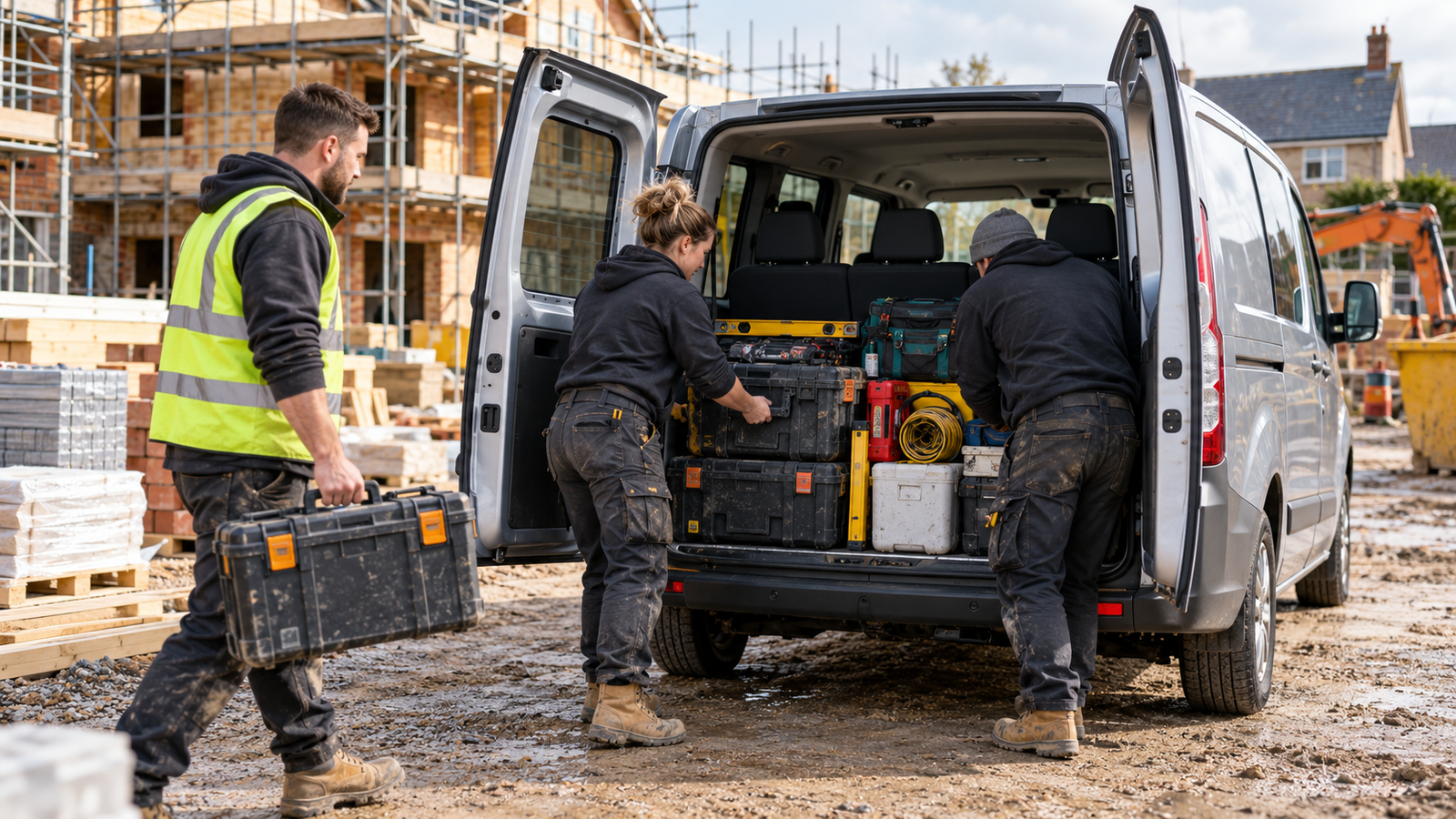
A business moving furniture, stock, or bulky equipment usually doesn’t run into trouble because it chose the wrong badge. It runs into trouble because the loading process takes too long, the floor is too high, the body is not quite large enough, or the vehicle cannot safely handle the work it is being asked to do.
That is why Luton vans remain such a practical choice for removals companies, delivery operators, event suppliers and businesses handling large commercial goods. Their box-shaped load area makes better use of space than a standard panel van, particularly when the job involves awkward furniture, stacked cartons or tall items that cannot be packed efficiently into a tapered interior.
But not every Luton suits every route. The choice between a standard Luton, low loader, tail-lift model, or curtainsider can affect speed, staff safety, and profitability on every job.
The body shape changes how a business loads.
A conventional panel van is excellent for tools, smaller stock and day-to-day trade work. A Luton van is designed around volume.
The large box body creates a more square, upright loading space, making it easier to arrange household furniture, retail deliveries, exhibition equipment, and boxed stock for a removals business, which can mean fewer wasted gaps between items. For a delivery company, it can mean a more organised route because stock can be grouped by drop or customer.
The advantage is not simply more cubic space. It is usable space.
A business carrying sofas, wardrobes, appliance boxes or commercial displays often needs a load area that can be packed methodically. A Luton body gives crews room to use blankets, straps, trolleys and protective materials without turning every collection into a puzzle.
Start with the hardest item, not the average load.
The best way to choose a Luton van is to work backwards from the item that causes the most difficulty.
For some companies, that’s a three-seat sofa. For others, it may be a stack of roll cages, a large piece of machinery, a palletised delivery or a set of exhibition stands. Measure the item, note its weight and consider how it is loaded at both ends of the journey.
Then consider the usual location. A Luton van delivering to a warehouse with a loading bay has different requirements from one completing residential removals on narrow streets. Roof height, wheelbase, turning space and rear access all become more important when the business regularly visits homes, city centres or older commercial premises.
Choose the vehicle around the difficult jobs, because those are the jobs that expose a poor specification.
Standard Luton, low loader or tail lift?
A Luton van isn’t a fixed format. The loading arrangement can vary significantly, and that is where a business can make its smartest decision.
| Type of vehicle | Best suited to | Main advantage | Key consideration |
| Standard Luton | General removals and deliveries | Large, square load body | Higher load floor may require more lifting |
| Low loader Luton | Bulky furniture and repeated loading | Lower floor height and easier ramp access | Check exact body size and rear access |
| Tail-lift Luton | Heavy appliances, commercial goods and pallets | Mechanical assistance with heavy loading | Tail lift capacity and maintenance must suit the work |
| Curtainsider | Larger commercial loads and side access | Loading flexibility from the side | Less suitable where weather protection is essential during loading |
A low loader is particularly useful where teams repeatedly move bulky but manageable items. Because the chassis and floor sit lower, loading through a rear ramp can be easier and less physically demanding. It may reduce the need for a tail lift on certain jobs, although it does not remove the need for proper manual-handling procedures.
A tail lift becomes more important when the business regularly moves heavy appliances, palletised goods or commercial equipment. View it as a working tool, not an optional extra. Check its lift capacity, how it operates in the spaces the business visits and whether staff are trained to use it safely.
The loading process should protect the team.
In removals and delivery work, time pressure can encourage poor handling habits. That is where the right vehicle setup makes a real difference.
A well-planned Luton should allow the team to move goods from trolley to vehicle with minimal unnecessary lifting. A rear ramp, low load floor or tail lift can all help, depending on the cargo. Inside the body, secure the load with appropriate rails, straps, blankets, and protective materials.
Position the heaviest items carefully and restrain them properly. Filling the space tightly is not enough. Weight distribution affects handling, braking and stability, especially when a high box body is fully loaded.
Drivers should also allow for the different driving characteristics of a Luton van. Height affects low bridges, car parks and overhanging trees. A larger body can be more vulnerable to crosswinds. Reversing cameras, parking sensors and a clear route plan are practical safeguards, not unnecessary upgrades.
Why roof height and wheelbase deserve more attention
A Luton van’s body dimensions are not standard across every manufacturer or model. Buyers should confirm the exact roof height, internal dimensions and wheelbase for the vehicle they are considering.
The tallest available body may sound like the obvious choice, but it can limit access. A company that regularly enters multi-storey car parks, town-centre delivery points or residential streets with low branches needs to know its vehicle height precisely.
Wheelbase affects more than internal capacity. A longer vehicle may offer useful loading space but can be harder to position in tight streets or outside customer homes. For a removals business working primarily in suburban locations, the ability to park close to the property can sometimes matter more than a small increase in body length.
The right setup fits the routes and the cargo.
Buying around availability and support
Vehicle availability matters in a sector where a van off the road can quickly affect bookings and customer service. A business should ask whether the required model is in stock, how quickly it can be delivered and what support is available if it needs servicing or repairs.
Current Swiss Vans Luton stock covers a range of manufacturers and configurations, including standard bodies, low loaders and selected tail-lift options. That variety is useful because the body style should match how the company loads and unloads, rather than being chosen only by make preference.
Finance should be considered in the same practical way. Buying outright may suit a company that intends to keep a vehicle for many years. Leasing or hire purchase can help spread the cost, but the agreement needs to reflect realistic mileage and the likely replacement cycle.
A removals company with seasonal peaks should be especially careful not to choose a vehicle finance arrangement that becomes difficult during quieter months.
The van should make every job more repeatable.
The strongest Luton setup creates a repeatable loading routine. Staff know where blankets, straps and trolleys are stored. Drivers know the vehicle height and route limitations. The business knows the tail lift, ramp, and rear doors suit its normal load.
That repeatability drives the return. It reduces damage, shortens loading times and gives customers more confidence that their goods are being handled professionally.
A Luton van is not simply a larger delivery vehicle. It can become the operational centre of a removals or logistics business. Choose the body, access equipment, and dimensions around the work being done, and it will make difficult loads feel far more manageable from the first collection to the final drop.


Relocating internationally involves more than arranging visas, finding accommodation, and booking flights. One of the most important financial decisions is how to manage your savings when moving to another country.
For expatriates relocating to Portugal, transferring money internationally requires careful consideration of exchange rates, banking procedures, transaction fees, and tax obligations. These factors can significantly influence the amount of money available for purchasing property, securing accommodation, or covering everyday expenses.
Understanding the financial implications before relocating can help avoid unnecessary costs and establish a more secure foundation for life abroad.
Understanding International Money Transfer Costs
Transferring savings between countries may seem straightforward, but the total cost can vary considerably depending on the financial institution and transfer method.
Traditional banks may charge international transfer fees while applying currency conversion margins. These margins represent the difference between the exchange rate offered to customers and the underlying market rate.
For example, an American relocating to Portugal who transfers $150,000 could lose $3,000 through a 2% difference in the exchange rate.
Specialist foreign exchange providers may offer more competitive rates, particularly for larger transactions. However, expatriates should also consider regulatory protection, processing times, and transaction limits.
Understanding the available options for Sending Money to Portugal can help individuals compare providers and choose an appropriate transfer method.
How Exchange Rates Affect Your Savings
Currency exchange rates fluctuate in response to economic conditions, interest rates, inflation, and international financial markets.
For expatriates transferring savings from the United States, United Kingdom, Canada, or Australia, these movements can substantially affect purchasing power.
Consider a British couple planning to purchase a Portuguese property for €350,000. If the pound weakens against the euro before the transfer, the property becomes more expensive in sterling terms, even though its advertised price remains unchanged.
Some foreign exchange providers offer forward contracts, allowing customers to secure an exchange rate for a future transaction. Others provide rate alerts when currencies reach predetermined levels.
These services may be useful when preparing for a property purchase or another significant financial commitment.
Rather than attempting to predict currency movements, expatriates should focus on managing their exposure and ensuring funds are available when required.
Should You Transfer Your Savings All at Once?
One common question is whether to transfer all savings immediately or move funds gradually.
The appropriate strategy depends on the relocation timeline, financial commitments, and personal circumstances.
Someone purchasing property in Portugal may need a substantial amount within a short period. Conversely, a retiree receiving monthly pension payments from abroad may prefer smaller, regular transfers.
Transferring funds in stages can reduce dependence on a single exchange rate, although it may increase transaction costs and exposure to future currency fluctuations.
Maintaining savings in more than one currency can also provide flexibility during the initial relocation period.
For example, an expatriate might retain an emergency reserve in their home country while transferring enough euros to cover accommodation, utilities, and other immediate expenses.
Opening a Portuguese Bank Account
Establishing a local banking relationship is an important practical step for many expatriates.
A Portuguese bank account can simplify rental payments, utility bills, insurance premiums, and other recurring expenses. It may also be useful when applying for a mortgage.
Banks generally require identification, a tax identification number, proof of address, and information about employment or income. Additional documentation may be requested depending on the applicant’s circumstances.
Understanding the requirements for opening a Bank Account in Portugal can help expatriates prepare the necessary documentation before relocating.
Some Portuguese banks accept applications from non-residents, although remote account-opening procedures and eligibility requirements vary between institutions.
For individuals planning substantial transfers, establishing a banking relationship early can reduce administrative complications later.
Preparing Documentation for Large Transfers
International transfers involving significant amounts may trigger additional compliance checks.
Portuguese banks can request documentation demonstrating the origin of transferred funds as part of their anti-money-laundering obligations.
Depending on the circumstances, supporting evidence may include employment records, investment statements, property sale agreements, inheritance documents, or bank statements.
For example, a Canadian family transferring €250,000 following the sale of their home may need to provide the property sale agreement and corresponding banking records.
Preparing these documents before initiating the transfer can help avoid unnecessary delays.
It is also important to ensure that names, addresses, and account ownership information remain consistent across financial documents.
Understanding Portuguese Tax Residency
Moving savings to Portugal does not automatically mean the transferred amount becomes taxable income.
However, the source of the funds and the individual’s tax residency status can have important implications.
Portugal generally considers individuals tax residents when they meet certain statutory conditions, including spending more than 183 days in the country during a relevant 12-month period or maintaining accommodation indicating habitual residence.
Portuguese tax residents are generally subject to taxation on worldwide income, subject to applicable exemptions and double taxation agreements.
For example, transferring previously accumulated savings differs from receiving new investment income after becoming a Portuguese tax resident.
Expatriates receiving foreign pensions, dividends, rental income, or capital gains should consider professional tax advice before relocating.
This is particularly important when selling investments or restructuring financial assets ahead of a change in tax residency.
Budgeting for the First Year in Portugal
International relocation frequently involves expenses that are easy to underestimate.
Beyond transportation and accommodation, expatriates may face rental deposits, temporary housing costs, insurance premiums, professional fees, and household purchases.
A family moving to Lisbon, for instance, may need to budget for several months of rent, school expenses, healthcare coverage, and furniture.
Retirees should also consider the timing of pension payments and exchange rate fluctuations affecting their monthly income.
Maintaining a financial buffer can help manage unexpected expenses without requiring urgent international transfers at unfavorable exchange rates.
A realistic relocation budget should distinguish between one-off establishment costs and recurring living expenses.
Managing Finances After Relocation
Financial planning should continue after arriving in Portugal.
Expatriates may need to review banking arrangements, investment accounts, currency exposure, and tax reporting obligations as their circumstances evolve.
Maintaining accounts in multiple countries can provide flexibility, but may also create additional reporting responsibilities.
It is equally important to review transfer costs periodically. A provider offering competitive rates for a large transaction may not necessarily be the best option for smaller monthly payments.
Establishing predictable arrangements for receiving income, paying expenses, and maintaining emergency reserves can make financial management considerably easier.
Final Thoughts
Moving savings abroad is an essential part of international relocation planning.
Exchange rates, banking procedures, compliance requirements, and tax considerations can all influence the financial outcome of a move.
For expatriates relocating to Portugal, preparing documentation early, comparing transfer providers, and establishing suitable banking arrangements can reduce uncertainty and unnecessary expenses.
Ultimately, successful financial planning is about ensuring that savings remain accessible, secure, and aligned with long-term relocation goals.


Every UK limited company has to tell HMRC how much Corporation Tax it owes, and the limited company tax return is how it does that. Miss the deadline and the penalties start from day one, even if you owe nothing.
This guide explains what the return is, who has to file it, what you need to prepare, how to file it now that HMRC’s own online service has closed, and which dates and penalties to watch. It follows current GOV.UK guidance, so check HMRC before you file if your situation is unusual.
What a limited company tax return is and who has to file it
A company tax return is the document a limited company sends to HM Revenue and Customs (HMRC) to report its profit or loss for Corporation Tax and to work out its tax bill. Companies must file one when HMRC sends a notice to deliver a Company Tax Return, which happens when a company is registered and each year after that.
You must file even if the company made a loss or has no Corporation Tax to pay. Sole traders and people in a partnership do not file a company tax return. They file a Self Assessment return instead.
You may also see the return called a CT600, a corporation tax return or a ltd company tax return. In practice they all point to the same filing.
What a company tax return includes
The CT600 is the main form, but the return is more than one document. It normally includes:
- The CT600 form, which sets out the company’s taxable profit and the Corporation Tax due.
- The company’s annual accounts, showing income, costs and the financial position of the business.
- A tax computation, which shows how the taxable profit was worked out from the accounts.
The tax computation matters because the profit for Corporation Tax is not always the same as the profit in your accounts. Some costs shown in the accounts cannot be deducted for tax, and some reliefs and allowances reduce taxable profit.
What you need before you file
Gather these before you start, because most delays come from missing information:
- Your company’s Unique Taxpayer Reference (UTR), which HMRC sends when the company is registered for Corporation Tax.
- Your annual accounts for the accounting period.
- Records of income and expenses, such as invoices, receipts and bank statements.
- Details of assets bought, so you can claim capital allowances.
- Any reliefs you plan to claim, for example for research and development or trading losses.
Keeping bookkeeping up to date through the year makes this much easier. Preparing everything in one go at the deadline is where mistakes happen.
How to file a limited company tax return
HMRC expects the return to be filed online. HMRC’s own free online filing service has closed, so you need HMRC-recognised commercial software to file the return yourself. HMRC publishes a list of approved software suppliers. The software needs to cover the CT600, the tax computation and your accounts.
You have two practical options:
- File it yourself. Use recognised software to prepare the CT600, computation and accounts, then submit them to HMRC from the software.
- Use an accountant or tax agent. Appoint them as your agent so they can prepare and file the return on the company’s behalf.
Paper filing is limited to companies with a reasonable excuse for not filing online, or companies filing in Welsh. After you submit, keep the confirmation so you can show the return reached HMRC.
Deadlines: filing and paying
There are separate deadlines for filing the return and for paying the tax, and they are easy to confuse.
| What | Deadline |
| File the Company Tax Return with HMRC | 12 months after the end of the accounting period |
| Pay Corporation Tax, or tell HMRC you owe none | 9 months and 1 day after the end of the accounting period |
| File annual accounts with Companies House | 9 months after the company’s financial year ends |
| File first accounts with Companies House | 21 months after the date you registered |
The accounting period for Corporation Tax is normally the same 12 months as the company’s financial year. Because the payment date comes three months before the filing date, you may need to work out and pay the tax before the return is finished.
The accounts go to Companies House and the tax return goes to HMRC. They are two separate filings, and software or an accountant can often prepare both together.
Penalties for filing late
Late filing penalties are fixed, and they grow the longer the return is overdue:
| Time after the deadline | Penalty |
| 1 day | £200 |
| 3 months | Another £200 |
| 6 months | 10% of the unpaid tax, based on HMRC’s estimate |
| 12 months | Another 10% of any unpaid tax |
If a return is late three times in a row, the £200 penalties rise to £1,000 each. At six months HMRC estimates your bill and issues a tax determination, which you cannot appeal. You still have to pay it and file the return, and HMRC then recalculates the interest and penalties.
If you have a reasonable excuse, you can appeal a late filing penalty online, but you must file the return first. Mistakes found after filing can usually be corrected within 12 months of the filing deadline.
How much Corporation Tax you pay and how to reduce it
The main Corporation Tax rate is 25%. Companies with profits of £50,000 or less pay the small profits rate of 19%. Profits between £50,000 and £250,000 may qualify for Marginal Relief, which gives a gradual step between the two rates. The thresholds are reduced for short accounting periods and for companies with associated companies.
You can lower the taxable profit lawfully by deducting costs that are wholly for business purposes. Some costs are specifically disallowed, for example entertaining clients. You may also claim capital allowances when you buy equipment, machinery or vehicles for the business, plus reliefs such as research and development relief or relief for trading losses where they apply. Keep clear records of why each cost is business-related, and ask an accountant if you are unsure whether something qualifies.
Common mistakes to avoid
- Treating the accounting profit as the taxable profit. The tax computation adjusts the figures.
- Mixing up the two deadlines. The payment date comes before the filing date.
- Waiting for HMRC to remind you. The deadline runs from the end of the accounting period, not from a letter.
- Not filing a nil return. A loss or zero tax still needs a return if HMRC has issued a notice.
- Missing records. Without invoices and receipts you cannot support the figures or the costs you claim.
- Claiming costs that do not qualify. Disallowed items such as client entertaining must be added back.
Frequently asked questions
When is the company tax return due?
The deadline is 12 months after the end of the accounting period the return covers. The Corporation Tax payment is usually due earlier, 9 months and 1 day after the period ends.
Do I need to file a company tax return if my company made a loss?
Yes, if HMRC has issued a notice to deliver a Company Tax Return. You must file even when the company made a loss or has no Corporation Tax to pay.
Can I file a company tax return without an accountant?
Yes. You can file it yourself using HMRC-recognised commercial software, or appoint an accountant or tax agent to file on the company’s behalf.
What happens if I file my company tax return late?
You pay a £200 penalty after one day and another £200 after three months. At six and twelve months HMRC adds 10% of any unpaid tax each time. If the return is late three times in a row, the £200 penalties become £1,000 each.
Is the company tax return the same as the CT600?
The CT600 is the main form in the return, but the full return also includes your annual accounts and a tax computation. People often use the two names for the same filing.


You’ve spotted a damp patch by the wall, a slow leak, or a dip in the lawn that wasn’t there last year. Somewhere a pipe has cracked. Before you phone anyone, you do what most of us do: you search for a cheaper way.
That’s usually where drain patch repair comes up. A DIY kit looks simple and costs little. But a cracked drain pipe is rarely as simple as it looks, and the cheap fix often turns into the expensive one. This guide explains what a patch repair does, why a professional job tends to last longer, and what to check before you hire anyone.
What a Drain Patch Repair Actually Does
A patch repair covers one damaged spot in a pipe, instead of renewing the whole run. Think of it as a plaster for a small cut. It seals a crack or a gap at a joint, so water stops leaking out and soil, roots and waste stop getting in.
It’s a good repair when the damage is small and local, and the rest of the pipe is in decent shape. The skill lies in knowing whether that’s true, and you can’t tell from the surface.
Why DIY Drain Patch Repair Often Falls Short
DIY has its place. A small split in a visible waste pipe, under a sink or along a garage wall, can sometimes be sealed with a product made for the job. Beyond that, the odds drop quickly.
The first problem is that you can’t see underground. You don’t know where the crack is, how long it runs, or whether there are others you haven’t found. The second is that kits are made for standard pipes, and many drains aren’t standard. They’re older, wider, deformed or made from materials like clay or pitch fibre. The third is that a patch can seem to work. The leak slows and the smell fades, so you assume it’s fixed, while the real fault keeps getting worse underground.
By the time it shows again, the repair is usually bigger and dearer than it would have been. There’s also a safety side. Never climb into a manhole to attempt a repair, since drains can hold harmful gases. Raw sewage is a health risk too, so wear gloves and wash thoroughly after any contact.
Why a Professional Drain Patch Repair Lasts Longer
A professional doesn’t have to guess. That one difference explains most of the gap in results.
A camera sent through the pipe shows exactly where the damage is and how far it goes. That means the patch goes in the right place, the right size and the right type. It also means problems you didn’t know about get found before they become emergencies.
Professionals also clean the pipe first, so the patch bonds to a clear surface instead of a layer of scale or roots. They use materials designed to be bonded inside a pipe and cured properly, rather than a general-purpose product. And they check the result afterwards with a second camera run, so you know it has sealed.
Then there’s the paperwork. A proper job should come with a written guarantee, and if the patch fails, you have someone to call. A DIY job has no one but you.
What a Professional Drain Patch Repair Involves
It’s less dramatic than most people imagine. The pipe is cleaned first, so roots, scale and debris don’t get in the way. The damaged spot is located from the camera footage. A repair patch, usually a resin-soaked section on a carrier, is positioned over the damage and pressed against the pipe wall until it cures. A second camera run then confirms it’s sealed.
On a straightforward fault, it’s often a same-day job with little or no digging. A good drainage company such as Precise Drainage Solutions will show you the footage before and after, so you can see the problem and the fix for yourself rather than taking anyone’s word for it.
If the footage shows the damage is too widespread, or the pipe has collapsed, a decent contractor will say so and explain the alternatives. A patch is the right repair for the right fault. Be wary of anyone who promises it fixes everything.
When to Call a Professional Straight Away
Don’t wait if any of these sound familiar:
- The cracked drain pipe is underground and you can’t see the damage
- The same drain keeps blocking or leaking
- You’ve noticed sunken ground, damp patches or persistent smells
- Roots are involved, since they’ll return through any gap that isn’t sealed
- The pipe is old clay or pitch fibre and looks worn or flaky
- You’re not sure whether the damage is in one spot or several
Small drain faults grow. A crack that costs a modest amount to patch now can become a collapse next year, so acting early usually saves money.
How to Choose the Right Professional
Not every contractor is equal. Before you agree to a drain repair, ask:
- Can I see the camera footage of the damage?
- Is a drain patch repair the right fix, or are there other options?
- What’s the guarantee on the work, and is it in writing?
- Will there be any digging, and will you make good afterwards?
- What happens if the patch doesn’t hold?
Choose someone who answers clearly, shows you the footage and doesn’t push you to decide on the spot. If you’re unsure, get a second quote.
Drain Patch Repair FAQs
Is it worth hiring a professional for drain patch repair?
For underground drains, usually yes. A camera check means the patch goes in the right place and any other damage gets found, which makes the repair more likely to last.
Can I patch a cracked drain pipe myself?
You can for a small split in a visible, above-ground pipe, using a product made for the job. For buried drains it’s much harder, because you can’t see how far the damage runs.
How long does a drain patch repair last?
It depends on the quality of the work and the condition of the rest of the pipe. A patch in an otherwise sound pipe can last a long time. Ask for a written guarantee.
How much does a drain patch repair cost?
Prices vary with access, pipe depth, the number of patches and your area, so get a written quote after the camera check. Be cautious of any price given without anyone looking at the pipe.
Does home insurance cover a cracked drain?
Some policies do, with conditions, and others don’t. Check your wording or ask your insurer before arranging work, since some need approval first.
Final Thoughts
A cheap fix is tempting, but with underground drains you’re guessing, and a patch that only seems to work can let a bigger problem grow. Get a proper look at the damage first. If the fault is small, a professional drain patch repair is often a quick, tidy job that leaves your garden alone and comes with a guarantee.

We Tested Every Popular AI Chatbot Like ChatGPT. Here’s How They Compare

How to Run an Instagram Giveaway Without Misusing Data

“Should I Order Medium or Large?” What Latex Sizing Advice Should Explain

Who Is Shameera? All You Need To Know About Charli XCX’s Mother

Who Is Gulliver Flynn Oldman? The Untold Story of Sir Gary Oldman’s Son

Meet Rosemary Turner: The Mother of Actor Callum Turner
-
Biographies9 months ago
Who Is Shameera? All You Need To Know About Charli XCX’s Mother
-
Biographies9 months ago
Who Is Gulliver Flynn Oldman? The Untold Story of Sir Gary Oldman’s Son
-
Biographies10 months ago
Meet Rosemary Turner: The Mother of Actor Callum Turner
-

 Biographies7 months ago
Who is Alexandra James? Inside The Life of Jeremy Clarkson’s Former Partner
-

 Blog5 months ago
AI Video for Social Media: How Small Brands Keep Up Without Burning Out
-
 Biographies9 months ago
Who is Todd McRae? Meet Tate McRae’s Father
-
 Biographies9 months ago
Who Is Daniel Mara? The Untold Story of Kate Mara’s Private Sibling
-
 Celebrity10 months ago
Who Is Peter Hernandez? The Real Story of Bruno Mars’ Father