
Health
Dental Care Across London and Antalya: Communication, All-on-4 Treatment and Patient Planning


Modern dental care increasingly connects patients with treatment options across different cities and countries. Some Turkish-speaking patients living in the United Kingdom seek dental professionals with whom they can communicate in their native language. Others explore full-arch implant treatments in Antalya as an alternative to removable dentures or as a way to replace multiple missing teeth.
Whether treatment takes place in London or Antalya, location should not be the only consideration. Professional qualifications, clinical assessment, informed consent, treatment duration and aftercare arrangements can all affect the patient experience. Understanding these factors before making a decision helps patients compare available options more carefully.
Why do patients search for a Turkish dentist in London?
Dental consultations often involve technical information about diagnosis, possible procedures, risks and long-term maintenance. For patients who primarily speak Turkish, discussing these matters in a familiar language may make the process easier to understand.
A patient looking for a turkish dentist in london may want to describe symptoms in Turkish, ask detailed questions or understand the differences between several treatment options. Clear communication can be especially important for procedures involving surgery, dental implants, root canal treatment or extensive restorative work.
Language compatibility may also support the informed consent process. Before agreeing to treatment, patients should understand:
- Why the proposed procedure has been recommended
- Which alternative treatments may be available
- How many appointments could be necessary
- What risks and limitations are associated with the procedure
- What type of maintenance may be required afterward
Speaking the same language can facilitate these discussions, but it should not replace other selection criteria. Patients should also consider professional registration, clinical facilities, hygiene protocols and continuity of care.
What should be discussed during the first examination?
An initial dental appointment generally includes an assessment of the teeth, gums, bite and surrounding oral tissues. The patient’s medical history, allergies, current medication and previous dental procedures may also influence the treatment plan.
Diagnostic imaging can be necessary when a problem cannot be fully evaluated through a visual examination. X-rays may help identify decay, infections, bone loss, impacted teeth and the condition of previous restorations. For implant treatment, three-dimensional imaging may be used to evaluate the available bone and nearby anatomical structures.
Patients should explain their expectations clearly during this stage. Cosmetic preferences, functional concerns, discomfort and previous negative experiences can all be relevant. A suitable plan should address oral health needs while also explaining what can realistically be achieved.
What is the All-on-4 implant concept?
All-on-4 is a full-arch rehabilitation method in which four dental implants support a complete set of replacement teeth in one jaw. It may be evaluated for patients who have lost all or most of their teeth, experience difficulties with removable dentures or have remaining teeth that cannot be maintained.
People researching all on 4 antalya should understand that the treatment name refers to a general implant arrangement. It does not mean the procedure will be identical for every person.
The implants are positioned according to the available bone, jaw anatomy and planned prosthetic design. In suitable cases, the implants placed toward the back of the jaw may be angled to use the existing bone more effectively. This arrangement can reduce the need for certain additional procedures in some situations, but it does not guarantee that bone grafting will never be required.
Who may be considered for All-on-4 treatment?
All-on-4 treatment may be considered for completely edentulous patients and those with extensive tooth loss. However, suitability can only be determined following a clinical examination and appropriate imaging.
The assessment generally considers:
- The amount and quality of available jawbone
- The condition of the gums and remaining teeth
- The relationship between the upper and lower jaws
- Bite forces and available restorative space
- Smoking habits and oral hygiene
- Medical conditions and current medication
- Tooth grinding or clenching habits
Untreated gum disease and active infections may need to be managed before implant placement. Patients should provide accurate information about their general health because some medical conditions and medicines can affect bleeding, healing or bone integration. Prescribed medication should not be stopped without guidance from the relevant healthcare professional.
How does the All-on-4 process progress?
Treatment begins with diagnostic planning. Teeth that cannot be retained may need to be removed, and infections should be addressed. The four implants are then placed in positions selected according to the patient’s anatomy and the intended restoration.
A temporary fixed restoration may sometimes be fitted shortly after surgery. This process, often called immediate loading, depends on implant stability, bone quality and other clinical findings. It is not suitable for every patient.
Temporary teeth are generally designed for use during the healing stage. Patients may need to follow a modified diet and avoid excessive chewing pressure. After the implants have integrated with the bone, further impressions or digital scans can be taken for the definitive restoration.
Before the final teeth are fitted, their appearance, bite, speech, comfort and cleanability should be evaluated. Adjustments may be needed to ensure that forces are distributed appropriately.
What risks and maintenance requirements should patients understand?
Implant placement is a surgical procedure and may involve swelling, tenderness, bruising or temporary difficulty opening the mouth. Potential complications include bleeding, infection, delayed healing and failure of an implant to integrate with the jawbone.
Nearby anatomical structures also require consideration. Nerve canals can influence implant placement in the lower jaw, while the maxillary sinuses may affect treatment in the upper jaw. Three-dimensional planning helps the clinical team assess these areas before surgery.
Long-term mechanical issues may include loosening of components, wear or fracture of artificial teeth and changes in the bite. Patients who grind or clench their teeth may place additional pressure on the restoration.
Implants do not develop tooth decay, but plaque can still cause inflammation in the surrounding gums and bone. Cleaning underneath the full-arch restoration may require interdental brushes, specialist floss or an oral irrigation device. Regular professional examinations remain necessary.
What should international patients consider before travelling?
Anyone considering implant treatment in Antalya should ask how many visits will be required and how much time should be allocated for each stage. Full-arch implant treatment can involve surgery, temporary teeth, a healing period and later placement of the definitive restoration.
A remote assessment based on photographs or existing X-rays may provide preliminary guidance, but the final plan can change after an in-person examination. Travel dates should therefore allow sufficient time for diagnosis, laboratory work, fitting and necessary adjustments.
Patients should also ask how follow-up will be handled after they return home. Copies of scans, implant details, treatment notes and information about restorative materials may be useful if another dentist needs to evaluate the work.
Evaluating a Dental Clinic Antalya option
When researching a Dental Clinic Antalya, patients should examine diagnostic facilities, professional credentials, hygiene procedures and aftercare arrangements. A written treatment plan should clarify what is included and whether imaging, extractions, temporary teeth, medication or additional procedures involve separate costs.
Choosing between local dental care in London and implant treatment in Antalya requires individual evaluation. Clear communication, detailed diagnosis, realistic scheduling and long-term maintenance planning are essential regardless of where the procedure is performed.


Finding out you’re pregnant when you don’t want to be is already a taxing experience, and when you factor in the whole abortion journey, things can feel even more difficult. It’s private, and the last thing you want is for anyone to know. But what about your GP? They are always there for all your health needs, but at the end of the day, they too are just a professional, one that you barely even know.
Getting an abortion after having to sit through a GP appointment is not something anyone would want to do. It can feel like an unnecessary extra step in such a time-sensitive situation. Fortunately, you can go through an abortion in England using a more direct way, one that never brings your doctor into the loop. So keeping that in mind, let’s take a look at how you can do this and what else you should know about private abortions.
Can You Get a Private Abortion Without a GP Referral?
To put it plainly, yes. You can absolutely get an abortion in England by contacting an abortion provider directly. In fact, even within the NHS, you don’t need to see a GP – it lists abortion providers, sexual health clinics, and GPs as three different routes into receiving abortion care.
The only difference is how you pay. NHS abortion services are usually free, while private treatment has different prices owing to factors such as pregnancy stage and the treatment involved. The trade-off is that you’ll get much more attention and better care at every step. That aside, the point here is that you can usually contact a provider yourself when on the lookout for a private abortion clinic in London.
What Happens When You Book an Abortion Privately?
If you’ve decided to go private, the first step is a consultation with one of the clinic’s doctors, by phone, online, or in person, depending on how the clinic operates. During this conversation, the professional will ask about your general health, how far along your pregnancy is, medical history, and if you’re currently on any medications.
The main goal is to determine how far along you are as accurately as possible. The reason is that this affects the abortion method suitable for the patient. For women 10 weeks and under of gestation, medical abortion is the way to go. But if you go over that limit, you may need to seek a surgical abortion instead. If your dates are uncertain or if your provider finds things ambiguous during the first call, they may ask you to have an ultrasound scan before green-lighting the treatment. This may be coupled with some blood and urine tests to both confirm the gestation and screen for any sexually transmitted infections.
Before going further, it’s worth noting that you are free to change your mind at any point of this process. Whatever your circumstances may be, there is a possibility that you may want to change your mind about the abortion and continue with the pregnancy. If so, don’t worry about being locked into the process; you can drop out at any point by letting your service provider know. They may ask a few questions to confirm your situation and safety, but generally, they’ll be fine with ending the process whenever you want.
How Much Does a Private Abortion Cost?
As mentioned prior, there is no single price for all private clinics that you can look to when getting an abortion. There are a lot of moving parts here, and the amount you finally pay at the finish line can change according to the stage of pregnancy and all the things your abortion involves. Be careful when checking the clinic’s prices, as they may not include every expense you may incur in this journey. A first call, ultrasound, blood tests, follow-ups, or other investigations may not be included in the package price, so confirm what you’ll actually be paying for. Asking whether the quoted fee covers the consultation, necessary investigations, treatment itself and any further follow-up may give you a much clearer idea of the final cost. Private clinics also differ quite a bit from one another, so compare the level of service provided rather than focusing only on the big number shared.
Do You Still Need Medical Support Without Seeing Your GP?
Note that going private does not mean you can receive the pills from anywhere and go about the process without any clinical checks. Abortion in the UK is only provided at two places: either an NHS hospital or a licensed clinic. So avoiding a GP appointment won’t mean that you can go through an abortion without the supervision of any healthcare professionals.
This also extends to the follow-up you receive after the procedure. It depends primarily on how your abortion was carried out. For example, if it was an abortion performed at home, the provider may have sent you a pregnancy test to check later whether the process has completed properly. This may be coupled with a phone call or message to confirm things on their end.
In-person clinics will generally call you for an appointment for the same thing. In both cases, you will have to attend the clinic anyway if there are hints of an abortion complication – either the pregnancy itself surviving, or the tissue hasn’t properly cleared out. Meetings after surgical abortions are usually just a conversation on how you’re doing and whether you’ve completely healed from the treatment.
You Can Easily Book an Abortion Without Your GP
At this point, it should be clear that your GP does not need to be a part of your abortion. You can start the process through any other route that seems better to you. But to reiterate, you will still need a consultation before any provider approves your treatment, no matter the route. At the end of the day, though, if you’re already certain about your decision, it makes sense to remove what may be an unnecessary referral step in the larger process. If it can make things more manageable to you, then go forward and book your abortion without any fear or doubt. Once you do, professionals will still back you every step of the way, making sure you come out the other side ready to face life again
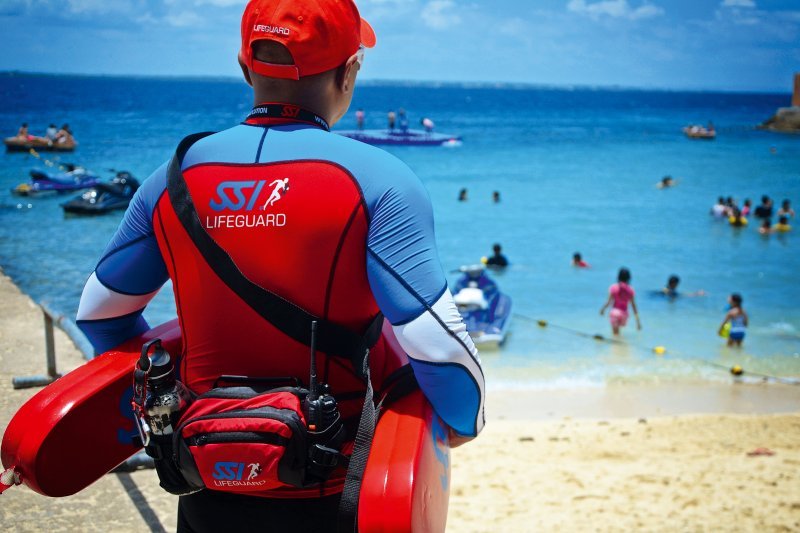
Getting a lifeguard certificate is not just about having another qualification on your resume. It shows that you have learned how to recognize danger, respond to emergencies, and help keep people safe around water.
But what does a Lifeguard Certification actually teach?
From water rescue and surveillance to CPR/AED and First Aid, a good certification course covers much more than swimming. It prepares you for situations where quick thinking and the right response can make a real difference.
What Does Lifeguard Certification Cover?
A lifeguard certification course usually combines safety knowledge with practical lifeguarding skills. The goal is to prepare you for real aquatic emergencies, not simply help you pass a test.
Core areas may include:
- Water surveillance
- Recognizing swimmers in distress
- Water rescue
- CPR/AED
- First Aid
- Emergency response
- Injury prevention
- Communication and teamwork
- Professional lifeguard responsibilities
The American Lifeguard Association also describes its training around lifeguarding, CPR/AED, First Aid, and injury prevention. Its current program uses a video instructor-led blended learning format.
The Skills Behind the Certificate
A certificate has value because of the skills behind it.
Water Surveillance
A lifeguard must stay focused while watching the water. This means scanning the assigned area, noticing unsafe behavior, and identifying swimmers who may need help.
Drowning does not always look dramatic. A person in trouble may not be able to shout or wave. Good surveillance helps a lifeguard notice a problem early.
Water Rescue
Water Rescue is one of the most important parts of lifeguard training. Students learn how to approach a person in distress, use rescue equipment, support the victim, and remove them from the water safely.
The focus is not only on rescuing someone. It is also on protecting the lifeguard during the rescue.
Emergency Response
Lifeguards need to know what to do when an emergency happens. Training helps them understand emergency procedures, communicate with their team, and respond without unnecessary delay. That preparation can make a stressful situation easier to manage.
Why CPR/AED and First Aid Matter
A lifeguard may be the first trained person available when an emergency occurs. That is why CPR/AED Certification and First Aid Training are important parts of professional lifeguarding.
CPR helps provide immediate care during a cardiac or breathing emergency. AED training teaches lifeguards how to use an automated external defibrillator when appropriate. First Aid prepares them to respond to injuries and other common emergencies.
ALA includes CPR/AED and First Aid within its lifeguard certification pathway.
Practical Training vs. Theory
Knowing the correct answer on a test is not enough for lifeguarding. A lifeguard needs to apply that knowledge in a real aquatic environment. That means understanding how to scan the water, use rescue equipment, respond to a victim, and work with other staff.
This is why practical readiness matters alongside classroom or online learning. The American Lifeguard Association uses a blended learning approach. Its materials explain that academic instruction can be completed through video instructor-led training, while practical competency and facility-specific readiness are addressed through employer-based processes.
Choosing the Right Lifeguard Certification Course
Not every learner has the same goal. Before choosing a Lifeguard Course, look at what the program actually covers.
Consider these questions:
- Does it include CPR/AED and First Aid?
- Does it teach real water rescue skills?
- Does it cover prevention and emergency response?
- Is the certification easy for employers to verify?
- Does the course fit the type of aquatic environment where you want to work?
A good program should prepare you for responsibility, not just give you a certificate.
Keeping Your Certification Current
Lifeguarding skills need regular practice. A certification should not be treated as something you earn once and forget.
According to ALA, its successful participants receive Lifeguarding, CPR/AED, and First Aid certifications that are valid for two years. ALA also provides a recertification pathway for returning lifeguards. Staying current helps you maintain confidence and readiness when an emergency occurs.
5 FAQs About Lifeguard Certification
1. What is Lifeguard Certification?
It is a credential showing that a person has successfully completed the required training and certification process for lifeguarding. It covers areas such as water rescue, emergency response, CPR/AED, and First Aid.
2. What do you learn in lifeguard training?
Lifeguard Training can include surveillance, victim recognition, water rescue, CPR/AED, First Aid, emergency procedures, injury prevention, and teamwork.
3. Does lifeguard certification include CPR and First Aid?
Yes. ALA states that its lifeguard program includes Lifeguarding, CPR/AED, and First Aid certification.
4. How long is ALA certification valid?
ALA states that its Lifeguarding, CPR/AED, and First Aid certifications are valid for two years.
5. Can I renew my lifeguard certification?
Yes. ALA states that lifeguards can renew their certification through a recertification course before their current certification expires.
Conclusion
A Lifeguard Certification is more than a piece of paper. It represents training, practical skills, emergency knowledge, and responsibility.
The right Lifeguard Certification Course can help you understand what to look for, how to respond, and how to stay prepared. With proper Lifeguard Training, you are not simply learning how to rescue someone. You are learning how to help prevent emergencies in the first place.
For anyone preparing for a career in aquatic safety, choosing a reliable training provider is an important first step. The American Lifeguard Association offers certification and training options designed around these essential skills.

Laser or microneedling? Patients considering these two popular treatments typically begin by looking at the price, only to find that cost and outcomes involve far more than a number on a clinic menu. A lower fee per visit might hide a longer plan while a higher fee might buy fewer sessions but stronger improvement.
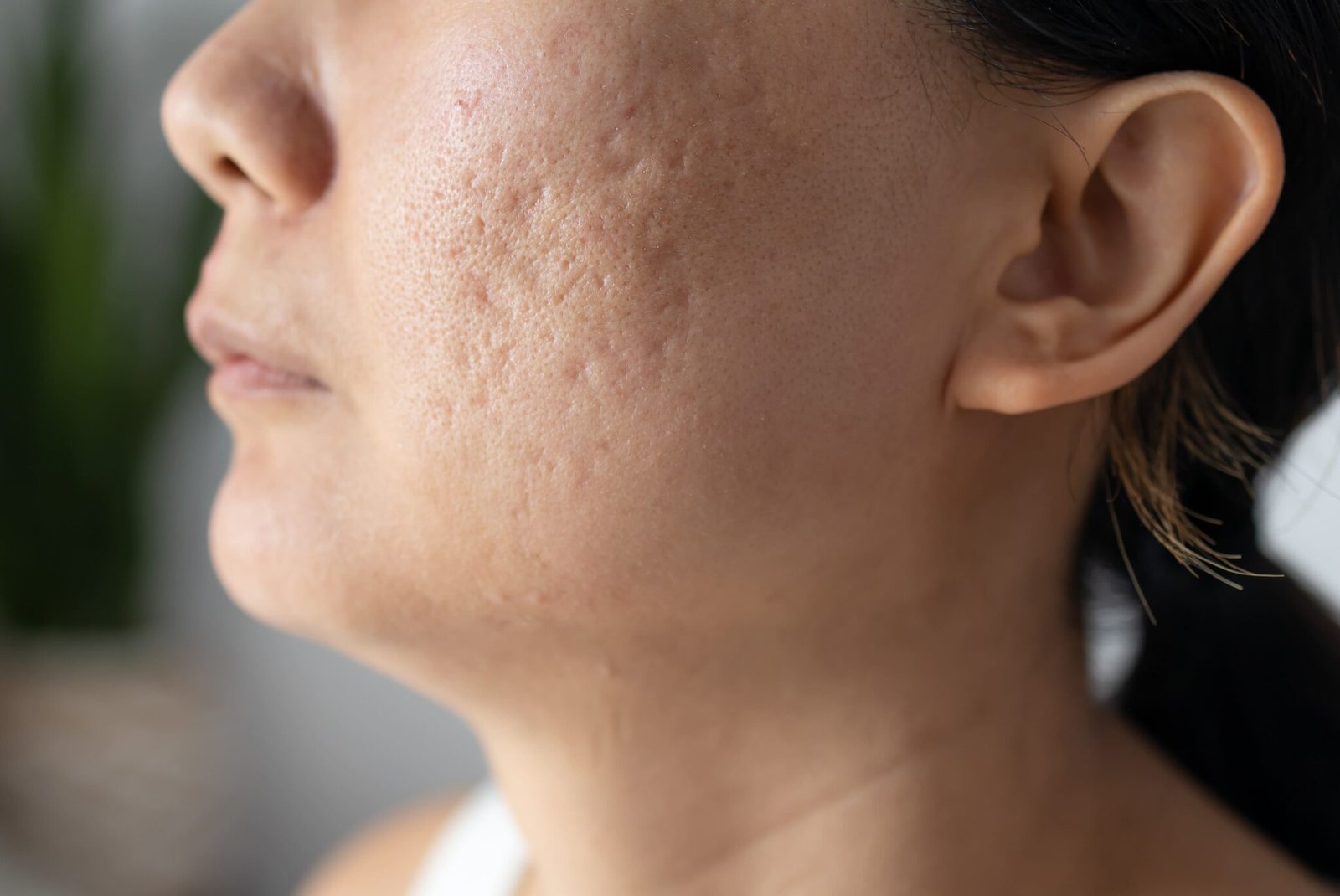
The acne scar removal cost in Singapore is very different as it is contingent upon the method that a doctor recommends. Both lasers and microneedling rebuild scarred skin by triggering collagen, but differ in depth, downtime, number of sessions and price. This guide compares the two so you can match your budget to a treatment that works for your scars.
How Each Treatment Works
Laser Resurfacing
Fractional lasers produce thousands of tiny controlled heat columns in the skin. The body reacts by fixing that tissue and creating new collagen which little by little smooths texture and softens scar edges. Ablative lasers remove thin layers of skin and yield more powerful results with a longer recovery. Non-ablative lasers heat the tissue below the surface and require less downtime.
Microneedling
Microneedling is the process of puncturing the skin with tiny needles. These micro-injuries induce the body to produce new collagen without heat. Many clinics will incorporate radiofrequency energy, which sends heat deeper for firmer and smoother results. Some use needling with serums or platelet-rich plasma to speed healing.
Cost Per Session: Comparing Your Price
Laser Costs
Lasers tend to be more expensive per visit. The devices are expensive to buy, calibrate and maintain, and ablative or advanced fractional systems are at the upper end of the range. Prices also rise with the area treated, a cheek costing less than a full-face plan.
Microneedling Cost
Basic microneedling tends to be cheaper per session, which is attractive to many first-time patients. The price increases with radiofrequency microneedling and add-ons like growth factor serums or platelet-rich plasma. Always ask what is included in a quoted fee before you compare it with another clinic.
Total Cost: How Sessions Change the Equation
Laser Therapy
Most laser programs need three to five sessions, separated by four to eight weeks. More potent ablatives may offer visible change with fewer visits. Deep or severe scars still require additional sessions or combined treatments.
Treatment with Microneedling
Since microneedling is less aggressive, most patients will require four to six sessions, and more for deeper scars. Collagen builds up and results develop slowly. A much lower price repeated many times can meet or even out-price a shorter laser course.
Side-by-Side Comparison
How the two options measure up on the factors that matter most:
- Price per session: Lasers are more expensive, microneedling is less expensive.
- Number of sessions: Lasers generally require less treatments while microneedling usually requires more.
- Best for: Lasers work well for boxcar scars and uneven texture, while microneedling is best for shallow and rolling scars.
- Downtime: Lasers leave you red and peeling for several days; microneedling usually resolves in two to four days.
- Skin tone safety: Microneedling is safer for pigment, while heat-based lasers warrant extra caution with deeper skin tones.
- Results: Microneedling generally leads to slower improvements, while lasers usually result in bigger changes per session.
Find the Right Treatment for Your Scar Type
Ice-Pick and Boxcar Scars
Microneedling is not sufficient for more serious scarring. For boxcar scars fractional lasers do a good job. For ice pick scars you may need to treat them individually with something like TCA CROSS.
Rolling Scars
Rolling scars occur when bands of tissue pull the skin down. Doctors frequently combine subcision with microneedling or lasers to release the tension and rebuild collagen.
Post-Inflammatory Pigmentation
Mild options work well on flat red or brown marks. A light laser toning or brightening serum microneedled into the skin may do the trick, and they’re cheaper than aggressive resurfacing.
Darker Complexions
Those with darker skin tones are more susceptible to pigment changes following heat-based treatment. Microneedling or well adjusted lasers are usually the safer option.
Additional Costs Outside of Treatment
Consultation fees, numbing cream and follow-up visits may sit outside the headline price. Sunscreen, barrier repair creams and prescribed topicals should be reapplied regularly to protect healing skin.
More aggressive treatments may require taking time off work, which is a cost in itself. Packages can reduce the fee per visit, but check expiry dates and refund terms before you pay.
Risks to Consider Before Selecting a Treatment
Both ways can be dangerous if not handled properly. Incorrect laser settings may cause burns, scarring or uneven pigmentation. Practitioners warn that without proper hygiene, aggressive microneedling can lead to infection or irritation. It means a good doctor can lower these risks, which is why paying more can sometimes be a better deal. Getting it right the first time saves you a lot of money.
Selecting Within Your Budget
Get a proper diagnosis. The wrong type of scar is a waste of money to treat. Get a written estimate from each clinic for the full course, the device in use and the expected number of sessions. Be wary of big discounts and the pressure to pay up front for large packages.
Many patients seeking honest, skin-first advice turn to practices like Bio Aesthetic Clinic where trained practitioners assess scar type, depth and skin sensitivity before recommending a laser, micro-needling or a combination. This way you keep costs and results in balance instead of being driven to the most expensive option.
Verdict: Pick the Treatment That’s Right for Your Scars
Lasers are more expensive per session but tend to be more powerful change in less visits. Microneedling is cheaper upfront and good for superficial scars and sensitive skin, but you may need more treatments. The final decision should be based on your scar type, skin tone, timeline and budget.
Book a consultation, request a written plan and compare full course costs rather than single visit prices. With the right information and a qualified provider, you can make smart choices and move toward smoother skin.

Building Confidence Through Reputation Awareness

Prefinished vs Unfinished Oak Interior Doors: A Room-by-Room Decision Guide

How Do CMA Course Professionals Use Financial Analytics in Business Decisions?

Who Is Shameera? All You Need To Know About Charli XCX’s Mother

Who Is Gulliver Flynn Oldman? The Untold Story of Sir Gary Oldman’s Son

Meet Rosemary Turner: The Mother of Actor Callum Turner
-
Biographies8 months ago
Who Is Shameera? All You Need To Know About Charli XCX’s Mother
-
Biographies8 months ago
Who Is Gulliver Flynn Oldman? The Untold Story of Sir Gary Oldman’s Son
-
Biographies9 months ago
Meet Rosemary Turner: The Mother of Actor Callum Turner
-

 Biographies7 months ago
Who is Alexandra James? Inside The Life of Jeremy Clarkson’s Former Partner
-
 Biographies8 months ago
Who is Todd McRae? Meet Tate McRae’s Father
-
 Biographies8 months ago
Who Is Daniel Mara? The Untold Story of Kate Mara’s Private Sibling
-
 Celebrity9 months ago
Who Is Peter Hernandez? The Real Story of Bruno Mars’ Father
-
 Biographies9 months ago
Who Was Adrian Mayers? The Untold Life of A$AP Rocky’s Late Father