
Pet & Animals
How donations support daily care at a Romanian dog shelter

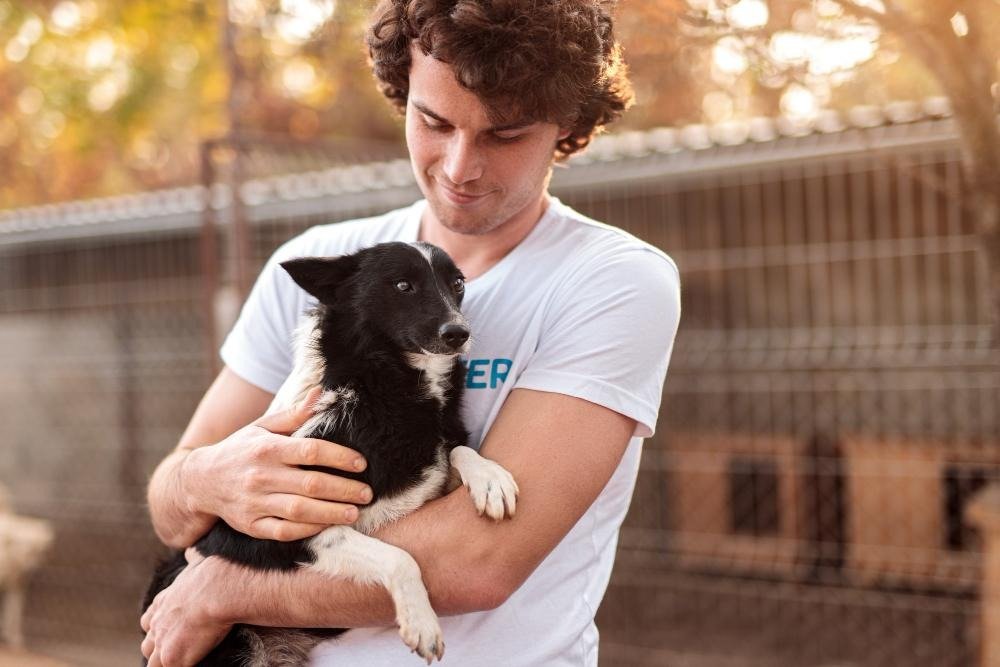
A donation to a dog shelter can look simple from the outside. Someone chooses an amount, makes a contribution, and hopes it will help an animal in need. Inside the shelter, however, that contribution becomes part of something much more tangible. It can mean food in bowls every morning, veterinary attention for a newly rescued dog, clean bedding, medication, repairs to a kennel or simply the ability to keep caring for animals that may need months before they are ready for a permanent home.
A Romanian dog shelter does not operate around isolated rescue moments. Care is always ongoing, including weekends, holidays and periods when donations are harder to secure. This is why financial support matters not only when an emergency attracts attention, but also during the quieter days when dozens or hundreds of ordinary tasks still need to be completed.
A donation often makes a difference in the most ordinary part of the day
Feeding dogs is hardly the most dramatic side of animal rescue, which is precisely why its importance can easily be underestimated. Food is needed every day, regardless of how much public attention a shelter receives that week. For a Romanian dog shelter caring for multiple animals, what seems like a basic expense quickly becomes a permanent responsibility.
The needs are not always identical from one dog to another. Puppies, adult dogs and older animals may require different approaches to feeding, while dogs recovering from illness or arriving in poor physical condition can have particular nutritional needs. The practical work involves much more than buying a bag of food and placing it in storage.
Donations help create the continuity that keeps these routines running without interruption. Water must be available, bowls have to be cleaned, feeding areas maintained, and supplies replenished before they disappear. None of these moments is likely to become the photograph that defines a rescue campaign, yet together they make up a significant part of responsible shelter care.
This is one of the clearest ways to understand what financial support actually does. A contribution does not need to fund an extraordinary intervention to matter. Sometimes its value is found in something deliberately ordinary: another morning in which every dog receives what it needs.
Veterinary care turns financial support into very practical help
Dogs do not arrive at shelters with predictable histories. Some may have spent considerable time on the streets, while others may have been abandoned recently. Their medical needs can range from routine veterinary care to treatment that requires repeated examinations and a longer recovery period.
For a Romanian dog shelter, veterinary expenses can therefore change quickly. A newly rescued animal may need an examination before the team fully understands its condition. Tests, medication, vaccinations, parasite control or other veterinary procedures may follow depending on the individual dog’s needs and the veterinarian’s assessment.
Emergency cases make this financial reality even more visible. When an injured or seriously ill dog needs help, treatment cannot always wait for a fundraising campaign to reach its target. Shelters need the ability to respond when the animal is in front of them, not several weeks later.
Donations provide some of the resources that make these decisions possible. They can support both urgent treatment and the less visible medical care that accompanies an animal throughout its time in the shelter. A course of medication administered correctly for several days may not generate the same emotional response as the moment of rescue, but it can be just as important to the dog’s recovery.
As a result, veterinary care becomes less of a single event and more of an ongoing responsibility, extending from the first examination to monitoring and preparation for the next stage of the dog’s life.
Clean, safe spaces require daily resources
A shelter is also a physical environment that has to withstand constant use. Kennels need cleaning, bedding needs replacing, food and medical supplies require suitable storage, and damaged equipment eventually has to be repaired. Weather adds another layer of pressure, particularly when dogs need protection from cold, heat, rain or other difficult conditions.
Part of a donation may therefore support needs that are almost invisible to someone following rescue work online. Cleaning products are not emotionally compelling, nor are repairs, utility bills or everyday maintenance. Yet a shelter cannot provide responsible care without them.
Hygiene is especially important when many animals live within the same facility. Keeping spaces clean requires consistent work and a steady supply of appropriate materials. The work starts the next day again because shelter care is repetitive by nature. A kennel cleaned yesterday still needs attention today.
Infrastructure matters for the same reason. A secure gate, a functioning water system or a properly maintained enclosure may never appear in an adoption story, but each contributes to the environment where the dogs spend their days.
This is where unrestricted financial support can be particularly useful for rescue organizations. It gives them greater flexibility to respond to practical needs as they appear, including those that are difficult to package into an individual fundraising story.
Donations also give dogs who aren’t ready for adoption more time to find a home.
The journey from rescue to adoption rarely follows a fixed timetable. Some dogs may adjust relatively quickly, while others need considerably more time. A frightened animal cannot be expected to become comfortable with human contact according to a fundraising calendar, and a dog undergoing medical treatment may not be ready to leave simply because a potential adopter has appeared.
Every additional week of care has a cost. The dog continues to eat, occupy a safe space and require attention. Medical treatment may continue, while daily interaction and observation remain necessary.
This is one of the less obvious ways donations can change an animal’s experience: they can provide time. When a shelter has resources for ongoing care, the period between rescue and adoption can be treated as an important part of the process rather than an inconvenient delay.
For dogs that have experienced neglect, abandonment or prolonged life on the streets, that period can be particularly meaningful. Shelter teams and volunteers may need to learn how an individual dog reacts to people, other animals and unfamiliar situations. Gradual interaction can reveal characteristics that were impossible to see when the dog first arrived frightened or overwhelmed.
Those observations can later contribute to finding them a more appropriate home. Supporting a shelter therefore means supporting not only survival, but also the days and weeks during which staff and volunteers get to know the animal they hope to place with a family.
Reliable support helps a Romanian dog shelter plan for the next emergency
Animal rescue naturally attracts attention during emergencies. An injured dog, an abandoned litter or an animal found in severe conditions creates an immediate reason to act. Shelters, however, cannot operate entirely from one emergency appeal to the next.
Predictable support changes what is possible behind the scenes. When an organization has recurring donors, sponsorships and other dependable sources of assistance, it becomes easier to plan essential expenses instead of constantly reacting to shortages. Food can be ordered before supplies become critical, routine veterinary needs can be anticipated, and maintenance can be addressed before a small problem becomes a larger one.
This continuity also matters because rescue work does not end at the shelter gate. Responsible organizations may be involved in adoption efforts, awareness, education and initiatives intended to reduce the number of unwanted animals over time. Preventive work can be less visible than rescuing a dog in immediate danger, but it addresses some of the circumstances that repeatedly bring animals into shelters.
For supporters who cannot adopt, there are still different ways to contribute. A one-time donation can meet an immediate need, while recurring support or sponsorship can help provide greater continuity. Some people choose to support animal welfare through memorial gifts, legacy giving or other forms of longer-term contribution.
What connects all these forms of support is what happens after the donation is made. Money becomes food, treatment, shelter maintenance and the countless ordinary necessities that allow care to continue. Inside a Romanian dog shelter, the impact is rarely limited to one dramatic moment. It is spread across mornings and evenings, veterinary appointments, cleaned kennels, meals, repairs and another safe night for a dog that previously had nowhere dependable to go.

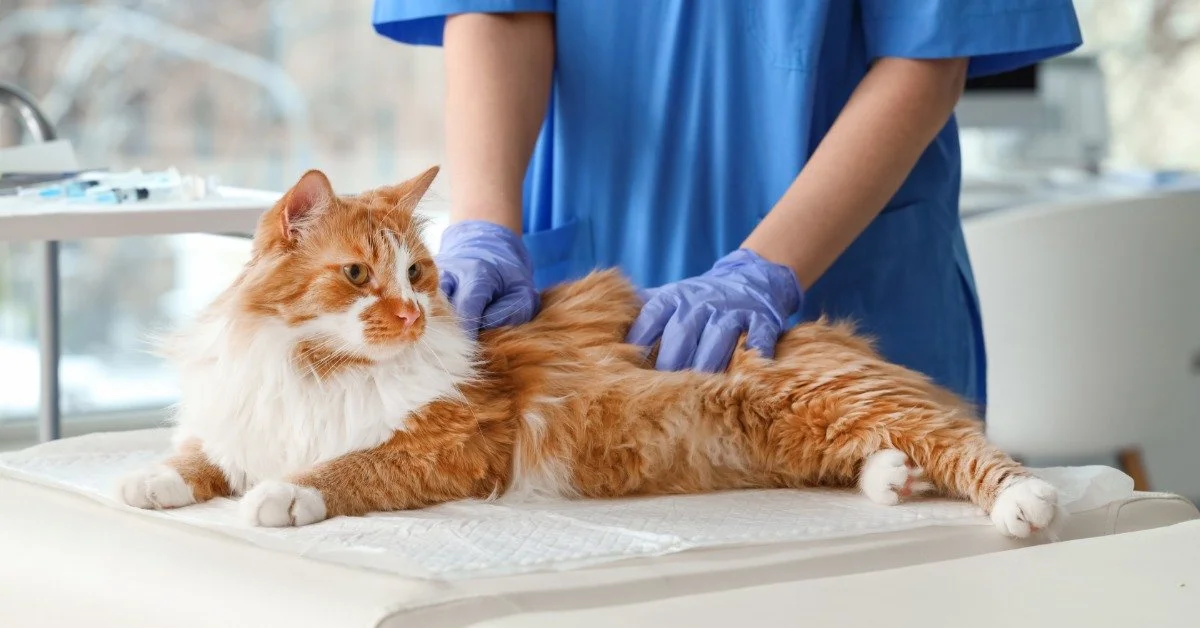
Cleaning a cat wound properly can help remove dirt, reduce the risk of infection, and support healing. For minor cuts and superficial scratches, you can gently rinse the area with sterile saline or clean, lukewarm water. However, deep wounds, bite wounds, heavy bleeding, and injuries near the eyes require veterinary attention rather than home treatment.
Before cleaning your cat’s wound, check its size, location, and severity. Cats may hide pain, so even a small-looking injury can be more serious than it appears. Knowing how to clean a wound safely can help protect your cat while you decide whether veterinary care is necessary.
Check the Wound Before Cleaning
Start by examining your cat in a quiet, well-lit area. Speak calmly and approach slowly because an injured cat may feel frightened or defensive. If possible, ask another adult to gently hold your cat while you inspect the wound.
Look for cuts, scratches, punctures, swelling, redness, discharge, or missing fur. Check whether the wound is actively bleeding and whether your cat reacts strongly when you approach it. Avoid pressing the injured area or trying to open the wound to inspect its depth.
Some wounds need immediate veterinary attention. These include deep cuts, puncture wounds, wounds caused by animal bites, injuries with visible tissue underneath the skin, and wounds containing embedded objects. Wounds near the eyes, chest, abdomen, or joints also need prompt professional assessment.
Seek emergency veterinary care or consult your vet, if your cat has uncontrolled bleeding, difficulty breathing, pale gums, collapse, or severe weakness. Do not delay treatment to clean a serious injury at home.
Gather the Supplies You Need
Prepare everything before handling your cat. This helps you clean the wound quickly and reduces stress.
You will need sterile saline solution or clean, lukewarm water, sterile gauze pads, a clean towel, and disposable gloves if available. Keep a small bowl nearby if you need to rinse the gauze.
Sterile saline is a good option because it gently rinses away dirt without irritating the wound. If you do not have saline, clean drinking water that is lukewarm or at room temperature is suitable for rinsing a minor wound.
Avoid using cotton wool directly on an open wound because loose fibers can stick to the injured tissue. Gauze is generally a better choice for gently cleaning the surrounding skin.
Do not use Vaseline, hydrogen peroxide, rubbing alcohol, concentrated iodine, essential oils, or household disinfectants on an open wound unless your veterinarian specifically instructs you to use a particular product in a particular way. These substances can irritate tissue and interfere with healing.
Keep Your Cat Calm and Comfortable
Your cat’s safety matters as much as wound cleaning. Even a friendly cat may scratch or bite when experiencing pain.
Choose a quiet room with good lighting. Place your cat on a stable, comfortable surface covered with a towel. Handle the injured area as little as possible.
If your cat remains calm, gently hold it in a natural position. Avoid squeezing the body or restricting breathing. You can wrap a cooperative cat loosely in a towel to limit sudden movements, leaving the injured area accessible.
Never force your cat to tolerate cleaning if it becomes highly distressed or aggressive. Stop if handling causes significant pain or creates a risk of injury. A veterinarian can provide appropriate pain relief and safely examine the wound.
Do not give human painkillers to calm your cat or relieve its discomfort. Medicines such as acetaminophen and ibuprofen can be highly toxic to cats.
Rinse the Wound With Saline or Water
For a minor, superficial wound, gentle rinsing is usually the most important cleaning step.
Wash your hands before starting and put on disposable gloves if available. If the wound is bleeding, apply gentle, continuous pressure with sterile gauze before attempting to rinse it. Seek urgent veterinary care if bleeding is heavy or does not stop with sustained pressure.
Once bleeding is controlled, slowly pour sterile saline or clean, lukewarm water over the wound. Let the liquid wash away loose dirt, dried blood, and other surface debris.
Do not scrub the wound or rub it vigorously. Scrubbing can damage delicate tissue and increase discomfort. If dirt remains stuck in the wound, do not dig it out with tweezers or other tools. Let a veterinarian remove embedded material safely.
Use fresh gauze to gently dab the surrounding fur and skin. Avoid pushing gauze into the wound or using pressure that causes pain.
For a small, clean scratch, a gentle rinse may be enough. If the wound is deep, gaping, contaminated, or caused by a bite, contact a veterinarian even if it looks clean afterward.
Clean the Skin Around the Wound
Dirt and discharge can collect on the fur surrounding an injury. Cleaning the nearby skin helps prevent surface debris from entering the wound again.
Moisten a clean gauze pad with saline or clean water. Gently wipe the skin around the wound, moving away from the injured area when possible. Use a fresh section of gauze for each pass so you do not spread dirt back onto the skin.
If fur is covering the injury, do not use scissors or a razor close to the wound. Cats can move suddenly, and even a small movement can cause a serious cut. A veterinarian can clip the fur safely when necessary.
Avoid pulling away dried scabs. Scabs help protect healing tissue, and removing them can cause bleeding or delay recovery.
If the surrounding fur is heavily matted with blood or discharge, ask your veterinarian how to clean the area without disturbing the wound.
Dry the Area Gently
After rinsing, allow excess liquid to drain away. Use clean, sterile gauze to gently blot the surrounding skin without rubbing the wound.
Do not try to dry the wound with a hair dryer or expose it to direct heat. Heat can burn sensitive tissue, and unnecessary handling can cause discomfort.
Avoid applying powders, creams, ointments, or herbal remedies unless your veterinarian recommends them. Cats groom themselves and may lick products from their skin, potentially swallowing ingredients that are unsafe for them.
Some wounds need specific topical treatments or dressings, while others heal best with veterinary-directed cleaning alone. The appropriate approach depends on the injury’s depth, location, and cause.
Prevent Your Cat From Licking the Wound
Cats naturally lick injured areas, but excessive licking can damage healing tissue. Their tongues can irritate the skin, reopen a wound, and introduce bacteria.
If your cat repeatedly licks or chews the injured area, ask your veterinarian about an Elizabethan collar, often called a cone. A properly fitted collar can prevent your cat from reaching the wound while allowing it to breathe and swallow comfortably.
Check that the collar does not rub against the injury or prevent your cat from accessing food and water. Supervise your cat until you know it can move around safely while wearing it.
Do not cover a wound with a tight homemade bandage to prevent licking. Incorrect bandaging can restrict circulation, trap moisture, or hide signs of infection. Some injuries require a professional dressing, while others should remain uncovered under veterinary guidance.
Know When a Cat Wound Needs a Veterinarian
Not every cat wound can be treated safely at home. Small surface scratches may need only gentle cleaning, but punctures and deeper injuries can cause complications beneath the skin.
Cat bite wounds are particularly concerning because tiny punctures can close over and trap bacteria. An abscess may develop several days later, causing swelling, pain, warmth, or pus. A cat that has fought with another animal should receive prompt veterinary advice, even if the visible injury seems minor.
Seek veterinary attention if you notice increasing redness, swelling, discharge, a foul smell, persistent bleeding, worsening pain, or a wound that does not improve. Fever, reduced appetite, unusual hiding, lethargy, and changes in behavior can also indicate a problem.
A wound with exposed muscle or other deeper tissue, separated edges, or a foreign object needs professional care. Do not attempt to close it with household glue, tape, or stitches.
If your cat has an unknown vaccination history or was bitten by a wild animal, contact your veterinarian promptly for advice about infection risks and any necessary preventive treatment.
Monitor the Wound During Healing
After cleaning a minor wound, check the area at least daily. Look for changes in size, color, swelling, discharge, and your cat’s comfort level.
A healing wound should generally become less painful and show gradual improvement. Mild redness immediately after an injury may occur, but increasing redness, warmth, swelling, or discharge is concerning.
Follow your veterinarian’s instructions about how often to clean the wound. Repeated cleaning is not always better because excessive handling can irritate tissue and disrupt healing. If your veterinarian prescribes medication, use it exactly as directed and complete the recommended course.
Keep your cat indoors while the wound heals. This reduces exposure to dirt, fighting, and other sources of injury. Provide clean bedding and a comfortable resting area.
Do not assume that a wound is healed simply because the surface has closed. Deeper tissue may need additional time to recover, especially after punctures or surgery. Contact your veterinarian if healing seems slow or the wound opens again.
How Often Should You Clean a Cat Wound?
The ideal cleaning frequency depends on the wound and your veterinarian’s instructions. For a minor surface injury, gentle cleaning when needed may be sufficient. Repeatedly washing a clean wound can irritate the skin and interfere with healing.
If a veterinarian has examined the wound, follow the recommended cleaning schedule rather than using a general routine. Surgical wounds, drains, abscesses, and wounds requiring bandages often need specific care.
Never remove a veterinary dressing or drain unless instructed to do so. If a bandage becomes wet, slips, smells unpleasant, or appears too tight, contact the clinic for guidance.
Common Mistakes to Avoid When Cleaning a Cat Wound
Several common mistakes can make an injury worse. Avoid using alcohol or hydrogen peroxide, which can damage healing tissue. Do not scrub aggressively, pull off scabs, squeeze swollen areas, or dig into a wound to remove debris.
Never use human medications or topical products without veterinary advice. Some ingredients that are safe for people can be dangerous when cats swallow them during grooming.
Avoid tight bandages, homemade wound closures, and attempts to treat deep bite wounds without professional care. Do not ignore a wound simply because your cat continues eating or behaving normally.
Most importantly, do not delay veterinary treatment while repeatedly trying to clean a serious injury. Gentle rinsing can help with a minor wound, but it cannot replace examination, pain relief, antibiotics when indicated, or surgical treatment when necessary.
Help Your Cat Recover Safely
Cleaning a minor cat wound involves gentle rinsing with sterile saline or clean water, careful cleaning of the surrounding skin, and preventing excessive licking. Handle your cat calmly and avoid harsh chemicals, unnecessary rubbing, and unapproved medications.
Watch for swelling, discharge, increasing pain, or changes in behavior, and seek veterinary care when these signs appear. Deep cuts, bite wounds, persistent bleeding, and injuries involving sensitive areas need professional attention.
When you are unsure how serious a wound is, contact a veterinarian rather than relying on home cleaning alone. Prompt assessment and appropriate care give your cat the best chance of recovering safely.


Every dog owner knows that guilt. You’re packing your suitcase, your pup is watching you with those big eyes, and you’re already dreading the goodbye. Leaving your dog behind is never easy—but where your dog stays while you’re away makes all the difference.
At Boston Dog Butlers, we believe your dog deserves more than just a place to wait. They deserve an experience. Our pet boarding service is built around one simple idea: your dog should feel loved, safe, and genuinely happy—even when you’re not around.
What Makes Professional Pet Boarding Worth It?
A lot of pet owners still rely on friends, family, or neighbors to watch their dogs when life gets busy. And while those arrangements come from a good place, they don’t always come with the structure, safety, or expertise your dog truly needs.
Professional pet boarding brings consistency. Dogs thrive on routine—regular feeding times, daily exercise, and predictable schedules all contribute to a calmer, happier dog. When your pup is in the hands of trained professionals, that routine doesn’t break just because you’re out of town.
At Boston Dog Butlers, our team is experienced in dog behavior and genuinely passionate about animal care. We don’t just supervise dogs—we engage with them, comfort them, and give them the attention they’d expect at home.
A Safe, Stimulating Environment Your Dog Will Love
Safety is the foundation of everything we do. Our facilities are designed with dogs in mind—secure, clean, and thoughtfully set up to reduce stress and encourage play.
But we go beyond the basics. Dogs staying with Boston Dog Butlers enjoy:
- Supervised group play sessions that allow socialization at a comfortable pace
- Dedicated rest areas so dogs can recharge between activities
- Personalized attention tailored to each dog’s temperament and needs
- Regular check-ins so you always know how your pup is doing
Whether your dog is a social butterfly or a little more on the shy side, our team adjusts the experience to suit their personality. No two dogs are the same, and we don’t treat them that way.
How Boston Dog Butlers Puts Your Dog First
What sets Boston Dog Butlers apart isn’t just the facilities—it’s the people. Our team genuinely loves dogs. That’s not a tagline; it’s the reason they show up every day ready to give every pup in their care the best possible experience.
We maintain low dog-to-staff ratios so that every dog gets meaningful attention throughout the day. Meals are served on schedule, medications are administered as needed, and playtime is never cut short.
We also keep communication open with pet owners. You won’t be left wondering how your dog is doing. Regular updates, photos, and check-ins are part of the experience—because we know peace of mind matters just as much to you as comfort matters to your dog.
The Emotional Benefits of Choosing the Right Boarding Service
Dogs are emotionally intelligent animals. They pick up on stress, changes in environment, and the absence of their owners. A poorly managed boarding experience can leave a dog anxious, withdrawn, or even acting out after returning home.
The right environment does the opposite. When dogs are cared for with warmth and consistency, they adapt well. Many dogs who board regularly with Boston Dog Butlers actually get excited on drop-off days—because they associate the experience with fun, affection, and great company.
This emotional wellbeing carries over when they come home. A dog who was genuinely happy during your absence tends to settle back into home life without the separation anxiety or clinginess that can follow a stressful stay elsewhere.
What to Expect When You Book With Boston Dog Butlers
Booking with us is simple, and we make the onboarding process smooth for both you and your dog.
Before your dog’s first stay, we take the time to learn about them—their habits, preferences, quirks, and any special requirements. This helps us hit the ground running so your dog feels comfortable from day one.
Here’s a quick look at what the process looks like:
- Initial consultation — Tell us about your dog so we can match them with the right environment
- Meet and greet — Let your dog explore our space and meet the team before their first overnight stay
- Flexible booking — Whether you need a one-night stay or a two-week arrangement, we work around your schedule
- Ongoing communication — We keep you updated throughout your dog’s stay so you can travel with complete confidence
Your Dog Deserves the Best While You’re Away
Life doesn’t stop for anyone—not even for dog owners. Business trips, vacations, family events, and emergencies all happen. And when they do, having a trusted, professional team ready to step in is invaluable.
Pet boarding at a facility that combines expert care, a safe environment, and genuine affection ensures your dog not only survives your absence but actually thrives during it—coming home happier, well-rested, and ready to shower you with all the tail wags you’ve been missing.
At Boston Dog Butlers, that’s exactly what we deliver. Our boarding service isn’t just a solution for when you’re away—it’s an experience your dog will genuinely enjoy. Because they deserve nothing less.
Ready to give your dog a stay they’ll love? Contact Boston Dog Butlers today and book your first boarding experience.

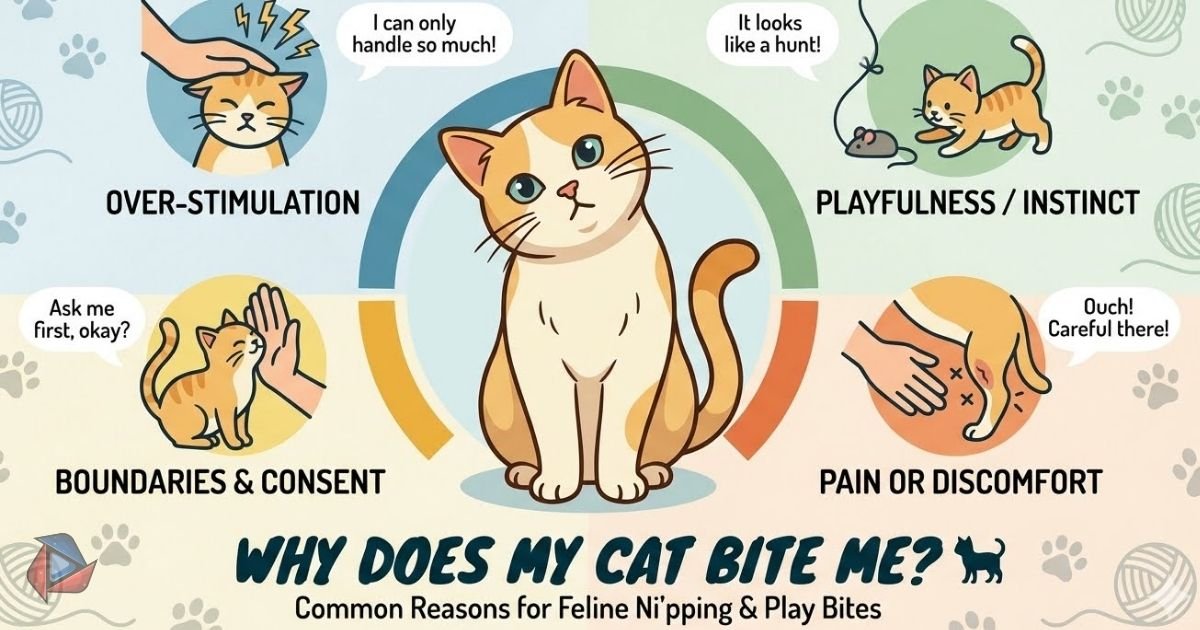
If you’ve ever wondered why does my cat bite me, you’re not alone. Cat biting is a complex mix of instinct, communication, sensory overload, and sometimes pain. From playful nips to sudden aggressive reactions, every bite carries meaning. Understanding the neurological triggers, behavioral signals, and environmental factors behind this behavior helps you build a safer, stronger bond with your pet while preventing future bites effectively.
What Does It Mean When a Cat Bites You?
When asking why does my cat bite me, the first thing to understand is that biting is not random. Cats use their teeth as a primary non-verbal communication tool. Unlike humans, they cannot express discomfort or boundaries verbally, so biting becomes their direct message.
A bite can mean “stop,” “I’m overwhelmed,” “I’m in pain,” or even “I trust you.” The context matters greatly. A gentle nibble during a calm moment is very different from a sudden aggressive bite during petting. Each scenario reflects a different internal state within the cat.
Cats are highly sensitive creatures. Their behavior is shaped by instinct, early development, and daily environment. When those factors align in a certain way, biting becomes their fastest and most effective response.
The Science Behind Cat Biting Behavior
To fully answer why does my cat bite me, we need to look at the science behind it. A cat’s skin contains up to three times more sensory receptors than human skin. This means what feels like a gentle stroke to you can become overwhelming for them.
Their nervous system also processes repeated stimulation differently. Through a process known as temporal summation, small sensations build over time until they cross a threshold. Once that happens, the cat reacts instantly, often with a bite.
Additionally, certain areas such as the whiskers, jaw, and tail base are connected to dense nerve pathways. Overstimulation in these zones can trigger sudden defensive reactions. The bite acts as a neurological “circuit breaker” to stop the sensation immediately.
Overstimulation and Petting-Induced Aggression
One of the most common answers to why does my cat bite me is overstimulation. Cats often enjoy petting at first, but their tolerance is limited. On average, many cats reach their limit within 90 to 120 seconds of continuous contact.
At the beginning, petting releases positive sensations. However, repetitive motion in the same area causes irritation. This transition from pleasure to discomfort happens quickly, often without obvious warning.
Cats usually give subtle signals before biting. These include tail flicking, ear flattening, skin twitching, or freezing briefly. When these signals are ignored, the bite becomes the final message.
The Role of Instinct and Hunting Behavior
Another key factor in understanding why does my cat bite me is instinct. Cats are natural predators, and their behavior follows a hardwired sequence known as the predatory motor pattern.
This pattern includes stalking, pouncing, and biting. When you move your hands or feet, especially quickly, your cat may interpret them as prey. This is why many cats attack ankles or fingers during play.
Even indoor cats retain these instincts. Without proper outlets like toys or interactive play, they may redirect their hunting energy toward humans. In these cases, the bite is not aggression but a misdirected hunting response.
The “Love Bite” and Social Grooming Behavior
Not all bites are negative. Sometimes when people ask why does my cat bite me, the answer is surprisingly positive. Cats engage in a behavior called allogrooming, where bonded cats groom each other and may finish with gentle nibbles.
These soft, painless bites are often referred to as love bites. They occur during calm, affectionate moments and are usually accompanied by purring or relaxed body language.
This behavior mimics social bonding rituals seen in cat groups. It is a sign that your cat feels safe, comfortable, and connected to you. However, it’s important to distinguish these from overstimulation bites, which are more sudden and forceful.
Pain and Medical Conditions as Hidden Causes
A critical but often overlooked reason behind why does my cat bite me is pain. Cats are experts at hiding discomfort, so biting may be the first visible sign of a problem.
Conditions such as arthritis, dental disease, or nerve disorders can make certain areas extremely sensitive. Touching these areas, even gently, can trigger a defensive bite.
There are also specific conditions like Feline Orofacial Pain Syndrome (FOPS) and Feline Hyperesthesia Syndrome (FHS). These disorders involve abnormal nerve activity, causing sudden pain or irritation that leads to aggressive reactions.
If biting appears suddenly or is linked to specific touch points, it is important to consider a medical evaluation.
Redirected Aggression and Environmental Stress
If you’re still wondering why does my cat bite me, the answer may lie in their environment. Cats can experience redirected aggression, where they react to something they cannot reach.
For example, seeing another animal outside the window can trigger a surge of adrenaline and cortisol. If the cat cannot act on that stimulus, the energy builds up internally.
When you approach during this heightened state, your cat may misinterpret your presence as a threat. The result is a sudden, intense bite. This state can last for hours or even days after the initial trigger.
Environmental stressors such as loud noise, frequent movement, or unfamiliar scents can also increase the likelihood of biting.
Early Socialization and Bite Inhibition
Early life experiences play a major role in shaping behavior. Another important answer to why does my cat bite me involves bite inhibition, which kittens learn during their first weeks of life.
When kittens play with their littermates, they learn how hard they can bite without causing harm. If they bite too hard, the other kitten stops playing, teaching them to adjust.
Kittens separated from their litter too early, usually before eight weeks, may miss this learning phase. As adults, they may not understand how to control the pressure of their bite.
This leads to stronger, less controlled biting behavior, especially during play.
Why Cats Bite During Belly Rubs and Sensitive Touch
Many owners are confused when their cat rolls over and then bites during a belly rub. Understanding why does my cat bite me in this situation requires recognizing the vulnerable belly paradox.
When a cat exposes its belly, it is showing trust, not inviting touch. The belly protects vital organs, and touching it triggers a primitive defensive reflex.
The cat may grab your hand with its front legs, kick with its hind legs, and bite. This behavior is instinctive and not a sign of betrayal.
Similarly, areas like the tail base and lower back are highly sensitive. Touching these zones can quickly shift from pleasant to overwhelming, resulting in a bite.
Learned Behavior and Attention-Seeking Biting
Cats are intelligent and learn from outcomes. A common explanation for why does my cat bite me is learned behavior. If a cat bites and immediately gets a response, the behavior is reinforced.
For example, if a bite makes you stop trimming nails or puts your attention on the cat, they learn that biting is effective. Over time, this becomes a habitual communication strategy.
Some cats also use biting as an attention-seeking tool. If a quick nip is the only way to get you to look away from your phone or laptop, they will repeat it.
This type of biting is not aggressive but goal-oriented behavior shaped by experience.
Warning Signs That Your Cat Is About to Bite
Understanding the warning signs is essential when addressing why does my cat bite me. Cats rarely bite without signaling first, but these signals are often subtle.
Common signs include tail flicking, ears flattening, skin rippling, and sudden body tension. A brief freeze or change in posture can also indicate rising discomfort.
Recognizing these cues allows you to stop interaction before the bite occurs. Ignoring them forces the cat to escalate its response.
Learning to read these signals improves communication and reduces biting incidents significantly.
How to Stop and Prevent Cat Biting
Now that you understand why does my cat bite me, the next step is prevention. The key is to respect your cat’s boundaries and provide appropriate outlets for their energy.
Avoid using your hands as toys. Instead, use interactive tools like wand toys to channel their hunting instincts safely. Keep petting sessions short and focus on areas cats prefer, such as the head, chin, and cheeks.
Watch for early warning signs and stop before your cat becomes overstimulated. If biting occurs, remain calm and withdraw attention rather than reacting strongly.
Never punish your cat, as this increases fear and can worsen aggression. Instead, focus on positive reinforcement, environmental enrichment, and consistency.
If biting is severe or sudden, consult a veterinarian to rule out underlying medical issues.
Advanced Behavioral Techniques to Reduce Cat Biting
To fully solve the issue of why does my cat bite me, it is important to go beyond basic prevention and apply structured behavioral techniques. One of the most effective modern methods is the petting consent approach. Instead of initiating contact, allow your cat to approach and signal readiness.
Hold your hand still and let your cat rub against it first. This action activates their scent glands and communicates approval. Pet briefly, then pause. If your cat leans in again, continue. If they withdraw or freeze, stop immediately. This simple method prevents overstimulation and reinforces trust.
Consistency is essential. Cats thrive on predictable interactions. By respecting their limits and letting them control engagement, you reduce the need for biting as a communication tool.
The Role of Environment in Triggering Bites
When exploring why does my cat bite me, many owners overlook environmental factors. A cat’s surroundings play a huge role in shaping behavior. Loud noises, sudden movements, and chaotic spaces can raise a cat’s baseline stress level.
High stress keeps the nervous system in a hyper-alert state, making even minor interactions feel threatening. In this condition, a cat is far more likely to respond with a defensive bite.
Environmental enrichment is key to solving this. Provide vertical spaces, quiet resting areas, and interactive toys. These elements reduce anxiety and give your cat healthy ways to release energy.
Even small changes, like reducing loud sounds or maintaining a consistent routine, can significantly lower biting behavior over time.
Understanding Redirected Aggression in Detail
A deeper understanding of redirected aggression helps answer why does my cat bite me in seemingly random situations. This type of aggression occurs when a cat is stimulated by something it cannot reach, such as another animal outside a window.
The cat’s body floods with stress hormones like cortisol and adrenaline, preparing it for action. However, because it cannot engage with the original trigger, that energy remains trapped.
If you approach during this period, your cat may redirect its aggression toward you. The bite can appear sudden and intense, but it is actually a continuation of the earlier stimulus.
This state can last longer than most owners expect. Even hours after the trigger disappears, your cat may still be sensitive and reactive. Giving your cat space during these times is critical.
The Neurological “Circuit Breaker” Response
A fascinating explanation behind why does my cat bite me lies in feline neurology. Cats have a highly reactive nervous system designed for survival. When sensory input becomes overwhelming, the brain triggers a rapid defensive response.
This is often described as a “circuit breaker” mechanism. The bite serves as an immediate way to stop whatever is causing discomfort. It is not a calculated decision but an involuntary reaction.
Unlike humans, cats have less capacity to process prolonged discomfort calmly. Once the threshold is crossed, the response is quick and decisive. Understanding this helps owners realize that many bites are not intentional aggression but automatic protective responses.
The Impact of Scent and Chemical Signals
Another overlooked factor in why does my cat bite me is scent. Cats rely heavily on smell to understand their environment and maintain a sense of safety. Their world is structured around a shared colony scent.
When you introduce strong smells such as perfume, lotion, or even the scent of another animal, it disrupts this balance. Your cat may react by biting or nibbling to remove or mask the unfamiliar scent.
This behavior is sometimes called scent correction. It is not aggression but an attempt to restore familiarity. In some cases, the bite may be gentle, while in others, it may escalate if the scent is particularly strong or stressful.
Maintaining a consistent scent environment helps reduce this trigger.
When Cat Biting Becomes a Serious Problem
While many cases are manageable, understanding why does my cat bite me also means recognizing when the behavior becomes serious. Frequent, intense, or unpredictable biting may indicate deeper issues.
If your cat shows signs such as skin rippling, erratic running, tail chasing, or sudden vocalization, it could be linked to neurological conditions like Feline Hyperesthesia Syndrome. Similarly, biting combined with chewing or pawing at the mouth may suggest dental pain or disorders like Feline Orofacial Pain Syndrome.
Chronic aggression can also damage the bond between cat and owner, leading to fear or avoidance. In severe cases, it may result in rehoming or surrender.
Early intervention is crucial. Identifying the root cause allows for more effective treatment and prevents escalation.
Common Myths About Cat Biting
Many misconceptions exist around why does my cat bite me, and these myths often make the problem worse. One of the most common is the belief that biting means a cat is “mean” or untrustworthy.
In reality, biting is usually a response to stress, overstimulation, or unmet needs. Labeling a cat as aggressive ignores the underlying cause and prevents proper solutions.
Another myth is that all bites are playful or harmless. While some are gentle, others may signal discomfort or pain. Ignoring these differences can lead to repeated incidents.
There is also a tendency to treat biting as a funny or cute behavior, especially online. This perception can delay necessary behavioral adjustments and increase risk over time.
Building a Stronger Bond Without Biting
Solving the question of why does my cat bite me ultimately leads to improving your relationship with your pet. Cats respond best to respect, patience, and understanding.
Focus on creating positive interactions. Engage in regular play sessions using toys that mimic prey movement. This satisfies their hunting instinct and reduces the likelihood of attacking hands or feet.
Pay attention to your cat’s body language and adapt your behavior accordingly. When your cat feels heard and understood, the need for biting decreases significantly.
Trust builds gradually. By consistently responding to your cat’s signals, you create a safe environment where communication does not need to escalate into biting.
READ ALSO: German Shepherd Puppies Guide: Temperament, Price, and Daily Care Tips
Final Thoughts
If you’ve been asking why does my cat bite me, the answer is not simple but it is clear. Biting is a natural behavior driven by instinct, sensory sensitivity, emotional state, and physical health.
Rather than viewing it as a problem alone, it should be seen as a form of communication. Each bite carries a message, whether it is a request to stop, a sign of discomfort, or an expression of energy.
By understanding the causes and responding appropriately, you can reduce biting and strengthen your bond. With the right approach, most cats can learn safer ways to interact, leading to a more peaceful and rewarding companionship.

Top 10 Digital Marketing Agencies in London for Business Growth (2026)

What Your Coffee’s Flavour Notes Are Actually Telling You

How donations support daily care at a Romanian dog shelter

Who Is Shameera? All You Need To Know About Charli XCX’s Mother

Who Is Gulliver Flynn Oldman? The Untold Story of Sir Gary Oldman’s Son

Meet Rosemary Turner: The Mother of Actor Callum Turner
-
Biographies8 months ago
Who Is Shameera? All You Need To Know About Charli XCX’s Mother
-
Biographies8 months ago
Who Is Gulliver Flynn Oldman? The Untold Story of Sir Gary Oldman’s Son
-
Biographies9 months ago
Meet Rosemary Turner: The Mother of Actor Callum Turner
-

 Biographies7 months ago
Who is Alexandra James? Inside The Life of Jeremy Clarkson’s Former Partner
-
 Biographies8 months ago
Who is Todd McRae? Meet Tate McRae’s Father
-
 Biographies8 months ago
Who Is Daniel Mara? The Untold Story of Kate Mara’s Private Sibling
-
 Celebrity9 months ago
Who Is Peter Hernandez? The Real Story of Bruno Mars’ Father
-
 Biographies8 months ago
Who Was Adrian Mayers? The Untold Life of A$AP Rocky’s Late Father