
Business
BVI Company Registration: Managing the Full Corporate Lifecycle


Incorporation marks the legal beginning of a company, but it represents only a small part of the entity’s overall existence. Companies can operate for many years while ownership, management, assets, and business activities change.
Viewing bvi company registration from a lifecycle perspective helps founders plan for formation, operations, ongoing compliance, structural changes, periodic reviews, and eventual closure.
Stage One: Define the Purpose
Before registration, founders should identify why the company is being created.
The entity might hold investments, own assets, participate in international transactions, or support a broader corporate structure.
Record the Commercial Rationale
Documenting the original purpose creates a useful reference for future reviews.
Management can later determine whether the company still serves the same objective.
Stage Two: Establish Ownership
Legal shareholders and ultimate beneficial owners should be identified.
Ownership interests should be documented clearly.
Where several entities are involved, the complete ownership chain should remain understandable.
Stage Three: Appoint Management
Directors or other responsible individuals should be selected deliberately.
They should understand both the company’s purpose and their responsibilities.
Governance arrangements should be capable of functioning throughout the entity’s life.
Stage Four: Complete Registration
Once ownership, management, purpose, and documentation are ready, the formal registration process can proceed.
All information should be checked carefully before submission.
This forms the company’s initial corporate record.
Stage Five: Begin Operations
When transactions begin or assets are acquired, financial and commercial records become important.
Agreements, payments, asset information, and accounting records should be maintained systematically.
Compare Activities With the Original Purpose
If the company begins conducting substantially different activities, management should review whether additional administrative or regulatory considerations arise.
Stage Six: Maintain Ongoing Compliance
Corporate responsibilities continue throughout the company’s life.
Depending on circumstances, these may include corporate administration, accounting records, ownership information, annual requirements, and other regulatory matters.
A compliance calendar can help keep responsibilities organized.
Stage Seven: Manage Corporate Changes
Companies evolve over time.
Directors may change, shares may be transferred, assets can be acquired or sold, and activities may expand.
Each significant change should be documented appropriately.
Stage Eight: Conduct Periodic Reviews
Management should periodically review whether:
The company still serves its purpose, ownership information is accurate, management records are current, financial records are complete, and ongoing obligations are being addressed.
Review Cross-Border Connections
Changes in shareholders, directors, assets, or activities can introduce new jurisdictional considerations.
The wider structure should therefore be reviewed when important changes occur.
Stage Nine: Decide Whether the Entity Is Still Needed
A company should not necessarily continue forever.
If its original purpose no longer exists, owners should determine whether maintaining the entity still makes commercial sense.
Unnecessary entities can create avoidable administrative responsibilities.
Stage Ten: Plan Proper Closure
When the company is no longer required, outstanding contracts, assets, records, and obligations should be considered.
Responsible administration continues until the entity is properly concluded.
Why Lifecycle Thinking Matters
A lifecycle approach changes how founders think about registration.
Instead of asking only how to create the company, they consider how it will be managed, maintained, changed, reviewed, and eventually closed.
This creates more thoughtful corporate planning.
Conclusion
BVI company registration should be treated as the first stage of a longer corporate lifecycle.
Purpose, ownership, governance, financial records, ongoing compliance, structural changes, periodic reviews, and eventual closure all require attention.
Founders who plan for the full lifecycle can create an international company that remains organized, transparent, and responsibly administered from incorporation to its final stage.

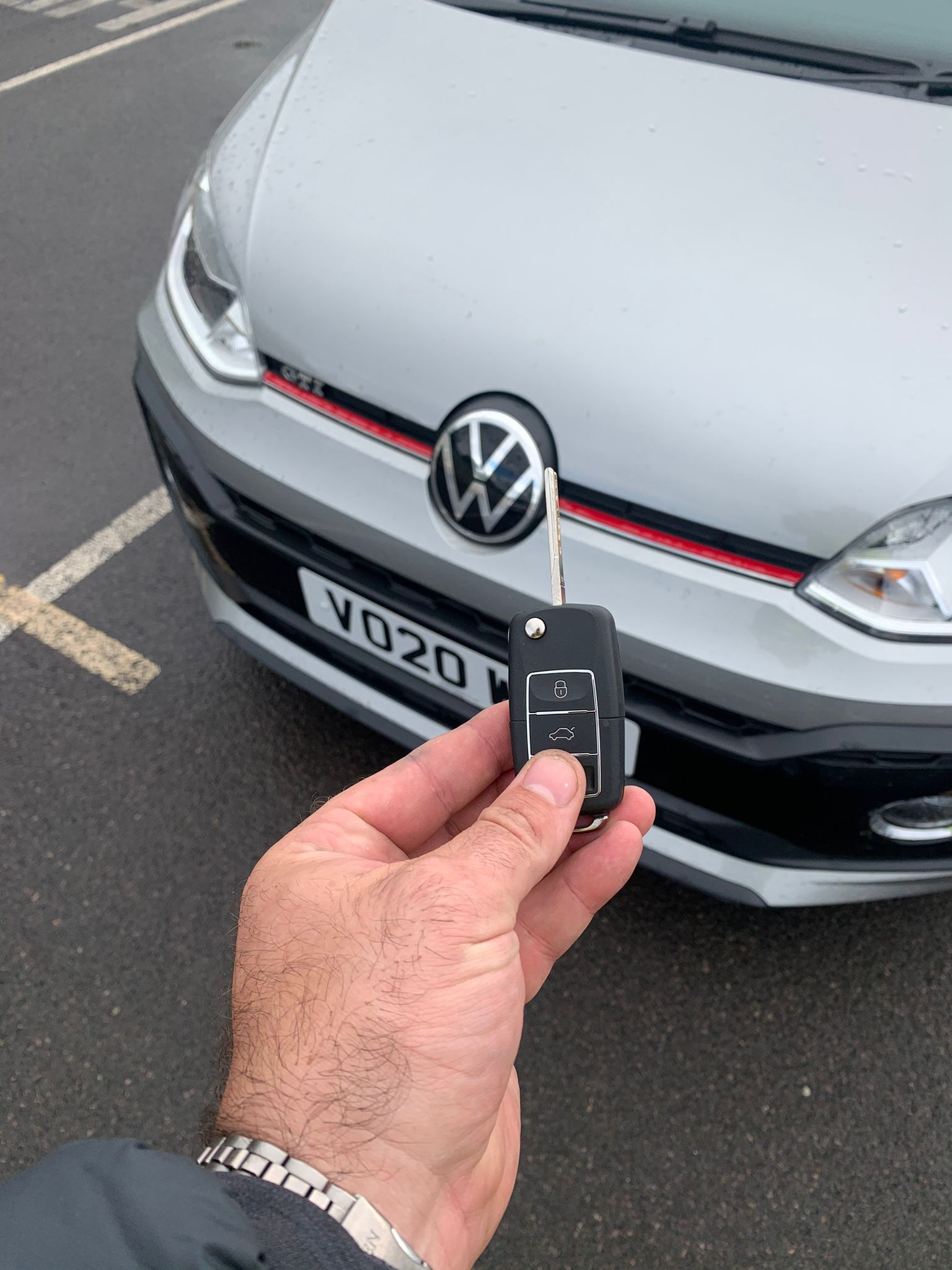
Losing your car keys is stressful, but the first few decisions can make the situation much easier to resolve. Whether the keys disappeared at home, were left at work, or went missing beside a vehicle in a car park, the safest response is to pause, work out what has happened, and call the right type of help rather than forcing the door or repeatedly trying a damaged key. For many drivers, contacting an Auto Locksmith Staffordshire service is the practical next step.
For drivers comparing local options, Auto Vault Services is an example of a mobile auto locksmith service covering Staffordshire with support for lost keys, vehicle entry, spare keys, key programming and related faults. The useful point is not simply finding someone nearby. It is making sure the person you call can deal with your vehicle, arrive at your location and explain the next step before work begins.
Stay Safe and Confirm the Problem
Before arranging assistance, move yourself and any passengers away from traffic, poor weather or an isolated location where possible. If the vehicle is parked on a busy road, use hazard lights only when the vehicle can be accessed safely, and contact roadside assistance or emergency services if the location creates an immediate danger. A lost key is inconvenient, but it should not turn into a roadside safety problem.
Next, establish whether the key is genuinely lost or simply locked inside the vehicle. Check pockets, bags, coat linings, recent stops and the place where you last used the vehicle. If the key may have been stolen, say so when you call. The locksmith may need to discuss removing the missing key from the vehicle’s memory after a replacement is programmed.
- Your exact location, including a nearby landmark or postcode.
- The vehicle make, model, approximate year and registration if available.
- Whether one working key remains, all keys are missing, or the key is broken.
- Whether the vehicle is at home, at work, on a public road or in a car park.
- Any warning message, unusual locking behaviour or recent ignition problem.
What an Auto Locksmith Can Usually Help With
An auto locksmith deals with vehicle access and vehicle keys, rather than only changing locks in a house. That distinction matters because modern car keys can contain a remote, a transponder chip or a proximity system linked to the immobiliser. Cutting a piece of metal that fits the door does not necessarily create a working key for starting the vehicle.
Lost all keys
When every key is missing, the provider may need to gain non-destructive access, identify the vehicle system, cut a replacement and programme it to the car. The exact process depends on the make, model and security system. Ask whether the old key can be removed from the vehicle’s authorised-key list where appropriate, especially if there is a reasonable chance someone else has found it.
Locked out with the key inside
A vehicle-entry call is different from a replacement-key job. A trained professional should discuss non-destructive entry and avoid improvised methods that can bend a door frame, damage seals or trigger an alarm. If the key is visible inside the vehicle, tell the locksmith, but do not attempt to break a window or use tools that could damage the lock.
Broken, worn or unreliable keys
A key that turns inconsistently, has worn buttons or stops communicating with the vehicle may fail completely at the worst time. A locksmith can assess whether the problem is the blade, remote casing, battery, transponder, receiver or ignition. Replacing a worn key before it fails can be simpler than arranging an emergency callout after the vehicle becomes unusable.
Why Mobile Support Matters Across Staffordshire
Staffordshire includes busy towns, rural roads, industrial areas and large visitor destinations. A provider based in one town may still cover a wide area, but the practical question is whether the service genuinely travels to you with the equipment needed for your vehicle. A mobile service can often work at a home, workplace, roadside or car park, which avoids the delay and cost of arranging a tow to a main dealer.
When comparing an auto locksmith in Staffordshire, look for clear coverage information rather than assuming that a generic county name means every location is handled in the same way. Stafford, Stoke-on-Trent, Cannock, Tamworth, Burton-upon-Trent, Uttoxeter and surrounding villages can involve very different travel routes. Give the full location at the start so the provider can confirm whether the callout is practical.
How the Replacement Process Usually Works
A straightforward call begins with identification. The locksmith will normally ask about the vehicle and the problem, then confirm what information or proof of ownership is needed. Have the registration document, driving licence or other ownership evidence available where possible. A reputable provider should be comfortable explaining why those checks are necessary.
The next stage is an honest assessment. The technician may inspect the key, lock, ignition and vehicle system before confirming the work. Programming and cutting are not identical jobs, and a modern vehicle may need specialist equipment. Ask whether the quoted work includes access, the key itself, cutting, programming and testing, or whether any part is separate.
After the new key is made, test the functions before the locksmith leaves. Check that it starts the vehicle, locks and unlocks the doors, operates the boot and works with the remote or proximity features that were requested. If the problem involved an ignition barrel, door lock or damaged fob, make sure the underlying issue has also been discussed rather than simply masking it with another key.
Questions to Ask Before Booking
The right provider should not object to basic questions. They help both sides avoid a wasted journey and make the final price clearer.
- Do you cover my exact location and vehicle make and model?
- Can you help when all keys are lost, or only when a working key remains?
- Will vehicle entry be non-destructive wherever possible?
- What is included in the quote, and what could change it?
- What identification or ownership documents should I have ready?
- Will the replacement be tested before the job is closed?
Prevent a Repeat Emergency
Once the immediate problem is solved, consider making a spare key while the vehicle is accessible. A spare is usually easier to arrange when you still have a working key than after every key has disappeared. Store it somewhere secure but reachable, and avoid keeping the spare in the same bag as the main key.
Pay attention to early warning signs. A stiff blade, intermittent remote, damaged buttons, a weak battery or an ignition that needs repeated attempts can all justify an inspection. Keep the vehicle registration and key information accessible, but do not share security details publicly. If you change vehicles, update your emergency contacts and check whether the new key uses a conventional blade, remote, transponder or proximity system.
A reliable auto locksmith is most valuable when the advice is clear before the work starts. By staying safe, describing the vehicle accurately, confirming the service and testing the finished key, Staffordshire drivers can turn a frustrating lockout into a manageable repair.
Conclusion
If you lose your car keys in Staffordshire, do not force the vehicle or assume that a main dealer is the only route. Check your location, gather the vehicle details, ask for a clear quote and choose a mobile professional who can provide the right access, cutting and programming support. A spare key and early attention to worn or unreliable keys can also prevent the next emergency. The best call is one that leaves you with a working vehicle, a clear explanation of what was done and confidence that the missing key has been dealt with appropriately.

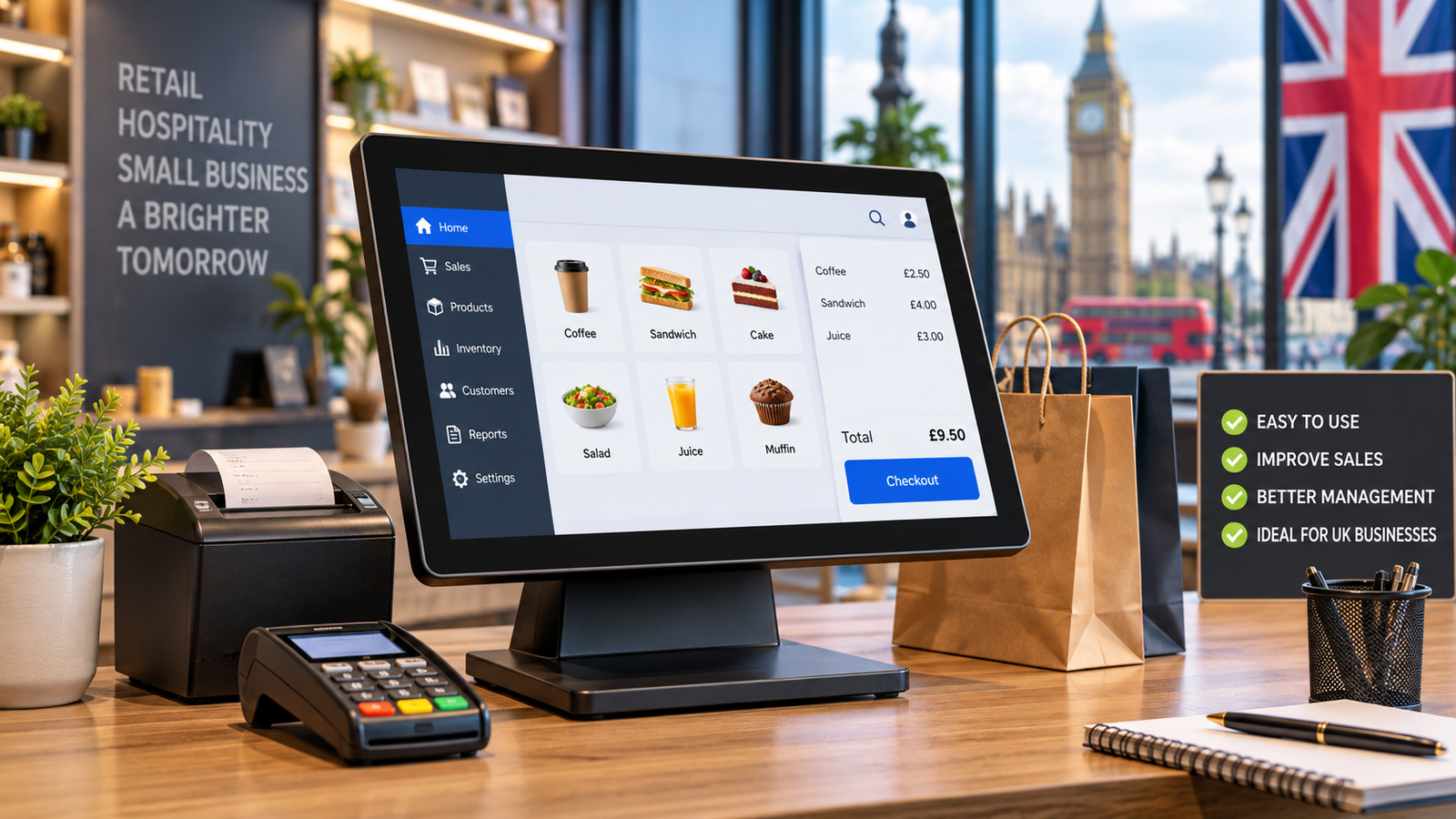
Key Takeaways
· The right ePOS system depends on your business type first and your budget second; a boutique, a busy cafe and a five-site retailer are shopping for genuinely different tools.
· Payment processing that meets PCI DSS standards is not optional, and any provider vague about compliance should be dropped from the shortlist immediately.
· The advertised monthly price rarely matches the real cost once card processing rates, hardware and support tiers are added, so ask for a full quote before comparing providers.
· Cloud-based systems win on flexibility and remote reporting, but check what happens to till operations during a broadband outage before you sign anything.
· Contract length, exit terms and data ownership matter as much as feature lists, since switching providers later is far more disruptive than choosing carefully now.
Start With Your Business, Not the Software
Most guides to choosing an ePOS system open with a feature checklist. That is backwards. A checklist assumes every business needs the same things, and a hair salon, a hardware shop and a three-site coffee chain do not.
Retail, Hospitality and Service Businesses Need Different Tools
A retailer lives or dies by stock accuracy, so barcode scanning, supplier ordering and stock-take tools matter more than table management. A cafe or restaurant needs a kitchen display, split-bill handling and fast card processing during a lunchtime rush, and cares far less about barcode depth. A salon or clinic runs on appointment bookings and repeat custom, so client history and loyalty tools carry more weight than either of the other two.
Picking a system built for the wrong category means paying for features you never use while missing the ones that actually save time on a busy shift.
Single Site vs Multi-Site Operations
A single shop can run happily on a simpler tablet-based system with straightforward reporting. Add a second site, and the priorities shift toward centralised stock control, consolidated sales reporting and staff permissions that work the same way across locations. Buying a multi-site platform for one shop is overkill; buying a single-site tool and hoping it scales usually ends in a forced switch a year or two later.
The Features That Are Not Optional
Payment Processing and PCI DSS
Any system handling card payments needs to meet the Payment Card Industry Data Security Standard, the baseline security requirement set by the PCI Security Standards Council for storing and processing cardholder data safely. This is not a nice-to-have. A provider that cannot explain clearly how it handles PCI DSS compliance is a provider to remove from your shortlist, regardless of how attractive the rest of the package looks.
Alongside compliance, check how fast the card terminal actually processes a contactless payment. With the Financial Conduct Authority’s contactless limit now sitting at £100 per transaction, a slow or unreliable terminal costs real time at the till during busy periods.
Stock and Inventory Management
Real-time stock tracking should update the moment an item sells, not overnight in a batch job. If you sell across a shop and a website, check that stock syncs between both automatically; nothing frustrates a customer more than an online order for something that sold out in-store an hour earlier.
Reporting You Can Actually Use
A dashboard full of graphs looks impressive in a sales demo and means nothing if it cannot answer a basic question like which product line is losing money. Ask to see real reports, not a demo account pre-loaded with tidy sample data, before deciding a system’s reporting is good enough.
Understanding the True Cost of an ePOS System
Subscription Fees vs Card Processing Rates
Two providers can advertise near-identical monthly fees and still cost wildly different amounts once card processing rates are factored in. A business taking £15,000 a month in card payments will feel a 0.3 percentage point difference in processing fees far more than a £10 difference in the software subscription. Always ask for the blended cost across a typical month of trading, not just the headline software price.
Buying, Leasing or Bundling Your Hardware
Some providers sell hardware outright, some lease it as part of a contract, and some bundle a tablet and card reader into the subscription. Leasing keeps upfront costs low but can trap a business in a longer contract than the software alone would require. Read the small print on what happens to leased hardware if you cancel early, and whether it can be resold or transferred if you switch providers later.
Ongoing Support and Upgrade Costs
Support tiers are often the difference between a cheap-looking plan and an expensive one in practice. A basic plan might only include email support with a next-day response, while a premium tier adds phone support and faster callback times. For a business that cannot afford a till going down during trading hours, paying for the higher support tier is usually worth it, so price that in before comparing two providers on subscription cost alone.
Cloud-Based vs On-Premise ePOS
Why Cloud Has Become the Default Choice
Cloud-based ePOS stores data on remote servers, so sales figures, stock levels and staff schedules are visible from anywhere with an internet connection. That flexibility is a big part of why most new UK ePOS deployments now default to a cloud model rather than a local server sitting in a back office.
When On-Premise Still Makes Sense
On-premise systems keep data on a local server in-store, which can suit a business with patchy broadband or specific data residency requirements, but it usually means paying more for on-site IT support when something goes wrong. Whichever route you choose, ask specifically what happens to the till during an internet outage. A genuinely useful offline mode should keep taking sales and sync everything back once the connection returns, rather than leaving staff unable to process a single transaction.
Questions Worth Asking Before You Sign
· What is the minimum contract length, and what does it cost to leave early
· Who owns the sales and customer data once the contract ends, and can it be exported
· What card processing rate applies, and is it fixed or does it change with volume
· Is UK-based support included, and what are the actual response times
· Does the system work offline, and for how long before transactions are lost
A Practical Way to Shortlist Providers
Match Providers to How You Actually Trade
Rather than comparing feature lists side by side, match providers to how you actually trade. A single-site cafe or retailer wanting straightforward tablet-based tills without a long contract has options like POSApt worth a look for that specific use case. A business needing deeper multi-site stock control might lean toward a platform such as Lightspeed instead. The point is not which name sounds biggest, but which one was actually built for a business that trades the way yours does.
Test With Your Own Data First
Book a live demo with your own products and pricing loaded in, not the supplier’s sample data, before making a final call. A system that looks effortless with twenty tidy sample products can behave very differently once your actual stock list, supplier codes and pricing tiers are loaded into it.
Getting Your Team Onboarded
Train Staff Before Go-Live, Not During It
The best ePOS system in the world causes chaos if staff first see it on a busy Friday afternoon. Book a proper training session before launch day, covering the basics of processing a sale, issuing a refund and looking up a stock item, and make sure at least one staff member on each shift knows how to troubleshoot a stuck transaction without calling support mid-queue.
Run the Old and New System in Parallel Where Possible
Where the hardware allows it, keep the previous till available as a backup for the first week of a new system, particularly during a busy trading period. It costs little and removes the pressure of a hard cutover if the new system throws up an unexpected issue on day one.
Red Flags That Should End the Conversation
· Vague or evasive answers about PCI DSS compliance and card data security
· No clear answer on contract length or early exit fees
· Reluctance to provide references from similarly sized UK businesses
· Hardware that only works with that one provider, with no resale value if you switch
Frequently Asked Questions
What is the biggest mistake businesses make when choosing an ePOS system?
Choosing on price alone, without checking whether the system actually fits how the business trades day to day. A cheap subscription that lacks proper stock sync or a workable offline mode often ends up costing more in lost sales and wasted admin time than a slightly pricier system built for the right business type from the start.
How long should I trial an ePOS system before committing?
Where a provider offers a trial or a rolling monthly contract, use at least two to four weeks of real trading before switching to a longer commitment. That is usually enough time to hit a busy period and see how the system, and its support team, actually holds up.
Can I switch ePOS providers without losing my sales history?
Most providers can export sales and stock data in a standard format such as CSV, though the quality of that export varies a great deal. Ask specifically about data export before signing with any provider, not after you have decided to leave one.
Do I need a different ePOS system for a second location?
Not necessarily, but check the platform can genuinely handle multi-site reporting and permissions before opening a second shop, rather than discovering the limitation once you already have two tills running. Some systems built for a single site are not straightforward to expand, and switching provider mid-growth is more disruptive than choosing a system with room to grow from the outset.
Making the Final Decision
There is rarely a single objectively best ePOS system, only the one that fits how a specific business trades, what it can afford once every fee is counted, and how much support it will realistically need in month three, not just week one. Shortlist two or three providers that match your business type, get a proper quote in writing, and test the system with your own data before signing anything longer than a rolling monthly contract.

Organic search requires steady work rather than occasional optimization. Websites need technical maintenance, relevant content, keyword research, performance analysis, and continuous improvements. When internal teams have limited resources, working with an SEO outsourcing company in India can provide additional expertise and execution capacity without requiring every SEO function to remain in-house.
The most productive outsourcing relationships go beyond completing a checklist. They create an organized workflow in which strategy, implementation, communication, and measurement support the same objectives.
Why Businesses Outsource SEO Activities
Internal marketing departments often manage multiple responsibilities at once. SEO competes with advertising, content, social media, website updates, and other priorities.
As workloads increase, important optimization tasks can easily become delayed.
An SEO outsourcing company in India can take responsibility for selected recurring activities, allowing internal teams to maintain strategic oversight while gaining additional execution support.
Specialized Knowledge Matters
SEO covers several disciplines. Technical analysis requires different skills from content optimization, while keyword research and performance reporting involve their own expertise.
Instead of expecting one internal employee to handle every responsibility, outsourcing can provide access to professionals working across different areas of search optimization.
Create a Clear Campaign Roadmap
SEO works more effectively when activities follow an established priority.
A technical audit might identify numerous issues, but some will have greater impact than others. Keyword research may uncover hundreds of phrases, yet only a portion will closely match business objectives.
A capable SEO outsourcing company in India should help organize these opportunities into an actionable roadmap.
This keeps teams focused on activities that matter rather than simply increasing task volume.
Content Should Serve Searchers
SEO content needs to satisfy real audience needs.
Pages should answer questions, explain topics clearly, and help visitors find information relevant to their situation. Search terms provide useful direction, but content should never feel as though it exists solely to repeat keywords.
Businesses exploring professional search optimization support should consider content quality alongside technical expertise.
Build Topical Relevance Gradually
A strong website usually develops meaningful coverage around its important subjects.
Instead of publishing unrelated articles, teams can create interconnected resources addressing different questions and stages of the customer journey.
An SEO outsourcing company in India can help research these opportunities and organize content around logical themes.
Communication Keeps Outsourcing Effective
External execution should never become invisible execution.
Internal teams need to know what has been completed, what is currently underway, and which activities are planned next.
Clear communication also makes approvals easier and prevents duplicated effort.
Reporting Needs Interpretation
SEO reports can contain large amounts of data. However, decision-makers need more than charts and ranking lists.
Reports should explain important changes, identify opportunities, and connect completed work with campaign objectives.
That context turns reporting into a useful planning tool.
Scale According to Requirements
SEO workloads often change as organizations grow.
Launching additional services can create new keyword opportunities. Expanding a website can increase technical requirements. Entering different markets may demand additional research and content.
An SEO outsourcing company in India can provide flexibility when campaign requirements increase without forcing businesses to restructure their internal teams immediately.
Protect Quality as Workload Expands
Scaling SEO only helps when quality remains consistent.
Research should be checked, content should be reviewed, technical recommendations should be validated, and campaign activities should remain aligned with sustainable practices.
Documented quality-control procedures reduce the risk of mistakes as output increases.
Conclusion
SEO outsourcing can provide much more than additional manpower. When properly structured, it adds specialized knowledge, repeatable workflows, analytical support, and scalable execution.
Choosing an SEO outsourcing company in India should therefore involve evaluating methodology, communication, content standards, technical capabilities, and quality-control processes. With clear objectives and consistent collaboration, businesses can create a more efficient organic search operation while keeping internal resources focused on broader growth priorities.

What to Do When You Lose Your Car Keys in Staffordshire

ePOS System: How to Choose Best ePOS in UK

SEO Outsourcing Company in India: Creating a Stronger Search Marketing Operation

Who Is Shameera? All You Need To Know About Charli XCX’s Mother

Who Is Gulliver Flynn Oldman? The Untold Story of Sir Gary Oldman’s Son

Meet Rosemary Turner: The Mother of Actor Callum Turner
-
Biographies7 months ago
Who Is Shameera? All You Need To Know About Charli XCX’s Mother
-
Biographies7 months ago
Who Is Gulliver Flynn Oldman? The Untold Story of Sir Gary Oldman’s Son
-
Biographies8 months ago
Meet Rosemary Turner: The Mother of Actor Callum Turner
-

 Biographies6 months ago
Who is Alexandra James? Inside The Life of Jeremy Clarkson’s Former Partner
-
 Biographies7 months ago
Who is Todd McRae? Meet Tate McRae’s Father
-
 Biographies7 months ago
Who Is Daniel Mara? The Untold Story of Kate Mara’s Private Sibling
-
 Celebrity8 months ago
Who Is Peter Hernandez? The Real Story of Bruno Mars’ Father
-
 Biographies7 months ago
Who Is Alvin Martin? All About the Whoopi Goldberg’s First Husband