
Health
TOP 5 Medication Delivery App Development Companies for Launching a Successful Pharmacy App

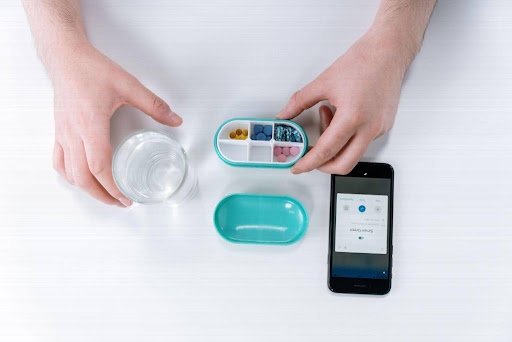
A pharmacy app has to do more than accept an order and show a delivery status. Good medication delivery app development connects patients, pharmacies, prescription workflows, payments, inventory, and couriers without weakening privacy controls. Demand is also moving quickly: Grand View Research valued the global ePharmacy market at $120.7 billion in 2025 and estimates it at $147.8 billion in 2026, with a projected $513.4 billion by 2033. That scale makes technical choices more important, not less. Teams building online medicine delivery apps need secure data handling, reliable integrations, and an architecture that can scale from an MVP to a multi-location pharmacy service. The five companies below take different paths, from AI-assisted generation to full custom engineering, so the best fit depends on product scope, internal skills, budget, and regulatory exposure.
Specode AI: Medication Delivery App Development With AI-Driven Pharmacy Engineering
Specode AI is a healthcare-focused builder designed to shorten the distance between a product idea and working software. Its current materials describe HIPAA-aligned infrastructure, built-in encryption, audit logs, access controls, and healthcare-specific components rather than a generic no-code layer. For medicine delivery app development services, that foundation can support patient intake, prescription workflows, pharmacy connections, EHR or EMR integrations, payments, and delivery-related APIs. Specode also states that customers own and can export the codebase, which reduces platform lock-in and gives an engineering team room to take over later.
The platform is especially relevant when a team wants to develop a medicine delivery app without spending early sprints rebuilding authentication, permissions, auditability, and common healthcare flows from scratch. Its AI-assisted workflow can generate and refine application logic from natural-language instructions while developers retain the option to add custom code. That does not remove the need for compliance review, pharmacy-law analysis, or secure operational processes, but it can provide a faster starting point for regulated software.
Suffescom Solutions: Enterprise On-Demand Pharmacy Platforms
Suffescom Solutions positions itself as an on demand medicine delivery app development company for pharmacies, chains, marketplaces, and delivery businesses. Its pharmacy materials describe systems that connect customers, pharmacy staff, administrators, and delivery partners through separate role-based interfaces. Common capabilities include prescription upload and validation, centralized inventory, secure payments, live GPS tracking, delivery assignment, navigation, proof of delivery, notifications, and analytics. Suffescom also publishes support for pharmacy-chain and marketplace models, which is useful when one product needs to coordinate inventory or orders across multiple locations.
The company emphasizes compliance-focused development and references HIPAA, HITECH, GDPR, and other standards in its healthcare work. For buyers, the practical advantage is breadth: the same vendor can cover storefront UX, backend APIs, order management, delivery workflows, and integrations with third-party business systems. As with any custom build, the final compliance posture still depends on the specific architecture, contracts, hosting configuration, data flows, and operating procedures chosen for the project.
Appinventiv: Scalable Digital Transformation for Pharmacy Chains
Appinventiv combines healthcare software engineering with large-scale mobile and cloud development. Its current healthcare portfolio includes pharmacy management software, healthcare ecommerce platforms, prescription workflows, medicine inventory, refill alerts, payment and delivery tracking, and integrations with EHR, EMR, pharmacy, and other clinical systems. That makes the firm a credible option for medicine delivery app development when a pharmacy chain needs more than a customer-facing mobile screen and expects the product to connect with existing enterprise infrastructure.
Appinventiv also documents experience with medicine delivery products and healthcare systems that coordinate patients, doctors, pharmacies, riders, and insurers. Its healthcare services are framed around interoperable APIs, cloud-native architectures, real-time data synchronization, and standards such as HIPAA, HITECH, HL7, and FHIR. This approach is useful for high-volume programs where backend resilience, identity controls, inventory consistency, and reliable integrations matter as much as the app interface. The trade-off is that enterprise custom development usually requires more discovery, governance, and stakeholder coordination than a preconfigured builder.
Code Brew Labs: Customized On-Demand Delivery Ecosystems
Code Brew Labs focuses heavily on delivery platforms and offers pharmacy solutions for local stores, chains, and on-demand services. Its pharmacy product materials describe customer ordering, prescription handling, real-time order tracking, refill reminders, payment gateways, driver apps, delivery requests, optimized routes, proof of delivery, and business reporting. These capabilities make its medicine delivery application development services most relevant to companies that see last-mile logistics as a core part of the product rather than a secondary integration.
The vendor also promotes AI pharmacy development, including prescription-management features, customer support assistants, and delivery integrations. For a pharmacy business trying to launch quickly, a reusable delivery framework can reduce the basic dispatch and tracking functionality that must be built from scratch. Buyers should still examine how much of a proposed solution is reusable product code versus project-specific customization, and they should verify the security model for prescription and patient data before launch. That distinction affects both future flexibility and the real cost of scaling.
ScienceSoft: Complex Healthcare Engineering and Regulatory Compliance
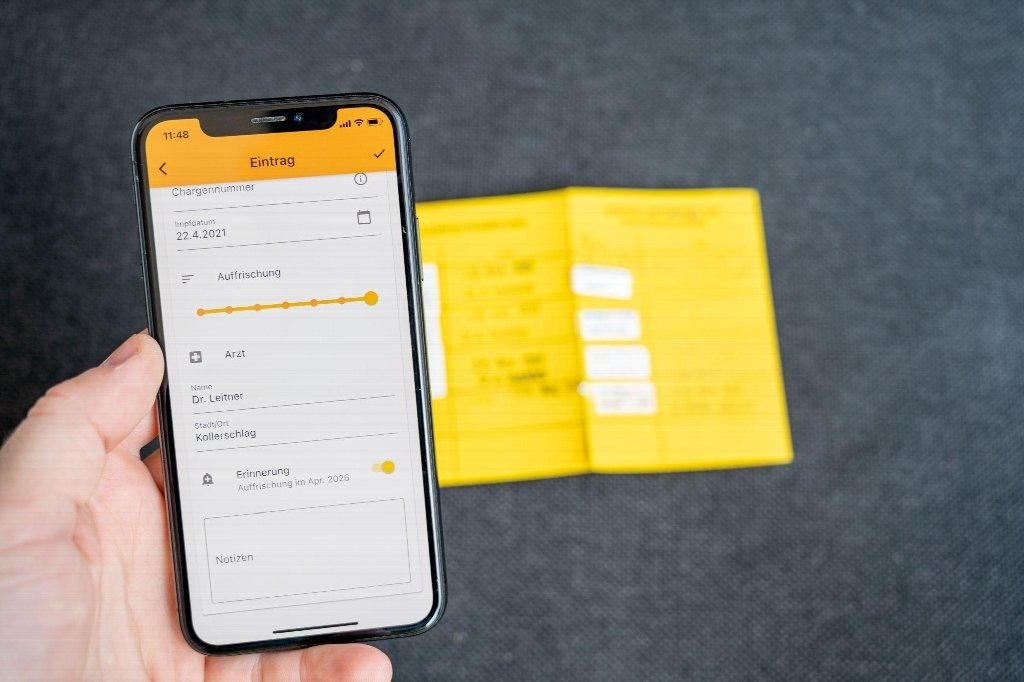
ScienceSoft is a stronger fit for complex medical delivery app development projects where regulatory engineering and integration depth carry more weight than rapid visual assembly. The company has worked in healthcare IT since 2005 and lists medication management apps, direct-to-consumer pharmacy portals, physician prescribing portals, prescription monitoring platforms, supply-chain systems, and healthcare ecommerce among its pharmaceutical software capabilities. It also has published experience with HIPAA, HITECH, FDA-related requirements, NCPDP standards, HL7, and FHIR.
For organizations handling protected health information, ScienceSoft describes controls such as encryption, access management, audit-ready processes, and, when applicable, Business Associate Agreements. It also builds integration layers for EHRs, pharmacy systems, and legacy healthcare databases. That combination can suit hospital networks, established pharmacy operators, and pharmaceutical companies with older systems that cannot simply be replaced. The model is traditional custom engineering, so project speed depends on scope and existing architecture, but it allows room for detailed compliance, security, and interoperability work.
Essential Technical Capabilities for Digital Pharmacy Platforms
A successful pharmacy platform needs a secure transaction flow from prescription to fulfillment. The application should protect sensitive information in transit and at rest, separate access by role, record important user and administrator actions, and support secure identity verification. Prescription handling also needs clear validation logic and integration with appropriate e-prescribing or pharmacy systems. Inventory must update fast enough to prevent customers from ordering unavailable medication, while delivery services need reliable assignment, location tracking, status events, and proof of delivery. A capable medicine delivery app developer should design these parts as one system, not disconnected features.
Interoperability is equally important. APIs may need to connect EHR or EMR platforms, pharmacy management systems, payment providers, insurance services, notification tools, and courier systems. Scalability matters because order peaks can create simultaneous pressure on search, inventory, payment, and dispatch services. Security reviews should cover authentication, authorization, logging, data retention, backups, incident response, and vendor access. The right architecture should also allow for new pharmacy locations, additional regions, and changing compliance requirements without forcing a complete rewrite.
Technical and Feature Comparison Matrix
- Specode AI: AI-assisted healthcare code generation, exportable code, HIPAA-aligned safeguards, and healthcare-specific integrations and workflows.
- Suffescom Solutions: End-to-end pharmacy and delivery application development with prescription workflows, multi-role portals, GPS tracking, and dispatch functions.
- Appinventiv: Enterprise healthcare engineering with pharmacy management, interoperable APIs, scalable cloud backends, and clinical-system integrations.
- Code Brew Labs: Reusable pharmacy and delivery frameworks with driver workflows, route optimization, real-time tracking, payments, and analytics.
- ScienceSoft: Healthcare IT consulting and custom development with strong regulatory, cybersecurity, legacy integration, and interoperability expertise.
Conclusion
No single development model fits every digital pharmacy. Specode AI stands out when speed, healthcare-focused generation, code ownership, and a compliant-by-design starting architecture are priorities. Suffescom and Code Brew Labs are attractive when on-demand delivery operations are central to the product. Appinventiv suits broader enterprise transformation, while ScienceSoft is a strong candidate for projects that depend on deep healthcare integration and regulatory engineering. The selection should therefore start with business scope, target jurisdictions, prescription workflows, expected order volume, internal engineering capacity, and the systems the app must connect to. A lower launch cost matters little if the platform becomes hard to secure or scale later. The strongest medication delivery app development strategy balances market speed with data protection, reliable pharmacy operations, code control, and a clear path for long-term growth.

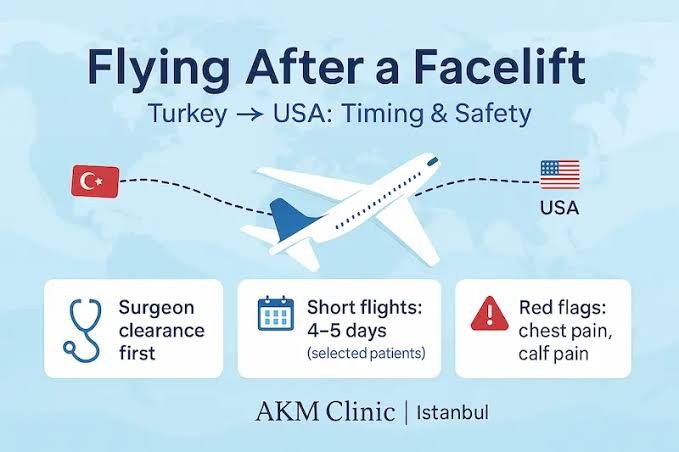
When people plan surgery abroad, they think about the clinic, the surgeon and the result. Very few think carefully about the flight home. Yet sitting in a cramped seat for hours, just days after an operation, is one of the riskiest parts of the whole journey. Swelling increases, movement is limited and the risk of deep vein thrombosis (DVT) rises. Add airport queues, connections and carrying luggage while you are sore, and the trip home can undo some of the comfort and safety you paid for.
The practical solution is to treat travel time as a medical factor, not just a matter of convenience. A shorter, simpler journey means less strain on your body and easier access to follow-up care. That is one of the reasons UK patients who start by searching for plastic surgery turkey often switch their plans to Poland, where the flight from many UK airports takes only about two hours instead of four to six.
Why Flying After Surgery Carries Risk
Any surgery temporarily increases the body’s tendency to form blood clots. Anaesthesia, reduced movement and tissue trauma all play a part. Flying then adds further risk factors:
- Long periods of sitting still, which slows blood flow in the legs
- Lower cabin pressure, which can make swelling worse
- Dehydration from dry cabin air
- Cramped seating that makes it hard to stretch
A DVT can, in rare cases, travel to the lungs and cause a pulmonary embolism, which is a medical emergency. This is why surgeons give clear advice on when you can safely fly and how to reduce risk on the way.
Procedures Where Travel Matters Most
All operations need care when travelling, but some carry a higher clot risk or cause more discomfort when seated:
- Tummy tuck (abdominoplasty)
- Liposuction, especially of large areas
- Brazilian butt lift and bum lift, where sitting is restricted
- Thigh lift
- Combined procedures such as a “mummy makeover”
For these operations, every extra hour in a seat matters, and so does every extra connection.
When Is It Safe to Fly?
There is no single rule for everyone. Your surgeon will consider the type and length of your operation, your general health, your personal clot risk and how your recovery is going. Smaller procedures may allow travel within days, while larger body procedures usually need a longer wait. Be wary of any package that sets a fixed flight date before you have even had surgery. Your flight should fit your recovery, not the other way round.
The Full Door-to-Door Journey
Flight time is only part of the story. Picture the whole trip:
- Travel from the clinic or hotel to the airport
- Check-in and security queues
- Waiting at the gate
- The flight itself, plus any connection
- Passport control and baggage collection in the UK
- The drive or train home
On a long route with a connection, this can easily stretch to a full day. From Wroclaw, the clinic used by Europe Surgery is only about 10 minutes from the airport and the direct flight is around two hours, so the whole journey is far shorter.
Airport Tips for Post-Surgery Travellers
- Book special assistance so you do not have to walk long distances or queue standing
- Choose an aisle seat so you can get up and move easily
- Travel light or have a companion handle heavy bags, because lifting can strain wounds
- Wear comfortable, loose clothing over your garments
- Keep medication and documents in your hand luggage, including your operation notes
- Allow extra time so you are never rushing through the terminal
How to Reduce Clot Risk During the Flight
Wherever you have your procedure, these steps can help:
- Follow your surgeon’s advice on compression stockings or garments
- Drink plenty of water and avoid alcohol
- Flex your ankles and calves regularly while seated
- Walk up and down the aisle when it is safe to do so
- Avoid sleeping in one position for long periods
- Ask your surgeon whether any extra preventive treatment is right for you
Know the warning signs of a clot: calf pain, swelling, warmth or redness in one leg, sudden breathlessness or chest pain. If you notice them, seek urgent medical help.
Travelling With a Companion
A friend or family member makes a big difference on the way home. They can carry bags, deal with check-in, fetch water and notice if you seem unwell. With budget flights to Wroclaw often costing around £50 return, bringing someone along is also far more affordable than on longer routes.
Returning for Check-Ups
Short flights are not only about the first trip home. If you ever need to see your surgeon again, a quick and inexpensive journey makes it realistic. Europe Surgery also runs a UK aftercare clinic led by the operating surgeon, so many follow-ups can happen without flying at all.
The First Few Days After You Land
Getting home is a relief, but the journey can leave you more tired and swollen than you expect. Plan to do very little for the first couple of days. Keep walking gently around the house every hour or so to support circulation, stay well hydrated and continue wearing your garments as instructed. Watch your legs for any one-sided swelling or pain, and check your wounds daily for redness or discharge. If anything worries you, contact your surgeon’s team straight away rather than waiting for your next appointment.
Flight Time FAQs
Is a two-hour flight really safer than a five-hour one? Shorter flights reduce the time you spend sitting still, which is one of the main contributors to clot risk. Other factors still matter, so always follow your surgeon’s advice.
Can I break up a long journey? You can, but a connection adds walking, queuing and lifting bags, which is often harder on a recovering body than a single direct flight.
Should I fly business class after surgery? Extra legroom helps, but it does not replace movement, hydration and compression. A short direct flight with an aisle seat can be just as comfortable.
What if my surgeon says I am not ready to fly? Listen to them. Extending your stay by a few days is far better than risking a complication in the air.
Conclusion
The journey home is part of your recovery, not something separate from it. Before you choose cosmetic surgery turkey on price alone, picture yourself sitting in that seat a few days after surgery. Fewer hours in the air, a shorter transfer and an easy route back for check-ups can make your recovery safer and far more comfortable.

Anyone who has tried to compare research peptide prices in the UK will know the problem. One store sells a 10mg vial, another a 5mg vial, a third sells packs of five. One charges £4.95 for delivery, another offers it free over £100, a third has a discount code that only works on certain products. The price on the product page tells you surprisingly little about what you will actually pay.
There is a simple way to cut through it. Instead of comparing prices, compare the cost per milligram, delivered.
Why the headline price misleads
Vial sizes vary widely between suppliers. A 5mg vial at £25 looks cheaper than a 10mg vial at £40, but the first works out at £5.00 per mg and the second at £4.00 per mg. Multi-packs make this even harder to judge at a glance, because the saving only shows once you divide the total by the number of milligrams.
Delivery then changes the picture again. On a single small vial, a £5 delivery charge can add more than 10% to the real cost. On a larger order it barely matters. And discount codes vary from a few pounds off to 20% or more, sometimes only for first orders.
How to work out the real cost
The calculation is straightforward:
- Take the total you would pay at checkout for the product, including delivery.
- Subtract any discount code you can genuinely use.
- Divide by the total number of milligrams you receive.
The result is the delivered price per milligram, and it is the only figure that lets you compare a 5mg vial, a 10mg vial and a 10-vial pack fairly. Some peptides, such as growth hormone fragments sold in units rather than milligrams, need a different unit, but the principle is the same.
Doing it across a whole market
Working this out by hand for one product at one store is easy. Doing it across a dozen UK suppliers, several vial sizes and changing discount codes is not, and prices move often. That is the gap price comparison sites are designed to fill. PeptideCheck ranks UK research peptide prices by delivered cost per milligram, with each supplier’s delivery charge and published discount code already applied, and the figures update automatically from the suppliers’ own stores.
For a popular compound such as retatrutide, where vial sizes range from 5mg up to multi-vial packs, the difference between the cheapest and most expensive delivered price per milligram can be large. You can see it for yourself by comparing retatrutide prices across UK suppliers.
Cheapest is not the whole story
Price per milligram only makes sense if the milligrams are really there. A vial that is under-filled or impure is poor value at any price, and in research it can make results worthless. Before choosing a supplier on price alone, check that it publishes independent, batch-matched certificates of analysis from a recognised laboratory, and that those certificates can be verified on the laboratory’s own website.
The bottom line
Ignore the headline price. Work out the delivered cost per milligram, apply only the codes you can actually use, and then weigh that number against the supplier’s testing record. It takes a little more effort, but it is the only fair way to compare research peptide prices in the UK.
This article is for information only. Research peptides are sold for laboratory research use only and are not for human consumption.
Health
Dental Care Across London and Antalya: Communication, All-on-4 Treatment and Patient Planning


Modern dental care increasingly connects patients with treatment options across different cities and countries. Some Turkish-speaking patients living in the United Kingdom seek dental professionals with whom they can communicate in their native language. Others explore full-arch implant treatments in Antalya as an alternative to removable dentures or as a way to replace multiple missing teeth.
Whether treatment takes place in London or Antalya, location should not be the only consideration. Professional qualifications, clinical assessment, informed consent, treatment duration and aftercare arrangements can all affect the patient experience. Understanding these factors before making a decision helps patients compare available options more carefully.
Why do patients search for a Turkish dentist in London?
Dental consultations often involve technical information about diagnosis, possible procedures, risks and long-term maintenance. For patients who primarily speak Turkish, discussing these matters in a familiar language may make the process easier to understand.
A patient looking for a turkish dentist in london may want to describe symptoms in Turkish, ask detailed questions or understand the differences between several treatment options. Clear communication can be especially important for procedures involving surgery, dental implants, root canal treatment or extensive restorative work.
Language compatibility may also support the informed consent process. Before agreeing to treatment, patients should understand:
- Why the proposed procedure has been recommended
- Which alternative treatments may be available
- How many appointments could be necessary
- What risks and limitations are associated with the procedure
- What type of maintenance may be required afterward
Speaking the same language can facilitate these discussions, but it should not replace other selection criteria. Patients should also consider professional registration, clinical facilities, hygiene protocols and continuity of care.
What should be discussed during the first examination?
An initial dental appointment generally includes an assessment of the teeth, gums, bite and surrounding oral tissues. The patient’s medical history, allergies, current medication and previous dental procedures may also influence the treatment plan.
Diagnostic imaging can be necessary when a problem cannot be fully evaluated through a visual examination. X-rays may help identify decay, infections, bone loss, impacted teeth and the condition of previous restorations. For implant treatment, three-dimensional imaging may be used to evaluate the available bone and nearby anatomical structures.
Patients should explain their expectations clearly during this stage. Cosmetic preferences, functional concerns, discomfort and previous negative experiences can all be relevant. A suitable plan should address oral health needs while also explaining what can realistically be achieved.
What is the All-on-4 implant concept?
All-on-4 is a full-arch rehabilitation method in which four dental implants support a complete set of replacement teeth in one jaw. It may be evaluated for patients who have lost all or most of their teeth, experience difficulties with removable dentures or have remaining teeth that cannot be maintained.
People researching all on 4 antalya should understand that the treatment name refers to a general implant arrangement. It does not mean the procedure will be identical for every person.
The implants are positioned according to the available bone, jaw anatomy and planned prosthetic design. In suitable cases, the implants placed toward the back of the jaw may be angled to use the existing bone more effectively. This arrangement can reduce the need for certain additional procedures in some situations, but it does not guarantee that bone grafting will never be required.
Who may be considered for All-on-4 treatment?
All-on-4 treatment may be considered for completely edentulous patients and those with extensive tooth loss. However, suitability can only be determined following a clinical examination and appropriate imaging.
The assessment generally considers:
- The amount and quality of available jawbone
- The condition of the gums and remaining teeth
- The relationship between the upper and lower jaws
- Bite forces and available restorative space
- Smoking habits and oral hygiene
- Medical conditions and current medication
- Tooth grinding or clenching habits
Untreated gum disease and active infections may need to be managed before implant placement. Patients should provide accurate information about their general health because some medical conditions and medicines can affect bleeding, healing or bone integration. Prescribed medication should not be stopped without guidance from the relevant healthcare professional.
How does the All-on-4 process progress?
Treatment begins with diagnostic planning. Teeth that cannot be retained may need to be removed, and infections should be addressed. The four implants are then placed in positions selected according to the patient’s anatomy and the intended restoration.
A temporary fixed restoration may sometimes be fitted shortly after surgery. This process, often called immediate loading, depends on implant stability, bone quality and other clinical findings. It is not suitable for every patient.
Temporary teeth are generally designed for use during the healing stage. Patients may need to follow a modified diet and avoid excessive chewing pressure. After the implants have integrated with the bone, further impressions or digital scans can be taken for the definitive restoration.
Before the final teeth are fitted, their appearance, bite, speech, comfort and cleanability should be evaluated. Adjustments may be needed to ensure that forces are distributed appropriately.
What risks and maintenance requirements should patients understand?
Implant placement is a surgical procedure and may involve swelling, tenderness, bruising or temporary difficulty opening the mouth. Potential complications include bleeding, infection, delayed healing and failure of an implant to integrate with the jawbone.
Nearby anatomical structures also require consideration. Nerve canals can influence implant placement in the lower jaw, while the maxillary sinuses may affect treatment in the upper jaw. Three-dimensional planning helps the clinical team assess these areas before surgery.
Long-term mechanical issues may include loosening of components, wear or fracture of artificial teeth and changes in the bite. Patients who grind or clench their teeth may place additional pressure on the restoration.
Implants do not develop tooth decay, but plaque can still cause inflammation in the surrounding gums and bone. Cleaning underneath the full-arch restoration may require interdental brushes, specialist floss or an oral irrigation device. Regular professional examinations remain necessary.
What should international patients consider before travelling?
Anyone considering implant treatment in Antalya should ask how many visits will be required and how much time should be allocated for each stage. Full-arch implant treatment can involve surgery, temporary teeth, a healing period and later placement of the definitive restoration.
A remote assessment based on photographs or existing X-rays may provide preliminary guidance, but the final plan can change after an in-person examination. Travel dates should therefore allow sufficient time for diagnosis, laboratory work, fitting and necessary adjustments.
Patients should also ask how follow-up will be handled after they return home. Copies of scans, implant details, treatment notes and information about restorative materials may be useful if another dentist needs to evaluate the work.
Evaluating a Dental Clinic Antalya option
When researching a Dental Clinic Antalya, patients should examine diagnostic facilities, professional credentials, hygiene procedures and aftercare arrangements. A written treatment plan should clarify what is included and whether imaging, extractions, temporary teeth, medication or additional procedures involve separate costs.
Choosing between local dental care in London and implant treatment in Antalya requires individual evaluation. Clear communication, detailed diagnosis, realistic scheduling and long-term maintenance planning are essential regardless of where the procedure is performed.

Best SaaS GEO Agencies: Who’s Winning AI Search in 2026

The Secrets Behind Hollywood’s Most Convincing On-Screen Transformations

Flying Home After Plastic Surgery: Why Flight Time Matters More Than You Think

Who Is Shameera? All You Need To Know About Charli XCX’s Mother

Who Is Gulliver Flynn Oldman? The Untold Story of Sir Gary Oldman’s Son

Meet Rosemary Turner: The Mother of Actor Callum Turner
-
Biographies9 months ago
Who Is Shameera? All You Need To Know About Charli XCX’s Mother
-
Biographies8 months ago
Who Is Gulliver Flynn Oldman? The Untold Story of Sir Gary Oldman’s Son
-
Biographies9 months ago
Meet Rosemary Turner: The Mother of Actor Callum Turner
-

 Biographies7 months ago
Who is Alexandra James? Inside The Life of Jeremy Clarkson’s Former Partner
-
 Biographies9 months ago
Who is Todd McRae? Meet Tate McRae’s Father
-
 Biographies8 months ago
Who Is Daniel Mara? The Untold Story of Kate Mara’s Private Sibling
-
 Celebrity9 months ago
Who Is Peter Hernandez? The Real Story of Bruno Mars’ Father
-

 Blog5 months ago
AI Video for Social Media: How Small Brands Keep Up Without Burning Out