
Health
How to Maintain Hip Mobility as You Age


Hip mobility plays an important role in daily movement. It helps you walk, climb stairs, get up from a chair, bend to wear shoes and stay active. As people age, the hips may become stiffer due to reduced activity, muscle weakness, arthritis, previous injuries or general joint changes.
Some stiffness is common, but it should not be ignored if it affects daily life. Keeping the hips mobile can support balance, comfort and independence. The key is to move regularly, strengthen the muscles around the hip and seek medical advice when pain or stiffness becomes persistent.
What Is Hip Mobility?
Hip mobility refers to how well the hip joint moves in different directions. The hip is a ball-and-socket joint, which allows the leg to move forward, backward, sideways and in rotation.
Good hip mobility helps with:
- Walking
- Climbing stairs
- Standing up from a chair
- Squatting
- Bending to wear socks or shoes
- Getting in and out of a car
- Exercising
- Maintaining balance
Hip mobility is supported by the joint, muscles, tendons, ligaments and surrounding soft tissues. When any of these become stiff, weak or painful, movement may feel harder.
Why Do Hips Become Stiffer With Age?
Hip stiffness can develop for many reasons. It may happen gradually, so some people do not notice it until daily tasks become more difficult.
Common reasons include:
- Less physical activity
- Muscle weakness
- Tight hip flexors from prolonged sitting
- Hip osteoarthritis
- Previous falls or injuries
- Reduced balance
- Poor posture or movement habits
- Weight gain placing more load on the joints
- Pain that leads to avoiding movement
Avoiding movement may feel helpful at first, but too much rest can make stiffness and weakness worse over time.
What Are Signs of Reduced Hip Mobility?
Reduced hip mobility may feel like stiffness, tightness, aching or difficulty moving the leg freely.
You may notice:
- Difficulty putting on socks or shoes
- Pain or stiffness when standing up from a chair
- Shorter walking distance
- Trouble climbing stairs
- Hip or groin discomfort
- Limping
- Reduced balance
- Difficulty sitting cross-legged
- Tightness at the front, side or back of the hip
- Stiffness after sitting for a long time
If these symptoms persist or worsen, it may be useful to seek assessment.
Why Is Hip Mobility Important as You Age?
Hip mobility supports more than flexibility. It affects strength, balance, walking and fall prevention.
Maintaining hip mobility may help:
- Support safer walking
- Reduce stiffness after sitting
- Improve confidence with stairs
- Support balance
- Reduce strain on the lower back and knees
- Make daily tasks easier
- Support exercise participation
- Reduce the risk of movement-related pain
The goal is not to force extreme flexibility. For most adults, the goal is comfortable, safe and useful movement for daily life.
How Can You Maintain Hip Mobility Safely?
Maintaining hip mobility usually requires a mix of regular movement, strengthening, stretching and balance training. Exercises should be done within a comfortable range and adjusted for age, fitness level and medical conditions.
1. Keep Moving Regularly
Regular movement helps reduce stiffness and keeps the hips active. Long periods of sitting can make the hip flexors and surrounding muscles feel tight.
Helpful habits include:
- Standing up and walking every 30 to 60 minutes
- Taking short walks during the day
- Using stairs when safe
- Doing gentle movements after sitting
- Avoiding long periods in one position
Small amounts of movement done consistently can be more useful than doing too much at once.
2. Add Gentle Hip Mobility Exercises
Gentle hip mobility exercises can help keep the joint moving. These should not cause sharp pain.
Examples may include:
- Gentle hip circles
- Seated marching
- Standing leg swings while holding support
- Heel slides while lying down
- Side steps
- Sit-to-stand practice
- Gentle knee-to-chest movement, if comfortable
Start slowly. If an exercise causes pain, stop and seek advice before continuing.
3. Strengthen the Muscles Around the Hip
Hip mobility is not only about stretching. Strength is also important. Strong hip and thigh muscles help support the joint during walking, stairs and standing.
Strength exercises may include:
- Sit-to-stand exercises
- Glute bridges
- Side-lying leg raises
- Step-ups on a low step
- Mini squats
- Calf raises
- Resistance band side steps
These exercises should be done with good control. Older adults or patients with pain should consider guidance from a physiotherapist before starting a new strengthening plan.
4. Improve Balance
Balance often changes with age. Hip strength and control are important for balance, especially when walking on uneven ground or climbing stairs.
Balance exercises may include:
- Standing with feet close together
- Heel-to-toe standing
- Supported single-leg standing
- Slow marching while holding a chair
- Side stepping near a wall or support
Always perform balance exercises near something stable. Do not attempt challenging balance drills alone if you are at risk of falling.
5. Stretch Tight Muscles Gently
Tight muscles around the hip can limit movement. Gentle stretching may help, especially for people who sit for long periods.
Common areas to stretch include:
- Hip flexors at the front of the hip
- Glute muscles
- Hamstrings
- Quadriceps
- Calves
Stretching should feel mild and controlled. Avoid bouncing, forcing the joint or pushing into sharp pain.
6. Choose Low-Impact Activities
Low-impact activities can help keep the hips moving without placing too much stress on the joints.
Options may include:
- Walking
- Swimming
- Stationary cycling
- Tai chi
- Gentle yoga, if suitable
- Water exercises
- Strength training with proper guidance
People with hip arthritis or pain should avoid sudden increases in activity. Build up gradually.
What Daily Habits Can Help Hip Mobility?
Exercise matters, but daily habits also affect hip comfort and movement.
Helpful habits include:
- Avoid sitting for too long without breaks
- Use a chair that supports good posture
- Wear supportive footwear
- Keep walkways clear to reduce fall risk
- Maintain a healthy weight where possible
- Use handrails on stairs
- Avoid rushing on wet or uneven surfaces
- Warm up before exercise
- Rest when pain increases
- Stay consistent with safe activity
For many people, the best plan is one that fits into normal routines and can be continued long term.
What Should You Avoid If Your Hips Are Stiff or Painful?
Some movements may worsen symptoms, especially if there is hip arthritis, injury or inflammation.
Avoid or modify:
- Deep squats if painful
- Sudden twisting
- High-impact exercise during flare-ups
- Long walks when pain is already worsening
- Sitting very low if it causes pain
- Forcing stretches
- Exercising through sharp pain
- Returning to sport too quickly after injury
Pain is a signal. Mild muscle effort can be normal during exercise, but sharp joint pain, worsening pain or limping should not be ignored.
When Should You See a Doctor for Hip Stiffness or Pain?
Mild stiffness may improve with regular movement and gentle strengthening. However, persistent or worsening symptoms should be assessed.
You should consider seeing a doctor if you have:
- Hip pain lasting more than a few days to weeks
- Pain that affects walking
- Pain that wakes you at night
- Limping
- Stiffness that limits daily tasks
- Difficulty putting on socks or shoes
- Hip pain after a fall
- Groin pain with movement
- Reduced ability to climb stairs
- Pain that does not improve with rest
- Sudden worsening of symptoms
Seek urgent care if you cannot bear weight, have severe pain after a fall, notice leg deformity or have fever with hip pain.
Where Can Patients Seek Hip Mobility Assessment in Singapore?
Patients with ongoing hip stiffness, pain or reduced walking confidence may start with a GP, physiotherapist or orthopaedic assessment. The right starting point depends on symptom severity, age, medical history and whether there was an injury.
Patients may consult an orthopaedic specialist at HC Orthopaedic Surgery if hip stiffness or pain affects walking, stairs, sleep, exercise or daily independence. A clinical assessment can help identify whether symptoms may be related to hip arthritis, muscle weakness, tendon irritation, injury or another condition.
How Is Hip Mobility Assessed?
A doctor or physiotherapist may assess how the hip moves and how symptoms affect daily life.
The assessment may include:
- Discussion of symptoms
- Walking pattern check
- Hip range-of-motion testing
- Strength testing
- Balance assessment
- Lower back screening, where needed
- Review of previous injuries
- Imaging tests if clinically needed
Possible Tests
Tests are not always required. If needed, they may include:
- X-rays: To check for arthritis, joint space narrowing, bone changes or fracture
- MRI scans: To assess soft tissues, early bone problems or certain hip conditions
- Blood tests: If inflammation, infection or another medical condition is suspected
The doctor should explain why a test is needed and how it may guide treatment.
What If Hip Arthritis Is Causing Stiffness?
Hip osteoarthritis can cause pain, stiffness and reduced movement. It may become harder to walk, climb stairs or move the hip comfortably.
Treatment may include:
- Activity changes
- Physiotherapy
- Strengthening exercises
- Weight management advice, where relevant
- Pain relief medication, if suitable
- Walking aids in selected cases
- Injections in selected cases
- Hip surgery discussion for advanced cases
Surgery is usually considered only when symptoms are severe, daily function is affected and non-surgical care no longer provides enough relief.
Hip mobility can change with age due to stiffness, muscle weakness, arthritis, injury or reduced activity. Keeping the hips active through regular movement, strengthening, balance work and gentle stretching can help support daily function and confidence.
The goal is not extreme flexibility, but safe and comfortable movement. Persistent hip pain, stiffness, limping or difficulty with daily tasks should be assessed so that the cause can be identified and suitable treatment can be planned.
This article is for general information only and should not replace medical advice from a qualified healthcare professional.


For many people, the place where recovery happens matters just as much as the treatment itself. Familiar surroundings carry familiar triggers — the same streets, the same routines, sometimes the same people who were part of the problem. Stepping away from that environment, even temporarily, can give someone the distance they need to build new habits without constantly bumping into old ones.
Why Surroundings Shape Recovery
Addiction rarely develops in isolation. It is woven into daily routines, social circles, and physical spaces. A kitchen cabinet, a particular bar, a stretch of road on the way home from work — these ordinary places can become quiet triggers simply because of what they’re associated with. Removing those cues, even for a few weeks, reduces the number of small daily decisions a person has to fight through just to stay on track.
The Appeal of a Quieter Setting
This is part of why residential programs set away from a person’s usual city or routine can be so effective. A coastal, residential treatment setting offers a literal change of scenery — ocean air, slower days, and distance from the environments tied to past use. That physical reset often makes it easier to focus entirely on treatment without the noise of everyday obligations pulling attention away.
It’s not that a new environment fixes anything on its own. It simply removes friction, giving the real work of therapy, medical support, and peer connection room to actually land.
Structure Without Rigidity
A good program balances structure with flexibility. Clear routines — set times for meals, therapy, rest, and activity — help rebuild a sense of stability that addiction often erodes. At the same time, the best settings don’t feel like a lockdown; they feel like a supported pause, a chance to practice healthier patterns in a lower-stakes environment before returning to regular life.
Integrative approaches add another layer here. Rather than treating addiction as a single isolated problem, an integrative approach to recovery looks at the whole person — physical health, mental health, relationships, and lifestyle — and builds a plan around all of it, not just the substance use itself.
Bringing It Back Home
Eventually, everyone has to return to their regular environment. The goal of a change in setting isn’t to avoid real life forever — it’s to build enough skill and stability that the return trip is manageable. People who’ve had the chance to reset in a different environment often describe feeling more equipped to recognize triggers early and respond differently when they do resurface.
What matters most is that the shift in environment is paired with real support, not just a change in scenery alone. The combination of distance from old patterns and consistent, whole-person care is what tends to make the difference.
Questions Worth Asking
– Does the setting match the level of structure I actually need right now?
– What happens after this stage — is there a plan for stepping back into daily life?
– Does the program look at the whole picture, or only the substance use itself?
Treatment options, settings, and approaches vary widely, so it’s worth researching what’s available and asking providers directly how they handle the transition back to everyday life.

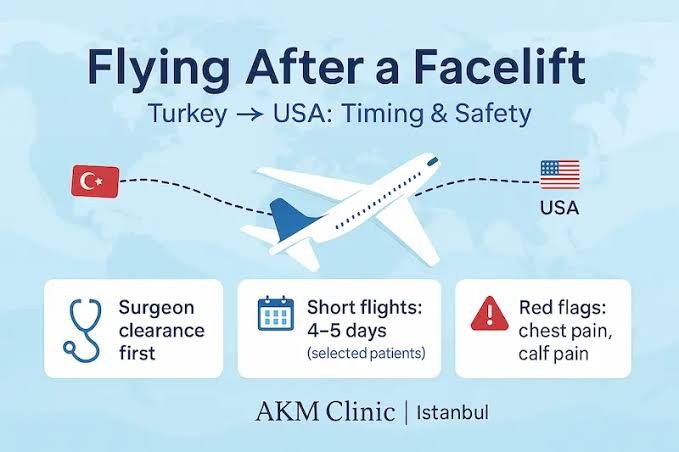
When people plan surgery abroad, they think about the clinic, the surgeon and the result. Very few think carefully about the flight home. Yet sitting in a cramped seat for hours, just days after an operation, is one of the riskiest parts of the whole journey. Swelling increases, movement is limited and the risk of deep vein thrombosis (DVT) rises. Add airport queues, connections and carrying luggage while you are sore, and the trip home can undo some of the comfort and safety you paid for.
The practical solution is to treat travel time as a medical factor, not just a matter of convenience. A shorter, simpler journey means less strain on your body and easier access to follow-up care. That is one of the reasons UK patients who start by searching for plastic surgery turkey often switch their plans to Poland, where the flight from many UK airports takes only about two hours instead of four to six.
Why Flying After Surgery Carries Risk
Any surgery temporarily increases the body’s tendency to form blood clots. Anaesthesia, reduced movement and tissue trauma all play a part. Flying then adds further risk factors:
- Long periods of sitting still, which slows blood flow in the legs
- Lower cabin pressure, which can make swelling worse
- Dehydration from dry cabin air
- Cramped seating that makes it hard to stretch
A DVT can, in rare cases, travel to the lungs and cause a pulmonary embolism, which is a medical emergency. This is why surgeons give clear advice on when you can safely fly and how to reduce risk on the way.
Procedures Where Travel Matters Most
All operations need care when travelling, but some carry a higher clot risk or cause more discomfort when seated:
- Tummy tuck (abdominoplasty)
- Liposuction, especially of large areas
- Brazilian butt lift and bum lift, where sitting is restricted
- Thigh lift
- Combined procedures such as a “mummy makeover”
For these operations, every extra hour in a seat matters, and so does every extra connection.
When Is It Safe to Fly?
There is no single rule for everyone. Your surgeon will consider the type and length of your operation, your general health, your personal clot risk and how your recovery is going. Smaller procedures may allow travel within days, while larger body procedures usually need a longer wait. Be wary of any package that sets a fixed flight date before you have even had surgery. Your flight should fit your recovery, not the other way round.
The Full Door-to-Door Journey
Flight time is only part of the story. Picture the whole trip:
- Travel from the clinic or hotel to the airport
- Check-in and security queues
- Waiting at the gate
- The flight itself, plus any connection
- Passport control and baggage collection in the UK
- The drive or train home
On a long route with a connection, this can easily stretch to a full day. From Wroclaw, the clinic used by Europe Surgery is only about 10 minutes from the airport and the direct flight is around two hours, so the whole journey is far shorter.
Airport Tips for Post-Surgery Travellers
- Book special assistance so you do not have to walk long distances or queue standing
- Choose an aisle seat so you can get up and move easily
- Travel light or have a companion handle heavy bags, because lifting can strain wounds
- Wear comfortable, loose clothing over your garments
- Keep medication and documents in your hand luggage, including your operation notes
- Allow extra time so you are never rushing through the terminal
How to Reduce Clot Risk During the Flight
Wherever you have your procedure, these steps can help:
- Follow your surgeon’s advice on compression stockings or garments
- Drink plenty of water and avoid alcohol
- Flex your ankles and calves regularly while seated
- Walk up and down the aisle when it is safe to do so
- Avoid sleeping in one position for long periods
- Ask your surgeon whether any extra preventive treatment is right for you
Know the warning signs of a clot: calf pain, swelling, warmth or redness in one leg, sudden breathlessness or chest pain. If you notice them, seek urgent medical help.
Travelling With a Companion
A friend or family member makes a big difference on the way home. They can carry bags, deal with check-in, fetch water and notice if you seem unwell. With budget flights to Wroclaw often costing around £50 return, bringing someone along is also far more affordable than on longer routes.
Returning for Check-Ups
Short flights are not only about the first trip home. If you ever need to see your surgeon again, a quick and inexpensive journey makes it realistic. Europe Surgery also runs a UK aftercare clinic led by the operating surgeon, so many follow-ups can happen without flying at all.
The First Few Days After You Land
Getting home is a relief, but the journey can leave you more tired and swollen than you expect. Plan to do very little for the first couple of days. Keep walking gently around the house every hour or so to support circulation, stay well hydrated and continue wearing your garments as instructed. Watch your legs for any one-sided swelling or pain, and check your wounds daily for redness or discharge. If anything worries you, contact your surgeon’s team straight away rather than waiting for your next appointment.
Flight Time FAQs
Is a two-hour flight really safer than a five-hour one? Shorter flights reduce the time you spend sitting still, which is one of the main contributors to clot risk. Other factors still matter, so always follow your surgeon’s advice.
Can I break up a long journey? You can, but a connection adds walking, queuing and lifting bags, which is often harder on a recovering body than a single direct flight.
Should I fly business class after surgery? Extra legroom helps, but it does not replace movement, hydration and compression. A short direct flight with an aisle seat can be just as comfortable.
What if my surgeon says I am not ready to fly? Listen to them. Extending your stay by a few days is far better than risking a complication in the air.
Conclusion
The journey home is part of your recovery, not something separate from it. Before you choose cosmetic surgery turkey on price alone, picture yourself sitting in that seat a few days after surgery. Fewer hours in the air, a shorter transfer and an easy route back for check-ups can make your recovery safer and far more comfortable.


Anyone who has tried to compare research peptide prices in the UK will know the problem. One store sells a 10mg vial, another a 5mg vial, a third sells packs of five. One charges £4.95 for delivery, another offers it free over £100, a third has a discount code that only works on certain products. The price on the product page tells you surprisingly little about what you will actually pay.
There is a simple way to cut through it. Instead of comparing prices, compare the cost per milligram, delivered.
Why the headline price misleads
Vial sizes vary widely between suppliers. A 5mg vial at £25 looks cheaper than a 10mg vial at £40, but the first works out at £5.00 per mg and the second at £4.00 per mg. Multi-packs make this even harder to judge at a glance, because the saving only shows once you divide the total by the number of milligrams.
Delivery then changes the picture again. On a single small vial, a £5 delivery charge can add more than 10% to the real cost. On a larger order it barely matters. And discount codes vary from a few pounds off to 20% or more, sometimes only for first orders.
How to work out the real cost
The calculation is straightforward:
- Take the total you would pay at checkout for the product, including delivery.
- Subtract any discount code you can genuinely use.
- Divide by the total number of milligrams you receive.
The result is the delivered price per milligram, and it is the only figure that lets you compare a 5mg vial, a 10mg vial and a 10-vial pack fairly. Some peptides, such as growth hormone fragments sold in units rather than milligrams, need a different unit, but the principle is the same.
Doing it across a whole market
Working this out by hand for one product at one store is easy. Doing it across a dozen UK suppliers, several vial sizes and changing discount codes is not, and prices move often. That is the gap price comparison sites are designed to fill. PeptideCheck ranks UK research peptide prices by delivered cost per milligram, with each supplier’s delivery charge and published discount code already applied, and the figures update automatically from the suppliers’ own stores.
For a popular compound such as retatrutide, where vial sizes range from 5mg up to multi-vial packs, the difference between the cheapest and most expensive delivered price per milligram can be large. You can see it for yourself by comparing retatrutide prices across UK suppliers.
Cheapest is not the whole story
Price per milligram only makes sense if the milligrams are really there. A vial that is under-filled or impure is poor value at any price, and in research it can make results worthless. Before choosing a supplier on price alone, check that it publishes independent, batch-matched certificates of analysis from a recognised laboratory, and that those certificates can be verified on the laboratory’s own website.
The bottom line
Ignore the headline price. Work out the delivered cost per milligram, apply only the codes you can actually use, and then weigh that number against the supplier’s testing record. It takes a little more effort, but it is the only fair way to compare research peptide prices in the UK.
This article is for information only. Research peptides are sold for laboratory research use only and are not for human consumption.

Why a Change of Environment Can Support Addiction Recovery

Reading Coating Specifications On Engineering Drawings

Keeping Epoxy Floors Pristine Until Handover

Who Is Shameera? All You Need To Know About Charli XCX’s Mother

Who Is Gulliver Flynn Oldman? The Untold Story of Sir Gary Oldman’s Son

AI Video for Social Media: How Small Brands Keep Up Without Burning Out
-
Biographies9 months ago
Who Is Shameera? All You Need To Know About Charli XCX’s Mother
-
Biographies9 months ago
Who Is Gulliver Flynn Oldman? The Untold Story of Sir Gary Oldman’s Son
-
 Blog5 months ago
AI Video for Social Media: How Small Brands Keep Up Without Burning Out
-
 Biographies10 months ago
Meet Rosemary Turner: The Mother of Actor Callum Turner
-

 Biographies8 months ago
Who is Alexandra James? Inside The Life of Jeremy Clarkson’s Former Partner
-
 Biographies9 months ago
Who is Todd McRae? Meet Tate McRae’s Father
-
 Biographies9 months ago
Who Is Daniel Mara? The Untold Story of Kate Mara’s Private Sibling
-
 Celebrity10 months ago
Who Is Peter Hernandez? The Real Story of Bruno Mars’ Father