
Blog
Pravi Celer: Complete Guide to Its Health Benefits, Science, Uses, and Modern Importance

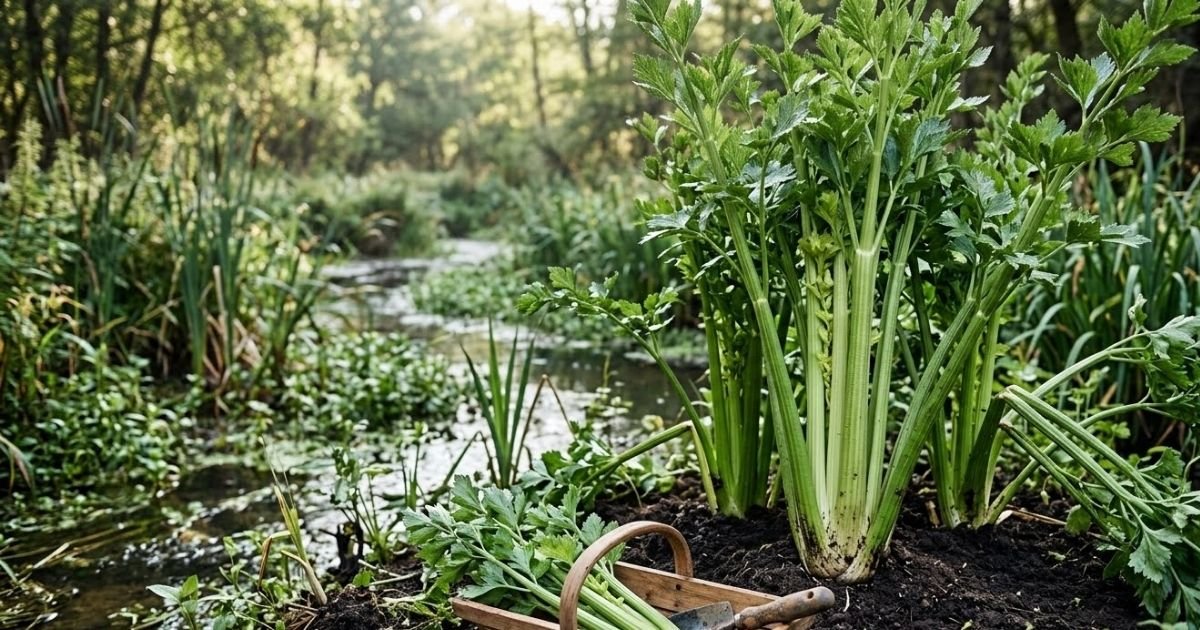
Pravi Celer refers to the traditional, fully utilized form of celery known scientifically as Apium graveolens. In South Slavic culinary culture, this term highlights the original, aromatic plant that uses every part, including the root, stalk, leaves, and seeds. Unlike modern commercial varieties that focus mainly on pale stalks, this version represents a deeper, more natural form of the plant with stronger flavor and broader applications.
Over time, Pravi Celer has evolved from a simple kitchen staple into a scientifically studied plant with recognized nutritional and medicinal value. Today, it sits at the intersection of traditional cooking, modern health science, and global agriculture.
Botanical Identity and Classification
Pravi Celer belongs to the Apiaceae family, which includes other well-known plants like parsley and carrots. It is a biennial plant originally adapted to marshland environments, which explains its high water content and crisp texture.
The plant exists in three main cultivated forms, each developed through selective breeding. The root variety, often called celeriac, produces a dense, knobby underground structure used in soups and stews. The stalk variety focuses on thick, juicy petioles that are commonly eaten raw or juiced. The leaf variety produces aromatic foliage used as a strong herbal seasoning.
This three-in-one nature makes Pravi Celer unique, as one species can function as a root vegetable, a fresh snack, and an herb.
Nutritional Composition and Core Value
Pravi Celer stands out as a low-calorie yet nutrient-rich plant. Its composition includes around 95 percent water, making it one of the most hydrating vegetables available. Despite its light profile, it delivers important nutrients such as vitamin K, vitamin C, potassium, and folate.
Vitamin K plays a crucial role in bone health and blood clotting, while potassium supports heart function and fluid balance. The fiber content contributes to digestive health, helping regulate bowel movements and maintain gut stability.
Its minimal calorie content, combined with high nutrient density, makes it a popular choice for weight-conscious diets and functional nutrition plans.
Key Bioactive Compounds and Their Effects
The real scientific interest in Pravi Celer lies in its bioactive compounds. These include flavonoids such as apigenin and luteolin, along with a group of compounds known as phthalides. One specific compound, 3-n-butylphthalide, has drawn attention for its potential cardiovascular benefits.
Apigenin and luteolin act as antioxidants, helping neutralize free radicals and reduce inflammation in the body. Phthalides contribute to the plant’s distinctive aroma and may help relax the muscles surrounding blood vessels.
These compounds work together to create a functional food profile that extends beyond simple nutrition.
Modern Clinical Research and Findings
Recent scientific studies have explored the therapeutic potential of Pravi Celer in more depth. Research conducted in 2025 and 2026 has focused on its role in managing metabolic conditions and improving cardiovascular health.
Clinical observations suggest that regular intake of celery-based preparations may support better blood pressure control. Some studies indicate that daily consumption can reduce both systolic and diastolic pressure by promoting smoother blood flow.
Other research highlights its role in metabolic health, particularly in improving insulin sensitivity and managing cholesterol levels. The presence of natural phenols appears to support bile acid regulation, which may contribute to reduced lipid levels in the bloodstream.
These findings position Pravi Celer as a promising complementary element in modern dietary strategies.
Health Benefits and Functional Properties
Pravi Celer offers a wide range of health benefits supported by both traditional knowledge and modern research. It helps regulate blood pressure by relaxing vascular walls, allowing blood to circulate more efficiently. This effect makes it valuable for individuals dealing with mild hypertension.
Its anti-inflammatory properties support overall wellness by reducing oxidative stress. The antioxidants present in the plant help protect cells from damage and contribute to long-term health stability.
Digestive health also benefits from its high water and fiber content. It supports hydration while promoting smooth digestion and preventing constipation. Additionally, its vitamin K content strengthens bones by aiding in mineral absorption and density maintenance.
Another notable benefit is its role in reducing uric acid levels. This makes it particularly useful for individuals managing gout or joint discomfort.
Culinary Importance and Traditional Uses
In traditional Southeast European kitchens, Pravi Celer plays a foundational role in cooking. The root serves as a base ingredient in soups and broths, adding depth and an earthy flavor profile. It blends well with carrots and parsley to create balanced, aromatic dishes.
The stalks provide a crisp texture and fresh taste, making them suitable for salads and juices. Meanwhile, the leaves act as a powerful seasoning, enhancing the flavor of sauces, meats, and stews.
The seeds also hold culinary value. They are used as a spice or processed into celery salt, which is commonly added to savory dishes.
Beyond regional cuisine, celery is a core component of classic cooking systems such as the French mirepoix, where it combines with onion and carrot to form a flavor base.
Agricultural Development and Market Growth
The global demand for Pravi Celer has increased significantly due to rising interest in plant-based nutrition and functional foods. The celery market has grown steadily, reaching notable economic value and continuing to expand.
Modern agriculture has adapted to meet this demand by developing new cultivation techniques. Farmers now focus on creating drought-resistant and salinity-tolerant varieties to address environmental challenges. This shift is especially important in regions facing water shortages.
Production methods have also improved. Techniques such as plug-transplanting allow farmers to shorten growing cycles and reduce pesticide use. These advancements help maintain the plant’s quality while increasing efficiency.
The growing importance of celery in pharmaceutical extraction has also contributed to its economic relevance, particularly in the seed market.
Safety Considerations and Potential Risks
Despite its many benefits, Pravi Celer is not without risks. It is classified as a major food allergen in some regions, particularly in Europe. Even small amounts can trigger severe allergic reactions in sensitive individuals, including anaphylaxis.
One unique characteristic of this allergen is its resistance to heat. Cooking does not eliminate the proteins responsible for allergic responses, making it important for individuals with sensitivities to avoid it entirely.
The plant also contains compounds called psoralens, which can cause skin reactions when exposed to sunlight. This condition, known as phytophotodermatitis, can lead to blistering if celery sap contacts the skin before UV exposure.
Additionally, its high oxalate content may pose a risk for individuals prone to kidney stones, especially when consumed in large quantities.
Pests, Diseases, and Environmental Factors
Pravi Celer is vulnerable to a variety of agricultural threats. Viral infections such as celery mosaic virus and Apium virus Y can damage crops by deforming leaves and reducing growth.
Insect pests like leafminers create tunnels within the plant, affecting both appearance and quality. Fungal diseases can also spread rapidly in damp conditions, leading to crop loss.
These challenges require careful management and monitoring to ensure healthy production. Advances in agricultural science continue to improve resistance and reduce the impact of these threats.
Historical and Cultural Significance
Pravi Celer has a rich historical background that extends far beyond its role as food. In ancient Rome, it symbolized mourning and was used in funeral rituals. People believed that its scent was associated with death, giving rise to cultural expressions linked to mortality.
In ancient Greece, celery held a more celebratory role. Athletes who won major games were crowned with celery wreaths as a symbol of victory and vitality.
Archaeological discoveries have also shown its importance in ancient Egypt, where it was used in ceremonial garlands. These findings highlight its long-standing connection to human culture and ritual.
During the Victorian era, celery became a symbol of luxury. Wealthy households displayed it in decorative glass vases, showcasing it as both a food and a status item.
Botanical Structure and Unique Characteristics
From a botanical perspective, Pravi Celer has several unusual features. What is commonly referred to as the stalk is actually a petiole, which is the structure connecting the leaf blade to the base of the plant.
The strings found in celery are made of specialized cells designed to provide flexibility and strength. These structures allow the plant to withstand environmental stress without breaking.
Another interesting detail is that celery seeds are not true seeds. They are classified as schizocarps, which are small fruits that split open to release seeds.
These characteristics make the plant a fascinating subject not only for nutrition but also for plant biology.
Everyday Practical Uses and Tips
Pravi Celer is not only versatile in cooking but also easy to manage in everyday life. When celery stalks become limp, they can regain their crispness by soaking in cold water. This process restores moisture through natural absorption.
Farmers often blanch celery by covering it to block sunlight. This reduces bitterness and produces the lighter color seen in many commercial varieties.
The plant can also be prepared more easily by removing its fibrous strings with a simple peeler. This improves texture and makes it more enjoyable to eat.
Recipe Insight and Culinary Application
A traditional celery and potato soup highlights the full potential of Pravi Celer. The combination of root, stalk, and aromatic elements creates a balanced and comforting dish.
Cooking begins with sautéing onions and garlic to build a flavor base. The addition of celery and potatoes provides body and texture. Simmering allows the flavors to blend, and blending the mixture results in a smooth, rich consistency.
This type of dish demonstrates how the plant can transform simple ingredients into a deeply satisfying meal.
Alternatives and Substitutes
For those who cannot use Pravi Celer due to allergies or preference, several alternatives exist. Fennel offers a similar crunch with a slightly sweet flavor, making it suitable for raw dishes. Parsley stems can replace celery in soups, providing a comparable herbal note.
Root vegetables like parsnips or turnips can mimic the texture of celeriac in cooked recipes. For juicing, cucumber and romaine lettuce provide hydration and nutritional benefits without the strong taste.
These substitutes ensure flexibility while maintaining the essence of recipes.
Conclusion
Pravi Celer represents far more than a common vegetable. It is a plant with deep cultural roots, complex botanical features, and growing scientific relevance. From traditional kitchens to modern research labs, it continues to prove its value across multiple fields.
Its nutritional benefits, versatility, and evolving role in global agriculture make it a powerful addition to both diet and industry. At the same time, awareness of its risks ensures that it is used safely and effectively.
As interest in natural, functional foods continues to rise, Pravi Celer remains a prime example of how a simple plant can hold extraordinary significance.


Choosing a nursery school is an important milestone for families. For many children, it is their first regular experience of learning alongside other children, following a classroom routine, and spending time away from home. While early literacy and numeracy certainly matter, nursery education supports a much wider range of developmental skills.
Young children learn best when they feel secure, interested, and actively involved. A thoughtfully designed nursery environment combines stories, play, conversation, movement, creativity, and practical experiences so children can develop naturally while enjoying the learning process.
Why Nursery Education Matters
The early years are a period of rapid growth. Children are developing language, coordination, social awareness, emotional regulation, and problem-solving abilities at the same time.
A nursery school can support these areas through everyday experiences rather than relying only on formal lessons.
For example, building with blocks involves planning and spatial awareness. Listening to stories develops vocabulary and comprehension. Playing with classmates introduces cooperation and communication.
Learning Happens Through Experience
Young children need opportunities to touch, move, build, sort, create, and experiment.
A good nursery school makes learning interactive. Instead of expecting children to absorb information passively, educators encourage them to explore concepts through activities that make sense at their developmental stage.
This helps children connect new ideas with real experiences.
Language Development Starts With Conversation
Children develop communication skills throughout the day.
Stories, songs, rhymes, role play, and everyday conversations expose children to new words and encourage them to express their ideas.
A nursery school should create many opportunities for children to speak, listen, ask questions, and participate in discussions.
Stories Encourage Imagination
Books do more than prepare children for reading.
Stories help children understand characters, emotions, sequence, and cause and effect.
Teachers can ask children to predict what happens next, describe illustrations, or talk about how a character might feel.
These interactions make literacy meaningful rather than mechanical.
Social Skills Grow in a Group Setting
Young children are still learning how friendships work.
They may struggle to share, wait for turns, or manage disagreements. These situations are normal and provide useful learning opportunities.
Families exploring a nursery learning environment in ESTZ Chennai can observe how educators help children communicate and cooperate.
A nursery school should guide children through social challenges without expecting perfect behavior.
Creativity Supports Flexible Thinking
Drawing, painting, music, construction, storytelling, and imaginative play give children opportunities to express themselves.
A nursery school should not make every creative activity produce an identical result.
Children benefit from choosing materials, experimenting with ideas, and discovering that there can be more than one way to solve a problem.
Mistakes Are Valuable
A tower may fall. A puzzle piece may not fit. A drawing may change halfway through.
These moments teach persistence.
Teachers can encourage children to try again rather than immediately completing the task for them.
Physical Development Needs Daily Attention
Young children need movement.
Running, jumping, balancing, dancing, climbing, and outdoor play support gross motor development. Drawing, threading, building, and puzzles strengthen fine motor control.
A balanced nursery school programme should include both energetic and quieter activities.
Movement can also improve concentration by giving children healthy opportunities to use their energy.
Independence Develops Gradually
Small responsibilities can build confidence.
Children might carry belongings, tidy materials, wash hands, select activities, or help organize a shared space.
A nursery school should allow children enough time to attempt manageable tasks independently while keeping adult support available.
These simple experiences teach children that they are capable.
Predictable Routines Create Security
Young children often feel more comfortable when the day follows a recognizable pattern.
Arrival, activities, meals, stories, movement, and departure cues help them anticipate what comes next.
Predictability can make the environment feel safe while children develop independence.
Conclusion
A nursery school provides much more than early academic preparation. It creates a community where children can build language, social confidence, creativity, physical coordination, emotional awareness, and independence.
The strongest early-learning experiences often happen during ordinary moments: listening to a story, solving a puzzle, completing a small task, or learning how to cooperate with a friend.
When children experience these moments in a warm and supportive environment, they develop skills and attitudes that can support them throughout their future education.


When aging adults consider moving to a senior living community, they are not simply looking for a place to eat and sleep. They are evaluating whether a community aligns with their values, respects their choices, and supports the lifestyle they want for the years ahead. What older adults want from senior living has changed considerably over time. Longer life expectancies, evolving family dynamics, and a desire for continued engagement have reshaped expectations. As a result, today’s senior living communities are adapting to meet a broader range of needs and preferences.
1. Independence and Autonomy in Daily Life
Aging adults consistently identify personal choice and independence as top priorities. They want the freedom to decide when to wake up, what to eat, and how to spend their time. Rather than following rigid schedules, many prefer communities that offer flexibility and support individualized lifestyles.
This desire for autonomy extends to personal wellness decisions as well. Many residents appreciate having a voice in how support services are provided, choosing the level of assistance that best fits their preferences and circumstances. Communities that offer flexible service options often help residents feel more comfortable, respected, and in control of their daily experiences.
2. Meaningful Social Connections and Community Engagement
Social connection plays an important role in overall well-being. While many older adults value their privacy, they also want opportunities to develop meaningful relationships and engage with others who share similar interests.
Residents often look for communities that offer book clubs, gardening groups, craft programs, educational discussions, and social gatherings. Beyond organized programs, they appreciate welcoming spaces where casual conversations and friendships can develop naturally.
Shared dining areas, community lounges, walking paths, and outdoor gathering spaces can help create an environment where relationships flourish. When residents feel connected to those around them, they often report greater satisfaction and a stronger sense of belonging.
3. Access to Quality Healthcare and Wellness Services
Reliable healthcare access remains an important consideration for many aging adults. Communities that coordinate wellness services, preventive care, and healthcare resources can provide valuable convenience and peace of mind.
Many seniors appreciate having access to wellness programs that focus on maintaining health and quality of life. These may include fitness classes, nutrition education, wellness seminars, and emotional well-being resources. Accessible healthcare services can help residents spend less time coordinating appointments and more time enjoying their daily routines.
The ability to easily access support when needed allows residents to feel confident as their needs change over time.
4. Affordability and Financial Transparency
Financial stability is a major consideration for many older adults. Residents want clear information about monthly costs, included services, and any additional fees. Transparent pricing helps families and residents make informed decisions without worrying about unexpected expenses later.
Families researching communities that balance affordability and quality often consider Taylor Place, an independent living community that helps prospective residents understand available services and pricing information. Communities that offer straightforward cost structures and a variety of service options can give residents greater flexibility when planning for the future.
When financial expectations are clear, residents can focus more on enjoying community life and less on concerns about unforeseen expenses.
5. Purpose, Learning, and Personal Growth Opportunities
Many outdated assumptions suggest that aging adults simply want to slow down during retirement. In reality, many seniors remain interested in learning, contributing, and pursuing personal interests.
Older adults often seek opportunities to attend educational programs, explore creative hobbies, learn new skills, and engage in meaningful volunteer work. Some communities partner with local organizations, colleges, and guest speakers to offer ongoing educational opportunities.
Many residents also enjoy sharing their experience and knowledge through mentoring, volunteering, and leadership opportunities within the community. These experiences provide a sense of purpose and reinforce the idea that personal growth can continue throughout every stage of life.
6. Privacy, Safety, and Personalized Support
Although community engagement is important, residents also value privacy and personal space. Aging adults often want apartments that reflect their personal style, opportunities to host family and friends, and quiet areas where they can relax and recharge.
Safety is another important consideration. Residents want confidence that community team members understand their needs and can provide appropriate support when necessary. Personalized service plans that incorporate resident input help ensure that support remains respectful and aligned with individual preferences.
Regular conversations about changing needs can help residents feel heard and empowered, contributing to a more positive living experience.
Conclusion
Senior living continues to evolve as aging adults seek communities that support far more than their basic daily needs. Today’s seniors want environments that respect their choices, encourage social connection, provide access to wellness resources, and create opportunities for continued growth and purpose. They also value transparency, privacy, and individualized support that recognizes their unique goals and preferences. Communities that embrace these priorities can create meaningful experiences that help residents remain engaged, connected, and fulfilled while enjoying the next chapter of life.


Thanks to cosmetic surgery, people have an opportunity to cope with their aesthetic problems and look better. However, it is much more difficult to select the proper treatment procedure that is needed, taking into account its prices in particular clinics. The cost and the risks associated with different types of treatments vary considerably. If you are aware of the costs of cosmetic surgery, you will be better prepared financially and capable of making reasonable decisions concerning your aesthetic goals. No matter whether it concerns face or body contouring surgery, the proper choice is the procedure that will suit you best.
Comparison of Different Types of Cosmetic Surgeries
There are different kinds of surgeries, which are aimed at changing the form of some body parts. Among facial surgeries are rhinoplasty, blepharoplasty, and facelifts, which consist in enhancing facial appearance. Other forms of surgery like breast augmentation and body contouring have various aims. The non-surgical alternatives such as some injections and skin treatments may be used by individuals who are looking for alternative forms of treatment that require minimal intervention. Every operation is intended for particular reasons, recovery time, and qualifications. It is vital to determine your problems before choosing an appropriate procedure.
The Factors That Impact Cosmetic Surgery Costs
The cosmetic surgery prices will depend on several factors, including the procedure itself, surgeon’s qualifications, where the surgery is being done, and the complexity of the procedure. More complicated surgeries will take more time in the operation room, use specific equipment, and take a lot of work to recover from; hence, such procedures are likely to cost more. Other factors that could impact the cost include anesthesia, costs incurred at the facility, medical tests, and follow-ups. Clinics may offer a basic cost of the surgery without taking other significant costs into consideration. Hence, patients need to ask for a quote of the full cost of treatment.
Why It Is Important To Compare The Costs Of Cosmetic Surgery
When trying to make a budget of how much a cosmetic surgery will cost, comparing prices is very important. Nevertheless, the lowest quote does not always mean the most appropriate choice. There are many other aspects that patients need to take into consideration when making a decision about which price suits them best. For example, there may be some additional factors to be considered such as the qualifications of the surgeon, standards of the facilities, consultation process and the post-operation care. Two clinics can offer the same surgical intervention, but there will be different services included in the quote.
Selection of the Right Clinic and a Competent Surgeon
Selecting a clinic can be as critical as selecting the kind of treatment one will have to go through. It is necessary for people to ensure that the surgeons they will have the treatment from are competent enough and possess the required credentials for the type of surgery that needs to be done. Hygiene in the clinic must be adequate, and they must be able to offer information concerning any risk and the whole process of recuperation after surgery. At the consultation time, people should be able to ask questions regarding what they expect to achieve from the treatment and other alternatives that exist.
Planning Your Cosmetic Surgery Budget and Associated Expenses
A realistic cosmetic surgery budget must comprise more than just the procedure itself. Based on the type of procedure being done, there may be a need for medication, testing, special garments, travel expenses, time off from work, and follow up visits. Some procedures may call for help at home during the recovery period. Before undergoing any cosmetic surgery procedure, it would be wise for patients to find out from their surgical centers what costs are included in their fees and what costs they have to pay extra. It is always wise to keep some money set aside for emergencies.
Realistic Expectations Before Surgery
Realistic expectations are critical for cosmetic surgery. While some procedures enhance an area of the body, there will be variations depending on how each person heals and other factors such as lifestyle and the specific method utilized. Depending on the type of procedure, some changes will occur gradually, while other procedures require some swelling or a period of recovery before any improvement is seen. The patient must discuss with their surgeon what can be achieved, what risks there are, and what maintenance procedures need to be followed in the future. Furthermore, one should keep in mind that all problems, either emotional or personal, cannot be resolved through cosmetic surgery.
Final Words
There are multiple things to take into account when choosing cosmetic surgery procedures. Knowing cosmetic surgery cost, comparing estimates, and choosing a proper surgeon can make one feel more confident in receiving such treatment. Proper planning of recovery expenses and realistic expectations will allow patients to make a sound decision.

From Sketch to Sign-Off: A Step-by-Step UX Prototyping Framework Used by Leading US Design Agencies

How do you choose the right metal for an engagement ring: platinum, gold or rose gold?

The Growing Interest in Peptides for Health and Wellness

Who Is Shameera? All You Need To Know About Charli XCX’s Mother

Who Is Gulliver Flynn Oldman? The Untold Story of Sir Gary Oldman’s Son

Meet Rosemary Turner: The Mother of Actor Callum Turner
-
Biographies8 months ago
Who Is Shameera? All You Need To Know About Charli XCX’s Mother
-
Biographies7 months ago
Who Is Gulliver Flynn Oldman? The Untold Story of Sir Gary Oldman’s Son
-
Biographies8 months ago
Meet Rosemary Turner: The Mother of Actor Callum Turner
-

 Biographies6 months ago
Who is Alexandra James? Inside The Life of Jeremy Clarkson’s Former Partner
-
 Biographies8 months ago
Who is Todd McRae? Meet Tate McRae’s Father
-
 Biographies7 months ago
Who Is Daniel Mara? The Untold Story of Kate Mara’s Private Sibling
-
 Celebrity8 months ago
Who Is Peter Hernandez? The Real Story of Bruno Mars’ Father
-
 Biographies8 months ago
Who Is Alvin Martin? All About the Whoopi Goldberg’s First Husband