
Food
Umiya Sushi: From Specialty Rolls to Premium All-You-Can-Eat Dining

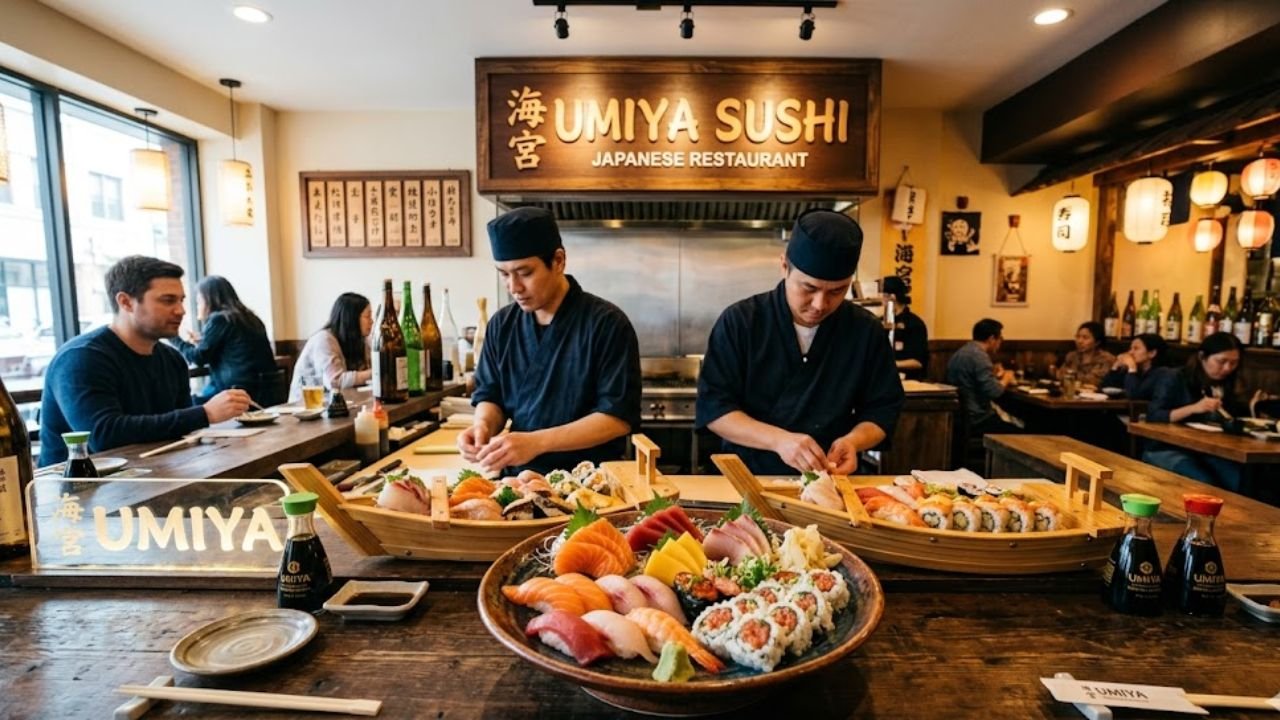
If you enjoy sushi and love trying many dishes in one meal, then Umiya Sushi is a place you should know about. It is not just a normal sushi restaurant. It is an All-You-Can-Eat dining experience where you sit at your table, order food, and fresh dishes come straight to you. No standing in lines. No cold buffet trays. Everything is made fresh.
Over the last few years, It has become very popular across the United States. Many people visit it for birthdays, family dinners, or casual nights out. Why? Because it gives a mix of fresh sushi, hot meals, and fun dining at a fixed price. You get variety, speed, and quality in one place, which is not easy to find.
The Story Behind Umiya Sushi and How the Brand Expanded So Fast
The story of Umiya Sushi is quite interesting. The brand started in Texas around 2021 and quickly grew into a large sushi chain. In a short time, it expanded to many cities like Houston, San Antonio, Las Vegas, Raleigh, and Alexandria. This fast growth shows that people really enjoy this type of dining.
One smart move behind this growth is how the brand chooses its locations. Instead of building new places from scratch, it often takes over big empty buildings. These include old retail stores, former restaurants like IHOP or Hooters, and even buildings that stayed empty for years. This helps them open large restaurants quickly and serve many guests at once.
How Umiya Sushi’s AYCE Service Model Really Works
Many people think All-You-Can-Eat means a buffet, but Umiya Sushi works differently. You sit at your table and order food from a menu. In some locations, you use a paper sheet. In others, you use a tablet or app. The staff then brings your food fresh from the kitchen. This makes the food taste better and feel more like a full restaurant.
There are some important rules to follow. Most tables have a 90-minute time limit. In busy places like Las Vegas, this time can be shorter during rush hours. There is also a strict no-waste policy. If you order too much and leave food behind, you may have to pay extra. Even leftover sushi rice can lead to a charge. So it is always better to order small portions and enjoy slowly.
Umiya Sushi Menu Highlights From Nigiri and Sashimi to Hibachi and Desserts
One of the best things about Umiya Sushi is its huge menu. You can start with simple sushi like salmon, tuna, or shrimp nigiri. If you like raw fish, you can enjoy fresh sashimi without rice. There are also seared sushi options with light sauces that add extra flavor.
But it is not only about sushi. The menu also includes hot foods like gyoza, takoyaki, and crispy calamari. You can order hibachi steak, teriyaki chicken, or garlic shrimp with fried rice or noodles. And when you are done, there are desserts like fried Oreos, churros with ice cream, and mochi. It feels like you are getting many restaurants in one place.
Signature Rolls and Viral Dishes That Define the Umiya Sushi Experience
If you want something special, this is where Umiya Sushi really shines. The restaurant offers many creative rolls that mix traditional and modern flavors. For example, the Yellowtail on Fire roll adds fresh fish with spicy sauce and jalapeño. The Lobster Lover Roll brings rich seafood flavor with baked lobster and crab.
Some rolls are made to stand out and go viral. The Hot Mama Roll uses crunchy spicy chips for texture. The TNT Steak Roll mixes seafood with seared beef, which is very different from normal sushi. There are also dishes like Rainbow Naruto, which wraps fresh fish in cucumber instead of rice, and Kobe Steak Tataki, which gives a light and fresh meat option.
The Famous Umiya Specialty Roll and What It Reveals About Umiya Sushi
The Umiya Specialty Roll shows exactly what the brand is all about. It is carefully built with layers of flavor and texture. Inside, you get crispy shrimp tempura, imitation crab, avocado, and cucumber. Outside, there are thin slices of salmon and tuna placed gently on top.
The roll is finished with masago, eel sauce, and spicy mayo. Each bite gives a mix of crunch, softness, sweetness, and spice. Even the way it is made matters. The chef uses a bamboo mat, wraps it in plastic, rolls it tightly, and slices it cleanly into eight pieces. This focus on detail is what makes It feel premium, even in an all-you-can-eat setting.
Locations, Atmosphere, and What Makes Each Umiya Sushi Branch Different
Every Umiya Sushi location has its own style. For example, the Houston Midtown branch is famous for its galaxy theme with glowing ceiling lights. It feels modern and exciting. The Katy Freeway location offers live hibachi cooking, which adds energy to the dining experience.
Other places have their own charm. The Alexandria location has a calm and simple look with soft lighting and traditional touches. Newer locations like Lubbock and Raleigh offer a mix of sushi and hotpot, where you can cook food at your table.
Pricing, Premium Tiers, and How to Plan Your Meal at Umiya Sushi
One of the reasons people love Umiya Sushi is that it offers clear pricing for its all-you-can-eat experience. Most locations have a weekday lunch price around $21.95 to $22.95 per adult. Dinner and weekend prices are usually $31.95 to $32.95. Kids aged five to ten can eat for about $11.95. Some locations even have late-night specials, usually after 9:00 PM, for around $23.95.
For diners looking for premium options, Umiya offers special tiers. At select flagship locations, a premium package might cost $65 to $70. This tier includes delicacies like fresh uni, fatty tuna, or a single-serving baked lobster. Even though these items are more expensive, many guests feel the experience is worth it. It is a great choice if you want to try luxury sushi without ordering a full à la carte menu.
Planning your meal wisely can save money and make the experience better. Since Umiya Sushi enforces a no-waste policy, it is smart to start with small rounds. Order a few pieces of sushi, try the specialty rolls, and then see what else you want. This helps you enjoy more variety without getting extra charges for leftovers.
Customer Reviews and What Diners Say
Across the United States, diners often leave positive reviews about Umiya Sushi. Many people praise the freshness of the fish. Unlike buffets where sushi sits under heat lamps, Umiya delivers sushi and sashimi chilled and freshly cut. Guests also appreciate that the rice is light, allowing them to taste more rolls before feeling full.
Flagship locations, like Alexandria, VA, get special praise. Customers love the premium items there, such as Wagyu foie gras spoons, fresh oysters, and baked lobster. Service speed is another highlight. Even in busy restaurants, hot dishes arrive quickly, and cold sushi remains fresh.
Of course, not every review is perfect. Some diners find the leftover charges strict. Others mention that digital ordering can feel confusing at first. Peak hours may be noisy, especially in Houston Midtown or San Antonio. Still, most guests say the value and quality make up for these minor issues.
Competitors and How Umiya Sushi Stands Out
While Umiya Sushi is popular, it has some competitors. On the East Coast, Sushi Kingdom offers a similar all-you-can-eat experience with a strong focus on thin rice rolls and quick table turnover. In the South and Midwest, Sushi Bang Bang uses digital tablets for ordering and offers vibrant soy paper rolls with tempura.
In the Pacific Northwest and parts of Texas, Trappers Sushi is more casual. It offers baked rolls and long, saucy creations. Fuji Sushi & Grill competes in the Southeast with large hibachi-style kitchens and big family-friendly dining areas. Despite these competitors, It stands out because it balances freshness, premium toppings, hot dishes, and a variety of fusion rolls in one convenient package.
The All-You-Can-Eat Menu Breakdown
The menu at Umiya Sushi is extensive. Guests can enjoy traditional nigiri like tuna, salmon, and shrimp. There are also seared nigiri and thick sashimi cuts. Specialty rolls use thin rice layers to let diners try more types without feeling full too quickly. Some favorites include the Shaggy Dog Roll, Rainbow Roll, and Umiya Super Roll.
Hot kitchen dishes are also available. You can get hibachi steak, teriyaki chicken, garlic shrimp, or stir-fried udon noodles. Appetizers like gyoza, takoyaki, crab puffs, and fried calamari are endless. Desserts finish the meal with sweet options such as fried Oreos, churros, and mochi.
The variety allows everyone to enjoy something they like. Whether you prefer raw fish, cooked dishes, or even a little dessert, It delivers it all at your table. This careful mix of options is one of the reasons diners keep returning.
Specialty Rolls and Fusion Creations
Umiya Sushi is famous for its creative rolls. The Hot Mama Roll is spicy and crunchy with crab or shrimp and coated in crushed spicy chips. The TNT Steak Roll combines snow crab, jalapeño, seared beef, sweet potato, and black garlic mayo. The Umiya Super Roll has snow crab and avocado topped with torched salmon and sweet potato shreds.
Other popular rolls include Yellowtail on Fire, Lobster Lover Roll, and Sweet Heart Roll. There are also raw fish options like Rainbow Naruto, where tuna, salmon, and white fish are wrapped in cucumber instead of rice. These rolls show how It combines traditional sushi with modern flavors that are fun, colorful, and tasty.
Locations and Ambiance
Umiya Sushi has many locations across the U.S., but each one has its own feel. Houston Midtown is galaxy-themed with LED lights that glow like stars. Katy Freeway offers live hibachi grills for an interactive experience. Humble has a full cocktail bar and a relaxed environment.
On the East Coast, Alexandria’s Old Town location is calm, minimalist, and highlights Edomae-style sushi techniques. Newer stores in Lubbock and Raleigh offer a mix of sushi and hotpot, letting guests cook food at their tables. Memphis, San Antonio, and Las Vegas locations are large and designed for families or celebrations. No matter where you go, each Umiya branch gives a unique dining vibe while keeping the food fresh and delicious.
Final Thoughts
Overall, Umiya Sushi is more than just an all-you-can-eat restaurant. It is a place where fresh sushi, hot kitchen dishes, creative specialty rolls, and premium ingredients all come together. Its table-service model, no-waste policy, and careful menu design make it feel both fun and high-quality.
With locations across Texas, Virginia, North Carolina, Nevada, New York, and more, It continues to grow while keeping its focus on freshness, variety, and customer experience. Whether you are trying the famous Umiya Specialty Roll, a fusion creation, or classic nigiri, every visit feels special. For anyone who loves sushi and wants a modern, interactive dining experience, Umiya Sushi is a must-visit in 2026.
FAQs
1. What is Umiya Sushi known for?
Umiya Sushi is known for its fresh, made-to-order sushi, sashimi, specialty rolls, and hot kitchen dishes. It offers an all-you-can-eat experience with table service, ensuring that each dish is fresh and served directly to diners.
2. Where are Umiya Sushi restaurants located?
Umiya Sushi has locations across Texas, including Houston, San Antonio, Lubbock, and Corpus Christi. Other branches exist in Virginia, North Carolina, Las Vegas, New York, Oregon, and Tennessee, each offering unique ambiance and menu options.
3. How does the all-you-can-eat service work at Umiya Sushi?
Guests sit at their table and order from a menu or digital tablet. Food is brought fresh to the table. Most locations have a 90-minute time limit, and some high-traffic sites may reduce that during busy hours. Umiya also enforces a no-waste policy to ensure fair use of food.
4. What are the most popular dishes at Umiya Sushi?
The Umiya Specialty Roll is a favorite, featuring shrimp tempura, crab, avocado, cucumber, and draped salmon and tuna. Other popular items include the Hot Mama Roll, TNT Steak Roll, Umiya Super Roll, Yellowtail on Fire, and Lobster Lover Roll.
5. Are there premium options at Umiya Sushi?
Yes, select locations offer premium packages with delicacies like uni, fatty tuna, and baked lobster. Guests can enjoy specialty rolls, top-tier sashimi, and fusion creations in these upgraded tiers while still experiencing the all-you-can-eat concept.
READ ALSO: What is Haitian Pie? From Flaky Pâté to Sweet Pain Patate Delights


You are standing in the kitchen, reading a bag of coffee beans that promises “lemon drizzle cake”. You roll your eyes. Coffee is coffee, surely? Then you brew a cup, take a sip, and notice something distinctly citrusy, followed by a sweetness that reminds you of cake rather than the usual bitterness of your morning mug. You are not necessarily tasting lemon drizzle cake. But perhaps the description is not as ridiculous as it first sounded.
Coffee flavour notes occupy an awkward space between science and sales language. They can help explain why two bags of beans taste different, yet some descriptions sound so elaborate that scepticism is understandable. The useful distinction is between a descriptor that communicates a recognisable sensory quality and one that asks the drinker to accept a roaster’s interpretation as fact.
Flavour notes describe differences, not added ingredients
Coffee doesn’t need fruit, chocolate, or honey added to it to develop characteristics that remind us of those foods. Its flavour emerges from a complex combination of chemical compounds, shaped by the coffee plant’s genetics, growing environment, harvesting, processing, roasting, storage and brewing.
Research into coffee sensory analysis has established that these differences can be described systematically. A study published in the Journal of Sensory Studies developed a coffee sensory lexicon using samples from different countries and a trained panel. It identified 110 sensory attributes, including fruity, nutty, sweet, smoky, and bitter characteristics, supported by reference standards. The goal was to give tasters a more consistent vocabulary to describe what they actually perceived.
The Specialty Coffee Association’s Coffee Taster’s Flavour Wheel builds on this approach, organising descriptors into related categories, from broad impressions to more specific comparisons. It is a communication tool, not a guarantee that every drinker will identify the same flavour.
That distinction matters. A note of cherry does not mean cherry has been added, nor does it mean the coffee contains the same flavour compounds as a fresh cherry in identical proportions. It means a taster has recognised a sensory resemblance worth communicating.
The language can be precise without being literal. The question is whether it helps you understand the cup.
Altitude shapes the growing environment
Altitude appears frequently on coffee packaging because elevation influences the conditions in which coffee cherries develop. Temperature, rainfall, shade, and the pace of maturation can all vary with elevation, affecting the bean’s composition and the eventual cup.
Research generally associates higher growing altitudes with improved sensory attributes in many coffees, and some studies have found relationships between elevation and acidity. However, those relationships are not universal. A systematic review of coffee-quality research found that the effect of altitude on acidity varied between studies and could depend on other growing conditions, including shade.
It is therefore misleading to treat elevation as a flavour switch. Higher altitude does not automatically mean citrus, just as lower altitude does not guarantee chocolate or a heavier body. Those impressions emerge from several interacting variables, including variety, agricultural conditions, processing and roast level.
Elevation is best read as context. It tells you something about where and under what conditions the coffee grew, rather than providing a complete prediction of what the finished drink will taste like.
Variety gives the bean another set of possibilities
The coffee plant’s genetic background also matters. Different species and varieties can differ in their chemical composition and sensory characteristics, although growing conditions and post-harvest treatment influence how those differences appear in the cup.
This is one reason origin-specific coffees can be interesting to compare. The single-origin coffees available from one region at a time provide a useful starting point for considering how growing environment, variety and processing interact, without assuming that every coffee from one country shares a single flavour profile.
A country’s reputation is not a tasting guarantee. Even within the same region, farms can grow different varieties, harvest cherries at different stages of ripeness and use different processing methods. The resulting coffees may have noticeably different characteristics.
For the drinker, variety is another clue rather than a verdict. It becomes more useful when a roaster supplies specific information about the coffee instead of relying on a country’s name to do all the explanatory work.
Processing changes what reaches the cup
After harvesting, coffee cherries must be processed to remove the fruit layers surrounding the seeds. The method influences fermentation, drying, and the chemical precursors that contribute to the eventual aroma and flavour.
Washed processing generally involves removing the cherry’s outer layers and mucilage, fermenting or otherwise removing the remaining material, washing the seeds and drying them. It is commonly associated with a cleaner, more clearly defined cup and brighter perceived acidity. But that is a broad tendency, not a universal outcome, and it does not establish that washed processing directly amplifies one particular acid, such as malic acid.
Honey processing takes a different approach. The cherry is depulped, but some mucilage remains around the seed during drying. The amount retained and the conditions under which the coffee dries can vary considerably. Research into processing methods shows that these differences can influence chemical composition and volatile compounds associated with aroma.
The name can be confusing: honey processing does not mean that honey is added to the coffee. Nor is the result simply a direct transfer of sweetness from the mucilage into the cup. Drying, fermentation, and the conditions surrounding them all contribute to the finished profile.
That complexity is why process information can be more useful than a single tasting adjective. It gives the drinker a reason to expect differences while leaving room for the particular coffee to surprise them.
Roast level and brewing then add further variables. Roasting develops aroma compounds, while grind size, water temperature, extraction and the brewing method influence what becomes perceptible in the cup. A flavour description cannot be interpreted independently of these stages.
Reading a flavour note without taking it on faith
Consider the current description of Peru Organic coffee, which identifies dark chocolate and citrus as its flavour notes. Those contrasting descriptors are useful because they encourage the drinker to look beyond a single impression of bitterness or sweetness. They do not establish that every cup will deliver those characteristics equally clearly.
More specific descriptions can be helpful, but specificity alone does not make a claim more accurate. “Citrus” communicates a broad family of impressions; “lemon drizzle cake” adds an interpretation involving sweetness and a familiar food. The second may be evocative, but it is not inherently more scientific.
The World Coffee Research sensory lexicon and the research behind the Coffee Taster’s Flavour Wheel show why standardised descriptors matter: they provide shared references for discussing sensory differences. A roaster’s tasting notes, however, remain a judgement about the coffee rather than a laboratory measurement printed on the bag.
Individual palates complicate matters further. Smell, taste, familiarity with particular foods and the way a coffee is brewed all influence perception. Two people can drink the same coffee and describe it differently without either being dishonest or necessarily mistaken.
A useful way to approach a new bag is to read the notes before brewing, then taste without trying to force a match. Notice the broad characteristics first: is the coffee fruity, nutty, sweet, bitter, or smoky? Only then consider whether a more specific comparison makes sense. If the advertised cherry tastes more like red berries to you, that is a meaningful observation, not a failed tasting test.
Flavour notes are most useful when they open up a coffee to investigation. They are least useful when they become a test the drinker feels obliged to pass.
A label is an invitation, not a verdict
The trouble with elaborate tasting notes is not that they are imaginative. It is that imagination can be mistaken for certainty. A roaster can offer a thoughtful description, but no collection of adjectives can tell you exactly how you will experience a cup before you brew it.
The next time a bag promises lemon drizzle cake, there is no need to believe it blindly or dismiss it outright. Make the coffee, take a sip, and decide what is there. The label can start the conversation. Your palate gets the final word.

Discovering local culture involves much more than visiting famous landmarks. The identity of a destination can often be found in its flavours, materials, everyday objects and commercial traditions. Regional dishes reveal how communities have adapted to their landscape, while handmade crafts preserve skills passed down through generations. Markets, workshops and independent shops also provide valuable insights into local tastes and customs.
By paying attention to food, crafts, and shopping, a journey can become a more informed way of discovering the people and traditions that shape a place.
Experience a destination through its traditional food
Food is one of the most accessible ways to understand a region. Recipes are influenced by geography, climate, agriculture, migration and historical trade, making traditional food an important expression of cultural identity.
Coastal communities may rely heavily on seafood, while inland areas often develop dishes based on grains, meat, vegetables or preserved ingredients. Rather than choosing only internationally familiar meals, exploring regional specialities can reveal how local communities use seasonal produce and maintain long-established culinary traditions.
Food can also show how different periods of history have influenced a region. Ingredients introduced through trade or migration may eventually become part of what is considered traditional local cuisine.
Visit local markets and independent food shops
Local markets offer a direct view of everyday life. Fresh fruit, vegetables, bread, cheese, spices and prepared dishes can reflect the agricultural character of the surrounding area. These spaces are also useful for observing how ingredients are selected, displayed and discussed.
Shopping at local food markets, bakeries and family-run delicatessens can provide a different perspective from relying exclusively on large supermarkets or businesses concentrated around major tourist attractions. The conversations, seasonal products and way goods are presented can reveal details about local habits that are easy to miss when travelling only between major sights.
Learn the stories behind regional dishes
A meal becomes more culturally significant when its origins are understood. Many local dishes are connected to religious celebrations, agricultural cycles, historical periods or family customs.
Some recipes developed from the need to avoid waste, while others were created for weddings, festivals or important community events. Asking about ingredients and preparation methods can uncover stories that would otherwise remain unnoticed.
This makes regional cuisine more than a dining experience. It can also be a way of learning about history, social habits and the practical circumstances in which particular foods developed.
Explore traditional crafts and creative workshops
Craft traditions often reveal how communities have used the natural resources available to them. Ceramics, textiles, woodwork, metalwork, leather goods and decorative objects can all reflect regional techniques and visual styles.
Visiting a workshop or artisan studio makes it possible to see the time and knowledge required to produce an object by hand. It also helps distinguish genuine local craftsmanship from mass-produced items designed to resemble traditional products.
In many places, traditional techniques have not disappeared but have instead been adapted to contemporary products. A ceramic workshop, for example, may continue to use regional forms or methods while producing objects intended for modern homes rather than purely decorative souvenirs.
Discover local culture through shopping
Shopping can become a cultural activity when attention is given to the origin, design and references behind a product. In Sicily, for example, clothing, accessories and decorative objects frequently reinterpret elements associated with the island, from its food and architecture to traditional imagery.
Travellers researching what to buy in Sicily will find that the choice extends well beyond conventional souvenirs. Local ceramics, food products, textiles, jewellery, decorative objects and contemporary design can all offer different ways of interpreting the region.
One example is Le Siciliane, a Palermo-based clothing and accessories brand whose designs reinterpret Sicilian imagery through contemporary graphics, photography and illustration. Its collections include T-shirts, silk scarves, fans and other accessories featuring references to subjects such as lemons, prickly pears, traditional sweets and Sicilian decorative motifs.
The approach is different from simply reproducing a photograph on a garment. Familiar elements of Sicilian culture are combined with original visual interpretations, making the products closer to contemporary design objects than to conventional tourist merchandise.
Support local artisans and independent businesses
Purchasing directly from local producers can help preserve specialist knowledge and strengthen smaller businesses. Independent shops, artists and craftspeople often invest more time in sourcing materials, developing original designs and maintaining regional techniques.
Supporting them contributes to the continuity of traditional skills that may otherwise disappear under pressure from cheaper mass production. It can also lead to a more informative shopping experience, as producers are often able to explain how an item was made, what inspired it and how it relates to the surrounding area.
Independent businesses can also provide products that are difficult to find elsewhere. In smaller towns, a local shop or workshop may offer objects that have a much more specific connection with the area than products distributed throughout the country.
Observe how traditional designs are reinterpreted
Culture is not static, and traditional symbols frequently acquire new meanings through contemporary design. Artists and brands may use historic patterns, regional ingredients or familiar characters in photography, fashion and illustration.
These reinterpretations demonstrate how heritage can remain visible without being presented as something purely historical. Examining the relationship between old and new can therefore provide a deeper understanding of modern local identity, particularly in places where creative industries are closely connected to tourism and regional storytelling.
Sicily provides many examples of this process. Traditional ceramics, food imagery, religious symbols, decorative patterns and elements of popular culture continue to appear in contemporary products, although their forms and uses may change.
Look beyond the main tourist streets
Shopping away from the most visited areas can sometimes reveal a different side of a destination. Independent boutiques, specialist food shops, craft studios and small galleries are often found outside the streets where international chains and large souvenir shops are concentrated.
This does not necessarily mean avoiding tourist areas altogether. Rather, combining the main attractions with a few smaller businesses can provide a broader picture of how local commerce works and which products are actually being designed and sold in the region.
The same principle applies to food and crafts: a traditional market, family-run restaurant or small workshop can provide information that is difficult to obtain from a standard tourist itinerary.
Connect what you buy with what you have seen
The most memorable travel purchases are often connected to something encountered during the journey: a conversation at a market, a visit to a studio, a regional meal or the discovery of an unfamiliar technique.
An object becomes more interesting when its design, materials or use can be connected to something seen in the surrounding area. A ceramic piece may recall the decoration of a particular town, a food product may reflect local agriculture, while a clothing design may reinterpret an image encountered during the trip.
Approaching local food, crafts and shopping with curiosity makes it possible to move beyond superficial tourism and develop a more informed appreciation of a region’s history, creativity and everyday life. The things people produce and sell are often as revealing as the monuments and museums that initially attract visitors.

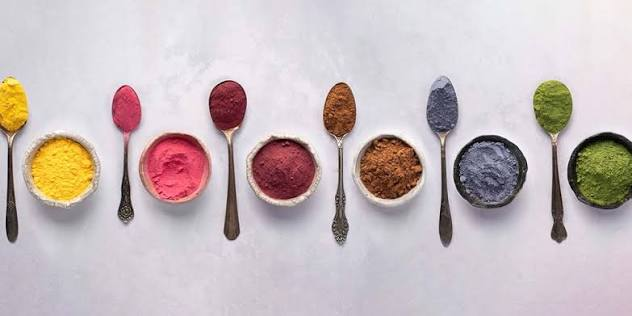
The food industry has undergone a significant transformation over the last few years. Consumers are no longer focused only on taste and appearance; they are also paying attention to ingredients, labels, and how products are made. This shift has fueled the demand for natural food colors, encouraging manufacturers to move away from synthetic additives and toward plant-based alternatives.
Among the many shades available in the natural color spectrum, natural green food coloring has gained substantial attention. Green is often associated with freshness, wellness, nature, and healthy eating, making it an increasingly valuable color in food and beverage applications.
The Growing Demand for Natural Food Colors
For decades, synthetic food colors dominated the market because they offered strong color intensity, stability, and cost efficiency. However, changing consumer preferences have altered the landscape significantly.
Several factors are driving the growth of natural food colors:
Clean-Label Trends
Consumers increasingly prefer products with simple and recognizable ingredient lists. Natural ingredients are often viewed as more transparent and trustworthy.
Health-Conscious Consumer Behavior
People are becoming more selective about the ingredients they consume, creating demand for naturally sourced alternatives.
Rise of Plant-Based Products
The growing popularity of vegan and plant-based foods has increased interest in natural ingredients, including food colors.
Regulatory Attention
In some regions, artificial colors face stricter regulations and increased consumer scrutiny, encouraging food brands to adopt natural solutions.
What Is Natural Green Food Coloring?
Natural green food coloring refers to green pigments extracted from naturally occurring plant or algae sources. These ingredients provide green shades without relying on synthetic dyes.
Common sources include:
- Spirulina
- Chlorophyll
- Spinach extract
- Matcha
- Parsley
- Alfalfa
- Chlorella
These sources can create a variety of shades, from soft leafy green tones to bright and vibrant blue-green colors.
Why Green Has Become Such an Important Food Color
Green carries strong psychological and emotional associations that influence consumer perception.
Consumers commonly associate green products with:
- Freshness
- Health and nutrition
- Natural ingredients
- Organic products
- Sustainability
- Plant-based lifestyles
Because of these associations, natural green food coloring has become increasingly important for food manufacturers seeking to create products that align with modern consumer expectations.
Applications of Natural Green Food Coloring
Natural green food coloring is now widely used across multiple food and beverage categories.
Beverages
Smoothies, juices, sports drinks, wellness beverages, and mint-based drinks frequently use green coloring.
Bakery Products
Cakes, cookies, frostings, macarons, fillings, and decorative toppings use natural green shades for visual appeal.
Dairy Products
Ice cream, yogurt, flavored milk products, and dairy desserts often incorporate green colors for unique product positioning.
Confectionery
Candies, gummies, chewing gums, chocolates, and jellies frequently utilize natural green pigments.
Savory Foods
Sauces, dips, pasta products, seasonings, and ready meals benefit from green shades that communicate freshness.
Benefits of Natural Green Food Coloring
Supports Clean Labels
Natural green color sources align with ingredient transparency and consumer expectations.
Strong Consumer Acceptance
Plant-based ingredients often create stronger trust than synthetic additives.
Versatile Across Applications
Natural green food coloring can be adapted for beverages, bakery, dairy, confectionery, and savory foods.
Plant-Based Compatibility
Most green color sources support vegan and vegetarian formulations.
Positive Brand Image
Natural ingredients can help brands position products as healthier and more sustainable.
Challenges of Using Natural Green Food Coloring
While natural green solutions offer many advantages, they can also present formulation challenges.
Heat Sensitivity
Some natural pigments may degrade during high-temperature processing.
Light Stability
Exposure to light can gradually reduce color intensity.
pH Sensitivity
Acidic environments may alter shade performance in certain products.
Flavor Impact
Certain plant extracts can introduce mild flavor notes if not carefully formulated.
Food color manufacturers continue developing advanced stabilization techniques to address these issues and improve overall performance.
The Future of Natural Green Food Coloring
The future of natural food colors appears increasingly promising. Consumers are actively seeking products that offer transparency, sustainability, and recognizable ingredients.
As research and innovation continue advancing, natural green food coloring is expected to become even more stable, versatile, and cost-effective for food manufacturers.
Improvements in extraction methods, encapsulation technologies, and formulation techniques will likely expand its use across broader applications.
Final Thoughts
Natural food colors have become an important part of modern food innovation, and natural green food coloring is emerging as one of the fastest-growing categories in this space.
Its association with health, freshness, and nature makes it especially attractive for brands looking to meet changing consumer expectations. While formulation challenges still exist, ongoing advancements in food technology continue making natural green solutions more practical and effective.
As the clean-label movement gains momentum, natural green food coloring is helping shape a future where food products are not only visually appealing but also aligned with consumer values and ingredient transparency.

More Login Website Access Control: URL Allowlist and Blocklist Rules for Teams

Portable Protection: Discover the Best Shade Tarps for Camping

The Only Number That Matters: How to Compare Research Peptide Prices in the UK

Who Is Shameera? All You Need To Know About Charli XCX’s Mother

Who Is Gulliver Flynn Oldman? The Untold Story of Sir Gary Oldman’s Son

Meet Rosemary Turner: The Mother of Actor Callum Turner
-
Biographies8 months ago
Who Is Shameera? All You Need To Know About Charli XCX’s Mother
-
Biographies8 months ago
Who Is Gulliver Flynn Oldman? The Untold Story of Sir Gary Oldman’s Son
-
Biographies9 months ago
Meet Rosemary Turner: The Mother of Actor Callum Turner
-

 Biographies7 months ago
Who is Alexandra James? Inside The Life of Jeremy Clarkson’s Former Partner
-
 Biographies9 months ago
Who is Todd McRae? Meet Tate McRae’s Father
-
 Biographies8 months ago
Who Is Daniel Mara? The Untold Story of Kate Mara’s Private Sibling
-
 Celebrity9 months ago
Who Is Peter Hernandez? The Real Story of Bruno Mars’ Father
-
 Biographies9 months ago
Who Was Adrian Mayers? The Untold Life of A$AP Rocky’s Late Father