
Food
How to discover local culture through food, crafts, and shopping


Discovering local culture involves much more than visiting famous landmarks. The identity of a destination can often be found in its flavours, materials, everyday objects and commercial traditions. Regional dishes reveal how communities have adapted to their landscape, while handmade crafts preserve skills passed down through generations. Markets, workshops and independent shops also provide valuable insights into local tastes and customs.
By paying attention to food, crafts, and shopping, a journey can become a more informed way of discovering the people and traditions that shape a place.
Experience a destination through its traditional food
Food is one of the most accessible ways to understand a region. Recipes are influenced by geography, climate, agriculture, migration and historical trade, making traditional food an important expression of cultural identity.
Coastal communities may rely heavily on seafood, while inland areas often develop dishes based on grains, meat, vegetables or preserved ingredients. Rather than choosing only internationally familiar meals, exploring regional specialities can reveal how local communities use seasonal produce and maintain long-established culinary traditions.
Food can also show how different periods of history have influenced a region. Ingredients introduced through trade or migration may eventually become part of what is considered traditional local cuisine.
Visit local markets and independent food shops
Local markets offer a direct view of everyday life. Fresh fruit, vegetables, bread, cheese, spices and prepared dishes can reflect the agricultural character of the surrounding area. These spaces are also useful for observing how ingredients are selected, displayed and discussed.
Shopping at local food markets, bakeries and family-run delicatessens can provide a different perspective from relying exclusively on large supermarkets or businesses concentrated around major tourist attractions. The conversations, seasonal products and way goods are presented can reveal details about local habits that are easy to miss when travelling only between major sights.
Learn the stories behind regional dishes
A meal becomes more culturally significant when its origins are understood. Many local dishes are connected to religious celebrations, agricultural cycles, historical periods or family customs.
Some recipes developed from the need to avoid waste, while others were created for weddings, festivals or important community events. Asking about ingredients and preparation methods can uncover stories that would otherwise remain unnoticed.
This makes regional cuisine more than a dining experience. It can also be a way of learning about history, social habits and the practical circumstances in which particular foods developed.
Explore traditional crafts and creative workshops
Craft traditions often reveal how communities have used the natural resources available to them. Ceramics, textiles, woodwork, metalwork, leather goods and decorative objects can all reflect regional techniques and visual styles.
Visiting a workshop or artisan studio makes it possible to see the time and knowledge required to produce an object by hand. It also helps distinguish genuine local craftsmanship from mass-produced items designed to resemble traditional products.
In many places, traditional techniques have not disappeared but have instead been adapted to contemporary products. A ceramic workshop, for example, may continue to use regional forms or methods while producing objects intended for modern homes rather than purely decorative souvenirs.
Discover local culture through shopping
Shopping can become a cultural activity when attention is given to the origin, design and references behind a product. In Sicily, for example, clothing, accessories and decorative objects frequently reinterpret elements associated with the island, from its food and architecture to traditional imagery.
Travellers researching what to buy in Sicily will find that the choice extends well beyond conventional souvenirs. Local ceramics, food products, textiles, jewellery, decorative objects and contemporary design can all offer different ways of interpreting the region.
One example is Le Siciliane, a Palermo-based clothing and accessories brand whose designs reinterpret Sicilian imagery through contemporary graphics, photography and illustration. Its collections include T-shirts, silk scarves, fans and other accessories featuring references to subjects such as lemons, prickly pears, traditional sweets and Sicilian decorative motifs.
The approach is different from simply reproducing a photograph on a garment. Familiar elements of Sicilian culture are combined with original visual interpretations, making the products closer to contemporary design objects than to conventional tourist merchandise.
Support local artisans and independent businesses
Purchasing directly from local producers can help preserve specialist knowledge and strengthen smaller businesses. Independent shops, artists and craftspeople often invest more time in sourcing materials, developing original designs and maintaining regional techniques.
Supporting them contributes to the continuity of traditional skills that may otherwise disappear under pressure from cheaper mass production. It can also lead to a more informative shopping experience, as producers are often able to explain how an item was made, what inspired it and how it relates to the surrounding area.
Independent businesses can also provide products that are difficult to find elsewhere. In smaller towns, a local shop or workshop may offer objects that have a much more specific connection with the area than products distributed throughout the country.
Observe how traditional designs are reinterpreted
Culture is not static, and traditional symbols frequently acquire new meanings through contemporary design. Artists and brands may use historic patterns, regional ingredients or familiar characters in photography, fashion and illustration.
These reinterpretations demonstrate how heritage can remain visible without being presented as something purely historical. Examining the relationship between old and new can therefore provide a deeper understanding of modern local identity, particularly in places where creative industries are closely connected to tourism and regional storytelling.
Sicily provides many examples of this process. Traditional ceramics, food imagery, religious symbols, decorative patterns and elements of popular culture continue to appear in contemporary products, although their forms and uses may change.
Look beyond the main tourist streets
Shopping away from the most visited areas can sometimes reveal a different side of a destination. Independent boutiques, specialist food shops, craft studios and small galleries are often found outside the streets where international chains and large souvenir shops are concentrated.
This does not necessarily mean avoiding tourist areas altogether. Rather, combining the main attractions with a few smaller businesses can provide a broader picture of how local commerce works and which products are actually being designed and sold in the region.
The same principle applies to food and crafts: a traditional market, family-run restaurant or small workshop can provide information that is difficult to obtain from a standard tourist itinerary.
Connect what you buy with what you have seen
The most memorable travel purchases are often connected to something encountered during the journey: a conversation at a market, a visit to a studio, a regional meal or the discovery of an unfamiliar technique.
An object becomes more interesting when its design, materials or use can be connected to something seen in the surrounding area. A ceramic piece may recall the decoration of a particular town, a food product may reflect local agriculture, while a clothing design may reinterpret an image encountered during the trip.
Approaching local food, crafts and shopping with curiosity makes it possible to move beyond superficial tourism and develop a more informed appreciation of a region’s history, creativity and everyday life. The things people produce and sell are often as revealing as the monuments and museums that initially attract visitors.


The food industry has undergone a significant transformation over the last few years. Consumers are no longer focused only on taste and appearance; they are also paying attention to ingredients, labels, and how products are made. This shift has fueled the demand for natural food colors, encouraging manufacturers to move away from synthetic additives and toward plant-based alternatives.
Among the many shades available in the natural color spectrum, natural green food coloring has gained substantial attention. Green is often associated with freshness, wellness, nature, and healthy eating, making it an increasingly valuable color in food and beverage applications.
The Growing Demand for Natural Food Colors
For decades, synthetic food colors dominated the market because they offered strong color intensity, stability, and cost efficiency. However, changing consumer preferences have altered the landscape significantly.
Several factors are driving the growth of natural food colors:
Clean-Label Trends
Consumers increasingly prefer products with simple and recognizable ingredient lists. Natural ingredients are often viewed as more transparent and trustworthy.
Health-Conscious Consumer Behavior
People are becoming more selective about the ingredients they consume, creating demand for naturally sourced alternatives.
Rise of Plant-Based Products
The growing popularity of vegan and plant-based foods has increased interest in natural ingredients, including food colors.
Regulatory Attention
In some regions, artificial colors face stricter regulations and increased consumer scrutiny, encouraging food brands to adopt natural solutions.
What Is Natural Green Food Coloring?
Natural green food coloring refers to green pigments extracted from naturally occurring plant or algae sources. These ingredients provide green shades without relying on synthetic dyes.
Common sources include:
- Spirulina
- Chlorophyll
- Spinach extract
- Matcha
- Parsley
- Alfalfa
- Chlorella
These sources can create a variety of shades, from soft leafy green tones to bright and vibrant blue-green colors.
Why Green Has Become Such an Important Food Color
Green carries strong psychological and emotional associations that influence consumer perception.
Consumers commonly associate green products with:
- Freshness
- Health and nutrition
- Natural ingredients
- Organic products
- Sustainability
- Plant-based lifestyles
Because of these associations, natural green food coloring has become increasingly important for food manufacturers seeking to create products that align with modern consumer expectations.
Applications of Natural Green Food Coloring
Natural green food coloring is now widely used across multiple food and beverage categories.
Beverages
Smoothies, juices, sports drinks, wellness beverages, and mint-based drinks frequently use green coloring.
Bakery Products
Cakes, cookies, frostings, macarons, fillings, and decorative toppings use natural green shades for visual appeal.
Dairy Products
Ice cream, yogurt, flavored milk products, and dairy desserts often incorporate green colors for unique product positioning.
Confectionery
Candies, gummies, chewing gums, chocolates, and jellies frequently utilize natural green pigments.
Savory Foods
Sauces, dips, pasta products, seasonings, and ready meals benefit from green shades that communicate freshness.
Benefits of Natural Green Food Coloring
Supports Clean Labels
Natural green color sources align with ingredient transparency and consumer expectations.
Strong Consumer Acceptance
Plant-based ingredients often create stronger trust than synthetic additives.
Versatile Across Applications
Natural green food coloring can be adapted for beverages, bakery, dairy, confectionery, and savory foods.
Plant-Based Compatibility
Most green color sources support vegan and vegetarian formulations.
Positive Brand Image
Natural ingredients can help brands position products as healthier and more sustainable.
Challenges of Using Natural Green Food Coloring
While natural green solutions offer many advantages, they can also present formulation challenges.
Heat Sensitivity
Some natural pigments may degrade during high-temperature processing.
Light Stability
Exposure to light can gradually reduce color intensity.
pH Sensitivity
Acidic environments may alter shade performance in certain products.
Flavor Impact
Certain plant extracts can introduce mild flavor notes if not carefully formulated.
Food color manufacturers continue developing advanced stabilization techniques to address these issues and improve overall performance.
The Future of Natural Green Food Coloring
The future of natural food colors appears increasingly promising. Consumers are actively seeking products that offer transparency, sustainability, and recognizable ingredients.
As research and innovation continue advancing, natural green food coloring is expected to become even more stable, versatile, and cost-effective for food manufacturers.
Improvements in extraction methods, encapsulation technologies, and formulation techniques will likely expand its use across broader applications.
Final Thoughts
Natural food colors have become an important part of modern food innovation, and natural green food coloring is emerging as one of the fastest-growing categories in this space.
Its association with health, freshness, and nature makes it especially attractive for brands looking to meet changing consumer expectations. While formulation challenges still exist, ongoing advancements in food technology continue making natural green solutions more practical and effective.
As the clean-label movement gains momentum, natural green food coloring is helping shape a future where food products are not only visually appealing but also aligned with consumer values and ingredient transparency.

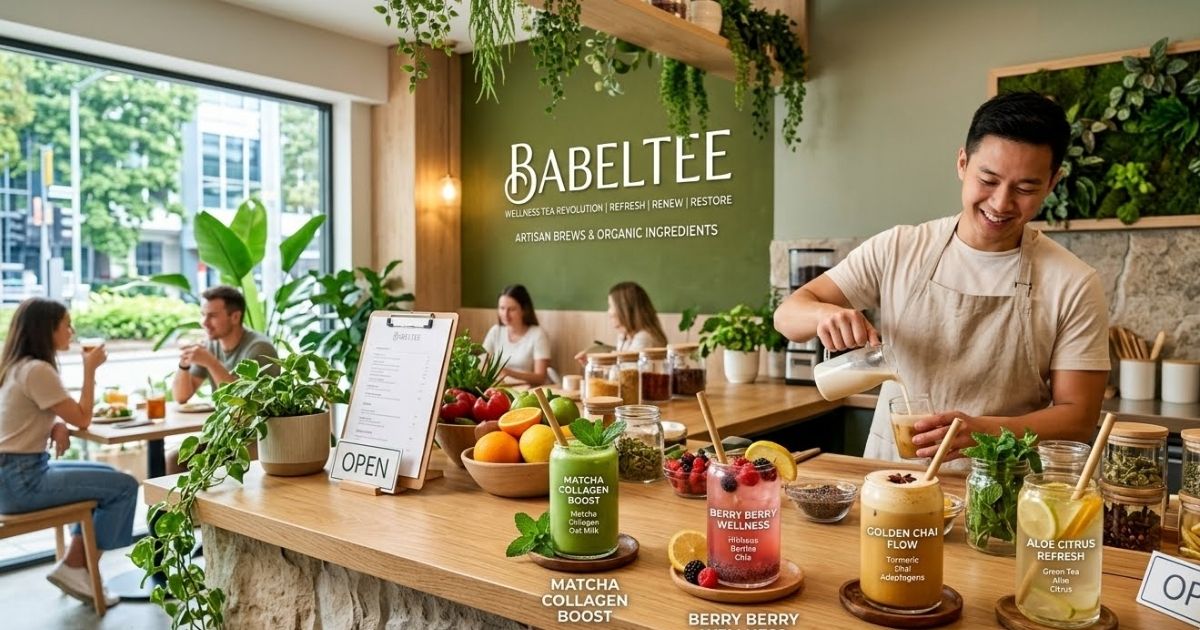
The global beverage industry is constantly evolving, but few trends have transformed as rapidly and meaningfully as Babeltee. This modern tea movement is not just a drink; it represents a complete shift in how people perceive bubble tea. Instead of being known for sugary indulgence, it now stands as a symbol of health, customization, and lifestyle innovation.
Rooted in traditional Taiwanese tea culture, Babeltee takes the familiar concept of bubble tea and rebuilds it with clean ingredients, plant-based alternatives, and functional nutrition. It speaks directly to a new generation of consumers who value both taste and wellness. As a result, it has become one of the most talked-about beverage trends of 2026.
The Historical Roots Behind Modern Tea Innovation
To understand Babeltee, it is important to look at its origins. Traditional bubble tea emerged in Taiwan, where the term “bubble” originally referred to the frothy foam formed by shaking tea. Over time, tapioca pearls became the defining feature, creating the drink we know today as boba.
A notable historical moment came from a decade-long legal dispute between Chun Shui Tang and Hanlin Tea Room. Both claimed to have invented pearl milk tea, but the court eventually ruled it a shared cultural creation. This decision highlighted the collective nature of tea innovation and laid the groundwork for modern reinterpretations.
Today, this legacy continues through global celebrations like National Bubble Tea Day on April 30, showing how deeply embedded the culture has become.
What Makes Babeltee Different From Traditional Bubble Tea
The defining feature of Babeltee lies in its transformation of ingredients and purpose. Traditional bubble tea often relies on artificial powders, heavy syrups, and dairy fats. In contrast, this modern approach removes those elements and replaces them with cleaner, more natural alternatives.
High-fructose corn syrup is replaced with stevia, raw honey, or fruit purees. Powdered creamers give way to oat milk, almond milk, and coconut cream. Even the toppings evolve, with konjac jelly and aloe vera offering lighter alternatives to dense tapioca pearls.
This shift is not just about taste. It changes the entire nutritional profile of the drink, reducing calories, lowering sugar levels, and making it suitable for a wider range of diets, including vegan and lactose-free lifestyles.
The Role of Premium Ingredients in Shaping the Trend
One of the strongest pillars of Babeltee is its commitment to quality. Instead of using generic tea bases, it focuses on premium ingredients such as ceremonial matcha, loose-leaf oolong, and jasmine infusions. These tea bases provide not only better flavor but also higher antioxidant content.
Plant-based milks play a crucial role in achieving a creamy texture without relying on dairy. Barista-grade oat milk and almond milk are carefully selected to froth well and blend smoothly with tea concentrates.
Even sweeteners are treated with care. Natural alternatives ensure that the drink maintains a balanced taste while avoiding sharp spikes in blood sugar. This attention to detail is what sets the movement apart from traditional offerings.
Functional Nutrition and the Rise of Smart Tea
Modern consumers no longer see beverages as just refreshments. They expect added value, and Babeltee delivers through functional ingredients. Adaptogens like ashwagandha and lion’s mane mushroom are included to support stress management and mental clarity.
Probiotics and collagen alternatives are also becoming common additions, turning tea into a wellness supplement. These ingredients align with the broader trend of functional nutrition, where every sip contributes to overall health.
Technology further enhances this experience. In advanced tea boutiques, apps can analyze fitness tracker data and recommend personalized drink combinations. This integration of health data with beverage customization reflects a new era of smart living.
Market Growth and Consumer Demand
The rapid rise of Babeltee is backed by strong market data. The global industry surrounding this modern tea movement is projected to reach a value of 5.62 billion dollars by 2034. This growth is largely driven by younger consumers, particularly those aged between 20 and 29.
Surveys indicate that over 94 percent of this demographic purchases modern tea drinks at least once a month. This consistent demand shows that the trend is not temporary but deeply rooted in changing consumer preferences.
The willingness to pay more also reflects its perceived value. Drinks in this category are typically priced 20 to 30 percent higher than traditional bubble tea, yet customers continue to embrace them due to their quality and health benefits.
Key Brands Driving the Global Movement
Several brands have played a major role in shaping the Babeltee landscape. On the West Coast of the United States, Boba Guys has become a leading name, known for its focus on organic milk and loose-leaf tea.
On the East Coast, Heytea offers highly customizable menus that appeal to urban consumers. Meanwhile, global chains like Gong Cha and CoCo Fresh Tea & Juice have expanded their reach by adapting to health-conscious trends.
Other brands such as Tiger Sugar and Xing Fu Tang contribute to the cultural and visual identity of modern tea through unique preparation styles and aesthetics.
Geographic Expansion and Urban Hubs
The movement is especially strong in major urban centers. In the United States, California acts as a major hub, with cities like Los Angeles and the San Francisco Bay Area leading the trend. New York follows closely, with dense clusters of premium tea boutiques in Manhattan and Brooklyn.
Globally, the trend continues to expand into Europe, the Middle East, and Asia-Pacific regions. Cities such as Dubai have seen a surge in high-end tea shops that focus on wellness and sustainability.
This global reach shows that Babeltee is not confined to one culture. Instead, it adapts to different markets while maintaining its core principles of health and innovation.
Pricing Structure and Consumer Experience
The pricing of Babeltee reflects its premium positioning. Standard high-grade teas typically range from 5.50 to 6.50 dollars, while signature lattes can reach up to 7.95 dollars. Functional wellness blends often exceed 8 dollars due to the inclusion of adaptogens and specialized ingredients.
Add-ons such as plant-based milks or low-calorie toppings come at an additional cost, usually between 0.75 and 1.25 dollars. Despite the higher price, consumers appreciate the transparency and quality of the ingredients.
The overall experience goes beyond the drink itself. From digital ordering systems to personalized menus, every aspect is designed to enhance convenience and satisfaction.
Sustainability and Eco-Friendly Innovations
Sustainability is another key driver behind the popularity of Babeltee. The movement actively addresses environmental concerns by reducing the use of plastic and promoting biodegradable materials.
Many cafes now use seaweed-based cups, bamboo straws, and compostable packaging. These innovations align with the values of younger consumers, who prioritize environmentally responsible choices.
By combining sustainability with premium quality, the trend creates a strong emotional connection with its audience.
Consumer Feedback and Taste Experience
Customer feedback plays a significant role in shaping the evolution of Babeltee. Most consumers describe the flavor as lighter and cleaner compared to traditional bubble tea. The use of high-grade tea leaves allows subtle notes to shine through, creating a more refined taste.
Plant-based milk options are particularly well-received, with many customers reporting improved digestion and less bloating. However, not all feedback is entirely positive. Some traditionalists feel that alternative toppings do not replicate the classic “QQ texture” of tapioca pearls.
Despite these minor concerns, the overall satisfaction rating remains high, averaging around 4.5 out of 5 stars.
The Evolution of Texture and Toppings
Texture has always been a defining feature of bubble tea, and Babeltee reimagines it in creative ways. While traditional tapioca pearls remain available, many consumers now prefer lighter options such as konjac jelly, aloe vera, and chia seeds.
Popping boba made with agar-agar introduces a new sensory experience by releasing real fruit juice when bitten. This innovation adds both flavor and visual appeal to the drink.
The shift toward healthier textures reflects a broader movement toward balanced indulgence, where enjoyment and nutrition coexist.
At-Home Experience and Retail Expansion
The popularity of Babeltee has extended beyond cafes into retail and home preparation. Ready-to-drink products from brands like Joyba are now available in grocery stores, offering convenience without compromising on quality.
At-home kits have also gained traction, allowing consumers to recreate the experience using clean ingredients. These kits are accessible through major platforms such as Amazon and Walmart, making the trend more accessible than ever.
This expansion into retail ensures that the movement continues to grow beyond urban centers.
The Future of Smart and Functional Tea
Looking ahead, the future of Babeltee lies in further integration with technology and health science. AI-driven recommendation systems are expected to become more advanced, offering highly personalized drink profiles based on individual needs.
Functional ingredients will also continue to evolve, with new botanicals and supplements being introduced. This ongoing innovation will keep the trend fresh and relevant in a competitive market.
As consumers become more health-conscious, the demand for beverages that combine taste, nutrition, and convenience will only increase.
Conclusion: Why Babeltee Is More Than a Trend
Babeltee represents a fundamental shift in beverage culture. It takes a beloved traditional drink and transforms it into a modern, wellness-focused experience that aligns with the values of today’s consumers.
By combining premium ingredients, functional benefits, and technological innovation, it offers more than just refreshment. It provides a lifestyle choice that balances indulgence with health and sustainability.
As the market continues to grow and evolve, this movement is set to redefine how people experience tea around the world.
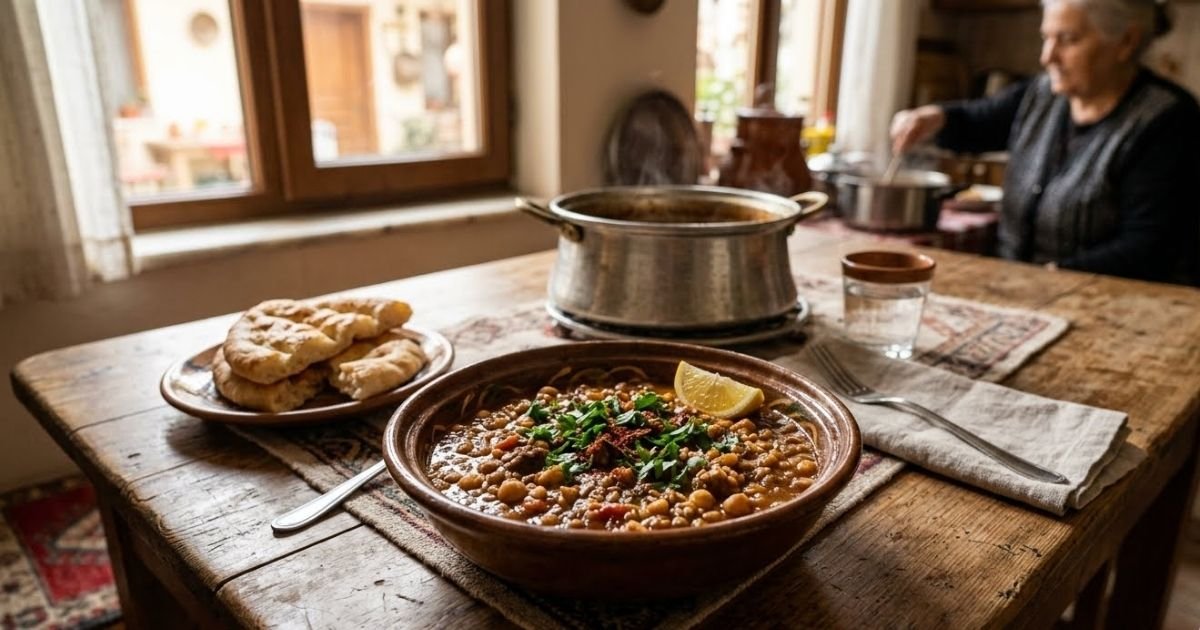
Cevurı stands as one of the most intriguing yet lesser-known treasures of traditional Turkish cuisine. Rooted deeply in the rural landscapes of Anatolia, this slow-cooked stew reflects centuries of survival, culture, and culinary wisdom. Unlike modern fast meals, it celebrates patience, simplicity, and nourishment. With its rich blend of meat, grains, and vegetables, Cevurı offers both comfort and nutrition, making it increasingly relevant in today’s world of sustainable and mindful eating.
The Origins of Cevurı
Cevurı originates from the rugged interior regions of Anatolia, where harsh winters and limited resources shaped the way people cooked. Rural families developed this dish as a practical solution to combine available ingredients into one filling meal. Over time, it evolved into more than just food. It became a symbol of resilience and community.
Villagers often prepared this dish in large clay pots and shared it during gatherings, family events, and seasonal celebrations. The long cooking time encouraged social interaction, as people would gather around the fire while the meal slowly developed its flavor. In many ways, Cevurı represents the spirit of Anatolian hospitality and togetherness.
Understanding the Unique Texture and Flavor
One of the defining features of this dish is its thick and binding texture. Unlike soups, it forms a dense consistency that resembles a savory porridge. This happens because the starch from grains blends with the juices released by the meat during slow cooking.
The flavor is deep and layered. Aromatics like onions and garlic create a strong base, while tomatoes and peppers add richness and balance. Spices such as cumin and paprika enhance the earthy tones, resulting in a meal that feels both simple and complex at the same time. Every spoonful carries the essence of slow cooking and natural ingredients.
Core Ingredients That Define the Dish
The strength of this traditional stew lies in its simplicity. It uses ingredients that are widely available yet highly nutritious. Meat plays a central role, usually lamb or beef, chosen for its ability to become tender over long cooking periods. Legumes such as chickpeas and lentils provide additional protein and texture.
Grains like bulgur wheat contribute structure and help create the thick consistency. Vegetables including tomatoes, onions, and peppers bring freshness and essential nutrients. Olive oil or natural animal fat adds richness, while spices complete the flavor profile.
This combination results in a balanced meal that covers protein, carbohydrates, fats, and fiber in a single serving.
Traditional Cooking Method and Technique
The preparation process follows a slow and careful approach. First, cooks heat olive oil or animal fat in a heavy pot, often made from clay. They sauté onions and garlic until fragrant, building the foundation of flavor. Next, they add cubed meat and allow it to brown lightly, sealing in the juices.
After this, vegetables are introduced and cooked until soft, forming a rich base. Grains or legumes are then mixed in, absorbing the flavors already present. Finally, water or bone broth is added, and the dish is left to simmer on low heat for several hours.
This slow cooking method breaks down tough fibers in the meat and allows all ingredients to blend into a unified, hearty stew. The result is tender meat and a thick, satisfying texture that defines the dish.
Nutritional Value and Health Benefits
This traditional meal aligns perfectly with modern nutritional principles. It offers a balanced mix of macronutrients, making it a complete one-pot solution. The protein content supports muscle repair and long-lasting satiety, while complex carbohydrates provide steady energy.
The vegetables used in the dish supply vitamins, minerals, and antioxidants that promote overall health. Olive oil contributes healthy fats that support heart function and improve nutrient absorption. The high fiber content from grains and legumes aids digestion and helps regulate blood sugar levels.
Because it avoids processed ingredients, it fits well into clean eating patterns and supports a sustainable lifestyle.
The Role of Cevurı in Rural Life
In Anatolian villages, this dish has always been more than a meal. It served as a survival tool during difficult seasons. Families used whatever ingredients they had on hand, turning leftovers into a nourishing dish that could feed many people.
It also played a role in social traditions. During winter gatherings or special events, large pots of stew were prepared and shared among neighbors. The act of cooking and eating together strengthened community bonds and preserved cultural identity.
Even today, this dish carries emotional value, reminding people of home, tradition, and shared experiences.
Linguistic Background and Common Confusion
The word itself often creates confusion. Many people mistake it for a similar Turkish word that means translation. While the two sound alike, they have completely different meanings. Linguists believe that the term may have roots in older Anatolian dialects, where pronunciation varied across regions.
In some rural contexts, the word has also been associated with mixing or combining elements, which aligns with the way the dish itself is prepared. This linguistic connection adds another layer of depth to its identity.
Modern Revival and Growing Popularity
In recent years, this traditional stew has started to gain attention again. The rise of the slow food movement has encouraged chefs to rediscover forgotten recipes and bring them back into modern kitchens. As a result, dishes like this are appearing in boutique restaurants and urban dining spaces.
Chefs are experimenting with presentation and ingredients while maintaining the core philosophy of slow cooking. This revival highlights the timeless appeal of traditional methods and proves that simple food can still be relevant in a modern setting.
Connection to Sustainable and Zero Waste Cooking
One of the strongest reasons for its renewed interest is its alignment with sustainability. The dish naturally supports zero waste cooking practices. It uses affordable cuts of meat that might otherwise go unused and combines them with pantry staples like grains and legumes.
This approach reduces food waste and makes efficient use of available resources. It also reflects a mindset that values simplicity and responsibility, which resonates with modern environmental concerns.
Serving Style and Traditional Pairings
Traditionally, this dish is served hot and shared directly from the cooking pot. It is often accompanied by flatbread, which helps scoop up the thick stew. Cooling side dishes provide balance and contrast to the rich flavors.
Yogurt-based sauces and fresh salads are commonly served alongside to cleanse the palate. These pairings enhance the overall dining experience and create a harmonious combination of textures and tastes.
Variations Across Regions
Although the core idea remains the same, different regions have developed their own variations. Some versions focus more on meat, while others rely heavily on vegetables and grains. In certain areas, cooks add herbs like mint or oregano to create a lighter flavor profile.
There are also vegetarian versions that replace meat entirely with legumes and vegetables. These adaptations show the flexibility of the dish and its ability to evolve based on local preferences and available ingredients.
Comparison with Similar Dishes
This traditional stew shares similarities with other slow-cooked meals around the world. Turkish clay pot dishes follow a similar cooking method, while roasted lamb dishes focus more on meat texture rather than thick consistency.
In South Asia, a dish like Haleem offers a comparable blend of meat, grains, and slow cooking. In North Africa, Tagine uses earthenware pots to achieve tender meat and rich flavors, though it often includes sweet elements.
These comparisons highlight a universal culinary principle where slow cooking transforms simple ingredients into deeply satisfying meals.
Challenges and Limitations
Despite its many strengths, the dish does have some limitations. The long cooking time makes it less suitable for busy lifestyles. It requires patience and attention, especially when prepared using traditional methods.
The dense texture and high calorie content may not appeal to those looking for lighter meals. Additionally, the need for constant stirring can make the cooking process demanding without modern equipment.
However, these challenges are part of what makes the dish authentic and unique.
Why Cevurı Matters Today
In a world dominated by fast food and convenience, this traditional meal offers a refreshing alternative. It reminds us of the value of time, care, and quality ingredients. It shows that good food does not need to be complicated or expensive.
By combining nutrition, culture, and sustainability, it provides a holistic approach to eating. It connects the past with the present and encourages people to rediscover the joy of cooking slowly.
Conclusion
Cevurı is more than just a dish. It is a reflection of history, culture, and human resilience. From its origins in rural Anatolia to its modern revival in contemporary kitchens, it continues to tell a story of simplicity and strength.
As people search for meaningful and nourishing food experiences, this traditional stew stands out as a timeless choice. It proves that the most powerful meals are often the ones that come from humble beginnings and carry the deepest traditions.

Stock, sales and margin on one page: how independent UK retailers are using Power BI

Verstopfte Toilette frei bekommen with Simple and Effective Methods

Turning AI Logo Generator Concepts Into a Simple Brand Guideline

Who Is Shameera? All You Need To Know About Charli XCX’s Mother

Who Is Gulliver Flynn Oldman? The Untold Story of Sir Gary Oldman’s Son

Meet Rosemary Turner: The Mother of Actor Callum Turner
-
Biographies8 months ago
Who Is Shameera? All You Need To Know About Charli XCX’s Mother
-
Biographies7 months ago
Who Is Gulliver Flynn Oldman? The Untold Story of Sir Gary Oldman’s Son
-
Biographies8 months ago
Meet Rosemary Turner: The Mother of Actor Callum Turner
-

 Biographies6 months ago
Who is Alexandra James? Inside The Life of Jeremy Clarkson’s Former Partner
-
 Biographies8 months ago
Who is Todd McRae? Meet Tate McRae’s Father
-
 Biographies7 months ago
Who Is Daniel Mara? The Untold Story of Kate Mara’s Private Sibling
-
 Celebrity8 months ago
Who Is Peter Hernandez? The Real Story of Bruno Mars’ Father
-
 Biographies8 months ago
Who Was Adrian Mayers? The Untold Life of A$AP Rocky’s Late Father