
Life Style
Water storage is not something people think about until there is a problem


Water storage is not something people think about until there is a problem. A building loses pressure, a factory runs dry in the middle of a shift, or a family opens the tap and nothing comes out. That is when the importance of having the right water tank becomes very clear.
In the UAE, this is a real concern. Temperatures cross 45°C for months at a time, water comes from desalination plants, and supply pressure varies significantly across different areas. Without a properly sized and well-built water tank, any home, building, or business is at risk.
Alpha Teknik Industries LLC has been supplying water tanks across the UAE for years. We manufacture plastic polyethylene tanks, GRP fiberglass tanks, and IBC tanks for residential, commercial, and industrial customers in Dubai, Abu Dhabi, Sharjah, and all other emirates. This guide will help you understand each product, compare your options, and make the right purchase decision.
What Is a Water Tank and Why Do You Need One in UAE
A water tank is a container built to store water for later use. It can be installed on a rooftop, placed at ground level, buried underground, or mounted on a platform depending on the application.
In the UAE specifically, water tanks serve two important functions. First, they store the water supplied by the municipal network so it is available even when supply pressure drops. Second, they act as a buffer during maintenance shutdowns or emergency situations where the main supply is cut.
Every villa, apartment building, hotel, school, hospital, and industrial plant in the UAE has at least one water tank. The question is never whether you need one. The question is which type suits your needs best.
Plastic Water Tank in UAE
The plastic water tank is the most common water storage solution in the UAE. It is made from polyethylene, a food-safe plastic that is lightweight, easy to install, and resistant to rust and corrosion. Most residential and small commercial properties across the UAE use polyethylene tanks because they are affordable, available in a wide range of sizes, and require very little maintenance.
Alpha Teknik manufactures polyethylene water tanks in both vertical and horizontal configurations. Vertical tanks are the most popular for rooftop installation because they take up less floor space. Horizontal tanks are preferred when height is limited or when the tank needs to be mounted on a vehicle or frame.
What Makes Alpha Teknik Plastic Tanks Different
The inner surface of every tank is made from food-grade polyethylene. This is important because it means the water stored inside is safe for drinking, cooking, and all household uses. There are no harmful chemicals leaching into the water from the tank walls.
The outer layer uses a UV-resistant black material. This blocks sunlight completely, which prevents algae growth inside the tank and protects the structure from degrading under intense UAE sun exposure.
Between the inner and outer walls, there is an insulating foam layer. This layer keeps water temperatures from rising too high during summer. Water stored in a tank without insulation can reach temperatures that make it unsafe and unpleasant to use.
The lid on every tank has a threaded seal. This keeps out dust, sand, and insects, which is especially important in the UAE’s desert environment, where fine sand particles can enter any uncovered container.
Plastic Water Tank Sizes and Prices in UAE
| Capacity | Liters | Price (AED) |
| 50 USG | 190L | 504 to 533 |
| 100 USG | 380L | 576 to 634 |
| 200 USG | 760L | 720 to 980 |
| 500 USG | 1,900L | 1,224 to 1,692 |
| 1,000 USG | 3,800L | 2,304 to 3,240 |
| 3,000 USG | 11,400L | 5,616 to 8,424 |
| 5,000 USG | 19,000L | 9,072 to 13,740 |
Who Should Buy a Plastic Water Tank
Plastic tanks are the right choice for villas, townhouses, low to mid-rise apartments, schools, mosques, retail shops, small warehouses, and farms with moderate water demand. If your daily water requirement is below 20,000 liters and you want a tank that installs quickly at a reasonable price, a polyethylene water tank is your best option.
GRP Water Tank in UAE
The GRP water tank is a completely different product built for a different set of requirements. GRP stands for Glass Reinforced Plastic, which is also known as fiberglass. The tank is made by combining layers of woven glass fiber with a thermoset resin, creating a material that is stronger than steel on a weight-for-weight basis and completely immune to corrosion.
GRP water tanks are used in applications where size, durability, and long-term performance matter more than upfront cost. Hotels, hospitals, industrial plants, water treatment facilities, government buildings, and large residential compounds across the UAE rely on GRP tanks because they last two to three times longer than plastic tanks and can be built to virtually any size.
Why GRP Water Tanks Are Worth the Investment
The biggest advantage of a GRP water tank is its lifespan. A well-maintained GRP tank lasts 25 to 30 years. That is nearly double the lifespan of a polyethylene tank. For any large-scale installation, the total cost of ownership over 20 years is significantly lower with GRP even though the initial price is higher.
The second advantage is scale. GRP tanks can be manufactured in panel form and assembled on site, which means there is almost no upper limit on capacity. Alpha Teknik supplies GRP tanks from 300 gallons all the way to 20,000 gallons and beyond for custom projects.
The third advantage is chemical resistance. GRP does not react with water, chlorine, or cleaning chemicals. This makes it the safest material for long-term potable water storage and for holding process water or industrial liquids that would degrade a metal or concrete container.
GRP tanks are also the preferred choice for underground installations. An underground GRP tank can withstand significant soil pressure and hydrostatic load without deforming, which is something polyethylene tanks cannot do reliably at large sizes.
GRP Water Tank Sizes and Prices in UAE
| Capacity | Type | Price (AED) |
| 300 USG | Aboveground | 1,278 |
| 1,000 USG | Vertical | 3,956 |
| 10,000 USG | Horizontal | 25,160 |
| 20,000 USG | Horizontal | 50,320 |
GRP Underground Water Tank Prices
| Capacity | Price (AED) |
| 300 USG | 1,515 |
| 1,000 USG | 3,812 |
| 20,000 USG | 54,640 |
Who Should Buy a GRP Water Tank
If you manage a hotel, hospital, industrial facility, large compound, or any project that requires more than 5,000 gallons of water storage, a GRP water tank is the right choice. It is also the correct choice when the tank will be installed underground or when you need a product that will perform reliably for more than 15 years without replacement.
IBC Tank in UAE
The IBC tank is a different kind of product altogether. IBC stands for Intermediate Bulk Container. It is not a fixed installation like a water tank. It is a portable liquid container designed for moving and temporarily storing bulk liquids in industrial and commercial environments.
A standard IBC tank holds exactly 1,000 liters. It consists of a rigid inner HDPE container surrounded by a galvanized steel cage, all mounted on a flat pallet base. This design makes it easy to move with a forklift or pallet jack, stack in a warehouse, and transport inside a shipping container.
IBC tanks are used across almost every industry in the UAE. Food manufacturers use them to transport ingredients. Chemical companies use them to ship solvents and cleaning agents. Construction sites use them for temporary water supply. Farms use them for liquid fertilizers. Logistics companies use them for bulk liquid cargo.
Key Features of the IBC Tank
The inner HDPE container is food-grade and chemical resistant. It can handle a wide range of liquids from drinking water to industrial chemicals depending on the liner specification.
The steel cage protects the container from physical damage during loading, transport, and stacking. Full IBC tanks can be stacked safely two to three units high, which makes efficient use of warehouse space.
At the base of every IBC tank there is a 2-inch butterfly valve. This allows the liquid to drain by gravity without any pump equipment. For high-volume dispensing operations, this is a significant convenience.
The pallet base is designed for standard forklift tines. A full 1,000-liter IBC tank weighs over 1,000 kilograms, so forklift compatibility is not optional. It is a core functional feature.
IBC tanks are also reusable. After each use they can be cleaned, inspected, and refilled. This makes them a cost-effective choice for any business that regularly handles bulk liquids.
IBC Tank Price in UAE
| Type | Capacity | Price (AED) |
| Standard IBC Tank | 1,000L | 1,584 |
Who Should Buy an IBC Tank
Any business that receives, stores, or distributes bulk liquids can benefit from IBC tanks. Food processors, chemical manufacturers, farms, construction companies, water delivery operations, and event management companies all use IBC tanks regularly. If your need is for a permanent fixed installation, a water tank or GRP tank is more appropriate. If your need involves movement, flexibility, or temporary storage, the IBC tank is the right tool.
How to Choose the Right Tank for Your Needs
The decision comes down to three things: how much water you need to store, whether the installation is permanent or temporary, and what your budget looks like.
For most residential customers and small businesses, a plastic polyethylene water tank is the most practical and cost-effective solution. It installs quickly, performs reliably in UAE conditions, and covers capacities up to 19,000 liters at a price that suits most budgets.
For large-scale commercial or industrial customers, a GRP water tank delivers the long service life, structural strength, and large capacity that the job requires. The higher upfront cost is justified by the 25 to 30 year lifespan and the reduced need for maintenance or replacement.
For businesses that handle bulk liquids as part of their operations, the IBC tank provides flexibility that a fixed water tank cannot offer. It moves where you need it, stores what you need it to store, and can be reused across many cycles.
| Your Situation | Best Choice |
| Residential rooftop storage | Plastic water tank |
| Small to mid commercial building | Plastic water tank |
| Hotel, hospital, large compound | GRP water tank |
| Underground installation | GRP underground tank |
| Bulk liquid transport or temp storage | IBC tank |
| Budget-sensitive installation | Plastic water tank |
| 20-plus year service life needed | GRP water tank |
Water Tank Maintenance in UAE
UAE’s heat and dust create conditions that accelerate wear on any water storage system. A few basic maintenance habits will extend the life of your tank significantly.
Clean the interior of your tank at least every six months. Sediment accumulates faster in warm water, and without regular cleaning, biofilm and algae can develop even in treated water supplies.
Check all fittings, valves, and inlet connections once a year. The heat cycling between day and night temperatures causes materials to expand and contract repeatedly, which can loosen connections over time.
Inspect the lid and seal regularly. A cracked or missing seal allows dust and insects to enter the tank, which contaminates the stored water and accelerates interior fouling.
For GRP tanks, have a professional inspect the interior coating every five years to check for any signs of delamination or surface wear. For IBC tanks, flush the container thoroughly before switching between different liquid types to avoid contamination.
Why Customers Choose Alpha Teknik in UAE
Alpha Teknik Industries LLC manufactures all products at our facility in Dubai Industries City. This means no import delays, no reliance on overseas supply chains, and direct accountability to every customer. When you buy from Alpha Teknik, you deal directly with the manufacturer.
All materials used are food-grade certified and tested for UAE climate conditions. Our tanks have been installed in Dubai, Abu Dhabi, Sharjah, Ajman, Ras Al Khaimah, Fujairah, and Umm Al Quwain across residential, commercial, government, and industrial projects.
We carry full stock of plastic tanks, GRP tanks, underground tanks, and IBC tanks. Most orders can be delivered within days, not weeks.
Frequently Asked Questions
What is the price of a water tank in UAE?
Plastic water tanks start from 504 AED for 190 liters. GRP fiberglass tanks start from 1,278 AED. The exact price depends on the size, material, and configuration you need.
What is a GRP water tank?
GRP stands for Glass Reinforced Plastic. It is a fiberglass composite tank that is stronger than steel by weight, completely corrosion-resistant, and built for long-term heavy-duty water storage. GRP tanks are the standard choice for hotels, hospitals, and industrial sites across the UAE.
What is an IBC tank used for?
An IBC tank is a 1,000-liter portable container used for transporting and temporarily storing bulk liquids including water, food-grade ingredients, chemicals, and agricultural products.
Which is better, plastic or GRP water tank?
For storage up to 5,000 USG, plastic tanks offer excellent value and performance. For larger capacities or longer service life requirements, GRP tanks are the better investment due to their 25 to 30 year lifespan and superior structural integrity.
How long does a water tank last in UAE?
Polyethylene tanks typically last 10 to 15 years. GRP tanks last 25 to 30 years. IBC tanks last 10 or more years with proper cleaning and maintenance between uses.
Do you deliver water tanks to Abu Dhabi and Sharjah?
Yes. Alpha Teknik delivers to all UAE emirates including Dubai, Abu Dhabi, Sharjah, Ajman, Ras Al Khaimah, Fujairah, and Umm Al Quwain.
Conclusion
Finding the right water storage solution in UAE is not complicated once you understand what each product is built for. A plastic water tank covers most residential and small commercial needs at an affordable price. A GRP water tank handles large-scale, long-term, and underground applications better than any alternative. An IBC tank gives industrial and commercial operations the portability and flexibility they need for bulk liquid handling.
Alpha Teknik manufactures all three products locally in Dubai and supplies them to customers across the entire UAE. If you are not sure which product is right for your project, call or message us
Call or WhatsApp: +971 50 281 4051
Email: support@alphateknik.ae
Location: Dubai Industries City, Phase 3, Warehouse K04 and K05


Fashion is rarely one-size-fits-all, and nowhere is that more evident than in the world of custom apparel. Whether you are dressing for a sun-soaked holiday, a casual weekend, or a branded team event, the right custom t-shirt can anchor your entire wardrobe. Today, more people are turning to personalised clothing not just as a novelty, but as a genuine expression of identity, culture, and lifestyle. The custom t-shirt industry has evolved dramatically, offering everything from bold graphic prints to minimalist designs that work across seasons and settings.
Why Custom T-Shirts Have Become a Wardrobe Staple
The humble t-shirt has always been a canvas for self-expression. From band merchandise in the 1970s to political slogans in the 1990s, printed tees have long carried cultural weight. What has changed in recent years is the accessibility of customisation. Advances in digital printing, screen printing, and embroidery technology mean that individuals, small businesses, and large organisations alike can produce high-quality custom garments without needing to order in the thousands. This democratisation of design has made the custom t-shirt one of the most versatile and sought-after items in modern fashion.
Beyond personal style, custom t-shirts serve a wide range of practical purposes. Sports teams use them to build unity and identity. Businesses use them as walking advertisements. Event organisers use them to create memorable experiences. Families use them for reunions and celebrations. In each case, the garment does more than cover the body — it communicates something meaningful about the wearer and the group they belong to.
The Influence of Travel and Climate on Custom Apparel Choices
One of the most interesting drivers of custom t-shirt demand is travel. When people visit warm-weather destinations or relocate to sunnier climates, their clothing choices shift significantly. Lightweight fabrics, breathable cuts, and vibrant prints become priorities. This is particularly relevant for destinations like Australia, where the climate demands a wardrobe built around comfort and versatility. Understanding what to wear in Australia reveals just how central the t-shirt is to everyday dressing in warm, active environments — and why so many travellers and residents seek out custom options that reflect both local culture and personal taste.
The connection between climate and custom apparel extends beyond practicality. Warm-weather fashion tends to embrace colour, pattern, and personality in ways that colder climates often suppress. A custom t-shirt designed for a beach holiday or an outdoor festival carries a different energy than one made for a corporate event — and the best custom apparel providers understand how to translate that energy into a finished product.
Tropical Prints and the Rise of Statement Tees
Few trends illustrate the expressive power of custom apparel better than the resurgence of tropical and Hawaiian-inspired prints. Once considered purely novelty items, bold floral and island-themed designs have made a significant comeback in mainstream fashion. According to a detailed look at the evolution of Hawaiian shirts in contemporary style, these prints have transcended their kitsch origins to become genuine fashion statements embraced by designers, celebrities, and everyday wearers alike. The same creative energy that drives Hawaiian shirt culture is now being channelled into custom t-shirt design, with individuals commissioning bespoke tropical prints that reflect their personal aesthetic.
This trend speaks to a broader shift in how people think about clothing. Rather than buying off-the-rack items that approximate their vision, more consumers are investing in pieces that are exactly what they want — in terms of colour, pattern, fit, and message. Custom t-shirts are uniquely positioned to meet this demand because they offer complete creative control without the complexity or cost of bespoke tailoring.
Designing a Custom T-Shirt That Stands Out
Creating a custom t-shirt that genuinely stands out requires more than uploading a logo or slogan. The most effective designs consider the relationship between artwork and garment — how the colours of the print interact with the fabric colour, how the placement of the design affects visual balance, and how the overall aesthetic aligns with the intended purpose of the shirt. Typography, illustration style, and print technique all play a role in determining whether a custom tee looks polished and intentional or rushed and generic.
For those without a background in graphic design, working with an experienced custom apparel provider is invaluable. The best providers offer design support alongside production, helping clients refine their ideas into print-ready artwork that translates beautifully onto fabric. This collaborative approach is what separates truly memorable custom t-shirts from forgettable ones.
Fast Turnaround Without Compromising Quality
One of the most common frustrations with custom apparel is the gap between what is promised and what is delivered — both in terms of quality and timing. Many providers offer attractive prices but struggle to meet deadlines or maintain consistent print quality across large orders. For businesses, event organisers, and individuals with firm timelines, this unreliability can be a serious problem. Fast Shirt Factory addresses this challenge directly by combining rapid production capabilities with a commitment to quality that does not waver under pressure. Their streamlined process ensures that custom t-shirts are produced efficiently and delivered on time, making them a trusted choice for customers who cannot afford to compromise on either speed or finish.
What to Look for in a Custom T-Shirt Provider
Choosing the right custom apparel partner involves evaluating several key factors. Print quality is paramount — the design should be crisp, vibrant, and durable enough to withstand repeated washing without fading or cracking. Fabric quality matters equally, as the best print in the world will not compensate for a shirt that feels uncomfortable or loses its shape after a few wears. Turnaround time, minimum order quantities, and customer service responsiveness are also critical considerations, particularly for time-sensitive projects.
Transparency is another important marker of a reliable provider. Clear pricing, honest timelines, and straightforward communication about what is and is not possible within a given budget all contribute to a positive customer experience. Providers who invest in these qualities tend to build long-term relationships with their clients rather than relying on one-off transactions.
Custom T-Shirts as a Long-Term Investment
It is worth reframing how we think about custom apparel. Rather than viewing a custom t-shirt as a disposable or purely functional item, consider it an investment in identity and communication. A well-designed, well-made custom tee can serve as a brand ambassador, a conversation starter, a team-building tool, or simply a piece of clothing that brings genuine joy to the person wearing it. When produced with care and intention, custom t-shirts have a longevity — both physical and cultural — that mass-produced garments rarely achieve.
Conclusion
The custom t-shirt sits at the intersection of fashion, identity, and practicality. Whether inspired by tropical travel aesthetics, team spirit, brand promotion, or pure creative expression, a thoughtfully designed custom tee has the power to communicate something genuine about the person or organisation behind it. As the industry continues to evolve — with faster production, better printing technology, and greater design accessibility — the barrier to creating truly exceptional custom apparel has never been lower. The key is choosing the right partner, one who understands that speed and quality are not opposites but complementary goals in the pursuit of great custom clothing.

Hair loss around the front of the scalp can be particularly noticeable. Even when the crown and back of the head still have plenty of hair, thinning around the hairline or temples can change the way your hairstyle looks and make certain styles more difficult to achieve.
For women dealing with this type of hair loss, a hairline topper can be a practical way to add coverage and fullness exactly where it is needed. Unlike a traditional topper designed to cover a larger area of the scalp, a hairline topper focuses primarily on the front of the head and can blend with your existing hair.
But is a hairline topper right for everyone? Not necessarily. The best option depends on where your hair is thinning, how much coverage you need, and how much natural hair you have available for blending.
What Is a Hairline Topper?
A hairline topper is a smaller type of hair topper designed specifically for areas such as the front hairline, temples, and sides of the forehead.
Because it covers a more limited area, the back and crown of your head remain uncovered. Your own hair can then be blended with the topper to create a fuller-looking hairline while maintaining a natural appearance.
Some hairline toppers use a halo-wire attachment instead of traditional clips. The thin wire sits around the head and helps hold the piece in place without requiring clips, glue, or combs. This can be particularly useful for people who want a lightweight attachment method or prefer to avoid placing tension directly on fragile hair around the hairline.
Who Can Benefit From a Hairline Topper?
1. Hair Loss Concentrated Around the Hairline
If most of your hair is still relatively full but the front hairline has become thinner, a small topper may provide the coverage you need without covering the rest of your head.
This can be helpful for women experiencing a receding hairline or reduced density around the forehead and temples. Instead of using a larger hairpiece to cover areas that do not need additional coverage, a hairline topper targets the area where you want more fullness.
2. Thinning at the Temples
Hair loss around the temples can be difficult to disguise, especially when wearing your hair away from your face.
A properly fitted hairline topper can add density to these areas and help create a more balanced transition between the front of the topper and your natural hair. For localized thinning, this type of targeted coverage may be more convenient than wearing a full wig.
3. Frontal Hair Loss Associated With FFA
Frontal Fibrosing Alopecia (FFA) commonly affects the frontal hairline and can also involve the temples. When hair loss is mainly concentrated in these areas while the rest of the scalp still has good coverage, a hairline topper may be worth considering.
For anyone experiencing ongoing or changing hair loss, however, product choice should be based on the current condition of the hair and scalp rather than the diagnosis alone.
4. Naturally Fine Hair at the Front
Not every thinning hairline is related to a specific hair-loss condition. Some women simply have less density around the front of their scalp due to genetics, aging, hormonal changes, or years of styling.
If you still have enough hair around the crown and back, a smaller topper can add the appearance of fullness without requiring full-head coverage.
When Should You Consider a Larger Topper Instead?
A hairline topper is designed for targeted coverage, so it may not be the best solution when hair loss extends significantly beyond the front of the head.
Hair Loss Across the Crown or Top of the Scalp
If thinning has progressed beyond the hairline and into the crown, a larger-base hair topper may provide better coverage.
The goal is to make sure the base of the topper covers the areas that actually need additional density. Choosing a piece that is too small can leave visible areas of thinning uncovered and make blending more difficult.
Widespread or Diffuse Hair Loss
For women experiencing thinning across a larger portion of the scalp, a small frontal piece may not provide enough coverage.
In this situation, consider a larger hair topper designed to cover more of the top of the head. If hair loss becomes more extensive and there is not enough natural hair available for blending or attachment, a wig may be a more suitable option.
What About Very Short Hair?
Your existing hair also matters.
Hair toppers generally work best when there is enough natural hair around the covered area to help with blending and styling. If the hair around your sides or front is extremely short, creating a seamless transition may be more challenging.
That does not automatically mean a topper is impossible. It simply means you may need to consider the attachment method, base design, and amount of coverage more carefully.
How to Choose the Right Hair Topper for Your Hair Loss
Once you know where your hair is thinning, the next step is choosing a topper that matches your coverage needs.
Consider these factors:
Coverage area: Measure the area where you need additional density rather than choosing a topper based only on appearance.
Base size: A larger base provides more coverage, while a smaller base can be lighter and more targeted.
Attachment method: Clips work well for many users, while a halo-wire or other attachment option may be preferable for those who want less tension around the hairline.
Hair color and texture: The closer the topper matches your natural hair, the easier it will be to blend.
Hair type: Human hair toppers offer more flexibility for styling and can be a good option when you want the piece to behave similarly to your own hair.
Hairline Topper vs. Full Wig: Which One Do You Need?
The simplest way to think about the difference is coverage.
If your main concern is a thinning hairline or temples while you still have sufficient hair throughout the rest of your head, a hairline topper may be enough.
If thinning extends across a larger area, a larger hair topper may make more sense. And when hair loss affects most or all of the scalp, a full wig can provide the comprehensive coverage that a small topper cannot.
There is no single solution that works for every stage of hair loss. Your ideal choice can change as your hair density and coverage needs change.
Final Thoughts
Hairline toppers can be a useful option for women who want targeted coverage around the front of the scalp without covering the entire head. They can add fullness to areas such as the hairline and temples while allowing your natural hair to remain visible elsewhere.
The key is to choose based on where your hair loss is located and how much coverage you actually need. A smaller topper can be a great fit for localized frontal thinning, while more extensive hair loss may call for a larger topper or a wig.
If you are unsure which option is right for you, consulting a professional can help you compare different base sizes, attachment methods, and hair types before making a decision.

Aldershot is a Hampshire town where residential neighbourhoods, military heritage, local shopping, railway connections and major roads sit within a compact urban area. New residents often find that understanding the town layout makes both daily travel and driving easier.
For newcomers, the main practical considerations are road layout, parking, public transport, town-centre access, local traffic restrictions and connections to surrounding towns. Aldershot also sits within Rushmoor Borough, alongside Farnborough and North Camp, creating several useful travel links across the area.
What Is It Like to Live in Aldershot?
Living in Aldershot provides access to local shops, schools, transport connections, parks and residential neighbourhoods within a relatively compact town. The town forms part of Rushmoor Borough and has direct connections with Farnborough and nearby Hampshire communities.
Aldershot has a strong military identity linked to the British Army, while the modern town includes residential developments, retail areas, community facilities and regeneration projects. Rushmoor Borough Council is also developing the town centre through projects that include new homes, retail space, public areas and student accommodation.
The town centre contains key facilities around High Street, Wellington Street, Union Street and Victoria Road. These areas also have pedestrianised sections, so newcomers benefit from checking vehicle access restrictions before driving directly into the central shopping area.
How Easy Is It to Drive Around Aldershot?
Driving around Aldershot is generally straightforward on local roads, but town-centre restrictions, roundabouts, parking controls and changing traffic conditions require attention.
Several roads connect Aldershot with surrounding areas. Important local routes include:
- A325, which provides connections through Aldershot and towards Farnborough.
- A323, which links Aldershot with surrounding Hampshire routes.
- Wellington Avenue, which connects the town centre with surrounding roads.
- Victoria Road, which provides access around the central area.
- High Street, where pedestrianisation affects vehicle access.
Rushmoor Borough Council identifies multiple roundabouts across Aldershot, including the NAAFI, Ordnance, Wellington and Willems roundabouts. These junctions form important points in the local road network and often demand the most attention from less experienced drivers.
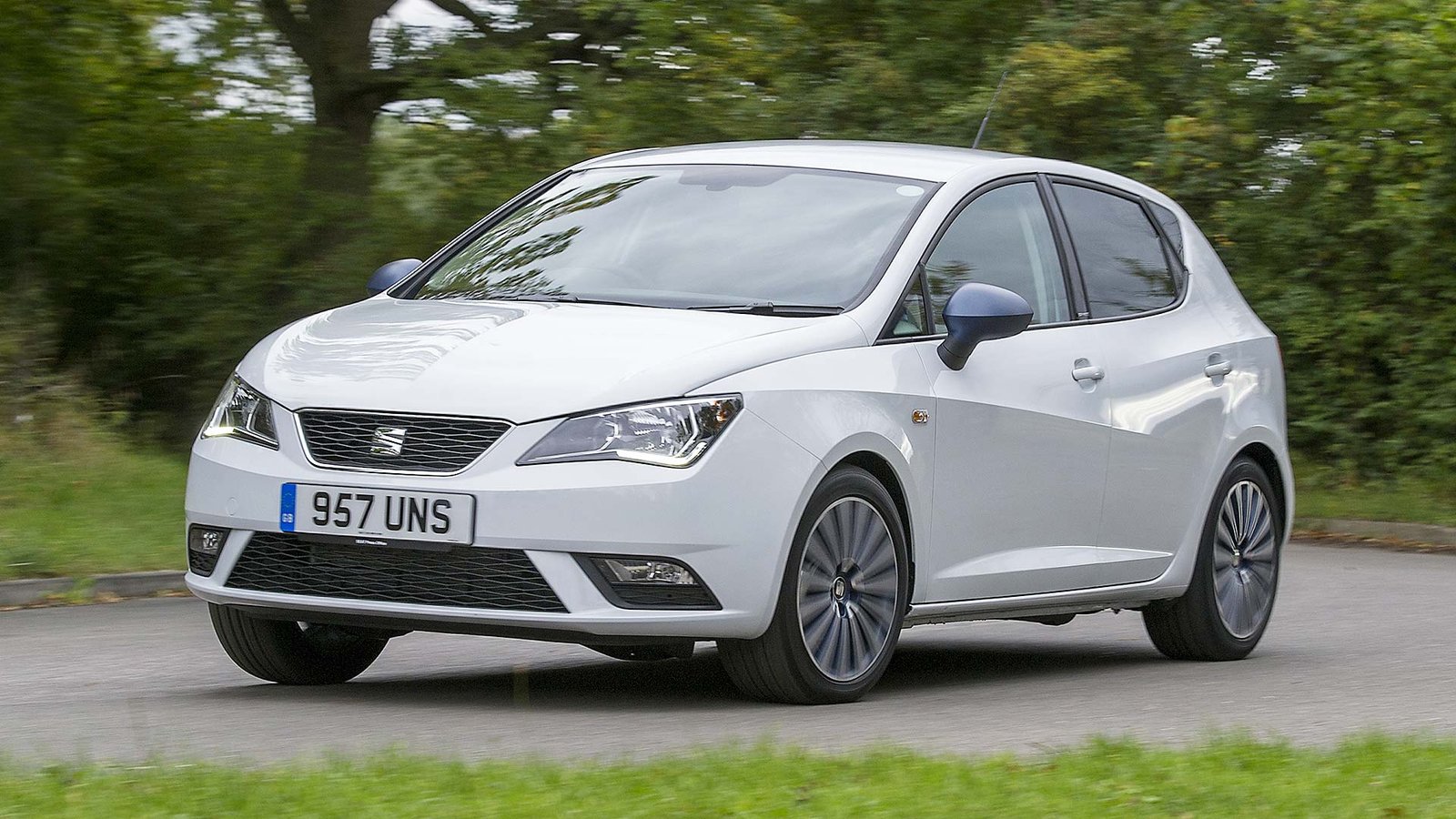
Drivers unfamiliar with Aldershot benefit from checking their route before travelling, particularly when a journey passes through the town centre. Building confidence on these specific junctions takes local practice, which is why learning to drive in Aldershot with an instructor who knows the NAAFI and Wellington roundabouts prepares new drivers for real local conditions before their test.
What Are the Main Driving Considerations in Aldershot?
The main driving considerations in Aldershot are speed limits, pedestrian areas, parking restrictions, roundabouts and traffic management. Hampshire County Council manages speed limits and traffic-calming schemes across Rushmoor, while Rushmoor Borough Council manages its own car parks.
Speed awareness is particularly relevant on residential roads. Rushmoor uses speed indicator devices to display vehicle speeds and encourage compliance with posted limits. In early 2026, monitoring on several 30 mph roads recorded average speeds ranging from 23.5 mph to 28.5 mph, depending on location.
New drivers also encounter different road environments within a short distance. A journey can move from residential streets to busier routes, roundabouts and town-centre traffic.
Where Can You Park in Aldershot?
Aldershot has council-managed car parks and controlled on-street parking areas across the town. Rushmoor Borough Council manages its car parks, while Hampshire County Council manages on-street parking, residents’ parking and other highway-related parking controls.
Council-listed car parks include:
- Birchett Road Car Park
- High Street Multi-Storey Car Park
- Princes Gardens Car Park
- Cross Street Car Park
- Union Street East Car Park
- Union Street West Car Park
- Westmead Car Park
- Parsons Barracks Car Park
Birchett Road Car Park provides 76 spaces, including 3 disabled spaces and 1 motorcycle bay. Princes Gardens Car Park provides 71 spaces, including 4 disabled spaces. Parking charges and maximum stays vary by location, so drivers can check the signs and current council information before leaving their vehicle.
Parking rules also prohibit stopping in marked restricted areas, disabled bays without the appropriate entitlement, yellow lines and other areas that create an obstruction.
What Is Driving Like Around Aldershot Town Centre?
Driving in Aldershot town centre requires particular attention because much of the centre is pedestrianised. Vehicle access is controlled through automatic bollards at several points, including Union Street, Wellington Street/High Street and Wellington Street/Victoria Road.
This arrangement affects delivery vehicles, private motorists and drivers unfamiliar with the central road layout. Some vehicle access requires advance arrangements with town-centre management.
For newcomers, the practical approach is simple: identify a suitable car park first, then walk to the pedestrianised shopping areas rather than assuming every central street permits normal vehicle access.
Can You Live in Aldershot Without Driving?
Yes, Aldershot can support car-free travel because the town has railway, bus, taxi, walking and cycling connections. Aldershot railway station is on Station Road and is managed by South Western Railway. The station provides step-free access to all platforms, lifts, cycle storage and a 207-space car park.
The railway station also connects with bus and taxi services. This gives residents alternatives for commuting, shopping and longer journeys.
A car remains useful for journeys involving outer residential areas, larger shopping trips, work locations outside the town or travel across Hampshire. However, the availability of public transport means car ownership is not the only transport option.
What Should New Drivers Know About Aldershot?
New drivers in Aldershot benefit from learning the local road hierarchy before tackling the busiest routes. Start by understanding residential streets, then practise larger junctions, roundabouts, town-centre approaches and multi-lane roads.
Useful local driving habits include:
- Check signs before entering restricted or pedestrianised areas.
- Observe speed limits on residential and main roads.
- Plan parking before entering the town centre.
- Watch pedestrians and cyclists around central streets.
- Approach roundabouts carefully and select the correct lane early.
- Check roadworks because traffic management can change local routes. Rushmoor Borough Council publishes information about current and planned roadworks across Aldershot and Farnborough.
These habits help newcomers understand Aldershot as a connected urban road network rather than a collection of individual streets.
Final Thoughts
Aldershot combines residential areas, a pedestrianised town centre, railway transport, local bus and taxi connections, controlled parking and several important road routes. Understanding the town layout, parking system and traffic restrictions makes living and driving in Aldershot more predictable.
For newcomers, the most useful starting points are Aldershot town centre, Aldershot railway station, A325, A323, Wellington Avenue and the main council car parks. Learning these connections first creates a practical foundation for travelling confidently around the town and the wider Rushmoor area.

From Sketch to Sign-Off: A Step-by-Step UX Prototyping Framework Used by Leading US Design Agencies

How do you choose the right metal for an engagement ring: platinum, gold or rose gold?

The Growing Interest in Peptides for Health and Wellness

Who Is Shameera? All You Need To Know About Charli XCX’s Mother

Who Is Gulliver Flynn Oldman? The Untold Story of Sir Gary Oldman’s Son

Meet Rosemary Turner: The Mother of Actor Callum Turner
-
Biographies8 months ago
Who Is Shameera? All You Need To Know About Charli XCX’s Mother
-
Biographies7 months ago
Who Is Gulliver Flynn Oldman? The Untold Story of Sir Gary Oldman’s Son
-
Biographies8 months ago
Meet Rosemary Turner: The Mother of Actor Callum Turner
-

 Biographies6 months ago
Who is Alexandra James? Inside The Life of Jeremy Clarkson’s Former Partner
-
 Biographies8 months ago
Who is Todd McRae? Meet Tate McRae’s Father
-
 Biographies7 months ago
Who Is Daniel Mara? The Untold Story of Kate Mara’s Private Sibling
-
 Celebrity8 months ago
Who Is Peter Hernandez? The Real Story of Bruno Mars’ Father
-
 Biographies8 months ago
Who Is Alvin Martin? All About the Whoopi Goldberg’s First Husband