
Blog
ForgeWorld: The Rise, Evolution, and Silent Transformation of Warhammer’s Most Elite Miniatures Empire

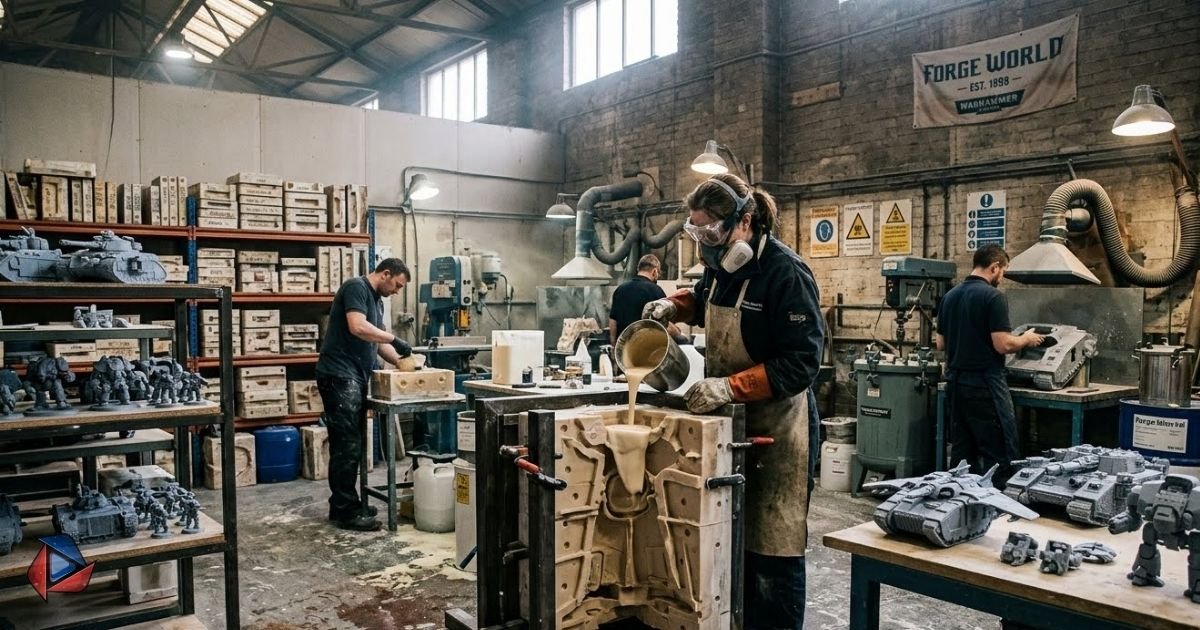
ForgeWorld has long stood as one of the most fascinating and influential divisions within the miniature wargaming industry. Created under the umbrella of Games Workshop, it served a very specific purpose: to deliver highly detailed, large-scale, and niche models that traditional plastic production could not support. While mainstream hobbyists relied on Citadel Miniatures, this specialized division targeted experienced collectors who wanted more complexity, deeper lore, and massive centerpiece kits.
Over time, the identity of ForgeWorld evolved dramatically. What began as a boutique powerhouse eventually merged back into its parent structure, reshaping how premium miniatures are produced and sold today.
The Origins of ForgeWorld and Its Founding Vision
ForgeWorld officially launched in October 1998, making its debut in White Dwarf Issue 226. It was largely conceptualized by John Stallard and guided operationally by Paul Robins. The idea was simple but ambitious: create a division capable of producing models that were too large, too detailed, or too niche for mass-market manufacturing.
The spark for this vision came from the legendary 1997 release of the Thunderhawk Gunship. This enormous metal model proved that collectors were willing to invest heavily in premium designs, but it also revealed the limitations of metal. Resin became the natural solution, allowing for lighter yet more intricate creations.
The Resin Advantage and Why It Changed Everything
One of the defining characteristics of ForgeWorld was its use of polyurethane resin instead of plastic. Unlike standard polystyrene used by Citadel Miniatures, resin allowed for extraordinary detail. Tiny rivets, layered armor plating, and organic textures became far more realistic.
This material also enabled the production of low-volume kits. Instead of relying on expensive steel molds used in plastic injection molding, resin could be cast in silicone molds. These molds were cheaper to produce but degraded quickly, which limited production runs and increased the overall cost.
The result was a product line that felt exclusive. Every model carried a sense of craftsmanship, even if that came with trade-offs in durability and ease of assembly.
Iconic Models That Defined an Era
ForgeWorld built its reputation on creating some of the largest and most impressive models in tabletop gaming history. Among the most famous was the T’au Manta, widely regarded as one of the heaviest and most expensive kits ever produced by Games Workshop. With a wingspan exceeding two feet and a fully detailed interior, it became a symbol of ambition within the hobby.
Another legendary creation was the Warlord Titan. Standing nearly two feet tall, it dominated tabletops both physically and visually. These models were not just gaming pieces; they were engineering challenges that required advanced hobby skills.
ForgeWorld also brought niche factions to life. Units like the Death Korps of Krieg gained immense popularity due to their gritty trench-warfare aesthetic, transforming obscure lore into full-fledged collectible ranges.
Deep Lore Integration and Narrative Expansion
Beyond physical models, ForgeWorld played a major role in expanding the storytelling of Warhammer 40,000. It didn’t just replicate existing content; it actively shaped the lore. Campaign books like the Imperial Armour series added military depth and realism to the universe.
The division reached its narrative peak during the development of The Horus Heresy. Much of this success can be credited to Alan Bligh, whose writing gave the setting a pseudo-historical tone that resonated with fans. His contributions helped ForgeWorld evolve into more than just a model producer; it became a storytelling engine within the Warhammer ecosystem.
The Golden Era and Its Lasting Impact
The early 2000s marked the golden era of ForgeWorld. During this time, the division pushed boundaries with massive Titans, experimental designs, and highly specialized kits. Hobbyists saw it as the pinnacle of craftsmanship, even if the cost was significantly higher than standard products.
This period also saw the rise of a unique culture. Owning unpainted resin models, often referred to as “Forge World Grey,” became both a status symbol and a running joke within gaming communities. It highlighted the gap between purchasing power and the time required to complete such complex projects.
Challenges in Production and Assembly
Despite its visual excellence, ForgeWorld models came with notable challenges. Resin required careful handling from the moment a kit was opened. Hobbyists needed to wash parts thoroughly to remove mold release agents before painting.
Assembly was equally demanding. Standard plastic cement did not work with resin, forcing builders to rely on super glue or epoxy. Large models often required pinning, where metal rods were inserted into joints to provide structural support.
Warping was another common issue. Thin components could bend during shipping, but the material’s “plastic memory” allowed users to correct shapes using hot water and rapid cooling techniques.
Health and Safety Concerns with Resin
Working with resin introduced safety considerations that were largely absent from plastic kits. Sanding or cutting parts created fine dust that could be harmful if inhaled. As a result, experienced hobbyists adopted wet sanding techniques and wore protective masks.
These requirements reinforced the idea that ForgeWorld products were designed for advanced users. They were not beginner-friendly kits but rather complex projects that demanded patience and expertise.
The Turning Point and Decline of Independence
A significant shift occurred after 2017. The passing of Alan Bligh marked a turning point for ForgeWorld’s creative direction. Without its central narrative figure, the division struggled to maintain a cohesive identity.
At the same time, external pressures began to mount. The rise of high-resolution 3D printing allowed hobbyists to produce their own models at a fraction of the cost. Additionally, unauthorized “recasters” emerged, offering cheaper alternatives that competed directly with official products.
Internally, Games Workshop faced logistical inefficiencies. Maintaining a separate brand with its own infrastructure became increasingly impractical.
The Silent Integration into Games Workshop
Rather than announcing a formal shutdown, Games Workshop gradually absorbed ForgeWorld into its main operations. The standalone website disappeared, and the branding was removed from packaging.
Today, the same production pipeline exists under new labels such as “Expert Kits” or “15+.” These categories signal that the models are complex and intended for experienced hobbyists. While the name ForgeWorld is no longer prominent, its legacy continues within the unified Warhammer store.
The Plastic Revolution and Its Industry Impact
One of the most significant developments in recent years has been the transition from resin to plastic. Games Workshop has actively converted many classic ForgeWorld kits into modern plastic versions.
This shift has had a profound impact. Plastic kits are lighter, easier to assemble, and more affordable. Models that were once considered luxury items are now accessible to a wider audience.
The Adeptus Custodes range is a prime example. Units that previously required expensive resin purchases have been redesigned in plastic, reducing costs and improving usability.
What Still Remains in Resin Today
Despite the push toward plastic, certain models remain firmly rooted in resin production. Extremely large kits, such as massive Titans or specialized starships, are still impractical to produce using plastic injection molds.
Highly detailed character models and niche factions also continue to rely on resin. These items serve a smaller audience, making them unsuitable for mass production but perfect for the boutique approach that ForgeWorld pioneered.
Community Perception and Mixed Reviews
The reputation of ForgeWorld has always been complex. On one hand, hobbyists consistently praise the level of detail and artistic quality. On the other, the building process is often described as challenging and time-consuming.
Value for money is another point of debate. While some collectors appreciate the exclusivity, others feel that the high cost does not justify the difficulty of assembly. However, customer support from Games Workshop has remained a strong positive, with replacement parts frequently provided for defective kits.
Alternatives and the Changing Landscape
As the hobby evolves, alternatives to ForgeWorld-style products have gained popularity. Home 3D printing has become increasingly accessible, allowing users to create detailed models independently.
Third-party companies also offer high-quality miniatures that rival official designs. These options provide more flexibility and often come at a lower price point, further challenging the traditional premium model market.
The Legacy of ForgeWorld in Modern Warhammer
Even though the standalone identity of ForgeWorld has faded, its influence remains deeply embedded in the Warhammer universe. It proved that there was a demand for highly detailed, lore-driven models and pushed the boundaries of what miniature gaming could achieve.
The division also helped shape entire factions and narratives, leaving a lasting impact on both the hobby and the broader storytelling of the Warhammer setting.
READ MORE: Feral Frenzy: The Ultimate Cross-Game Power That Redefines Speed, Strategy, and Chaos
Final Thoughts
ForgeWorld represents a unique chapter in the history of tabletop gaming. It began as an experimental boutique division and grew into a symbol of premium craftsmanship. Over time, changing technology, market demands, and corporate strategy led to its reintegration into Games Workshop.
Today, its legacy lives on through Expert Kits and the continued evolution of Warhammer miniatures. While the name may no longer dominate the spotlight, the ideas and innovations behind ForgeWorld continue to shape the future of the hobby.

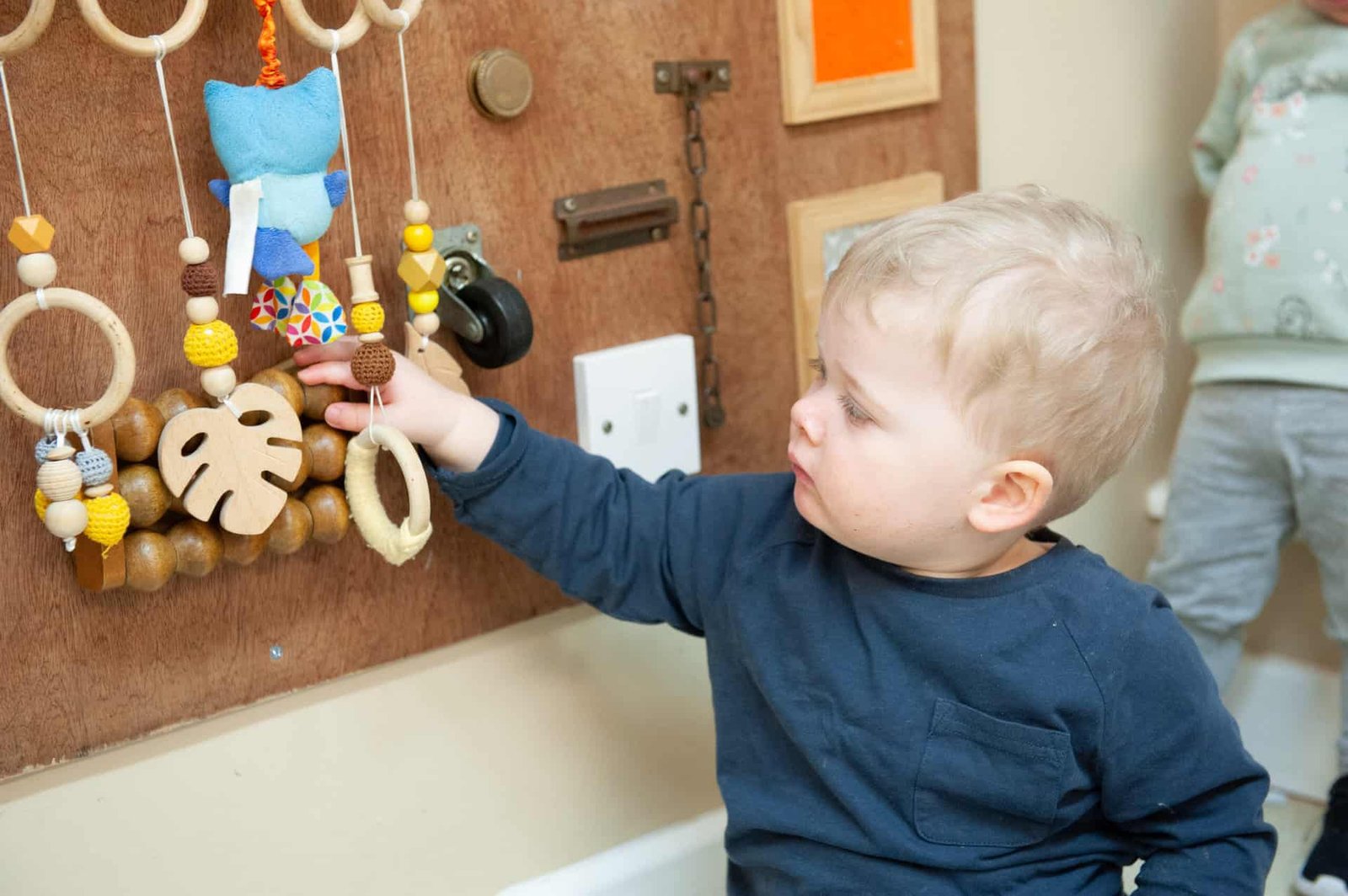
Choosing a nursery school is an important milestone for families. For many children, it is their first regular experience of learning alongside other children, following a classroom routine, and spending time away from home. While early literacy and numeracy certainly matter, nursery education supports a much wider range of developmental skills.
Young children learn best when they feel secure, interested, and actively involved. A thoughtfully designed nursery environment combines stories, play, conversation, movement, creativity, and practical experiences so children can develop naturally while enjoying the learning process.
Why Nursery Education Matters
The early years are a period of rapid growth. Children are developing language, coordination, social awareness, emotional regulation, and problem-solving abilities at the same time.
A nursery school can support these areas through everyday experiences rather than relying only on formal lessons.
For example, building with blocks involves planning and spatial awareness. Listening to stories develops vocabulary and comprehension. Playing with classmates introduces cooperation and communication.
Learning Happens Through Experience
Young children need opportunities to touch, move, build, sort, create, and experiment.
A good nursery school makes learning interactive. Instead of expecting children to absorb information passively, educators encourage them to explore concepts through activities that make sense at their developmental stage.
This helps children connect new ideas with real experiences.
Language Development Starts With Conversation
Children develop communication skills throughout the day.
Stories, songs, rhymes, role play, and everyday conversations expose children to new words and encourage them to express their ideas.
A nursery school should create many opportunities for children to speak, listen, ask questions, and participate in discussions.
Stories Encourage Imagination
Books do more than prepare children for reading.
Stories help children understand characters, emotions, sequence, and cause and effect.
Teachers can ask children to predict what happens next, describe illustrations, or talk about how a character might feel.
These interactions make literacy meaningful rather than mechanical.
Social Skills Grow in a Group Setting
Young children are still learning how friendships work.
They may struggle to share, wait for turns, or manage disagreements. These situations are normal and provide useful learning opportunities.
Families exploring a nursery learning environment in ESTZ Chennai can observe how educators help children communicate and cooperate.
A nursery school should guide children through social challenges without expecting perfect behavior.
Creativity Supports Flexible Thinking
Drawing, painting, music, construction, storytelling, and imaginative play give children opportunities to express themselves.
A nursery school should not make every creative activity produce an identical result.
Children benefit from choosing materials, experimenting with ideas, and discovering that there can be more than one way to solve a problem.
Mistakes Are Valuable
A tower may fall. A puzzle piece may not fit. A drawing may change halfway through.
These moments teach persistence.
Teachers can encourage children to try again rather than immediately completing the task for them.
Physical Development Needs Daily Attention
Young children need movement.
Running, jumping, balancing, dancing, climbing, and outdoor play support gross motor development. Drawing, threading, building, and puzzles strengthen fine motor control.
A balanced nursery school programme should include both energetic and quieter activities.
Movement can also improve concentration by giving children healthy opportunities to use their energy.
Independence Develops Gradually
Small responsibilities can build confidence.
Children might carry belongings, tidy materials, wash hands, select activities, or help organize a shared space.
A nursery school should allow children enough time to attempt manageable tasks independently while keeping adult support available.
These simple experiences teach children that they are capable.
Predictable Routines Create Security
Young children often feel more comfortable when the day follows a recognizable pattern.
Arrival, activities, meals, stories, movement, and departure cues help them anticipate what comes next.
Predictability can make the environment feel safe while children develop independence.
Conclusion
A nursery school provides much more than early academic preparation. It creates a community where children can build language, social confidence, creativity, physical coordination, emotional awareness, and independence.
The strongest early-learning experiences often happen during ordinary moments: listening to a story, solving a puzzle, completing a small task, or learning how to cooperate with a friend.
When children experience these moments in a warm and supportive environment, they develop skills and attitudes that can support them throughout their future education.


When aging adults consider moving to a senior living community, they are not simply looking for a place to eat and sleep. They are evaluating whether a community aligns with their values, respects their choices, and supports the lifestyle they want for the years ahead. What older adults want from senior living has changed considerably over time. Longer life expectancies, evolving family dynamics, and a desire for continued engagement have reshaped expectations. As a result, today’s senior living communities are adapting to meet a broader range of needs and preferences.
1. Independence and Autonomy in Daily Life
Aging adults consistently identify personal choice and independence as top priorities. They want the freedom to decide when to wake up, what to eat, and how to spend their time. Rather than following rigid schedules, many prefer communities that offer flexibility and support individualized lifestyles.
This desire for autonomy extends to personal wellness decisions as well. Many residents appreciate having a voice in how support services are provided, choosing the level of assistance that best fits their preferences and circumstances. Communities that offer flexible service options often help residents feel more comfortable, respected, and in control of their daily experiences.
2. Meaningful Social Connections and Community Engagement
Social connection plays an important role in overall well-being. While many older adults value their privacy, they also want opportunities to develop meaningful relationships and engage with others who share similar interests.
Residents often look for communities that offer book clubs, gardening groups, craft programs, educational discussions, and social gatherings. Beyond organized programs, they appreciate welcoming spaces where casual conversations and friendships can develop naturally.
Shared dining areas, community lounges, walking paths, and outdoor gathering spaces can help create an environment where relationships flourish. When residents feel connected to those around them, they often report greater satisfaction and a stronger sense of belonging.
3. Access to Quality Healthcare and Wellness Services
Reliable healthcare access remains an important consideration for many aging adults. Communities that coordinate wellness services, preventive care, and healthcare resources can provide valuable convenience and peace of mind.
Many seniors appreciate having access to wellness programs that focus on maintaining health and quality of life. These may include fitness classes, nutrition education, wellness seminars, and emotional well-being resources. Accessible healthcare services can help residents spend less time coordinating appointments and more time enjoying their daily routines.
The ability to easily access support when needed allows residents to feel confident as their needs change over time.
4. Affordability and Financial Transparency
Financial stability is a major consideration for many older adults. Residents want clear information about monthly costs, included services, and any additional fees. Transparent pricing helps families and residents make informed decisions without worrying about unexpected expenses later.
Families researching communities that balance affordability and quality often consider Taylor Place, an independent living community that helps prospective residents understand available services and pricing information. Communities that offer straightforward cost structures and a variety of service options can give residents greater flexibility when planning for the future.
When financial expectations are clear, residents can focus more on enjoying community life and less on concerns about unforeseen expenses.
5. Purpose, Learning, and Personal Growth Opportunities
Many outdated assumptions suggest that aging adults simply want to slow down during retirement. In reality, many seniors remain interested in learning, contributing, and pursuing personal interests.
Older adults often seek opportunities to attend educational programs, explore creative hobbies, learn new skills, and engage in meaningful volunteer work. Some communities partner with local organizations, colleges, and guest speakers to offer ongoing educational opportunities.
Many residents also enjoy sharing their experience and knowledge through mentoring, volunteering, and leadership opportunities within the community. These experiences provide a sense of purpose and reinforce the idea that personal growth can continue throughout every stage of life.
6. Privacy, Safety, and Personalized Support
Although community engagement is important, residents also value privacy and personal space. Aging adults often want apartments that reflect their personal style, opportunities to host family and friends, and quiet areas where they can relax and recharge.
Safety is another important consideration. Residents want confidence that community team members understand their needs and can provide appropriate support when necessary. Personalized service plans that incorporate resident input help ensure that support remains respectful and aligned with individual preferences.
Regular conversations about changing needs can help residents feel heard and empowered, contributing to a more positive living experience.
Conclusion
Senior living continues to evolve as aging adults seek communities that support far more than their basic daily needs. Today’s seniors want environments that respect their choices, encourage social connection, provide access to wellness resources, and create opportunities for continued growth and purpose. They also value transparency, privacy, and individualized support that recognizes their unique goals and preferences. Communities that embrace these priorities can create meaningful experiences that help residents remain engaged, connected, and fulfilled while enjoying the next chapter of life.


Thanks to cosmetic surgery, people have an opportunity to cope with their aesthetic problems and look better. However, it is much more difficult to select the proper treatment procedure that is needed, taking into account its prices in particular clinics. The cost and the risks associated with different types of treatments vary considerably. If you are aware of the costs of cosmetic surgery, you will be better prepared financially and capable of making reasonable decisions concerning your aesthetic goals. No matter whether it concerns face or body contouring surgery, the proper choice is the procedure that will suit you best.
Comparison of Different Types of Cosmetic Surgeries
There are different kinds of surgeries, which are aimed at changing the form of some body parts. Among facial surgeries are rhinoplasty, blepharoplasty, and facelifts, which consist in enhancing facial appearance. Other forms of surgery like breast augmentation and body contouring have various aims. The non-surgical alternatives such as some injections and skin treatments may be used by individuals who are looking for alternative forms of treatment that require minimal intervention. Every operation is intended for particular reasons, recovery time, and qualifications. It is vital to determine your problems before choosing an appropriate procedure.
The Factors That Impact Cosmetic Surgery Costs
The cosmetic surgery prices will depend on several factors, including the procedure itself, surgeon’s qualifications, where the surgery is being done, and the complexity of the procedure. More complicated surgeries will take more time in the operation room, use specific equipment, and take a lot of work to recover from; hence, such procedures are likely to cost more. Other factors that could impact the cost include anesthesia, costs incurred at the facility, medical tests, and follow-ups. Clinics may offer a basic cost of the surgery without taking other significant costs into consideration. Hence, patients need to ask for a quote of the full cost of treatment.
Why It Is Important To Compare The Costs Of Cosmetic Surgery
When trying to make a budget of how much a cosmetic surgery will cost, comparing prices is very important. Nevertheless, the lowest quote does not always mean the most appropriate choice. There are many other aspects that patients need to take into consideration when making a decision about which price suits them best. For example, there may be some additional factors to be considered such as the qualifications of the surgeon, standards of the facilities, consultation process and the post-operation care. Two clinics can offer the same surgical intervention, but there will be different services included in the quote.
Selection of the Right Clinic and a Competent Surgeon
Selecting a clinic can be as critical as selecting the kind of treatment one will have to go through. It is necessary for people to ensure that the surgeons they will have the treatment from are competent enough and possess the required credentials for the type of surgery that needs to be done. Hygiene in the clinic must be adequate, and they must be able to offer information concerning any risk and the whole process of recuperation after surgery. At the consultation time, people should be able to ask questions regarding what they expect to achieve from the treatment and other alternatives that exist.
Planning Your Cosmetic Surgery Budget and Associated Expenses
A realistic cosmetic surgery budget must comprise more than just the procedure itself. Based on the type of procedure being done, there may be a need for medication, testing, special garments, travel expenses, time off from work, and follow up visits. Some procedures may call for help at home during the recovery period. Before undergoing any cosmetic surgery procedure, it would be wise for patients to find out from their surgical centers what costs are included in their fees and what costs they have to pay extra. It is always wise to keep some money set aside for emergencies.
Realistic Expectations Before Surgery
Realistic expectations are critical for cosmetic surgery. While some procedures enhance an area of the body, there will be variations depending on how each person heals and other factors such as lifestyle and the specific method utilized. Depending on the type of procedure, some changes will occur gradually, while other procedures require some swelling or a period of recovery before any improvement is seen. The patient must discuss with their surgeon what can be achieved, what risks there are, and what maintenance procedures need to be followed in the future. Furthermore, one should keep in mind that all problems, either emotional or personal, cannot be resolved through cosmetic surgery.
Final Words
There are multiple things to take into account when choosing cosmetic surgery procedures. Knowing cosmetic surgery cost, comparing estimates, and choosing a proper surgeon can make one feel more confident in receiving such treatment. Proper planning of recovery expenses and realistic expectations will allow patients to make a sound decision.

From Sketch to Sign-Off: A Step-by-Step UX Prototyping Framework Used by Leading US Design Agencies

How do you choose the right metal for an engagement ring: platinum, gold or rose gold?

The Growing Interest in Peptides for Health and Wellness

Who Is Shameera? All You Need To Know About Charli XCX’s Mother

Who Is Gulliver Flynn Oldman? The Untold Story of Sir Gary Oldman’s Son

Meet Rosemary Turner: The Mother of Actor Callum Turner
-
Biographies8 months ago
Who Is Shameera? All You Need To Know About Charli XCX’s Mother
-
Biographies7 months ago
Who Is Gulliver Flynn Oldman? The Untold Story of Sir Gary Oldman’s Son
-
Biographies8 months ago
Meet Rosemary Turner: The Mother of Actor Callum Turner
-

 Biographies6 months ago
Who is Alexandra James? Inside The Life of Jeremy Clarkson’s Former Partner
-
 Biographies8 months ago
Who is Todd McRae? Meet Tate McRae’s Father
-
 Biographies7 months ago
Who Is Daniel Mara? The Untold Story of Kate Mara’s Private Sibling
-
 Celebrity8 months ago
Who Is Peter Hernandez? The Real Story of Bruno Mars’ Father
-
 Biographies8 months ago
Who Is Alvin Martin? All About the Whoopi Goldberg’s First Husband