
Blog
Discover Archaeological Paths That Bring History to Life

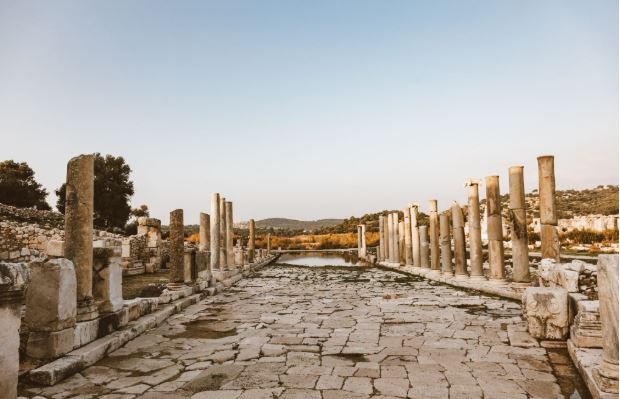
Ancient history can feel distant when it is reduced to dates, names, and objects behind glass. A broken pot in a museum may look ordinary. A stone wall may seem like little more than a pile of rocks. But place those same objects beside an old road, a ruined home, or a forgotten marketplace, and the story changes.
Archaeological paths allow visitors to enter the physical setting of the past. They cross ruined settlements, mountain passes, desert valleys, temple grounds, burial areas, and old trading centers. Some follow carefully built stone roads. Others trace rough routes worn into the earth by generations of travelers.
These paths once carried merchants with cloth and spices. Soldiers marched along them. Pilgrims followed them toward temples and shrines. Farmers used them to reach markets. Families walked them in search of water, work, safety, or a new home.
That is what makes archaeological travel so powerful. Visitors are not only looking at history. They are moving through it.
A path can show where a city began, how it expanded, where people gathered, and which places they feared or respected. The road itself becomes evidence. Its direction, width, surface, nearby buildings, and connection to water sources can reveal how a society worked.
Some trails are famous. Others remain quiet and less visited. Yet even a modest route between a ruined well and an ancient village may hold important clues about daily life.
For travelers, students, researchers, and history lovers, archaeological paths offer a deeper way to understand the human past. They connect landscapes with real lives. And they remind us that every civilization depended on movement.
How Archaeological Paths Connect Us With the Past
Archaeological paths create a strong link between modern visitors and people who lived centuries ago. A written description can explain where a market stood. A map can show the position of a temple. But walking between those places gives a clearer sense of distance, scale, and daily effort.
A visitor may realize that residents had to walk far to collect water. Another may notice that a ruler’s palace stood above the homes of ordinary workers. A steep path toward a shrine may show that worship required physical effort. A wide road leading to a city gate may suggest heavy trade, official ceremonies, or military movement.
These details matter because history was shaped by geography.
People built settlements near rivers, springs, fertile land, coastlines, and safe crossings. They avoided some areas and defended others. Roads often followed the easiest ground, but not always. Political power, religious belief, and access to trade could force people to cross harsh terrain.
Archaeological paths also help visitors understand that ancient communities were not silent or empty. The streets of a ruined city once held voices, animals, carts, children, traders, workers, and visitors. Markets smelled of food, leather, smoke, and spices. Workshops produced tools, pottery, cloth, ornaments, and weapons.
Standing in these places encourages the imagination, but responsible interpretation must remain tied to evidence. Archaeologists study objects, building remains, inscriptions, graves, food waste, tools, roads, and soil layers. Together, these sources build a picture of life.
A path becomes especially meaningful when it connects several types of evidence. A route from a residential area to a market may contain broken pottery, small coins, animal bones, drainage channels, and shop foundations. Each clue reveals something different.
The result is a more human form of history. Instead of seeing the past as a list of kings and wars, visitors begin to understand ordinary routines.
Ancient Roads That Survived for Centuries
Some ancient roads remain visible because they were built with great care. Stone blocks, packed gravel, drainage channels, and raised surfaces helped roads survive rain, heat, frost, and constant use.
Roman roads are among the best-known examples. They connected cities, forts, ports, farms, and administrative centers across a vast area. Their purpose was practical. Armies needed to move quickly. Officials needed reliable travel. Traders needed access to markets.
Yet the Romans were not the only people who created long road systems.
Ancient Persian routes connected major regions of an enormous empire. Greek roads linked settlements, ports, temples, and military positions. In South Asia, roads joined Indus Valley cities, river crossings, farming settlements, and later Gandharan centers. In the Americas, Inca roads crossed mountains and valleys with astonishing skill.
Many surviving roads were built in layers. Large stones formed a base. Smaller material created a smoother surface. Side channels carried away rainwater. In mountain regions, retaining walls held roads against slopes.
Trade routes were often less formal. Some were broad tracks rather than paved roads. Their importance came from repeated use. Caravan animals, carts, and travelers slowly wore lines into the landscape.
Military paths had different needs. They connected forts, watchtowers, border zones, and supply points. They often followed high ground, narrow passes, or routes with clear views.
Pilgrimage trails could be even more demanding. People crossed deserts, forests, hills, and mountain passes to reach places of worship. Along the way, they relied on wells, shelters, monasteries, roadside shrines, and the kindness of local communities.
The survival of these roads is remarkable. But their condition varies. Some remain strong enough to walk on. Others survive only as short broken sections. In some places, modern roads were built over ancient ones because the original route still offered the best path through the landscape.
What Visitors Can See Along the Way
An archaeological path is rarely just a strip of stone or soil. The surrounding remains often tell the larger story.
Visitors may see temples built on raised ground, where ceremonies once took place. Tombs may stand outside the main settlement, reflecting beliefs about death, purity, or social rank. Old wells can reveal how people found and managed water.
Pottery fragments are common at many sites. They may appear simple, but archaeologists use them to identify dates, trade links, food habits, and local craft traditions. The shape of a jar can suggest what it held. Decoration can show where it came from. Burn marks may indicate cooking.
Defensive walls reveal fear and planning. Their thickness, height, gates, and towers show how residents protected themselves. Some cities had several layers of defense. Others used nearby cliffs, rivers, or steep slopes.
Ancient homes can be equally revealing. A small house with a central courtyard may reflect family life, privacy, climate, and social customs. Storage rooms suggest how food was kept. Ovens show how meals were prepared. Drainage channels tell us how people handled waste and rainwater.
Workshops may contain unfinished objects, tools, ash, stone chips, metal waste, or clay remains. These areas show where craftspeople worked and what skills were valued.
Public spaces also matter. Markets, meeting halls, baths, theaters, and open squares reveal how communities gathered. Some places were used for trade. Others supported politics, worship, entertainment, or social life.
Even small details can be important. Wheel marks in stone may show repeated cart traffic. Steps worn lower in the center suggest heavy use. Narrow doorways may reflect security, climate, or building style.
A good archaeological walk teaches visitors to notice these signs.
Archaeological Paths Through Lost Cities
Lost cities often seem mysterious because their names survive long after their people disappear. Yet many were not truly lost. Local communities knew about them. Farmers, shepherds, travelers, and residents may have lived near the ruins for generations.
Archaeology later documented, excavated, and protected these places.
Marked paths now guide visitors through many ruined cities. These trails protect fragile remains and help people understand the original layout. A route may begin at a gate, continue through a main street, pass homes and shops, and end near a temple or public building.
This order helps visitors see the city as a connected system.
Streets show how people moved. Markets reveal where goods changed hands. Residential areas show differences in wealth. Public buildings indicate where power was held. Water channels explain how the settlement survived.
At some sites, streets follow a grid. This suggests careful planning. At others, narrow lanes grew slowly over time. They may twist around older buildings, slopes, walls, or property boundaries.
Walking through a lost city can also reveal social divisions. Large houses may stand near administrative buildings. Workers’ homes may be smaller and more crowded. Religious spaces may occupy the center or highest point.
Ruined cities must be explored carefully. Walls that appear solid can be weak. Floors may contain buried remains. Unmarked shortcuts can damage soil layers or fragile structures.
That is why official archaeological paths are important. They allow access while reducing harm.
Following the Routes of Ancient Traders
Trade routes connected distant worlds. They carried goods, but they also moved ideas.
A trader might transport spices, cloth, metals, salt, grain, wine, oil, timber, beads, tools, or precious stones. Some products traveled only short distances. Others crossed seas, deserts, and mountain ranges.
The value of a product often increased as it moved farther from its source. Rare materials became symbols of wealth and power. Rulers used imported goods to display status. Religious groups used special stones, metals, incense, and cloth in ceremonies.
Trade also changed food. New crops and cooking methods moved between regions. Seeds traveled with merchants and migrants. Animals were introduced to new environments.
Beliefs traveled too. Merchants visited temples, monasteries, shrines, and city centers. They met people who spoke different languages and followed different customs. Along major routes, religious ideas spread through contact rather than conquest alone.
Art styles also changed. A local craftsperson might copy a foreign design seen on a coin, bowl, carving, or textile. Over time, imported ideas blended with local traditions.
The Gandhara region offers a strong example. Its art reflects contact between South Asian, Central Asian, Persian, and Hellenistic traditions. Roads helped make that cultural exchange possible.
Trade routes were not always safe. Travelers faced theft, war, extreme weather, animal attacks, and water shortages. Caravans often moved in groups for protection. Resting places developed at useful distances.
Archaeologists may identify trade routes through imported pottery, coins, beads, metal objects, inscriptions, and repeated settlement patterns. A small foreign object found far from its place of origin can reveal a much larger network.
Sacred Trails and Places of Worship
Many ancient paths were created for religious travel.
Pilgrims followed routes toward temples, monasteries, shrines, sacred mountains, springs, burial grounds, and places linked to respected teachers or holy figures. The journey itself could be part of the religious act.
Some people walked long distances as a sign of devotion. Others traveled to ask for healing, forgiveness, protection, or guidance. Festivals attracted large crowds. Religious centers could become busy economic hubs, filled with food sellers, lodging houses, craftspeople, and animal traders.
Sacred paths often contain smaller religious markers. These may include roadside shrines, carved symbols, prayer areas, tombs, steps, or stone platforms.
Monasteries were sometimes built near major routes. They offered shelter, education, spiritual guidance, and food. Their locations were practical as well as religious.
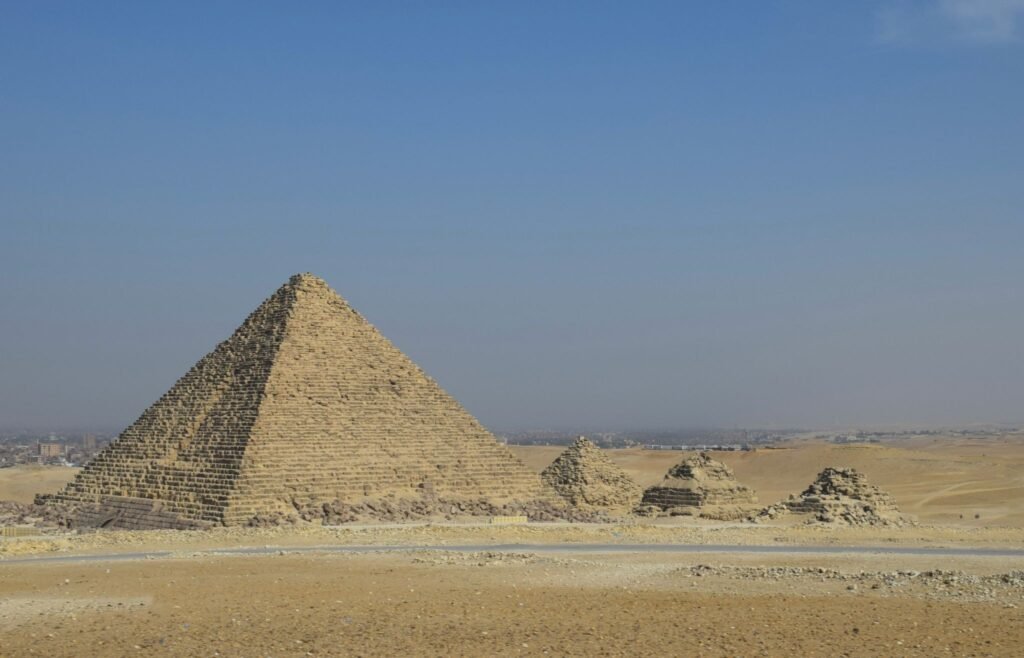
In Buddhist regions, paths linked monasteries, stupas, learning centers, and settlements. In the ancient Mediterranean, roads connected cities with temples and ceremonial spaces. In Egypt, routes led toward tombs, temples, and sacred river sites.
The physical design of a sacred path may reflect belief. A long climb can create a sense of effort and separation from everyday life. A narrow entrance may control movement. A wide ceremonial road may support processions.
Visitors should remember that some archaeological religious sites are still sacred to living communities. Respectful behavior is essential. Loud activity, careless photography, or entering restricted areas can cause offense even when a site is open to tourists.
Archaeological Trails Across Mountains and Deserts
Mountains and deserts appear empty from a distance. Archaeology shows otherwise.
Ancient people crossed these landscapes for trade, migration, war, worship, seasonal farming, and communication. They learned where to find water, shelter, grazing land, and safe passage.
Mountain routes often followed valleys, ridges, and natural passes. Travelers avoided unstable slopes and deep snow where possible. Stone steps, retaining walls, bridges, and resting platforms made difficult sections easier.
The Inca road system is a famous example. It crossed high mountains, steep slopes, and deep valleys. Builders used steps, bridges, drainage, and carefully placed settlements.
Desert routes depended on water. Wells, springs, oases, and seasonal streams determined where people could travel. Caravans planned each stage with care. A missed water source could be fatal.
In Jordan, the approaches to Petra show how people moved through narrow rock passages and dry valleys. In Egypt, desert routes connected the Nile Valley with mines, ports, settlements, and distant regions.
South and Central Asian routes crossed difficult mountain systems to connect trading centers. These paths moved people and goods between the Indus region, Central Asia, Persia, and beyond.
Military forces also used harsh terrain. A narrow pass could protect a kingdom or expose it. Forts often stood above key routes. Watchtowers allowed guards to see approaching travelers.
Archaeological trails in these areas reveal human determination. They also show deep environmental knowledge.
Stories Hidden Beneath the Ground
Not every archaeological road is visible on the surface.
Some lie beneath fields, towns, sand, mud, or later buildings. Floods can cover roads with sediment. Wind can bury desert routes. New settlements may rise over older ones. In farming areas, centuries of plowing can weaken surface remains.
Archaeologists study soil layers to understand what happened over time. A road surface may appear as a hard band beneath softer soil. Ditches may contain different sediment. Old walls may leave lines of stone or compact earth.
Objects found near a buried road can help date it. Coins provide useful time ranges. Pottery styles may belong to a known period. Charcoal or organic remains can sometimes be tested scientifically.
Human activity leaves patterns. A roadside workshop may contain ash and broken tools. A market route may have many coins and pottery pieces. A military road may connect forts built during the same period.
Buried roads can also reveal changes. One road may have been widened. Another may have been abandoned after a river shifted. A later building may cut across an older path, showing that the route had lost importance.
These discoveries are rarely dramatic at first. Archaeology often begins with a change in soil color, a line on a map, or a few stones in an unusual position.
But small signs can lead to major findings.
How Archaeologists Identify Ancient Routes
Finding an ancient route requires several forms of evidence.
Researchers begin with old maps, travel accounts, local records, inscriptions, and earlier archaeological reports. These sources may mention roads, bridges, settlements, wells, or landmarks.
Local knowledge can also help. Residents may know of old stone lines, unusual mounds, buried walls, or traditional place names. Oral history is valuable, though it must be checked against physical evidence.
Satellite images allow researchers to study large areas. Changes in soil, vegetation, moisture, and elevation may reveal buried features. A straight line crossing a field might indicate a road. A chain of settlements may suggest a repeated travel route.
Field surveys provide closer evidence. Archaeologists walk across the landscape and record visible remains. They may collect or document pottery, stone tools, building material, and surface features.
Excavation offers stronger confirmation. A trench across a suspected route can reveal construction layers, wheel marks, drainage channels, repairs, and nearby objects.
Worn stone surfaces are another clue. Deep grooves may come from carts. Smooth central sections can show foot traffic. Repeated steps can leave uneven wear.
No single sign proves everything. Archaeologists compare evidence from many sources before identifying a route with confidence.
Technology That Reveals Forgotten Paths
Modern tools help archaeologists find ancient paths without disturbing large areas.
Drones take photographs from above. These images reveal patterns that may be hard to notice from the ground. Low walls, old field lines, building shapes, and road traces become easier to see.
Ground-penetrating radar sends signals into the soil. The returning signals can suggest buried walls, floors, ditches, and roads. It does not produce a perfect picture, but it helps researchers decide where to investigate.
LiDAR uses laser measurements to create detailed maps of the ground. It can reveal shapes hidden beneath trees and thick vegetation. This has been especially useful in regions where ancient settlements are covered by forest.
Three-dimensional mapping records structures with great accuracy. Researchers can build digital models of ruins, roads, tombs, and entire landscapes. These models support research, conservation, and education.
Digital reconstruction goes one step further. Specialists use archaeological evidence to create possible views of buildings and streets as they may have appeared. Such reconstructions must remain honest. Missing details should not be presented as confirmed fact.
Technology does not replace excavation, field study, or expert knowledge. It adds another layer of evidence. Used carefully, it can locate forgotten routes while protecting fragile sites.
Readers can also explore heritage travel ideas and archaeological destinations through https://archaeologicalpaths.com.
A Living Record of Human Movement
Archaeological paths are not empty remains. They record human choices.
Every road was built for a reason. Every shortcut reflects local knowledge. Every bridge, well, gate, and resting place answered a practical need.
These routes show how people responded to distance, danger, belief, trade, climate, and power. They reveal connections between communities that may appear isolated on a modern map.
And they remind us that ancient people were always moving.
They traveled for work. They fled wars. They visited family. They carried messages. They searched for food, water, safety, profit, knowledge, and spiritual meaning.
Archaeological Paths in Pakistan
Pakistan has a deep archaeological record. Its ancient routes connect some of the earliest planned cities in the world with later Buddhist, Persian, Greek, Central Asian, and Islamic centers.
These paths reveal movement across river plains, mountain passes, farming zones, and urban settlements. They also show how the region served as a meeting point between South Asia, Central Asia, and the wider Middle East.
Taxila
Taxila is one of Pakistan’s most important archaeological areas. Rather than being a single settlement, it includes several cities and religious sites built during different periods.
Walking routes through Taxila lead visitors past monasteries, stupas, courtyards, homes, streets, and learning centers. These remains reflect the region’s connection with Gandharan culture and Buddhist education.
The location of Taxila made it important. Roads linked it with regions to the west, the Indus plains, and northern mountain areas. Traders, monks, students, soldiers, and rulers passed through the area.
A visit becomes more useful when combined with the Taxila Museum. Objects displayed there help explain the art, beliefs, tools, coins, and daily items found across the site.
Mohenjo-daro
Mohenjo-daro offers a very different experience. It belonged to the Indus Valley Civilization and shows an advanced form of urban planning.
Visitors can walk along straight streets, raised platforms, residential blocks, drainage channels, wells, and public structures. The layout suggests that city planning was not accidental. Builders considered movement, water, waste, housing, and public use.
The roads also show social patterns. Some homes opened onto smaller lanes instead of main streets. This may have improved privacy and reduced crowding. Wells placed across the city suggest that water access was built into daily life.
The site is fragile. Weather, salt, water, and heavy visitor pressure can damage exposed brick. Staying on marked routes is especially important.
Takht-i-Bahi
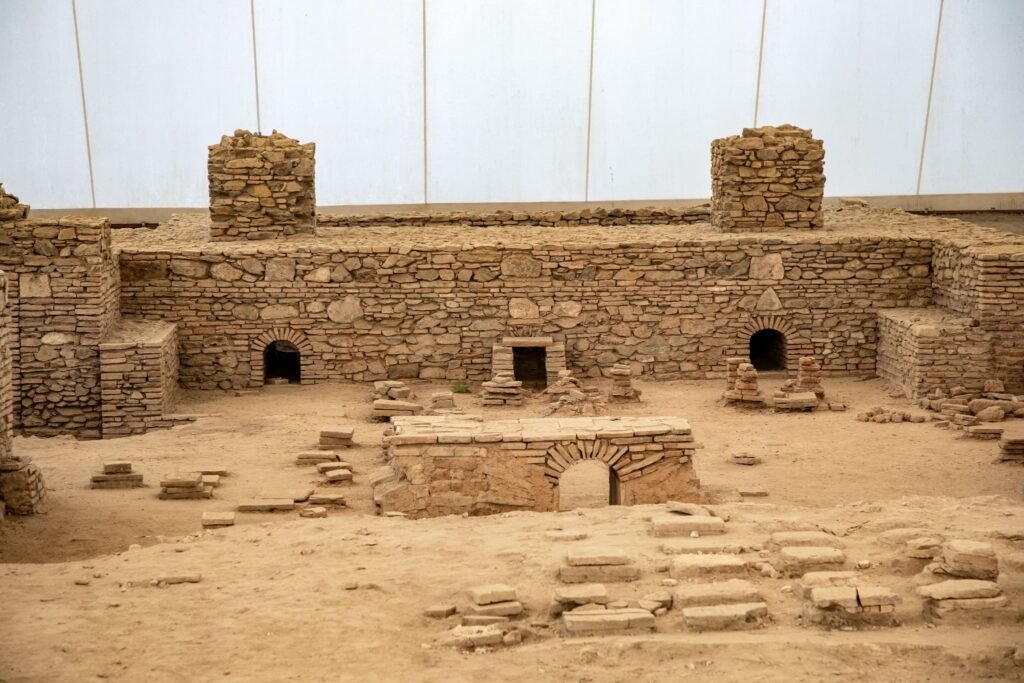
Takht-i-Bahi is a Buddhist monastic complex built on a hill. Reaching and exploring it involves climbing paths that immediately reveal why the location mattered.
The elevated position provided distance from busy settlements while keeping the monastery connected with nearby routes. Monks, students, visitors, and pilgrims would have moved between courtyards, prayer areas, chambers, and assembly spaces.
The walk also shows how architecture responded to the landscape. Buildings were fitted against slopes and connected through steps, narrow passages, and terraces.
Harappa
Harappa was another major center of the Indus Valley Civilization. Its remains help researchers study urban life, craft production, trade, storage, and construction.
Paths through the site pass areas associated with housing, working spaces, walls, and large structures. Pottery, seals, beads, weights, and tools found at Harappa point to skilled production and wide trade networks.
Although parts of the ancient settlement were damaged before modern archaeological protection, the remaining site continues to offer valuable evidence.
Routes of the Indus Valley and Gandhara
The cities of the Indus Valley did not exist alone. They depended on roads, rivers, farmland, craft centers, and smaller settlements. Goods moved between cities and rural areas. Grain, pottery, beads, tools, cotton, timber, stone, and metal passed through these networks.
Later, Gandharan routes linked monasteries, cities, mountain valleys, and trading centers. These roads carried religious ideas and artistic styles as well as physical goods.
Pakistan’s archaeological paths therefore tell more than national history. They reveal long-distance connections across Asia.
What Ancient Paths Reveal About Daily Life
The most valuable archaeological discoveries are not always grand temples or royal buildings. A road beside an ordinary house can reveal just as much.
The width of a street may show whether carts could pass. A narrow lane may have served local families. A wider road may have carried goods toward a market or gate.
Food remains found near roads and homes reveal what people ate. Animal bones may show which animals were raised, hunted, or sold. Burned seeds can identify grains, fruits, and vegetables. Storage jars show how food and liquids were kept.
Work areas reveal jobs. Stone chips may point to toolmaking. Metal waste can mark a workshop. Spindle tools suggest cloth production. Kilns and broken pots indicate pottery making.
Roads also reveal patterns of family life. Small lanes between homes may have created private spaces. Shared courtyards may have supported cooking, childcare, craftwork, and social contact.
Travel was part of daily life too. Farmers moved crops. Workers carried supplies. Children crossed neighborhoods. Officials visited public buildings. Families attended religious events.
Ancient paths turn these ordinary actions into visible evidence.
The People Who Once Walked These Routes
Every archaeological path was shaped by human feet, animal hooves, wheels, and repeated movement.
Merchants carried goods between villages, cities, ports, and distant regions. Some traveled with large caravans. Others worked within local markets.
Soldiers used roads to reach forts, borders, and battlefields. Military control often depended on fast movement and reliable supply routes.
Pilgrims followed sacred trails toward temples, monasteries, shrines, and burial sites. Their travel could last days or months.
Farmers used paths to reach fields, wells, grazing areas, and markets. Their movement connected rural land with urban centers.
Craftspeople transported tools and products. Potters, metalworkers, builders, weavers, and stone carvers relied on access to materials and buyers.
Rulers and officials used major roads to collect taxes, deliver orders, inspect settlements, and display authority.
And ordinary families walked these routes every day. They visited relatives, carried water, bought food, attended ceremonies, or moved to new homes.
History often remembers the powerful. Archaeological paths help restore the presence of everyone else.
Myths and Legends Linked to Ancient Trails
Old paths often attract stories.
Local legends may describe hidden treasure, lost armies, sacred footprints, underground tunnels, cursed tombs, or rulers who vanished without a trace. These stories can make a site more memorable. They may also preserve fragments of older cultural memory.
But legend and confirmed history are not the same.
A story may claim that a famous ruler walked a certain path. Archaeological evidence may show only that the route existed during the ruler’s lifetime. That does not prove the personal connection.
Other legends may contain a small truth. A tale about buried buildings could develop because people noticed stones beneath a field. A story about a sacred spring may reflect the long use of a water source.
Good guides explain both the legend and the evidence. They do not present one as the other.
This balance adds interest without misleading visitors.
Why Local Guides Improve the Experience
A trained local guide can turn a confusing ruin into a clear story.
Visitors may walk past a low wall without realizing it was once part of a home. They may see a stone basin but not understand how it was used. A guide can identify these details and connect them with the wider site.
Local guides also explain customs, place names, oral traditions, and recent conservation work. Their knowledge may come from formal training, family experience, or years of working near the site.
They can also help visitors avoid restricted or unsafe areas.
Hiring guides supports local income. It gives nearby residents a direct reason to value and protect archaeological heritage. When communities benefit from tourism, conservation becomes more practical.
A good guide does not simply repeat dates. They help visitors understand how people lived.
How to Prepare for an Archaeological Walk
Archaeological walks can range from short city routes to long mountain trails. Preparation should match the site.
Wear shoes with strong grip. Ancient stone can be smooth, loose, or uneven. Sand, dust, steep steps, and broken surfaces may create extra difficulty.
Carry enough water, especially in hot or dry regions. Some sites have no shops once visitors enter.
Check the weather before leaving. Heat, rain, wind, or snow can change trail conditions quickly. Desert sites may be cold early in the day and extremely hot by noon.
Use an official map where available. Many large sites contain several connected routes. A map helps visitors manage time and avoid missing important areas.
Check whether the site requires tickets, permits, guides, or advance booking. Rules can vary between locations.
Accessibility also matters. Some archaeological trails include steep climbs, narrow passages, or rough surfaces. Visitors with limited mobility should review the route before arriving.
Long paths may require food, sun protection, a hat, basic first aid, and extra time.
Preparation is not complicated, but it can prevent a difficult day.
Protecting Fragile Sites While Exploring
Archaeological places cannot repair themselves.
A carved stone touched by thousands of hands slowly wears away. A wall climbed for a photograph may crack. A pottery fragment removed from the ground loses its archaeological context.
Visitors should stay on marked paths. These routes are designed to reduce pressure on sensitive areas.
Do not sit, stand, or climb on ruins unless the site clearly permits it. Avoid touching paintings, carvings, plaster, or exposed brick.
Never take pottery, stones, coins, or other objects. Even items that seem common may provide useful evidence when left in place.
Do not scratch names into walls. Modern markings can permanently damage ancient surfaces.
Food waste and plastic also harm sites. Carry all rubbish out or use official bins.
Photography rules should be followed. Some sites ban flash, tripods, drones, or photography inside sacred spaces.
Respect is simple. Leave the place as you found it.
Archaeological Tourism and Local Communities
Tourism can either protect archaeological heritage or place it under pressure.
When managed well, visitor spending supports guides, drivers, hotels, restaurants, craft sellers, museums, and site workers. It can create jobs in areas with limited economic options.
Tourism income may also fund conservation. Entrance fees can support repairs, security, research, signs, and visitor centers.
Local communities play a central role. They often live closest to the site and understand changes in the land. Their involvement improves protection.
Problems arise when tourism grows too quickly. Large crowds can damage paths, increase waste, strain water supplies, and push residents away from important areas.
Responsible tourism aims for balance. Visitors gain access, communities receive benefits, and archaeological remains stay protected.
Buying local food, hiring local guides, using nearby services, and respecting community customs are small actions with real value.
Turning an Archaeological Visit Into a Lasting Memory
The best archaeological visits begin before arrival.
Read a short history of the site. Learn which civilization built it, when it was occupied, and what makes it important. This background helps every wall and pathway make more sense.
At the site, take permitted photographs with purpose. Capture wide views of streets, buildings, and the surrounding land. These images will later help you remember how the place was organized.
Keep brief notes. Record what surprised you, which route you followed, and what the guide explained. Small details are often forgotten quickly.
Visit the nearby museum when possible. Objects removed from excavation areas are often stored there. Seeing tools, pottery, jewelry, coins, and carvings can complete the story.
Pay attention to the landscape. Notice the nearest river, hill, pass, field, or water source. Ancient settlements were built where they were for practical reasons.
After the visit, read more about the site. Research often changes the way a traveler understands what they saw.
A lasting memory does not depend on taking an artifact home. It comes from understanding the place.
Why Archaeological Paths Still Matter
Ancient routes remain relevant because they show how connected human societies have always been.
People crossed borders long before modern transport. They traded, migrated, fought, learned, married, worshipped, and shared ideas. Roads helped make those contacts possible.
Archaeological paths also reveal environmental knowledge. Ancient travelers understood water sources, seasons, animal movement, safe crossings, and natural shelter.
They show political power too. Empires built roads to control land. Religious centers drew pilgrims from distant areas. Markets grew where routes met.
At the same time, these paths preserve ordinary life. They record daily movement between homes, wells, workshops, farms, and places of worship.
That is why walking an archaeological path feels different from reading a timeline. The visitor sees how distance, land, architecture, and movement worked together.


Choosing a nursery school is an important milestone for families. For many children, it is their first regular experience of learning alongside other children, following a classroom routine, and spending time away from home. While early literacy and numeracy certainly matter, nursery education supports a much wider range of developmental skills.
Young children learn best when they feel secure, interested, and actively involved. A thoughtfully designed nursery environment combines stories, play, conversation, movement, creativity, and practical experiences so children can develop naturally while enjoying the learning process.
Why Nursery Education Matters
The early years are a period of rapid growth. Children are developing language, coordination, social awareness, emotional regulation, and problem-solving abilities at the same time.
A nursery school can support these areas through everyday experiences rather than relying only on formal lessons.
For example, building with blocks involves planning and spatial awareness. Listening to stories develops vocabulary and comprehension. Playing with classmates introduces cooperation and communication.
Learning Happens Through Experience
Young children need opportunities to touch, move, build, sort, create, and experiment.
A good nursery school makes learning interactive. Instead of expecting children to absorb information passively, educators encourage them to explore concepts through activities that make sense at their developmental stage.
This helps children connect new ideas with real experiences.
Language Development Starts With Conversation
Children develop communication skills throughout the day.
Stories, songs, rhymes, role play, and everyday conversations expose children to new words and encourage them to express their ideas.
A nursery school should create many opportunities for children to speak, listen, ask questions, and participate in discussions.
Stories Encourage Imagination
Books do more than prepare children for reading.
Stories help children understand characters, emotions, sequence, and cause and effect.
Teachers can ask children to predict what happens next, describe illustrations, or talk about how a character might feel.
These interactions make literacy meaningful rather than mechanical.
Social Skills Grow in a Group Setting
Young children are still learning how friendships work.
They may struggle to share, wait for turns, or manage disagreements. These situations are normal and provide useful learning opportunities.
Families exploring a nursery learning environment in ESTZ Chennai can observe how educators help children communicate and cooperate.
A nursery school should guide children through social challenges without expecting perfect behavior.
Creativity Supports Flexible Thinking
Drawing, painting, music, construction, storytelling, and imaginative play give children opportunities to express themselves.
A nursery school should not make every creative activity produce an identical result.
Children benefit from choosing materials, experimenting with ideas, and discovering that there can be more than one way to solve a problem.
Mistakes Are Valuable
A tower may fall. A puzzle piece may not fit. A drawing may change halfway through.
These moments teach persistence.
Teachers can encourage children to try again rather than immediately completing the task for them.
Physical Development Needs Daily Attention
Young children need movement.
Running, jumping, balancing, dancing, climbing, and outdoor play support gross motor development. Drawing, threading, building, and puzzles strengthen fine motor control.
A balanced nursery school programme should include both energetic and quieter activities.
Movement can also improve concentration by giving children healthy opportunities to use their energy.
Independence Develops Gradually
Small responsibilities can build confidence.
Children might carry belongings, tidy materials, wash hands, select activities, or help organize a shared space.
A nursery school should allow children enough time to attempt manageable tasks independently while keeping adult support available.
These simple experiences teach children that they are capable.
Predictable Routines Create Security
Young children often feel more comfortable when the day follows a recognizable pattern.
Arrival, activities, meals, stories, movement, and departure cues help them anticipate what comes next.
Predictability can make the environment feel safe while children develop independence.
Conclusion
A nursery school provides much more than early academic preparation. It creates a community where children can build language, social confidence, creativity, physical coordination, emotional awareness, and independence.
The strongest early-learning experiences often happen during ordinary moments: listening to a story, solving a puzzle, completing a small task, or learning how to cooperate with a friend.
When children experience these moments in a warm and supportive environment, they develop skills and attitudes that can support them throughout their future education.


When aging adults consider moving to a senior living community, they are not simply looking for a place to eat and sleep. They are evaluating whether a community aligns with their values, respects their choices, and supports the lifestyle they want for the years ahead. What older adults want from senior living has changed considerably over time. Longer life expectancies, evolving family dynamics, and a desire for continued engagement have reshaped expectations. As a result, today’s senior living communities are adapting to meet a broader range of needs and preferences.
1. Independence and Autonomy in Daily Life
Aging adults consistently identify personal choice and independence as top priorities. They want the freedom to decide when to wake up, what to eat, and how to spend their time. Rather than following rigid schedules, many prefer communities that offer flexibility and support individualized lifestyles.
This desire for autonomy extends to personal wellness decisions as well. Many residents appreciate having a voice in how support services are provided, choosing the level of assistance that best fits their preferences and circumstances. Communities that offer flexible service options often help residents feel more comfortable, respected, and in control of their daily experiences.
2. Meaningful Social Connections and Community Engagement
Social connection plays an important role in overall well-being. While many older adults value their privacy, they also want opportunities to develop meaningful relationships and engage with others who share similar interests.
Residents often look for communities that offer book clubs, gardening groups, craft programs, educational discussions, and social gatherings. Beyond organized programs, they appreciate welcoming spaces where casual conversations and friendships can develop naturally.
Shared dining areas, community lounges, walking paths, and outdoor gathering spaces can help create an environment where relationships flourish. When residents feel connected to those around them, they often report greater satisfaction and a stronger sense of belonging.
3. Access to Quality Healthcare and Wellness Services
Reliable healthcare access remains an important consideration for many aging adults. Communities that coordinate wellness services, preventive care, and healthcare resources can provide valuable convenience and peace of mind.
Many seniors appreciate having access to wellness programs that focus on maintaining health and quality of life. These may include fitness classes, nutrition education, wellness seminars, and emotional well-being resources. Accessible healthcare services can help residents spend less time coordinating appointments and more time enjoying their daily routines.
The ability to easily access support when needed allows residents to feel confident as their needs change over time.
4. Affordability and Financial Transparency
Financial stability is a major consideration for many older adults. Residents want clear information about monthly costs, included services, and any additional fees. Transparent pricing helps families and residents make informed decisions without worrying about unexpected expenses later.
Families researching communities that balance affordability and quality often consider Taylor Place, an independent living community that helps prospective residents understand available services and pricing information. Communities that offer straightforward cost structures and a variety of service options can give residents greater flexibility when planning for the future.
When financial expectations are clear, residents can focus more on enjoying community life and less on concerns about unforeseen expenses.
5. Purpose, Learning, and Personal Growth Opportunities
Many outdated assumptions suggest that aging adults simply want to slow down during retirement. In reality, many seniors remain interested in learning, contributing, and pursuing personal interests.
Older adults often seek opportunities to attend educational programs, explore creative hobbies, learn new skills, and engage in meaningful volunteer work. Some communities partner with local organizations, colleges, and guest speakers to offer ongoing educational opportunities.
Many residents also enjoy sharing their experience and knowledge through mentoring, volunteering, and leadership opportunities within the community. These experiences provide a sense of purpose and reinforce the idea that personal growth can continue throughout every stage of life.
6. Privacy, Safety, and Personalized Support
Although community engagement is important, residents also value privacy and personal space. Aging adults often want apartments that reflect their personal style, opportunities to host family and friends, and quiet areas where they can relax and recharge.
Safety is another important consideration. Residents want confidence that community team members understand their needs and can provide appropriate support when necessary. Personalized service plans that incorporate resident input help ensure that support remains respectful and aligned with individual preferences.
Regular conversations about changing needs can help residents feel heard and empowered, contributing to a more positive living experience.
Conclusion
Senior living continues to evolve as aging adults seek communities that support far more than their basic daily needs. Today’s seniors want environments that respect their choices, encourage social connection, provide access to wellness resources, and create opportunities for continued growth and purpose. They also value transparency, privacy, and individualized support that recognizes their unique goals and preferences. Communities that embrace these priorities can create meaningful experiences that help residents remain engaged, connected, and fulfilled while enjoying the next chapter of life.


Thanks to cosmetic surgery, people have an opportunity to cope with their aesthetic problems and look better. However, it is much more difficult to select the proper treatment procedure that is needed, taking into account its prices in particular clinics. The cost and the risks associated with different types of treatments vary considerably. If you are aware of the costs of cosmetic surgery, you will be better prepared financially and capable of making reasonable decisions concerning your aesthetic goals. No matter whether it concerns face or body contouring surgery, the proper choice is the procedure that will suit you best.
Comparison of Different Types of Cosmetic Surgeries
There are different kinds of surgeries, which are aimed at changing the form of some body parts. Among facial surgeries are rhinoplasty, blepharoplasty, and facelifts, which consist in enhancing facial appearance. Other forms of surgery like breast augmentation and body contouring have various aims. The non-surgical alternatives such as some injections and skin treatments may be used by individuals who are looking for alternative forms of treatment that require minimal intervention. Every operation is intended for particular reasons, recovery time, and qualifications. It is vital to determine your problems before choosing an appropriate procedure.
The Factors That Impact Cosmetic Surgery Costs
The cosmetic surgery prices will depend on several factors, including the procedure itself, surgeon’s qualifications, where the surgery is being done, and the complexity of the procedure. More complicated surgeries will take more time in the operation room, use specific equipment, and take a lot of work to recover from; hence, such procedures are likely to cost more. Other factors that could impact the cost include anesthesia, costs incurred at the facility, medical tests, and follow-ups. Clinics may offer a basic cost of the surgery without taking other significant costs into consideration. Hence, patients need to ask for a quote of the full cost of treatment.
Why It Is Important To Compare The Costs Of Cosmetic Surgery
When trying to make a budget of how much a cosmetic surgery will cost, comparing prices is very important. Nevertheless, the lowest quote does not always mean the most appropriate choice. There are many other aspects that patients need to take into consideration when making a decision about which price suits them best. For example, there may be some additional factors to be considered such as the qualifications of the surgeon, standards of the facilities, consultation process and the post-operation care. Two clinics can offer the same surgical intervention, but there will be different services included in the quote.
Selection of the Right Clinic and a Competent Surgeon
Selecting a clinic can be as critical as selecting the kind of treatment one will have to go through. It is necessary for people to ensure that the surgeons they will have the treatment from are competent enough and possess the required credentials for the type of surgery that needs to be done. Hygiene in the clinic must be adequate, and they must be able to offer information concerning any risk and the whole process of recuperation after surgery. At the consultation time, people should be able to ask questions regarding what they expect to achieve from the treatment and other alternatives that exist.
Planning Your Cosmetic Surgery Budget and Associated Expenses
A realistic cosmetic surgery budget must comprise more than just the procedure itself. Based on the type of procedure being done, there may be a need for medication, testing, special garments, travel expenses, time off from work, and follow up visits. Some procedures may call for help at home during the recovery period. Before undergoing any cosmetic surgery procedure, it would be wise for patients to find out from their surgical centers what costs are included in their fees and what costs they have to pay extra. It is always wise to keep some money set aside for emergencies.
Realistic Expectations Before Surgery
Realistic expectations are critical for cosmetic surgery. While some procedures enhance an area of the body, there will be variations depending on how each person heals and other factors such as lifestyle and the specific method utilized. Depending on the type of procedure, some changes will occur gradually, while other procedures require some swelling or a period of recovery before any improvement is seen. The patient must discuss with their surgeon what can be achieved, what risks there are, and what maintenance procedures need to be followed in the future. Furthermore, one should keep in mind that all problems, either emotional or personal, cannot be resolved through cosmetic surgery.
Final Words
There are multiple things to take into account when choosing cosmetic surgery procedures. Knowing cosmetic surgery cost, comparing estimates, and choosing a proper surgeon can make one feel more confident in receiving such treatment. Proper planning of recovery expenses and realistic expectations will allow patients to make a sound decision.

From Sketch to Sign-Off: A Step-by-Step UX Prototyping Framework Used by Leading US Design Agencies

How do you choose the right metal for an engagement ring: platinum, gold or rose gold?

The Growing Interest in Peptides for Health and Wellness

Who Is Shameera? All You Need To Know About Charli XCX’s Mother

Who Is Gulliver Flynn Oldman? The Untold Story of Sir Gary Oldman’s Son

Meet Rosemary Turner: The Mother of Actor Callum Turner
-
Biographies8 months ago
Who Is Shameera? All You Need To Know About Charli XCX’s Mother
-
Biographies7 months ago
Who Is Gulliver Flynn Oldman? The Untold Story of Sir Gary Oldman’s Son
-
Biographies8 months ago
Meet Rosemary Turner: The Mother of Actor Callum Turner
-

 Biographies6 months ago
Who is Alexandra James? Inside The Life of Jeremy Clarkson’s Former Partner
-
 Biographies8 months ago
Who is Todd McRae? Meet Tate McRae’s Father
-
 Biographies7 months ago
Who Is Daniel Mara? The Untold Story of Kate Mara’s Private Sibling
-
 Celebrity8 months ago
Who Is Peter Hernandez? The Real Story of Bruno Mars’ Father
-
 Biographies8 months ago
Who Is Alvin Martin? All About the Whoopi Goldberg’s First Husband