
Health
How Long Does Plastic Surgery Recovery Usually Take?

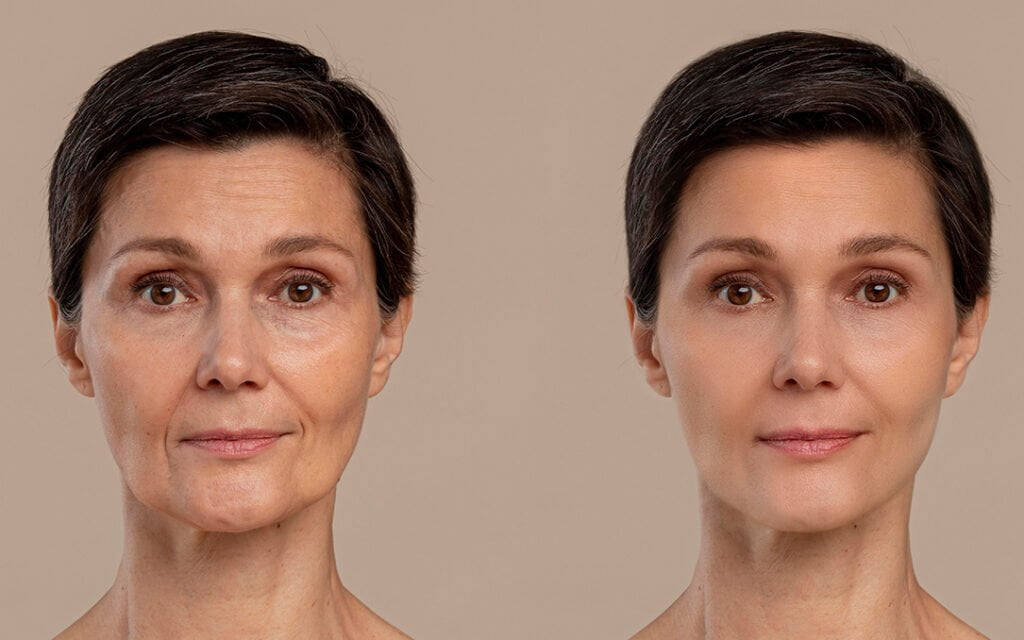
Plastic surgery recovery time can vary widely depending on the procedure, the area treated, the surgical technique, the patient’s health and how well aftercare instructions are followed. Some minor procedures may involve only a few days of downtime, while more extensive surgery may require several weeks or months before swelling, bruising and activity restrictions fully settle.
For patients in Singapore, recovery planning may also involve medical leave, transport arrangements, caregiver support, follow-up appointments and avoiding strenuous activity during the early healing period. While general recovery timelines can be helpful, the most accurate estimate should come from the plastic surgeon after assessing the patient’s condition and procedure plan.
Why Recovery Time Varies Between Patients
Plastic surgery recovery is not the same for everyone. Two patients undergoing the same procedure may heal at different speeds because of personal health, tissue response, extent of surgery and aftercare.
Recovery time may be affected by:
- Type of procedure
- Number of areas treated
- Surgical technique
- Anaesthesia used
- Age and general health
- Smoking or vaping
- Medical conditions
- Medication use
- Nutrition and hydration
- Activity level after surgery
- Wound care
- Individual healing response
Patients should avoid comparing their recovery too closely with online photos, social media posts, or someone else’s experience.
General Recovery Timeline After Plastic Surgery
Recovery is usually described in stages. These stages may differ depending on the procedure, but many patients go through similar healing phases.
First 24 to 48 Hours
The first one to two days are usually focused on rest, monitoring and early pain control. Patients may feel tired after anaesthesia and may have swelling, bruising, tightness, or discomfort around the treated area.
During this period, patients may need to:
- Rest at home
- Take medication as prescribed
- Keep the surgical area clean and protected
- Avoid strenuous movement
- Use compression garments if advised
- Keep the head or treated area elevated where recommended
- Have a responsible adult nearby if sedation or general anaesthesia was used
Patients should follow discharge instructions carefully and contact the clinic if symptoms feel unusual or worsen quickly.
First Week
The first week is often when swelling and bruising are most noticeable. Some patients may also experience tightness, numbness, mild oozing, or difficulty moving comfortably depending on the procedure.
During the first week, patients may need to avoid:
- Heavy lifting
- Vigorous exercise
- Alcohol
- Smoking or vaping
- Swimming
- Sauna or steam rooms
- Rubbing or massaging the surgical area unless advised
- Sleeping in positions that place pressure on the treated area
Some patients may return for a wound check during this stage. Stitches, dressings, splints, or drains may be reviewed depending on the procedure.
Two to Four Weeks
Many patients feel more comfortable after the first one to two weeks, but healing is still ongoing. Bruising may start to fade, swelling may reduce and daily movement may become easier.
At this stage, some patients may return to desk-based work if their surgeon allows. However, returning to exercise, carrying heavy items, or resuming full activity may still be restricted.
Patients should ask their surgeon:
- When can I return to work?
- When can I drive?
- When can I exercise?
- When can I wear make-up or skincare products?
- When can I sleep normally?
- Do I still need compression garments?
- What activities should I avoid?
Recovery should be gradual. Feeling better does not always mean the tissues have fully healed.
One to Three Months
By one to three months, many patients notice improvement in swelling, comfort and movement. Scars may still appear red, raised, firm, or sensitive. Some numbness, tightness, or mild swelling may continue.
Patients may gradually return to more activities if cleared by their surgeon. For body procedures, compression garments may still be needed for part of this period. For facial procedures, swelling may continue to refine over time.
Follow-up appointments may be used to monitor:
- Wound healing
- Scar appearance
- Swelling
- Symmetry
- Sensation changes
- Activity clearance
- Need for scar care
- Any concerns about recovery
Three to Six Months and Beyond
Final results may take months to become clearer, especially for procedures involving deeper tissues, extensive swelling, or body contouring. Scar maturation can also take several months to a year or longer.
Patients should understand that recovery includes both early healing and long-term tissue settling. A procedure may look different at one month compared with six months.
Recovery Time by Procedure Type
Recovery varies depending on the procedure. The following are general examples only.
Eyelid Surgery
Eyelid surgery may involve swelling, bruising and temporary tightness around the eyes. Some patients may return to light activities within one to two weeks, but bruising and swelling can take longer to settle.
Patients should ask when they can resume contact lenses, make-up, exercise and screen-heavy work.
Rhinoplasty
Rhinoplasty recovery may involve nasal swelling, bruising around the eyes, nasal congestion and a splint in the early period. Some swelling improves within weeks, but nasal refinement may continue for months.
Patients should avoid trauma to the nose and follow instructions on glasses, exercise and nose care.
Facelift or Neck Lift
Facelift or neck lift recovery may involve swelling, bruising, tightness, numbness and temporary changes in facial sensation. Patients often need more downtime than minor facial procedures.
The surgeon may advise avoiding strenuous activity and certain sleeping positions during early recovery.
Breast Surgery
Breast surgery recovery depends on the type of procedure, such as breast augmentation, reduction, lift, reconstruction, or revision surgery. Patients may need to avoid heavy lifting, upper body strain and certain sleeping positions.
A support garment or surgical bra may be recommended. Return to exercise should be guided by the surgeon.
Liposuction
Liposuction recovery may involve swelling, bruising, soreness and fluid-related changes. Compression garments may be advised for a period of time. Swelling may take weeks to months to improve.
Patients should ask when they can resume exercise and whether massage or lymphatic drainage is appropriate.
Tummy Tuck
A tummy tuck usually involves a longer recovery than smaller procedures because it may include skin removal and muscle repair in selected cases. Patients may need help at home during the early period and may be advised to walk slightly bent at first.
Heavy lifting and strenuous exercise are usually restricted for a longer period.
Reconstructive Surgery
Recovery after reconstructive plastic surgery depends on the condition being treated, the complexity of the operation and whether other treatments are involved. Patients may need physiotherapy, wound care, scar management, or longer monitoring.
Why Follow-Up Appointments Matter
Follow-up visits are an important part of recovery. They allow the surgeon to check healing, manage concerns early and guide activity progression.
Follow-up appointments may involve:
- Wound checks
- Dressing changes
- Drain removal where applicable
- Stitch review
- Scar care advice
- Compression garment review
- Medication adjustment
- Activity clearance
- Monitoring for complications
Patients should attend follow-up appointments even if they feel well, as some issues may not be obvious at home.
How to Support Recovery
Patients can support recovery by following the surgeon’s instructions closely.
Helpful recovery habits may include:
- Resting during the early period
- Taking medication as prescribed
- Avoiding smoking and vaping
- Eating balanced meals
- Drinking enough fluids
- Avoiding alcohol during early recovery
- Wearing compression garments if advised
- Attending follow-up visits
- Avoiding sun exposure on healing scars
- Avoiding strenuous activity until cleared
- Asking before using scar creams or supplements
Patients should not start massage, exercise, skincare, or scar treatment unless advised.
Planning Recovery in Singapore
Before surgery, patients in Singapore may wish to plan:
- Medical leave or annual leave
- Transport home after surgery
- Someone to stay with them after anaesthesia
- Childcare or eldercare support
- Meal preparation
- Follow-up appointment schedule
- Comfortable clothing
- Compression garments where needed
- Avoiding strenuous work or exercise
- Indoor recovery during hot weather if swelling is a concern
Patients should ask their surgeon for procedure-specific advice, especially if they have physically demanding work.
Plastic surgery recovery time depends on the procedure, patient health, surgical extent and aftercare. Some patients may return to light routines within days, while others may need several weeks of downtime and months for swelling, scars and final results to settle.
Recovery should be planned carefully, especially for patients in Singapore who need to arrange work leave, transport, home support and follow-up visits. Patients should follow aftercare instructions, avoid rushing back to strenuous activity and attend scheduled reviews.
The best recovery timeline should come from the plastic surgeon after assessing the planned procedure and the patient’s individual situation.
This article is for general information only and should not replace medical advice from a qualified healthcare professional.


A brace is only one part of straightening teeth. The clinic, the person who plans your care and the support you get along the way can matter just as much. Two practices may offer the same aligner brand, yet the treatment journey can feel very different.
That is why it helps to look beyond the name of the brace. This guide covers ten clinics across Manchester and Greater Manchester, with a closer look at the people, treatment choices and wider dental care behind each option.
What should you compare before choosing a clinic?
A good first visit should explain what needs to change and why. This may include crowding, gaps, tooth position or the way the upper and lower teeth meet.
Ask who will plan your case, who will see you at review visits and what the full fee covers. It is also worth checking how repairs, extra trays and retainers are handled.
1. Orthodontics Manchester, Cheadle
Orthodontics Manchester is a dedicated teeth-straightening clinic on Cheadle High Street. It treats both children and adults, with fixed and removable options available.
Dr Shabir Jussab leads the clinic. He qualified from the University of Liverpool in 2003 and has worked across practices in the North West. His wider work has included restorative dentistry, cosmetic care, oral surgery and orthodontic treatment.
He has also completed further training in implant dentistry, including a year-long implant course. His professional profile lists membership of the British Academy of Cosmetic Dentistry.
That wider dental background can be useful when straightening is only one part of a larger plan. Some patients may also need repair work, space management or future replacement of a missing tooth.
The clinic aims to keep patients with the same clinician during treatment. This can make it easier to follow progress and discuss changes as the teeth move.
Braces, aligners and fees
The current range includes Metal braces, tooth-coloured braces, Invisalign, Inman Aligner, Six Month Smiles and Quick Straight Teeth.
A free first consultation is available. Published starting prices include £1,000 for metal or wire braces, £1,200 for white braces and £1,200 for Invisalign. Inman Aligner and Six Month Smiles start from £800.
Final costs depend on the case. Finance is also available subject to terms.
2. Cheadle Dental Practice
Cheadle Dental Practice gives patients a wider dental setting for teeth straightening. Orthodontic care sits alongside check-ups, hygiene, fillings, crowns, cosmetic care and other treatments.
Straightening with wider dental support
The practice offers Clear aligners, Invisalign, Inman Aligner, Quick Straight Teeth and other fixed or removable choices. A free first consultation for teeth straightening is also available.
This wider setup can help if another dental issue needs attention first. Sore gums, decay or a damaged filling may need treatment before tooth movement begins.
The Care Quality Commission reviewed the practice in February 2025 and found it met the standards checked during the visit.
3. Emergency Dentist Cheadle
Emergency Dentist Cheadle has a different role. It can help when a painful or urgent dental problem starts during braces or aligner treatment.
When urgent dental care may be needed
A loose bracket, broken wire or lost aligner should often go back to the team managing the tooth straightening. Severe pain, swelling, trauma or a broken tooth may need a dental check sooner.
The practice sees problems such as toothache, swelling, cracked teeth and lost fillings. New patients can register by phone when they book.
If pain comes from an infected tooth, the practice may consider root canal treatment after an examination. The first step is to find the cause and deal with the dental problem before normal orthodontic care continues.
4. Dental Implant Plus
Dental Implant Plus is not an orthodontic clinic, but it may become part of a wider plan when a tooth is missing.
A gap may need to stay open for a future replacement. In other cases, nearby teeth may need moving before an implant is considered.
The clinic provides single and multiple implants, full-arch options and All-on-4 treatment. Free implant consultations are available.
The wider practice also provides general care and Cosmetic dentistry. If tooth movement and an implant are both being considered, the order needs careful planning because an implant does not move like a natural tooth.
5. Bryn Dental Practice, Wigan
Bryn Dental Practice has served patients in the Wigan area since 1991. It provides general and cosmetic dentistry as well as Invisalign treatment.
The dental team
The practice is led by principal dentist John Becker-Le Cerf. Dorota Becker-Le Cerf, Fiona Li and Ozlam Shalash are also part of the dental team.
General care, hygiene and restorative work are available in the same practice. This can help if the teeth or gums need treatment before aligners are started.
The practice also has free parking and step-free access. Patients considering Invisalign should ask what records are needed and whether refinements and retainers are included in the final price.
6. Roch Valley Dental, Rochdale
Roch Valley Dental is based at 23 Roch Valley Way in Rochdale, Greater Manchester. It provides general, cosmetic and orthodontic treatment, including traditional braces and clear aligners.
Braces and clear aligners
The practice offers braces for patients with crowded, crooked or widely spaced teeth. Clear aligners are also available for those who prefer a removable and less noticeable option.
Its wider services include dental implants, crowns, veneers, composite bonding and hygiene appointments. This allows patients to discuss other dental concerns alongside their teeth-straightening plans.
Patients considering orthodontic treatment should ask which appliance is suitable for their bite, how often appointments are needed and whether retainers are included in the treatment plan.
7. 272 Dental Care, Bolton
272 Dental Care is based on St Helens Road in Bolton. It provides general, cosmetic and restorative treatment as well as invisible teeth straightening.
Invisalign with Dr Sophia Hashmi
Dr Sophia Hashmi is an Invisalign provider at the practice. Her work also includes composite bonding and teeth whitening, so patients can discuss straightening as part of a wider smile plan.
The team also includes Dr Yasin Lulat, Dr Rizwana Ibrahim, Dr Fahim Youssouf and Mr Sin Yong.
Patients considering aligners should ask how many trays may be needed, how often progress will be checked and whether extra trays and retainers are part of the fee.
8. Whitefield Orthodontic Clinic
Whitefield Orthodontic Clinic is a dedicated orthodontic practice on Bury New Road. Its focus is tooth position, crowding, spacing and bite problems rather than general dentistry.
Orthodontic care in Whitefield
The clinic is run by Dr Menesha Dinesh Patel and provides treatment for both simple and more involved alignment needs.
A dedicated orthodontic clinic can be useful for patients who want care centred on tooth movement and bite correction. The exact appliance should still be chosen after a full assessment.
The Care Quality Commission reviewed the clinic in March 2025. It met the regulations checked during that visit.
9. Peel Green Dental, Eccles
Peel Green Dental is based on Liverpool Road in Eccles. It provides general dental care alongside orthodontic treatment and Invisalign.
Straightening with general dental support
The team includes Dr Saira Khan and Dr Adnan Hussain. Dr Mohammed Bala and Dr Saira Khan are also listed among the clinicians responsible for the registered dental service.
Having general dentistry in the same practice can help if other work is needed before tooth movement begins. Gum care, fillings or damaged teeth may need attention first.
For Invisalign, ask how progress will be checked and what happens if extra trays are required.
10. Queens Road Dental and Cosmetic Centre, Cheetham Hill
Queens Road Dental and Cosmetic Centre provides general, cosmetic and teeth-straightening care in Cheetham Hill.
The practice is registered with the Care Quality Commission under Dr Abrahem Hussain Malik and Dr Chen Chai Liu. Invisalign is also available for suitable patients who prefer a removable option.
Planning beyond the trays
Clear trays can look simple, but the planning behind them matters. The dentist needs to assess the bite, available space and the tooth movements required before treatment begins.
It is also worth asking how often progress will be reviewed and what happens if the teeth do not follow the first digital plan.
What should an orthodontic quote include?
Do not look only at the starting price. Ask what the full fee covers before agreeing to treatment.
- The brace or aligner being used
- Who will plan and review the case
- Any scans, photographs or X-rays
- Review visits
- Repairs or replacement parts
- Extra aligner trays if needed
- Retainers after treatment
- The full cost of any finance plan
Choose the clinic as carefully as the brace
A familiar brace or aligner brand does not tell you how carefully a case will be planned. The clinician, checks, review visits, fees and aftercare all matter.
Use the first consultation to ask clear questions. You should leave knowing what needs to move, why the suggested treatment suits your case and what happens once active treatment ends.


Men’s long-term health isn’t just about working out regularly, eating healthfully, and annual medical checks. And even more importantly, knowing the medications, the benefits, the adverse effects and the proper use of medications. Knowing about medications helps men make informed decisions about their healthcare, manage current health concerns and reduce the risk of unnecessary complications. If you are on medicines for high blood pressure, diabetes, heart disease or ED, it is useful to know how treatments operate to support better health results. Also, men could help themselves by looking into sildenafil medication information to learn about treatment alternatives, recognise any potential hazards, and speak openly about their concerns with experienced health care providers.
Understanding Medication Awareness And Its Importance
Medication knowledge means knowing why a prescription is recommended, how it works, how it should be used and what precautions are needed during therapy. It also means learning about probable side effects, pharmacological combinations, and circumstances that demand medical attention.
Many men need medication for years because they have a chronic disease. Some people may take medicines without following the directions for dosage, or they may stop therapy when symptoms improve, or combine medicines without consulting a health care professional. Such practices can reduce the effectiveness of treatment and put you at risk for health problems.
Knowing about medicines helps men to take responsibility for their own health. It helps informed decision-making, helps people to stay on therapy and improves communication with doctors and chemists.
Supporting Early Detection Of Health Problems
Some health disorders develop gradually and may not create symptoms that can be easily noticed in the early stages. Common instances are high blood pressure, high cholesterol, type 2 diabetes and cardiovascular disease.
Medication knowledge helps men understand why their health care professional prescribes certain therapies and why ongoing monitoring is important. For example, you may need blood pressure medicine even when feeling well because untreated hypertension raises the risk of heart attack, stroke, and kidney damage.
Men shouldn’t assume the illness has gone away just because they have no symptoms. Preventing problems and promoting long-term health can be achieved through routine medical check-ups, proper screening and adherence to approved treatment regimens.
Improving The Safe Use Of Prescription Medicines
Using drugs properly is important to get the results you want. Each medication contains precise directions about how much to take, when to take it, how to take it and warnings.
Taking more drugs doesn’t always provide you better results. In some situations, high doses may lead to serious side effects. Furthermore, missing doses or quitting treatment abruptly can cause a medical condition to get worse.
Men should carefully study medicine labels and follow the directions of health professionals and ask questions when they don’t understand something. Maintaining an up-to-date list of prescription medicines, over-the-counter goods and supplements can also help healthcare workers discover probable interactions.
Before taking a new medicine, men should tell their medical history and all other goods they use. This simple action can increase the safety of treatment and decrease preventable consequences.
Understanding Men’s Physical Health And Medication Options
Men’s physical health is a key component of general physical and mental health. ED may impact confidence, relationships and quality of life.
You may be prescribed medicines like sildenafil that help with erectile dysfunction. Sildenafil is in a class of medications called phosphodiesterase type 5 (PDE5) inhibitors. It works by boosting blood flow to the penis during stimulation.
Sildenafil can interact dangerously with several other medications including with nitrate drugs used to alleviate chest discomfort. Sildenafil must not be taken with nitrates, as this may lead to a dangerous reduction in blood pressure. Individuals with cardiovascular issues or on numerous drugs should get advice from a certified healthcare provider before using it.
Recognizing Side Effects And Drug Interactions
All drugs have potential risks but not everyone will experience side effects. Common symptoms depend on the medication you are using, and include headaches, dizziness, intestinal discomfort or exhaustion.
Knowing about medications helps men identify potential side effects and when to seek professional advice. If you have a serious allergic reaction, trouble breathing, fainting or other serious symptoms get medical help right away.
Drug interactions are another area of potential concern. Taking many medicines together may affect how each other works, increase side effects or reduce efficacy of treatment. Other drugs may also interact with alcohol and other supplements.
Do not stop taking important medicines or change the dose without professional advice. “If they have any concerns they should talk to their doctor or pharmacist to see if changes or alternatives are needed.”
Exploring Reliable Healthcare Resources
The internet makes healthcare information easy to acquire, but not all websites give accurate, medically verified counsel. False claims, overstated benefits, and unsubstantiated pharmaceutical suggestions may drive dangerous decisions.
Exploring reliable healthcare resources allows men to compare information, understand treatment precautions, and identify questions to discuss with healthcare professionals. Men may compare information, learn precautions for treatment, and know what questions to ask healthcare experts. “Government health websites, trusted medical organisations, licensed chemists and licensed health care professionals are reliable sources.”
When investigating a medicine, males should look to see if the information covers the permitted uses of the medicine, dosing directions, contraindications, side effects, and any interactions. Also, they should assess whether the content has been fact checked by qualified health specialists and updated when appropriate.
The online materials are not a substitute for, or replacement of, personalised medical advice. A drug that is safe for one individual may not be safe for someone else with a different medical history.
Building Healthy Habits For Long-Term Wellness
Medication awareness works best when coupled with continuous healthy habits. Throughout life, men’s health can be supported by engaging in regular physical activity, eating a healthy diet, getting enough sleep, reducing stress, and avoiding tobacco use.
Men with chronic diseases should keep their follow-up appointments and have suggested health checks. During these appointments, doctors and nurses can evaluate how well your treatment is working, check for any adverse effects, and alter your treatment as needed.
You can also enhance your consistency and safety by following a schedule for your medications, using reminders when you need them, and keeping medicines as directed on the label.
Family members can also be a valuable source of support, especially if a person is on multiple drugs. However, decisions about therapy should be made by the person’s health care expert.


If you are reading this, you are probably making a decision quickly, with more money than usual on the line and less information than you would like.
Here is the uncomfortable background. In the 2024 national survey, 48.4 million Americans aged 12 or older had a substance use disorder, but only 12.3% received treatment. So the fact that you are looking at all of this puts you ahead of most families, and the question is no longer whether to get help but how to tell one program from another when every website promises the same thing.
The short answer: the things that predict recovery are not the things that appear in the photographs, and almost all of them can be checked with a phone call.
What To Look For When Choosing a Luxury Drug Treatment Center
1. Ask Whether They Prescribe Addiction Medication
For opioid and alcohol addiction, there are medications with real evidence behind them, and for opioids the thing they reduce is deaths, not just use. A study of 2,863 American residential facilities found 60% offered no medications for opioid use disorder.
So ask the question outright, and don’t forget the second half either: can your family member stay on that medication after they leave? Plenty of good programs are vague about this on their websites.
2. Find Out How Long People Really Stay
Treatment length depends on individual needs and progress. Ask how the facility determines the recommended stay and whether treatment can be extended if needed. What is the average stay here, and what happens if a month isn’t enough?
3. Check That the Mental Health Side Happens in the Same Place
In 2024, 21.2 million American adults had both a mental illness and a substance use disorder. Of those, 41.2% received neither mental health treatment nor substance use treatment.
If someone is carrying depression, trauma, or bipolar disorder alongside the addiction, you want both treated by one team under one roof. The best luxury drug treatment centers coordinate addiction and mental health care to reduce gaps in treatment.
4. Ask What Happens After Discharge
Detox alone does not replace ongoing addiction treatment. Find out what the aftercare actually is, how long it runs, and whether anyone calls them or whether they are expected to call. Consistent follow-up can help people stay connected to treatment.
5. Be Suspicious If They Offer a Bed Straight Away
In a study where researchers posed as prospective patients, roughly one third were offered admission on the first call, often within a day, frequently before anyone had clinically assessed them.
A good program wants to know what you are dealing with before offering you a bed. If the answer comes faster than the questions, that is a great sales tactic, not a clinical one.
6. Ignore Advertised Success Rates
Before relying on a facility’s advertised recovery rates, ask how it defines success, measures treatment outcomes, and verifies its figures. A clear explanation can help you better understand what those numbers actually mean.
7. Call the Number On Their Own Website
Not the one in the ad above the search results. Regulators have pursued companies for buying rival clinics’ names as search keywords and routing calls to their own switchboards while implying a connection.
Type the name, visit the actual site, use the number listed there. Or use FindTreatment.gov to search for treatment options.
8. Verify the License and Accreditation Yourself
It takes about twenty minutes. Ask for the facility’s state license number and verify it against state records. For accreditation, check which organization awarded it and when. Accreditation indicates that a facility has been assessed against specific standards, but you should still evaluate its treatment approach, clinical services, and patient support.
Conclusion
Before you pick up the phone, write down all your questions. Most often, people on the other end are trained to say what you want to hear, and in the process you are more likely to forget your questions. Many of these questions can be addressed in a fifteen-minute call. The rest you can check yourself online.
And if the person you are worried about is not ready, that is not the end of it. Many people who need treatment never receive it because they may not recognize the need for help or face other barriers to care. Readiness to seek help can change over time. So stay close, and keep the door open.

Why Your Game Is Losing Players After the First Minute

VirtualVetDesk Guides on How to Clean a Cat Wound?

Top Orthodontic Clinics in Manchester for Braces and Aligners

Who Is Shameera? All You Need To Know About Charli XCX’s Mother

Who Is Gulliver Flynn Oldman? The Untold Story of Sir Gary Oldman’s Son

Meet Rosemary Turner: The Mother of Actor Callum Turner
-
Biographies8 months ago
Who Is Shameera? All You Need To Know About Charli XCX’s Mother
-
Biographies8 months ago
Who Is Gulliver Flynn Oldman? The Untold Story of Sir Gary Oldman’s Son
-
Biographies8 months ago
Meet Rosemary Turner: The Mother of Actor Callum Turner
-

 Biographies6 months ago
Who is Alexandra James? Inside The Life of Jeremy Clarkson’s Former Partner
-
 Biographies8 months ago
Who is Todd McRae? Meet Tate McRae’s Father
-
 Biographies8 months ago
Who Is Daniel Mara? The Untold Story of Kate Mara’s Private Sibling
-
 Celebrity9 months ago
Who Is Peter Hernandez? The Real Story of Bruno Mars’ Father
-
 Biographies8 months ago
Who Was Adrian Mayers? The Untold Life of A$AP Rocky’s Late Father