
Travel
From the UK to Normandy: Why a Private Driver Makes Exploring D-Day History Easier


For British travellers, Normandy is one of the most accessible regions of France, yet it can also be one of the most rewarding to explore beyond the usual city break. Ferries connect the south of England with ports such as Caen-Ouistreham, Cherbourg and Le Havre, while Paris and its airports provide another convenient gateway. Once in France, however, many of Normandy’s most important historic and coastal sites are spread across the countryside.
That geography is precisely why private chauffeur travel can make such a difference. Instead of building a trip around train timetables, local connections and separate transfers, visitors can create an itinerary around the places they actually want to experience.
Normandy Is Best Experienced Beyond the Railway Stations
Normandy includes famous destinations such as Bayeux, the D-Day landing beaches, Honfleur and Mont-Saint-Michel. Although rail services are useful for reaching major towns, many historic locations lie outside the railway network.
Omaha Beach, Pointe du Hoc, the Normandy American Cemetery and smaller villages associated with the Battle of Normandy are easier to understand when visited as part of a coherent route. Travelling by private vehicle also allows visitors to spend more time at meaningful locations instead of repeatedly returning to transport hubs.
A More Flexible Way to Discover the D-Day Beaches
For many British and international visitors, the D-Day beaches are the main reason for travelling to Normandy. The coastline extends across several sectors, including Utah, Omaha, Gold, Juno and Sword.
A well-planned private journey can connect beaches, memorials, cemeteries and museums in a logical sequence. It also gives travellers the flexibility to adjust the day according to their interests. A family researching a relative’s wartime history may want additional time at one location, while first-time visitors may prefer a broader overview of the landings and the events that followed.
This flexibility is particularly useful for couples, families and small groups who want a personal experience rather than a rigid large-group itinerary.
From Paris Airports Directly into Normandy
British travellers do not always arrive by ferry. Some begin a wider European journey in Paris or connect through Charles de Gaulle Airport. In those cases, arranging a direct private transfer to Normandy can remove several stages from the journey.
Rather than travelling from the airport into central Paris, changing stations and then arranging another transfer after reaching Normandy, passengers can travel directly to destinations such as Bayeux, Caen, Deauville or the Normandy coast.
Normandy Private Driver provides private chauffeur transfers and tailor-made journeys across Normandy, including connections from Paris airports and regional ports. Travellers can learn more at www.normandyprivatedriver.com.
More Than Battlefield Tourism
Normandy’s appeal extends far beyond its Second World War history. Bayeux combines medieval streets with the famous Bayeux Tapestry. Honfleur offers one of France’s most recognisable historic harbours, while the Pays d’Auge is known for villages, orchards and traditional Norman gastronomy.
Further west, Mont-Saint-Michel creates an entirely different experience. Its abbey and dramatic tidal setting make it one of France’s most distinctive landmarks.
Combining these places with the D-Day coast can turn a short historical visit into a richer journey through Norman culture, architecture, food and landscapes.
Why Private Travel Works Well for Families
Family travel often involves different interests and different levels of energy. One person may be passionate about military history while another is more interested in coastal scenery, local food or photography.
A private itinerary makes it possible to combine these interests without forcing everyone into the same fixed programme. It can also simplify practical details such as luggage, hotel pickups and travelling with several generations.
For visitors who have only two or three days in Normandy, reducing unnecessary transfers can be especially valuable. More of the available time can be spent experiencing the region rather than organising the next connection.
Planning a Normandy Journey from the UK
The best route depends on how travellers arrive. Ferry passengers can begin near the coast, while visitors arriving through Paris may prefer to travel directly to Bayeux or Caen before exploring the region.
It is worth deciding in advance which experiences matter most: the British D-Day sector, the American sector, Mont-Saint-Michel, Bayeux, Honfleur or a combination of several areas. Distances can look short on a map, but rural roads and time spent at historic sites should be taken into account.
For travellers who value flexibility, door-to-door service and an itinerary adapted to their interests, a private driver can transform Normandy from a collection of separate attractions into one connected journey.
Final Thoughts
Normandy rewards travellers who take time to explore it properly. Its history is found not only in museums but also along beaches, cliffs, country roads, villages and memorial sites.
For visitors coming from the UK, the region is remarkably close, yet the experience can feel worlds away from a conventional weekend in Paris. With thoughtful planning and flexible transportation, a journey through Normandy can combine history, landscape and French culture in a way that is both comfortable and deeply memorable.


Investing in a home in Antigua is as much a decision about where you want to live as it is about the property itself.
The island offers a range of residential settings, from established marina communities and golf developments to private beachfront enclaves. Each has its own character, pace, and advantages. For buyers considering a second home, investment property, or permanent base, choosing the right community can significantly shape the ownership experience.
Well-planned communities tend to offer more than attractive surroundings. They combine privacy, convenience, thoughtful design, and access to the parts of island life that matter most to you.
Here are some of the qualities worth looking for when choosing an Antigua community.
A Location That Complements Your Lifestyle
Location should always come first.
Antigua’s different coastal areas offer distinct experiences. Jolly Harbour, on the west coast, centers on a marina, golf course, beaches, and a walkable commercial area. English and Falmouth Harbours on the south coast have a stronger connection to sailing, yachting, waterfront dining, and Antigua’s maritime heritage. On the east coast, communities around Nonsuch Bay offer a quieter setting alongside a protected lagoon.
Think about how you want your days to look.
If you enjoy having restaurants, groceries, golf and boating close to home, an established marina community may suit you. If privacy and direct beach access matter more, a smaller coastal enclave may be preferable.
The best location is not necessarily the most secluded or the most connected. It is the one that fits naturally into your lifestyle.
Privacy Without Isolation
Antigua homes for sale should feel like a retreat, but complete isolation is not necessarily what every homeowner wants.
Low-density communities can offer a useful balance. Carefully positioned homes, landscaped surroundings and considered site planning can provide privacy without separating homeowners from the wider island.
This is particularly important for buyers who intend to use their property as a second home. You may want a peaceful setting when you are there, while still having restaurants, beaches and activities within easy reach.
The Gardens in Jolly Harbour, for example, is designed around landscaped surroundings and individual villas while remaining close to the area’s beaches, marina, golf course and commercial center. The result is a setting that combines residential privacy with everyday convenience.
Access to the Water
For many buyers, proximity to the sea is part of why they choose Antigua in the first place.
A community near a beach lets you enjoy the island’s coastline without planning every trip around a drive. A waterfront or marina setting can offer something different, with boating and sailing becoming part of everyday life.
Consider what access actually means for you. Do you want to walk to the beach in the morning? Keep a boat nearby? Enjoy views over the water? Or simply have the coast within a few minutes of home? These details can influence which community feels right.
Useful Amenities Close By
Island living is about slowing down, but convenience still matters. A community with easy access to groceries, restaurants, fitness facilities, golf, marinas, and other everyday services can make ownership significantly easier, particularly if you plan to spend extended periods in Antigua.
Jolly Harbour is a strong example of an established community where residential life sits alongside a broader collection of amenities. The area provides access to beaches, an 18-hole golf course, marina facilities, restaurants, shopping, and other services, giving homeowners many of the conveniences they need within a relatively compact area.
This can be particularly valuable for international homeowners who may not be on the island year-round.
A Strong Sense of Community
Luxury does not have to mean feeling removed from everyone else. A well-designed residential community should create a sense of place while respecting homeowners’ privacy. Thoughtful landscaping, consistent architectural standards, shared spaces, and clear community guidelines can all contribute.
The structure behind the community matters, too. Homeowners should understand how maintenance is handled, how shared areas are managed, and what responsibilities fall to individual owners. Good community planning should make ownership feel simpler, not more complicated.
Quality That Extends Beyond the Home
A beautifully designed villa can lose some of its appeal if the surrounding environment is poorly maintained.
When viewing communities, look beyond the property itself. Consider roads, landscaping, lighting, drainage, shared spaces, and the condition of neighboring homes.
For new developments, understanding how ongoing maintenance and community management will be handled can provide a clearer picture of the property’s long-term upkeep.
Elmsbridge, for example, describes its approach as covering design, construction, furnishing, and ongoing care, reflecting a more integrated approach to homeownership.
Conclusion
There is no single definition of the ideal Antigua community. The right one should simply align with the way you plan to live and use your home in Antigua. Looking at factors such as location, privacy, amenities, water access and ongoing maintenance can help you identify a community that suits your priorities.
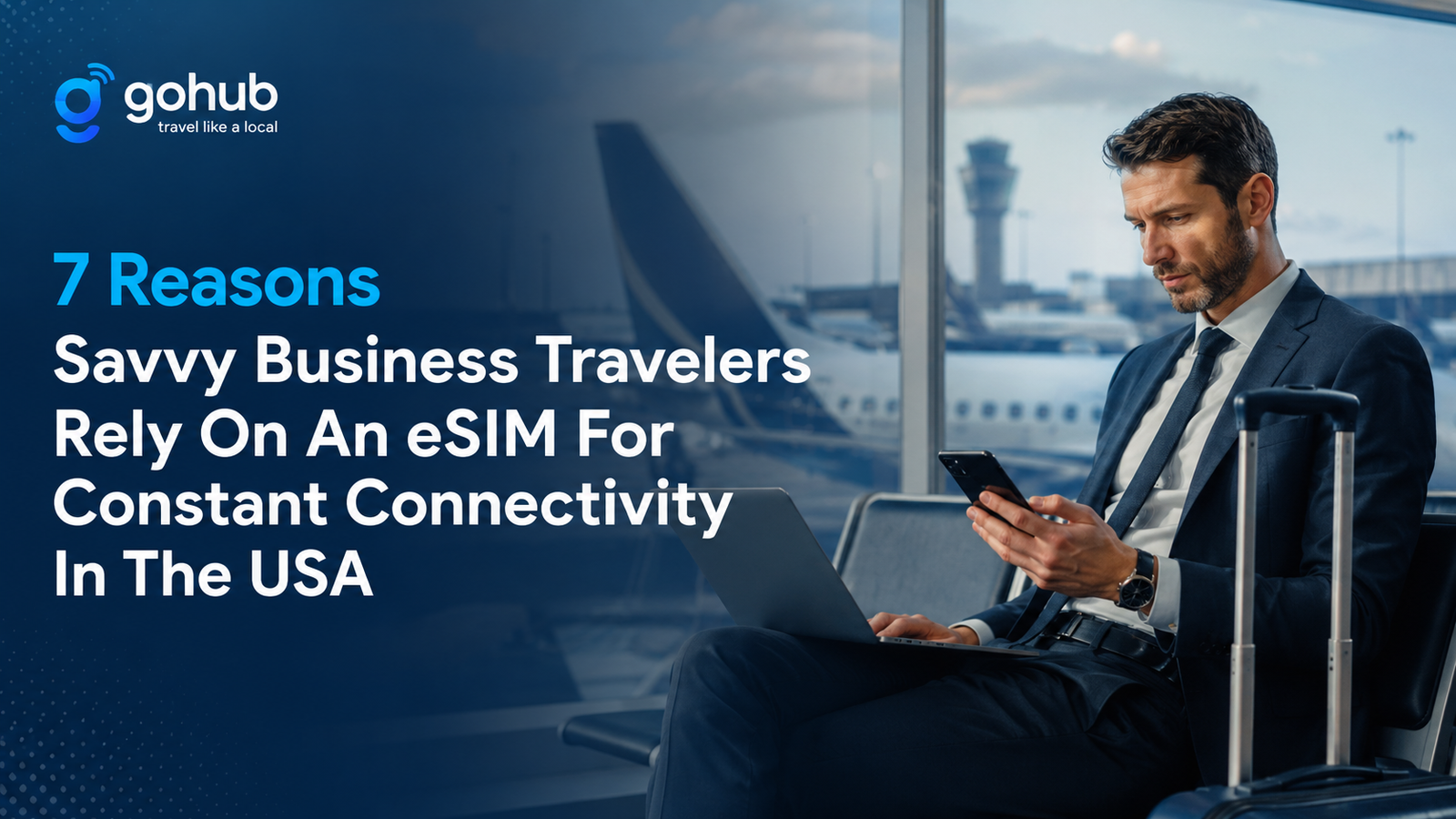
Business travel fills a day fast. A flight lands, messages pile up, a meeting time shifts, and the hotel still needs a check-in. For someone who steps off a plane and heads straight into work mode, reliable mobile data makes the day feel much easier.
That is one reason frequent travelers look for simple tools that save time. A USA eSIM works well for that kind of trip because it helps people get connected without extra fuss. For professionals moving between airports, hotels, and meeting spaces, that convenience can take real pressure off the schedule.
1. Instant Setup Saves Valuable Time
The first hour after arrival tends to shape the rest of the trip. A traveler may need to open a map, reply to a client, confirm transport, or pull up a hotel booking before even leaving the airport. An eSIM makes that part simple because the connection can be ready within minutes.
That quick start feels especially useful after a long flight. There is no need to deal with a tiny SIM card or spend time looking for a mobile shop. The traveler can get online, sort out the basics, and move straight to the next stop.
2. Reliable Data Helps Across Multiple Cities
Many work trips involve more than one stop. A person may land in Miami, spend the next day in Atlanta, and wrap up meetings in Seattle or Los Angeles. During that kind of busy schedule across the USA, steady data access helps keep everything in place.
The value shows up in small moments all day. Calendar updates load on time, ride apps stay ready, and important messages do not sit unseen. When every hour counts, smooth service makes the trip feel less scattered.
3. There Is No Physical SIM To Keep Track Of
Frequent travelers already carry enough. There is the passport, laptop, charger, room key, and a growing list of receipts tucked somewhere into a bag. A physical SIM card may be small, though it still adds one more thing that can get lost in the rush.
An eSIM keeps that whole part digital. Nothing has to be removed from the phone, stored in a wallet, or remembered later. That simplicity suits business travelers who like to keep things clean, light, and easy to manage.
4. Clear Costs Make Planning Easier
Most travelers like to know what they are paying for before the trip gets busy. Data charges in the USA can feel easier to handle when the plan is chosen in advance instead of being left to roaming fees. This gives a traveler a better sense of control from the start.
It also makes trip planning feel more practical. Someone can pick a package that suits a few days of meetings or a full week on the road. When costs are clear, there is one less detail pulling attention away from work.
5. One Phone Can Separate Work And Personal Use
A lot of professionals prefer some space between work life and personal life, even while traveling. Carrying two phones can feel awkward, especially during a packed trip filled with airport lines, hotel check-ins, and back-to-back meetings. An eSIM helps keep both sides organized on one device.
That setup can make the day feel less cluttered. One line can handle business messages and trip logistics, while the other stays personal. For someone living out of a carry-on for a few days, that little bit of order goes a long way.
6. A Backup Connection Can Save The Day
Work rarely arrives at the perfect moment. A file may need to be sent from the back seat of a car, or a video meeting may need a quick login from a hotel lobby. In the USA, having another way to get online can make a real difference when timing matters.
That is part of what makes an eSIM so useful. It gives travelers another option when they need data right away. For people whose day depends on mail, maps, bookings, and shared documents, that extra support feels practical rather than flashy.
7. It Suits The Pace Of Modern Business Trips
A work trip runs on the phone more than ever. Boarding passes, hotel bookings, meeting notes, transport apps, and last-minute schedule changes all tend to live on one screen. An eSIM fits naturally into that routine because it keeps mobile access simple.
That matters to travelers who like things to work without much effort. They do not want extra steps when they are already moving from one appointment to the next. A tool that saves time and works quietly in the background usually earns a permanent spot in the travel routine.
Savvy business travelers usually lean toward options that make a busy trip feel easier. A USA eSIM gives them a simple way to stay connected from arrival to departure. It saves time, keeps things organized, and suits the pace of work travel across different cities. That is why it has become such a practical choice for people who need steady mobile access during a trip.


Egypt never had the EU’s free-roaming deal to begin with, so Brexit changed nothing there. British networks have charged similar steep day rates for Cairo, the Nile and the Red Sea coast for years, and most travellers only discover this once the bill lands. This guide covers what UK networks actually charge for Egypt in 2026, which local carrier, Vodafone Egypt, Orange or Etisalat, covers the Pyramids, Luxor and the Red Sea coast best, and why a growing number of British travellers now buy an eSIM for Egypt before they fly. HelloRoam, one provider selling digital SIM cards for travellers that install faster than ordering a coffee, has Egypt plans from $4.99.
What UK Networks Actually Charge for Data in Egypt in 2026
Here’s a fact that surprises a lot of people: Egypt was never covered by the EU’s free roaming rules, so nothing about it changed when Britain left the bloc. It sat outside that zone before 2020, and it sits outside it now. Egypt has always been “rest of world” as far as EE, O2, Three and Vodafone are concerned, and rest of world has always meant a day rate.
As it stands, those day rates look like this for a typical pay-monthly customer heading to Egypt in 2026:
- EE: around £7.50 a day on a Roam Abroad pass, or £37.50 for a week
- O2: included free on some plans through the Travel Inclusive Zone, or around £7 a day via the Travel add-on otherwise
- Three: around £8 a day for anyone who joined or upgraded after 18 December 2025 (some older accounts still pay as little as £2)
- Vodafone: around £7.86 a day on Global Roaming, or £6 on plans taken out before August 2021
None of that is disastrous for a week’s holiday, provided you remember to add the pass before you fly. The real damage happens to people who forget, or who assume Egypt works the same way as France or Spain. Without a day pass, you’re on standard pay-as-you-go roaming, and that runs to roughly 12p per megabyte on some networks. Put plainly, a single gigabyte of unplanned data use in Cairo can cost more than £120.
Why an eSIM Beats a Roaming Pass or an Airport SIM Card
A roaming pass keeps your UK number live, which matters if you need calls or texts on the same line you gave the school or the babysitter. That’s its one genuine advantage. Everything else favours a local connection.
An eSIM for Egypt buys a block of data on an Egyptian network at Egyptian prices, not UK roaming prices, and it installs before you leave home. There’s no kiosk to find at Cairo International Airport, no passport photocopy, no queue behind a dozen other flights that landed at the same time. You scan a QR code, the profile downloads, and it’s ready to switch on the moment your plane lands.
A physical SIM bought at the airport does roughly the same job for a similar price, but it needs a spare SIM slot, a pin to eject the tray, and somewhere to keep your UK SIM safe while the Egyptian one sits in the phone instead. An e-SIM skips all of that, because there’s no physical card to lose, swap or drop down a drain in the Nile.
Egypt’s Three Networks: Vodafone, Orange and Etisalat Compared
Egypt runs on three main operators, and which one an eSIM connects to matters more than most providers let on.
- Vodafone Egypt is the largest operator, with close to 40% of the market, and it has the widest reach outside the big cities. It’s the strongest choice for Upper Egypt, the desert oases and the Nile Valley generally, and it led the country’s 5G rollout, which went live in June 2025 across Cairo, Upper Egypt and even at the Giza pyramid complex itself.
- Orange Egypt holds around a third of the market and covers roughly 97% of the population on 4G. It performs particularly well in Cairo, Alexandria and the Nile Delta, and it holds up well in Luxor too, though it trails Vodafone slightly along the Red Sea coast and in the far south.
- Etisalat, operating locally as e&, is the smallest of the three but not the weakest. OpenSignal’s March 2025 reliability testing gave it the top award among Egyptian carriers, and where 5G is available, it tends to offer the fastest experience of the three.
Most eSIM providers, HelloRoam included, don’t let you pick a single carrier by name. What they do is route your data through whichever local network gives the strongest signal at your location, which in practice means Vodafone in the Nile Valley and desert regions, and any of the three in Cairo, Alexandria or the main resort towns.
Coverage at the Pyramids, Luxor and the Red Sea Coast

Giza is no longer a coverage blind spot. Vodafone switched on 5G there directly as part of the 2025 rollout, so a plateau that used to swallow phone signal now streams video without much complaint. Cairo generally is well served by all three networks, with strong 4G and growing 5G availability across the city.
Luxor and Aswan, roughly 400 miles south, lean more heavily on Vodafone, which has the most consistent coverage across Upper Egypt. Orange and Etisalat both work well in the towns themselves, at the temples of Karnak and Luxor, and around the Valley of the Kings, but Vodafone tends to hold a stronger signal once you’re a few miles outside the centre.
The Red Sea resorts, Hurghada, Sharm el-Sheikh, El Gouna and Marsa Alam, get reliable 4G and increasingly 5G from all three carriers. Hurghada, sitting on the mainland with better infrastructure behind it, tends to have fewer dead zones than Sharm el-Sheikh, and some hotels report usable signal 200 to 300 metres offshore, useful to know if a snorkelling trip doubles as a chance to check messages.
Staying Online on a Nile Cruise

A Luxor to Aswan cruise typically runs three to four days, and it’s worth being honest about what that means for connectivity: roughly 30 to 40% of the river route has weak or no mobile signal at all. Signal is strong in Luxor and Aswan themselves and at the temple stops along the way, Edfu and Kom Ombo among them, but the long stretches of river between towns can drop to nothing.
Ship Wi-Fi doesn’t solve this on its own. Most boats offer it in common areas, but it works reliably around 70% of the time, and it depends on the same local towers your phone would use anyway. It’s fine for messages and light browsing, not for video calls or streaming.
Vodafone Egypt has the most consistent signal along the Luxor-Aswan corridor of the three networks, which is one reason it’s worth downloading maps, boarding passes and anything else you’ll need offline before the boat sets off, whichever eSIM or SIM you’re using.
What to Look for in the Best eSIM for Egypt
Not every eSIM for Egypt is built the same way. Before buying one, it’s worth checking:
- Network routing: does it prioritise Vodafone Egypt, which has the widest rural and Nile Valley reach, or is it locked to a weaker single carrier?
- Data allowance and validity: fixed plans (3GB, 5GB, 10GB and up) suit a set itinerary, while unlimited plans suit an open-ended one; check the fair-use terms before you buy, since providers manage these differently.
- Activation timing: can you install the profile at home and only activate it once you land, so it doesn’t eat into validity while you’re still on the runway at Heathrow?
- Registration requirements: Egypt has, in the past, required passport details for some prepaid SIM purchases bought locally; a good eSIM provider handles this without you queuing at a phone shop counter.
- Price against your itinerary: a two-week trip covering Cairo, a Nile cruise and a few days on the Red Sea coast needs more data than a long weekend in Sharm el-Sheikh.
HelloRoam’s Egypt eSIM plans start from $4.99, with fixed data options and unlimited plans both available, and activation happens by QR code before departure.
Sorting the Rest of Your Trip
An eSIM only solves one part of pre-trip admin. If anyone in your group is routing through the UK on a connecting flight and isn’t a British citizen, it’s worth checking whether they need a UK ETA before you travel; our guide to the UK’s Electronic Travel Authorisation sets out who needs one and how long it takes to sort. And if you’re still deciding how to get to the airport in the first place, we’ve weighed up airport taxis against public transport for exactly this kind of trip.
The Bottom Line
Egypt’s roaming rates were never part of the EU deal, so nothing about them improved or worsened with Brexit. They’ve simply stayed high, somewhere between £7 and £8 a day on every major UK network, with pay-as-you-go rates that can run past £120 a gigabyte for anyone caught without a plan.
An eSIM for Egypt sidesteps that entirely. It connects to a local network at local prices, installs before you leave the house, and needs no airport kiosk or spare SIM slot. HelloRoam’s Egypt eSIM plans start from $4.99 and cover the country end to end, from the Pyramids to the Nile Valley to the Red Sea coast, with activation by QR code and no passport queue involved. For travellers weighing up other destinations too, HelloRoam covers eSIM plans well beyond Egypt.
Frequently Asked Questions
Is an eSIM for Egypt worth it compared to roaming?
For most trips, yes. UK roaming day passes cost roughly £7 to £8 a day, whichever network you’re on, and that’s before any pay-as-you-go charges if you forget to add one. An eSIM buys a fixed data block at a lower total cost for anything beyond a couple of days.
Which network does an eSIM in Egypt actually use?
Most providers route data across Vodafone Egypt, Orange or Etisalat depending on location and signal strength, rather than locking you to one carrier by name. Vodafone tends to have the strongest reach outside the main cities.
Does an e SIM work at the Pyramids of Giza?
Yes. Vodafone switched on 5G at Giza as part of Egypt’s 2025 rollout, and all three main networks provide strong 4G coverage across greater Cairo.
Will I have signal on a Nile cruise between Luxor and Aswan?
Partly. Around 30 to 40% of the river route between towns has weak or no signal, though coverage is strong in Luxor, Aswan and at temple stops such as Edfu and Kom Ombo. Download anything you need offline before boarding.
Do I need to register my passport to buy an e-sim for Egypt?
No, not with a digital provider. Physical prepaid SIMs bought locally sometimes require passport details at the point of sale; an eSIM bought online before departure skips that step entirely.

From Sketch to Sign-Off: A Step-by-Step UX Prototyping Framework Used by Leading US Design Agencies

How do you choose the right metal for an engagement ring: platinum, gold or rose gold?

The Growing Interest in Peptides for Health and Wellness

Who Is Shameera? All You Need To Know About Charli XCX’s Mother

Who Is Gulliver Flynn Oldman? The Untold Story of Sir Gary Oldman’s Son

Meet Rosemary Turner: The Mother of Actor Callum Turner
-
Biographies8 months ago
Who Is Shameera? All You Need To Know About Charli XCX’s Mother
-
Biographies7 months ago
Who Is Gulliver Flynn Oldman? The Untold Story of Sir Gary Oldman’s Son
-
Biographies8 months ago
Meet Rosemary Turner: The Mother of Actor Callum Turner
-

 Biographies6 months ago
Who is Alexandra James? Inside The Life of Jeremy Clarkson’s Former Partner
-
 Biographies8 months ago
Who is Todd McRae? Meet Tate McRae’s Father
-
 Biographies7 months ago
Who Is Daniel Mara? The Untold Story of Kate Mara’s Private Sibling
-
 Celebrity8 months ago
Who Is Peter Hernandez? The Real Story of Bruno Mars’ Father
-
 Biographies8 months ago
Who Is Alvin Martin? All About the Whoopi Goldberg’s First Husband