
Business
Tips for Executives: Leveraging MFG Merch Corporate Textile Embellishment for Upcoming Trade Shows

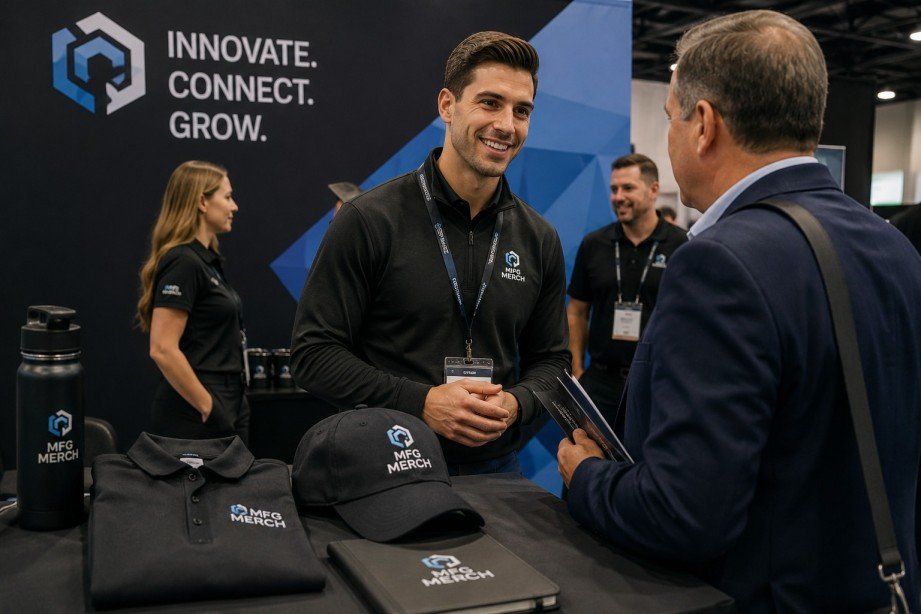
Trade show statistics indicate that nearly 80% of attendees remember a brand based on visual identity and the quality of physical interactions. For many executives, the pressure to stand out leads to massive spending on booth graphics, while the physical attire worn by the team remains an afterthought. When leadership and sales staff represent a high-value firm in flimsy, ill-fitting, or poorly branded apparel, it creates a psychological disconnect that can undermine even the most polished sales pitch. MFG Merch corporate textile embellishment provides a sophisticated solution to this problem, ensuring that every garment worn or gifted reflects the prestige and reliability of the organization.
Main Takeaways
Quality apparel acts as a silent salesman, establishing authority before a conversation even begins. Custom corporate apparel should be viewed as a long-term brand asset rather than a disposable marketing expense. Strategic embellishment techniques, such as high-density embroidery or precision screen printing, significantly increase the perceived value of promotional items. Consistency in color matching and logo placement across different garment types is essential for maintaining a professional, cohesive brand image.
Executive Quality Establishes Immediate Brand Authority
In a crowded trade show environment, the human element of your booth is your most valuable asset. Executives often focus on digital displays, yet the physical appearance of the staff is what attendees interact with most closely. High-quality custom garment decoration transforms standard clothing into a uniform of authority. When an attendee sees a team outfitted in premium, well-tailored apparel with crisp, high-end branding, they subconsciously associate that attention to detail with the company’s services or products. This is the difference between being perceived as a temporary vendor and a permanent industry leader.
Shifting the mindset from “swag” to brand assets is crucial for any high-level marketing strategy. Disposable, low-quality t-shirts often end up as rags or in the trash within weeks of an event. In contrast, premium items like high-GSM hoodies or performance-grade polos become part of a prospect’s regular wardrobe. This longevity ensures your brand remains visible long after the trade show floor has been cleared. Investing in superior textile embellishment ensures that your company’s logo is displayed in boardrooms, home offices, and airports across the globe.
The Longevity of Premium Garments
Durability is a key metric for ROI in corporate apparel. A garment that retains its shape and color after fifty washes provides exponentially more brand impressions than a cheap alternative that shrinks after one. When selecting fabrics, executives should look for materials that offer a balance of breathability and structure. For example, a 200 GSM combed cotton or a high-performance recycled polyester blend provides the necessary canvas for intricate embellishments while maintaining a retail-quality feel that executives and clients alike are proud to wear.
Uniform Strategy Drives Staff Performance and Recognition
Branded company uniforms do more than just display a logo; they foster a sense of team cohesion and psychological readiness. When a trade show team is outfitted in cohesive, stylish apparel, it eliminates the ambiguity of dress codes and ensures every representative meets the corporate standard. This visual unity makes the team more approachable to attendees, who can easily identify official representatives from a distance. Utilizing bulk embroidery services for these uniforms allows for a level of sophistication that screen printing sometimes lacks for executive-level attire.
The choice of garment cut and fabric is as important as the logo itself. Modern trade show uniforms are moving away from the boxy, oversized polos of the past toward athletic-inspired cuts and technical fabrics. These materials offer moisture-wicking properties and 4-way stretch, which are essential for staff members who are on their feet for ten to twelve hours a day. A comfortable employee is a more energetic and effective brand ambassador. By prioritizing comfort alongside aesthetics, executives ensure their team remains sharp and focused throughout the duration of the event.
Psychological Impact of Professionalism
There is a documented link between professional attire and confidence. When employees feel they look their best, their communication tends to be more assertive and persuasive. High-quality custom apparel manufacturers understand that the small details—such as the tension of the embroidery or the softness of the interior lining—contribute to the wearer’s overall experience. Providing staff with apparel they would actually choose to wear outside of work hours is a powerful endorsement of the brand’s culture and quality standards.
High-End Merch Increases Post-Show Brand Impressions
Promotional textile printing is often treated as a volume game, but for executives targeting high-value prospects, the focus must be on quality. Rather than distributing thousands of cheap items, savvy brands are creating “Executive Kits” for VIP prospects. These kits might include a custom-embellished quarter-zip pullover or a premium structured headwear piece. Because these items have a high retail value, they are treated with respect by the recipient, leading to a much higher rate of post-show engagement.
Creating a “walking billboard” requires an understanding of current fashion trends. People are increasingly resistant to wearing apparel that looks like a corporate advertisement. The goal of sophisticated textile embellishment is to integrate the brand into a stylish design. Tonal embroidery, where the thread color is a shade darker or lighter than the fabric, offers a subtle, high-end look that is popular in corporate environments. This approach ensures the garment is versatile enough for the golf course, the office, or casual weekend wear, maximizing the frequency of brand exposure.
Strategic Logo Placement for Visibility
Standard left-chest placement is reliable, but executives should consider alternative placements to increase visibility in event photography. Nape-of-the-neck branding or subtle sleeve hits are excellent for catching the eye during video interviews or panel discussions. When a brand representative is holding a microphone or gesturing toward a display, a well-placed logo on the cuff or shoulder ensures the brand remains in the frame without appearing overbearing. This strategic approach to design separates professional corporate apparel from generic promotional goods.
Technical Comparison of Embellishment Methods
Selecting the right method for custom apparel requires an understanding of both the fabric and the desired aesthetic. Not all techniques are suitable for every material. For instance, high-definition screen printing for businesses is ideal for large, vibrant graphics on cotton t-shirts, but it may not be the best choice for a textured fleece where embroidery would offer a more premium, three-dimensional finish. Understanding these nuances is part of the white-glove service provided by high quality custom clothing manufacturers.
Precision Embroidery for Outerwear
Embroidery is the gold standard for corporate branding. It offers a 3D texture and a sheen that printing cannot replicate. It is particularly effective on heavier fabrics like jackets, vests, and hats. When executed by a professional custom clothing manufacturer, the digitizing process ensures that even fine text remains legible and that the tension does not cause the fabric to pucker. For executive apparel, a high stitch count is non-negotiable for a crisp, professional appearance.
High-Definition Screen Printing for Scale
For large-scale attendee giveaways, screen printing remains the most cost-effective method for bold designs. However, modern techniques like water-based inks or discharge printing offer a “soft hand” feel, where the ink becomes part of the fabric rather than sitting on top like a plastic layer. This significantly improves the comfort and breathability of the garment, making it more likely to be worn repeatedly. Durability is also a factor; high-quality inks will not crack or peel even after multiple high-temperature wash cycles.
Specialty Heat Transfers and Patches
For technical fabrics like spandex-blend athletic wear, specialty heat transfers provide the necessary stretch without cracking. Additionally, custom silicone or woven patches are becoming a favorite for brands looking for a retail-ready aesthetic. These patches can be applied to beanies, backpacks, and outerwear, providing a rugged yet refined look that appeals to a modern, tech-savvy audience. This method allows for intricate details that might be too complex for traditional embroidery.
Expert Ranking of Decoration Performance
The following ranking evaluates decoration methods based on their suitability for executive-level trade show environments, considering durability, perceived value, and professional appearance.
#1 3D Puff and Flat Embroidery
Embroidery remains the undisputed leader for corporate attire. It provides a tactile, high-value feel that suggests permanence and quality. It is best suited for polos, button-downs, and structured headwear. With a durability rating that often outlasts the garment itself, it is the most reliable choice for branded company uniforms.
#2 Custom Woven and Leather Patches
Patches offer a rugged, artisanal feel that is currently very popular in the tech and outdoor industries. Leather patches, in particular, provide an upscale, rustic aesthetic that works beautifully on headwear and canvas jackets. They offer high contrast and a unique texture that stands out in a sea of printed shirts.
#3 Soft-Hand Screen Printing
Using water-based or silicone inks, this method provides vibrant colors without the heavy, “rubbery” feel of traditional plastisol. It is the best choice for high-volume t-shirt giveaways where you still want to maintain a level of quality that ensures the shirt is kept and worn after the event.
#4 Direct-to-Film (DTF) Transfers
DTF has revolutionized the industry by allowing for full-color, high-resolution graphics with incredible detail. It is ideal for complex logos with gradients that cannot be embroidered or screen-printed easily. It bonds well to a variety of fabrics, including synthetics that are difficult to decorate.
#5 Silicone Heat Transfers
Best for performance and athletic gear, silicone transfers move with the fabric. They have a modern, sleek appearance and are highly resistant to abrasion, making them perfect for activewear that might be used in the gym or during outdoor corporate retreats.
Decoration Method Comparisons
Choosing between these methods involves balancing the budget with the desired brand perception. Use this table as a quick reference when deciding between materials and decoration techniques based on durability and professional impact.
| Method | Durability | Perceived Value | Ideal Fabric | Cost Factor |
| Embroidery | Extremely High; outlasts garment | Premium; executive standard | Pique Polos, Jackets | $$$ |
| Screen Printing | High; resistant to fading | Standard to High (Soft-hand) | Cotton T-shirts | $ |
| Leather Patches | High; develops patina over time | Very High; retail aesthetic | Headwear, Canvas | $$$$ |
| DTF Transfers | Moderate; good for 30+ washes | High; allows for detail | Synthetics, Blends | $$ |
| Heat Transfers | High; flexible and thin | Professional; athletic look | Performance Gear | $$ |
Refining the Final Look with Advanced Finishing
Consistency is the hallmark of a professional brand. One of the biggest mistakes companies make is having inconsistent logo colors across different items. A logo might appear bright red on a white t-shirt but dark maroon on a black hoodie. Professional manufacturers use Pantone matching systems to ensure that regardless of the fabric or the decoration method, your corporate colors remain exact. This level of precision is what differentiates a cohesive brand collection from a random assortment of merchandise.
Advanced finishing services, such as custom neck labels and hang tags, further elevate the brand. When an attendee receives a piece of apparel that has a custom-printed neck label instead of a generic manufacturer’s tag, the perceived value of that item increases instantly. It feels like a piece of retail clothing rather than a promotional giveaway. For executives, these small touches are what ensure the brand message is received as one of quality and sophistication.
Logistics of Premium Apparel Production
Planning for a major trade show requires a clear timeline. High-quality custom apparel manufacturing is a multi-stage process that includes sourcing, digitizing, sampling, and production. For a large-scale event, it is recommended to initiate the design process at least 8 to 12 weeks in advance. This allows for physical samples to be reviewed and adjusted, ensuring that the final bulk production meets the executive standard without the need for rushed, last-minute compromises.
Scalability and quality control are also vital. A professional manufacturer will have rigorous QC checks at every stage, from inspecting the raw garments for defects to verifying the stitch density of every embroidered logo. For corporate clients, white-glove service means that the apparel arrives sorted, folded, and ready for distribution, allowing the trade show team to focus on their primary objective: engaging with prospects and closing deals.
Recap of Executive Branding Strategies
Prioritize garment quality and fit to establish immediate brand authority on the trade show floor. View custom apparel as a long-term marketing asset that extends brand visibility far beyond the event. Utilize specific embellishment techniques like embroidery and patches to increase the perceived value of your merchandise. Ensure total brand consistency through precise Pantone color matching and strategic logo placement across all team uniforms and VIP gifts.
FAQs About MFG Merch corporate textile embellishment
How does high-quality embellishment impact trade show ROI?
Premium embellishment increases the “wearability” of the garment. When prospects keep and wear your apparel in their daily lives, your cost-per-impression drops significantly over time, leading to much higher long-term brand recognition compared to cheap, disposable items.
What is the most durable method for company uniforms?
Embroidery is widely considered the most durable method for uniforms. The threads are anchored into the fabric, making them resistant to the frequent washing and heavy wear common in trade show environments. It also maintains a professional appearance longer than printed alternatives.
Can MFG Merch help me select the right fabric for my brand?
Yes, as a professional custom clothing manufacturer, MFG Merch provides expert guidance on fabric selection, GSM weights, and decoration compatibility to ensure your corporate apparel aligns with your brand’s quality standards and functional needs. They assist in navigating the technical aspects of production to deliver a retail-ready final product.
Why is Pantone matching important for corporate apparel?
Pantone matching ensures that your corporate identity remains consistent across different mediums. Without it, your logo colors can vary wildly between different fabrics and inks, which can look unprofessional and dilute your brand’s visual impact at a high-stakes event.
What are the typical lead times for custom corporate orders?
Standard lead times for high-quality custom orders typically range from 3 to 6 weeks, depending on the complexity of the design and the size of the order. However, for large trade shows, starting the process 8 to 12 weeks early is recommended to allow for sampling and quality assurance.
Where is MFG Merch located and what’s their phone number?
MFG Merch is located at 240 Talleyrand Ave, Jacksonville, FL 32202, United States. You can reach them at (904) 677-9505.
What services does MFG Merch offer as a custom apparel manufacturer?
MFG Merch provides high-quality custom clothing manufacturing, including technical consultations on fabric weights, compositions, and printing methods, plus full support for custom apparel production and branding. For full details on their capabilities and to get started, visit https://mfgmerch.com/.


Holiday campaigns often use themed merchandise, but many products feel useful only for a short time. Socks can work well if the design feels seasonal without being too limited.
A holiday sock should not look like it can only be worn once. The more wearable the design, the more value it brings after the campaign ends.
Use Seasonal Details Carefully
Holiday colors, stripes, snowflakes, icons, or simple patterns can make the sock feel festive. But too many seasonal graphics can make the product less wearable later.
A good design may use one seasonal accent with a clean logo or simple pattern.
For buyers planning custom socks with logo, the best holiday designs often balance seasonal style with daily wearability.
Choose Comfort Over Novelty
A novelty sock may look fun, but if the material feels poor, people will not wear it often. For holiday campaigns, softness and fit matter because the product may be given as a gift.
A midweight crew sock often works well because it feels more substantial and provides enough room for design.
Plan Quantity Around Campaign Timing
Holiday orders should be planned early. The buyer needs enough time for design review, sample approval, production, packing, and shipping.
A small company campaign may need 50–100 pairs. A larger seasonal promotion may need 300 pairs or more, depending on distribution plans.
Connect Holiday Socks With Other Seasonal Gear
Socks can be paired with beanies, scarves, or hats for a more complete winter campaign. Matching colors across products can make the campaign feel more polished.
For seasonal accessory planning, working with Fastsewing can help connect socks with beanies, scarves, hats, and other cold-weather accessories in a more consistent way.
Conclusion
Holiday socks should feel festive but still wearable. A balanced design, comfortable material, and clear timing plan can make the product useful beyond the holiday season.


Introduction
Online reviews are among the most visible trust signals for businesses operating in competitive markets. Customers often check Google Search and Google Maps before deciding whether to visit a local company, purchase a product, schedule an appointment, or contact a service provider. A high star rating combined with a substantial number of recent reviews can create a strong first impression and reduce uncertainty for potential customers.
This is why some business owners consider buy google 5 star reviews when they have a new profile, a limited number of customers, or a rating that does not accurately reflect their current performance. The attraction is understandable: additional five-star ratings may appear to provide instant social proof and make a business look more established.
However, the safety of this strategy depends on what is actually being purchased. Paying for genuine reputation-management services is different from purchasing fabricated customer experiences. Google prohibits fake engagement, including reviews that do not represent genuine experiences and paid or incentivized reviews.
The question is therefore not simply whether five-star reviews can make a profile look better. It is whether purchasing them is a sustainable, compliant, and trustworthy way to build a business reputation.
Why Are Google 5-Star Reviews Important?
Google reviews influence how consumers perceive a business before they interact with it. A customer searching for a restaurant, dentist, contractor, software company, retailer, or marketing agency may compare several profiles before making a decision.
Important review signals include:
- Overall star rating
- Total review volume
- Review recency
- Written customer experiences
- Business responses
- Photos submitted by customers
- Consistency of feedback
- Specific product or service mentions
- The apparent authenticity of reviewers
A strong review profile can provide social proof and reduce perceived purchasing risk. However, consumers are not necessarily looking for a perfect rating alone. They may read individual reviews to understand what real customers experienced.
The Federal Trade Commission notes that consumers rely on reviews to decide what to buy or whom to hire, which makes accurate and trustworthy feedback particularly important.
Why Do Businesses Consider Purchasing Five-Star Reviews?
There are several reasons a business might consider artificial review services.
New Business Profiles
New businesses often struggle to collect reviews because they have not yet accumulated a large customer base. Competitors may have hundreds or thousands of ratings, creating an immediate credibility gap.
Low Star Ratings
A business with a history of negative feedback may believe additional positive reviews can quickly improve its average rating.
Competitive Pressure
Businesses sometimes compare their Google Business Profile with competitors and notice significant differences in review quantity or ratings.
Social Proof
A large collection of positive reviews can make an unfamiliar company appear more established.
Customer Acquisition
Some businesses believe a higher rating will encourage more people to call, visit their website, request a quote, or make a purchase.
These are understandable marketing objectives. The problem arises when the business attempts to achieve them by creating customer experiences that never happened.
Is It Safe to Buy Google 5-Star Reviews?
For fabricated or paid reviews, the answer is no.
Google’s policies prohibit fake engagement. Reviews must reflect genuine experiences, and businesses cannot manipulate ratings through paid reviews, incentives, or other deceptive methods.
The FTC has also established rules addressing fake and deceptive reviews. Its Consumer Reviews and Testimonials Rule took effect in October 2024 and prohibits businesses from buying or selling fake or false consumer reviews in circumstances covered by the rule.
Therefore, businesses should not assume that purchasing reviews from an online provider is simply another form of digital advertising.
What Happens If Google Detects Fake Reviews?
One of the biggest concerns is that purchased reviews can eventually disappear.
Google has policies specifically designed to address fake engagement and rating manipulation. If reviews violate Google’s policies, they can be removed.
Google may also impose restrictions on Business Profiles that violate its fake-engagement policies. Depending on the circumstances, enforcement can affect the ability to receive new reviews, remove existing reviews, or display warnings to consumers.
This creates an unfavorable risk-reward equation. A company may spend money attempting to strengthen its reputation and ultimately lose the very reviews it purchased.
More importantly, enforcement can potentially make the profile look less trustworthy than it did before.
Can Fake Five-Star Reviews Hurt Your Business Reputation?
Yes.
The purpose of customer reviews is to provide independent evidence of customer experiences. When reviews are fabricated, that evidence becomes unreliable.
Customers may notice suspicious patterns such as:
- Many reviews appearing within a short period
- Nearly identical wording
- Generic praise without specific details
- Reviewers with unusual account activity
- Large increases in review volume without obvious business growth
- Reviews mentioning products or services the company does not provide
- An unusually high concentration of perfect ratings
The FTC specifically advises businesses to avoid fake reviews and deceptive review practices because consumers depend on reviews when making purchasing decisions.
If customers discover manipulation, the business can lose more than a few stars. It can lose credibility.
Why Does Review Authenticity Matter?
Authenticity is one of the most important elements of online reputation management.
A genuine customer review typically describes something the customer actually experienced. It might mention:
- The quality of a product
- Customer service
- Delivery speed
- Staff behavior
- Communication
- Pricing
- The booking process
- Technical support
- A completed project
- How a complaint was resolved
These details help future customers determine whether the business is suitable for their needs.
Fabricated reviews, by contrast, are usually designed primarily to create a favorable impression. They may contain positive language without providing useful evidence.
A business should therefore focus on collecting authentic customer feedback rather than simply maximizing its star count.
Is Paying for Reviews the Same as Asking Customers for Reviews?
No.
This distinction is extremely important.
A business can legitimately ask real customers to leave honest reviews. Google provides businesses with tools and guidance for requesting customer feedback.
For example, a company can send a direct review link after a completed transaction or provide a QR code that takes customers to its review page.
That is fundamentally different from paying an individual who has never used the business to create a five-star rating.
The first approach facilitates genuine customer feedback. The second creates potentially deceptive content.
Can Businesses Offer Incentives for Five-Star Reviews?
Businesses should be particularly careful with incentives.
The FTC’s current rule prohibits compensation or incentives conditioned on consumers writing reviews expressing a particular sentiment. The FTC specifically states that businesses cannot offer incentives for five-star reviews on third-party platforms merely by adding a disclosure.
Google also prohibits incentives such as payments, discounts, free products, or services in exchange for reviews under its fake-engagement policy.
Businesses should therefore avoid campaigns that say, in effect, “Leave us five stars and receive a discount.”
If review requests are used, the request should be for honest feedback rather than a predetermined rating.
What Are the Legal Risks of Fake Reviews?
The regulatory environment surrounding online reviews has become significantly stricter.
The FTC’s Consumer Reviews and Testimonials Rule addresses several deceptive practices, including fake or false reviews, buying reviews known or reasonably expected to be fake, and compensation conditioned on a particular positive or negative sentiment.
The FTC also states that agencies, public-relations firms, reputation-management companies, and review brokers can potentially be liable for creating or selling fake reviews.
The exact legal obligations depend on the country, jurisdiction, business model, and circumstances. Companies operating internationally should obtain appropriate legal advice rather than assuming that a review strategy is compliant everywhere.
Can Buying Reviews Improve Local SEO?
Businesses often associate review volume with Google rankings.
However, reviews should not be treated as a guaranteed local SEO shortcut.
Local search performance involves multiple factors, including:
- Business relevance
- Location
- Business Profile accuracy
- Website quality
- Local content
- Links and authority
- Customer interactions
- Reviews and ratings
- Searcher intent
- Overall online presence
Artificially manipulating reviews can introduce policy risks that potentially outweigh any perceived SEO benefit.
A better strategy is to integrate reputation management with a broader local SEO campaign.
What Is the Difference Between Review Management and Review Buying?
Reputation management can be completely legitimate when it focuses on authentic customer feedback.
A professional review-management process may include:
- Monitoring new reviews
- Responding to customer feedback
- Sending review requests
- Creating direct review links
- Using QR codes
- Tracking customer sentiment
- Identifying recurring complaints
- Reporting reviews that violate platform rules
- Improving customer service
- Measuring reputation performance
The objective is to make genuine feedback easier to collect and manage.
When evaluating services marketed using terms such as Buy Social Reviews, businesses should examine whether the provider delivers reputation-management tools and genuine customer outreach or actually manufactures reviews.
How Can Businesses Get More Genuine Five-Star Reviews?
Deliver a Strong Customer Experience
The foundation of positive reviews is customer satisfaction. Businesses should focus on product quality, communication, reliability, service, and problem resolution.
Ask for Honest Feedback
After completing a purchase, appointment, delivery, or project, businesses can invite customers to share their honest experiences.
Make Reviewing Easy
A direct Google review link can reduce the number of steps customers need to take.
Use QR Codes
Physical businesses can place appropriate QR codes on receipts, packaging, signage, or other customer-facing materials.
Respond to Reviews
Responding to reviews demonstrates that customer feedback matters. Responses should be professional, relevant, and respectful.
Learn From Negative Feedback
A negative review can reveal a real operational problem. Businesses should investigate recurring complaints instead of simply trying to bury them with additional ratings.
Avoid Selective Manipulation
Businesses should not create reviews themselves, ask non-customers to review them, or condition incentives on positive ratings.
The FTC similarly advises businesses not to ask people who have not experienced the product or service to write reviews and warns against soliciting reviews only from customers expected to be positive.
How Should Businesses Handle Existing Negative Reviews?
Negative feedback does not automatically mean a business has a poor reputation.
A profile containing a mixture of positive and negative experiences can sometimes appear more realistic than one containing nothing but perfect ratings.
Businesses should respond constructively by:
- Acknowledging legitimate concerns.
- Avoiding defensive arguments.
- Offering to investigate the issue.
- Moving sensitive conversations into an appropriate private channel.
- Correcting genuine operational problems.
- Reporting reviews only when they violate platform policies.
A business should not attempt to compensate for negative reviews through fake positive feedback.
What Should You Look for in a Reputation Management Service?
Businesses considering professional reputation support should ask several questions before signing an agreement.
Does the Provider Guarantee Five-Star Reviews?
A guarantee of specific ratings should be treated as a warning sign.
Where Do the Reviews Come From?
Ask whether reviews come from verified or genuine customers who actually experienced the business.
Does the Service Follow Google’s Policies?
A provider should be transparent about platform rules rather than promising ways to bypass them.
Does It Offer Review Monitoring?
Monitoring and response management can provide genuine value without manipulating customer feedback.
Does It Help Improve Customer Feedback?
A strong provider should help establish systems for collecting authentic reviews rather than simply supplying ratings.
Frequently Asked Questions
Can I safely buy Google 5-star reviews?
Purchasing fabricated or paid Google reviews is not a safe strategy. Google prohibits fake engagement and can remove policy-violating content. Businesses should focus on authentic customer feedback instead.
Can Google detect purchased reviews?
Google does not publicly disclose every detection mechanism, but its policies specifically address fake engagement, unusual review patterns, and rating manipulation. Businesses should not assume that purchased reviews will remain permanently published.
Will purchased reviews improve my Google ranking?
There is no legitimate guarantee that purchased reviews will improve rankings. Manipulating reviews can instead create policy and reputation risks.
Can Google remove fake five-star reviews?
Yes. Reviews that violate Google’s policies may be removed. Businesses should not rely on artificial reviews as a permanent reputation asset.
Is it legal to buy Google reviews?
The legal position depends on the circumstances and jurisdiction. In the United States, the FTC’s Consumer Reviews and Testimonials Rule prohibits certain fake or false reviews and buying reviews that businesses knew or should have known were fake.
Can I pay customers to leave five-star reviews?
Businesses should not condition compensation or incentives on customers leaving positive reviews. The FTC specifically addresses incentives conditioned on a particular sentiment, while Google’s policies prohibit incentivized reviews.
How can I get more five-star reviews naturally?
Provide excellent service, ask genuine customers for honest feedback, make the review process convenient, use direct review links, and respond professionally to customer comments.
Are negative reviews bad for SEO?
Not necessarily. Negative reviews can provide useful feedback and give businesses opportunities to demonstrate professionalism and customer service. The priority should be resolving genuine issues rather than artificially hiding criticism.
What should I do if someone posts a fake negative review?
If the review violates Google’s policies, report it through Google’s review-reporting process. A business should not retaliate by creating fake positive reviews or attacking the reviewer.
Conclusion
buy google 5 star reviews may seem appealing to businesses that want faster social proof, a higher apparent rating, or a stronger competitive position. However, fabricated reviews carry significant platform, reputation, and potentially regulatory risks.
Google’s policies require genuine customer experiences and prohibit fake engagement, while the FTC’s rules address deceptive review practices and the purchase or sale of certain fake reviews.
The safer long-term approach is to build a reputation through excellent customer experiences, authentic review requests, professional responses, customer-service improvements, and ethical reputation management. Genuine reviews provide information that prospective customers can actually trust.
Ultimately, buy google 5 star reviews is not a reliable substitute for customer satisfaction. A strong Google Business Profile should reflect the quality of the business rather than create an artificial impression of it.

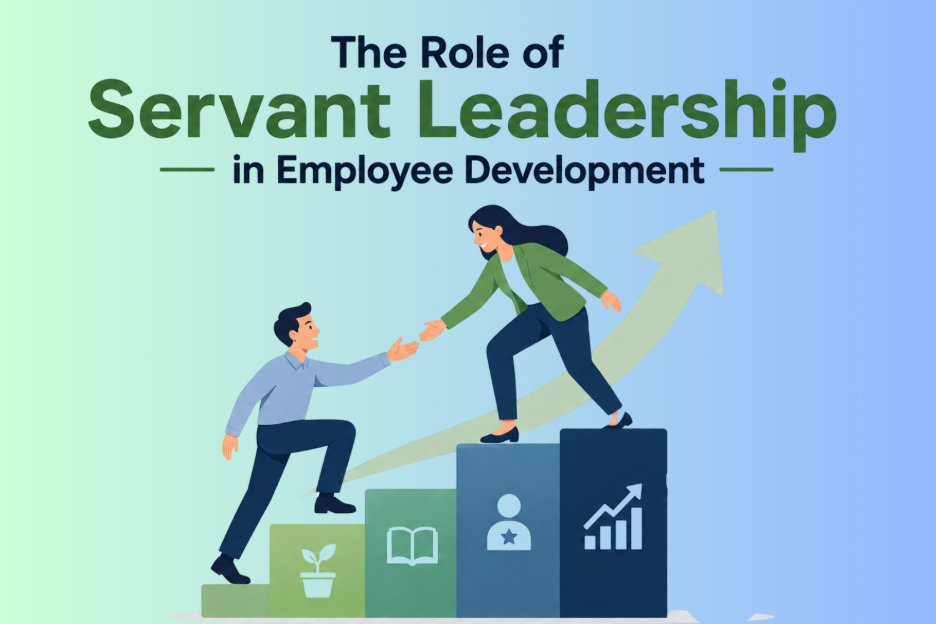
What if the best way to develop employees is not to control them, but to support their growth? Strong leaders create workplaces where people feel heard, trusted and encouraged to improve. ILM Level 3 can help aspiring managers build practical skills for guiding and supporting employees effectively. Servant Leadership takes this approach further by placing employee needs and development at the centre of leadership. It encourages leaders to listen, coach and create meaningful opportunities for growth.
In this blog, we will explore the role of Servant Leadership in employee development.
How Servant Leadership Turns Employee Potential into Progress
Below are the key roles Servant Leadership plays in supporting employee growth and professional development:
Creates a Supportive Work Environment
When workers feel free to voice problems and ask questions, they grow more quickly. By paying close attention and treating staff members with respect, servant leaders foster this atmosphere. They concentrate on comprehending what individuals require in order to function and develop.
Employees who work in a supportive environment are also more receptive to learning. They are more open to asking for advice and taking on new tasks. The management skills developed through ILM Level 3 can also help leaders understand how to provide effective workplace support.
Encourages Continuous Learning
Once an employee is aware of their current function, they should continue to learn. People are inspired to continue expanding their knowledge and skills by servant leaders. They might recommend instruction, opportunities for hands-on learning, or difficult assignments.
This emphasis on ongoing education helps staff members get ready for further responsibility. Additionally, it keeps their expertise current as working demands evolve. Employees can advance in their careers steadily when learning is integrated into daily tasks.
Provides Meaningful Coaching and Feedback
Employees receive clear guidance for improvement when they receive positive comments. Servant leaders do more than just call attention to errors. They help staff members understand how to achieve that change by outlining what can be improved.
Frequent employee feedback also helps people see their abilities more clearly. Coaching conversations can be used by leaders to pinpoint areas for improvement and establish realistic objectives. ILM Level 3 can help managers strengthen the communication and leadership skills needed to support such conversations.
Identifies Individual Strengths
Each member of a team contributes unique skills. Rather than treating everyone equally, servant leaders take the effort to identify their strengths. They watch how workers operate and where they are most productive.
Leaders are able to offer appropriate growth chances when they are aware of each person’s strengths. Workers can take on assignments that help them build new skills while strengthening their current ones. This individualised strategy increases the effectiveness and significance of talent development.
Develops Future Leaders
When workers acquire real-world experience, their leadership growth is strengthened. Team members are given the chance to oversee duties and participate in decision-making by servant leaders.
Employees gain an understanding of accountability and teamwork from these encounters. Additionally, they acquire critical leadership abilities including accountability and communication. ILM Level 3 can support the development of practical management skills that help professionals prepare for greater workplace responsibilities. Organisations can develop a more robust internal pool of workers who are prepared for leadership roles in the future.
Strengthens Trust Between Leaders and Employees
Honest communication is necessary for development. Workers must be at ease talking about challenges and areas in which they require assistance. By listening intently and maintaining polite conversation, servant leaders foster trust in the workplace.
Conversations on development are more fruitful when there is strong trust. Workers are free to talk about their professional aspirations. Based on those objectives, leaders can then offer pertinent advice and opportunities.
Encourages Greater Employee Engagement
When individuals are aware that their development is important to their company, they are frequently more engaged. Servant leaders acknowledge the contributions of their staff members and genuinely care about their advancement.
Increased employee engagement may motivate people to take an active role in workplace education. They become more open to accepting responsibility and exchanging opinions. Both individual growth and improved team performance are supported by this involvement.
Promotes Collaboration and Knowledge Sharing
Formal training is not the only way that employees are developed. Through regular cooperation, people might pick up useful talents from their coworkers. Employee support and knowledge sharing are encouraged by servant leaders.
As a result, learning becomes a shared responsibility in a collaborative workplace. While diverse viewpoints enable everyone to generate new ideas, seasoned workers can mentor more junior team members. Sharing knowledge can improve the team’s overall performance.
Connects Personal Growth with Organisational Goals
When personal goals align with broader organisational objectives, employee growth becomes more useful. Servant leaders assist staff members in realising how their growth affects the success of the team and the organisation.
They are able to recognise abilities that are advantageous to the company and the worker. This supports workforce needs and makes career development pathways clearer. Workers are able to comprehend the potential outcomes of their learning and perceive a more compelling reason for it.
Conclusion
Employee development becomes more meaningful when leadership focuses on people rather than authority. Servant Leadership creates opportunities for learning and personal growth while strengthening workplace trust.
For professionals looking to strengthen their leadership skills, Oakwood International provides learning opportunities that can support practical management knowledge and help leaders create workplaces where employees are encouraged to learn, contribute and grow.

A Newcomer’s Guide to Living and Driving in Aldershot

What to Wear in Australia: Essentials Hoodies, T-Shirts, Shorts and Tracksuits

Streetwear Culture 2026: Why Hellstar and Better With Age Are Dominating the US Scene

Who Is Shameera? All You Need To Know About Charli XCX’s Mother

Who Is Gulliver Flynn Oldman? The Untold Story of Sir Gary Oldman’s Son

Meet Rosemary Turner: The Mother of Actor Callum Turner
-
Biographies7 months ago
Who Is Shameera? All You Need To Know About Charli XCX’s Mother
-
Biographies6 months ago
Who Is Gulliver Flynn Oldman? The Untold Story of Sir Gary Oldman’s Son
-
Biographies7 months ago
Meet Rosemary Turner: The Mother of Actor Callum Turner
-

 Biographies5 months ago
Who is Alexandra James? Inside The Life of Jeremy Clarkson’s Former Partner
-
 Biographies7 months ago
Who is Todd McRae? Meet Tate McRae’s Father
-
 Biographies6 months ago
Who Is Daniel Mara? The Untold Story of Kate Mara’s Private Sibling
-
 Celebrity7 months ago
Who Is Peter Hernandez? The Real Story of Bruno Mars’ Father
-
 Biographies7 months ago
Who Is Alvin Martin? All About the Whoopi Goldberg’s First Husband