
Blog
Heat Pump Installation: A Smart Move for Your Home

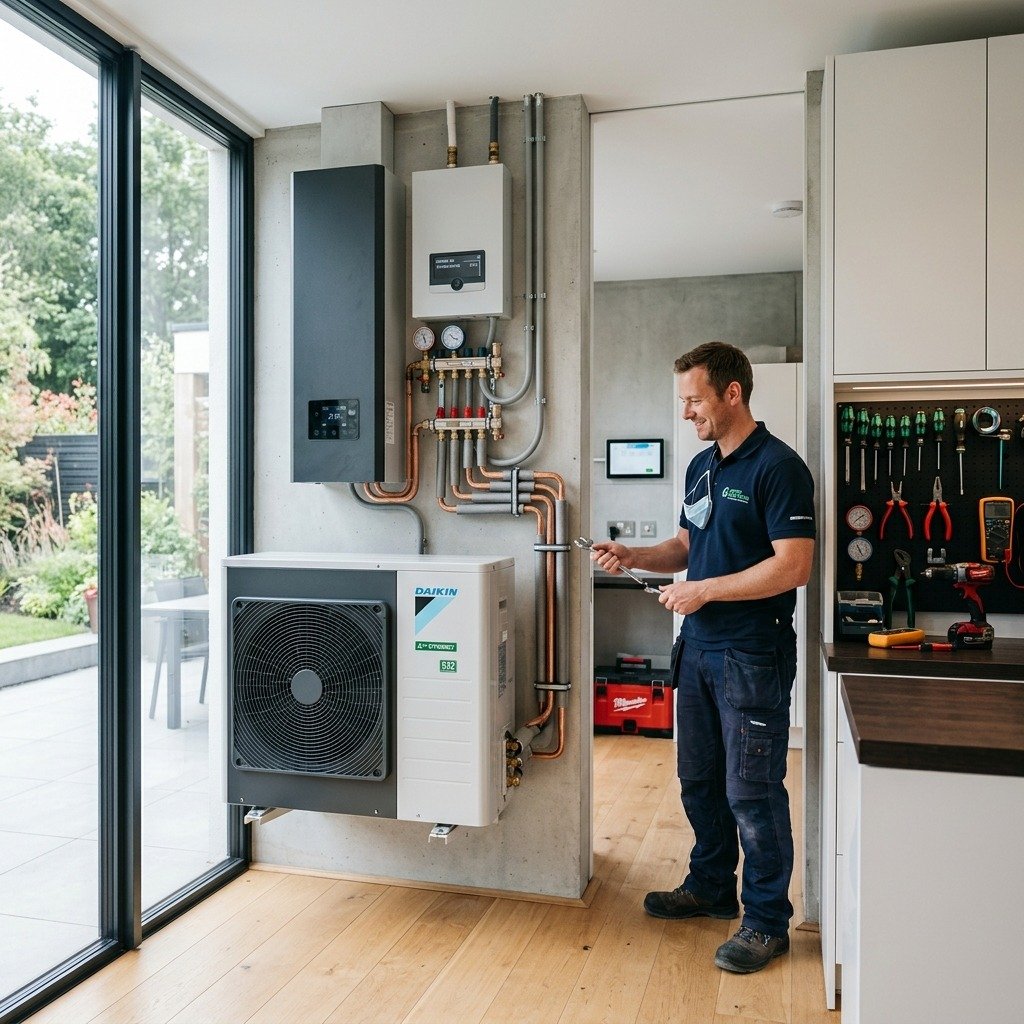
Comfort is non-negotiable. Whether it’s the middle of a bitter winter or a sweltering summer, the last thing any homeowner wants is an unreliable heating and cooling system. That’s exactly where a modern heat pump changes everything—and why so many homeowners are making the switch right now.
Heat pumps have become one of the most talked-about upgrades in residential HVAC. And for good reason. They handle both heating and cooling from a single system, operate with impressive energy efficiency, and can significantly cut down monthly utility bills. For homes that still rely on older furnaces or window units, upgrading to a heat pump is one of the most impactful decisions a homeowner can make.
Mayday Heating and Cooling has helped hundreds of homeowners across the region make this transition—smoothly, affordably, and with results that speak for themselves.
What Makes a Heat Pump Different From a Traditional System?
Unlike furnaces that generate heat by burning fuel, heat pumps transfer heat from one place to another. In winter, they pull warmth from the outdoor air (even when temperatures drop) and move it inside. In summer, the process reverses, expelling indoor heat to cool your living space.
This transfer-based mechanism is what makes heat pumps so efficient. They don’t create heat—they move it. That distinction translates directly into lower energy consumption and reduced running costs compared to traditional systems.
Modern heat pumps also come in several configurations:
- Air-source heat pumps — The most common type, drawing heat from outdoor air. Ideal for most residential properties.
- Ductless mini-splits — Perfect for homes without existing ductwork, or for heating and cooling specific zones.
- Ground-source (geothermal) heat pumps — Draw heat from underground, offering exceptional efficiency but requiring more extensive installation.
Mayday Heating and Cooling’s team helps homeowners evaluate which type is the right fit based on their home’s layout, existing infrastructure, and energy goals.
What Does the Heat Pump Installation Process Actually Look Like?
Many homeowners hesitate because they assume installation is disruptive or complicated. The reality is quite different—especially when you work with an experienced HVAC team.
Here’s a general overview of what the process involves:
1. Home Assessment
Before anything is installed, a technician evaluates the home’s size, insulation quality, existing ductwork, and heating and cooling load. This step ensures the selected heat pump is properly sized—because an oversized or undersized unit won’t perform efficiently regardless of how well it’s installed.
2. Equipment Selection
Based on the assessment, the technician recommends the appropriate system. Mayday Heating and Cooling works with leading manufacturers to source reliable, high-efficiency units suited to a range of budgets.
3. Installation Day
For a standard air-source heat pump, installation typically takes one day. The outdoor unit is placed on a stable pad near the home, refrigerant lines are connected, and the indoor air handler or existing ductwork is integrated. Electrical connections are made, and the system is tested thoroughly before the technician leaves.
4. System Walkthrough
Once everything is running, the team walks the homeowner through thermostat settings, filter maintenance schedules, and what to expect during the first few weeks of operation.
The whole experience is designed to be straightforward—minimal disruption, maximum results.
How Much Can You Save With a Heat Pump?
Energy savings are one of the biggest draws for homeowners considering this upgrade. Heat pumps can deliver two to three times more heating energy than the electrical energy they consume, which directly reduces monthly bills.
Homeowners switching from electric resistance heating or older gas systems often report noticeable drops in their utility costs within the first billing cycle. Over time, those savings accumulate significantly—often offsetting the cost of installation within a few years.
There are also federal tax credits and local utility rebates currently available for qualifying heat pump installations, which can reduce upfront costs considerably. Mayday Heating and Cooling’s team stays up to date on available incentives and helps homeowners take full advantage of them.
Why Now Is the Right Time to Make the Switch
Waiting often costs more than acting. Older HVAC systems become less efficient each year, requiring more energy to deliver the same level of comfort—and repair costs tend to escalate as components age.
Heat pump installation done now, before an aging system fails entirely, means homeowners can plan the transition on their terms, explore rebate opportunities, and avoid emergency replacement costs during peak season when HVAC demand (and wait times) are highest.
Beyond cost, there’s also the comfort factor. Modern heat pumps maintain consistent indoor temperatures more effectively than older systems, with fewer hot and cold spots throughout the home. For families who’ve lived with uneven heating or unreliable cooling, the difference is immediately noticeable.
Ready to Upgrade? Mayday Heating and Cooling Is Here to Help
Choosing to upgrade your home’s HVAC system is a significant decision—and it deserves expert guidance from start to finish. Mayday Heating and Cooling brings hands-on experience, honest recommendations, and a commitment to quality that homeowners in the region have come to rely on.
From the first assessment call to the final system walkthrough, every step of the process is handled with care and professionalism. The goal isn’t just to install equipment—it’s to make sure every homeowner walks away confident, comfortable, and satisfied with their investment.
Reach out to Mayday Heating and Cooling today to schedule a home assessment and find out which heat pump solution is the right fit for your property.


Staying in Mayfair puts you within walking distance of two royal parks, some of the best art galleries in London, and streets that have barely changed in character for two hundred years. Hyde Park and Green Park sit on its western and southern edges, Bond Street and Savile Row run through the middle, and quiet garden squares tucked behind the main roads give you somewhere to slow down between all of it.
A stay based in mayfair luxury apartments means most of what’s covered below is reachable on foot, which changes how you plan a day here compared to staying further out and relying on the Underground.
Near Mayfair, you can walk to Hyde Park, Green Park, Bond Street shopping, the Royal Academy of Arts, and Shepherd Market within fifteen minutes. Most attractions, galleries, and restaurants sit within a compact, walkable grid, so a Mayfair base works well for both daytime sightseeing and evening dining without needing transport.
Start With the Parks on Either Side
Hyde Park runs along Mayfair’s western edge, past Park Lane, and covers roughly 350 acres, enough space for a proper walk, a boat trip on the Serpentine, or just somewhere quiet to sit away from traffic. The Diana, Princess of Wales Memorial Fountain sits inside the park and draws a steady stream of visitors most mornings.
Green Park lies to the south, between Mayfair and Buckingham Palace, and offers a quieter, more open stretch of grass without the crowds Hyde Park sometimes pulls in. It’s a genuinely good spot for a slow morning walk before the rest of the day gets busy.
If you’re still weighing up where exactly to base yourself before booking, Luxury London Listings has a range of Mayfair properties listed with walking distances to the main landmarks, which makes it easier to judge how central a specific address actually is.
Shopping and Galleries Within Walking Distance
1.Bond Street and the Boutiques
Bond Street runs straight through the middle of Mayfair and remains one of the most recognised shopping streets in the world, lined with flagship stores and jewellers. Nearby Burlington Arcade, a covered Regency-era shopping walkway, is worth ducking into even if you’re not buying anything.
2. Savile Row and Cork Street
Savile Row is still home to some of the best known tailors in the world, and a walk down it gives you a proper sense of Mayfair’s history with craftsmanship. Cork Street, just around the corner, is lined with contemporary art galleries that are free to walk into.
3. The Royal Academy of Arts
Founded in 1768, the Royal Academy sits right on Piccadilly at the southern edge of Mayfair and runs major exhibitions throughout the year alongside its permanent collection, making it an easy stop between shopping and lunch.
Quiet Corners Worth Seeking Out
Mayfair rewards anyone willing to step off the main streets, and some of its best spots barely register on a typical tourist map.
• Shepherd Market, a small village-like cluster of pubs and cafes tucked south of Piccadilly
• Mount Street Gardens, a peaceful, less crowded green space behind the main shopping streets
• Grosvenor Square, a large historic square with mature trees and open lawns
• Brown Hart Gardens, an elevated garden terrace above street level near Duke Street
Where to Stay Based on What You’re Planning
Anyone booking luxury apartments in Mayfair for a shopping-focused trip should look toward the Bond Street or South Molton Street end of the neighbourhood, keeping the main stores within a five-minute walk. Those more interested in galleries and quiet evenings tend to prefer the Mount Street or Berkeley Square side instead.
Guests searching for luxury Mayfair rentals ahead of a longer stay often prioritise proximity to Green Park, since it gives easy access to both the shopping streets and a short walk down to St James’s and Buckingham Palace beyond.
Mayfair Neighbourhood Snapshot
| Area | Best For | Nearby Landmark |
| Bond Street | Shopping and boutiques | Burlington Arcade |
| Mount Street | Fine dining, quiet streets | Mount Street Gardens |
| Shepherd Market | Pubs and evening atmosphere | Green Park |
| Park Lane edge | Park access, morning walks | Hyde Park |
Practical Tips for a Mayfair-Based Stay
Most of what’s listed here sits within a fifteen-minute walk of a typical Mayfair address, so comfortable shoes matter more than transport planning. Booking Mayfair serviced apartments with a proper kitchen also makes it easy to skip a restaurant some evenings and pick up food from one of the smaller local shops instead, which is a nice change of pace after a few days of dining out.
Anyone looking specifically at Mayfair apartments for rent for a short trip should check walking distance to Bond Street station or Green Park station, since both give quick access to the rest of London when you do want to venture further afield.
Common Mistakes to Avoid
Trying to cram Mayfair, Soho, and Covent Garden into one day on foot is a common one. They’re close on a map, but a relaxed pace matters more here than rushing between postcodes. Skipping the smaller garden squares in favour of only the big-name streets is another, since some of the best quiet moments in Mayfair happen away from the main shopping stretch entirely.
Frequently Asked Questions
1. Is Mayfair a good base for a first trip to London?
Yes. Its central position means Hyde Park, Green Park, and major shopping streets are all within walking distance, cutting down on transport time.
2. What’s within walking distance of Mayfair luxury apartments?
Hyde Park, Green Park, Bond Street, the Royal Academy of Arts, and Shepherd Market are all reachable within a ten to fifteen minute walk.
3. Are there quiet spots in Mayfair away from the shopping crowds?
Yes. Mount Street Gardens, Grosvenor Square, and Shepherd Market all offer a slower pace just off the main streets.
4. Is Mayfair walkable, or do I need to use the Underground?
Mayfair is highly walkable. Most attractions sit close together, though Bond Street and Green Park stations are handy for trips further out.
5. What’s the best time of day to visit Hyde Park from Mayfair?
Early morning tends to be quietest, before the paths fill up with joggers, tourists, and office workers on their lunch break.
6. Are Mayfair short term rentals suitable for a week-long stay?
Yes. Most are set up with full kitchens and flexible booking terms, making them practical for stays ranging from a few days to several weeks.
Final Thoughts
Mayfair works best when you let the neighbourhood set the pace rather than trying to see everything in one packed day. Parks on either side, galleries in the middle, and quiet garden squares tucked behind the main streets give you a good mix without ever needing to travel far.
Luxury London Listings has helped plenty of guests find a Mayfair base that actually suits how they want to spend their stay, whether that’s shopping-focused, gallery-heavy, or built around slow mornings in the park.


Camping is this chance to roam a bit, breathe fresher air, and park the daily grind somewhere else for awhile. But outdoors is way more enjoyable when you’ve got real shade. Also, a bit of extra cover if that “quick” rain decides to show up. A camping shade tarp helps you shape up a sheltered pocket, wherever your weekend ends up, up in the mountains, near a lake, or doing that same old forest-woods thing, the right tarp can shift the whole vibe, for real.
Why a camping shade tarp is worth the space in your bag
A camping shade tarp gives you flexible coverage when the weather can’t decide what it’s doing. In bright hours it blocks a lot of sun, and if light rain comes around, it adds that second layer you’ll end up liking later. Plus, compared with bulky shelter stuff, most tarps weigh less, fold smaller, and go up fast, which matters if you like moving around without it becoming some huge ordeal.
Shade and protection for your camping equipment. Easy to assemble to provide a cooking area or a relaxing environment for you, your family and friends. This product can be used on a variety of activities including hiking, picnics and fishing.
Materials that don’t fall apart after a few outings
When you’re choosing a tarp, the fabric really matters. Polyester and nylon tarps are popular for a reason they’re light to tote, and they usually play nice with different camping setups. Some tarps also come with waterproof coatings, so moisture has a harder time getting through the weave.
Then there’s durability, and no, it’s not just marketing talk. The corners are reinforced, strong attachment points and tear proof so they will hold up when used outside. The tarp will feel more secure if it is suited to the weather conditions you are likely to face.
Easy to Setup
You should look for a camping canopy that can be easily set up. You can look for ones with lots of eyelets, strong grommets and adjustable ropes to make it easier to secure in between trees or poles. If you’re only looking to cover one person, then a smaller canopy may be sufficient. If you’re trying to cover more than one person, then a larger canopy may be better to give more coverage. You can look at how many people will be using the shaded area and the general size of your campsite.
Quick things to check before you purchase
When you’re comparing camping shade tarps, keep an eye on stuff like:
- Weather resistance: water resistant, or waterproof options are usually the smarter call
- Size and coverage: choose dimensions that match what you need
- Portability: lighter builds are great for backpacking and quick getaways
- Build quality: strong seams and reinforced attachment points support longer use
- Ease of installation: cleaner attachment systems lower setup and takedown hassle
Taking care of your tarp will help increase the lifespan. Ensure you clean and dry.
Buying shade tarps for camping
Shade tarps for camping buy from China can be a great choice for retailers, wholesalers & outdoors enthusiasts. You’ll be able to choose from a selection of different styles and materials. You can view all your product information, personalisation options & supplier pricing to make sure it suits your customers. Before ordering ensure you request samples, quality assurance & shipping to make the ordering process relaxed.
Conclusion
Overall camping shade tarps are a great addition to your equipment to make any outdoor adventure more reliable. They’re easy to carry, versatile & will help with the weather. Go with durable material, get the right coverage size, and choose a design that’s easy to manage, then you can build a cozy sheltered zone in different environments. With the right tarp you’ll get more convenience, better support for important equipment, and a nature trip that feels calmer, cleaner, and way more memorable.


A condo viewing is more useful when it goes beyond whether the rooms look appealing. In Malaysia, heat, heavy rain, shared facilities and ongoing building costs can all affect daily life. Prepare a short list of questions before you go, then give yourself time to observe as well as listen. An agent or seller may not have every answer on the spot, so note what needs written confirmation. The aim is not to find a flawless home; it is to understand what you would be committing to.
Does the unit work for your everyday routine?
Walk through the home as though you already live there. Where would you leave shoes, dry laundry, store cleaning supplies and place a work desk? Check whether doors open fully without blocking furniture or walkways. Ask what is included in the sale or tenancy, particularly appliances, fittings and built-in cabinets. If the unit is occupied, distinguish the space itself from the current resident’s furniture and styling.
Notice daylight, airflow and noise with windows both open and closed. A pleasant view may matter less if nearby activity disturbs your usual sleeping hours. Ask which direction the main windows face, but judge the comfort of the rooms for yourself. If possible, visit at a different time of day before deciding. A single viewing offers only a brief snapshot of how the unit feels.
What condition is the unit really in?
Look beyond fresh paint. Scan ceilings, walls and areas around windows for stains, bubbling or musty smells. Test switches, taps and water pressure where permission is given, and ask whether any leaks or electrical problems have been reported. In a climate where intense rain is familiar, it is reasonable to ask how the unit has performed during downpours. Do not treat a dry wall on viewing day as proof that problems cannot occur.
Ask when major items such as air conditioners and water heaters were last serviced, and who would be responsible for repairs under the proposed arrangement. For a purchase, consider an independent inspection if you need help assessing condition. For a rental, agree on the condition of existing items before signing and keep a written record. Clear questions now can prevent disagreements about what was already worn or damaged.
How do the shared spaces function?
The journey from the entrance to the unit is part of the viewing. Observe lift waiting times, corridor lighting, cleanliness and the condition of stairwells. Ask how visitors and deliveries enter, where rubbish is disposed of, and whether there is a practical route for moving bulky items. If you rely on a car, confirm the parking arrangement rather than assuming that an available bay belongs to the unit.
Ask which facilities residents can use and whether there are booking procedures or additional charges. Notice whether shared areas seem maintained, but avoid drawing firm conclusions from one visit: a temporary repair or busy hour can change the impression. It may help to return at a time when you would normally arrive home. The question is whether the building supports your routine, not simply whether its photographs look inviting.
What will the monthly commitment include?
The advertised price is only one part of affordability. For a purchase, ask for the current maintenance charges, sinking fund contributions and any other regular payments associated with the unit. Find out whether outstanding amounts need to be settled and request relevant documents for review. Charges can change, so build room into your budget rather than treating today’s figure as permanent. A qualified adviser can help with financing questions specific to your circumstances.
What would your first month at 9 Bukit Utama cost, rather than just the advertised rent? Set out the deposit and any agreed move-in payments separately from recurring expenses. Ask what the rent covers and who pays for utilities, internet, parking and access cards. Confirm payment dates and the conditions affecting the deposit’s return in the written agreement. Bring this breakdown to the viewing so the person handling the tenancy can resolve the missing figures before you decide whether the rental fits your budget.
Which documents and arrangements need checking?
Before moving forward with a purchase, ask who owns the unit, what documents are available and whether there are restrictions or obligations that could affect your plans. The answers may depend on the property and transaction, so have a conveyancing lawyer review matters you do not understand. Ask for written clarification of anything described verbally as included, from parking to fixtures. A viewing is the place to identify questions, not to substitute for due diligence.
For either buying or renting, ask about building guidelines that matter to your household, such as renovation work, pets or use of shared spaces. Do not assume one condo follows the same practices as another. If you expect to work from home or have frequent visitors, explain your needs and check the relevant arrangements. Request the current written guidelines where available, rather than relying solely on an informal summary.
What should you do after the viewing?
Immediately afterwards, write down what you observed and separate it from what you were told. Photograph details only with permission, and keep a list of unanswered questions for follow-up. Compare homes using the same categories: unit condition, everyday convenience, shared spaces, total costs and documents. This makes it easier to avoid favouring the most recently viewed unit merely because its presentation is fresh in your mind.
Finally, ask yourself which concerns can be resolved with evidence and which reflect a genuine mismatch with your needs. A repair promise should be documented; a commute or layout you dislike is unlikely to improve through negotiation. Take time to review the answers, revisit if necessary and seek professional advice where appropriate. A good viewing does not have to produce an immediate decision. It should leave you better equipped to make one.

Things to Do Near Mayfair Luxury Apartments During a London Stay

More Login Website Access Control: URL Allowlist and Blocklist Rules for Teams

Portable Protection: Discover the Best Shade Tarps for Camping

Who Is Shameera? All You Need To Know About Charli XCX’s Mother

Who Is Gulliver Flynn Oldman? The Untold Story of Sir Gary Oldman’s Son

Meet Rosemary Turner: The Mother of Actor Callum Turner
-
Biographies8 months ago
Who Is Shameera? All You Need To Know About Charli XCX’s Mother
-
Biographies8 months ago
Who Is Gulliver Flynn Oldman? The Untold Story of Sir Gary Oldman’s Son
-
Biographies9 months ago
Meet Rosemary Turner: The Mother of Actor Callum Turner
-

 Biographies7 months ago
Who is Alexandra James? Inside The Life of Jeremy Clarkson’s Former Partner
-
 Biographies9 months ago
Who is Todd McRae? Meet Tate McRae’s Father
-
 Biographies8 months ago
Who Is Daniel Mara? The Untold Story of Kate Mara’s Private Sibling
-
 Celebrity9 months ago
Who Is Peter Hernandez? The Real Story of Bruno Mars’ Father
-
 Biographies9 months ago
Who Was Adrian Mayers? The Untold Life of A$AP Rocky’s Late Father