
Technology
App Development with API Integration: Enhancing App Functionality

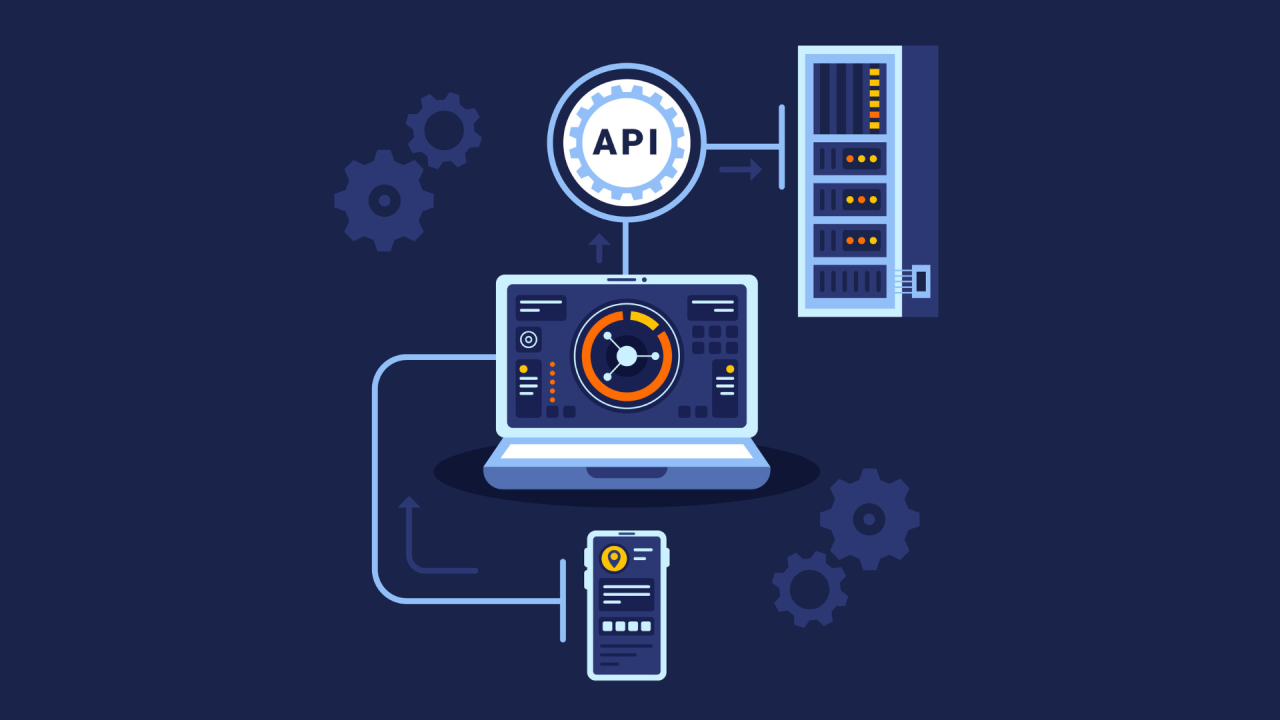
The most useful apps on your phone are mostly borrowed. The ride app does not run its own mapping system; it borrows one. The shopping app does not build its own payment processing; it plugs into a service that already solved that problem. Strip out everything these apps connect to and you are left with a thin shell that does very little on its own. Their usefulness lives in their connections.
That is the quiet truth behind modern app development. The features that make an app valuable are increasingly things the app talks to rather than things it contains, and the skill that separates a capable build from a brittle one is how well it handles those conversations. This piece is about why integration has become the heart of app functionality and what doing it well actually requires.
An app is mostly a set of connections now
The old mental model of an app as a self-contained program is badly out of date. A modern app is closer to a hub, coordinating a dozen external services to deliver something none of them could alone. Maps, payments, messaging, authentication, analytics, storage; almost all of it is borrowed through APIs.
This is not a shortcut or a compromise. Rebuilding payment processing or mapping from scratch would be slower, more expensive, and worse than the specialized services that already exist. Smart app development with API integration is how an app does far more than its own code ever could.
Integration is harder than it looks
The pitch for APIs makes integration sound trivial: just plug in the service and you are done. Anyone who has built a real app knows better. The hard part is not the connection. It is everything that happens when the connection misbehaves.
What happens when the external service is slow? When it returns something unexpected? When it goes down entirely while your user is mid-action? An app that assumes its integrations will always work perfectly is an app waiting to break in front of a customer, because external services do not always work perfectly, and planning for their failure is the actual job.
The difference between connected and well-connected
Two apps can integrate the same service and feel completely different to use, because integration quality lives in the handling, not the hookup. The well-built app degrades gracefully when a service stumbles, and the user often never notices. The poorly built one freezes, errors, or loses data the moment anything upstream hiccups.
A useful analogy is plumbing. Anyone can connect two pipes. Doing it so the system does not leak, does not burst under pressure, and does not flood the house when one valve fails is the skill. APIs are the same. The connection is easy. The reliability is the craft.
What strong integration work requires
Evaluating whether a team can integrate well means looking past whether they can make the initial connection. The capabilities that matter are the ones that show up only when things go wrong:
- Graceful failure handling, so a misbehaving service does not take the whole app down with it.
- Smart caching, keeping the app responsive even when an external call is slow.
- Security discipline, since every integration is a door, and doors need locks.
- Rate-limit awareness, respecting the constraints external services impose so you do not get cut off mid-use.
A team that talks only about which services they can connect, and not about how they handle those services failing, is showing you the depth of their thinking.
Every integration is also a risk
The borrowing that makes apps powerful also makes them dependent, and dependence is exposure. Each external service is a potential point of failure and a potential security gap. A breach in a connected service can become your breach. An outage in a critical integration can become your outage.
Good integration work treats this seriously, scoping each connection to the minimum access it needs and isolating failures so one weak link does not compromise the whole app. Convenience and risk arrive together with every API, and managing the second is part of earning the first.
Choosing depth over breadth
When evaluating a development partner for an integration-heavy app, resist being impressed by the length of their integrations list. A long list proves they can make connections. It says nothing about whether those connections hold up.
The better signal is how they talk about the connections going wrong. A Custom Mobile App Development partner who has lived through real integration failures will talk readily about timeouts, fallbacks, and graceful degradation. One who has not will talk only about how easy it all is, which is the answer of someone who has not yet been burned.
The connections are the product
The functionality your users love is increasingly built from things your app borrows rather than things it owns, which makes integration less of a technical detail and more of the core of what your app actually is. How well those borrowed pieces are woven together determines whether the app feels powerful or fragile.
When you plan an integration-heavy app, judge your partner on how they handle failure, not how many logos they can connect. When you want a team that treats every connection as something to engineer rather than merely wire up, Devsinc builds integrations to hold under real conditions.
Technology
It’s 9pm and a Customer Just Messaged You: The Hidden Cost of Running Your Business from Your Personal WhatsApp


There is a particular kind of dread that comes from seeing a notification light up your phone at nine in the evening, glancing at it out of habit, and realising it is a customer asking about delivery times. Not a friend. Not your partner. A customer, on the same WhatsApp thread your mum uses to send you pictures of the dog, on the number you have had since you were nineteen. You answer it, because that is what you have always done, and the boundary between your business and your evening dissolves a little further.
This is the reality for an enormous number of small business owners and sole traders in the UK. Research from the Federation of Small Businesses on the pressures facing the self-employed consistently finds that boundary-setting and out-of-hours contact are among the most commonly cited sources of strain for people running their own business — and the mechanism through which most of that contact arrives is exactly the scenario above: a personal phone number that has, almost by accident, become the primary channel through which the business operates.
How This Happens to Almost Everyone
Nobody decides, on day one of starting a business, to run all customer contact through their personal mobile number. It happens by drift. You put your number on a flyer because you did not have a business line yet. A customer asks if they can WhatsApp you instead of calling, and you say yes because it is easier for both of you. A Facebook Marketplace enquiry becomes a regular customer who only ever contacts you on WhatsApp. Eighteen months later, your personal number is doing the work of a customer service line, and unpicking that is far harder than it would have been to prevent it.
The practical consequences go beyond the annoyance of evening notifications. Your personal contacts — family, old school friends, people from a WhatsApp group you joined years ago — are sitting in the same app as customers who may at some point need to be managed firmly, chased for payment, or told something they do not want to hear. The psychological compartmentalisation that makes both of those conversations easier becomes much harder when they are happening in the same physical interface, often within minutes of each other.
The Quiet Fix Most People Do Not Know About
The solution that an increasing number of small business owners are adopting is straightforward once you know it exists: a dedicated number, separate from your personal mobile, used exclusively for the business and registered as its own account. This is sometimes called a WhatsApp virtual number — a number that is not tied to a physical SIM card, provided by a third-party service, and capable of running its own independent WhatsApp account alongside your personal one on the same phone.
The distinction worth understanding here is between a WhatsApp Business number used informally — your existing personal number simply switched over to the WhatsApp Business app, which adds some useful features like automated replies and a business profile but does nothing to solve the underlying number-sharing problem — and a genuinely separate virtual number dedicated to the business. The first solves a software problem. The second solves the actual problem, which is that one phone number is being asked to serve two entirely different parts of your life.
What Changes Once the Numbers Are Separated
The most immediately noticeable change is the ability to switch the business notifications off. WhatsApp’s own multi-account feature, now built into the app on both Android and iPhone, lets you manage two accounts from one device and silence one of them independently of the other. Customers can message at nine in the evening; the notification simply does not reach you until you choose to look, in exactly the way an email does not interrupt your evening even though it sits in your inbox waiting.
The second change is less obvious but arguably more valuable over time: the business account develops its own identity, separate from your personal one. A proper business name instead of your personal nickname. A logo or product photo instead of a picture from your last holiday. Business hours stated clearly in the profile, so customers messaging outside them understand from the outset that a reply will come the next working day rather than instantly. None of this is available to you when the business is running through your personal account, because changing any of those details changes how you appear to everyone in your personal life too.
Setting It Up without Complication
The process of getting a number that runs independently of your existing SIM and registering it as a dedicated business WhatsApp account is more straightforward than most people assume before they have done it. You do not need a second physical phone, a new mobile contract, or any particular technical knowledge. The number itself comes from a virtual number provider, the registration with WhatsApp takes a few minutes once the number is active, and from that point on you are managing two accounts on the one device you already carry everywhere.
If you want to set up a WhatsApp Business number properly — one that is genuinely separate from your personal line rather than simply your existing number with a business label attached — the practical starting point is choosing a provider whose numbers are confirmed to work reliably with WhatsApp’s own verification process, since this is the step that most commonly trips people up on a first attempt.
The Boundary You Did Not Know You Were Allowed to Set
Perhaps the most useful reframing in all of this is realising that the boundary between business and personal life was never actually compulsory to dissolve. It happened because the easiest available option — using the number you already had — was also the option that quietly merged two parts of your life that function much better when they are kept distinct. A dedicated number does not require you to be less responsive to customers, or less successful, or less committed to the business. It simply lets you decide when you are available, rather than having that decision made for you by whatever time a message happens to arrive.
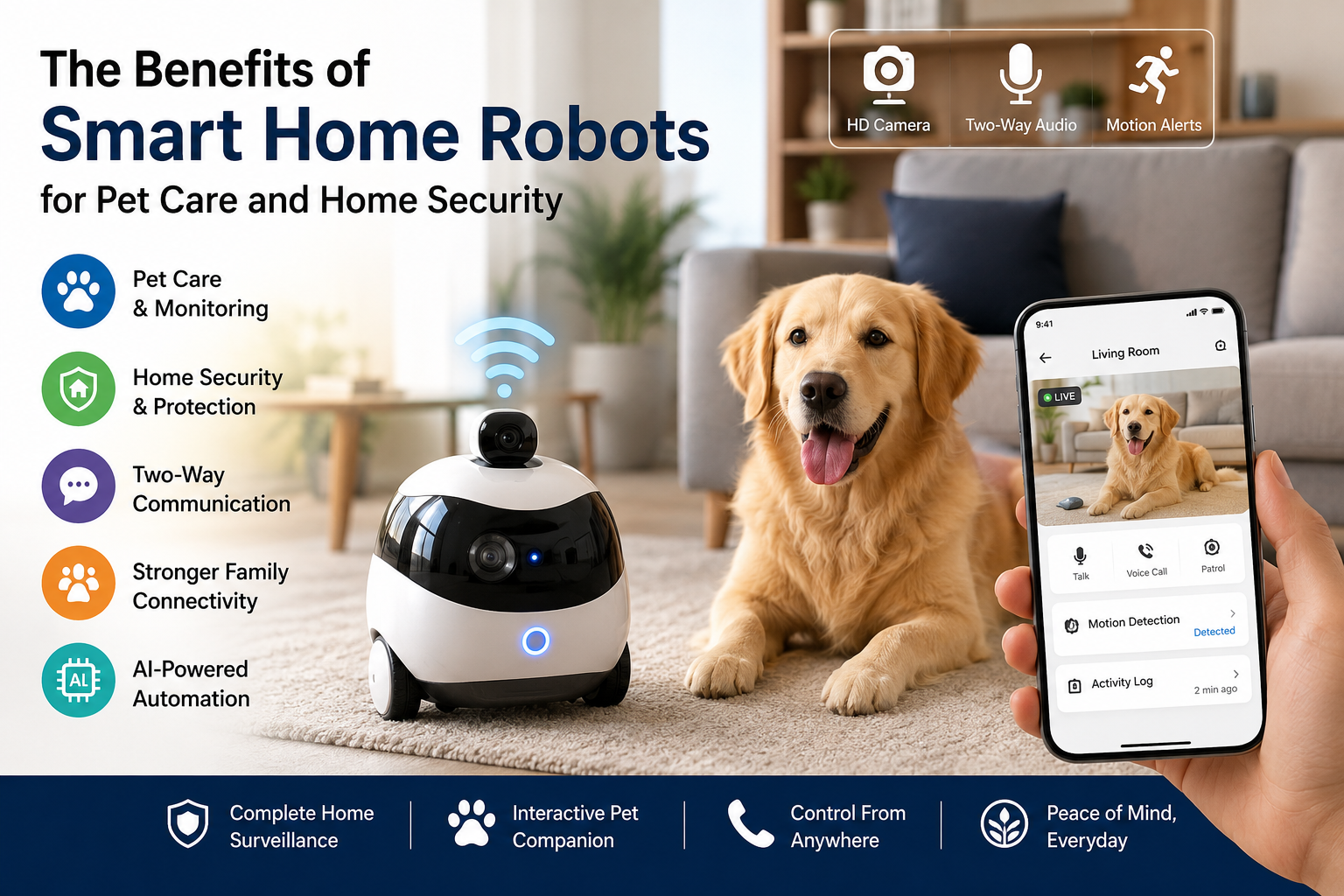
Technology is transforming the way we live, work, and care for our homes. One of the most exciting innovations in recent years is the rise of smart home robots. Powered by artificial intelligence (AI), these intelligent devices are designed to assist homeowners with daily tasks, monitor home environments, and even interact with pets when owners are away. As smart homes continue to evolve, home robots are becoming valuable companions that enhance convenience, security, and peace of mind.
For pet owners and families, smart home robots offer a unique combination of monitoring, communication, and protection features that make everyday life more convenient and secure. Whether you’re keeping an eye on your pets while at work or monitoring your home during travel, these intelligent devices provide real-time connectivity and peace of mind. As interest in smart home technology continues to grow, many consumers look for ways to make these innovations more affordable through Enabot coupon code offers, helping them unlock exclusive discounts and enjoy substantial savings on cutting-edge robotic companions without compromising on quality or features. As a leading innovator in intelligent pet robots and smart security solutions, Enabot offers advanced robotic companions that enable users to monitor, interact with, and protect both their homes and pets from virtually anywhere in the world. .
Understanding Smart Home Robots
Smart home robots are AI-powered devices designed to perform various functions within a home environment. Unlike traditional smart devices that perform a single task, these robots can move independently, collect data, communicate with users, and respond to changing situations in real time.
Modern smart home robots often include:
- HD cameras
- Two-way audio communication
- Motion detection
- AI-powered navigation
- Mobile app integration
- Pet interaction features
- Security monitoring capabilities
These advanced technologies allow homeowners to stay connected to their homes even when they are miles away.
Improved Pet Care and Monitoring
One of the biggest reasons homeowners invest in smart home robots is to improve pet care. Many pet owners worry about leaving their pets alone during work hours, vacations, or business trips.
AI-powered pet monitoring robots provide real-time visibility into your pet’s activities throughout the day. Using built-in cameras and mobile applications, owners can check on their pets at any time and from any location.
Key Pet Care Benefits Include:
- Real-time video monitoring
- Two-way communication
- Remote interaction
- Behavior observation
- Activity tracking
- Reduced separation anxiety
Some advanced robots even allow users to communicate directly with pets through voice features, helping pets feel more comfortable and connected when owners are away.
Enhanced Home Security
Home security remains a top priority for homeowners worldwide. Traditional security cameras offer valuable protection, but smart home robots take monitoring to the next level.
Unlike fixed cameras, robotic security devices can move throughout the home, providing dynamic surveillance coverage across multiple rooms and areas.
Security Advantages Include:
- Mobile home monitoring
- Motion alerts
- Intruder detection
- Live video streaming
- Remote patrol capabilities
- Emergency notifications
These features provide homeowners with greater visibility and control over their property, helping identify unusual activity before it becomes a serious problem.
Better Family Connectivity
Modern lifestyles often make it difficult for family members to stay connected throughout the day. Smart home robots help bridge this gap by providing real-time communication tools that enable interaction between family members, caregivers, children, and pets.
Whether checking in on elderly parents, speaking with children after school, or monitoring household activities, smart robots create new opportunities for communication and engagement.
The ability to instantly connect through video and audio helps families maintain stronger relationships despite busy schedules.
AI-Powered Automation and Convenience
One of the greatest advantages of smart home robots is automation. AI technology allows these devices to learn patterns, recognize environments, and perform tasks with minimal human intervention.
Examples include:
- Automated room patrols
- Scheduled monitoring routines
- Intelligent obstacle avoidance
- Smart alerts based on activity
- Personalized user settings
These features help reduce manual effort while improving efficiency throughout the home.
Why Consumers Are Investing in Smart Home Robots
The global smart home industry continues to experience significant growth as consumers seek smarter, safer, and more connected living environments.
Many buyers compare products, features, and pricing before making a purchase decision. During this research process, shoppers often visit DiscountCodez to discover verified promotional offers and savings opportunities on popular smart technology products. Access to trusted discount websites can help consumers maximize value while investing in advanced home automation solutions.
As technology becomes more affordable and accessible, smart home robots are increasingly viewed as practical household tools rather than luxury gadgets.
Supporting Modern Pet Owners
Pet ownership has evolved significantly in recent years. Many owners now view pets as family members and actively seek technologies that improve their care and well-being.
Smart robotic companions help pet owners:
- Monitor pets remotely
- Reduce loneliness
- Track daily routines
- Detect unusual behavior
- Stay connected throughout the day
This level of engagement allows owners to respond quickly if a pet appears stressed, sick, or uncomfortable.
Advanced Features Driving the Adoption of Smart Home Robots
Today’s smart home robots offer far more than simple monitoring functions. Thanks to advancements in artificial intelligence, machine learning, and smart home integration, these devices can actively assist homeowners in managing security, pet care, and daily household activities. Their growing range of intelligent features is one of the primary reasons more families are adopting robotic technology as part of their smart home ecosystem.
AI-Powered Object and Pet Recognition
Modern smart robots can distinguish between pets, family members, visitors, and unfamiliar individuals. Instead of sending constant alerts for every movement, AI-powered recognition systems help reduce false notifications by identifying what is actually happening inside the home. This allows homeowners to focus on important events while maintaining better awareness of their surroundings.
Autonomous Navigation and Smart Mapping
Advanced navigation technology enables robots to move independently throughout the home. Using sensors, cameras, and real-time mapping systems, these devices can navigate around furniture, avoid obstacles, and patrol multiple rooms efficiently. Some models can even create detailed floor maps, allowing users to customize monitoring routes and schedules for different areas of the house.
Real-Time Video Monitoring and Cloud Connectivity
Cloud-based connectivity allows homeowners to stay connected to their homes from virtually anywhere in the world. Through dedicated mobile applications, users can access live video feeds, receive instant alerts, review recorded footage, and monitor household activity in real time. This feature is particularly valuable for pet owners, frequent travelers, and busy professionals who want constant visibility when away from home.
Two-Way Audio Communication
Many smart home robots include built-in microphones and speakers that enable two-way communication. Homeowners can speak directly with pets, children, family members, or caregivers through the robot. This interactive functionality helps strengthen family connectivity while also providing reassurance and companionship for pets left alone during the day.
Voice Assistant and Smart Home Integration
Leading robotic systems can seamlessly integrate with popular smart home platforms and voice assistants. This integration allows users to control devices, automate routines, receive voice updates, and coordinate multiple smart home functions through a single ecosystem. As a result, homeowners enjoy greater convenience, efficiency, and control over their connected environments.
Intelligent Alerts and Activity Tracking
Rather than simply recording footage, modern robots can analyze activity patterns and send intelligent notifications when unusual behavior is detected. Whether it is unexpected movement, excessive pet activity, or potential security concerns, these smart alerts help homeowners respond quickly to situations that may require attention.
These advanced capabilities make smart home robots far more than simple gadgets. They serve as intelligent companions that combine pet care, home security, communication, and automation into a single solution, making them an increasingly valuable addition to modern households.
The Future of Smart Home Robotics
The future of smart home robotics looks incredibly promising. Advances in artificial intelligence, machine learning, computer vision, and automation are expected to expand the capabilities of home robots significantly.
Future developments may include:
- Enhanced emotional recognition
- Predictive behavior analysis
- Improved autonomous decision-making
- Expanded home automation functions
- Greater personalization
As these technologies mature, advancements in home robot design will help smart home robots become an essential component of modern households, offering greater efficiency, convenience, and automation.
Final Thoughts
Smart home robots are transforming the way homeowners care for pets, protect their property, and stay connected with family members. By combining AI-powered monitoring, real-time communication, automation, and security features, these intelligent devices provide meaningful benefits that extend far beyond simple convenience.
Companies like Enabot continue to lead innovation in this space by developing intelligent pet robots and advanced security solutions designed to meet the evolving needs of modern households. As demand for smarter living solutions continues to grow, smart home robots are poised to play an increasingly important role in everyday life.
FAQ’s
What are smart home robots?
Smart home robots are AI-powered devices that help monitor, secure, and manage home environments while providing interactive features for homeowners and pets.
How do smart home robots help with pet care?
They allow owners to monitor pets remotely, communicate through two-way audio, track activity levels, and interact with pets while away from home.
Can smart home robots improve home security?
Yes. Smart home robots offer mobile surveillance, motion detection, real-time alerts, and live video monitoring to enhance home security.
Are smart home robots safe to use around pets?
Most modern smart home robots are specifically designed to operate safely around pets and family members while using intelligent navigation systems to avoid collisions.
What features should I look for in a smart home robot?
Important features include HD cameras, two-way audio, AI navigation, motion detection, mobile app connectivity, cloud storage, and pet interaction capabilities.
Are smart home robots worth the investment?
For many homeowners, the combination of pet monitoring, home security, convenience, and family connectivity makes smart home robots a valuable long-term investment.
How do AI-powered robots differ from traditional security cameras?
Unlike fixed cameras, AI robots can move throughout the home, provide broader coverage, and interact with users through advanced communication features.
What is the future of smart home robotics?
Future smart home robots are expected to become more intelligent, autonomous, personalized, and integrated with broader smart home ecosystems.


Lightnovelpub became one of the most talked-about platforms in the online reading space. It attracted millions of users with its fast interface, huge library, and free access to translated Asian novels. However, behind its success was a complex system of automated scraping, legal risks, and growing conflict with publishers and translators. Its sudden shutdown marked a turning point in the digital novel ecosystem and reshaped how readers access web novels today.
What Was Lightnovelpub
Lightnovelpub was a large-scale web-based aggregator focused on hosting translated Japanese light novels, Chinese web novels, and Korean web novels. Unlike official platforms, it did not produce or license content. Instead, it collected translated chapters from independent sources and made them freely available to readers worldwide.
The platform gained popularity because it removed barriers. Readers did not need to visit multiple translator sites. Everything was available in one place. This simplicity helped it grow rapidly and dominate traffic in the web novel community.
The Sister Domain Network
One of the most important structural elements was its connection with LightNovelWorld. Together, these platforms formed a synchronized network often described as a “domain duopoly.”
This setup allowed both sites to share infrastructure, mirror content, and maintain uptime even when one domain faced issues. As a result, they controlled a large portion of global traffic related to pirated web novels. The coordination between these domains gave them a strong competitive edge over smaller aggregators.
How the Scraping System Worked
The success of Lightnovelpub was largely driven by automation. The platform relied on advanced scraping scripts that constantly monitored translator websites.
These scripts worked in real time. As soon as a new chapter was published by a translator, the system copied it instantly. This eliminated delays and ensured that readers always had the latest updates.
Another key process was watermark cleansing. Many translators embedded hidden messages or credits in their text. The platform used automated filters to remove these identifiers, making it harder to trace the original source.
This system allowed the site to scale rapidly without needing human involvement.
User Experience and Interface Design
A major reason for the platform’s popularity was its clean and modern interface. It focused heavily on user comfort and reading efficiency.
The most notable feature was infinite scroll. Instead of clicking through pages, users could read continuously without interruption. This created a smooth experience, especially on mobile devices.
Other features included customizable text settings. Readers could switch between light and dark mode, adjust font size, and change spacing. These small details made a big difference and helped the platform stand out from many official services that still used basic layouts.
Massive User Database and Tracking System
Behind the scenes, Lightnovelpub maintained a centralized SQL database that stored user activity. This system handled millions of accounts globally.
The database tracked bookmarks, reading history, and personal preferences. It also synced data across devices, allowing users to continue reading from where they left off.
This level of personalization created strong user loyalty. Readers felt connected to their libraries and invested time building their collections. When the platform shut down, this stored data became one of the biggest losses for users.
Monetization Model and Revenue Streams
Although it promoted itself as a free platform, Lightnovelpub had multiple revenue channels. The site used heavy advertisement scripts and tracking technologies.
These included cookies and user behavior tracking, which helped optimize ad performance. In addition, there were reports of donation tiers that allowed users to support the platform directly.
Combined, these methods generated tens of thousands of dollars monthly. However, this monetization model was controversial because it did not support the original authors or translators.
The Role of the Admin “Nether”
The entire operation was reportedly managed by a single figure using the alias “Nether.” This person handled technical development, server maintenance, and community updates.
The anonymity of this identity allowed the platform to operate for years without direct accountability. However, it also became a weakness when legal investigations began to uncover real-world connections.
The admin’s role highlights how centralized control can both drive success and increase risk in large-scale digital operations.
Community Growth and Reader Engagement
Despite the controversy, the platform built a strong and active community. Readers could leave comments on chapters, rate novels, and share opinions.
This interactive system created a sense of belonging. Users were not just reading content. They were part of a global discussion.
The platform also sent notifications when new chapters were available. This kept readers engaged and returning regularly. Over time, it became a daily habit for many users.
Conflict With Translators and Creators
While readers benefited from the platform, independent translators strongly opposed it. These groups invested time and effort into translating novels, often without financial support.
They accused Lightnovelpub of copying their work, removing credit, and monetizing it without permission. This created ongoing tension between the platform and the translation community.
Some translators fought back by inserting fake text or hidden messages to disrupt the scraping system. This “digital resistance” showed how serious the conflict had become.
The Patreon Bypass Controversy
One of the most debated issues was the platform’s ability to bypass paywalls. Many translators used platforms like Patreon to offer early access to chapters.
The scraping system reportedly accessed these locked chapters and published them for free. This undermined the income streams of translators and further damaged trust.
This feature gave Lightnovelpub a major competitive advantage, but it also increased legal risks and criticism from the community.
Transition Toward a Community Platform
After losing its main hosting capabilities, the developers attempted to shift the platform into a safer model. Instead of hosting text files, the new version focused on community features.
This included tracking libraries, discussions, and cataloging novels. The idea was similar to platforms like MyAnimeList or Goodreads.
The goal was to preserve the user base while avoiding copyright issues. However, this transition could not fully replace the original reading experience that users had come to rely on.
The Legal Investigation and Global Crackdown
The downfall of Lightnovelpub was not sudden or random. It was the result of a long and coordinated investigation led by Kakao Entertainment and its anti-piracy partners.
Instead of relying only on basic copyright complaints, investigators used advanced tracking methods. They analyzed domain records, advertising networks, and hosting infrastructure. These digital footprints helped them identify weaknesses in the platform’s anonymity.
This marked a shift in how piracy sites were handled. The focus moved from simple takedown requests to deep investigations that targeted entire networks.
The TTT Protocol Strategy
A major tool in this crackdown was the TTT Protocol, which stands for Targeting, Tracing, and Takedown. This system was designed to dismantle piracy platforms in a structured way.
Targeting involved identifying where illegal content was being distributed. Tracing focused on uncovering the operators behind these platforms using open-source intelligence and financial tracking. The final step, takedown, included freezing revenue streams and issuing legal actions.
This approach allowed enforcement agencies to go beyond surface-level actions and directly disrupt the core of the operation.
Identity Exposure and Physical Legal Action
One of the most critical moments in the case was the exposure of the admin’s identity. The operator known as “Nether” was no longer hidden behind digital anonymity.
Investigators reportedly traced data leaks through ad networks and hosting services. These clues led to the real-world identity and location of the administrator.
Instead of sending another online notice, legal authorities escalated the situation. A physical lawsuit was delivered to the admin’s home address. This direct action made it clear that the case had moved into serious legal territory.
The April 2025 Ultimatum
The final deadline for shutting down operations was set for April 24, 2025. This ultimatum came from South Korean legal teams representing major publishers.
At this stage, the risk was no longer limited to financial penalties. The admin faced the possibility of criminal charges and cross-border legal consequences.
This pressure forced an immediate shutdown of all associated domains and services. The platform, which once handled millions of users, disappeared almost overnight.
Legal Precedents and Financial Threats
The legal teams used strong precedents to reinforce their case. One of the most important examples was the lawsuit against the piracy site Azitoon.
That case resulted in a 2 billion KRW fine, which is around $1.4 million USD. This figure was presented as a realistic outcome for similar violations.
The threat of such penalties, combined with potential criminal charges, made it impossible for the operators to continue. The risks far outweighed any remaining benefits.
Role of the P. CoK Task Force
The investigation was led by the P. CoK (Protect Contents of Kakao) task force. This specialized unit focuses on protecting digital content from piracy.
They worked alongside industry groups like the Digital Comics Anti-Piracy Committee, which includes major companies such as Naver Webtoon and Ridibooks.
This collaboration allowed them to pool resources and operate on a global scale. Their efforts show how the industry is becoming more organized in fighting digital piracy.
Collateral Shutdowns Across the Ecosystem
The removal of Lightnovelpub was part of a broader wave of shutdowns. Several other platforms were affected during the same period.
These included:
- Reaper Scans
- TMO Networks
- Tachiyomi
These actions demonstrate that the crackdown was not limited to a single site. It targeted the entire ecosystem of piracy platforms and tools.
Data, Scale, and Anti-Piracy Achievements
The scale of enforcement efforts was massive. According to industry reports, over 1 billion pieces of infringing content were removed globally.
The same campaign led to the shutdown of at least 32 major platforms. These numbers highlight how serious the issue had become.
Daily operations included thousands of takedowns. Over time, this added up to a workload that would take centuries to complete manually. Automation played a key role in achieving these results.
Rise of Mirror Sites and Security Risks
After the shutdown, many clone sites began to appear. These mirrors used similar designs and databases to attract former users.
However, these versions are often unsafe. They rely heavily on aggressive ads and may include malicious scripts. Domains using extensions like .vip, .me, and .co are especially common.
While they may look similar to the original platform, they lack the stability and security that users once experienced. This has created new risks for readers who continue to use such sites.
Alternatives for Readers After Shutdown
With the closure of Lightnovelpub, readers had to find new ways to access content. The community split into different paths.
Some users moved to legal platforms like WuxiaWorld, J-Novel Club, and Webnovel. These services provide licensed translations and support original creators.
Others preferred directory-based tools such as Novel Updates. These platforms do not host content but link directly to official or translator websites.
A portion of users continued to rely on alternative aggregators, though these come with ethical and security concerns.
Final Thoughts
The story of Lightnovelpub is a mix of innovation, controversy, and transformation. It succeeded by offering a better reading experience than many official platforms. At the same time, it operated in a way that created serious ethical and legal challenges.
Its shutdown was not just the end of a website. It was a signal that the digital content industry is evolving. Readers now face a new reality where convenience, legality, and security must all be considered together.
As the ecosystem continues to grow, the lessons from this case will shape the future of online reading for years to come.

UK ETA Now Mandatory: What Every Traveller Needs to Know in 2026

5 Signs It’s Time to Upgrade Your Commercial Espresso Machine

It’s 9pm and a Customer Just Messaged You: The Hidden Cost of Running Your Business from Your Personal WhatsApp

Meet Rosemary Turner: The Mother of Actor Callum Turner

Who Is Peter Hernandez? The Real Story of Bruno Mars’ Father

Who Is Shameera? All You Need To Know About Charli XCX’s Mother
-
Biographies4 months ago
Meet Rosemary Turner: The Mother of Actor Callum Turner
-
Celebrity4 months ago
Who Is Peter Hernandez? The Real Story of Bruno Mars’ Father
-
Biographies4 months ago
Who Is Shameera? All You Need To Know About Charli XCX’s Mother
-
 Biographies4 months ago
Who Is Alvin Martin? All About the Whoopi Goldberg’s First Husband
-
 Biographies4 months ago
Who is Todd McRae? Meet Tate McRae’s Father
-
 Biographies3 months ago
Who Is Daniel Mara? The Untold Story of Kate Mara’s Private Sibling
-
 Celebrity4 months ago
Who Is Monica Turner? All About the Life of Mike Tyson’s Former Wife
-
 Celebrity4 months ago
All About Jazmyn Bieber: The Justin Bieber’s Little Sister’s