
Blog
Sleek Totally Branded laptop case designs to protect remote worker tech

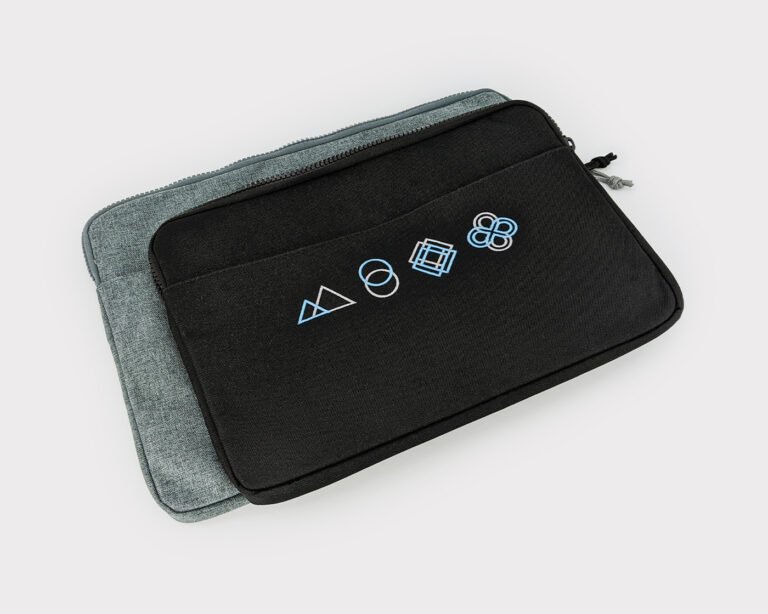
Table of Contents
1. The Remote Work Revolution and Its Tech Demands
2. Beyond Basic Protection: The Rise of Branded Tech Accessories
3. The Strategic Advantage of Totally Branded Laptop Cases
4. Design Elements That Matter: Aesthetics Meet Functionality
5. Material Innovation for Superior Protection and Style
6. Customization: Tailoring Cases to Brand Identity
7. Impact on Brand Perception and Employee Morale
8. Marketing and Promotional Opportunities
9. Choosing the Right Partner for Your Branded Cases
10. The Future of Branded Tech Protection
1. The Remote Work Revolution and Its Tech Demands
The global workforce has undergone a seismic shift in recent years, with remote work transitioning from a niche perk to a mainstream operational model. This transformation has placed unprecedented reliance on technology, particularly laptops, which serve as the primary conduit for productivity, communication, and collaboration. Remote workers often operate from diverse environments – home offices, co-working spaces, coffee shops, or even while traveling – exposing their essential devices to a greater variety of risks than a traditional office setting. From accidental spills to bumps during transit, the potential for damage is ever-present. This heightened vulnerability necessitates robust protection for these vital tools. Beyond mere functionality, there’s a growing appreciation for how these essential accessories reflect a company’s image and values.
2. Beyond Basic Protection: The Rise of Branded Tech Accessories
For a long time, laptop cases were seen purely as utilitarian items, chosen for their ability to shield a device from physical harm. Their aesthetic appeal or branding potential was largely overlooked. However, as technology has become more integrated into our personal and professional lives, and as remote work blurs the lines between the two, there’s been a noticeable shift. Companies are increasingly recognizing that every touchpoint a remote employee has with their brand, no matter how small, contributes to their overall perception and engagement. This includes the accessories they use daily. Branded tech accessories, particularly laptop cases, have emerged as powerful tools that offer both practical protection and subtle, yet effective, brand reinforcement. They transform a simple protective cover into a statement piece, reflecting professionalism and company pride.
3. The Strategic Advantage of Totally Branded Laptop Cases
Investing in sleek Totally Branded laptop case designs offers a multifaceted strategic advantage for organizations. Firstly, it provides superior protection for valuable company assets, minimizing repair costs and downtime. A damaged laptop can halt productivity, leading to financial losses and operational inefficiencies. Secondly, these cases serve as constant, subtle reminders of the company brand, both for the employee and for anyone they interact with. Imagine a remote worker in a coffee shop, their laptop nestled in a stylish case adorned with their company’s logo. This creates an unconscious brand impression on onlookers, acting as a walking advertisement. Thirdly, it fosters a sense of belonging and team identity among remote employees who might otherwise feel disconnected from the central office. When every team member carries a unified, branded item, it reinforces the idea of being part of something larger. This sense of unity can significantly boost morale and loyalty.
4. Design Elements That Matter: Aesthetics Meet Functionality
The ideal branded laptop case strikes a perfect balance between aesthetic appeal and practical functionality. Design is not merely about looking good; it’s about thoughtful engineering that enhances usability and protection.
1. Sleek Profile: A bulky case can be cumbersome. Modern designs prioritize slimness without compromising on protection, making them easy to carry and fit into bags.
2. Ergonomic Features: Consider features like comfortable handles, detachable shoulder straps, or even integrated stands for improved ergonomics during use.
3. Secure Closures: High-quality zippers, magnetic clasps, or robust buckles ensure the laptop remains secure inside the case.
4. Internal Organization: Pockets for chargers, mice, pens, or even small notebooks add immense value, keeping accessories organized and easily accessible.
5. Brand Integration: The company logo and colors should be integrated seamlessly into the design, not just tacked on. This could involve subtle embossing, a tastefully placed embroidered logo, or a custom color scheme that aligns with the brand guidelines. The goal is sophistication, not overt advertising.
5. Material Innovation for Superior Protection and Style
The choice of material is paramount for both protection and the overall aesthetic of a laptop case. Advancements in material science offer a wide range of options, each with unique properties.
1. Neoprene: Known for its shock-absorbing qualities and water resistance, neoprene is lightweight and flexible, offering good basic protection.
2. EVA Foam: Ethylene-vinyl acetate foam provides excellent cushioning and impact resistance, often used in hard-shell cases for robust defense against drops.
3. Recycled PET Fabric: Environmentally conscious brands can opt for cases made from recycled plastic bottles, offering durability and water resistance while supporting sustainability initiatives.
4. Vegan Leather/PU Leather: These materials offer a sophisticated look and feel similar to genuine leather but are more durable, water-resistant, and animal-friendly. They can be debossed or screen-printed with logos effectively.
5. Ballistic Nylon: Extremely durable and abrasion-resistant, ballistic nylon provides heavy-duty protection, ideal for remote workers in demanding environments.
6. Water-resistant Coatings: Many materials can be treated with water-resistant or waterproof coatings to provide an extra layer of defense against spills and rain, a critical feature for mobile professionals.
6. Customization: Tailoring Cases to Brand Identity
The true power of branded laptop cases lies in their customization potential. This isn’t just about slapping a logo on a generic case; it’s about crafting an accessory that perfectly embodies the brand’s identity and values.
1. Color Matching: Precise color matching to corporate brand guidelines ensures consistency across all merchandise.
2. Logo Application Techniques:
Screen Printing: Cost-effective for vibrant, multi-color logos.
Embroidery: Adds a premium, textured feel, ideal for a sophisticated look.
Debossing/Embossing: Creates a subtle, elegant impression directly into the material, particularly effective on vegan leather or certain fabrics.
Sublimation Printing: Allows for full-color, edge-to-edge designs, perfect for intricate graphics or photographic elements.
3. Hardware Customization: Even zippers, pulls, and buckles can be customized with engraved logos or specific finishes to further enhance brand cohesion.
4. Interior Lining: A custom-printed interior lining can add an unexpected touch of luxury and brand reinforcement, demonstrating attention to detail. Totally Branded offers extensive customization options to ensure every detail aligns with your vision.
7. Impact on Brand Perception and Employee Morale
A well-designed, branded laptop case has a profound impact on both external brand perception and internal employee morale. Externally, it projects an image of professionalism, attention to detail, and a cohesive corporate identity. When clients or partners see an employee using high-quality, branded tech accessories, it subtly communicates a message of reliability and quality that extends to the company’s services or products. Internally, providing employees with premium branded gear is a tangible demonstration of appreciation and investment. It makes remote workers feel valued, recognized, and an integral part of the team. This sense of belonging is crucial for combating feelings of isolation often associated with remote work, ultimately leading to higher job satisfaction and retention. Such gestures contribute significantly to a strong company culture, even when employees are geographically dispersed.
8. Marketing and Promotional Opportunities
Beyond daily use, custom branded laptop cases offer excellent marketing and promotional opportunities. They are not merely protective gear but versatile marketing assets.
1. Onboarding Kits: Include a branded laptop case in new employee onboarding kits to make a strong first impression and immediately integrate them into the company culture.
2. Corporate Gifts: Present them as premium corporate gifts to clients, partners, or during special events. This not only offers a practical item but also keeps your brand top-of-mind.
3. Trade Shows and Conferences: Use them as high-value giveaways at industry events. Attendees will appreciate a useful item that they can carry their tech in, turning them into brand ambassadors.
4. Employee Recognition Programs: Award them as part of recognition programs, celebrating achievements and reinforcing company values.
5. Social Media Buzz: Encourage employees to share photos of their remote setups, including their sleek laptop cases, on social media, generating organic reach and showcasing company pride.
9. Choosing the Right Partner for Your Branded Cases
Selecting the right supplier for your custom laptop cases is critical to ensuring quality, consistency, and brand integrity. Look for a partner who understands the nuances of corporate branding and offers a comprehensive service.
1. Design Expertise: The partner should have an in-house design team capable of translating your brand guidelines into effective product designs.
2. Material Knowledge: They should be knowledgeable about various materials and their suitability for different protection needs and aesthetic goals.
3. Customization Capabilities: Verify their ability to execute various branding techniques, from intricate embroidery to precise color matching.
4. Quality Control: A reputable supplier will have rigorous quality control processes to ensure every case meets high standards.
5. Scalability: Ensure they can handle orders of various sizes, from small custom batches to large-scale deployments for your entire workforce.
6. Sustainability Options: If environmental responsibility is a core value, inquire about sustainable material sourcing and manufacturing practices. Totally Branded is a prime example of a supplier that excels in these areas, ensuring your brand vision is perfectly executed.
10. The Future of Branded Tech Protection
The landscape of remote work and tech integration is continuously evolving, and so too will the future of branded tech protection. We can anticipate even greater integration of smart features into laptop cases, such as RFID blocking for enhanced security, integrated power banks for on-the-go charging, or even subtle GPS trackers for asset management. Furthermore, as sustainability becomes an even more pressing concern, expect to see an increased demand for cases made from innovative biodegradable or upcycled materials. The emphasis will remain on sophisticated design that seamlessly blends protection, utility, and powerful brand messaging. Companies that embrace these trends will not only safeguard their valuable assets but also cultivate a stronger, more connected, and environmentally conscious remote workforce, using every touchpoint, including their custom laptop cases, to tell their brand story.


A smm panel is an online platform where businesses and individuals can purchase social media services such as followers, likes, views, subscribers and other engagement metrics. Unlike scheduling tools that help businesses publish content, SMM panels focus on ordering specific services for social media accounts and posts. For small businesses in the UK, understanding this distinction is important before deciding whether a panel belongs in their marketing budget.
OZSM is one example of an SMM provider serving individual users, agencies and resellers since 2021. Its platform brings different social media services into a single ordering system. Customers generally provide a public profile link, content URL or username rather than their social media password. However, the usefulness of any purchased service depends on its characteristics, the business objective and the rules of the social network involved.
What Services Do SMM Panels Offer?
Most SMM panels organise their services by social network and engagement type. A business selects a category, reviews the available options and submits the information required for an order. Different services measure different activities, so understanding what is being purchased matters more than simply choosing a larger quantity.
OZSM lists services covering Instagram, TikTok, YouTube, Facebook, Twitter (X), Telegram, Spotify, Twitch, Kick, Discord, LinkedIn, Threads and SoundCloud. Its categories include followers, likes, views, members, subscribers and watch time.
For a UK business owner, these categories have different practical meanings:
- Followers and subscribers: Services associated with account or channel audience counts.
- Likes and reactions: Engagement metrics attached to individual posts or other supported content.
- Video views and watch time: Services related to video consumption metrics, which should not be confused with meaningful audience retention.
- Group and channel members: Services associated with community platforms such as Telegram and Discord.
- Platform-specific services: Options designed around the measurement systems used by individual social networks.
These metrics are not interchangeable. A higher view count does not establish that viewers are potential customers, while a larger follower count does not necessarily indicate an interested local audience.
How Does the Ordering Process Work?
The basic ordering workflow is relatively straightforward, although the available settings depend on the service. OZSM uses an account-based dashboard where users can add funds, select services and submit orders.
- Identify the objective. Decide which platform and metric are relevant to the business, and check whether the proposed activity complies with that platform’s rules.
- Review the service description. Examine the quantity requirements, available features and any conditions attached to the service.
- Enter the required information. Supply the relevant public link or username and the requested order details.
- Monitor the order. Use the dashboard to review its status and examine any available support, refill or cancellation options.
Submitting a public URL is different from sharing account credentials. A provider should not need the password to a business’s Instagram, TikTok or YouTube account for an ordinary link-based order. Businesses should also avoid sharing login verification codes or administrator access unnecessarily.
Paying for Services From the UK
Currency deserves particular attention when a British business purchases digital services from an online provider. Even if the marketing budget is maintained in pounds sterling, the platform’s displayed or settlement currency may differ.
OZSM lists several payment methods, including bank cards, PayPal, Binance Pay and cryptocurrency payments. The availability and conditions of individual methods should be checked before funding an account.
For a UK business paying in a foreign currency, the final amount charged in GBP can depend on the exchange rate and any fees applied by the bank or payment provider. A payment intermediary may also use its own conversion process.
Before making a payment, business owners should check:
- The currency used for the account balance and service charges.
- Whether conversion takes place at checkout or through the payment provider.
- Any foreign transaction fees or additional processing charges.
- The conditions attached to account deposits and unused funds.
- Whether suitable transaction records are available for business bookkeeping.
Cryptocurrency payments introduce additional considerations, including network charges and exchange-rate movements. Businesses unfamiliar with these payment systems may prefer to examine conventional payment options first.
OZSM’s published terms state that deposited account balances are non-refundable and describe limited circumstances in which unused amounts from orders may be returned to the account balance. Reviewing these conditions before adding funds helps prevent misunderstandings.
Using Panels Alongside Organic Marketing
For a small business, purchased social media metrics and organic audience development serve different purposes. Organic marketing involves creating useful content, responding to customers, building relationships and attracting people who have a genuine interest in the business.
Consider an independent bakery in Manchester. Its social media strategy might include photographs of freshly baked products, short preparation videos, seasonal announcements and responses to customer questions. Local partnerships and location-relevant content could help the bakery reach people who might actually visit.
An SMM service might change a visible metric associated with certain content, but it cannot establish whether nearby residents are interested in the bakery or intend to purchase anything. That distinction should shape how the business evaluates the service.
Rather than treating follower counts as the primary measure of marketing performance, the bakery could monitor website visits, directions requests, customer enquiries and orders attributed to its social activity.
The same reasoning applies to hair salons, independent retailers, tradespeople and professional service firms across the UK. A smaller audience containing potential customers may be more commercially useful than a much larger audience with no connection to the business.
What Risks Should Business Owners Consider?
Social media platforms have their own policies governing artificial engagement and account activity. Meta, for example, has publicly described enforcement action against services involving fake followers and likes. Depending on the platform and activity, artificially generated engagement can result in removed metrics, account restrictions or other enforcement measures.
Business owners should therefore check the rules of the relevant social network before ordering. The existence of a service in a panel catalogue does not mean that the social network approves its use.
There is also a reputational consideration. If a company presents purchased engagement as evidence of genuine customer enthusiasm, it risks misleading its audience. Accurate reporting becomes especially important when social media performance is shared with business partners, clients or prospective customers.
Another practical issue is measurement quality. Purchased activity can distort engagement rates and make it harder to understand how authentic audiences respond to content. Keeping paid activity separate from organic performance reporting helps preserve useful marketing information.
Features That Matter to Agencies and Growing Teams
Although many small businesses only need occasional manual orders, agencies and resellers may require tools for managing larger workflows.
OZSM offers mass ordering and drip-feed functionality. Mass ordering helps users submit multiple orders through a panel workflow, while drip-feed allows supported orders to be distributed across configured intervals rather than submitted as a single delivery request.
Refill functionality is available for eligible services, subject to the conditions stated in their descriptions. A refill option should not be interpreted as proof that engagement will remain unchanged or that a social platform will accept the activity.
For businesses using automated systems, OZSM also documents an application programming interface (API). Its available actions include retrieving service lists, adding orders, checking order status, requesting refills, submitting cancellation requests and checking account balances.
These features may reduce administrative work for agencies handling multiple projects. However, automation does not remove the need for quality checks, client authorisation or compliance with social media platform policies.
Questions to Ask Before Placing an Order
A sensible purchasing decision starts with examining the service rather than assuming every provider or engagement category works in the same way.
- What exactly is being delivered? Check whether the service concerns followers, views, reactions or another defined metric.
- What are the relevant platform rules? Determine whether the activity creates a risk of violating social network policies.
- What information is required? Confirm whether the order only needs a public link or username and avoid unnecessary credential sharing.
- Which refund and refill conditions apply? Understand what happens if an order is incomplete, interrupted or no longer required.
- How is the payment processed? Check the displayed currency, available payment method and treatment of unused account funds.
- What support is available? Look for a clear process for raising questions about orders or billing.
- How will success be evaluated? Decide whether the purchased metric has any meaningful relationship to the business’s wider marketing objectives.
These questions are particularly useful for first-time buyers who may be unfamiliar with the terminology used by SMM providers.
When Is an SMM Panel the Wrong Choice?
A panel is unlikely to solve problems caused by unclear positioning, weak content, poor customer service or a lack of demand. Businesses seeking genuine product feedback, qualified enquiries or local customers should prioritise methods designed to attract and engage interested audiences.
Those methods may include regular organic publishing, community engagement, partnerships, customer-generated content and advertising through official social media platforms.
For UK small businesses considering OZSM or the wider SMM panel category, the key decision is whether a particular service has a legitimate and measurable role within the marketing plan. Understanding the payment conditions, platform rules and limitations of purchased metrics makes that decision considerably more informed.

When your organization decides to communicate with employees, customers, or stakeholders, the approach you select shapes how your message lands and whether it achieves its intended effect. Choosing the right messaging strategy is not a one-size-fits-all decision. It requires honest self-reflection about your audience, your goals, your resources, and your organizational culture. Before committing to a particular messaging approach, take time to ask yourself five critical questions that will guide your decision and help you avoid costly missteps.
1. Who Exactly Is Your Intended Audience?
Understanding your audience is the foundation of effective messaging. Move beyond generic descriptions and get specific about the people you are trying to reach. Ask yourself whether your audience consists of internal team members, external customers, potential investors, regulatory bodies, or some combination of these groups. Each segment may require a different tone, level of detail, and communication channel. Messaging aimed at C-suite executives typically emphasizes strategic value and business impact, while messaging for frontline employees often focuses on practical implications and how changes affect day-to-day work.
Beyond who your audience is, consider what they already know about your topic. Are you starting from scratch with an audience unfamiliar with your subject matter, or are you building on existing knowledge? Consider also the demographics, values, and communication preferences of your audience. Do they prefer detailed technical information, or do they respond better to high-level summaries with visual support? Understanding these nuances allows you to craft messaging that resonates and feels relevant to the people you hope to influence.
2. What Is the Core Message You Need to Convey?
Before selecting a messaging approach, clarify exactly what you need to communicate. Write down the single most important idea you want your audience to understand or remember after engaging with your communication. This core message should be specific enough that someone could repeat it back to you accurately. Many organizations make the mistake of trying to convey too many points at once, which dilutes the impact and confuses the audience. If you are announcing a company restructuring, your core message might be “This restructuring positions us for long-term growth and stability” rather than attempting to explain every organizational change at once.
Once you have identified your core message, consider what supporting information or evidence strengthens it. What data points or examples help explain why this message matters? What objections or questions might your audience raise, and how do you address those concerns? By mapping out the full message architecture before choosing your approach, you ensure that your selected strategy can adequately deliver what needs to be said. This clarity also helps you avoid messaging drift, where the original point gets lost as communication spreads.
3. What Resources and Channels Are Available to You?
Your messaging approach must be realistic given your organizational resources. Reflect honestly on the budget, time, and personnel available for this communication effort. Some approaches demand significant investment in design, production, or coordination. For example, a multi-channel campaign with video content, infographics, and printed materials requires far more resources than a simple email announcement. Consider whether your team has the expertise to execute your desired approach, or whether you need external support such as designers, writers, or consultants.
Channel availability also shapes your options. Evaluate which communication platforms actually reach your target audience. Does your audience actively use internal company systems, or do they rely on email? Do they engage with social media, or do they prefer direct conversation? When organizations need to reach large mobile audiences at scale, short code sms provides a reliable and widely recognized channel for delivering high-volume messages that audiences can quickly identify and act on. Matching your approach to available resources and channels ensures feasibility and increases the likelihood of successful execution.
4. What Tone and Style Best Align With Your Organization’s Values?
Your messaging approach should reflect who your organization is and what it stands for. Some organizations maintain a formal, authoritative tone that builds confidence and trust, while others cultivate a conversational, approachable style that emphasizes transparency and personal connection. Think about how your organization typically communicates and whether the approach you are considering fits that established pattern or intentionally breaks from it. Consistency generally builds credibility, though there are times when a deliberately different approach signals something new or significant.
Consider also the emotional tone of your message. Are you delivering good news that calls for a positive framing, difficult news that requires empathy and clarity, or routine information that simply needs to be accessible? Delivering a layoff announcement with lighthearted humor would likely damage trust and come across as tone-deaf. Conversely, treating routine process updates with excessive solemnity might confuse or alarm your audience unnecessarily. Matching tone and style to both your organizational identity and the nature of your message helps ensure the communication lands as intended.
5. How Will You Measure Whether Your Messaging Approach Succeeded?
Before you launch a messaging effort, define what success looks like and how you will know if you have achieved it. Success metrics vary widely depending on your goals. If your objective is awareness, you might track how many people received the message and can recall key points. If your goal is behavior change, you might measure whether people actually acted on your communication. If you are shifting perception, surveys or focus groups can help assess how attitudes changed after the effort.
Consider also the timeline for measuring success. Some messaging effects are immediate, while others take time to manifest. An employee announcement might generate immediate questions or discussions that indicate engagement level. A customer messaging campaign might take weeks to show impact on purchase decisions or brand perception. Build in checkpoints to gather feedback and adjust your approach if needed. This reflective practice not only helps you assess the current effort but also builds organizational knowledge about which approaches work best for different audiences and situations.
Conclusion
Selecting the right messaging approach requires deliberate thinking about your audience, your core message, your available resources, your organizational values, and your success metrics. By asking these five questions before committing to a strategy, you create a thoughtful foundation that increases the likelihood your communication will achieve its goals. The time you invest in this reflection upfront tends to result in clearer, more effective messaging that resonates with your intended audience. Return to these questions whenever you face a new messaging challenge. This consistent practice of intentional questioning will help you navigate the many choices involved in organizational communication and ensure that your message has the impact you intended.


November can be one of the biggest shopping months of the year. With this Thanks-giving week and Christmas week there are plenty of deals, promotions and discounts in the shops. Some stores will even have special deals and discounted products that encourage you to buy things that you may not be initially interested in.
However, saving money doesn’t always mean waiting for the right deal and missing out on the things that you love. There are small purchases that can affect your monthly budget. If you’re looking for great deals or are happy to get in early, below are some easy tips to make UK shoppers spend more wisely in November.
Do price comparisons before you buy
The simplest method of saving money is to not buy the initial product that you see. Retailers will offer different prices for items sold, particularly apparel, technology, cosmetics and home goods.
Do some research on other websites in advance of ordering. You may find the same product for a lower price or find some retailer that can offer you a better deal. Also, one should assess whether or not the claimed discount really is a good deal given the normal retail price of the product.
Comparing prices can be especially helpful during this time of year when stores attempt to draw customers to their stores on November’s Black Friday. With a bit of research, you can be sure you’re not spending money unnecessarily, and you’ll make sure that you’re getting a good deal.
Shop with Jotter, the virtual personal assistant
Another smart tip is to search for discount codes prior to buying online. Shoppers can easily miss out on special offers and discounts that are available to them, offered by many UK retailers, such as seasonal offers or exclusive offers just for online shoppers.
Discount Websites like theDiscountCodes, VoucherCodes, Groupon, TopCashback, MoneySavingExpert allow it to be easier to locate tested and valid discount codes, vouchers and deals from various retailers. You can check to see if you have a reasonable offer and save money on what you are going to pay that could be the advertised price.
A discount is a discount, regardless of how much it is and when buying more than one product, it can add up. If you buy £100 worth of goods, for example, then you’re saving 10% and you’ll end up with 10p more in your pocket. This quick monthly routine check will be appreciated by anyone shopping online but may save you money.
Make sure to keep your receipts in a safe place
Nohleven promotions is a practical sale of anything. However, low price does not always equate with a good product if you’re not an actual needer of it.
When deciding to add an item to your basket, ask yourself if you thought you would purchase the item if there was no discount. If not, it could be best to pass it down. This simple query can assist you steer clear of impulse purchases and unneeded spending.
The other good tip is to wait 24 hours before purchasing things you don’t need. Taking some time to consider what’s needed and what might just be a tempting offer due to the price cut can make it easier to determine if the product will actually be useful.
Remember if it costs £50 but you don’t need it, it is not a £20 item that you have saved.
Discuss the shipping prices and return policies with them
The cost of a product may appear to be a good deal at first sight but additional charges can add up to a higher cost than expected. Online shopping has its own additional costs that can often be overlooked, such as delivery or handling and return costs.
Please make a total calculation of your delivery costs before placing your order. Some stores will provide free delivery of your parcel when you purchase a minimum amount while others will pick up your parcel in their stores.
But, do not fill up the products only to receive them for free. To have a delivery cost of £3 plus the extra cost of £15, doesn’t make any sense financially.
In addition, you have to see the return policy, particularly when buying clothing, shoes or Christmas gifts. Knowing whether a return is free and how long you have to return an item is crucial to avoid any unforeseen charges.
Go shopping before Black Friday
Black Friday may be a major shopping day, and could be a good opportunity to do some big-ticket shopping. However, having a shopping list is not the best way to spend more than you intended to.
First, make a list of things you wish to buy that are worthwhile. It can be a new cell phone, a pair of winter clothes, a new appliance in the house, a gift for a loved one or even another. Determine a reasonable amount to spend for each item and then a realistic total amount.
It’s also a good idea to look up the prices in advance of Black Friday. It can help you determine whether it’s a genuine discount or not.
Don’t let the countdown timers and messages that every deal is about to expire get you down. A good purchase is one that fits your requirements and budget and not your need to buy it today.
Begin Shopping for Christmas Early
Christmas is also a big spend it’s going to be for UK households and getting everything ready until the end of the month can be a strain on finances.
The month of November is the perfect time to start your holiday shopping, decorating and other seasonal needs. Planning ahead will allow you to finance it over the weeks instead of all at once when you are buying it.
A simple list of gifts can be created, too, with a maximum amount that can be given to each person. This will keep you organized and avoid duplicate gifts and overspending.
When it comes to purchasing presents for Christmas, do some research, and check for any good voucher codes. There may be lower prices in November as compared to close to Christmas.
Embrace the benefits of Social Media for Shopping
Sometimes the best way to learn to shop better is to pick up a few good ideas from those who do it often and like to save money.
The Smart Savings blogs and articles are a great resource for learning about shopping hacks, money saving tips, tricks and helpful guides. What you’ll read here can familiarize you with some of the easy money-saving methods you can employ when handling your everyday expenditure, some of the tips for a better shopping experience, and how you will save money during the process.
You don’t have to use all of the tips that you find. Rather, concentrate on the recommendations that fit in with your purchasing habits and funds. One helpful thought can help you with making better decisions all month long—and beyond—this November.
Take a month to set a monthly budget and keep a tab on your expenses
Last but by no means least of all, a great way to budget on one’s shopping expenses is to look at how much they’ll require prior to the start of the month.
Set up a budget for November for the essentials, any personal buying, Christmas gifts and any Black Friday shopping that is planned. Be conscious of your spending – budget your spending using apps, spreadsheets, or a note on your phone.
It’s also good to differentiate between needs and wants. Essentials like groceries, house supplies and winter clothes should be bought first and then optional items.
Once you reach your shopping limit, consider to delay rather than to use a credit card or put into the other bills to pay for your shopping.
Small changes for big savings
You don’t need to make some big changes to your life or do complicated planning to save money this November. Shopping on a budget doesn’t have to be difficult, as buying smart and adhering to a few simple rules can help you save money: Compare prices; Check discount codes; Plan Christmas shopping for spending; Avoid unnecessary spending.
Black Friday and seasonal sales can be real opportunities, but best of all is a sale that’s offering you something that you really need for something that you can afford.
Planning your purchases, and sticking to your budget, can help you make the most of November’s discounts and help you save more money for Christmas.
Don’t miss out on the best seasonal offers and exclusive brand deals! Visit theDiscountCodes.co.uk and start saving more today!

We Tested Every Popular AI Chatbot Like ChatGPT. Here’s How They Compare

How to Run an Instagram Giveaway Without Misusing Data

“Should I Order Medium or Large?” What Latex Sizing Advice Should Explain

Who Is Shameera? All You Need To Know About Charli XCX’s Mother

Who Is Gulliver Flynn Oldman? The Untold Story of Sir Gary Oldman’s Son

Meet Rosemary Turner: The Mother of Actor Callum Turner
-
Biographies9 months ago
Who Is Shameera? All You Need To Know About Charli XCX’s Mother
-
Biographies9 months ago
Who Is Gulliver Flynn Oldman? The Untold Story of Sir Gary Oldman’s Son
-
Biographies10 months ago
Meet Rosemary Turner: The Mother of Actor Callum Turner
-

 Blog5 months ago
AI Video for Social Media: How Small Brands Keep Up Without Burning Out
-

 Biographies8 months ago
Who is Alexandra James? Inside The Life of Jeremy Clarkson’s Former Partner
-
 Biographies9 months ago
Who is Todd McRae? Meet Tate McRae’s Father
-
 Biographies9 months ago
Who Is Daniel Mara? The Untold Story of Kate Mara’s Private Sibling
-
 Celebrity10 months ago
Who Is Peter Hernandez? The Real Story of Bruno Mars’ Father