
Entertainment
Bird Pokemon: Types, Abilities, and Competitive Strategy

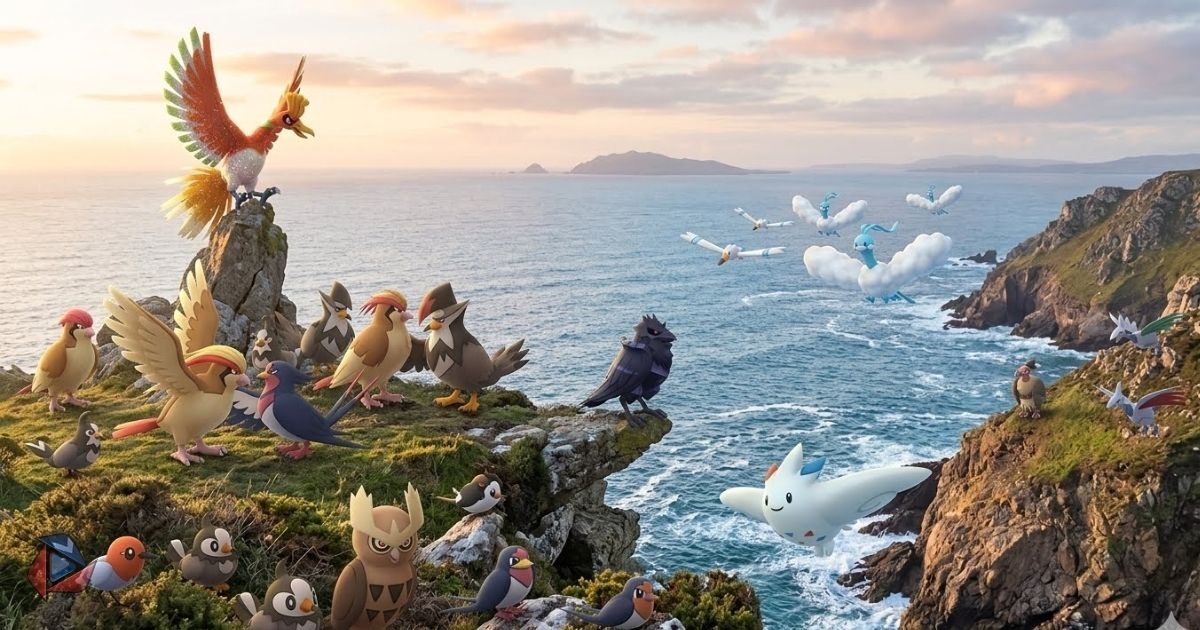
In the expansive universe of Pokémon, few creature categories are as iconic and versatile as Bird Pokemon. From early-game companions to legendary sky rulers, these avian-inspired creatures play a crucial role in both gameplay and lore. Whether you’re a casual player or a competitive strategist, understanding Them can dramatically enhance your experience.
Defined broadly, Bird Pokemon are creatures modeled after real-world avian species such as eagles, owls, pigeons, and falcons. While most belong to the Flying-type, their elemental diversity stretches across Fire, Electric, Ghost, Steel, and more. This flexibility makes them one of the most dynamic and strategically valuable groups in the entire franchise.
What Defines a Bird Pokemon
At its core, a Bird Pokemon is identified by its anatomical resemblance to birds. However, the category goes far beyond simple visual design. These creatures often embody:
- Real-world bird behaviors like hunting, migration, and camouflage
- Mythological symbolism rooted in global folklore
- Unique battle mechanics such as speed control and aerial immunity
Unlike many other Pokémon categories, Bird Pokemon are not limited to one elemental type. For example, Talonflame combines Fire and Flying traits, while Decidueye evolves into a Grass/Ghost hybrid inspired by extinct species.
The Role of Bird Pokemon in Early Gameplay
One of the most consistent design patterns in Pokémon games is the introduction of a “Route 1 Bird.” These are early-game Bird Pokemon that players encounter at the beginning of their journey.
Classic examples include:
- Pidgey from Generation 1
- Starly from Generation 4
- Rookidee from Generation 8
These Pokémon are intentionally designed to:
- Evolve quickly
- Provide early offensive strength
- Help players navigate initial challenges
Typically, they evolve twice and reach their final form faster than most Pokémon, giving players a reliable power spike early in the game.
Mythological and Cultural Inspirations Behind Bird Pokemon
A defining trait of Bird Pokemon is their deep connection to mythology and cultural symbolism.
For instance, Ho-Oh is inspired by the Fenghuang, a mythical Eastern phoenix representing harmony and renewal. Similarly, Zapdos draws from Native American legends of the Thunderbird, a powerful entity capable of controlling storms.
Other notable inspirations include:
- Articuno, influenced by the Resplendent Quetzal
- Lugia, linked to the sea deity Ryujin
- Yveltal, symbolizing destruction and balance
Real-World Biology Reflected in Bird Pokemon Design
Game designers frequently draw from real bird species when creating Bird Pokemon, resulting in highly realistic behaviors and traits.
For example:
- Cramorant mimics real cormorants used in Japanese fishing practices
- Unfezant displays sexual dimorphism, with males and females having distinct appearances
- Talonflame reflects the speed and hunting style of the peregrine falcon
Even size proportions can be surprising. Noctowl is canonically over 5 feet tall, making it far larger than it appears in-game.
Unique Abilities and Signature Moves
One of the reasons Bird Pokemon are so effective in battle is their access to powerful abilities and moves.
Common abilities include:
- Keen Eye – Prevents accuracy reduction
- Big Pecks – Protects against defense lowering
- Gale Wings – Grants priority to Flying moves at full health
Signature moves further define their combat style:
- Brave Bird – High damage with recoil
- Tailwind – Doubles team speed
- Roost – Restores health
These tools allow Bird Pokemon to dominate in roles such as speed control, offensive pressure, and team support.
Battle Roles: Physical, Special, and Support Bird Pokemon
Bird Pokemon are not limited to one playstyle. Instead, they excel in multiple strategic roles.
Physical Attackers
These are aggressive, high-damage dealers like Staraptor. They rely on moves such as Brave Bird and Close Combat, often sacrificing their own health for maximum output.
Special Attackers
Pokémon like Pelipper attack from a distance using wind-based or elemental moves such as Hurricane and Air Slash.
Support and Utility
Support-focused Bird Pokemon like Murkrow excel at disrupting opponents. With abilities like Prankster, they can use Tailwind or Haze before enemies can react.
Competitive Importance in Modern Pokémon Battles
In modern competitive formats like VGC, Bird Pokemon have evolved into essential team components.
Key examples include:
- Corviknight as a defensive pivot with Mirror Armor
- Talonflame for priority Tailwind setups
- Pelipper as a rain-setting powerhouse
These Pokémon provide critical advantages such as:
- Speed control
- Weather manipulation
- Defensive stability
Their ability to influence battle tempo makes them far more than simple Flying-types—they are strategic cornerstones.
Classification of Bird Pokemon by Species Types
One of the most fascinating aspects of Bird Pokemon is how they are categorized based on real-world avian families. This classification highlights the incredible diversity within the group.
Birds of Prey include powerful hunters such as Braviary and Corviknight, inspired by eagles and ravens. These Pokémon are often associated with strength, dominance, and territorial behavior.
Waterfowl and Seabirds like Pelipper and Cramorant reflect ducks, pelicans, and cormorants. They often combine Water and Flying types, emphasizing adaptability in aquatic environments.
Flightless Birds such as Dodrio and Empoleon break expectations. Despite lacking traditional flight, they possess unique battle strengths and surprising mobility.
Songbirds and Small Birds include species like Chatot and Noctowl, often focusing on agility, intelligence, and sound-based abilities.
Legendary and Mythical Bird Pokemon
Legendary Bird Pokemon represent the pinnacle of power and mythology in the Pokémon universe. They are often tied to elemental forces and ancient legends.
The iconic trio from Kanto includes:
- Articuno – Ice-based and graceful
- Zapdos – Electric and storm-driven
- Moltres – Fire and rebirth
In Johto, Lugia and Ho-Oh elevate the concept further with deep mythological significance.
Regional variants like Galarian forms introduce new typings, showing how They evolve with each generation. These legendary creatures are not only powerful but also serve as narrative anchors within the franchise.
Bird Pokemon That Cannot Fly
Interestingly, not all Bird Pokemon are capable of flight. This design choice adds variety and realism to the category.
Examples include:
- Blaziken, inspired by fighting roosters
- Eiscue, based on penguins
- Espathra, modeled after ostriches
These Pokémon often compensate for their lack of flight with:
- Strong physical abilities
- Unique typings
- Distinct battle roles
This diversity ensures that Bird Pokemon are not limited to a single gameplay archetype.
Artificial and Mechanical Bird Pokemon
Not every Bird Pokemon is a natural creature. Some are artificial or mechanical, reflecting advanced design concepts.
Skarmory is a Steel/Flying Pokémon whose metallic feathers resemble blades. Sigilyph draws inspiration from ancient Nazca Line symbols, acting as a guardian of lost civilizations.
Meanwhile, futuristic designs like Iron Jugulis introduce robotic elements, blending science fiction with avian structure.
These Pokémon expand the definition of Bird Pokemon beyond organic life.
Bird Pokemon Evolution Patterns and Growth
A key gameplay feature of Bird Pokemon is their predictable and efficient evolution pattern. Most follow a three-stage evolutionary line and evolve faster than many other Pokémon.
Typical progression includes:
- First evolution around level 14–18
- Final evolution around level 32–36
This rapid growth allows players to build a strong team early in the game. For example, Pidgeot and Staraptor become powerful allies relatively quickly.
Modern generations have also introduced more complex evolution paths, adding depth and variety.
Regional Bird Pokemon Across Generations
Every Pokémon generation introduces its own signature Bird Pokemon, reinforcing their importance in the franchise.
Notable examples include:
- Pidgey in Kanto
- Hoothoot in Johto
- Taillow in Hoenn
- Starly in Sinnoh
- Pidove in Unova
- Fletchling in Kalos
- Pikipek in Alola
- Rookidee in Galar
- Wattrel in Paldea
These Pokémon reflect regional identity while maintaining the classic Bird Pokemon formula.
Hidden Trivia and Design Secrets
Behind the scenes, Bird Pokemon have a rich history of development secrets and surprising trivia.
One of the most notable facts is the existence of the original “Bird” type, which was later replaced by the Flying type but still exists in the code through glitch entities like MissingNo.
Another unique feature involves Chatot, whose move once allowed players to record their own voice using a handheld console microphone.
Additionally, Talonflame once dominated competitive play due to its ability Gale Wings, forcing developers to rebalance the game.
These details highlight the depth and evolution of They design.
Bird Pokemon in Real-World Comparisons
The concept of collecting Bird Pokemon closely mirrors real-world birdwatching. Enthusiasts often use tracking systems similar to a Pokédex to document species sightings.
Apps like bird-logging tools function almost identically to in-game mechanics, reinforcing the connection between Pokémon and real-life exploration.
This parallel strengthens the immersive experience, making Bird Pokemon feel grounded in reality despite their фантаstical nature.
Why Bird Pokemon Remain Essential in Every Generation
Across all generations, They have remained a cornerstone of the Pokémon experience. Their consistent presence is due to several factors:
- Easy accessibility for beginners
- Strategic importance in battles
- Strong ties to real-world inspiration
- Versatility in typing and abilities
Whether you are starting a new adventure or competing at a high level, Bird Pokemon provide reliability and depth unmatched by most other categories.
Conclusion: The Enduring Legacy of Bird Pokemon
In conclusion, Bird Pokemon represent one of the most diverse and influential groups in the Pokémon universe. From humble early-game companions to legendary sky guardians, they embody a perfect blend of nature, mythology, and gameplay design.
Their ability to adapt across generations, roles, and strategies ensures their lasting relevance. As the Pokémon franchise continues to evolve, They will undoubtedly remain at the heart of its design philosophy.
READ ALSO: What Is Geek Extreme? A Simple Guide to Its Tech, Gaming, and Culture
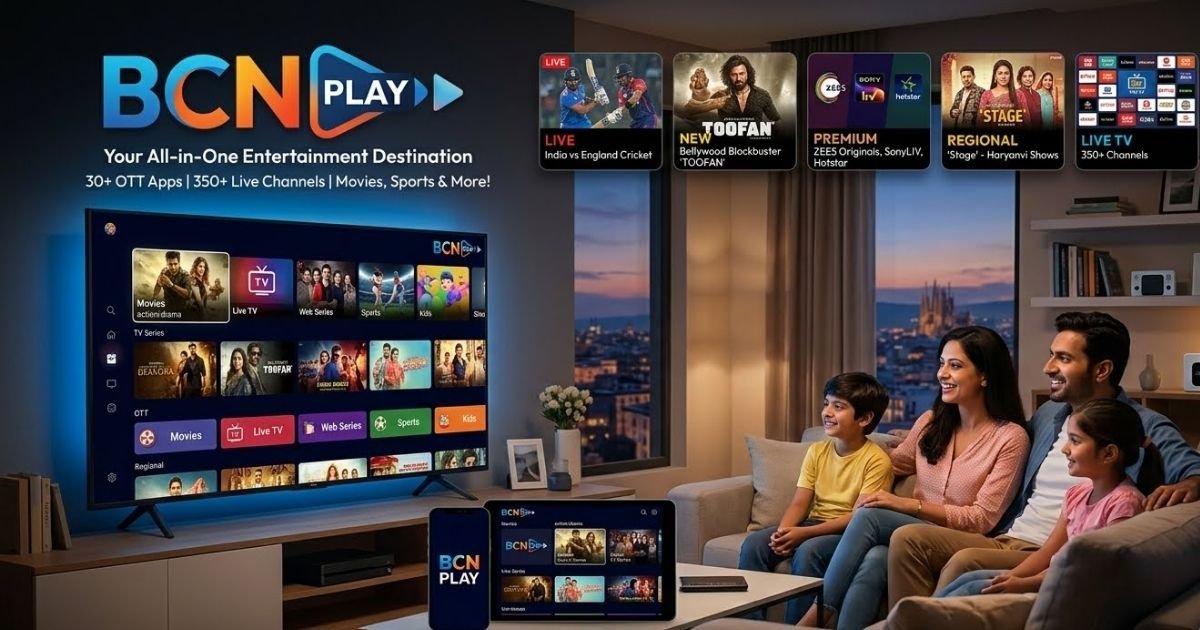
The digital entertainment industry has changed rapidly in recent years. Users now subscribe to multiple streaming platforms to watch movies, sports, and shows. This trend has created a common problem known as subscription fatigue. People struggle to manage many apps, passwords, and billing cycles at the same time. BCN Play was created to solve this exact issue.
BCN Play acts as a single platform that combines many streaming services into one system. Instead of switching between apps, users can access everything from one place. The platform focuses on simplicity, cost savings, and ease of use. It allows viewers to enjoy entertainment without the stress of managing multiple subscriptions.
The service is owned and operated by Bcn Group, a company based in Ghaziabad, Uttar Pradesh, India. Its main goal is to deliver a unified digital experience that fits modern user needs.
The Concept Behind Subscription Aggregation
The core idea behind BCN Play is aggregation. Instead of creating original content, it collects content from many platforms and presents it in one interface. This approach saves time and effort for users. It also reduces overall costs.
Most users today subscribe to several OTT platforms separately. Each platform requires its own login, payment, and app installation. This creates confusion and increases expenses. BCN Play simplifies this process by offering a single subscription that covers multiple services.
This concept works like a digital cable box for the internet era. It brings together live TV channels, on-demand content, and regional platforms under one system. This makes it easier for users to discover and enjoy content.
Technical Framework and Backend Architecture
The technical system behind BCN Play is built on strong middleware support. It does not run its own streaming infrastructure. Instead, it relies on PlayBoxTV, a white-label technology provider. This backend system manages content delivery, streaming quality, and platform integration.
The platform uses a single-sign-on system. This means users only need to log in once. After that, the system automatically verifies access across all connected services. This removes the need to enter credentials for each app.
Another important feature is adaptive bitrate streaming. This technology adjusts video quality based on internet speed. It ensures smooth playback even on slower connections. This helps reduce buffering and improves the viewing experience.
The architecture is also hardware agnostic. It supports multiple devices and operating systems without limitations. This flexibility makes it accessible to a wide audience.
Device Compatibility and Multi-Screen Experience
One of the strongest features of BCN Play is its wide device compatibility. Users can access the platform on smartphones, tablets, and smart TVs. It supports both Android and iOS systems, making it available to almost all users.
In addition to mobile devices, the platform works on Android TV and Amazon Fire TV Stick. It also supports Mi Sticks and other streaming devices. This allows users to enjoy content on large screens without difficulty.
The system also supports multi-screen functionality. Users can switch between devices without losing their progress. This creates a seamless viewing experience across different platforms.
Some sections also suggest that desktop browser access may be available. This adds another layer of convenience for users who prefer watching content on laptops.
Dedicated Hardware and Smart TV Conversion
BCN Play goes beyond software by offering its own hardware solution. The BCN-Play Box is designed to enhance the viewing experience. It works as a dedicated streaming device for televisions.
This device is especially useful for older televisions that do not have smart features. It converts regular TVs into smart streaming systems. Users can access apps, live channels, and digital content without buying a new TV.
The hardware uses custom firmware to ensure smooth performance. It also supports voice search, allowing users to find content quickly. Some premium versions include advanced audio features like Dolby Atmos sound. This improves the overall entertainment experience.
Content Ecosystem and Platform Integration
The content library is one of the biggest strengths of BCN Play. It brings together more than 30 premium OTT platforms. These include mainstream entertainment services, sports platforms, and regional content providers.
Users can access popular platforms such as SonyLIV, ZEE5, and Disney+ Hotstar. These services offer a wide range of movies, web series, and live sports events. The platform also includes FanCode, which focuses on live sports streaming.
In addition to mainstream content, the service includes regional platforms. Stage OTT provides content in local dialects such as Haryanvi and Rajasthani. Kanchanlanka and AaoNxt deliver East Indian and Odia content. This focus on regional diversity makes the platform unique.
The ecosystem also includes Discovery Plus for documentaries and HubHopper for podcasts. This mix of formats ensures that users can enjoy different types of content in one place.
Live TV Integration and Channel Access
Another key feature of BCN Play is live TV integration. The platform offers access to hundreds of live channels. These include news, sports, and regional broadcasts.
This feature brings traditional television and modern streaming together. Users no longer need separate cable connections. They can watch live TV directly through the internet.
The platform combines live channels with on-demand content. This creates a complete entertainment system. Users can switch between live events and recorded shows easily.
Pricing Strategy and Cost Efficiency
The pricing model of BCN Play is designed to attract budget-conscious users. The platform offers entry-level plans starting at ₹35 for a 30-day period. This makes it one of the most affordable streaming solutions.
Higher-tier plans provide more content and longer durations. Annual packages offer even better value. Some premium bundles include significant discounts compared to their original prices.
The platform claims to save users up to 60 percent compared to buying individual subscriptions. This cost advantage is one of its strongest selling points.
By combining multiple services into one package, the platform reduces overall expenses. It also simplifies billing by offering a single payment system.
Subscription Rules and Usage Policies
The service follows strict rules to maintain security and fairness. Each account is linked to a verified mobile number. This ensures that only authorized users can access the service.
The platform does not allow subscription stacking. If a user already has an active subscription to an included app, they must wait for it to expire before using the bundled version.
Another important rule is the no-refund policy. Once a subscription is activated, users cannot request a refund. This policy has received mixed feedback from users.
These rules are designed to protect the system and prevent misuse. However, they may also limit flexibility for some users.
User Experience and Interface Design
The interface of BCN Play focuses on simplicity and convenience. It provides a centralized dashboard where users can browse content from different platforms.
The search function allows users to find movies, shows, and channels quickly. It eliminates the need to open multiple apps. This saves time and improves the overall experience.
The platform also offers personalized recommendations. These suggestions are based on user preferences and viewing history. This helps users discover new content easily.
The system performs well on most modern devices. However, some users report minor lag on older smart TVs. Despite this, the overall experience remains smooth for most users.
Setup Process and How It Works
Setting up BCN Play is simple and user-friendly. The process begins with purchasing a subscription plan. Users can choose from different packages based on their needs.
After purchasing a plan, users download the PlayBoxTV application. This app serves as the main interface for the platform. It connects users to all included services.
Once installed, users log in using their mobile number and password. The system then activates access to all bundled platforms. Users can start streaming immediately without additional logins.
The subscription panel allows users to check their plan details. They can view their current package and renewal date. This helps users manage their subscriptions easily.
Market Position and Industry Competition
The OTT aggregation market is highly competitive. BCN Play competes with platforms like Watcho and OTTplay Premium. These services offer similar features and bundled subscriptions.
However, recent changes in the market have created new opportunities. Some competitors have reduced their services or stopped offering new subscriptions. This has increased demand for alternative solutions.
BCN Play positions itself as a strong option in this space. Its low pricing and wide content range give it an advantage. It also benefits from strong backend infrastructure and device compatibility.
Advantages and Key Benefits
The platform offers several clear benefits to users. It reduces the need for multiple subscriptions and simplifies entertainment management. Users can access a wide range of content from one place.
Cost savings are another major advantage. The bundled pricing model makes it more affordable than separate subscriptions. This appeals to budget-conscious users.
The platform also supports regional content. This makes it suitable for users who prefer local language entertainment. The inclusion of live TV adds further value.
Overall, the system provides a balanced mix of convenience, affordability, and variety.
Limitations and Challenges
Despite its strengths, BCN Play has some limitations. The strict no-refund policy is a major concern for some users. It reduces flexibility and may discourage new users.
The non-stackable subscription rule can also be inconvenient. Users must wait for existing subscriptions to expire before using the bundle.
Some users report occasional performance issues on older devices. These include slow navigation and minor interface lag.
The platform also depends on third-party infrastructure. This means it relies heavily on external systems for performance and reliability.
Future Potential and Growth Opportunities
The future of BCN Play looks promising. The demand for OTT aggregation services continues to grow. Users are looking for simpler and more affordable ways to access content.
The platform can expand by adding more content providers. It can also improve its interface and performance. Enhancing customer support and flexibility may attract more users.
Regional content will likely remain a key focus. This area has strong growth potential in the Indian market. By improving its offerings, the platform can strengthen its position.
Conclusion
BCN Play represents a modern approach to digital entertainment. It combines multiple streaming services into a single platform. This helps users save money and reduce complexity.
The platform offers a wide range of content, including live TV, movies, sports, and regional shows. Its technical system ensures smooth streaming across devices. The addition of dedicated hardware further enhances the experience.
While it has some limitations, the overall value remains strong. It addresses the key challenges faced by modern viewers. With continued improvements, it has the potential to become a leading player in the OTT aggregation market.
Entertainment
Narutas Viesulo Kronikos: The Ultimate Deep Dive Into the Legendary Anime That Defined a Generation
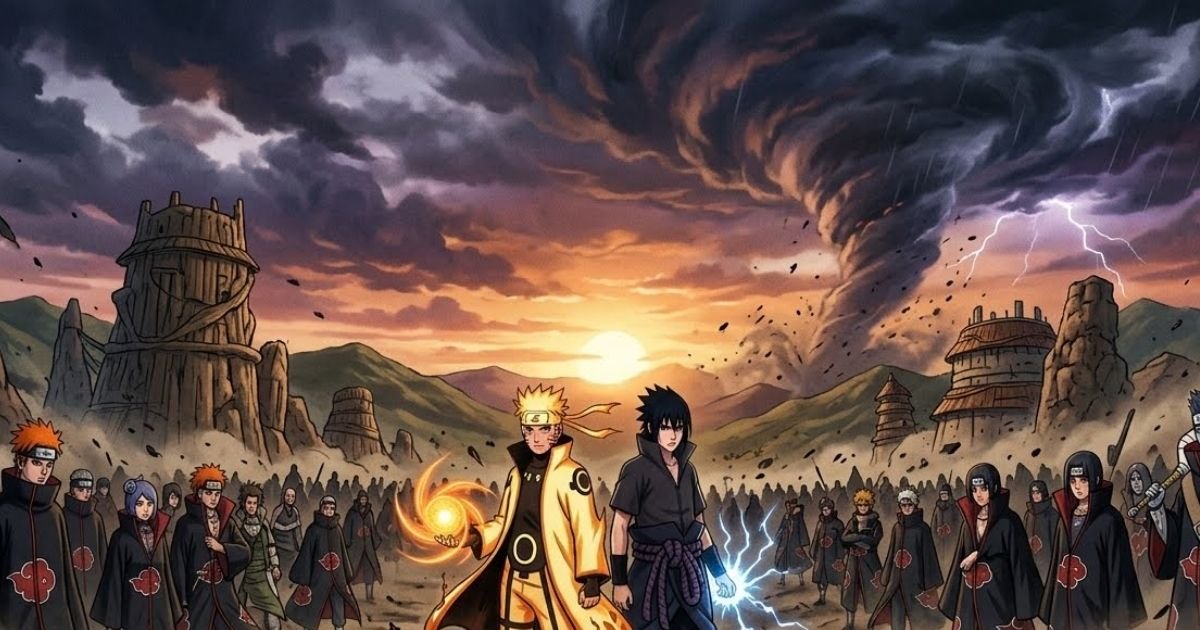
Narutas Viesulo Kronikos, globally recognized as Naruto: Shippuden, stands as one of the most influential anime series ever created. As the direct continuation of the original Naruto story by Masashi Kishimoto, this series transforms a youthful ninja tale into a powerful narrative filled with war, emotion, and philosophical depth. It follows the journey of Naruto Uzumaki as he returns to his village after years of training, determined to protect his world and achieve his dream of becoming Hokage.
The series goes beyond action and explores themes that resonate across cultures, making it a timeless masterpiece in anime history.
The Origin and Evolution of the Story
Narutas Viesulo Kronikos begins after a significant time skip, where Naruto returns stronger and more mature following intense training with his mentor Jiraiya. The setting remains the Hidden Leaf Village, but the tone shifts dramatically.
The narrative evolves from simple missions into a complex global conflict involving powerful nations and dangerous organizations. As the story unfolds, Naruto’s journey becomes not just about personal growth but about reshaping the entire ninja world. His ambition to become Hokage is tested against war, betrayal, and loss.
A Darker Tone and Mature Themes
Unlike its predecessor, Narutas Viesulo Kronikos embraces a darker and more serious tone. The series dives into the cycle of hatred that defines the ninja world. Characters such as Pain and Obito Uchiha are not simply villains but tragic figures shaped by war and suffering.
The concept of fate versus free will plays a central role. Naruto and Sasuke Uchiha are revealed to be reincarnations of ancient rivals, destined to fight endlessly. However, Naruto challenges this fate by choosing forgiveness instead of revenge, breaking a cycle that lasted generations.
Deep Character Development and Emotional Impact
One of the strongest aspects of Narutas Viesulo Kronikos is its character development. Every major character undergoes significant growth.
Kakashi Hatake reveals a tragic past tied to secret missions, while Itachi Uchiha emerges as one of the most complex figures in anime history. His story transforms from villainy to sacrifice, leaving a lasting emotional impact.
Might Guy represents pure determination, showing that hard work can rival natural talent. These layered characters give the series emotional depth that keeps audiences deeply invested.
The World of Shinobi and Its Political Complexity
The ninja world in Narutas Viesulo Kronikos is not just a backdrop but a dynamic system shaped by politics and history. The Five Great Shinobi Nations constantly balance power, leading to tension and conflict.
The Hidden Leaf Village serves as the central setting, but other regions like the Hidden Sand, Mist, Cloud, and Stone villages play crucial roles. Each nation has its own leaders, cultures, and strategies, making the world feel realistic and immersive.
The Fourth Shinobi World War becomes the ultimate test of unity, where former enemies join forces to combat a greater threat. This shift highlights the series’ message that cooperation is essential for lasting peace.
The Role of Akatsuki and Global Conflict
The organization known as Akatsuki drives much of the conflict in Narutas Viesulo Kronikos. This group of rogue ninjas seeks to capture all tailed beasts to achieve their vision of peace through control.
Each member has a unique background, reflecting the broader theme of war trauma. Their actions push the ninja world into chaos, eventually leading to the global war. The Akatsuki are not just antagonists but symbols of a broken system.
Tailed Beasts and Mythological Power
The tailed beasts, also known as Bijū, are central to the story’s power system. Kurama, sealed inside Naruto, represents immense strength and emotional conflict.
Other beasts like Gyūki and Shukaku play significant roles in shaping the narrative. These creatures originate from the Ten-Tails, a primordial entity tied to the series’ mythology.
Their presence adds both scale and symbolism, representing raw power and the burden of responsibility.
Legendary Abilities and Visual Power Systems
Narutas Viesulo Kronikos features unique abilities known as dōjutsu, which define the power hierarchy of the series.
The Sharingan, used by the Uchiha clan, allows users to copy techniques and cast powerful illusions. Its advanced form, the Mangekyō Sharingan, unlocks devastating abilities tied to emotional trauma.
The Rinnegan stands as the most powerful eye technique, granting control over life, death, and gravity. Meanwhile, the Byakugan provides near-perfect vision of chakra pathways, making it a formidable tool in combat.
These abilities are deeply inspired by Japanese mythology, adding cultural richness to the story.
Iconic Story Arcs That Defined the Series
Several arcs in Narutas Viesulo Kronikos stand out as defining moments in anime history.
The Pain Assault arc showcases Naruto’s growth as he defends his destroyed village and earns its respect. The emotional weight of Jiraiya’s death makes this arc unforgettable.
The revelation about Itachi Uchiha completely changes the narrative, transforming him into a tragic hero.
The Fourth Shinobi World War serves as the grand finale, bringing together all characters in a massive conflict that determines the fate of the world. The final battle between Naruto and Sasuke symbolizes the end of a long-standing rivalry.
Cultural Impact and Global Influence
Narutas Viesulo Kronikos has had a profound impact on global pop culture. The iconic “Naruto run” became a viral phenomenon, even inspiring real-world events.
The series played a major role in introducing anime to international audiences, becoming a gateway for millions of fans. Its themes, characters, and storytelling have influenced countless other anime and media projects.
It also remains a dominant force in merchandising, gaming, and fan communities worldwide.
Music and Soundtrack Legacy
The soundtrack of Narutas Viesulo Kronikos is one of its most celebrated aspects. With over 20 opening themes and 40 ending themes, the music plays a crucial role in enhancing emotional moments.
Songs like “Blue Bird” by Ikimonogakari and “Silhouette” by KANA-BOON became global hits, contributing to the series’ lasting appeal. The music captures the essence of both action and emotion, making it unforgettable for fans.
Animation Excellence by Studio Pierrot
The animation quality of Narutas Viesulo Kronikos is a key factor in its success. Studio Pierrot brought the story to life with dynamic visuals and intense fight sequences.
The choreography of battles, especially during major arcs, showcases the studio’s expertise. While the series faced criticism for inconsistent quality at times, its peak moments remain some of the best in anime history.
Production Challenges and Filler Episodes
One of the most discussed aspects of Narutas Viesulo Kronikos is its high number of filler episodes. Out of 500 episodes, over 200 were created to prevent the anime from catching up with the manga.
While these fillers allowed the original story to maintain quality, they also disrupted pacing. Despite this, the main storyline remains strong and impactful, ensuring the series’ overall success.
Real-Life Inspirations and Creative Decisions
Masashi Kishimoto drew inspiration from Japanese folklore, personal experiences, and historical stories. Techniques like Amaterasu and Tsukuyomi come directly from Shinto mythology.
Even small details, such as Naruto’s love for ramen, are inspired by real-life experiences. The Ichiraku Ramen shop is based on a real location near the creator’s university.
These influences add authenticity and depth to the series.
Expanding Universe and Related Media
Narutas Viesulo Kronikos is part of a larger franchise that includes films, games, and spin-offs. The story continues in Boruto: Naruto Next Generations, focusing on the next generation of ninjas.
Movies like The Last: Naruto the Movie bridge important gaps in the storyline. Video games such as the Ultimate Ninja Storm series keep the franchise active and engaging for fans.
This expansion ensures the longevity of the Naruto universe.
Reviews, Ratings, and Audience Reception
The series consistently receives high ratings across major platforms. It holds strong scores on IMDb, MyAnimeList, and Crunchyroll, reflecting its popularity.
Fans praise its emotional storytelling, character depth, and action sequences. However, common criticisms include pacing issues and excessive filler content.
Despite these flaws, the series maintains its reputation as one of the greatest anime of all time.
The Future of the Franchise
Even years after its conclusion, Narutas Viesulo Kronikos continues to thrive. New special episodes have been confirmed, promising updated animation and a return to classic storylines.
The franchise is also exploring new collaborations and projects, with plans for future anime and games. A live-action adaptation is reportedly in development, signaling continued global interest.
This ongoing expansion proves that the legacy of Naruto is far from over.
Conclusion
Narutas Viesulo Kronikos is more than just an anime series. It is a cultural phenomenon that combines powerful storytelling, deep themes, and unforgettable characters. From Naruto’s personal journey to the global conflicts of the ninja world, the series delivers a narrative that resonates across generations.
Its influence on anime, pop culture, and storytelling remains unmatched. As new projects emerge and the fanbase continues to grow, Narutas Viesulo Kronikos secures its place as a timeless masterpiece that will inspire audiences for years to come.
Entertainment
Zoro TV: The Rise, Rebrands, Shutdown, and Hidden Truth Behind the Anime Streaming Giant
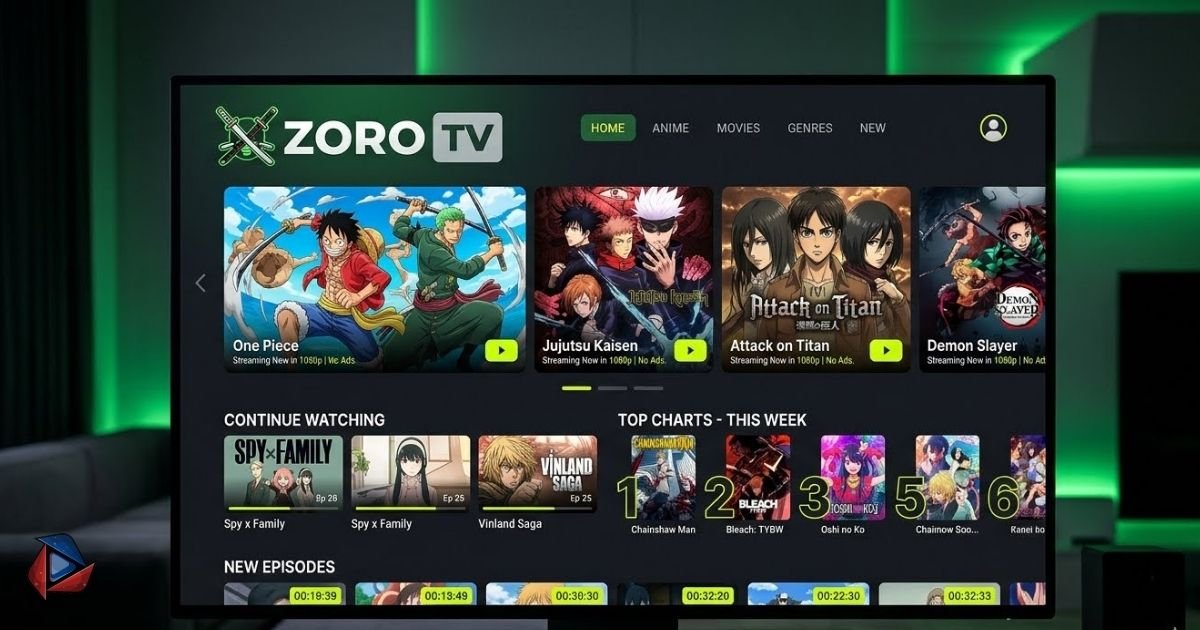
Zoro TV emerged as one of the most talked-about names in the anime streaming world, especially during the early 2020s when global demand for Japanese animation surged dramatically. Known for offering free access to thousands of anime titles, it quickly attracted millions of users worldwide. Unlike traditional streaming services, it delivered premium-like features without requiring subscriptions, which made it highly appealing to anime fans.
However, beneath its popularity, Zoro TV operated in a controversial space. It hosted copyrighted content without official licenses, placing it directly in the path of global anti-piracy enforcement. Over time, the platform evolved through multiple rebrands and eventually shut down, leaving behind a legacy that still influences the streaming ecosystem today.
The Origins of Zoro TV
The platform officially launched around mid-2021, capitalizing on the pandemic-driven boom in digital entertainment. Its branding drew heavy inspiration from Roronoa Zoro, a central figure in the anime One Piece created by Eiichiro Oda. The site adopted a distinctive dark-green theme that resonated with fans familiar with the character.
Zoro TV quickly differentiated itself by offering a clean interface and an ad-light experience compared to older piracy platforms. This design choice helped it build credibility among users, even though it operated outside legal boundaries.
Why Zoro TV Became So Popular
The rapid growth of Zoro TV was not accidental. It combined accessibility, functionality, and community engagement in a way that few platforms managed at the time. Users could instantly stream anime without creating an account, removing barriers that often discourage casual viewers.
The platform also provided dual audio options, allowing viewers to switch between original Japanese audio with subtitles and English dubbed versions. High-definition streaming, ranging from 360p to 1080p, ensured compatibility across devices and internet speeds.
Another major attraction was its Watch2Gether feature, which allowed synchronized viewing sessions. This social element transformed passive watching into an interactive experience, enabling users to chat in real time while watching episodes together.
Technical Infrastructure Behind the Platform
Zoro TV did not operate like a traditional streaming service. Instead of hosting video files directly, it functioned as a front-end interface that connected users to third-party hosting servers. These included platforms such as Vidstreaming and MegaUp, which stored the actual media files.
This structure allowed the platform to reduce direct legal exposure. By acting as a bridge rather than a host, it created a layer of separation between itself and copyrighted content. Additionally, the system relied on tools like 2Embed APIs and reverse proxy services to manage content delivery efficiently.
The use of Cloudflare-based masking techniques helped obscure server locations, making it more difficult for authorities to trace the infrastructure.
Unique Features That Set Zoro TV Apart
One of the defining aspects of Zoro TV was its ability to replicate premium streaming features in an unofficial environment. The platform offered customizable subtitle settings, including font size, color, and background opacity. These features are typically reserved for licensed services.
It also introduced automatic tracking of watch history. Users could resume episodes from the exact timestamp where they stopped, and the system would queue the next episode seamlessly.
The internal reward system, known as Zoro Coins, added a gamification layer. Users earned points by contributing to the community, such as reporting broken links or writing reviews. These points could be used for profile enhancements, creating a sense of engagement beyond simple streaming.
The Transition from Zoro.to to AniWatch
By mid-2023, legal pressure began to intensify. Organizations like the Alliance for Creativity and Entertainment started targeting the platform’s infrastructure. As a result, the original domain Zoro.to faced potential seizure.
In July 2023, the platform underwent a major transition and rebranded as AniWatch. This shift was not just cosmetic. The design changed significantly, moving away from the green theme to a more neutral interface. Despite the changes, the backend systems remained largely intact.
One of the most notable aspects of this transition was the seamless migration of user data. Millions of accounts, watchlists, and viewing histories were transferred without loss, demonstrating the technical sophistication of the platform.
The Final Evolution into HiAnime
After operating as AniWatch for a period, the platform evolved again into HiAnime, often stylized as H!Anime. This version became the main hub for the existing user base and continued to attract significant traffic.
HiAnime maintained all core features, including HD streaming, dual audio, and community tools. It also improved its interface and performance, making it competitive with even licensed platforms in terms of user experience.
At its peak, the network reportedly generated more traffic than major services like Disney+, highlighting its immense reach.
Legal Pressure and the Ultimate Shutdown
The growth of Zoro TV and its successors did not go unnoticed. The United States Trade Representative classified the network as a “Notorious Foreign Market for Piracy.” This designation increased international pressure on hosting providers and domain registries.
Simultaneously, enforcement efforts from the Motion Picture Association and other copyright holders intensified. These groups pursued legal actions to identify and dismantle the platform’s operations.
On June 1, 2026, HiAnime officially shut down its domains. The development team disbanded, marking the end of the original network. This event signaled a major victory for global anti-piracy initiatives.
The Current Landscape of Zoro TV Clones
Despite the shutdown, the name Zoro TV continues to circulate across the internet. Numerous clone websites have appeared, using domain extensions like .tv and .bz to mimic the original platform.
These clones differ significantly from the original experience. They often rely on aggressive advertising, including pop-ups and redirects. Many are designed to generate revenue through user traffic rather than provide a genuine streaming service.
Some of these sites also function as phishing traps, collecting user credentials from individuals attempting to log in with their old accounts.
Mobile Apps and Data Risks
The popularity of Zoro TV has also led to the creation of mobile applications using the same name. On platforms like the Google Play Store, several apps claim to offer similar services.
However, many of these applications are not legitimate streaming tools. Instead, they act as data collectors, displaying excessive ads while gathering user information. Users frequently report that these apps fail to load actual content, reinforcing concerns about their authenticity.
Community Reaction and User Feedback
User sentiment toward Zoro TV is divided. Many longtime users remember the original platform fondly, praising its clean interface and advanced features. Historical discussions on platforms like Reddit often highlight its ease of use and minimal ads.
In contrast, current feedback about clone sites is overwhelmingly negative. Users complain about constant redirects, fake buttons, and poor performance. Ratings for these clones are significantly lower, reflecting the decline in quality after the shutdown.
Security Concerns in the Modern Ecosystem
The modern environment surrounding Zoro TV clones is filled with risks. Security analysts have identified a high percentage of these sites as malicious. They may contain spyware, phishing scripts, or hidden trackers designed to collect sensitive information.
Even simple actions like clicking a video link can trigger unwanted downloads or redirect users to unsafe pages. This makes browsing these sites significantly more dangerous than the original platform.
Legal Alternatives for Anime Streaming
With the disappearance of Zoro TV, many users have shifted toward legal streaming services. Platforms like Crunchyroll provide licensed content with reliable quality and security.
Other services such as Netflix and Hulu offer a mix of anime and original productions. For niche content, HIDIVE remains a strong option.
These platforms ensure that creators and studios receive proper compensation while delivering a safe viewing experience.
The Legacy of Zoro TV in the Streaming Industry
Zoro TV left a lasting impact on how users perceive streaming services. It demonstrated that audiences value accessibility, customization, and community features. Many of these elements have since been adopted by legal platforms.
The platform also highlighted the ongoing conflict between user demand and copyright enforcement. Its rise and fall illustrate how quickly a digital service can grow and how rapidly it can be dismantled under legal pressure.
READ MORE: MoviesHD: The Hidden Reality Behind Free Streaming Apps and Their Risks
Final Thoughts
Zoro TV represents a significant chapter in the history of online anime streaming. It combined innovation, accessibility, and community engagement to create a powerful user experience. However, its reliance on unlicensed content ultimately led to its downfall.
Today, the name survives mainly through clones and imitators, many of which pose serious risks to users. As the industry evolves, the lessons learned from Zoro TV continue to shape both legal streaming platforms and anti-piracy strategies.
For anime fans, the shift toward legitimate services offers a safer and more sustainable way to enjoy content, ensuring that the industry can continue to grow while protecting creators’ rights.

A Newcomer’s Guide to Living and Driving in Aldershot

What to Wear in Australia: Essentials Hoodies, T-Shirts, Shorts and Tracksuits

Streetwear Culture 2026: Why Hellstar and Better With Age Are Dominating the US Scene

Who Is Shameera? All You Need To Know About Charli XCX’s Mother

Who Is Gulliver Flynn Oldman? The Untold Story of Sir Gary Oldman’s Son

Meet Rosemary Turner: The Mother of Actor Callum Turner
-
Biographies7 months ago
Who Is Shameera? All You Need To Know About Charli XCX’s Mother
-
Biographies6 months ago
Who Is Gulliver Flynn Oldman? The Untold Story of Sir Gary Oldman’s Son
-
Biographies7 months ago
Meet Rosemary Turner: The Mother of Actor Callum Turner
-

 Biographies5 months ago
Who is Alexandra James? Inside The Life of Jeremy Clarkson’s Former Partner
-
 Biographies7 months ago
Who is Todd McRae? Meet Tate McRae’s Father
-
 Biographies6 months ago
Who Is Daniel Mara? The Untold Story of Kate Mara’s Private Sibling
-
 Celebrity7 months ago
Who Is Peter Hernandez? The Real Story of Bruno Mars’ Father
-
 Biographies7 months ago
Who Is Alvin Martin? All About the Whoopi Goldberg’s First Husband