
Health
How Alkaloids Influence The Human Body?


Alkaloids are among the most powerful naturally occurring compounds found in plants, fungi, and some animals. These nitrogen-containing chemical substances have fascinated scientists, herbalists, and medical researchers for centuries because of their profound effects on the human body. From caffeine in your morning coffee to morphine used in hospitals for pain relief, alkaloids play a significant role in human health, energy, mood, and neurological function.
What Are Alkaloids?
Alkaloids are naturally occurring organic compounds that primarily contain nitrogen atoms. They are commonly found in plants and often serve as defense mechanisms against insects, predators, and environmental stress. Scientists have identified thousands of alkaloids, each with unique chemical structures and biological effects.
Some well-known alkaloids include:
- Caffeine
- Nicotine
- Morphine
- Quinine
- Cocaine
- Codeine
- Atropine
- Theobromine
Each alkaloid interacts differently with the body depending on its chemical makeup and the organs or systems it targets.
How Do Alkaloids Enter The Human Body?
Alkaloids can enter the body through several methods, including:
- Oral consumption
- Inhalation
- Injection
- Topical application
- Absorption through mucous membranes
Once consumed, alkaloids are absorbed into the bloodstream and transported throughout the body. Many of them can cross the blood-brain barrier, allowing them to directly influence the nervous system and brain chemistry.
The liver metabolizes alkaloids, while the kidneys help eliminate them from the body. However, the speed and efficiency of this process depend on the type of alkaloid, dosage, and an individual’s metabolism.
The Relationship Between Alkaloids And The Nervous System
One of the primary reasons alkaloids are so influential is their direct interaction with the nervous system. Many alkaloids affect neurotransmitters, which are chemical messengers responsible for communication between nerve cells.
These interactions may:
- Stimulate brain activity
- Slow nerve signals
- Alter mood
- Reduce pain perception
- Increase alertness
- Trigger relaxation or sedation
Because neurotransmitters regulate nearly every bodily function, alkaloids can have widespread physical and psychological effects.
How Stimulant Alkaloids Affect The Body
Certain alkaloids act as stimulants, Kratom Gorilla increasing energy levels and enhancing mental alertness.
Caffeine And Central Nervous System Stimulation
Caffeine is one of the most commonly consumed alkaloids in the world. Found in coffee, tea, and energy drinks, caffeine blocks adenosine receptors in the brain. Adenosine is responsible for promoting relaxation and sleepiness.
By blocking these receptors, caffeine can:
- Increase alertness
- Improve concentration
- Reduce fatigue
- Enhance reaction time
- Boost temporary physical performance
However, excessive caffeine intake may lead to:
- Anxiety
- Insomnia
- Rapid heartbeat
- Nervousness
- Digestive discomfort
Nicotine And Brain Stimulation
Nicotine is another powerful stimulant alkaloid found in tobacco plants. It rapidly affects the brain by stimulating the release of dopamine and adrenaline.
Short-term effects include:
- Increased focus
- Elevated heart rate
- Temporary mood enhancement
- Improved attention span
Despite these effects, nicotine is highly addictive and may contribute to serious cardiovascular and respiratory health issues over time.
Alkaloids And Cardiovascular Function
Certain alkaloids directly influence the cardiovascular system by affecting blood vessels, heart rate, and circulation.
Effects On Blood Pressure
Some alkaloids can constrict blood vessels, increasing blood pressure, while others may relax blood vessels and improve circulation.
For example:
- Nicotine increases blood pressure and heart rate.
- Quinine can influence blood flow and muscle contractions.
- Ergot alkaloids affect vascular tone and are sometimes used in migraine treatments.
How Alkaloids Influence Mental Health And Mood
Many alkaloids affect emotional states because they interact with dopamine, serotonin, and other mood-related neurotransmitters.
Potential psychological effects include:
- Elevated mood
- Relaxation
- Euphoria
- Reduced stress
- Improved motivation
- Increased confidence
However, excessive or prolonged exposure may also contribute to:
- Anxiety
- Depression
- Addiction
- Mood instability
- Psychological dependence
The brain’s reward system is especially sensitive to alkaloids, which explains why some substances become habit-forming.
Digestive System Reactions To Alkaloids
Alkaloids may also influence digestion and gastrointestinal function.
Some effects include:
- Increased stomach acid production
- Appetite suppression
- Relaxation of digestive muscles
- Nausea
- Vomiting
- Faster bowel movement activity
In traditional herbal medicine, certain alkaloid-containing plants have been used to support digestion, although high doses may become toxic.
Role Of Alkaloids In Modern Medicine
The pharmaceutical and botanical industry heavily relies on alkaloids because of their strong biological activity. At Bedrock Botanicals, we recognize the importance of these naturally occurring compounds and their role in advancing botanical research and product development.
Medical Uses Of Alkaloids
Alkaloids are used in treatments for:
- Pain management
- Malaria
- High blood pressure
- Cancer
- Respiratory conditions
- Neurological disorders
- Migraine headaches
Toxic Effects Of Alkaloids
Not all alkaloids are beneficial. Some are toxic and dangerous even in small amounts.
Symptoms Of Alkaloid Toxicity
Depending on the compound and dosage, toxic effects may include:
- Confusion
- Hallucinations
- Seizures
- Rapid heartbeat
- Breathing difficulties
- Organ damage
- Paralysis
How The Body Metabolizes Alkaloids
After entering the body, alkaloids undergo metabolism primarily in the liver through enzyme activity. The body attempts to break these compounds down into forms that can be safely excreted.
Several factors influence metabolism speed:
- Age
- Genetics
- Liver health
- Hydration
- Frequency of use
- Dosage size
Some alkaloids remain active in the body for hours, while others can persist much longer depending on their chemical complexity.
Can Alkaloids Become Addictive?
Yes, some alkaloids can become highly addictive because they affect the brain’s reward pathways.
Addictive alkaloids include:
- Nicotine
- Morphine
- Codeine
- Cocaine
These substances stimulate dopamine release, creating pleasurable sensations that may encourage repeated use. Over time, the brain adapts, leading to tolerance and dependence.
Conclusion
Alkaloids are among the most biologically active natural compounds known to science. Their ability to influence the nervous system, cardiovascular function, mood, pain perception, and overall physiology makes them incredibly important in medicine, nutrition, and pharmacology.
From caffeine that boosts daily alertness to powerful medical compounds like morphine and quinine, alkaloids demonstrate how natural chemicals can profoundly shape human health.
FAQs
Why do alkaloids affect the brain so strongly?
Alkaloids interact with neurotransmitters and receptors in the nervous system. Because these systems control mood, pain, energy, and focus, alkaloids can produce strong mental and physical effects.
Which foods naturally contain alkaloids?
Common foods and beverages containing alkaloids include coffee, tea, chocolate, potatoes, tomatoes, and eggplants. The concentration varies depending on the plant source.
What happens if too many alkaloids are consumed?
Excessive alkaloid intake may cause symptoms such as nausea, dizziness, rapid heartbeat, confusion, anxiety, or more severe toxic reactions.


Persistent or severe facial pain can affect eating, speaking, sleeping, brushing the teeth and other everyday activities. While many causes of facial pain are treated without surgery, certain nerve-related conditions may eventually require a procedural or surgical approach.
One example is trigeminal neuralgia, which can cause sudden, electric-shock-like pain on one side of the face. Treatment usually begins with medication, but procedures may be considered if pain remains difficult to control, medicines cause troublesome side effects or imaging identifies a problem that may be treated surgically.
For patients considering facial pain surgery in Singapore, identifying the underlying cause of pain is an important part of the assessment process. As different conditions may require different treatment approaches, surgery is generally considered only when appropriate for the specific condition.
What Types of Facial Pain May Require Surgery?
“Facial pain” is a broad term rather than a single diagnosis. Pain around the cheek, jaw, forehead, teeth or eye can arise from many different structures.
Possible causes include:
- Trigeminal neuralgia
- Dental conditions
- Temporomandibular joint disorders
- Migraine and other headache conditions
- Sinus-related conditions
- Nerve injury
- Shingles-related nerve pain
- Structural problems affecting a cranial nerve
Most of these conditions do not automatically require surgery.
Among nerve-related facial pain conditions, trigeminal neuralgia is one of the main situations in which neurosurgical or nerve-targeting procedures may be considered.
What Is Trigeminal Neuralgia?
The trigeminal nerve carries sensation from much of the face to the brain. Trigeminal neuralgia develops when this nerve produces abnormal pain signals.
Typical symptoms include:
- Sudden, severe facial pain
- Electric-shock-like, stabbing or shooting sensations
- Attacks lasting seconds to a few minutes
- Pain mainly affecting one side of the face
- Repeated episodes occurring throughout the day
- Pain triggered by light touch or ordinary activities
Common triggers include:
- Chewing
- Speaking
- Brushing the teeth
- Washing the face
- Shaving
- Applying make-up
- Drinking
- Exposure to a light breeze or air-conditioning
Because attacks can be triggered by normal activities, severe trigeminal neuralgia can have a significant impact on daily life.
Why Is Diagnosis Important Before Considering Facial Pain Surgery?
Surgery should not be considered simply because facial pain is severe.
Different conditions can cause similar symptoms, and a procedure designed to treat trigeminal neuralgia may not help facial pain caused by a dental problem, migraine, temporomandibular disorder or another condition.
Assessment may involve reviewing:
- Where the pain occurs
- How long each episode lasts
- Whether the pain is continuous or comes in attacks
- Whether it feels burning, aching, stabbing or electric
- What triggers the pain
- Whether there is numbness or weakness
- Previous dental treatment
- Medicines that have already been tried
- Any previous facial injury or surgery
A neurological examination may also be performed.
Can an MRI Help?
An MRI may be recommended when trigeminal neuralgia or another neurological cause is suspected.
It may help doctors look for:
- A blood vessel contacting or compressing the trigeminal nerve
- A tumour or another structural abnormality
- Changes associated with multiple sclerosis
- Other possible causes of nerve-related facial pain
Magnetic resonance angiography may sometimes be used to provide additional information about blood vessels around the trigeminal nerve.
Imaging findings are considered together with the person’s symptoms and examination rather than used alone to determine treatment.
Are Medicines Usually Tried Before Surgery?
Yes. For trigeminal neuralgia, medication is generally the first treatment.
Medicines that reduce abnormal nerve signalling may help control attacks. Carbamazepine and oxcarbazepine are commonly considered, while other medicines may be used depending on the individual’s response and side effects.
Surgery or another procedure may become relevant when:
- Medication no longer provides adequate pain control
- Effective doses cause difficult side effects
- Pain attacks become increasingly frequent or severe
- Several medicines have been tried without sufficient improvement
- The condition significantly interferes with daily activities
- Imaging shows nerve compression that may be suitable for treatment
The decision is individual. Some people manage their condition with medication for years and never require surgery.
When May Facial Pain Procedures Be Considered?
A procedure may be discussed when the expected benefits outweigh the risks of continuing with medication alone.
Medication Is No Longer Controlling the Pain
Trigeminal neuralgia can change over time.
A medicine that initially controls symptoms may gradually become less effective, or a higher dose may be required to achieve the same degree of relief.
If attacks continue despite appropriate medical treatment, another approach may need to be considered.
Medication Side Effects Become Difficult to Tolerate
Medicines used for nerve pain can sometimes cause:
- Drowsiness
- Dizziness
- Problems with balance
- Nausea
- Fatigue
- Other medication-specific effects
For some people, the dose required to control their pain causes side effects that significantly interfere with everyday life.
A specialist may then discuss whether another medicine or procedural option is appropriate.
Facial Pain Is Significantly Affecting Daily Life
Severe attacks can make people afraid to perform activities that trigger their pain.
This can affect:
- Eating and drinking
- Speaking
- Dental hygiene
- Washing the face
- Work
- Sleep
- Social activities
When pain remains disabling despite treatment, referral for further evaluation may be appropriate.
Imaging Shows a Blood Vessel Compressing the Nerve
In classical trigeminal neuralgia, a blood vessel may press against the trigeminal nerve near the brainstem.
When symptoms and imaging findings are consistent with this problem, microvascular decompression may be considered.
What Surgical and Procedural Options Are Available?
There is no single procedure suitable for everyone with trigeminal neuralgia.
Options vary in how they work, whether they require open surgery, how quickly relief may occur and the potential side effects.
1. Microvascular Decompression
Microvascular decompression, or MVD, is an operation designed to relieve pressure on the trigeminal nerve.
It may be considered when a blood vessel is thought to be compressing the nerve.
What Happens During Microvascular Decompression?
The operation is performed under general anaesthesia.
The neurosurgeon accesses the trigeminal nerve through a small opening in the skull behind the ear. If a blood vessel is pressing against the nerve, it can be carefully moved away or separated from the nerve.
The aim is to remove the source of compression rather than intentionally damaging the trigeminal nerve.
Who May Be Considered for MVD?
MVD may be considered for people who:
- Have symptoms consistent with classical trigeminal neuralgia
- Have not achieved adequate relief with medication
- Cannot tolerate medication side effects
- Have evidence suggesting vascular compression
- Are medically suitable for general anaesthesia and cranial surgery
Because MVD is a major operation, overall health and individual surgical risks need to be assessed carefully.
What Are the Possible Risks?
Potential complications can include:
- Hearing changes
- Facial numbness or weakness
- Bleeding
- Infection
- Leakage of fluid surrounding the brain
- Stroke or other neurological complications
Pain can also recur after initially successful treatment.
The possible benefits and risks should be discussed with a neurosurgeon before deciding whether the procedure is suitable.
2. Radiofrequency Treatment
Radiofrequency procedures provide another way of reducing pain signals carried by the trigeminal nerve.
A needle is guided towards part of the nerve, and controlled heat energy is used to affect selected nerve fibres.
Unlike microvascular decompression, this approach deliberately changes the way the nerve transmits pain.
When May Radiofrequency Treatment Be Considered?
It may be discussed when:
- Medication has not adequately controlled symptoms
- Open surgery is not suitable
- A patient prefers a less invasive approach
- Previous treatment has not provided lasting relief
Possible side effects include facial numbness, altered sensation and recurrence of pain.
Because the procedure affects sensory nerve fibres, these risks are important to discuss beforehand.
3. Balloon Compression
Balloon compression is another procedure that targets the trigeminal nerve.
A small balloon is temporarily inflated near the nerve to compress selected nerve fibres and reduce their ability to transmit pain.
The procedure does not require the same type of open cranial surgery as microvascular decompression.
Possible effects include:
- Facial numbness
- Weakness when chewing
- Altered facial sensation
- Recurrence of pain
The suitability of balloon compression depends on the individual’s condition and previous treatment.
4. Glycerol Injection
Glycerol injection, sometimes called glycerol rhizolysis, involves placing a chemical agent around part of the trigeminal nerve.
The aim is to affect the nerve fibres responsible for transmitting pain.
It may provide relief for selected patients, although symptoms can return over time.
Possible complications include facial numbness or other changes in sensation.
5. Stereotactic Radiosurgery
Stereotactic radiosurgery uses highly focused radiation directed towards the trigeminal nerve.
Despite the term “surgery”, no traditional surgical incision is made.
The radiation gradually changes how the nerve carries pain signals.
What Should Patients Know About Radiosurgery?
Unlike some procedures, pain relief may not be immediate. Improvement can develop gradually after treatment.
Possible considerations include:
- Delayed onset of pain relief
- Facial numbness
- Changes in sensation
- Recurrence of pain over time
Radiosurgery may be considered for people who cannot undergo open surgery or when another treatment approach is preferred.
What About Nerve Blocks?
Nerve blocks may also play a role in facial pain management, although they are not the same as surgery.
A nerve block involves placing medication around a specific nerve or nerve branch to temporarily reduce pain signals.
Depending on the condition, nerve blocks may be used:
- To help control pain
- As part of an interventional pain management plan
- To provide information about the possible pain source
Relief may be temporary, and nerve blocks do not address vascular compression of the trigeminal nerve.
A pain specialist can determine whether this type of procedure may have a role in an individual’s treatment plan.
Which Procedure Is Most Suitable?
There is no universally appropriate procedure for facial pain.
The decision can depend on:
- The exact diagnosis
- The type and location of pain
- Whether vascular compression is present
- Age and overall health
- Previous treatments
- Response to medication
- Previous procedures
- Personal preferences
- The benefits and risks of each option
For example, a medically fit person with classical trigeminal neuralgia and evidence of vascular compression may have different treatment considerations from someone who cannot safely undergo general anaesthesia.
The aim should be to choose treatment based on the cause and individual circumstances rather than simply choosing the least invasive or most extensive procedure.
Will Facial Pain Surgery Permanently Stop the Pain?
No procedure can guarantee permanent relief.
Some people experience prolonged pain control after treatment, while others may eventually have recurrent symptoms.
How long relief lasts can vary according to:
- The underlying cause
- Type of trigeminal neuralgia
- Procedure performed
- Previous treatment
- Individual nerve anatomy
- Other medical factors
If pain returns, further medical assessment can help determine whether medication, repeat treatment or another procedure should be considered.
Does Facial Numbness Occur After Treatment?
It can.
Procedures that intentionally affect trigeminal nerve fibres may result in some degree of facial numbness or altered sensation.
This is particularly relevant with procedures such as:
- Radiofrequency treatment
- Balloon compression
- Glycerol procedures
Microvascular decompression takes a different approach because it aims to relieve pressure on the nerve rather than deliberately injuring it.
However, MVD has its own surgical risks.
Understanding these differences can help patients make an informed decision about the potential benefits and trade-offs of each treatment.
Which Specialist Should You See for Facial Pain?
Facial pain may involve several specialties depending on its cause.
Pain Specialist
A pain specialist in Singapore may help assess persistent or difficult-to-control nerve pain and discuss medication or interventional treatments.
Neurologist
A neurologist may help confirm whether the symptoms are consistent with trigeminal neuralgia or another neurological disorder and may arrange further testing.
Neurosurgeon
A neurosurgeon assesses whether surgical treatments such as microvascular decompression or certain nerve-targeting procedures may be appropriate.
Dental or Oral Specialist
Dental and oral conditions can closely resemble nerve-related facial pain. Dental assessment may therefore be necessary when pain involves the teeth, jaw or surrounding structures.
For complex facial pain, more than one specialist may sometimes be involved.
What Should You Discuss Before Considering a Procedure?
Before deciding on facial pain surgery or another interventional treatment, it can be useful to ask:
- What is the most likely cause of my facial pain?
- Is my pain pattern typical of trigeminal neuralgia?
- What does my MRI or other imaging show?
- Have appropriate medication options been tried?
- Why is this particular procedure being recommended?
- What are the possible benefits and risks?
- Could the treatment cause facial numbness?
- How likely is the pain to recur?
- What happens if the procedure does not relieve the pain?
- Are there other reasonable treatment options for my situation?
Understanding both the benefits and limitations of a procedure can help support a more informed treatment decision.
When Should Facial Pain Be Assessed Urgently?
Facial pain itself is not always an emergency. However, seek urgent medical attention if it occurs together with symptoms such as:
- Sudden facial weakness
- Difficulty speaking
- Weakness or numbness affecting an arm or leg
- Sudden severe headache
- New significant vision changes
- Loss of consciousness or confusion
- Fever with significant facial swelling
- A painful rash or blisters involving the eye area
These symptoms may indicate a condition other than trigeminal neuralgia and require prompt assessment.
Most facial pain does not require surgery. Dental conditions, headache disorders, jaw problems and several other causes are usually managed according to their underlying diagnosis.
For trigeminal neuralgia, medication is generally tried first. Procedures may be considered when pain remains difficult to control, medication causes unacceptable side effects or clinical and imaging findings suggest that an intervention may be appropriate.
Options can include microvascular decompression, radiofrequency treatment, balloon compression, glycerol injection and stereotactic radiosurgery. These treatments work differently and carry different risks, including the possibility of facial numbness or recurrent pain.
A pain specialist, neurologist or neurosurgeon can assess the pain pattern, previous treatment and imaging findings before determining whether a procedure should form part of the treatment plan.
Disclaimer: This article is for informational purposes only and does not substitute for professional medical advice, diagnosis, or treatment.

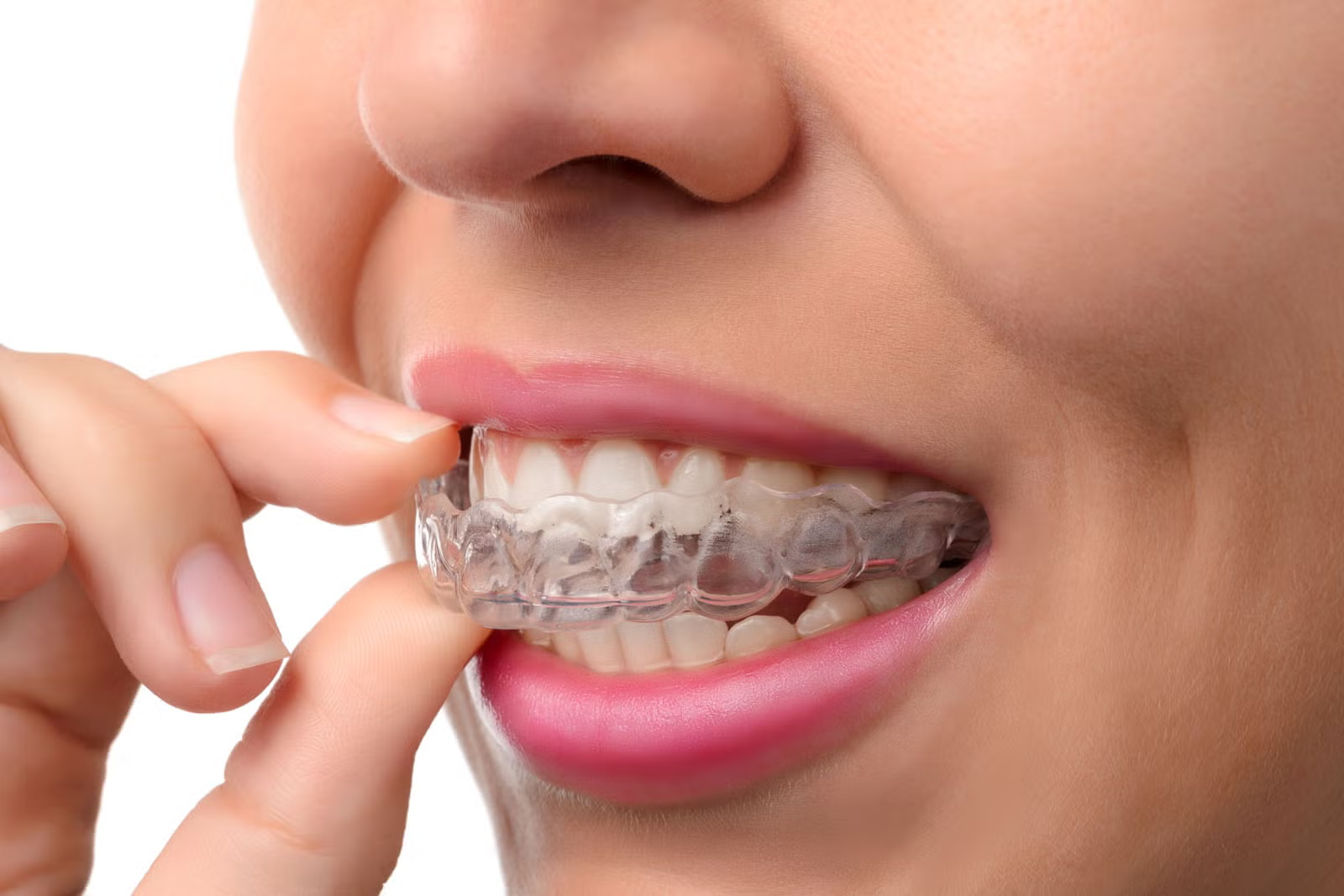
A few years ago, getting straighter teeth meant dealing with metal brackets, regular tightening appointments, and a mouth full of wires for what could feel like two long years. Things have changed a lot since then. Now, at-home teeth straightening has become one of the most searched dental terms out there, and honestly, it’s not hard to see why.
With life moving faster than ever, people are looking for ways to straighten their teeth without putting their busy routines on hold. Nobody really wants to take half a day off work every month just to sit in a dentist’s chair. That’s the whole appeal of teeth straightening at home. You get real, medically guided treatment, but most of the process happens on your own schedule, from your living room.
How At-Home Teeth Straightening Works
Here’s how the treatment works, step by step. It’s more straightforward than most people expect.
Step 1: Impressions or Dental Scans
Everything starts here. Some companies mail you an impression kit so you can take a mold of your teeth yourself, while others partner with local scan centers where a technician uses a 3D scanner instead. The scan route tends to be more accurate, but both get the job done.
Step 2: Smile Projection
This part is honestly kind of fun. Before treatment even begins, some providers show you a smile projection, basically a digital preview of what your teeth are expected to look like once the aligners have done their job.
It’s not just marketing fluff either; it lets you and your provider agree on the goal before any money is spent or trays are shipped.
Step 3: Treatment Plan and Custom Aligners
Once your scan and projection are approved, a dentist or orthodontist reviews everything and maps out a treatment plan. From there, a set of custom-fitted aligners gets manufactured specifically for your teeth.
Step 4: Wearing the Aligners
You’ll typically wear each set for 20 to 22 hours a day, swapping to the next tray every one to two weeks. It sounds like a lot, but most people forget they’re even wearing them after the first few days.
Step 5: Remote Check-Ins
Throughout treatment, you send periodic photos or scans so your provider can track progress. If anything looks off, they’ll adjust the plan before it becomes an issue.
Step 6: Retainers
Once your teeth reach their final position, retainers keep everything in place. Skipping this step is the number one reason teeth shift back, so don’t be tempted to skip it.
If you’re comparing providers, it’s worth looking closely at reviews and outcomes, since not every kit is created equal. Some research into the best teeth straightening at-home options can save you from a lot of trial and error.
Why At-Home Teeth Straightening Is Catching On
The biggest draw is convenience, plain and simple. There’s no driving across town, no waiting rooms, no rearranging your calendar around an orthodontist’s availability. You order a kit, follow the steps, and check in with a licensed professional remotely.
It’s also usually on the affordable side. Traditional braces can run several thousand dollars once you add up all the office visits. At-home teeth straightening cuts a lot of that overhead out, which means the savings often get passed on to you.
And for a lot of people, comfort matters too. Clear aligners are removable, so you can eat what you want and brush normally, with none of the wire-related mouth cuts that braces are famous for.
Is It Really Worth It?
For mild to moderate cases, yes, most dentists agree at-home aligners work well. For more complex bite issues, an in-person orthodontist might still be the safer bet. Either way, doing a bit of homework before choosing the best at-home teeth straightening option for your situation goes a long way.
FAQs
What is the cheapest way to straighten my teeth at-home?
Mail-in impression kits are usually the most budget-friendly option since they skip in-person scanning appointments entirely. Prices vary by provider, but this route tends to cost less than working through a scan center or a traditional orthodontist.
Do at-home teeth aligners work?
Yes, for mild to moderate misalignment, they generally work well. Results depend on following the wear schedule closely and staying consistent with check-ins, so the outcome really is in your hands.
What is the quickest way to straighten teeth?
Timelines depend on how much movement your teeth need, but most at-home aligner programs run between four and twelve months. Sticking to the recommended 20 to 22 hours of daily wear is what keeps things on the fastest possible track.
Can I straighten a tooth myself?
Not safely, no. DIY methods without professional guidance can cause real damage, including bone loss or teeth that shift incorrectly. Any straightening, even at-home aligners, should still involve a licensed dentist or orthodontist overseeing the plan.
Health
When Worry Becomes Something More: Anxiety Treatment for Teens and Recovery Options for Adults


Every teenager experiences worry from time to time. Exams, friendships, and the general uncertainty of growing up naturally bring some level of stress. But for a significant number of young people, that worry does not fade the way it should. It lingers, intensifies, and begins shaping decisions in ways that limit rather than motivate. When this happens, professional support often becomes necessary, and understanding what that support looks like, both during adolescence and later in life if left unaddressed, can help families recognize when to step in.
Where Normal Worry Ends and Anxiety Disorders Begin
Distinguishing everyday nervousness from a clinical anxiety disorder can be difficult, particularly for parents who remember their own teenage years being filled with similar emotions. The key difference usually comes down to duration, intensity, and impact. Ordinary worry tends to be tied to a specific event and fades once that event passes. An anxiety disorder, by contrast, often persists regardless of circumstances, showing up as constant dread, physical symptoms like stomachaches or headaches, and a tendency to avoid situations that trigger discomfort.
Anxiety disorders in teens can take several forms. Some experience generalized anxiety, marked by excessive worry about a wide range of everyday concerns. Others struggle specifically with social anxiety, finding ordinary interactions like speaking in class or attending gatherings almost unbearable. Panic disorder brings sudden, intense episodes of fear accompanied by physical symptoms such as a racing heart or difficulty breathing, while obsessive-compulsive patterns involve intrusive thoughts paired with repetitive behaviors meant to reduce distress. Each of these conditions can look different from the outside, but all of them share a common thread of interfering significantly with a teen’s daily functioning.
The Cost of Waiting
One of the more persistent challenges with adolescent anxiety is how often it goes unrecognized. Because teens are already navigating a period of natural emotional change, symptoms of a genuine disorder can be mistaken for typical moodiness or a passing phase. This delay in recognition matters, since untreated anxiety tends to compound over time, affecting academic performance, friendships, and a young person’s overall sense of confidence.
Perhaps most concerning is the well-documented connection between untreated anxiety and substance use later in life. Teens who do not receive support for persistent worry, panic, or social fear sometimes turn to alcohol or drugs as they get older, using substances as an informal and ultimately harmful way of managing symptoms that were never properly addressed. This pattern reinforces why early, effective treatment matters, not only for a teen’s immediate wellbeing but for the trajectory of their mental health well into adulthood.
What Effective Treatment Looks Like for Teens
Comprehensive teen anxiety treatment programs typically combine several approaches rather than relying on a single method. Cognitive behavioral therapy remains one of the most well-researched and effective treatments available, helping teens identify distorted thinking patterns and replace them with more balanced, realistic responses to stress. Exposure-based techniques, particularly for social anxiety or specific phobias, gradually and safely help teens confront the situations they have been avoiding, building confidence over time.
Family involvement is another important piece of the puzzle. Parents and caregivers often benefit from guidance on how to respond supportively without accidentally reinforcing avoidance behaviors, which can unintentionally worsen anxiety over time. For teens with more severe symptoms, structured programs may incorporate medication management alongside therapy, along with academic support to help students stay on track with schoolwork while managing treatment.
Holistic elements have also become a common part of many treatment programs, recognizing that anxiety affects the whole person rather than existing in isolation. Physical activity, mindfulness practices, and creative outlets like art can give teens additional tools for managing anxious feelings outside of formal therapy sessions.
The Adult Consequence of Unaddressed Anxiety
For those who did not receive treatment during adolescence, anxiety often does not simply disappear with age. It frequently persists into adulthood, sometimes evolving alongside other challenges, including substance use disorders that developed as an unhealthy coping mechanism. Understanding treatment options at this later stage becomes just as important as addressing anxiety early in life.
Outpatient Care as a Flexible Path to Recovery
For adults managing both anxiety and substance use, or substance use on its own, treatment does not always require stepping away from daily responsibilities entirely. An outpatient drug rehab center offers a structured yet flexible option, allowing individuals to continue working, attending school, or caring for family members while receiving consistent, professional support.
A typical program at an outpatient drug rehab center includes individual therapy focused on identifying personal triggers, group counseling that provides peer accountability and shared experience, and ongoing assessment of both substance use and any underlying mental health symptoms. Because anxiety and substance use so often occur together, many outpatient programs are designed to address both conditions simultaneously, rather than treating one while ignoring the other.
Clinicians typically evaluate factors such as the severity of substance use, the presence of withdrawal symptoms, and the stability of a person’s home environment when determining whether outpatient treatment is an appropriate level of care. Individuals with a stable living situation and a strong support system, along with a milder substance use pattern, are often well suited to this kind of flexible, community-based treatment. Outpatient care can also serve as a valuable next step for those who have already completed a more intensive residential program and are working to maintain their progress while returning to everyday life.
Breaking the Cycle Across Generations
Recognizing the connection between adolescent anxiety and adult substance use offers an important opportunity for prevention. Families who take teen anxiety seriously and seek appropriate treatment early are not only helping their child manage the present moment but potentially reducing the risk of more complicated struggles later in life. Similarly, adults who understand this connection may find it easier to make sense of their own substance use history, recognizing it as a response to unmet needs rather than a personal failing.
Moving Toward Support at Every Stage
Whether the concern involves a teenager showing early signs of persistent anxiety or an adult navigating both anxiety and substance use, effective treatment exists at every stage of this journey. Early intervention during adolescence offers the greatest opportunity to prevent long-term complications, but recovery remains possible at any age with the right combination of therapy, structure, and support. Reaching out to a qualified mental health or addiction professional is often the most important first step toward breaking a pattern that might otherwise continue for years to come.

A Newcomer’s Guide to Living and Driving in Aldershot

What to Wear in Australia: Essentials Hoodies, T-Shirts, Shorts and Tracksuits

Streetwear Culture 2026: Why Hellstar and Better With Age Are Dominating the US Scene

Who Is Shameera? All You Need To Know About Charli XCX’s Mother

Who Is Gulliver Flynn Oldman? The Untold Story of Sir Gary Oldman’s Son

Meet Rosemary Turner: The Mother of Actor Callum Turner
-
Biographies7 months ago
Who Is Shameera? All You Need To Know About Charli XCX’s Mother
-
Biographies6 months ago
Who Is Gulliver Flynn Oldman? The Untold Story of Sir Gary Oldman’s Son
-
Biographies7 months ago
Meet Rosemary Turner: The Mother of Actor Callum Turner
-

 Biographies5 months ago
Who is Alexandra James? Inside The Life of Jeremy Clarkson’s Former Partner
-
 Biographies7 months ago
Who is Todd McRae? Meet Tate McRae’s Father
-
 Biographies6 months ago
Who Is Daniel Mara? The Untold Story of Kate Mara’s Private Sibling
-
 Celebrity7 months ago
Who Is Peter Hernandez? The Real Story of Bruno Mars’ Father
-
 Biographies7 months ago
Who Is Alvin Martin? All About the Whoopi Goldberg’s First Husband