
Home Improvement
Same-Day Boiler Repair in London: Is It Actually Possible, and How Does 0800 Homefix Do It?

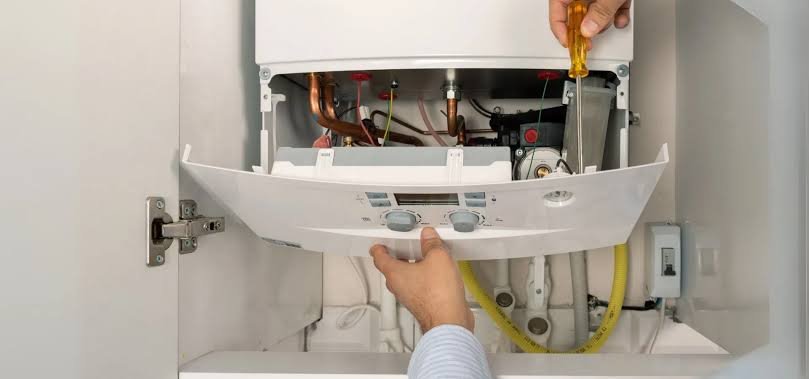
There is something uniquely stressful about waking up to a cold house on a grey London morning, turning the heating on, and hearing… nothing. No warmth, no familiar hum, just silence. Your boiler has packed in, and the first question that rushes through your mind is: can anyone actually fix this today? The good news is yes, same-day boiler repair in London is not just a marketing promise. It is a genuine service that 0800 Homefix has built its entire operation around delivering, every single day.
Why Same-Day Boiler Repair Matters More Than You Think
Most people do not give their boiler much thought until it stops working. And honestly, why would you? It sits quietly in a cupboard or utility room, doing its job without any fuss. But the moment it fails, everything changes. Hot water disappears. Radiators go cold. If you have young children, elderly family members, or anyone with a health condition at home, a broken boiler stops being an inconvenience and becomes a genuine concern.
Waiting days for an engineer simply is not an option for many households. Yet that has historically been the reality for many Londoners who call up heating companies, only to be told the earliest available slot is Thursday next week. That kind of response time belongs in the past.
How 0800 Homefix Actually Makes Same-Day Repairs Happen
It is easy to promise fast service. Actually delivering it is another matter entirely. What sets 0800 Homefix apart is not just the willingness to show up quickly, but the infrastructure that makes quick response genuinely possible. Here is how it works behind the scenes.
1. A Network of Local Engineers Across London
London is a big city. An engineer based in Bromley cannot realistically reach a property in Hampstead within the hour during rush-hour traffic. That is why the team at 0800 Homefix operates through a strategically spread network of Gas Safe registered 0800 Homefix heating engineers positioned across different zones of the city. Whether you are in East London, South West, or somewhere out near the M25, there is likely an engineer within a practical distance of your home.
This local distribution model is one of the biggest reasons same-day visits are achievable. It removes the travel bottleneck that causes delays with companies operating from a single depot.
2. Engineers Who Come Prepared
One of the most frustrating experiences homeowners report with boiler repair companies is the engineer who turns up, diagnoses the fault, and then has to order a part and come back three days later. It extends a stressful situation unnecessarily.
0800 Homefix engineers arrive with vans stocked with the most commonly needed parts for a wide range of boiler brands and models. Pressure valves, thermocouples, PCBs, pumps, diverter valves. Many faults can be resolved in a single visit because the part is already on the van. It sounds simple, but this level of preparation is what truly separates a fast repair service from one that just claims to be.
3. Round-the-Clock Availability
Boilers have a well-documented tendency to break down at the worst possible times. Late at night. On a bank holiday. In the middle of winter when you need heating most. The 0800 Homefix emergency plumbing and heating service operates outside of standard business hours precisely because emergencies do not follow a nine-to-five schedule. Having access to a real person and a real engineer at unusual hours is not a luxury; for many people, it is essential.
What Types of Boiler Problems Can Be Fixed Same-Day?
While no honest company can guarantee every possible fault will be resolved in a single visit, the majority of common boiler issues are well within reach of a skilled engineer in one call-out. Problems like loss of pressure, ignition failures, broken thermostats, faulty diverter valves, pilot light issues, and unusual noises coming from the boiler are all typical same-day repairs. More complex faults involving heat exchangers or full boiler replacements may take longer, but an engineer will always give you a transparent assessment upfront so you know exactly where you stand.
What About Regular Boiler Servicing?
Interestingly, a large number of emergency call-outs could be avoided entirely with annual maintenance. 0800 Homefix boiler servicing keeps your boiler running at peak efficiency, catches small issues before they become expensive faults, and keeps your manufacturer warranty valid. Think of it like a car MOT. You would not drive indefinitely without one, and the same logic applies to your home heating system. Regular servicing is one of the smartest investments a homeowner in London can make.
The Peace of Mind Factor
There is something worth saying about the emotional side of this. When your boiler breaks down, especially in winter, there is an immediate spike of anxiety. Who do I call? How long will it take? How much will it cost? Will they actually show up when they say they will? These are not unreasonable worries, because plenty of people have been let down by tradespeople who overpromise and underdeliver.
What 0800 Homefix has worked to build is not just a fast repair service, but a trustworthy one. Gas Safe registered engineers, transparent pricing, and a genuine commitment to arriving when they say they will. That combination of speed and reliability is what turns a stressful morning into a resolved situation before lunchtime.
Tips If Your Boiler Breaks Down Today
While you are waiting for an engineer to arrive, there are a few sensible steps worth taking. Check your boiler pressure first; if it has dropped below 1 bar, you may be able to repressurise it yourself using the filling loop. Check that your thermostat is set above the current room temperature. Look for any error codes displayed on the boiler panel, as these give engineers a head start on diagnosis. And if you smell gas at any point, do not attempt any repairs yourself. Leave the property, do not use any electrical switches, and call the National Gas Emergency line immediately.
For everything else, a same-day engineer visit is your best and safest route to getting back to warmth and comfort quickly.
Warm Homes, Fast Fixes: Your Reliable Boiler Repair Partner in London
When your boiler suddenly stops working, waiting days for repairs can quickly become stressful, especially during cold weather. That is why same day boiler repair services are so important for homeowners across London. With experienced local engineers, fully equipped vans, and fast response times, 0800 Homefix is prepared to restore heating and hot water as quickly as possible. Whether you need emergency boiler repairs, routine servicing, or help with unexpected heating faults, the team provides professional support designed to minimise disruption and get your home warm again without unnecessary delays.
Frequently Asked Questions
1. Can I really get a boiler repaired the same day in London?
Yes, same-day boiler repair is genuinely available in London through companies like 0800 Homefix, thanks to their network of local engineers spread across the city. Most common boiler faults can be diagnosed and resolved in a single visit, especially when engineers arrive with commonly needed parts already on their vans.
2. How quickly can an 0800 Homefix engineer reach my home?
Response times vary depending on your location and the time of day, but 0800 Homefix aims to dispatch the nearest available engineer as quickly as possible. Their local engineer network across London significantly reduces travel times compared to companies operating from a central location.
3. Are 0800 Homefix engineers Gas Safe registered?
Yes, all 0800 Homefix heating engineers are Gas Safe registered, which is a legal requirement for anyone working on gas appliances in the UK. You can always ask to see an engineer’s Gas Safe ID card when they arrive at your property.
4. Does 0800 Homefix offer emergency boiler repair outside of normal hours?
Yes, 0800 Homefix provides round-the-clock emergency cover because boiler breakdowns do not stick to business hours. Whether it is late evening, a weekend, or a bank holiday, you can contact them and get an engineer arranged promptly.
5. How often should I have my boiler serviced to avoid breakdowns?
Boiler manufacturers and industry experts recommend an annual service to keep your boiler running safely and efficiently. Booking regular 0800 Homefix boiler servicing helps catch small issues early, extends the life of your boiler, and keeps your warranty valid.
6. What should I do if I smell gas at home before the engineer arrives?
If you smell gas, leave the property immediately without touching any electrical switches or appliances, and call the National Gas Emergency Service on 0800 111 999. Do not attempt any DIY repairs and wait outside until it is safe to return before calling a heating engineer.


Starting an Essex house extension project helps create more living space, improves comfort, and could potentially increase your overall property’s value without the stress of moving. Prioritising careful preparation can make the difference between a successful project and an expensive one. According to SunLife’s 2025 Life Well Spent report, the average amount spent on a home extension was £22,325, compared to £26,417 in 2024. These figures demonstrate why homeowners need to plan their budgets carefully before starting construction.
4 Common Mistakes To Avoid When Planning Your House Extension In Essex, UK
Here are some common mistakes to avoid when planning your home extension in Essex, UK.
- Not Consulting Experienced Residential Architecture Firms
Although it may seem cheaper to manage everything independently, overlooking important design and planning considerations can lead to expensive problems later. One of the best decisions Essex homeowners can make before starting an extension project is seeking professional architectural advice. Experienced residential architecture firms understand how to develop practical house extension Essex designs that complement existing properties while making the best use of the available space.
- Underestimating Your Extension Budget
Any Essex house extension project involves several additional expenses, including architectural fees, structural engineering, building control, materials, electrical installations, and plumbing. Unexpected problems, such as drainage complications or structural weaknesses, can also increase your spending. It is also sensible to maintain a contingency fund for unforeseen expenses and prepare a detailed budget covering both the main construction work and associated professional services.
- Ignoring Planning Permission And Building Regulations
Assuming that every house extension can proceed without permission is a costly mistake. While some extensions may qualify for permitted development rights, others may require planning permission. The rules depend on factors such as the extension’s dimensions, location, property type, and previous alterations. Additional restrictions may apply to listed buildings and properties in designated areas. Property owners should always check the relevant requirements with their local planning authority in Essex.
- Choosing a Design That Does Not Suit Your Lifestyle
A beautiful extension can still be disappointing if it does not meet your household’s everyday needs. For example, a large kitchen extension might look impressive but provide insufficient storage or poor access to the garden. Similarly, adding a bedroom without considering natural light, ventilation, and privacy may reduce its practicality. Discussing your core priorities with your architect before finalising the design is essential for getting the best results. A carefully-planned extension should improve how you live and increase your property’s floor area.
Planning a house extension in Essex requires choosing an attractive design, finding a great builder, and understanding your budget. Planning requirements, architectural decisions, and contractor selection can all influence the final outcome. Avoiding these common mistakes can reduce unnecessary expenses, minimize delays, and create a home that better suits your family’s needs. Consulting experienced residential architecture firms such as HumphreysandSons can help you approach your extension with a clearer design strategy and a better understanding of the steps involved. With proper preparation, realistic financial planning and the right professionals, your Essex house extension can become a worthwhile investment in your property’s functionality, comfort, and long-term appeal.


Introduction
A blocked toilet always seems to happen at the worst possible moment. You flush, expect the water to disappear, and instead the level in the bowl starts rising. Your first reaction may be to flush again, reach for a strong cleaning product, or try to push the blockage away with whatever tool is nearby.
But is that actually the best approach?
If you want to verstopfte Toilette frei bekommen, the first step is not finding the strongest product. It is understanding what caused the blockage and how far into the drainage system it may have travelled. A simple paper blockage can often be handled at home, while repeated backups or problems affecting several drains may point toward a larger plumbing issue.
This guide explains the most sensible ways to deal with a blocked WC, the mistakes worth avoiding, and when professional Rohrreinigung becomes the better option.
1. What Does a Blocked Toilet Actually Tell You?
Not every toilet blockage is the same. The symptoms can provide useful clues about where the problem may be located.
If the water rises immediately after flushing but slowly disappears after several minutes, the obstruction may be relatively close to the toilet trap. This can happen because of excessive toilet paper or material that does not break down easily.
A toilet that repeatedly drains slowly is different. It may indicate that the pipe is only partially restricted. In this situation, the toilet can appear to work normally one moment and become blocked again shortly afterwards.
There is another important warning sign: other fixtures start behaving strangely at the same time. For example, the shower may drain slowly, the sink may gurgle, or water may appear in another bathroom fixture when the toilet is flushed. These symptoms can suggest that the obstruction is farther down the drainage line rather than directly inside the toilet.
That distinction matters because repeatedly plunging the toilet will not necessarily solve a blockage located deeper in the pipe system.
2. Before Anything Else: Stop the Water
The easiest way to turn a small plumbing problem into a messy one is to keep flushing.
If the water level is already rising, stop using the flush immediately. Turn off the small shut-off valve supplying the cistern. Keep towels or an old cloth around the toilet in case some water spills during the next steps.
If the bowl is almost full, carefully remove some water with a container and place it in a bucket. This gives you more working space and reduces the risk of an overflow.
This simple preparation is particularly important when you are attempting a DIY solution. A toilet blockage is inconvenient; contaminated water spreading across the bathroom is considerably worse.
3. Can a Plunger Really Solve the Problem?
Yes—but only when it is used correctly.
A toilet plunger creates pressure and suction around the outlet. The objective is not simply to push the blockage farther into the pipe. Instead, repeated controlled movement can loosen the material and allow it to move through the drainage path.
For a better result:
- Make sure there is enough water in the bowl to cover the rubber part of the plunger.
- Position the plunger directly over the toilet outlet.
- Create a reasonably tight seal.
- Press down gently at first.
- Follow with several firm, controlled strokes.
- Pause and check whether the water level begins to fall.
- Repeat rather than immediately flushing again.
A toilet-specific flange plunger generally provides a better seal than a basic flat sink plunger.
Do not use excessive force. Aggressive plunging can cause dirty water to splash around the bathroom and may not help if the obstruction is caused by a solid object.
4. What About Warm Water and Dish Soap?
For a relatively mild blockage caused by paper or organic material, warm water combined with a small amount of dish soap may sometimes help.
The soap can make the surfaces more slippery, while warm water may soften some material. However, the water should not be boiling.
Very hot or boiling water can create unnecessary thermal stress on porcelain and other toilet components. It is also not a magic solution for objects such as toys, sanitary products or wipes.
Allow the mixture some time to work rather than immediately flushing. If the water level drops naturally, test the toilet cautiously.
The key point is that this method is better viewed as a gentle attempt for a minor obstruction—not as a substitute for proper equipment when a serious blockage exists.
5. Why You Should Think Twice About Chemical Drain Cleaners
When searching online for ways to verstopfte Toilette frei bekommen, you will find plenty of suggestions involving powerful chemical products.
However, stronger does not automatically mean better.
Chemical drain cleaners can be corrosive and may create additional hazards if they fail to remove the obstruction. If the chemical remains in standing water and you later use a plunger or another tool, it can potentially splash back onto your skin or eyes. Some professional plumbing guidance also warns that aggressive chemicals may damage plumbing components.
There is another practical problem: a solid object does not simply disappear because a chemical product is poured into the toilet. A child’s toy, hygiene product or other foreign object generally requires mechanical removal.
For this reason, mechanical methods such as a suitable toilet plunger or toilet auger are usually more logical starting points than randomly pouring strong chemicals into the bowl.
Never mix different drain-cleaning chemicals.
6. What If Something Has Fallen Into the Toilet?
This is where DIY attempts can easily make the situation worse.
Suppose a small object, cosmetic container, toy or another solid item has accidentally fallen into the bowl. The instinct may be to flush it and hope it disappears.
That can turn a visible problem into a hidden one.
If you can safely reach and remove the object without forcing it deeper, that may solve the problem. But if the object has already moved into the trap or pipe, repeated flushing or poking with improvised metal tools can make removal more difficult.
Toilet augers are designed specifically for this type of mechanical clearing and can be safer for the porcelain than improvised wires or metal objects. A professional can also determine whether the blockage is inside the toilet or farther along the drainage route.
7. When Is It No Longer Just a Toilet Problem?
One of the most important questions is whether the blockage is actually limited to the WC.
Watch for these signs:
- The toilet becomes blocked repeatedly.
- Water drains slowly even after the apparent blockage is removed.
- The shower or bathtub also begins draining slowly.
- A sink makes bubbling or gurgling sounds.
- Water rises in another fixture when the toilet is flushed.
- An unpleasant sewage smell becomes noticeable.
- The toilet is the only usable WC in the property.
- A foreign object has disappeared down the toilet.
- Plunging provides only temporary improvement.
When several drains show symptoms together, the issue may be located farther down the shared drainage system. In such cases, professional Rohrreinigung can be more appropriate than repeatedly treating the toilet itself.
A deeper blockage may require a suitable drain-cleaning spiral or other professional equipment. Depending on the situation, specialists can also investigate the line to determine whether the obstruction is local or further along the drainage system.
8. Benefits of Solving the Problem the Right Way
Taking a measured approach to a blocked toilet has several advantages.
Less risk of overflow
Stopping the water supply before experimenting with solutions reduces the chance of wastewater spreading across the bathroom.
Lower risk of damage
Using the correct toilet tools is preferable to pushing random objects into the drain or exposing porcelain and pipe components to aggressive chemicals.
Better diagnosis
Looking at the symptoms can help distinguish between a simple toilet blockage and a problem affecting the wider drainage system.
Avoiding repeated blockages
If a toilet keeps becoming blocked, simply clearing the immediate obstruction may not address the underlying cause. A professional inspection can be useful when the same problem repeatedly returns.
More efficient repairs
When the blockage is deeper than the toilet trap, professional equipment can reach areas that household methods cannot.
9. How to Prevent the Next Toilet Blockage
Prevention is much easier than dealing with an overflowing toilet.
Only flush materials intended to go through a toilet drainage system. Avoid putting wipes, sanitary products, cotton items, kitchen paper, food waste or other unsuitable materials into the WC.
It is also worth paying attention to how the toilet flushes. If the flush has gradually become weaker, water disappears unusually slowly, or the toilet frequently requires several attempts, investigate the problem instead of waiting for a complete blockage.
Recurring problems deserve attention because a partial restriction can eventually become a complete obstruction.
10. When Should You Call a Professional?
A simple blockage does not necessarily require immediate professional assistance. If a plunger successfully restores normal drainage and the toilet works normally afterwards, the problem may have been relatively minor.
Professional help becomes more sensible when basic mechanical methods fail, the blockage repeatedly returns, a foreign object is involved, or other drains are affected.
Most importantly, do not continue experimenting indefinitely. If the bowl is close to overflowing or wastewater is backing up elsewhere, stop using the affected fixtures.
A professional Rohrreinigung service can determine where the obstruction is located and select the appropriate method rather than relying on guesswork.
Conclusion
Knowing how to verstopfte Toilette frei bekommen is useful, but knowing when to stop trying DIY methods is just as important.
Start by preventing an overflow, shut off the water and assess the symptoms. For a straightforward blockage, a properly positioned toilet plunger may be enough. Warm—not boiling—water and a little dish soap can also be worth trying for a mild obstruction.
However, solid objects, repeated blockages and symptoms involving several drains require a different approach. In those situations, forcing the problem deeper or repeatedly applying chemical products can create more complications.
The goal should not simply be to make the water disappear once. The real goal is to restore reliable drainage without damaging the toilet or hiding a larger problem in the pipe system. When the evidence points beyond the toilet itself, professional Rohrreinigung is often the more practical and safer solution.

Have you ever made a purchase you were happy with but doubted if it was right for you? Choosing a new floor can be challenging because it covers a significant portion of the room. The issue is that more often than not, homeowners choose flooring on the sole basis of its appearance and budget.
However, there are several details that they fail to consider before purchasing the material. This blog outlines those mistakes homeowners frequently make when choosing new flooring.
Only Thinking About Appearance
The flooring’s sample can be deceiving. A couple of planks shown under bright display lights do not always tell you what to expect in equal lighting in the room. A shade can appear warmer at home. Shiny materials reflect light and, therefore, dust and smudges are more apparent under bright lights.
The same applies to the floor’s pattern and texture, which may look more prominent across dozens of planks than on a single sample. To avoid surprises, it is a good idea to take the material home and look at it during different times of the day. Furthermore, place the sample plank next to the room’s walls, furniture, cabinetry, and doors.
Not Considering the Room’s Requirements
What a homeowner needs in a floor depends on the space. They have to ask themselves what activities take place there most often. Is it an entryway where guests track in water and dirt after rainy weather? Or perhaps a kitchen where food is prepared and spilled? Does the sun shine directly on it? Will children’s toys live on the floor? Will pets also track in dirt or cause spills? Finally, the local climate has to be factored in.
For example, Singapore’s high humidity and moisture fluctuations can contribute to expansion, contraction, cupping, or other problems with wood flooring, so it may require more careful installation and maintenance than in a consistently dry climate.
If the floor in question is Vinyl Flooring Singapore, there may be dozens of seemingly identical options such as LVP, LVT, Sheet Vinyl, etc., but they may differ significantly in construction, water resistance, surface, and installation needs.
Basing the Selection Solely on the Price Per Square Foot
The first thing that comes to mind when comparing the prices of two materials is the price per square foot. One of them is clearly cheaper than the other, so the choice is easy. What people forget is that when all the expenses are itemised, this square foot price may differ drastically from the final bill.
This is because flooring material is only a small part of the job. A big chunk of the budget is taken by underlayment, glue, preparation and removal of the old floor, trims, transitions, delivery, and the labour of the contractor.
Always ask for a full installed price when comparing two materials. After a contractor has given you this information, go through it and see what is included and what is not. And be prepared for the fact that sometimes a lower initial price may hide a higher mark-up upon closer inspection.
Picking a Material Unsuitable for the Existing Subfloor
Homeowners may devote hours and even days to picking out the ideal pattern, material, and finish without giving a thought to the subfloor.
This is understandable since the visual appeal takes up the majority of one’s attention when choosing a new floor. However, it is also crucial to ensure that the floor can withstand the daily hustle and bustle of the household. The existing subfloor should also be inspected to see if it can support the new floor. For some materials, any unevenness, dryness, dampness, cracking, or expandability can be an issue.
This step is especially important when re-planking an old surface, rather than installing over a new subfloor. Ask the installer to inspect the subfloor and identify any necessary repairs before you buy the flooring. A lovely new planked floor will not hide an unsuitable subfloor for long.
Conclusion
Selecting a new floor can be an overwhelming process. Making the decision based on a couple of samples is not the best idea. Considering these four things can ease the task. Looking not just at the floor but at the overall situation in the room is advisable. This will give you a more realistic sense of how the flooring will look and perform.
A floor that looks great in a showroom window may not be a good choice because of subfloor and maintenance requirements. The best option will often be the one that still makes the top even after testing samples and considering all costs.

Top 10 Digital Marketing Agencies in London for Business Growth (2026)

What Your Coffee’s Flavour Notes Are Actually Telling You

How donations support daily care at a Romanian dog shelter

Who Is Shameera? All You Need To Know About Charli XCX’s Mother

Who Is Gulliver Flynn Oldman? The Untold Story of Sir Gary Oldman’s Son

Meet Rosemary Turner: The Mother of Actor Callum Turner
-
Biographies8 months ago
Who Is Shameera? All You Need To Know About Charli XCX’s Mother
-
Biographies8 months ago
Who Is Gulliver Flynn Oldman? The Untold Story of Sir Gary Oldman’s Son
-
Biographies9 months ago
Meet Rosemary Turner: The Mother of Actor Callum Turner
-

 Biographies7 months ago
Who is Alexandra James? Inside The Life of Jeremy Clarkson’s Former Partner
-
 Biographies8 months ago
Who is Todd McRae? Meet Tate McRae’s Father
-
 Biographies8 months ago
Who Is Daniel Mara? The Untold Story of Kate Mara’s Private Sibling
-
 Celebrity9 months ago
Who Is Peter Hernandez? The Real Story of Bruno Mars’ Father
-
 Biographies8 months ago
Who Was Adrian Mayers? The Untold Life of A$AP Rocky’s Late Father