
Blog
Why Is Skip Hire Cardiff Important for Home Renovation Projects?


Home renovation stands as the most fulfilling experience which Cardiff homeowners can pursue. The process of creating open spaces through wall demolition and bathroom suite replacement and complete home transformations produces results which change the entire space. People fail to recognize what actual waste elements exist in their space because they discard new fixtures and newly painted surfaces and all their shiny materials. Renovation projects create substantial waste because people fail to recognize the actual waste materials which come from newly installed fixtures and freshly painted surfaces and all their new surfaces.
The accumulation of old plaster and broken tiles and timber offcuts and packaging materials and general debris creates waste which will overwhelm a renovation project if there exists no system to control it. Homeowners now depend on professional Skip Hire Cardiff services because these services maintain their renovation sites in a clean and organized and efficient condition during the entire project. Professional skip hire serves as the main waste management solution which Cardiff homeowners use for their home renovation projects. The use of a dedicated waste container which you locate at your building site enables all your renovation materials to be processed, which makes your project work better and safer and more environmentally friendly
The Real Scale of Waste Generated During Home Renovations in Cardiff
Most Cardiff homeowners who embark on a renovation project for the first time are genuinely surprised by how much waste a relatively modest job can produce. The typical bathroom renovation process creates a waste stream which includes obsolete sanitary ware and wall and floor tiles and plasterboard and pipework and wooden panels and multiple bags of general rubble which exceeds the waste capacity of standard household bins and weighs too much to be transported in a vehicle to the nearest dump. Kitchen extensions and loft conversions and entire house renovations produce multiple tons of waste during their execution which results in severe operational difficulties when waste management systems are absent. The waste removal services which professionals use for this purpose establish an effective and legal and affordable method which maintains renovation sites in an orderly state to manage their operations throughout the entire project.
Why Most Cardiff Homeowners Seriously Underestimate How Much Rubbish a Renovation Creates
Homeowners frequently underestimate the amount of waste generated from their home renovation projects. The waste problem for homeowners emerges when they reach the midpoint of their work because all the waste material spreads across their garden space. The waste problem progresses in stages because different materials accumulate at different times starting with kitchen waste and changing to plasterboard and then flooring materials. The entire property becomes harder to handle because waste material spreads out and needs to be collected from multiple locations. The renovation project starts with booking a skip because it provides an efficient solution which enables all household members and construction workers to use a designated waste disposal area throughout the entire project. Planning work at the project beginning enables teams to avoid two common project problems which create issues during the later project stages.
How Skip Hire Cardiff Makes Home Renovation Projects Safer and More Organised
The primary advantage of employing professional waste removal services for home renovation projects remains their capacity to enhance safety at construction sites. The dangerous nature of renovation sites stems from their combination of sharp materials, heavy debris, shallow surfaces, and restricted walkway access which creates safety hazards for adults and children who enter these areas. The presence of waste in corridors which spills from temporary storage bags and lies scattered throughout the garden area creates multiple hazards that lead to increased risk of trips and cuts and other types of injuries. A properly placed skip enables immediate waste disposal which becomes accessible to workers at all times because it designates a specific area for all waste materials that workers generate. For tradespeople who work under safety regulations need to have a skip available at their work site to fulfill their professional obligations.
Why a Clutter-Free Work Site Is Not Just Convenient It Could Save Someone’s Life
The construction and renovation industries have established a strong link between effective waste management practices and safe construction sites yet homeowners in Cardiff who handle their own domestic work still fail to recognize this connection. The work area becomes unsafe because broken tiles and sharp timber edges and old nails and heavy rubble create conditions that lead to serious injuries. Children and pets face increased danger in renovation sites that lack proper safety measures because their natural curiosity drives them to investigate hazardous substances. The construction site benefits from ongoing safety improvements because work areas become cleaner after workers fetch required materials from a skip that stands close to their main operational zones. The system enables workers to perform their tasks without interruptions because they can proceed with work after discarding waste instead of making work stops to bag materials. The outcome creates a safer environment which speeds up work processes and reduces stress levels for all participants.
Saving Time and Money The Financial Case for Skip Hire During Cardiff Renovations
Most homeowners in Cardiff wait to schedule a skip because they believe its expense will create an extra financial burden to their already limited renovation funds. The actual situation shows that professional waste disposal services provide renovation projects with both financial savings and time efficiency benefits. The alternative solution requires multiple car boot trips to the council tip together with time needed for waste bagging and sorting which creates a risk homeowners face when their vehicles become overloaded and they need to dispose of waste improperly. Homeowners already dealing with busy schedules will find that all available options require them to spend both money and time while they work to complete their tasks. The entire process becomes easier through one competitively priced skip hire which resolves all outstanding issues by offering a waste management solution that maintains renovation work without creating additional costs or project delays.
How Hiring a Skip in Cardiff Upfront Prevents Costly Waste Disposal Headaches Later
The beginning of a renovation project requires waste removal booking because this method proves to be more affordable than treating waste removal as an afterthought. Homeowners who attempt to control their renovation waste through emergency solutions end up spending more money because they need both urgent man-and-van service help and multiple costly van rental trips to the waste disposal site. The process of planning your waste removal in advance lets you choose the appropriate skip size for your project while securing an affordable price and establishing delivery and collection times that match your renovation schedule without any unexpected changes. Cardiff waste removal companies provide flexible skip hiring options which enable you to maintain the skip until your renovation work ends without paying extra fees for each day of possession. The ability to forecast expenses allows you to maintain control over your renovation budget.
The Right Skip Size for Every Type of Home Renovation in Cardiff
The proper selection of skip size represents a crucial operational choice that Cardiff homeowners must make during their waste management planning for home renovations. If you need to remove more garbage than your current skip size permits you must order a second collection service. The pricing system for skip rental requires you to pay for extra capacity that you will not use when you choose a larger skip size. Professional waste removal companies supply various skip sizes which meet the requirements of all construction projects from minor internal renovations to major building projects. You can determine your most economical choice when you understand your project waste estimation and share this information with your selected waste management provider. Most reputable Cardiff providers are happy to offer guidance on skip selection based on the scope of your project.
From Mini Skips to Maxi Skips How to Choose the Perfect Size for Your Cardiff Project
Cardiff residents have access to a wider selection of skip sizes than most people understand. Mini skips, which have a capacity of two to three cubic yards, work best for bathroom renovations and single-room redecoration projects and small garden waste disposal needs because those activities produce limited waste materials. The four to five cubic yard capacity of midi skips makes them suitable for bathroom and kitchen remodeling projects that require multiple tiles and fixtures and plasterboard to be disposed of. Builder’s skips, which have a capacity of six to eight cubic yards, serve as the most common option for home renovation projects and building extensions because their flexible size range fits most residential construction work. The high-volume demolition waste and rubble needs of major structural work and loft conversion and complete home renovations require large maxi skips which have ten cubic yards or greater capacity to perform waste management without needing to change containers multiple times.
What Renovation Waste Can and Cannot Go Into a Skip Hire Cardiff Service
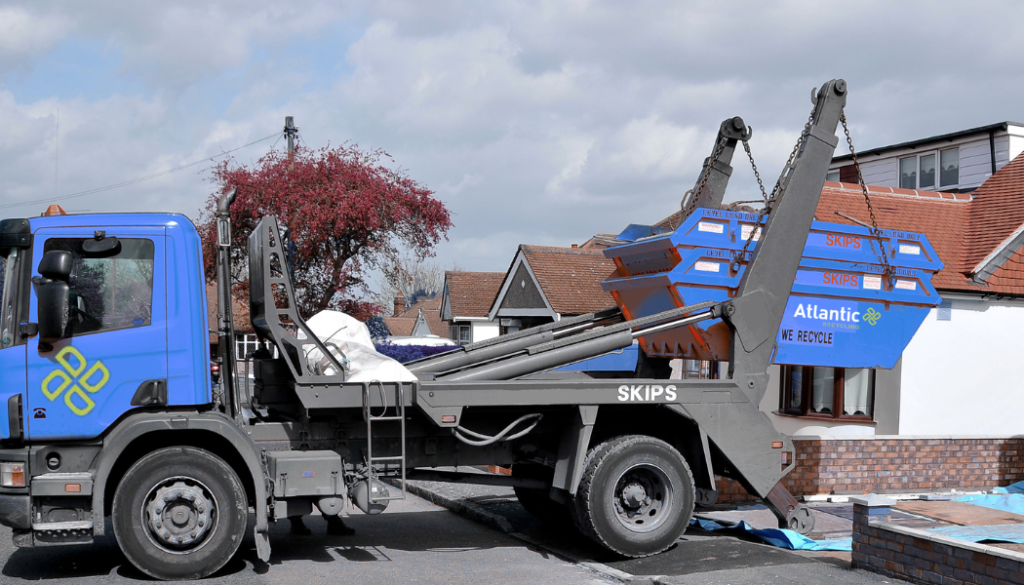
Homeowners in Cardiff must learn about renovation skip materials because their current knowledge gap will lead to unplanned costs and environmental penalties and legal issues. Skip disposal regulations permit the disposal of almost all renovation waste materials which include bricks concrete plaster timber metal fixtures household rubbish carpets and most types of packaging. Skip Hire Swansea and skip providers in Cardiff operate their waste management systems according to strict environmental protection standards which guarantee proper waste disposal methods. Standard skips do not accept certain materials because of their hazardous properties and their need for particular disposal techniques. The presence of asbestos in older Cardiff buildings exists as artex coatings and pipe lagging and floor tiles which require licensed specialists for their removal instead of being thrown away in a standard skip. The general renovation skip does not accept electrical items, tyres, refrigerators, and particular chemical products because these items need special disposal methods.
The Common Mistakes Cardiff Homeowners Make When Loading a Renovation Skip
Cardiff homeowners face challenges when they load their renovation containers because they make mistakes which their best intentions cannot prevent. Overfilling skips through the practice of piling waste above the container’s upper edge stands as one of the most common mistakes which makes the load unsafe for transport while it leads to collection delays until workers remove the extra waste. Plasterboard requires separate disposal because its chemical structure leads to hazardous gas emissions when it decays in landfill conditions, yet people often make the mistake of throwing it away together with their other trash. The process of loading concrete and bricks beyond the skip’s weight limit with these heavy materials creates problems because skip vehicles cannot exceed their weight restrictions. Checking with your provider about any material restrictions before you start loading will help you avoid these costly and time-consuming mistakes.
Do You Need a Skip Hire Permit in Cardiff for Your Home Renovation?
Cardiff homeowners who plan renovations should first determine whether they require a permit for placing a skip on the public highway which fronts their house. The answer depends entirely on where the skip will be positioned. Your skip needs no permit when you can place it completely on your private driveway and your property boundaries. The skip needs to be placed on the pavement or road outside your home which is often the case for terraced properties or homes without off-road parking so you must obtain a permit from Cardiff City Council before the skip delivery. The absence of the correct permit will lead to a fine with your skip being ordered for immediate removal which will disrupt your renovation timeline. The majority of waste removal companies in Cardiff are able to obtain necessary permits for their clients which simplifies the entire procedure.
When Cardiff Council Permission Is Required and How to Get It Quickly and Easily
The process for applying to Cardiff City Council for a skip permit needs only basic planning because it becomes more complex during peak times when their processing time extends beyond normal limits. The permit requires you to submit your application at least three business days before your scheduled skip delivery therefore you must include this time requirement in your renovation schedule. The permit will specify the exact location where the skip may be placed, and will usually require that the skip is fitted with reflective markings and lights if it is to remain on the road after dark requirements that your skip hire company should be able to fulfil as standard. The cost of a skip permit in Cardiff starts at approximately £30 and reaches up to £60 because the price depends on both the permit duration and the permit area. Many waste removal companies provide permit application services because they handle all necessary paperwork for their customers, ensuring complete peace of mind
How Skip Hire Cardiff Supports Eco-Friendly Home Renovation Projects
Homeowners in Cardiff now recognize environmental problems which makes them evaluate the sustainability standards of renovation services that include waste management. The good news is that choosing a reputable, licensed waste removal company for your renovation project is one of the most straightforward ways to reduce the environmental impact of your home improvement works. Responsible providers do not simply collect your waste and take it to landfill they transport it to licensed waste transfer stations where it is carefully sorted and as much material as possible is diverted to recycling and recovery facilities. The construction and renovation industries achieve their circular resource use goals by reclaiming Timber, metals, plasterboard, and aggregates from Cardiff renovation skips which undergo reprocessing to reenter supply chains and reduce the need for new raw materials.
Why Choosing a Responsible Cardiff Skip Hire Company Means Your Renovation Waste Gets Recycled
Different waste removal companies have different environmental standards their waste collection practices. The environmental standards which a fully licensed service provider maintains create greater environmental benefits than the lower standards which unlicensed waste collection services provide. Waste removal services in Cardiff require customers to inquire about waste diversion rates which measure their ability to separate collected waste from landfill sites through recycling and waste recovery methods. The best Cardiff operators consistently achieve diversion rates of 90% or higher, meaning the vast majority of your renovation waste will be recycled rather than buried. Your choice of a recycling-accredited provider decreases the environmental effects of your renovation project while advancing Cardiff’s sustainable development objectives and Wales’s plan to achieve zero waste. The minor choice which you make today will result in positive environmental consequences.
Skip Hire Cardiff vs. Other Waste Removal Options for Home Renovations
Homeowners in Cardiff can choose from various methods to handle their renovation waste which requires them to evaluate each option before making their final choice. The council tip runs provide free services but customers need to use their own vehicles while the process demands extensive time and the service limits waste types and quantities which customers can bring. Man and van clearance services throughout the area provide convenient waste removal options yet their companies charge customers based on weight which leads to high costs during large projects and some businesses lack complete licenses which creates potential risks for customers who want to dispose of waste through proper channels. The skip hire service provides customers with a fixed cost which remains constant throughout their contract period while they can use the entire contract period to collect waste at their own schedule during their renovation work. A skip serves as the most efficient and economical solution for waste disposal which Cardiff residents need when they start with their major home renovation projects.
Why a Skip Beats a Man and Van, Council Tips, and DIY Dumping Every Single Time
The convenience of having a skip which people can use during their home renovation work because it stays parked outside their house or on their driveway brings about exceptional advantages. The system allows users to dispose of waste whenever they want because it does not require them to wait for a third party to become available and they can keep adding waste to the container without any time restrictions while handling heavy waste material themselves. Renovation projects require flexible waste management solutions which can handle project delays and changes to work requirements and surprise findings such as additional flooring material and concealed wall spaces filled with old insulation. Cardiff homeowners can select a suitable skip hire service which delivers them operational flexibility while ensuring their renovation waste is treated according to legal requirements and safety standards and environmentally friendly methods.
How to Plan Your Skip Hire Cardiff Delivery Around Your Renovation Schedule
The success of home renovations depends on proper planning which should include waste management as a fundamental element from their initial development. Cardiff homeowners make their most frequent mistake when they postpone booking waste removal services until their renovation work has begun because skips become unavailable and construction sites experience difficulties from missing waste collection points. The best time to schedule skip delivery is at the beginning of your renovation’s demolition or strip-out process because that period produces the highest waste quantities. The advance booking process enables you to define your project requirements with your provider while they reserve the appropriate skip size and obtain required permits before your scheduled delivery time.
The Smart Homeowner’s Guide to Timing Your Skip Drop-Off and Collection in Cardiff
The scheduling of your skip hire needs to align with your renovation plans because this decision affects the efficiency of your construction work. The most affordable solution for phased renovations which require work in different rooms at separate times needs to use several shorter skip hire periods together with different skip sizes instead of one large skip which stays on the property for the whole time. For extensive renovation work which requires different trades to operate at the same time, the project needs a large skip which remains on-site during the whole project to avoid delays which happen when a skip reaches its maximum capacity before the scheduled collection time. The process of skip placement needs to be examined because it requires the delivery truck to reach the dumping site without blocking nearby buildings and the skip must not stop any material deliveries which are scheduled to arrive during the renovation time.
Choosing the Right Skip Hire Cardiff Company for Your Home Renovation Project
You must select your waste removal company because multiple companies provide their services throughout Cardiff and its nearby regions. Price is naturally a factor, but it should not be the only one the cheapest option is rarely the best when it comes to waste management, where the consequences of using an unlicensed or irresponsible provider can include illegal dumping of your waste, environmental fines, and reputational damage if the waste is traced back to your property. The Cardiff provider you choose needs to demonstrate two requirements first, it should possess the Environment Agency waste carrier license, and second, its recycling capabilities must be certified in their recycling abilities, while it maintains an honest pricing system that people find trustworthy. These qualities are the hallmarks of a waste removal company you can trust with your renovation waste.
The Key Questions Every Cardiff Homeowner Should Ask Before Booking a Skip
Before you book your skip hire for your Cardiff renovation, you should take several minutes to ask your potential provider key questions which will help you make a well-informed choice. Ask whether the company holds a valid waste carrier licence a legal requirement for any business transporting waste in the UK. Ask what their recycling policy is and what proportion of collected waste they divert from landfill. Ask whether the quoted price is all-inclusive, or whether additional charges may apply for certain waste types, overweight loads, or extended hire periods. Ask whether they can handle the permit application on your behalf if the skip needs to go on the road. And ask whether their skips are fitted with the required safety markings for highway placement. A trustworthy Cardiff service provider will provide direct answers to all questions which they receive from customers. The Cardiff provider who cannot answer those questions, will show their unreliability through their inability to provide suitable information.


You finished the game. You published it. People are clicking through and loading it up. But the session data tells an uncomfortable story: most of them are gone within the first sixty seconds. Not because the game is broken. Not because the concept is bad. But because something in that first minute lost them before they had a chance to care.
This is one of the most common problems creators face, and it is also one of the most fixable. The first minute of any game is not just an introduction. It is an audition. Players are not yet invested. They have no context, no attachment, and no particular reason to stay. Your job during that window is entirely different from your job during the rest of the game, and most creators do not treat it that way.

The First Session Is a Different Design Problem
When you are building the later parts of your game, you are designing for someone who already understands the controls, has experienced a few wins and losses, and is emotionally invested in seeing what comes next. You can introduce complexity. You can add layers. You can challenge them.
When you are designing the first sixty seconds, you are designing for someone who knows absolutely nothing. They cannot feel the depth of your game yet. They cannot appreciate the systems you built or the progression you planned. All they know is what is happening right now on their screen, and whether it is worth staying for.
This is why the first session needs to be treated as its own design problem, separate from the rest of the game. The question is not “is this game good?” The question is “does this game feel worth continuing within the first minute of play?”
The Four Reasons Players Leave in the First Minute
Most early drop-off comes from a small set of specific problems. Understanding which one is hurting your game is the first step toward fixing it.
Confusion before engagement. If a player does not understand what they are supposed to do within the first few seconds of actually playing, they leave. Not because the mechanic is complicated, but because they were never given a clear immediate goal. The question in their mind is “what am I doing here?” and if the game does not answer it quickly, they stop asking.
Overloaded onboarding. Tutorials that dump too much information before the player has any context for why it matters create the opposite of the intended effect. A player who has not touched the mechanic yet cannot retain instructions about it. They feel overwhelmed, which is not the emotional state you want them in during the only window where first impressions are being formed.
No early reward. Players who put effort into a game, even tiny effort like pressing a button and moving a character, expect some form of feedback or reward in return. That reward does not need to be elaborate. It just needs to confirm that what they did mattered and that continuing is worth their time.
A gap between the promise and the reality. If your game’s description, thumbnail, or title set a specific expectation and the first minute delivers something that feels different or lesser, players leave feeling deceived even if the description was technically accurate. Matching the emotional promise of your marketing to the emotional reality of the opening experience is part of good game design, not just good marketing.
What Good Onboarding Actually Looks Like
The goal of onboarding is not to teach the player everything. It is to get them to their first genuine moment of enjoyment as quickly as possible.
The best onboarding in games does not explain, it demonstrates. It puts the player in a situation where doing the right thing feels obvious, the outcome of doing it is immediately satisfying, and the natural next step is equally clear. The player learns through play, not through instructions, and they finish the onboarding sequence feeling capable rather than informed.
For creators who create a game using AI tools or a no-code game maker, this principle applies just as directly as it does for a traditionally coded game. The delivery method does not change what players need in those first sixty seconds.
A few things that consistently improve opening sessions:
- Give the player something to do within the first ten seconds, not something to read
- Make the first action something they can succeed at without prior knowledge
- Follow the first action immediately with clear positive feedback, a sound, a visual, a score change, anything that confirms they did something right
- Introduce a second mechanic only after the first one has been demonstrated and rewarded
- Keep text minimal during active play, since instructions that appear while the player is trying to act get ignored
Sandbox Showdown: A Game That Solves Onboarding by Removing the Problem Entirely
Sandbox Showdown, available on Astrocade.com, takes an approach to the first-minute problem that is worth thinking about as a design strategy. It is a 3D destruction sandbox where players navigate four distinct environments using interactive tools with one explicit goal: cause as much chaos and mayhem as possible.
The reason this design sidesteps most early drop-off problems is that there is no wrong way to start. The goal is chaos, and chaos is self-explanatory. A new player picking up a tool and using it is automatically succeeding because any destruction counts. There is no confusion about objectives because the objective is obvious the moment you touch anything. There is no onboarding gap because the game does not ask you to learn a system before rewarding you. It just rewards you for doing what you were going to do anyway.
This is not luck. It is a deliberate design choice that removes the friction points that usually cause early drop-off. For creators building their own games, Sandbox Showdown is a useful example of a design principle worth considering: what would the game look like if every possible action a new player takes in the first minute is a valid and rewarding one?
The Tutorial Trap: Why Explaining Too Much Costs You Players
There is a well-documented pattern in game analytics where players drop off at a higher rate during tutorials than immediately after them. That sounds backwards. A tutorial should make players more confident. But the data consistently shows the opposite for tutorials designed around explanation rather than experience.
The problem is attention and context. A new player reading a tooltip about a mechanic they have not used yet is reading something they cannot fully process. They do not have the experiential foundation to make the instruction meaningful. By the time they reach the situation where that instruction would have been useful, they have forgotten it.
The solution is not to remove guidance. It is to deliver guidance at the moment it is relevant. A tip that appears exactly when the player encounters the situation it addresses is far more effective than the same tip shown five seconds before. This timing is the difference between onboarding that helps and onboarding that overwhelms.
Using Data to Find Your Specific Drop-Off Point
Every game has a different first-minute problem, and fixing yours requires knowing exactly where in that window players are leaving. A player who quits at second ten is experiencing a different problem than a player who quits at second fifty.
If your platform provides session data, look for the specific moment where the biggest single drop in active players occurs. That moment is almost always pointing at a specific design problem: a confusing transition, an unclear objective, a control that does not respond the way players expect, or an absence of feedback after their first action.
When you find that moment, the fix is usually simpler than the problem looked. Moving a tooltip. Changing the timing of the first reward. Adding a single sound effect that confirms an action was registered. Removing a tutorial screen that was interrupting the flow. Small changes to the first minute can have outsized effects on how many players make it to the second minute.
What Happens After Players Survive the First Minute
Fixing the first minute is not the end of the retention conversation. It is the beginning. A player who makes it past sixty seconds has cleared the hardest hurdle, but they still need a reason to come back after the first session ends.
The core loop of your game, the repeating cycle of action, feedback, and reward that drives engagement, needs to be visible to the player before they close the tab. They do not need to complete it. But they need to feel it operating and understand at some level that it will keep delivering if they return.
This is why the end of the first session matters almost as much as the beginning. A player who runs out of content, hits a wall, or simply does not know what to do next after their initial exploration will not return, even if they enjoyed what they played. The first session should leave them with an open loop, something they want to resolve, a goal they did not finish, a mechanic they want to try again, a question the game raised but did not answer.
Building for Retention From the Start, Not as an Afterthought
The creators who struggle most with first-minute drop-off are usually the ones who built the whole game first and added onboarding at the end. By the time they are designing the opening experience, they are so familiar with the game that they cannot remember what it was like not to understand it.
The more effective approach is to treat the first sixty seconds as a design priority from day one. When you make your own game, whether through a traditional engine, a game builder, or an AI game maker, think about the opening experience the same way you think about the core mechanic: what is the minimum a player needs to feel in order to be hooked? Then build toward that specific feeling, and test it with people who have never seen your game before.
A player who quit after one minute almost never comes back. A player who made it to five minutes has a genuine shot at becoming someone who plays regularly. That gap is almost always decided by design decisions in the first sixty seconds.
Your Drop-Off Rate Is a Design Problem. And Design Problems Have Solutions.
Seeing players leave early feels discouraging, but it is actually one of the most useful signals a creator can get. It tells you exactly where the experience is breaking down and exactly where to focus your next iteration.
The first minute of your game is not a curtain-raiser. It is the audition, the pitch, and the first chapter all at once. When it works, everything downstream works better. When it does not, even the best game in the world does not get the chance to prove itself.


A procurement manager at a mid-sized manufacturer signs off on a new packaging supplier. The quote is competitive, the samples are good, and the decision looks sound. Eight months later, an internal review notices that the supplier’s operations director is the manager’s brother-in-law.
The manager never hid the relationship. Nobody ever asked. The annual declaration form he completed two years earlier covered shareholdings and second jobs, and at the time his brother-in-law worked somewhere else entirely.
Most conflicts of interest look like this. They are rarely schemes. They are ordinary relationships and interests that shift over time, meeting a disclosure process that only looks once a year, at a single point, with the same questions for everyone.
A Conflict Is Not A Wrongdoing
A conflict of interest exists when someone’s personal interests could influence, or appear to influence, decisions they make at work. Having one is not misconduct. Failing to declare it, or continuing to make decisions affected by it, is where the problems begin.
The distinction matters because it shapes how people respond. If staff believe that admitting a conflict will be treated as a confession, they will declare as little as possible. If they see disclosure as a routine part of working life, followed by sensible arrangements such as stepping back from a particular decision, they are far more likely to be open.
Organisations that handle conflicts well tend to treat declarations as useful information rather than evidence against the person making them.
Where Conflicts Usually Hide
Financial interests are the obvious category: shares in a supplier, a stake in a competitor, or an investment in a business the organisation deals with. They are also the type most forms are designed to catch.
Family relationships are harder. A partner working for a customer, a sibling running a contractor, or a relative applying for a job in the same department can all create conflicts that the employee may not think to mention unless asked directly.
Outside employment and roles raise similar issues. Consulting work, a seat on another company’s board, or a part-time role with a charity that receives funding from the employer can all overlap with someone’s main job.
Gifts and hospitality from business contacts, and political or government relationships, round out the common categories. Each carries different risks depending on who receives them and what decisions that person makes.
Why One Form For Everyone Falls Short
The traditional approach sends the same declaration form to every employee once a year. It is simple to run, and it creates a record that disclosures were requested. It also has clear weaknesses.
A warehouse operative and a head of procurement face very different conflict risks. Giving them identical questions means the form is either too detailed for most staff or too shallow for the people whose decisions carry real financial weight.
Volume is another problem. In a large organisation, hundreds of declarations arrive in a short window. Most are routine. A small number deserve close attention. When everything lands in the same queue, reviewers spend their time on the routine ones while the significant disclosures wait.
Annual timing is the third weakness. People change roles, relatives change jobs, and new suppliers are appointed throughout the year. A snapshot taken every twelve months can be out of date within weeks.
Asking Better Questions
Many organisations now tailor declarations to the role. Senior leaders and directors receive questions about board positions and significant financial interests. Procurement staff are asked specifically about relationships with suppliers. Managers are asked about connections to people in their reporting line. Everyone else receives a shorter baseline form.
Adaptive questioning helps further. When someone answers yes to having a relationship with a supplier, follow-up questions appear asking for details. When an answer crosses a set threshold, such as a gift above a certain value, the declaration can be flagged for prompt review. Staff with nothing to declare move through quickly, and those with something relevant are guided to provide what reviewers actually need.
Tracking Change, Not Just Status
A single year’s declarations show what people have disclosed. Comparing years shows what has changed, which is often more revealing.
When last year’s answers are carried forward, employees can confirm that nothing has changed or update what has. Reviewers can then see new conflicts, modified ones, and those that have been resolved, rather than reading every declaration from scratch. Patterns that build gradually become visible, and the organisation has a full history if it ever needs to show how a particular conflict was handled.
Moving From Policing To Guidance
The most useful shift many organisations make is introducing pre-clearance. An employee considering an outside directorship, a consulting arrangement, or an investment can ask before acting, and receive a clear answer from the right reviewer.
This changes how staff experience the process. Instead of a yearly exercise that feels designed to catch them out, conflict management becomes a source of advice when they need it. People tend to engage with a process that helps them avoid problems, and that engagement produces more honest disclosures.
Spreadsheets Reach Their Limit
Running all of this manually is possible in a small organisation. It becomes unwieldy as headcount grows. Compiling staff lists, emailing forms, chasing non-responders, removing leavers, and adding new starters consumes a surprising amount of time, and people slip through the gaps.
This is where conflict of interest disclosure management software has become common. Connected to HR records, such systems can send the right form to the right people automatically, enrol new starters, update forms when someone changes role, schedule reminders, and show completion rates as a campaign runs. Declarations that need closer attention can be escalated into an investigation process, with the link back to the original disclosure preserved.
Technology does not decide whether a conflict is acceptable. Reviewers still need to weigh the circumstances, agree sensible safeguards, and record their reasoning. What automation removes is the administrative work that crowds out that judgement.
Getting The Basics Right
Whatever tools an organisation uses, a few principles tend to make the difference.
Policies should explain clearly what counts as a conflict, with practical examples drawn from the organisation’s own work.
Questions should match the risks attached to each role rather than applying a single template to everyone.
Declarations should be possible at any time, not only during the annual campaign.
Reviews should end with a recorded decision and, where needed, a clear arrangement such as stepping away from a particular contract.
Leaders should declare their own interests visibly and promptly, since staff take their cue from the top.
Questions Worth Asking
Do current disclosure forms ask different questions of people with different levels of decision-making power?
How quickly would a new conflict be noticed if it arose midway through the year?
Can reviewers easily distinguish routine declarations from those needing urgent attention?
Do employees know they can ask for guidance before taking on an outside interest?
Conflicts of interest are a normal part of working life. The organisations that manage them well are not the ones with fewer conflicts, but the ones that hear about them early enough to deal with them sensibly.

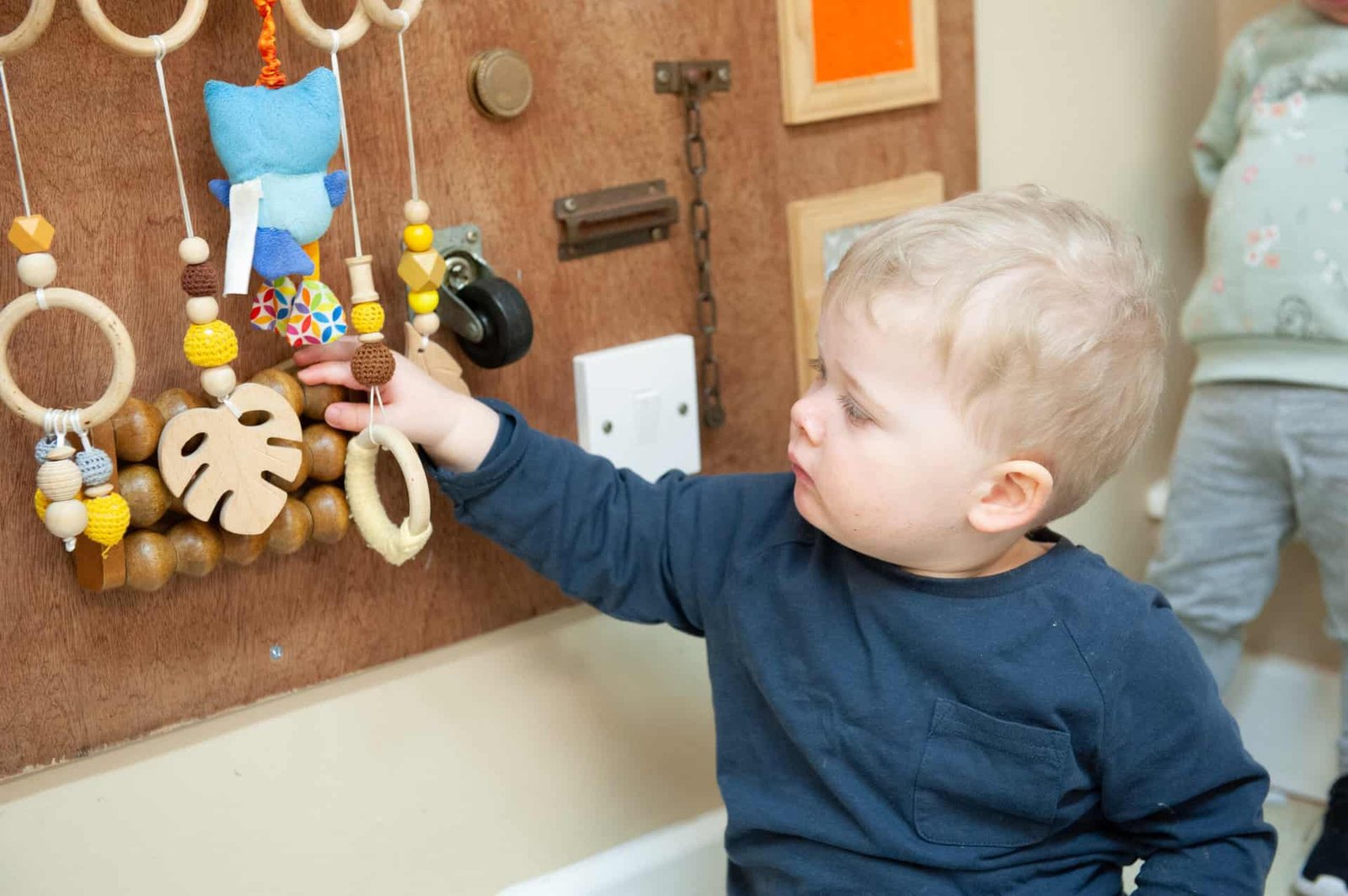
Choosing a nursery school is an important milestone for families. For many children, it is their first regular experience of learning alongside other children, following a classroom routine, and spending time away from home. While early literacy and numeracy certainly matter, nursery education supports a much wider range of developmental skills.
Young children learn best when they feel secure, interested, and actively involved. A thoughtfully designed nursery environment combines stories, play, conversation, movement, creativity, and practical experiences so children can develop naturally while enjoying the learning process.
Why Nursery Education Matters
The early years are a period of rapid growth. Children are developing language, coordination, social awareness, emotional regulation, and problem-solving abilities at the same time.
A nursery school can support these areas through everyday experiences rather than relying only on formal lessons.
For example, building with blocks involves planning and spatial awareness. Listening to stories develops vocabulary and comprehension. Playing with classmates introduces cooperation and communication.
Learning Happens Through Experience
Young children need opportunities to touch, move, build, sort, create, and experiment.
A good nursery school makes learning interactive. Instead of expecting children to absorb information passively, educators encourage them to explore concepts through activities that make sense at their developmental stage.
This helps children connect new ideas with real experiences.
Language Development Starts With Conversation
Children develop communication skills throughout the day.
Stories, songs, rhymes, role play, and everyday conversations expose children to new words and encourage them to express their ideas.
A nursery school should create many opportunities for children to speak, listen, ask questions, and participate in discussions.
Stories Encourage Imagination
Books do more than prepare children for reading.
Stories help children understand characters, emotions, sequence, and cause and effect.
Teachers can ask children to predict what happens next, describe illustrations, or talk about how a character might feel.
These interactions make literacy meaningful rather than mechanical.
Social Skills Grow in a Group Setting
Young children are still learning how friendships work.
They may struggle to share, wait for turns, or manage disagreements. These situations are normal and provide useful learning opportunities.
Families exploring a nursery learning environment in ESTZ Chennai can observe how educators help children communicate and cooperate.
A nursery school should guide children through social challenges without expecting perfect behavior.
Creativity Supports Flexible Thinking
Drawing, painting, music, construction, storytelling, and imaginative play give children opportunities to express themselves.
A nursery school should not make every creative activity produce an identical result.
Children benefit from choosing materials, experimenting with ideas, and discovering that there can be more than one way to solve a problem.
Mistakes Are Valuable
A tower may fall. A puzzle piece may not fit. A drawing may change halfway through.
These moments teach persistence.
Teachers can encourage children to try again rather than immediately completing the task for them.
Physical Development Needs Daily Attention
Young children need movement.
Running, jumping, balancing, dancing, climbing, and outdoor play support gross motor development. Drawing, threading, building, and puzzles strengthen fine motor control.
A balanced nursery school programme should include both energetic and quieter activities.
Movement can also improve concentration by giving children healthy opportunities to use their energy.
Independence Develops Gradually
Small responsibilities can build confidence.
Children might carry belongings, tidy materials, wash hands, select activities, or help organize a shared space.
A nursery school should allow children enough time to attempt manageable tasks independently while keeping adult support available.
These simple experiences teach children that they are capable.
Predictable Routines Create Security
Young children often feel more comfortable when the day follows a recognizable pattern.
Arrival, activities, meals, stories, movement, and departure cues help them anticipate what comes next.
Predictability can make the environment feel safe while children develop independence.
Conclusion
A nursery school provides much more than early academic preparation. It creates a community where children can build language, social confidence, creativity, physical coordination, emotional awareness, and independence.
The strongest early-learning experiences often happen during ordinary moments: listening to a story, solving a puzzle, completing a small task, or learning how to cooperate with a friend.
When children experience these moments in a warm and supportive environment, they develop skills and attitudes that can support them throughout their future education.

Choosing a coreless induction furnace without confusing shell material and melt duty

Choosing an optical transceiver for a network upgrade that fits the building

Why Your Game Is Losing Players After the First Minute

Who Is Shameera? All You Need To Know About Charli XCX’s Mother

Who Is Gulliver Flynn Oldman? The Untold Story of Sir Gary Oldman’s Son

Meet Rosemary Turner: The Mother of Actor Callum Turner
-
Biographies8 months ago
Who Is Shameera? All You Need To Know About Charli XCX’s Mother
-
Biographies8 months ago
Who Is Gulliver Flynn Oldman? The Untold Story of Sir Gary Oldman’s Son
-
Biographies8 months ago
Meet Rosemary Turner: The Mother of Actor Callum Turner
-

 Biographies6 months ago
Who is Alexandra James? Inside The Life of Jeremy Clarkson’s Former Partner
-
 Biographies8 months ago
Who is Todd McRae? Meet Tate McRae’s Father
-
 Biographies8 months ago
Who Is Daniel Mara? The Untold Story of Kate Mara’s Private Sibling
-
 Celebrity9 months ago
Who Is Peter Hernandez? The Real Story of Bruno Mars’ Father
-
 Biographies8 months ago
Who Was Adrian Mayers? The Untold Life of A$AP Rocky’s Late Father