
Fashion
How the Right Footwear Can Support Healthy, Active Ageing

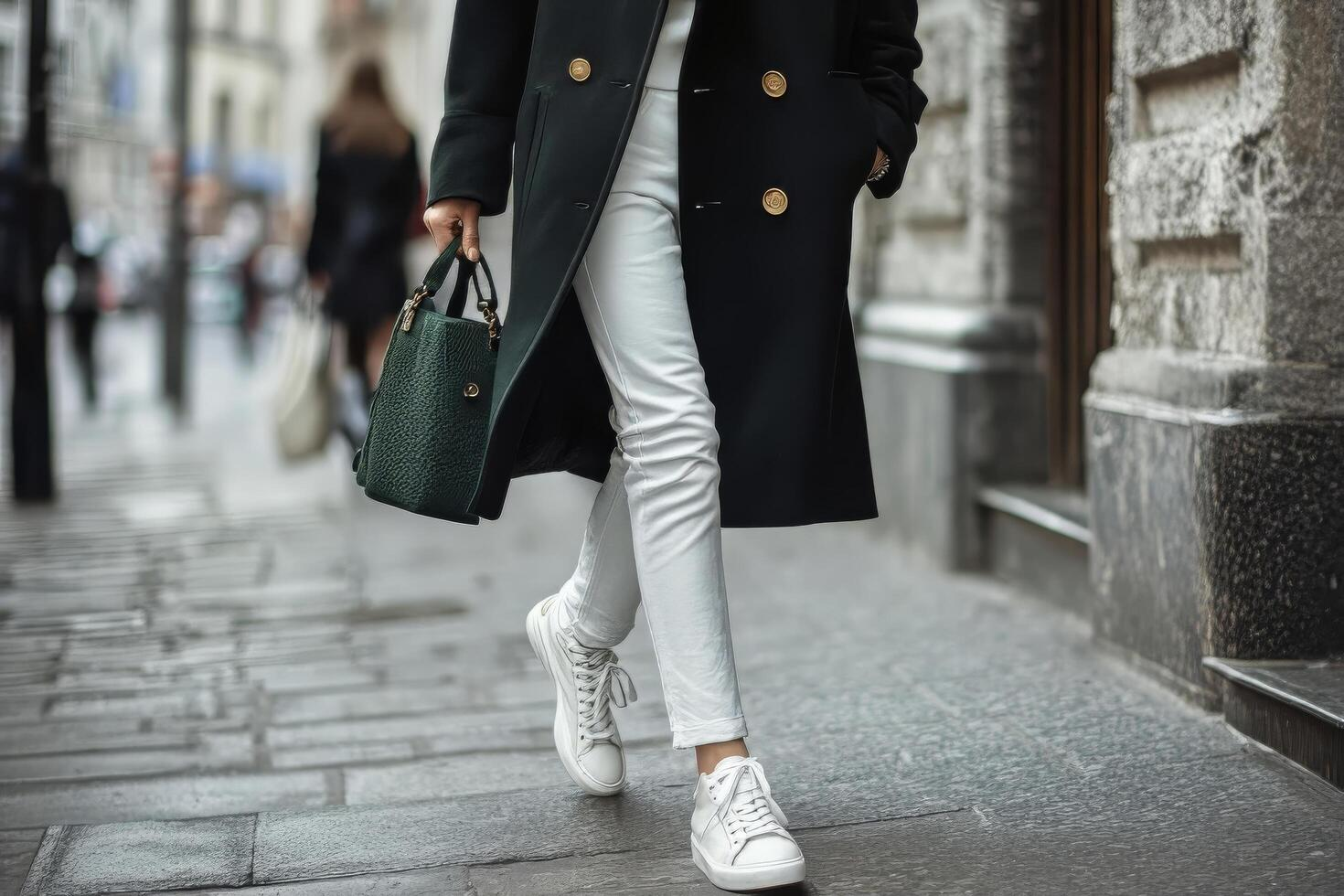
Growing older is no reason to slow down, and more people than ever are staying busy well into later life. Long walks with friends, afternoons in the garden, trips to see the grandchildren and the weekly shop all keep us moving and connected. Yet one thing that often decides how much we enjoy these moments is something we rarely stop to think about: what we wear on our feet.
Why Our Feet Change as We Get Older
Natural Changes Over Time
Over the years, the soft padding under the heel and the ball of the foot tends to thin, which means each step can feel a little harder underfoot. Ligaments may relax, so feet can spread slightly and become wider or longer. Many people also notice more stiffness in the ankles and toes, particularly first thing in the morning.
None of this is a cause for alarm. It is simply part of life, much like needing reading glasses. It does, however, mean that our footwear needs may shift, and it is worth checking your shoe size and width every so often rather than assuming it has stayed the same.
The Link Between Feet, Balance and Confidence
Our feet are constantly sending messages to the brain about the ground beneath us. When shoes fit well and grip properly, that information is clearer, which helps with balance. When shoes slip at the heel, pinch the toes or have worn, smooth soles, we tend to shorten our stride and move more cautiously.
Feeling steady on your feet builds confidence, and confidence encourages you to keep doing the things you love. That is why footwear plays such an important role in active ageing.
What to Look for in Supportive Footwear
A Comfortable, Secure Fit
A good fit is the foundation of everything else. Shoes should have enough room for your toes to move freely, with roughly a thumb’s width between your longest toe and the end of the shoe. The heel should feel snug without rubbing, so your foot does not slide around as you walk.
Because feet naturally swell a little during the day, it is often best to try shoes on in the afternoon. Always try both shoes, as many people have one foot that is slightly larger than the other.
Cushioning and Support Underfoot
With less natural padding, a cushioned sole can make a real difference to comfort on pavements and hard floors. Look for a supportive midsole and a gentle arch that suits the shape of your foot. A firm heel counter, the stiffer part at the back of the shoe, helps keep the foot stable with each step.
Grip That Helps You Stay Steady
A sole with good tread is one of the simplest ways to feel more secure, especially on wet leaves, shiny shop floors or damp paths in the winter months. Avoid soles that are completely smooth, and replace shoes once the tread starts to wear down.
Easy Fastenings
Adjustable fastenings such as laces or touch fastening straps allow you to tailor the fit throughout the day. They are especially helpful for anyone with stiff fingers or feet that tend to swell. Shoes that are easy to put on and take off also reduce the temptation to wear loose, unsupportive pairs simply for convenience.
A Quick Checklist Before You Choose
When you are deciding on a new pair, it helps to run through a few simple questions:
- Do my toes have room to wriggle? Cramped toes can lead to soreness and discomfort over time.
- Does my heel stay in place? A secure heel helps prevent slipping and supports better balance.
- Is the sole cushioned and grippy? Comfort and traction work together to keep you steady.
- Is the heel low and broad? A low, wide heel offers far more stability than a narrow or high one.
- Can I adjust the fit? Laces or straps make it easier to stay comfortable as your feet change during the day.
Matching Your Shoes to Your Lifestyle
Everyday Walking
Walking is one of the best ways to stay active in later life. It is gentle on the joints, supports heart health and is a lovely way to enjoy some fresh air. For regular strolls, choose lightweight shoes with good cushioning and a flexible sole that bends naturally at the ball of the foot.
Many people find that investing in a few pairs of genuinely comfortable shoes for women that suit different occasions, from a casual walk to a lunch out with friends, makes it much easier to stay on their feet for longer without aching afterwards.
Around the Home
It is tempting to pad around the house in worn slippers or socks, but this is often where slips happen. Supportive indoor footwear with a closed back and a non slip sole gives your feet far more protection than an old pair that has lost its shape.
Exercise and Staying Strong
Footwear works best alongside regular movement. Gentle activities that build leg strength and balance, such as walking, chair exercises, dancing or swimming, all help you stay mobile. If you are looking for fresh ideas, it is worth exploring some low impact ways to build strength and balance at home, as long as you check with your GP before starting anything new.
Simple Habits That Keep Feet Healthy
Good shoes are just one part of the picture. A few easy daily habits can help your feet stay comfortable too:
- Check your feet regularly for redness, blisters or changes in the skin.
- Keep toenails neatly trimmed and moisturise dry skin, avoiding the areas between your toes.
- Stretch your ankles and calves gently each morning to ease stiffness.
- Rotate your shoes so each pair has time to air and recover its shape.
- Seek advice from a podiatrist if you notice persistent pain, numbness or swelling.
Healthy, active ageing is built on lots of small, positive choices, and footwear is one of the easiest to get right. Shoes that fit well, cushion each step, grip the ground securely and suit the way you live can help you feel steadier, more comfortable and more confident on the move.
Take the time to check your size now and then, choose shoes for comfort as much as appearance and pair them with gentle, regular activity. When your feet feel good, it becomes so much easier to keep saying yes to the walks, outings and everyday adventures that make later life so rewarding.
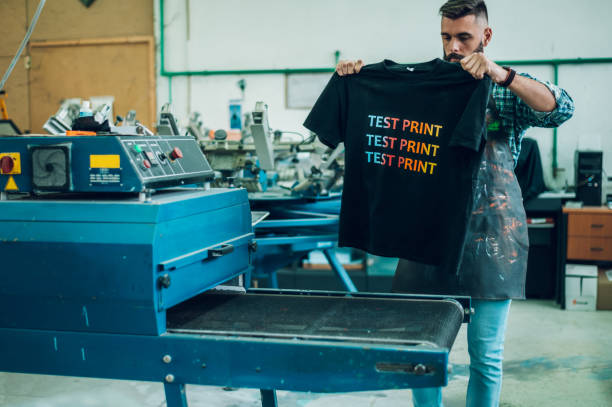
Have you ever stood in a busy queue at Westfield?
You are holding yet another generic, mass-produced cotton tee. You look at it and think: “Is this really who I am?”
Well, you are far from alone. Industry insights suggest that 70% of Australians prefer wearing apparel that reflects their personal style, according to Credence Research. They’re turning away from cookie-cutter fashion. Australian fashion reflects a mix of personal style, local culture, and community identity. Personalised clothing gives people another way to express these influences.
Custom clothing is no longer just a quirky merch trend. It is becoming another way to express personal style. From local artists wearing their own prints to weekenders repping unique design codes, Aussies are trading corporate labels for personal narratives. Your clothes tell a story. Are you writing it yourself?
Top Ways Personalised Clothing Shapes Identity
Telling Personal Stories Without Saying a Word
Look, we have all been there. You stand in front of the mirror wearing a generic logo tee from a department store. Somehow, it feels like you’re wearing a uniform for a company you don’t even work for. It feels hollow. In Australia, we pride ourselves on being authentic, so dressing like everyone else just doesn’t sit right.
Custom clothing lets people add personal touches, from inside jokes to custom graphics. These details can express something about their interests and personality before they say a word.
Unifying Communities and Local Subcultures
Think about the groups you roll with. It could be your local footy club, or a weekend surf crew. We all want to feel like we belong to something real. Throwing on a custom-made piece made exclusively for your crew creates an instant bond. It acts like a quiet visual handshake. It shows everyone that you share a common history and core values.
Custom clothing gives groups a way to express their shared identity without relying on mainstream fashion brands.
Upping Your Everyday Wardrobe Staples
Your clothes should feel like you, not a compromise. Most basic clothes off the rack are pretty dull. Such clothes leave your style looking flat. Adding personal touches can give everyday basics a more individual look. Think about the clothes you wear for a quick coffee run or a Sunday afternoon get-together.
Adding a few well-designed custom t-shirts to your wardrobe lets you express your personality through designs, colours and graphics that reflect your interests. You choose the print, the fit, and the vibe. It makes getting dressed easy because your clothes finally match who you are.
Merging Professional Branding with Personal Style
The line between personal branding and personal style is becoming less rigid. Look around. That’s why more freelancers and small business owners are opting for custom clothing. It helps them look the part while still feeling approachable. Maybe it is a subtle embroidered logo on a nice hoodie. Or maybe it is just a neat work shirt that fits well.
Sometimes, that’s all it takes to make your brand feel real. It displays the person’s passion behind the work. That turns a standard business interaction into something much warmer.
Making More Considered Clothing Choices
Some consumers are becoming more thoughtful about their clothing purchases, considering garment quality, durability and how often they will wear each item. Personalising a garment can make it feel more individual, while choosing quality clothing and caring for it properly may help extend its useful life.
A garment that reflects your personal style may become a valued part of your wardrobe. Choosing quality pieces and repairing them when needed can also help extend their useful life.
Turning Special Memories into Wearable Keepsakes
Not every good memory should stay on your phone. Remember that trip you took with your mates? Or the achievement everyone still talks about. Maybe it’s the day your club cricket team finally won. These are the memories you’ll want to look back on.
A custom tee can bring them to life with a photo, a date or a little inside joke. Unlike a trophy sitting on a shelf, it’s something you can actually wear. Years later, you might pull it out of your wardrobe and smile. Suddenly, you’re back in that moment again.
Conclusion
Personalised clothing offers a way to make everyday style more individual. Whether you’re creating a design for yourself, your community or your business, the right details can make a garment feel more personal.
Explore different designs and create something that reflects your style, interests or story.
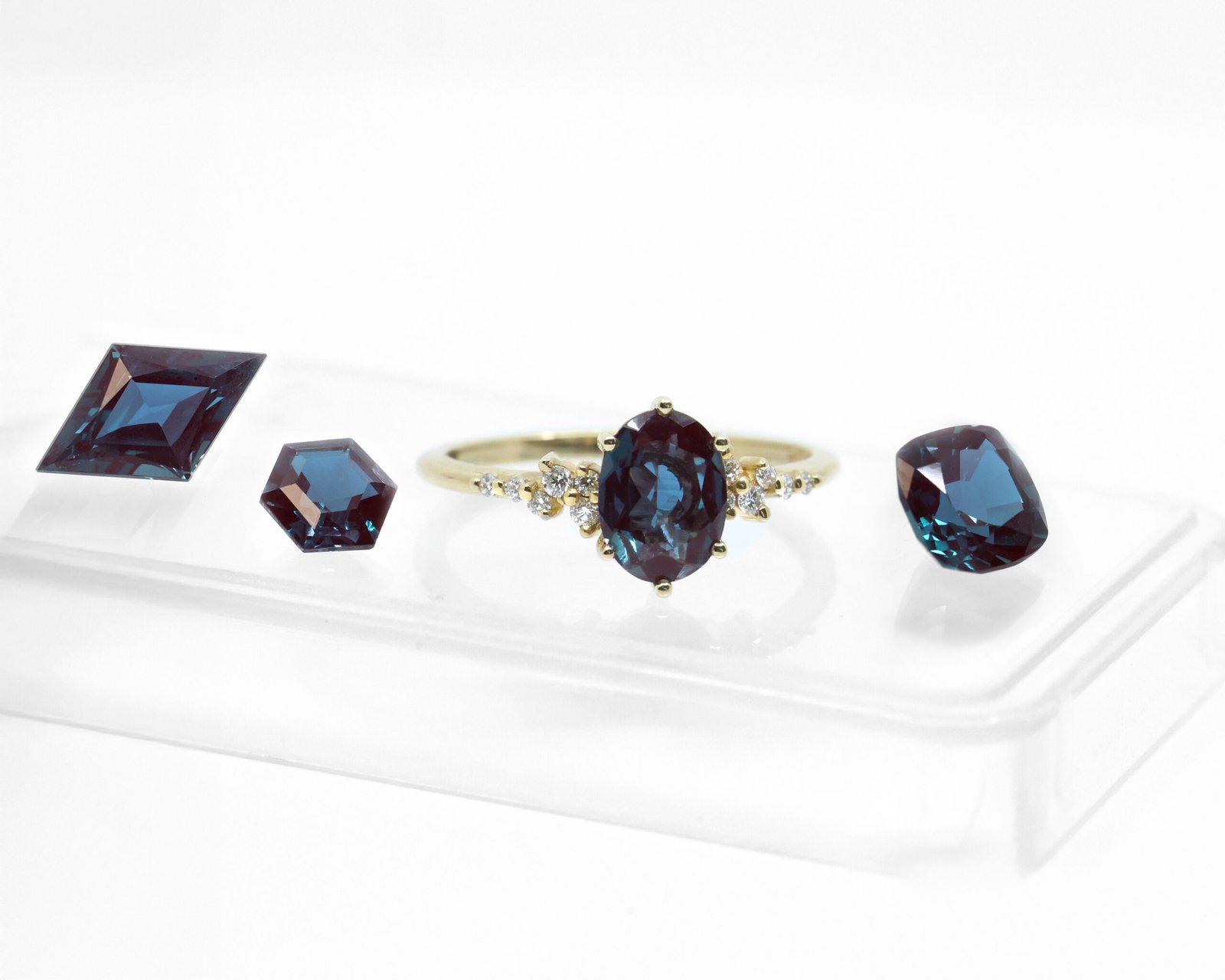
Considering the gemstone will likely get most of the attention. But the metal will remain a constant presence.
It will affect color, weight, durability, upkeep, price, and the way the gemstone looks on a hand. It will influence how easy it is to resize or repair the ring years later.
For most people, the decision will be between platinum or one of the three primary gold colors: yellow gold, white gold or rose gold.
There is no right answer for the ultimate engagement ring metal. It will likely depend on the wearer, lifestyle, sensitivity, upkeep preferences, type of gemstone, and budget.
What Is the Best Metal for an Engagement Ring?
Let’s begin with a quick summary.
Platinum is dense and naturally white, rose gold contains copper in its alloy, yellow gold retains the traditional warm color, and white gold typically requires periodic rhodium maintenance.
Each can be an excellent engagement ring metal. The decision will depend on the wearer’s lifestyle, sensitivities, preferred upkeep, and what they want the ring to look like on a hand.
First, Understanding Why Gold Isn’t Pure Gold
Pure gold is 24 karat, but it is too soft for regular use as jewelry.
Engagement rings are typically made with gold alloys: combinations of gold and other metals that change the characteristics of the metal.
The reason gold can appear in warm yellow, bright white or blush pink tones is because of the various elements combined with the gold in an alloy.
Yellow gold appears as traditional gold.
White gold uses other metals to whiten the alloy; it is commonly plated with rhodium to add extra brightness.
Rose gold contains copper; this is what gives the metal its warm pink color.
The karat weight will also affect the appearance and hardness, since it indicates how much gold is present in a precious metal alloy.
18K gold, for example, contains 75% gold, while 14K contains 58.3% gold.
Platinum: Naturally White and Dense
Platinum is one of the traditional premium metals for engagement rings.
Unlike white gold, it contains no additional elements to give it its bright white appearance.
It is also dense compared to gold, which means a platinum ring will likely feel heavier on a hand.
Some find this reassuring since it creates a certain level of physical presence on a finger, but others will prefer the more delicate weight of gold.
What Are the Advantages of Platinum?
The biggest advantage is its naturally bright white appearance.
That is especially useful for colorless diamonds since it prevents the ring from overpowering the gemstone.
Additionally, platinum is a durable metal and platinum settings are often chosen for valuable gemstones.
It will develop a patina with age, rather than retaining the same exact appearance throughout its lifespan.
Some prefer that subtle change in appearance, while others may want to have the ring professionally polished periodically.
Platinum is also generally well tolerated by people with sensitive skin, although the actual alloy will determine this individually.
What Are the Disadvantages of Platinum?
Platinum is generally more expensive compared to gold, and its density can add to the overall weight.
While it is a strong metal, it is not unbreakable: platinum rings will still be subject to every day wear and tear; they require special cleaning and periodic professional polishing.
These considerations might outweigh the benefits for some wearers, for whom a white gold ring would be a sufficient alternative.
Yellow Gold: Warm and Traditional
Yellow gold is one of the easiest precious metals to identify.
Its traditional yellow color has been popular for centuries in fine jewelry.
It can be used for simple modern solitaires and intricate vintage-style rings.
Yellow gold’s warm appearance creates an interesting visual contrast against a white diamond.
Instead of being overshadowed by the gemstone, the yellow gold band becomes a distinct part of the design.
This characteristic can be particularly appealing when set with sapphires, emeralds, champagne diamonds, moss agate, tourmaline or other colored gemstones.
Why Choose Yellow Gold?
Yellow gold can be a particularly good choice for people with existing yellow gold jewelry.
It will create a coordinated ensemble without the need to buy additional pieces.
It is also a consideration for skin tone, although there are no strict rules for what skin tones look good in what metals.
The most important test is simple: what metal will look good on the hand on a daily basis?
A ring is a personal accessory and a color-theory rule should not override an individual’s preference.
White Gold: A White Look With Gold Characteristics
White gold offers one additional approach to an engagement ring in a white metal.
It is a gold alloy combined with white metals to create a whitened appearance.
Many white gold jewelry pieces are then rhodium plated, which adds to the bright white appearance.
White gold and platinum rings will often appear similar at first glance, but they are fundamentally different metals with different characteristics.
Platinum vs. White Gold: What’s the Difference?
This is one of the most common questions concerning engagement rings.
The most basic difference is that platinum is naturally white while white gold is a gold alloy that is commonly enhanced with rhodium plating.
The rhodium plating on white gold can begin to wear off with time, revealing a slightly warmer metal underneath the surface.
The ring can then be replated at a professional jewelry workshop.
The frequency with which that needs to happen will depend on an individual’s lifestyle, the ring itself and personal preference.
Platinum doesn’t require rhodium plating, but it will develop a patina with age.
The decision ultimately comes down to personal preference: white gold replating or platinum patina?
Rose Gold: Warm, Pink and Distinctive
Rose gold receives its characteristic pink color primarily from copper in the alloy.
The amount of copper will determine how warm the metal appears; the higher the percentage, the more intense the color will be.
Rose gold can create a particularly interesting visual contrast with diamonds and colored gemstones.
It can give geometric ring designs extra softness and add to the romance of vintage-style rings.
If the wearer already owns other rose gold jewelry, the decision may be simple.
If the person is unfamiliar with the metal, a test on the hand is recommended: rose gold’s unique color will be far more noticeable than any white metal.
Does Rose Gold Require Plating?
Generally, no.
Rose gold’s characteristic pink appearance comes from the alloy itself, not a surface layer of pink plating.
That means it will not lose its color the same way rhodium plating on white gold can gradually wear off with time.
Like all precious metals, however, rose gold can still scratch and dull with regular wear.
It may occasionally benefit from professional cleaning or polishing.
Which Metal Is Most Durable?
The matter is more complex than a simple ranking of the metals from most to least durable.
Platinum and common jewelry gold alloys can potentially be excellent choices for long-term engagement ring wear.
They will simply behave differently.
Platinum is a dense metal that will develop a patina, while gold alloys will vary based on karat weight and the elements present in the alloy.
Higher purity gold does not necessarily indicate greater durability, since pure 24K gold is extremely soft.
The construction and dimensions of a ring also play an important role in its long term wear.
A properly made ring with adequate dimensions may well outperform an excessively delicate design, regardless of the precious metal used.
The Gemological Institute of America can provide additional information on choosing precious metals for engagement rings, as well as an overview of platinum and various gold alloys.
What if You Have Sensitive Skin?
Metal sensitivity deserves consideration before investing in a ring that will be worn every day.
It is rarely the gold itself that causes a reaction, but some of the additional elements in gold alloys.
Some white gold alloys, for example, can contain nickel, which can be problematic for people with nickel sensitivity.
Platinum is frequently selected by people seeking a highly pure white metal, but those with metal sensitivity should always confirm the specific alloy composition, rather than relying on a generic description.
The same advice applies to gold: “18K white gold” will indicate the amount of gold, but not the complete alloy composition.
How Does Metal Affect the Appearance of a Diamond?
The metal immediately next to a gemstone becomes part of the overall visual presentation.
White metals such as platinum and white gold can create a seamless visual transition around a colorless diamond.
Yellow and rose gold create more contrast.
Neither is objectively better than the other; it is a matter of personal preference.
Some designs even incorporate different metals: using white prongs around a diamond, while constructing the rest of the ring in yellow gold.
This allows the setting to remain neutral around the gemstone, while still incorporating warm gold into the design.
What About Colored Gemstones?
Metal color in colored gemstone rings can be even more important.
Consider a green sapphire: set it in white metal and the composition will feel cooler; yellow gold transforms the appearance into a warmer palette.
Rose gold introduces an additional color relationship.
That is especially relevant with gemstones containing complex coloration, such as teal sapphires, moss agate, tourmaline, opal, or salt-and-pepper diamonds.
When designing an engagement ring, the relationship between gemstone and metal should always be considered as equal elements.
The same center stone can appear dramatically different when surrounded by yellow, white or rose metals.
Should Your Engagement Ring Match Your Wedding Band?
Not necessarily.
Matching metals create a cohesive appearance, but mixed-metal ring stacks can also be appealing.
There is one consideration worth keeping in mind: different metals have varying levels of hardness and wear resistance.
Two rings that constantly press against each other will gradually affect the surfaces of both.
If planning to wear an engagement ring and wedding band together every day, consult with the jeweler about the combination, especially if the rings use different metals or unusual construction.
The interaction of the two rings can be just as important as their overall visual harmony.
Which Metal Is Best for an Active Lifestyle?
Consider ring construction rather than metal alone.
Someone who regularly wears rings while working with their hands may benefit from a lower profile setting, protective gemstone placement, and appropriately substantial band width to handle the additional wear.
Platinum can be an appealing choice due to density and naturally white appearance, but gold can perform very well when the ring is appropriately constructed.
The most appropriate ring will not be decided by the “strongest” metal alone, but will consider the band width, ring design, setting type, gemstone protection, and realistic expectations for wear.
How Does Budget Affect Your Choice?
Platinum tends to carry a higher price than gold, due to material composition, purity, density, and manufacturing requirements.
Gold will vary according to karat weight, ring weight, design, and current precious-metal prices.
Within a fixed budget, metal choice will affect what can be allocated towards the center stone, accent stones or ring customization.
Someone may prefer to dedicate more of their budget to a specific gemstone and opt for gold; another person may wish to invest more in platinum for the naturally white appearance and substantial feel.
Neither option is objectively better; it will depend on the individual’s priorities and what they wish to accomplish with their ring.
A Simple Engagement Ring Metal Decision Framework
If you are still considering your options, begin with four questions.
Do you want white, yellow or pink metal?
This will immediately eliminate some of the options.
How much maintenance are you willing to perform?
White gold may require periodic rhodium maintenance while platinum will gradually develop a patina. Yellow and rose gold do not require rhodium plating.
Are you sensitive to any metals?
Ask about the exact alloy, especially with white gold.
What matters most within your budget?
Decide what you want to prioritize: metal, center gemstone, setting or customization.
Those four questions should narrow the decision considerably.
Frequently Asked Questions
Is platinum better than gold for an engagement ring?
Not universally; platinum is naturally white, dense, and durable, while gold offers variety in color and options in karat weight, but they are fundamentally different metals.
Is white gold the same as platinum?
No; white gold is a gold alloy while platinum is a different precious metal.
Does white gold turn yellow?
White gold does not literally turn yellow, but the rhodium plating can begin to wear off, revealing the warm underlying alloy.
Is rose gold suitable for everyday engagement rings?
Yes; rose gold is commonly used in fine jewelry and engagement rings. Like any other precious-metal ring, its construction, thickness, setting and everyday wear will determine its suitability.
Is 14K or 18K gold better?
It will depend on the individual and their priorities; neither option is objectively better than the other.
What metal looks best with diamonds?
White metals create a neutral presentation around colorless diamonds, but yellow and rose gold offer interesting contrast.
Final Thoughts
Choosing the right metal for an engagement ring becomes easier when one stops searching for a universally best material and prioritizes a combination of considerations.
Choose platinum if you want a naturally white and dense premium metal and do not mind its patina with age.
Choose yellow gold if you want a traditional warm color; it will work especially well with diamonds and colored gemstones.
Choose white gold if you want a bright white appearance with the characteristics of a gold alloy, and accept the possibility of rhodium maintenance.
Choose rose gold if its warm pink appearance fits your personal style and the gemstone combination.
The most important question is also the most simple: which metal will the person still enjoy seeing on their hand, every day, years after the proposal?


Choosing what to wear in Australia often comes down to one simple idea: comfort without sacrificing style. Australia’s climate can vary significantly between regions and seasons, so having versatile clothing makes it easier to dress for changing conditions.
For everyday streetwear, pieces such as Essentials Hoodies, T-Shirts, Shorts and Tracksuits can form the foundation of a flexible wardrobe. These items can be worn individually, layered together, or combined with jeans, cargo pants, sneakers and lightweight outerwear.
Whether you’re heading to university, travelling around the city, meeting friends, relaxing on the weekend, or simply looking for comfortable everyday clothing, the right combination of basics can make getting dressed much easier.
Understanding Australian Weather and Everyday Style
Australia does not have one single climate. Sydney, Melbourne, Brisbane, Perth, Adelaide and other areas can experience very different temperatures and weather conditions.
Even within the same day, temperatures can change. A cool morning may become warm by the afternoon, while evenings can feel noticeably colder.
That is why layering and versatile clothing are useful.
Instead of building a wardrobe around one type of weather, choose pieces that can work together. A T-shirt can be worn alone on a warm day or underneath a hoodie when temperatures drop. Shorts can work during warmer periods, while tracksuit pants and hoodies provide an easy option for cooler conditions.
This flexible approach makes casual streetwear particularly practical for everyday Australian life.
Essentials Hoodies for Cooler Days
An Essentials Hoodie is one of the easiest pieces to include in an everyday wardrobe.
A hoodie can be worn on its own during mild weather or layered underneath a jacket when additional warmth is needed. Its relaxed appearance also works naturally with jeans, cargo trousers, sweatpants and sneakers.
For a simple everyday outfit, try:
Essentials Hoodie + jeans + sneakers
For a more relaxed streetwear look:
Essentials Hoodie + sweatpants + sneakers
Neutral hoodie colours such as black, grey, white, cream and brown are especially versatile because they can be combined with different trousers and footwear.
The current collection on Essentials Hoodie Australia includes several neutral hoodie options, including black, grey and white styles.
How to Style a Hoodie in Australia
During cooler mornings, wear your hoodie with jeans or relaxed trousers.
If the weather becomes warmer later in the day, you can remove the outer layer or simply carry the hoodie with you.
For a more contemporary streetwear appearance, consider a relaxed or oversized fit. Pairing an oversized hoodie with straight or relaxed trousers can create a balanced silhouette.
Essentials T-Shirts for Everyday Wear
When temperatures rise, a T-shirt becomes one of the most useful pieces in an Australian wardrobe.
A simple Essentials T-Shirt can be worn on its own or used as the first layer underneath a hoodie, jacket or sweatshirt.
T-shirts are particularly easy to style because they work with almost everything.
Try pairing a neutral T-shirt with:
- Shorts and sneakers
- Relaxed denim
- Cargo trousers
- Sweatpants
- An open jacket
For a minimalist outfit, choose neutral colours and keep the rest of the outfit simple.
For example:
White T-shirt + black shorts + white sneakers
creates an uncomplicated warm-weather outfit.
The current site collection includes several T-shirt styles, including grey, black and other casual options.
Essentials Shorts for Warm Australian Weather
Australia’s warmer months make shorts an important part of everyday casual dressing.
Essentials Shorts can be paired with a simple T-shirt for a relaxed warm-weather outfit. They can also work with a lightweight hoodie during cooler mornings or evenings.
A simple combination is:
T-shirt + Essentials Shorts + sneakers
For a coordinated streetwear look, choose colours that complement each other rather than matching every piece exactly.
For example, a grey T-shirt with black shorts creates a clean contrast, while a cream or white T-shirt with neutral shorts creates a softer appearance.
The current Essentials Hoodie Australia collection includes several shorts styles, including classic, fleece, relaxed and sweatshort options.
Essentials Tracksuits for a Complete Outfit
When you want an outfit that feels coordinated without requiring much effort, an Essentials Tracksuit can be a practical option.
A matching hoodie and sweatpants create a complete look while still giving you the flexibility to wear each piece separately.
Tracksuits are particularly useful for:
- Travel
- Casual weekends
- Relaxing at home
- Running errands
- Cooler mornings
- Casual city outfits
The current collection includes tracksuit options in colours such as brown and dark grey, as well as other coordinated styles.
How to Wear an Essentials Tracksuit
The simplest option is to wear the matching hoodie and sweatpants together with sneakers.
If you want a less coordinated appearance, separate the pieces.
For example, wear the tracksuit hoodie with black jeans, or combine the sweatpants with a plain T-shirt.
This gives you multiple outfits from the same basic pieces.
What to Wear in Sydney
Sydney’s lifestyle makes casual and adaptable clothing particularly useful.
For warmer days, a T-shirt and shorts can provide a simple everyday combination. When temperatures become cooler, add a hoodie or lightweight jacket.
A relaxed streetwear outfit could be:
Essentials T-Shirt + Shorts + Sneakers
For a cooler day:
Essentials Hoodie + Relaxed Pants + Sneakers
The goal is to choose pieces that can easily adapt as the day changes.
What to Wear in Melbourne
Melbourne is known for changeable weather, making layering particularly useful.
Start with a T-shirt and add a hoodie or sweatshirt when necessary. A jacket can provide another layer when temperatures drop.
A practical Melbourne outfit could include:
T-Shirt + Essentials Hoodie + Relaxed Trousers + Sneakers
This combination allows you to remove a layer if the weather becomes warmer.
Neutral colours also make layering easier because black, grey, cream and white can be combined without much effort.
What to Wear in Brisbane
Brisbane generally calls for lighter and more breathable everyday outfits, particularly during warmer periods.
T-shirts and shorts can become the foundation of a casual wardrobe.
Try:
Light T-Shirt + Shorts + Sneakers
During cooler evenings, an easy hoodie can be added as an extra layer.
The important thing is not to overcomplicate the outfit. Lightweight basics can provide plenty of versatility.
What to Wear in Perth and Adelaide
For warmer weather, T-shirts and shorts are practical everyday choices. During cooler periods, hoodies and tracksuits can provide additional comfort.
A neutral colour palette works particularly well because it allows you to reuse the same pieces with different combinations.
For example, one black pair of shorts can work with several different T-shirts, while a grey hoodie can be combined with jeans, shorts or sweatpants.
This approach creates more outfit options without requiring a large wardrobe.
How to Build an Australian Streetwear Wardrobe
You do not need dozens of clothing items to create a versatile streetwear wardrobe.
Start with a few reliable basics.
1. Choose Everyday T-Shirts
Begin with neutral T-shirts that can be worn alone or layered.
2. Add Versatile Shorts
A few pairs of casual shorts can cover most warm-weather outfits.
3. Add a Comfortable Hoodie
Choose a hoodie that works with your existing trousers, shorts and sneakers.
4. Consider a Tracksuit
A tracksuit provides a coordinated option for travel, weekends and relaxed days.
5. Keep Your Colours Easy to Combine
Black, grey, white, cream, beige and brown are useful foundation colours.
Once these basics are covered, you can introduce stronger colours, graphics or accessories.
How to Style Essentials Clothing Without Looking Overdressed
One of the advantages of minimalist streetwear is that it does not require complicated styling.
Start with one main piece and build the outfit around it.
For example, if you’re wearing a noticeable hoodie, keep the trousers and footwear relatively simple.
If your shorts or trousers have a stronger design, use a cleaner T-shirt or hoodie to create balance.
Sneakers can then complete the outfit without making it feel excessive.
The result is comfortable, practical and easy to wear.
Layering for Australia’s Changing Weather
Layering is one of the most useful styling techniques for Australian weather.
A simple three-layer approach can work well:
Base layer: T-shirt
Middle layer: Hoodie or sweatshirt
Outer layer: Jacket or coat when required
This gives you the flexibility to adjust your outfit during the day.
For warmer weather, remove the hoodie or jacket and keep the T-shirt and shorts.
For cooler conditions, add the extra layers.
This is one reason versatile basics remain useful throughout the year.
Choosing the Right Colours
Colour can make your wardrobe much easier to style.
Black
Black works with almost everything and creates a classic streetwear appearance.
Grey
Grey is a versatile neutral that works particularly well with black, white and denim.
White
White provides a clean appearance and works well during warmer weather.
Cream and Beige
These shades create a softer, neutral streetwear look and work well with brown, black and denim.
Brown
Brown can add warmth to an outfit while still remaining relatively easy to combine.
Choosing a small group of complementary colours means your T-shirts, hoodies, shorts and tracksuits can be mixed and matched more easily.
Comfortable Streetwear for Everyday Australian Life
The best everyday outfit is not necessarily the most complicated one.
A comfortable hoodie, simple T-shirt, relaxed shorts or tracksuit can cover many situations.
The key is choosing pieces that work together.
For warm weather, keep things simple with a T-shirt, shorts and sneakers.
For cooler weather, add a hoodie or tracksuit.
For travel, choose comfortable layers that can adapt to changing temperatures.
This makes your wardrobe practical while still keeping your streetwear style consistent.
Final Thoughts: Building a Versatile Australian Wardrobe
Getting dressed in Australia is easier when your wardrobe is built around versatile pieces.
Essentials Hoodies provide an easy layer for cooler conditions, while Essentials T-Shirts and Shorts work well for warmer days. Essentials Tracksuits offer a coordinated option when comfort and convenience are the priority.
Rather than buying clothing for only one occasion, focus on pieces that can be worn in several different combinations.
With a few neutral colours, comfortable fits and simple layering, you can create streetwear outfits that work across different seasons and everyday situations in Australia.

Best SaaS GEO Agencies: Who’s Winning AI Search in 2026

The Secrets Behind Hollywood’s Most Convincing On-Screen Transformations

Flying Home After Plastic Surgery: Why Flight Time Matters More Than You Think

Who Is Shameera? All You Need To Know About Charli XCX’s Mother

Who Is Gulliver Flynn Oldman? The Untold Story of Sir Gary Oldman’s Son

Meet Rosemary Turner: The Mother of Actor Callum Turner
-
Biographies9 months ago
Who Is Shameera? All You Need To Know About Charli XCX’s Mother
-
Biographies8 months ago
Who Is Gulliver Flynn Oldman? The Untold Story of Sir Gary Oldman’s Son
-
Biographies9 months ago
Meet Rosemary Turner: The Mother of Actor Callum Turner
-

 Biographies7 months ago
Who is Alexandra James? Inside The Life of Jeremy Clarkson’s Former Partner
-
 Biographies9 months ago
Who is Todd McRae? Meet Tate McRae’s Father
-
 Biographies8 months ago
Who Is Daniel Mara? The Untold Story of Kate Mara’s Private Sibling
-
 Celebrity9 months ago
Who Is Peter Hernandez? The Real Story of Bruno Mars’ Father
-

 Blog5 months ago
AI Video for Social Media: How Small Brands Keep Up Without Burning Out