Health
Grants to Start a Home Healthcare Business: How to Prepare a Strong Application


Establishing a home health care company involves a lot of planning, regulation, and capital. Some people consider applying for grants to start a home health care business due to the lack of repayment when receiving money through the grant. Nonetheless, getting these grants is not easy because they are always competitive. Knowledge of writing a grant proposal can help business owners get grants for their startup company.
Understand Grant Requirements
Before submitting an application, entrepreneurs must thoroughly check the grant eligibility requirements first. Various funding programs may target healthcare innovation, community-based services, workforce development, or senior care activities, etc. Exploring grants to start a home health care business will help applicants find potential funding that matches their objectives and offerings. Planning the application by checking the requirements beforehand not only saves time but can also help one avoid applying for grants that do not meet the agency’s qualifications. Certain funding options may also coincide with programs that provide grants for elderly care business development, especially when agencies intend to offer services to the aging population.
Developing a Comprehensive Business Plan
A full business plan is very important as part of a grant application. When funding sources look to provide money to an agency, they are often very interested in how the agency will operate, make money, and serve the community. When applying for a grant to start a home health care business, the business plan should explain:
- Services that will be offered
- Target market
- Competitive advantages
- Marketing strategy
- Staffing plan
- Growth objectives
A well-organized business plan will show that an agency has done its due diligence, which may be useful for the grant reviewer in measuring the likelihood of success at that agency.
Make Realistic Financial Projections
Financial planning is another key element when preparing for a grant to start a home health care business. Often, grant agencies require projections such as income statements, cash flow projections, and start-up cost estimates. The projections provided by applicants need to be realistic based on market analysis and other operational costs. Some of the cost projections may cover:
- License and certification fees
- Equipment for medical treatment and office operations
- Wages for caregivers
- Administrative salaries
- Insurance premiums
- Information technology systems
Well-researched financial projections indicate a business’s awareness of its financial requirements and readiness to maintain financial stability once funded with grants.
Prepare Licensing and Regulatory Documentation
Home healthcare agencies must adhere to federal, state, and local laws. Licensing requirements differ from one place to another, so it’s advisable for entrepreneurs to start the licensing process as soon as possible. The grants to start a home health care business might consider readiness for licensing as a sign that the applicant is genuinely committed to launching the business. Document preparation can be a component of the comprehensive application strategy. The following might be among the key documents:
- Business registration records
- State licensing applications
- Insurance information
- Compliance policies
- Employee screening procedures
Being prepared on the regulatory front may have a positive effect on grant reviewers’ confidence.
Operational Plan Development
An operational plan details how day-to-day business operations will be managed. For applicants seeking grants to start a home health care business, clear explanations about how services will be delivered and monitored must be provided. Some key areas that should be addressed in an operational plan include:
- Intake Procedures
- Scheduling System
- Caregiver Management
- Quality Assurance Process
- Recordkeeping Procedures
- Technology Platforms
Typically, grant reviewers will verify that the business has the capability to manage its operations while delivering quality patient care.
Emphasize Community Effects
There is a focus on initiatives that target health care and address the needs of the community in many of the grant opportunities. The application should detail how the agency would help the clients, families, and communities. While applying for grants to initiate a home health care company, an entrepreneur could boost their application by providing information regarding:
- Underserved populations
- Elderly population
- Shortage of health care professionals
- Community partnerships
- Outcome of services
Show Organizational Readiness
Grant-giving agencies frequently assess if the applicant is ready not only to start but also to run the operations for the long term. Those who need financial assistance in starting a home health care business can demonstrate their readiness through well-thought-out business plans, detailed staffing plans, and solid financial preparations. Occasionally, grant seekers also look at other potential grant sources, such as those for expanding home health care businesses, local community development programs, or health-care-related programs that encourage new providers in the market. Demonstrating that your organization is ready can give confidence to funding bodies that the grant money will be efficiently utilized.
Conclusion
Accessing a grant to start a home health care business requires more than just filling out an application. Entrepreneurs who take the time necessary to prepare a business plan, create financial projections, gather documents needed for licensing, and develop plans for operations will improve their chances of obtaining funding. Given the amount of competition for obtaining grants to start a home health care business, being well-prepared will likely be the most valuable step you can take in this process. A well-prepared application demonstrates professionalism and operational readiness and indicates that the new business owner is committed to providing quality health care services, thus setting the stage for growth and success in the future.


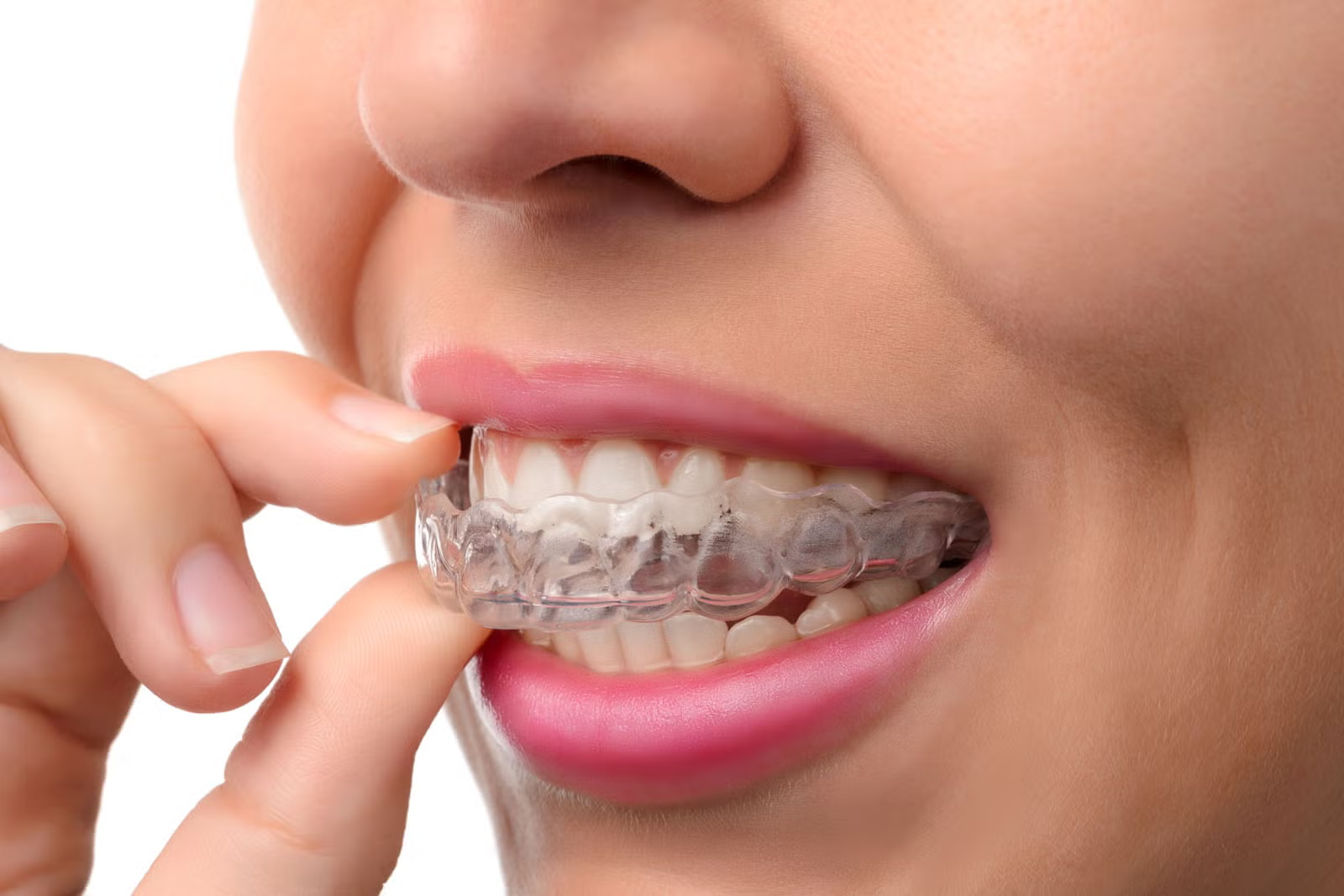
A few years ago, getting straighter teeth meant dealing with metal brackets, regular tightening appointments, and a mouth full of wires for what could feel like two long years. Things have changed a lot since then. Now, at-home teeth straightening has become one of the most searched dental terms out there, and honestly, it’s not hard to see why.
With life moving faster than ever, people are looking for ways to straighten their teeth without putting their busy routines on hold. Nobody really wants to take half a day off work every month just to sit in a dentist’s chair. That’s the whole appeal of teeth straightening at home. You get real, medically guided treatment, but most of the process happens on your own schedule, from your living room.
How At-Home Teeth Straightening Works
Here’s how the treatment works, step by step. It’s more straightforward than most people expect.
Step 1: Impressions or Dental Scans
Everything starts here. Some companies mail you an impression kit so you can take a mold of your teeth yourself, while others partner with local scan centers where a technician uses a 3D scanner instead. The scan route tends to be more accurate, but both get the job done.
Step 2: Smile Projection
This part is honestly kind of fun. Before treatment even begins, some providers show you a smile projection, basically a digital preview of what your teeth are expected to look like once the aligners have done their job.
It’s not just marketing fluff either; it lets you and your provider agree on the goal before any money is spent or trays are shipped.
Step 3: Treatment Plan and Custom Aligners
Once your scan and projection are approved, a dentist or orthodontist reviews everything and maps out a treatment plan. From there, a set of custom-fitted aligners gets manufactured specifically for your teeth.
Step 4: Wearing the Aligners
You’ll typically wear each set for 20 to 22 hours a day, swapping to the next tray every one to two weeks. It sounds like a lot, but most people forget they’re even wearing them after the first few days.
Step 5: Remote Check-Ins
Throughout treatment, you send periodic photos or scans so your provider can track progress. If anything looks off, they’ll adjust the plan before it becomes an issue.
Step 6: Retainers
Once your teeth reach their final position, retainers keep everything in place. Skipping this step is the number one reason teeth shift back, so don’t be tempted to skip it.
If you’re comparing providers, it’s worth looking closely at reviews and outcomes, since not every kit is created equal. Some research into the best teeth straightening at-home options can save you from a lot of trial and error.
Why At-Home Teeth Straightening Is Catching On
The biggest draw is convenience, plain and simple. There’s no driving across town, no waiting rooms, no rearranging your calendar around an orthodontist’s availability. You order a kit, follow the steps, and check in with a licensed professional remotely.
It’s also usually on the affordable side. Traditional braces can run several thousand dollars once you add up all the office visits. At-home teeth straightening cuts a lot of that overhead out, which means the savings often get passed on to you.
And for a lot of people, comfort matters too. Clear aligners are removable, so you can eat what you want and brush normally, with none of the wire-related mouth cuts that braces are famous for.
Is It Really Worth It?
For mild to moderate cases, yes, most dentists agree at-home aligners work well. For more complex bite issues, an in-person orthodontist might still be the safer bet. Either way, doing a bit of homework before choosing the best at-home teeth straightening option for your situation goes a long way.
FAQs
What is the cheapest way to straighten my teeth at-home?
Mail-in impression kits are usually the most budget-friendly option since they skip in-person scanning appointments entirely. Prices vary by provider, but this route tends to cost less than working through a scan center or a traditional orthodontist.
Do at-home teeth aligners work?
Yes, for mild to moderate misalignment, they generally work well. Results depend on following the wear schedule closely and staying consistent with check-ins, so the outcome really is in your hands.
What is the quickest way to straighten teeth?
Timelines depend on how much movement your teeth need, but most at-home aligner programs run between four and twelve months. Sticking to the recommended 20 to 22 hours of daily wear is what keeps things on the fastest possible track.
Can I straighten a tooth myself?
Not safely, no. DIY methods without professional guidance can cause real damage, including bone loss or teeth that shift incorrectly. Any straightening, even at-home aligners, should still involve a licensed dentist or orthodontist overseeing the plan.
Health
When Worry Becomes Something More: Anxiety Treatment for Teens and Recovery Options for Adults

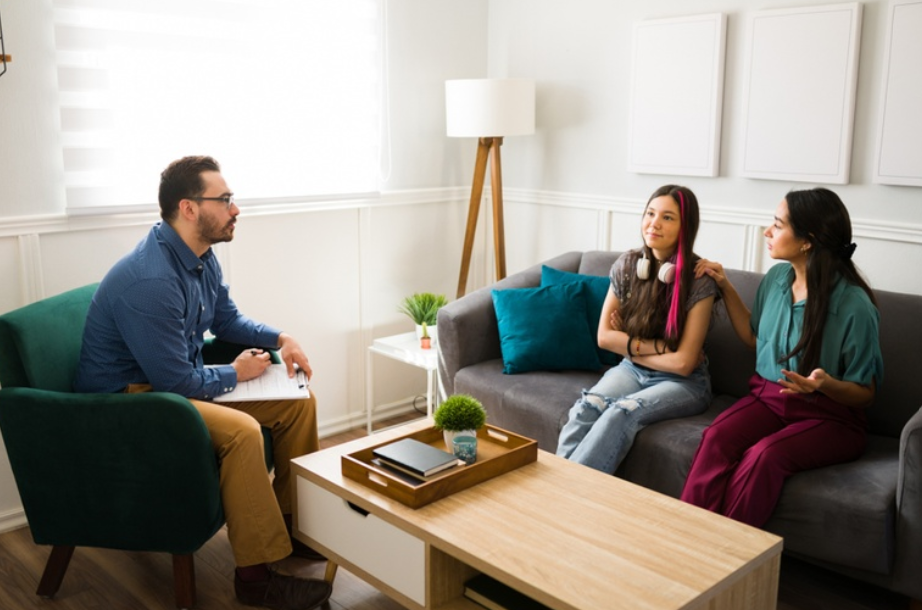
Every teenager experiences worry from time to time. Exams, friendships, and the general uncertainty of growing up naturally bring some level of stress. But for a significant number of young people, that worry does not fade the way it should. It lingers, intensifies, and begins shaping decisions in ways that limit rather than motivate. When this happens, professional support often becomes necessary, and understanding what that support looks like, both during adolescence and later in life if left unaddressed, can help families recognize when to step in.
Where Normal Worry Ends and Anxiety Disorders Begin
Distinguishing everyday nervousness from a clinical anxiety disorder can be difficult, particularly for parents who remember their own teenage years being filled with similar emotions. The key difference usually comes down to duration, intensity, and impact. Ordinary worry tends to be tied to a specific event and fades once that event passes. An anxiety disorder, by contrast, often persists regardless of circumstances, showing up as constant dread, physical symptoms like stomachaches or headaches, and a tendency to avoid situations that trigger discomfort.
Anxiety disorders in teens can take several forms. Some experience generalized anxiety, marked by excessive worry about a wide range of everyday concerns. Others struggle specifically with social anxiety, finding ordinary interactions like speaking in class or attending gatherings almost unbearable. Panic disorder brings sudden, intense episodes of fear accompanied by physical symptoms such as a racing heart or difficulty breathing, while obsessive-compulsive patterns involve intrusive thoughts paired with repetitive behaviors meant to reduce distress. Each of these conditions can look different from the outside, but all of them share a common thread of interfering significantly with a teen’s daily functioning.
The Cost of Waiting
One of the more persistent challenges with adolescent anxiety is how often it goes unrecognized. Because teens are already navigating a period of natural emotional change, symptoms of a genuine disorder can be mistaken for typical moodiness or a passing phase. This delay in recognition matters, since untreated anxiety tends to compound over time, affecting academic performance, friendships, and a young person’s overall sense of confidence.
Perhaps most concerning is the well-documented connection between untreated anxiety and substance use later in life. Teens who do not receive support for persistent worry, panic, or social fear sometimes turn to alcohol or drugs as they get older, using substances as an informal and ultimately harmful way of managing symptoms that were never properly addressed. This pattern reinforces why early, effective treatment matters, not only for a teen’s immediate wellbeing but for the trajectory of their mental health well into adulthood.
What Effective Treatment Looks Like for Teens
Comprehensive teen anxiety treatment programs typically combine several approaches rather than relying on a single method. Cognitive behavioral therapy remains one of the most well-researched and effective treatments available, helping teens identify distorted thinking patterns and replace them with more balanced, realistic responses to stress. Exposure-based techniques, particularly for social anxiety or specific phobias, gradually and safely help teens confront the situations they have been avoiding, building confidence over time.
Family involvement is another important piece of the puzzle. Parents and caregivers often benefit from guidance on how to respond supportively without accidentally reinforcing avoidance behaviors, which can unintentionally worsen anxiety over time. For teens with more severe symptoms, structured programs may incorporate medication management alongside therapy, along with academic support to help students stay on track with schoolwork while managing treatment.
Holistic elements have also become a common part of many treatment programs, recognizing that anxiety affects the whole person rather than existing in isolation. Physical activity, mindfulness practices, and creative outlets like art can give teens additional tools for managing anxious feelings outside of formal therapy sessions.
The Adult Consequence of Unaddressed Anxiety
For those who did not receive treatment during adolescence, anxiety often does not simply disappear with age. It frequently persists into adulthood, sometimes evolving alongside other challenges, including substance use disorders that developed as an unhealthy coping mechanism. Understanding treatment options at this later stage becomes just as important as addressing anxiety early in life.
Outpatient Care as a Flexible Path to Recovery
For adults managing both anxiety and substance use, or substance use on its own, treatment does not always require stepping away from daily responsibilities entirely. An outpatient drug rehab center offers a structured yet flexible option, allowing individuals to continue working, attending school, or caring for family members while receiving consistent, professional support.
A typical program at an outpatient drug rehab center includes individual therapy focused on identifying personal triggers, group counseling that provides peer accountability and shared experience, and ongoing assessment of both substance use and any underlying mental health symptoms. Because anxiety and substance use so often occur together, many outpatient programs are designed to address both conditions simultaneously, rather than treating one while ignoring the other.
Clinicians typically evaluate factors such as the severity of substance use, the presence of withdrawal symptoms, and the stability of a person’s home environment when determining whether outpatient treatment is an appropriate level of care. Individuals with a stable living situation and a strong support system, along with a milder substance use pattern, are often well suited to this kind of flexible, community-based treatment. Outpatient care can also serve as a valuable next step for those who have already completed a more intensive residential program and are working to maintain their progress while returning to everyday life.
Breaking the Cycle Across Generations
Recognizing the connection between adolescent anxiety and adult substance use offers an important opportunity for prevention. Families who take teen anxiety seriously and seek appropriate treatment early are not only helping their child manage the present moment but potentially reducing the risk of more complicated struggles later in life. Similarly, adults who understand this connection may find it easier to make sense of their own substance use history, recognizing it as a response to unmet needs rather than a personal failing.
Moving Toward Support at Every Stage
Whether the concern involves a teenager showing early signs of persistent anxiety or an adult navigating both anxiety and substance use, effective treatment exists at every stage of this journey. Early intervention during adolescence offers the greatest opportunity to prevent long-term complications, but recovery remains possible at any age with the right combination of therapy, structure, and support. Reaching out to a qualified mental health or addiction professional is often the most important first step toward breaking a pattern that might otherwise continue for years to come.

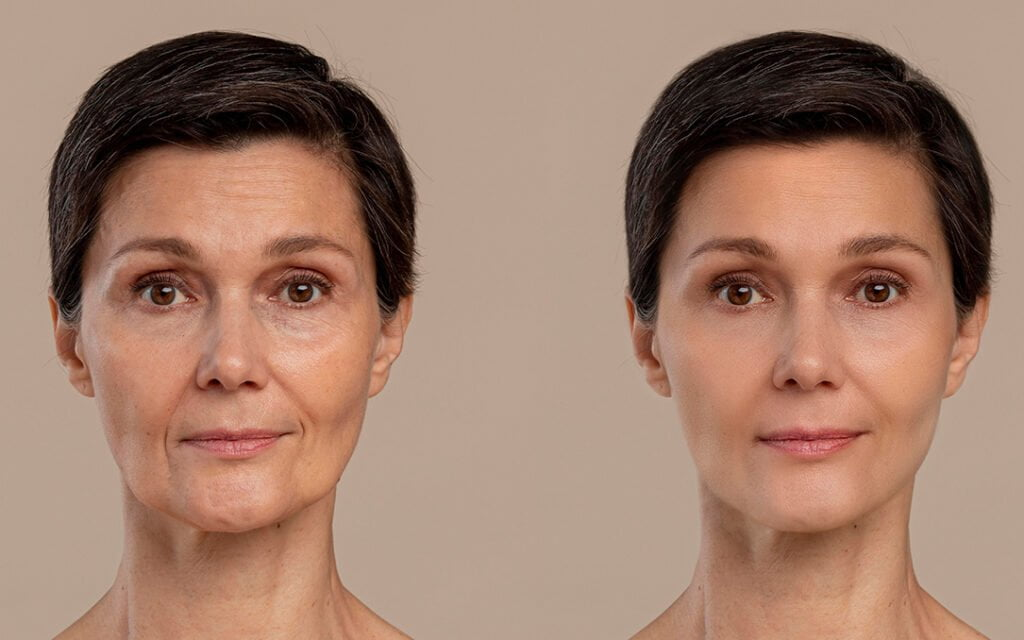
Plastic surgery recovery time can vary widely depending on the procedure, the area treated, the surgical technique, the patient’s health and how well aftercare instructions are followed. Some minor procedures may involve only a few days of downtime, while more extensive surgery may require several weeks or months before swelling, bruising and activity restrictions fully settle.
For patients in Singapore, recovery planning may also involve medical leave, transport arrangements, caregiver support, follow-up appointments and avoiding strenuous activity during the early healing period. While general recovery timelines can be helpful, the most accurate estimate should come from the plastic surgeon after assessing the patient’s condition and procedure plan.
Why Recovery Time Varies Between Patients
Plastic surgery recovery is not the same for everyone. Two patients undergoing the same procedure may heal at different speeds because of personal health, tissue response, extent of surgery and aftercare.
Recovery time may be affected by:
- Type of procedure
- Number of areas treated
- Surgical technique
- Anaesthesia used
- Age and general health
- Smoking or vaping
- Medical conditions
- Medication use
- Nutrition and hydration
- Activity level after surgery
- Wound care
- Individual healing response
Patients should avoid comparing their recovery too closely with online photos, social media posts, or someone else’s experience.
General Recovery Timeline After Plastic Surgery
Recovery is usually described in stages. These stages may differ depending on the procedure, but many patients go through similar healing phases.
First 24 to 48 Hours
The first one to two days are usually focused on rest, monitoring and early pain control. Patients may feel tired after anaesthesia and may have swelling, bruising, tightness, or discomfort around the treated area.
During this period, patients may need to:
- Rest at home
- Take medication as prescribed
- Keep the surgical area clean and protected
- Avoid strenuous movement
- Use compression garments if advised
- Keep the head or treated area elevated where recommended
- Have a responsible adult nearby if sedation or general anaesthesia was used
Patients should follow discharge instructions carefully and contact the clinic if symptoms feel unusual or worsen quickly.
First Week
The first week is often when swelling and bruising are most noticeable. Some patients may also experience tightness, numbness, mild oozing, or difficulty moving comfortably depending on the procedure.
During the first week, patients may need to avoid:
- Heavy lifting
- Vigorous exercise
- Alcohol
- Smoking or vaping
- Swimming
- Sauna or steam rooms
- Rubbing or massaging the surgical area unless advised
- Sleeping in positions that place pressure on the treated area
Some patients may return for a wound check during this stage. Stitches, dressings, splints, or drains may be reviewed depending on the procedure.
Two to Four Weeks
Many patients feel more comfortable after the first one to two weeks, but healing is still ongoing. Bruising may start to fade, swelling may reduce and daily movement may become easier.
At this stage, some patients may return to desk-based work if their surgeon allows. However, returning to exercise, carrying heavy items, or resuming full activity may still be restricted.
Patients should ask their surgeon:
- When can I return to work?
- When can I drive?
- When can I exercise?
- When can I wear make-up or skincare products?
- When can I sleep normally?
- Do I still need compression garments?
- What activities should I avoid?
Recovery should be gradual. Feeling better does not always mean the tissues have fully healed.
One to Three Months
By one to three months, many patients notice improvement in swelling, comfort and movement. Scars may still appear red, raised, firm, or sensitive. Some numbness, tightness, or mild swelling may continue.
Patients may gradually return to more activities if cleared by their surgeon. For body procedures, compression garments may still be needed for part of this period. For facial procedures, swelling may continue to refine over time.
Follow-up appointments may be used to monitor:
- Wound healing
- Scar appearance
- Swelling
- Symmetry
- Sensation changes
- Activity clearance
- Need for scar care
- Any concerns about recovery
Three to Six Months and Beyond
Final results may take months to become clearer, especially for procedures involving deeper tissues, extensive swelling, or body contouring. Scar maturation can also take several months to a year or longer.
Patients should understand that recovery includes both early healing and long-term tissue settling. A procedure may look different at one month compared with six months.
Recovery Time by Procedure Type
Recovery varies depending on the procedure. The following are general examples only.
Eyelid Surgery
Eyelid surgery may involve swelling, bruising and temporary tightness around the eyes. Some patients may return to light activities within one to two weeks, but bruising and swelling can take longer to settle.
Patients should ask when they can resume contact lenses, make-up, exercise and screen-heavy work.
Rhinoplasty
Rhinoplasty recovery may involve nasal swelling, bruising around the eyes, nasal congestion and a splint in the early period. Some swelling improves within weeks, but nasal refinement may continue for months.
Patients should avoid trauma to the nose and follow instructions on glasses, exercise and nose care.
Facelift or Neck Lift
Facelift or neck lift recovery may involve swelling, bruising, tightness, numbness and temporary changes in facial sensation. Patients often need more downtime than minor facial procedures.
The surgeon may advise avoiding strenuous activity and certain sleeping positions during early recovery.
Breast Surgery
Breast surgery recovery depends on the type of procedure, such as breast augmentation, reduction, lift, reconstruction, or revision surgery. Patients may need to avoid heavy lifting, upper body strain and certain sleeping positions.
A support garment or surgical bra may be recommended. Return to exercise should be guided by the surgeon.
Liposuction
Liposuction recovery may involve swelling, bruising, soreness and fluid-related changes. Compression garments may be advised for a period of time. Swelling may take weeks to months to improve.
Patients should ask when they can resume exercise and whether massage or lymphatic drainage is appropriate.
Tummy Tuck
A tummy tuck usually involves a longer recovery than smaller procedures because it may include skin removal and muscle repair in selected cases. Patients may need help at home during the early period and may be advised to walk slightly bent at first.
Heavy lifting and strenuous exercise are usually restricted for a longer period.
Reconstructive Surgery
Recovery after reconstructive plastic surgery depends on the condition being treated, the complexity of the operation and whether other treatments are involved. Patients may need physiotherapy, wound care, scar management, or longer monitoring.
Why Follow-Up Appointments Matter
Follow-up visits are an important part of recovery. They allow the surgeon to check healing, manage concerns early and guide activity progression.
Follow-up appointments may involve:
- Wound checks
- Dressing changes
- Drain removal where applicable
- Stitch review
- Scar care advice
- Compression garment review
- Medication adjustment
- Activity clearance
- Monitoring for complications
Patients should attend follow-up appointments even if they feel well, as some issues may not be obvious at home.
How to Support Recovery
Patients can support recovery by following the surgeon’s instructions closely.
Helpful recovery habits may include:
- Resting during the early period
- Taking medication as prescribed
- Avoiding smoking and vaping
- Eating balanced meals
- Drinking enough fluids
- Avoiding alcohol during early recovery
- Wearing compression garments if advised
- Attending follow-up visits
- Avoiding sun exposure on healing scars
- Avoiding strenuous activity until cleared
- Asking before using scar creams or supplements
Patients should not start massage, exercise, skincare, or scar treatment unless advised.
Planning Recovery in Singapore
Before surgery, patients in Singapore may wish to plan:
- Medical leave or annual leave
- Transport home after surgery
- Someone to stay with them after anaesthesia
- Childcare or eldercare support
- Meal preparation
- Follow-up appointment schedule
- Comfortable clothing
- Compression garments where needed
- Avoiding strenuous work or exercise
- Indoor recovery during hot weather if swelling is a concern
Patients should ask their surgeon for procedure-specific advice, especially if they have physically demanding work.
Plastic surgery recovery time depends on the procedure, patient health, surgical extent and aftercare. Some patients may return to light routines within days, while others may need several weeks of downtime and months for swelling, scars and final results to settle.
Recovery should be planned carefully, especially for patients in Singapore who need to arrange work leave, transport, home support and follow-up visits. Patients should follow aftercare instructions, avoid rushing back to strenuous activity and attend scheduled reviews.
The best recovery timeline should come from the plastic surgeon after assessing the planned procedure and the patient’s individual situation.
This article is for general information only and should not replace medical advice from a qualified healthcare professional.

How to Straighten Teeth at Home with Aligners

Is It Safe to Buy Google 5 Star Reviews for Your Business?

Complex Tech Ideas Need Clear Context Before They Become Short Videos

Who Is Shameera? All You Need To Know About Charli XCX’s Mother

Who Is Gulliver Flynn Oldman? The Untold Story of Sir Gary Oldman’s Son

Meet Rosemary Turner: The Mother of Actor Callum Turner
-
Biographies7 months ago
Who Is Shameera? All You Need To Know About Charli XCX’s Mother
-
Biographies6 months ago
Who Is Gulliver Flynn Oldman? The Untold Story of Sir Gary Oldman’s Son
-
Biographies7 months ago
Meet Rosemary Turner: The Mother of Actor Callum Turner
-

 Biographies5 months ago
Who is Alexandra James? Inside The Life of Jeremy Clarkson’s Former Partner
-
 Biographies7 months ago
Who is Todd McRae? Meet Tate McRae’s Father
-
 Biographies6 months ago
Who Is Daniel Mara? The Untold Story of Kate Mara’s Private Sibling
-
 Celebrity7 months ago
Who Is Peter Hernandez? The Real Story of Bruno Mars’ Father
-
 Biographies7 months ago
Who Is Alvin Martin? All About the Whoopi Goldberg’s First Husband