
Health
Bariatric Surgery Options in India: Sleeve Gastrectomy, Bypass & Recovery Guide

Bariatric surgery, also called weight-loss or metabolic surgery, is a treatment option for people with obesity when lifestyle measures alone have not provided sufficient or lasting results. These procedures change the digestive system to reduce food intake, alter digestion, or both.
The two commonly performed procedures are sleeve gastrectomy and Roux-en-Y gastric bypass. Choosing between them depends on factors such as body mass index (BMI), existing health conditions, previous surgeries, eating patterns, reflux symptoms, and the potential benefits and risks of each procedure.
What Is Bariatric Surgery?
Bariatric surgery changes the size or function of the digestive system to support substantial weight loss. Some procedures mainly restrict how much food the stomach can hold, while others also alter how nutrients are absorbed.
Weight-loss surgery is not simply a procedure followed by normal eating habits. Long-term results depend on nutrition, physical activity, behavioral changes, medical follow-up, and adherence to vitamin and mineral supplementation when prescribed.
Who May Be Considered?
Eligibility is assessed individually. Doctors consider BMI, obesity-related health conditions, previous attempts at weight management, overall health, and the person’s ability to follow long-term dietary and lifestyle recommendations.
Conditions that may improve after appropriate bariatric treatment include type 2 diabetes, high blood pressure, sleep apnea, and other obesity-related health problems.
Sleeve Gastrectomy: How Does It Work?
Sleeve gastrectomy involves removing a large portion of the stomach and leaving a narrow, tube-shaped stomach. The smaller stomach limits the amount of food that can be consumed at one time and also produces hormonal changes that can influence hunger and fullness.
Unlike gastric bypass, sleeve surgery does not reroute the intestines. It is commonly performed laparoscopically through several small abdominal incisions.
Advantages and Considerations
Potential advantages include a relatively straightforward digestive pathway because the intestines are not bypassed. However, sleeve surgery is still major surgery and can cause complications such as bleeding, infection, blood clots, leaks, reflux, vomiting, or nutritional problems.
People with significant acid reflux may require particularly careful evaluation because sleeve gastrectomy can sometimes worsen reflux symptoms.
Gastric Bypass: How Does It Work?
Roux-en-Y gastric bypass creates a small stomach pouch and connects it directly to a section of the small intestine. Food therefore bypasses most of the stomach and the first part of the small intestine.
The procedure reduces how much food can be consumed and also changes nutrient absorption and digestive hormone responses. It can be particularly effective for weight loss and may improve several obesity-related conditions.
Advantages and Considerations
Gastric bypass may provide significant weight loss and can improve conditions such as type 2 diabetes, high blood pressure, sleep apnea, and reflux in appropriate patients. However, it is more complex than sleeve gastrectomy and requires lifelong attention to nutrition.
Potential complications include bleeding, infection, leaks, bowel obstruction, ulcers, gallstones, dumping syndrome, malnutrition, and vitamin deficiencies.
Sleeve Gastrectomy vs Gastric Bypass
Both procedures can support significant weight loss, but they work differently. The choice should be individualized rather than based solely on which operation appears more effective.
| Feature | Sleeve Gastrectomy | Gastric Bypass |
| Stomach size | Significantly reduced | Small pouch created |
| Intestines bypassed | No | Yes |
| Digestion altered | Less | More |
| Reflux considerations | May worsen reflux | May improve reflux |
| Nutritional monitoring | Important | Especially important |
| Procedure complexity | Generally lower | Generally higher |
In Ahmedabad, patients considering bariatric treatment may consult a qualified bariatric surgeon in Ahmedabad to discuss BMI, existing medical conditions, reflux symptoms, previous surgeries, eating patterns, and the potential benefits and risks of each surgical option.
What Happens Before Bariatric Surgery?
Bariatric surgery usually involves a multidisciplinary assessment rather than a single surgical consultation. Depending on individual needs, the evaluation may include medical tests, nutritional assessment, psychological evaluation, anesthesia review, and assessment of obesity-related conditions.
Patients may also receive instructions about diet, physical activity, medications, smoking cessation, and preparation for recovery. The surgical team explains what to expect before, during, and after the operation.
Bariatric Surgery Recovery: What to Expect
Recovery varies according to the procedure and individual health. Many laparoscopic bariatric procedures require a hospital stay of around one to two days, although some patients may need longer monitoring.
Early recovery usually involves gradual movement, pain management, hydration, and a carefully staged diet. Strenuous activities are restricted during the initial healing period, and the treating team provides instructions about returning to work and exercise.
Diet After Surgery
The postoperative diet generally progresses gradually from liquids to pureed or soft foods and eventually to regular textures as healing allows. The exact schedule differs between procedures and healthcare teams.
Patients need to eat slowly, take small portions, prioritize appropriate protein sources, maintain hydration, and take prescribed vitamin and mineral supplements. Long-term nutritional monitoring is particularly important because bariatric surgery can increase the risk of deficiencies.
Long-Term Recovery and Lifestyle Changes
Bariatric surgery is the beginning of a long-term weight-management plan rather than a one-time solution. Regular follow-up helps monitor weight, nutrition, blood tests, medications, and obesity-related health conditions.
Patients are generally encouraged to develop sustainable eating habits and gradually increase physical activity. Weight regain can occur, so ongoing medical and behavioral support can be important for maintaining health improvements.
Risks and When to Seek Medical Help
As with any major surgery, bariatric procedures carry risks. Short-term complications can include bleeding, infection, blood clots, anesthesia-related problems, breathing problems, and gastrointestinal leaks.
After discharge, patients should promptly contact their healthcare team for concerning symptoms such as persistent vomiting, severe abdominal pain, fever, difficulty breathing, heavy bleeding, or inability to maintain adequate hydration.
Conclusion
Sleeve gastrectomy and gastric bypass are established bariatric procedures that can support significant weight loss and improve obesity-related health conditions. However, they differ in how they change the stomach and digestive system, as well as in their potential benefits, risks, and nutritional considerations.
The most suitable procedure depends on individual medical circumstances rather than a single “best” option. A thorough assessment, realistic expectations, appropriate postoperative nutrition, physical activity, and long-term follow-up are essential parts of successful bariatric care.
Frequently Asked Questions
1. Which is better, sleeve gastrectomy or gastric bypass?
Neither procedure is universally better. The appropriate choice depends on BMI, medical conditions, reflux, previous surgery, eating patterns, nutritional considerations, and individual risks. A bariatric specialist can compare both options for the specific patient.
2. How long does bariatric surgery recovery take?
Initial recovery commonly takes several weeks, although the exact timeline varies. Hospital stays are often around one to two days after uncomplicated laparoscopic procedures. Strenuous activity is usually restricted temporarily while the body heals.
3. What can I eat after bariatric surgery?
The diet usually progresses gradually from liquids to pureed or soft foods and eventually regular textures. Patients generally need small portions, adequate protein, hydration, and prescribed vitamin and mineral supplements throughout long-term follow-up.
4. Can bariatric surgery improve diabetes?
Bariatric surgery can substantially improve type 2 diabetes in many appropriately selected patients. The degree of improvement varies, and some people may still require medication or monitoring after surgery. Long-term medical follow-up remains important.
5. Is bariatric surgery a permanent solution for obesity?
Bariatric surgery produces long-term changes to the digestive system, but maintaining weight loss requires ongoing lifestyle and medical management. Weight regain can occur, making nutrition, physical activity, behavioral support, and regular follow-up important after surgery.


For many people, the place where recovery happens matters just as much as the treatment itself. Familiar surroundings carry familiar triggers — the same streets, the same routines, sometimes the same people who were part of the problem. Stepping away from that environment, even temporarily, can give someone the distance they need to build new habits without constantly bumping into old ones.
Why Surroundings Shape Recovery
Addiction rarely develops in isolation. It is woven into daily routines, social circles, and physical spaces. A kitchen cabinet, a particular bar, a stretch of road on the way home from work — these ordinary places can become quiet triggers simply because of what they’re associated with. Removing those cues, even for a few weeks, reduces the number of small daily decisions a person has to fight through just to stay on track.
The Appeal of a Quieter Setting
This is part of why residential programs set away from a person’s usual city or routine can be so effective. A coastal, residential treatment setting offers a literal change of scenery — ocean air, slower days, and distance from the environments tied to past use. That physical reset often makes it easier to focus entirely on treatment without the noise of everyday obligations pulling attention away.
It’s not that a new environment fixes anything on its own. It simply removes friction, giving the real work of therapy, medical support, and peer connection room to actually land.
Structure Without Rigidity
A good program balances structure with flexibility. Clear routines — set times for meals, therapy, rest, and activity — help rebuild a sense of stability that addiction often erodes. At the same time, the best settings don’t feel like a lockdown; they feel like a supported pause, a chance to practice healthier patterns in a lower-stakes environment before returning to regular life.
Integrative approaches add another layer here. Rather than treating addiction as a single isolated problem, an integrative approach to recovery looks at the whole person — physical health, mental health, relationships, and lifestyle — and builds a plan around all of it, not just the substance use itself.
Bringing It Back Home
Eventually, everyone has to return to their regular environment. The goal of a change in setting isn’t to avoid real life forever — it’s to build enough skill and stability that the return trip is manageable. People who’ve had the chance to reset in a different environment often describe feeling more equipped to recognize triggers early and respond differently when they do resurface.
What matters most is that the shift in environment is paired with real support, not just a change in scenery alone. The combination of distance from old patterns and consistent, whole-person care is what tends to make the difference.
Questions Worth Asking
– Does the setting match the level of structure I actually need right now?
– What happens after this stage — is there a plan for stepping back into daily life?
– Does the program look at the whole picture, or only the substance use itself?
Treatment options, settings, and approaches vary widely, so it’s worth researching what’s available and asking providers directly how they handle the transition back to everyday life.

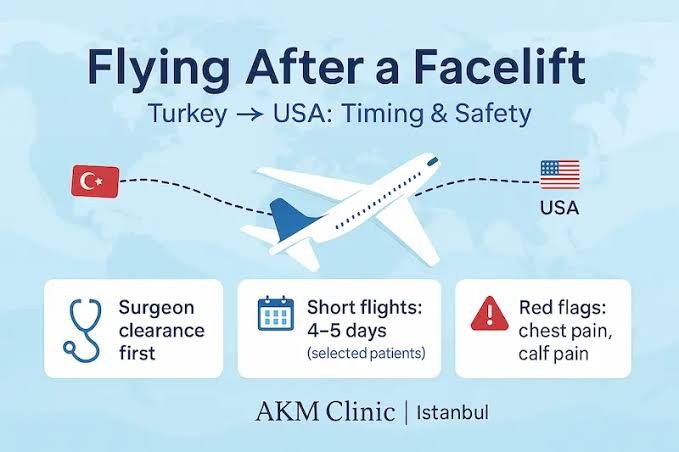
When people plan surgery abroad, they think about the clinic, the surgeon and the result. Very few think carefully about the flight home. Yet sitting in a cramped seat for hours, just days after an operation, is one of the riskiest parts of the whole journey. Swelling increases, movement is limited and the risk of deep vein thrombosis (DVT) rises. Add airport queues, connections and carrying luggage while you are sore, and the trip home can undo some of the comfort and safety you paid for.
The practical solution is to treat travel time as a medical factor, not just a matter of convenience. A shorter, simpler journey means less strain on your body and easier access to follow-up care. That is one of the reasons UK patients who start by searching for plastic surgery turkey often switch their plans to Poland, where the flight from many UK airports takes only about two hours instead of four to six.
Why Flying After Surgery Carries Risk
Any surgery temporarily increases the body’s tendency to form blood clots. Anaesthesia, reduced movement and tissue trauma all play a part. Flying then adds further risk factors:
- Long periods of sitting still, which slows blood flow in the legs
- Lower cabin pressure, which can make swelling worse
- Dehydration from dry cabin air
- Cramped seating that makes it hard to stretch
A DVT can, in rare cases, travel to the lungs and cause a pulmonary embolism, which is a medical emergency. This is why surgeons give clear advice on when you can safely fly and how to reduce risk on the way.
Procedures Where Travel Matters Most
All operations need care when travelling, but some carry a higher clot risk or cause more discomfort when seated:
- Tummy tuck (abdominoplasty)
- Liposuction, especially of large areas
- Brazilian butt lift and bum lift, where sitting is restricted
- Thigh lift
- Combined procedures such as a “mummy makeover”
For these operations, every extra hour in a seat matters, and so does every extra connection.
When Is It Safe to Fly?
There is no single rule for everyone. Your surgeon will consider the type and length of your operation, your general health, your personal clot risk and how your recovery is going. Smaller procedures may allow travel within days, while larger body procedures usually need a longer wait. Be wary of any package that sets a fixed flight date before you have even had surgery. Your flight should fit your recovery, not the other way round.
The Full Door-to-Door Journey
Flight time is only part of the story. Picture the whole trip:
- Travel from the clinic or hotel to the airport
- Check-in and security queues
- Waiting at the gate
- The flight itself, plus any connection
- Passport control and baggage collection in the UK
- The drive or train home
On a long route with a connection, this can easily stretch to a full day. From Wroclaw, the clinic used by Europe Surgery is only about 10 minutes from the airport and the direct flight is around two hours, so the whole journey is far shorter.
Airport Tips for Post-Surgery Travellers
- Book special assistance so you do not have to walk long distances or queue standing
- Choose an aisle seat so you can get up and move easily
- Travel light or have a companion handle heavy bags, because lifting can strain wounds
- Wear comfortable, loose clothing over your garments
- Keep medication and documents in your hand luggage, including your operation notes
- Allow extra time so you are never rushing through the terminal
How to Reduce Clot Risk During the Flight
Wherever you have your procedure, these steps can help:
- Follow your surgeon’s advice on compression stockings or garments
- Drink plenty of water and avoid alcohol
- Flex your ankles and calves regularly while seated
- Walk up and down the aisle when it is safe to do so
- Avoid sleeping in one position for long periods
- Ask your surgeon whether any extra preventive treatment is right for you
Know the warning signs of a clot: calf pain, swelling, warmth or redness in one leg, sudden breathlessness or chest pain. If you notice them, seek urgent medical help.
Travelling With a Companion
A friend or family member makes a big difference on the way home. They can carry bags, deal with check-in, fetch water and notice if you seem unwell. With budget flights to Wroclaw often costing around £50 return, bringing someone along is also far more affordable than on longer routes.
Returning for Check-Ups
Short flights are not only about the first trip home. If you ever need to see your surgeon again, a quick and inexpensive journey makes it realistic. Europe Surgery also runs a UK aftercare clinic led by the operating surgeon, so many follow-ups can happen without flying at all.
The First Few Days After You Land
Getting home is a relief, but the journey can leave you more tired and swollen than you expect. Plan to do very little for the first couple of days. Keep walking gently around the house every hour or so to support circulation, stay well hydrated and continue wearing your garments as instructed. Watch your legs for any one-sided swelling or pain, and check your wounds daily for redness or discharge. If anything worries you, contact your surgeon’s team straight away rather than waiting for your next appointment.
Flight Time FAQs
Is a two-hour flight really safer than a five-hour one? Shorter flights reduce the time you spend sitting still, which is one of the main contributors to clot risk. Other factors still matter, so always follow your surgeon’s advice.
Can I break up a long journey? You can, but a connection adds walking, queuing and lifting bags, which is often harder on a recovering body than a single direct flight.
Should I fly business class after surgery? Extra legroom helps, but it does not replace movement, hydration and compression. A short direct flight with an aisle seat can be just as comfortable.
What if my surgeon says I am not ready to fly? Listen to them. Extending your stay by a few days is far better than risking a complication in the air.
Conclusion
The journey home is part of your recovery, not something separate from it. Before you choose cosmetic surgery turkey on price alone, picture yourself sitting in that seat a few days after surgery. Fewer hours in the air, a shorter transfer and an easy route back for check-ups can make your recovery safer and far more comfortable.


Anyone who has tried to compare research peptide prices in the UK will know the problem. One store sells a 10mg vial, another a 5mg vial, a third sells packs of five. One charges £4.95 for delivery, another offers it free over £100, a third has a discount code that only works on certain products. The price on the product page tells you surprisingly little about what you will actually pay.
There is a simple way to cut through it. Instead of comparing prices, compare the cost per milligram, delivered.
Why the headline price misleads
Vial sizes vary widely between suppliers. A 5mg vial at £25 looks cheaper than a 10mg vial at £40, but the first works out at £5.00 per mg and the second at £4.00 per mg. Multi-packs make this even harder to judge at a glance, because the saving only shows once you divide the total by the number of milligrams.
Delivery then changes the picture again. On a single small vial, a £5 delivery charge can add more than 10% to the real cost. On a larger order it barely matters. And discount codes vary from a few pounds off to 20% or more, sometimes only for first orders.
How to work out the real cost
The calculation is straightforward:
- Take the total you would pay at checkout for the product, including delivery.
- Subtract any discount code you can genuinely use.
- Divide by the total number of milligrams you receive.
The result is the delivered price per milligram, and it is the only figure that lets you compare a 5mg vial, a 10mg vial and a 10-vial pack fairly. Some peptides, such as growth hormone fragments sold in units rather than milligrams, need a different unit, but the principle is the same.
Doing it across a whole market
Working this out by hand for one product at one store is easy. Doing it across a dozen UK suppliers, several vial sizes and changing discount codes is not, and prices move often. That is the gap price comparison sites are designed to fill. PeptideCheck ranks UK research peptide prices by delivered cost per milligram, with each supplier’s delivery charge and published discount code already applied, and the figures update automatically from the suppliers’ own stores.
For a popular compound such as retatrutide, where vial sizes range from 5mg up to multi-vial packs, the difference between the cheapest and most expensive delivered price per milligram can be large. You can see it for yourself by comparing retatrutide prices across UK suppliers.
Cheapest is not the whole story
Price per milligram only makes sense if the milligrams are really there. A vial that is under-filled or impure is poor value at any price, and in research it can make results worthless. Before choosing a supplier on price alone, check that it publishes independent, batch-matched certificates of analysis from a recognised laboratory, and that those certificates can be verified on the laboratory’s own website.
The bottom line
Ignore the headline price. Work out the delivered cost per milligram, apply only the codes you can actually use, and then weigh that number against the supplier’s testing record. It takes a little more effort, but it is the only fair way to compare research peptide prices in the UK.
This article is for information only. Research peptides are sold for laboratory research use only and are not for human consumption.

How to Get a Live TV App Running on Every Screen in Your Home in One Evening

Handling Difficult Negotiations: How Estate Agents Navigate Complex Buyer-Seller Disputes

ETIAS delayed again: why travelers shouldn’t plan around rumored dates

Who Is Shameera? All You Need To Know About Charli XCX’s Mother

Who Is Gulliver Flynn Oldman? The Untold Story of Sir Gary Oldman’s Son

AI Video for Social Media: How Small Brands Keep Up Without Burning Out
-
Biographies9 months ago
Who Is Shameera? All You Need To Know About Charli XCX’s Mother
-
Biographies9 months ago
Who Is Gulliver Flynn Oldman? The Untold Story of Sir Gary Oldman’s Son
-
 Blog5 months ago
AI Video for Social Media: How Small Brands Keep Up Without Burning Out
-
 Biographies10 months ago
Meet Rosemary Turner: The Mother of Actor Callum Turner
-

 Biographies8 months ago
Who is Alexandra James? Inside The Life of Jeremy Clarkson’s Former Partner
-
 Biographies10 months ago
Who is Todd McRae? Meet Tate McRae’s Father
-
 Biographies9 months ago
Who Is Daniel Mara? The Untold Story of Kate Mara’s Private Sibling
-
 Celebrity10 months ago
Who Is Peter Hernandez? The Real Story of Bruno Mars’ Father