
Health
Balloon Angioplasty vs Stent Placement: What Is the Difference?

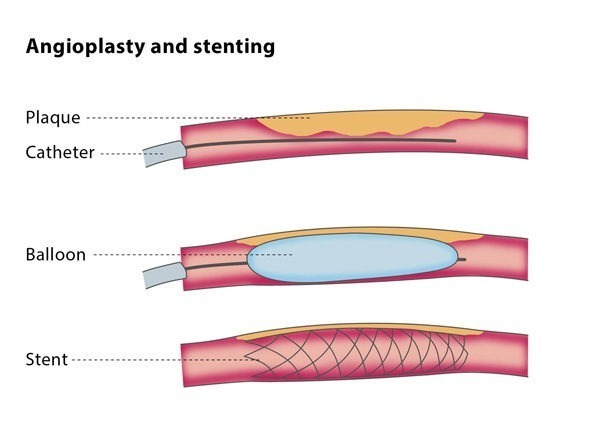
Balloon angioplasty and stent placement are often discussed together because both can form part of percutaneous coronary intervention, or PCI, for narrowed or blocked coronary arteries.
However, they are not the same thing. During balloon angioplasty, a small balloon is positioned within the narrowed part of an artery and inflated to widen the passage. During stent placement, a small mesh tube is positioned within the artery to provide support after the narrowing has been treated.
Understanding how the two steps differ can help patients make sense of terms such as Balloon Angioplasty, Stent Placement, PCI, and coronary intervention.
Balloon Angioplasty and Stent Placement at a Glance
The simplest distinction is based on what happens to the artery.
| Balloon Angioplasty | Stent Placement |
| Uses an inflatable balloon | Uses a small mesh tube |
| Widens a narrowed part of the artery | Supports the treated part of the artery |
| Balloon is removed after inflation | Stent commonly remains inside the artery |
| Changes the opening within the narrowed artery | Acts as a scaffold within the vessel |
| May be followed by stenting | Commonly forms part of PCI |
| Does not necessarily leave a permanent implant | Usually leaves a coronary stent in place |
The procedures are therefore closely related, but each has a different function.
What Does Balloon Angioplasty Actually Do?
A cardiology clinic may discuss coronary angioplasty when assessment shows a coronary artery narrowing for which catheter-based treatment is clinically appropriate.
Coronary arteries supply oxygenated blood to the heart muscle. When plaque builds up within an artery, the available passage for blood can become narrower.
During balloon angioplasty:
- A catheter is introduced through an artery, commonly from the wrist or groin.
- A thin guidewire is passed towards and across the narrowed coronary segment.
- A balloon catheter is moved along the guidewire.
- The balloon is positioned at the narrowing.
- The balloon is inflated.
- Inflation presses against the plaque and widens the opening within the artery.
- The balloon is deflated and removed.
The balloon itself does not normally remain inside the body after the procedure.
What Is the Purpose of the Balloon?
The balloon performs the dilation part of the procedure. Its role is to enlarge the narrowed part of the vessel so that blood can pass through the treated segment.
What Does a Coronary Stent Do?
A stent is a small mesh tube that is positioned inside a coronary artery. Its purpose is to provide structural support to the treated arterial segment and reduce the likelihood that the vessel will recoil or narrow again after intervention.
Once deployed, the stent expands against the artery wall. The balloon used during deployment is then deflated and removed, while the stent remains within the artery.
Why Are Balloon Angioplasty and Stenting Usually Discussed Together?
Angioplasty historically refers to widening a narrowed artery using a balloon.
In current coronary intervention, stent implantation frequently accompanies balloon treatment.
During a typical PCI pathway, coronary angiography is used to identify the narrowing. A guidewire is passed across the affected area, and balloon and stent equipment can then be introduced over the wire.
A common procedural sequence may therefore involve:
Coronary angiography
↓
Guidewire crosses the narrowing
↓
Balloon dilation
↓
Stent placement where indicated
↓
Further angiographic assessment
Singapore cardiac information describes coronary angioplasty as a balloon-based procedure in which a stent is usually placed within the treated artery.
This explains why patients may hear several expressions referring to a similar overall treatment episode:
- Coronary angioplasty
- Balloon angioplasty
- PCI
- Angioplasty and stenting
- Coronary stent placement
The individual procedural steps, however, should still be distinguished.
Does Every Balloon Angioplasty Require a Stent?
No. An angioplasty procedure does not necessarily follow exactly the same sequence in every patient.
Singapore patient information notes that after balloon dilation, a procedure may end at that point or may be followed by stenting. Stents are nevertheless commonly used during coronary angioplasty.
There are also situations in which a stent may be deployed without a separate balloon pre-dilation step, depending on the coronary lesion and procedural strategy.
The treatment plan therefore depends on factors such as:
- Location of the narrowing
- Length of the affected segment
- Size of the coronary artery
- Characteristics of the plaque
- Severity of narrowing
- Whether the procedure is planned or urgent
- Previous coronary interventions
- Other medical conditions
- Findings during coronary angiography
Patients should not assume that every coronary narrowing requires the same type or number of devices.
Balloon Angioplasty vs Stent Placement: What Happens to the Device Afterwards?
Another practical difference is whether something remains inside the coronary artery.
After Balloon Angioplasty
The balloon is:
- Inflated at the treatment site
- Deflated
- Withdrawn through the catheter
The balloon does not remain inside the artery.
After Stent Placement
The stent is:
- Positioned at the treatment site
- Expanded against the arterial wall
- Left within the treated coronary artery
The catheter and deployment balloon are then removed.
The stent acts as internal support for the treated vessel.
Is a Stent Inserted Using a Balloon?
Stent deployment commonly involves a balloon.
A coronary stent is mounted onto a balloon catheter and positioned within the narrowed area.
When the balloon expands, the stent expands with it and presses against the artery wall.
After deployment:
- The balloon is deflated.
- The balloon catheter is withdrawn.
- The expanded stent remains inside the artery.
This means the balloon and stent can be part of the same procedural step even though they perform different jobs.
The balloon provides the force needed to expand the treatment area and deploy the stent, while the stent remains as the structural support.
What Happens Before Balloon Angioplasty or Stent Placement?
Before PCI, the cardiologist needs information about the coronary arteries.
This commonly involves coronary angiography.
During angiography, contrast material is introduced into the coronary circulation and X-ray images are obtained.
The resulting images can show:
- Location of coronary narrowing
- Severity of narrowing
- Number of affected vessels
- Coronary anatomy
- Whether an artery is completely blocked
These findings help guide the treatment discussion.
Depending on the clinical situation, the options may include:
- Medication and cardiovascular risk management
- Coronary angioplasty
- Stent placement
- Coronary artery bypass surgery
Finding coronary narrowing does not automatically mean that angioplasty or a stent will be performed.
Why Might a Stent Be Added After Balloon Angioplasty?
Balloon inflation widens the narrowed artery, but the treated artery may have a tendency to recoil or become narrow again.
A stent provides support inside the treated segment.
Singapore cardiac guidance describes coronary stents as scaffolds used to support the arterial wall and reduce the likelihood of recoil or recurrent narrowing after angioplasty.
This structural role is the main reason balloon angioplasty and stent placement are frequently combined.
However, clinical decisions remain individual.
The fact that stenting is common does not mean that every coronary lesion is treated identically.
Are There Different Types of Coronary Stents?
Coronary stents can differ in design and coating.
Two terms patients may encounter include:
- Bare-Metal Stent
A bare-metal stent is a metallic mesh structure placed within the treated coronary segment.
It provides mechanical support to the artery.
- Drug-Eluting Stent
A drug-eluting stent is also a metallic coronary stent but carries medication designed to reduce excessive tissue growth within the treated segment.
Singapore patient guidance describes drug-eluting stents as stents coated with medication that can reduce the likelihood of recurrent narrowing associated with tissue growth after implantation.
The type of stent considered depends on the clinical and procedural circumstances.
Does Stent Placement Change the Medication Plan?
It can. Patients undergoing coronary stent implantation are generally prescribed antiplatelet medication before and after the procedure.
Antiplatelet medicines reduce the ability of platelets to form blood clots within the treated area.
The medication plan depends on factors including:
- Reason for PCI
- Type of coronary event
- Stent treatment
- Bleeding risk
- Other medical conditions
- Other medicines being taken
Patients should follow the medication instructions given by their cardiologist.
Stopping prescribed antiplatelet medication without medical advice can carry risks after coronary stent implantation.
What Should Patients Ask About Medication?
Useful questions include:
- Which medicines do I need after the procedure?
- How long should I take them?
- What should I do if I miss a dose?
- What side effects should I report?
- What should I do if I need another medical or dental procedure?
- Are there medicines or supplements I should discuss before taking?
Medication should be reviewed according to the individual treatment plan.
Balloon Angioplasty vs Bypass Surgery: Another Important Distinction
Angioplasty and stenting should also be distinguished from coronary artery bypass surgery.
During PCI, treatment is delivered through catheters placed inside the blood vessels.
During bypass surgery, a blood vessel graft is used to create another route for blood to travel around an obstructed coronary segment.
Whether a patient is considered for medication, PCI or bypass surgery depends on several factors, including:
- Coronary anatomy
- Number of diseased vessels
- Location of disease
- Symptoms
- Clinical urgency
- Other medical conditions
- Heart function
There is no single treatment pathway that applies to every person with coronary artery disease.
When Might Balloon Angioplasty and Stenting Be Used?
PCI may be considered in several clinical situations involving significant coronary narrowing.
These can include selected patients with:
- Coronary artery disease
- Angina
- Persistent symptoms despite medical management
- Significant coronary narrowing
- Acute coronary syndromes
- Heart attack requiring urgent restoration of coronary blood flow
In acute heart attack care, PCI can involve crossing the blocked coronary segment with a guidewire, expanding the area with a balloon and deploying a stent across the treated site.
The urgency and sequence differ from a planned procedure performed for stable coronary disease.
What Happens During a Balloon Angioplasty Treatment?
A typical Balloon Angioplasty Treatment may involve the following steps.
Step 1: Arterial Access
A small sheath is inserted into an artery, commonly through the wrist or groin.
Step 2: Guiding Catheter
A catheter is guided towards the coronary artery.
Step 3: Coronary Imaging
Contrast is introduced so the coronary arteries can be seen using X-ray imaging.
Step 4: Guidewire
A thin wire is passed across the narrowed area.
Step 5: Balloon Treatment
A balloon catheter is advanced over the wire and positioned at the narrowing.
The balloon is inflated to widen the artery.
Step 6: Stent Placement Where Indicated
A stent may be positioned and expanded within the treated segment.
Step 7: Final Assessment
Further angiographic images can be taken to assess the treated artery.
The catheter equipment is then removed.
What Happens After Angioplasty and Stent Placement?
After PCI, patients are monitored for possible complications and recovery from the arterial puncture.
Monitoring may include:
- Blood pressure
- Heart rate
- Heart rhythm
- ECG
- Blood tests
- Catheter access site
Depending on the clinical circumstances and whether complications occur, discharge may be possible on the same day or following further hospital observation.
Patients may also receive guidance concerning:
- Medication
- Access-site care
- Physical activity
- Return to work
- Cardiovascular risk factors
- Follow-up appointments
- Symptoms requiring medical attention
The recovery plan can differ substantially between a planned PCI and angioplasty performed during treatment of a heart attack.
What Risks Are Associated With PCI?
Balloon angioplasty and stent placement are medical procedures and have potential complications.
Possible issues can include:
- Bleeding or bruising at the catheter insertion site
- Damage to the artery
- Reaction to contrast material
- Kidney effects related to contrast in susceptible patients
- Abnormal heart rhythm
- Blood clot formation
- Re-narrowing of the treated artery
- Heart attack or stroke
The individual risk depends on factors such as the patient’s health, reason for treatment and complexity of the coronary disease.
The cardiologist should discuss relevant risks and treatment alternatives before a planned procedure.
Can an Artery Narrow Again After a Stent?
Recurrent narrowing within a previously treated segment is called restenosis.
Stents are used partly because they reduce the likelihood of arterial recoil and recurrent narrowing compared with leaving the vessel unsupported after balloon treatment.
Drug-eluting stents can further reduce tissue growth associated with restenosis in suitable circumstances.
However, PCI does not remove the underlying tendency towards atherosclerosis throughout the coronary circulation.
Continued cardiovascular care may therefore address factors such as:
- Cholesterol
- Blood pressure
- Diabetes
- Smoking
- Physical activity
- Medication adherence
Follow-up remains part of coronary artery disease management after a procedure.
How Does a Cardiologist Decide Between Balloon Treatment and Stenting?
The decision is not simply a choice between two unrelated procedures.
Instead, the cardiologist assesses the coronary lesion and decides how the artery should be treated during PCI.
Considerations may include:
- Coronary angiography findings
- Vessel size
- Location of narrowing
- Length of the lesion
- Characteristics of the blockage
- Previous stents
- Whether the presentation is stable or acute
- Bleeding considerations
- Other medical conditions
- Ability to take prescribed post-procedure medication
The treatment strategy may therefore become clearer during coronary angiography and intervention.
Patients can ask the cardiologist whether the expected plan involves balloon dilation, stenting or another approach and why that strategy is being considered.
Balloon angioplasty and stent placement are closely connected procedures used in coronary intervention, but they perform different functions.
Balloon angioplasty widens a narrowed coronary artery by inflating a small balloon within the affected segment. A coronary stent is a mesh scaffold positioned within the treated artery to provide ongoing support after the narrowing has been addressed.
A stent is commonly used as part of coronary angioplasty, although not every procedure follows an identical sequence. Treatment depends on coronary anatomy, symptoms, clinical urgency and findings during angiography.
Frequently Asked Questions
Is balloon angioplasty the same as stent placement?
No. Balloon angioplasty uses an inflatable balloon to widen a narrowed artery. Stent placement involves positioning a small mesh scaffold within the treated artery to support it afterwards.
Does the balloon stay inside the artery after angioplasty?
No. The balloon is inflated at the treatment site, then deflated and removed.
Does every balloon angioplasty include a stent?
Not every procedure follows the same pathway. Singapore patient information notes that balloon angioplasty may sometimes end after balloon treatment, although stent placement is commonly used during PCI.
Can a stented artery narrow again?
Recurrent narrowing can occur. Stents support the treated vessel and drug-eluting stents can reduce tissue growth associated with restenosis, but ongoing cardiovascular management remains relevant.
Can angioplasty be performed during a heart attack?
Yes, PCI may be used to open a blocked coronary artery during suitable heart-attack cases. The treatment commonly involves a guidewire, balloon dilation and stent placement.
This article is for general information only and should not replace medical advice from a qualified healthcare professional.
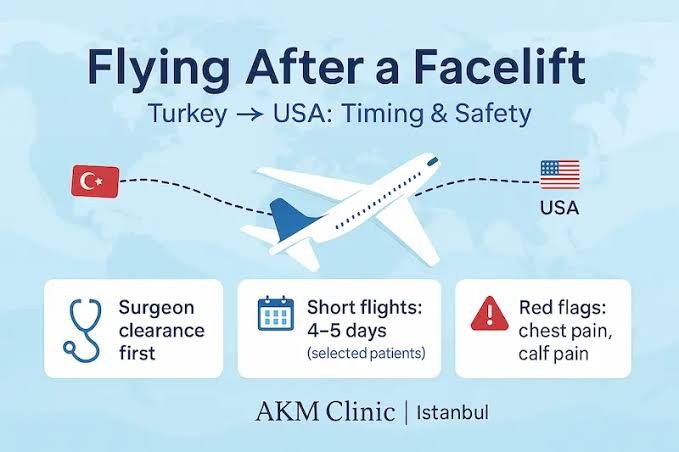
When people plan surgery abroad, they think about the clinic, the surgeon and the result. Very few think carefully about the flight home. Yet sitting in a cramped seat for hours, just days after an operation, is one of the riskiest parts of the whole journey. Swelling increases, movement is limited and the risk of deep vein thrombosis (DVT) rises. Add airport queues, connections and carrying luggage while you are sore, and the trip home can undo some of the comfort and safety you paid for.
The practical solution is to treat travel time as a medical factor, not just a matter of convenience. A shorter, simpler journey means less strain on your body and easier access to follow-up care. That is one of the reasons UK patients who start by searching for plastic surgery turkey often switch their plans to Poland, where the flight from many UK airports takes only about two hours instead of four to six.
Why Flying After Surgery Carries Risk
Any surgery temporarily increases the body’s tendency to form blood clots. Anaesthesia, reduced movement and tissue trauma all play a part. Flying then adds further risk factors:
- Long periods of sitting still, which slows blood flow in the legs
- Lower cabin pressure, which can make swelling worse
- Dehydration from dry cabin air
- Cramped seating that makes it hard to stretch
A DVT can, in rare cases, travel to the lungs and cause a pulmonary embolism, which is a medical emergency. This is why surgeons give clear advice on when you can safely fly and how to reduce risk on the way.
Procedures Where Travel Matters Most
All operations need care when travelling, but some carry a higher clot risk or cause more discomfort when seated:
- Tummy tuck (abdominoplasty)
- Liposuction, especially of large areas
- Brazilian butt lift and bum lift, where sitting is restricted
- Thigh lift
- Combined procedures such as a “mummy makeover”
For these operations, every extra hour in a seat matters, and so does every extra connection.
When Is It Safe to Fly?
There is no single rule for everyone. Your surgeon will consider the type and length of your operation, your general health, your personal clot risk and how your recovery is going. Smaller procedures may allow travel within days, while larger body procedures usually need a longer wait. Be wary of any package that sets a fixed flight date before you have even had surgery. Your flight should fit your recovery, not the other way round.
The Full Door-to-Door Journey
Flight time is only part of the story. Picture the whole trip:
- Travel from the clinic or hotel to the airport
- Check-in and security queues
- Waiting at the gate
- The flight itself, plus any connection
- Passport control and baggage collection in the UK
- The drive or train home
On a long route with a connection, this can easily stretch to a full day. From Wroclaw, the clinic used by Europe Surgery is only about 10 minutes from the airport and the direct flight is around two hours, so the whole journey is far shorter.
Airport Tips for Post-Surgery Travellers
- Book special assistance so you do not have to walk long distances or queue standing
- Choose an aisle seat so you can get up and move easily
- Travel light or have a companion handle heavy bags, because lifting can strain wounds
- Wear comfortable, loose clothing over your garments
- Keep medication and documents in your hand luggage, including your operation notes
- Allow extra time so you are never rushing through the terminal
How to Reduce Clot Risk During the Flight
Wherever you have your procedure, these steps can help:
- Follow your surgeon’s advice on compression stockings or garments
- Drink plenty of water and avoid alcohol
- Flex your ankles and calves regularly while seated
- Walk up and down the aisle when it is safe to do so
- Avoid sleeping in one position for long periods
- Ask your surgeon whether any extra preventive treatment is right for you
Know the warning signs of a clot: calf pain, swelling, warmth or redness in one leg, sudden breathlessness or chest pain. If you notice them, seek urgent medical help.
Travelling With a Companion
A friend or family member makes a big difference on the way home. They can carry bags, deal with check-in, fetch water and notice if you seem unwell. With budget flights to Wroclaw often costing around £50 return, bringing someone along is also far more affordable than on longer routes.
Returning for Check-Ups
Short flights are not only about the first trip home. If you ever need to see your surgeon again, a quick and inexpensive journey makes it realistic. Europe Surgery also runs a UK aftercare clinic led by the operating surgeon, so many follow-ups can happen without flying at all.
The First Few Days After You Land
Getting home is a relief, but the journey can leave you more tired and swollen than you expect. Plan to do very little for the first couple of days. Keep walking gently around the house every hour or so to support circulation, stay well hydrated and continue wearing your garments as instructed. Watch your legs for any one-sided swelling or pain, and check your wounds daily for redness or discharge. If anything worries you, contact your surgeon’s team straight away rather than waiting for your next appointment.
Flight Time FAQs
Is a two-hour flight really safer than a five-hour one? Shorter flights reduce the time you spend sitting still, which is one of the main contributors to clot risk. Other factors still matter, so always follow your surgeon’s advice.
Can I break up a long journey? You can, but a connection adds walking, queuing and lifting bags, which is often harder on a recovering body than a single direct flight.
Should I fly business class after surgery? Extra legroom helps, but it does not replace movement, hydration and compression. A short direct flight with an aisle seat can be just as comfortable.
What if my surgeon says I am not ready to fly? Listen to them. Extending your stay by a few days is far better than risking a complication in the air.
Conclusion
The journey home is part of your recovery, not something separate from it. Before you choose cosmetic surgery turkey on price alone, picture yourself sitting in that seat a few days after surgery. Fewer hours in the air, a shorter transfer and an easy route back for check-ups can make your recovery safer and far more comfortable.
Anyone who has tried to compare research peptide prices in the UK will know the problem. One store sells a 10mg vial, another a 5mg vial, a third sells packs of five. One charges £4.95 for delivery, another offers it free over £100, a third has a discount code that only works on certain products. The price on the product page tells you surprisingly little about what you will actually pay.
There is a simple way to cut through it. Instead of comparing prices, compare the cost per milligram, delivered.
Why the headline price misleads
Vial sizes vary widely between suppliers. A 5mg vial at £25 looks cheaper than a 10mg vial at £40, but the first works out at £5.00 per mg and the second at £4.00 per mg. Multi-packs make this even harder to judge at a glance, because the saving only shows once you divide the total by the number of milligrams.
Delivery then changes the picture again. On a single small vial, a £5 delivery charge can add more than 10% to the real cost. On a larger order it barely matters. And discount codes vary from a few pounds off to 20% or more, sometimes only for first orders.
How to work out the real cost
The calculation is straightforward:
- Take the total you would pay at checkout for the product, including delivery.
- Subtract any discount code you can genuinely use.
- Divide by the total number of milligrams you receive.
The result is the delivered price per milligram, and it is the only figure that lets you compare a 5mg vial, a 10mg vial and a 10-vial pack fairly. Some peptides, such as growth hormone fragments sold in units rather than milligrams, need a different unit, but the principle is the same.
Doing it across a whole market
Working this out by hand for one product at one store is easy. Doing it across a dozen UK suppliers, several vial sizes and changing discount codes is not, and prices move often. That is the gap price comparison sites are designed to fill. PeptideCheck ranks UK research peptide prices by delivered cost per milligram, with each supplier’s delivery charge and published discount code already applied, and the figures update automatically from the suppliers’ own stores.
For a popular compound such as retatrutide, where vial sizes range from 5mg up to multi-vial packs, the difference between the cheapest and most expensive delivered price per milligram can be large. You can see it for yourself by comparing retatrutide prices across UK suppliers.
Cheapest is not the whole story
Price per milligram only makes sense if the milligrams are really there. A vial that is under-filled or impure is poor value at any price, and in research it can make results worthless. Before choosing a supplier on price alone, check that it publishes independent, batch-matched certificates of analysis from a recognised laboratory, and that those certificates can be verified on the laboratory’s own website.
The bottom line
Ignore the headline price. Work out the delivered cost per milligram, apply only the codes you can actually use, and then weigh that number against the supplier’s testing record. It takes a little more effort, but it is the only fair way to compare research peptide prices in the UK.
This article is for information only. Research peptides are sold for laboratory research use only and are not for human consumption.
Health
Dental Care Across London and Antalya: Communication, All-on-4 Treatment and Patient Planning


Modern dental care increasingly connects patients with treatment options across different cities and countries. Some Turkish-speaking patients living in the United Kingdom seek dental professionals with whom they can communicate in their native language. Others explore full-arch implant treatments in Antalya as an alternative to removable dentures or as a way to replace multiple missing teeth.
Whether treatment takes place in London or Antalya, location should not be the only consideration. Professional qualifications, clinical assessment, informed consent, treatment duration and aftercare arrangements can all affect the patient experience. Understanding these factors before making a decision helps patients compare available options more carefully.
Why do patients search for a Turkish dentist in London?
Dental consultations often involve technical information about diagnosis, possible procedures, risks and long-term maintenance. For patients who primarily speak Turkish, discussing these matters in a familiar language may make the process easier to understand.
A patient looking for a turkish dentist in london may want to describe symptoms in Turkish, ask detailed questions or understand the differences between several treatment options. Clear communication can be especially important for procedures involving surgery, dental implants, root canal treatment or extensive restorative work.
Language compatibility may also support the informed consent process. Before agreeing to treatment, patients should understand:
- Why the proposed procedure has been recommended
- Which alternative treatments may be available
- How many appointments could be necessary
- What risks and limitations are associated with the procedure
- What type of maintenance may be required afterward
Speaking the same language can facilitate these discussions, but it should not replace other selection criteria. Patients should also consider professional registration, clinical facilities, hygiene protocols and continuity of care.
What should be discussed during the first examination?
An initial dental appointment generally includes an assessment of the teeth, gums, bite and surrounding oral tissues. The patient’s medical history, allergies, current medication and previous dental procedures may also influence the treatment plan.
Diagnostic imaging can be necessary when a problem cannot be fully evaluated through a visual examination. X-rays may help identify decay, infections, bone loss, impacted teeth and the condition of previous restorations. For implant treatment, three-dimensional imaging may be used to evaluate the available bone and nearby anatomical structures.
Patients should explain their expectations clearly during this stage. Cosmetic preferences, functional concerns, discomfort and previous negative experiences can all be relevant. A suitable plan should address oral health needs while also explaining what can realistically be achieved.
What is the All-on-4 implant concept?
All-on-4 is a full-arch rehabilitation method in which four dental implants support a complete set of replacement teeth in one jaw. It may be evaluated for patients who have lost all or most of their teeth, experience difficulties with removable dentures or have remaining teeth that cannot be maintained.
People researching all on 4 antalya should understand that the treatment name refers to a general implant arrangement. It does not mean the procedure will be identical for every person.
The implants are positioned according to the available bone, jaw anatomy and planned prosthetic design. In suitable cases, the implants placed toward the back of the jaw may be angled to use the existing bone more effectively. This arrangement can reduce the need for certain additional procedures in some situations, but it does not guarantee that bone grafting will never be required.
Who may be considered for All-on-4 treatment?
All-on-4 treatment may be considered for completely edentulous patients and those with extensive tooth loss. However, suitability can only be determined following a clinical examination and appropriate imaging.
The assessment generally considers:
- The amount and quality of available jawbone
- The condition of the gums and remaining teeth
- The relationship between the upper and lower jaws
- Bite forces and available restorative space
- Smoking habits and oral hygiene
- Medical conditions and current medication
- Tooth grinding or clenching habits
Untreated gum disease and active infections may need to be managed before implant placement. Patients should provide accurate information about their general health because some medical conditions and medicines can affect bleeding, healing or bone integration. Prescribed medication should not be stopped without guidance from the relevant healthcare professional.
How does the All-on-4 process progress?
Treatment begins with diagnostic planning. Teeth that cannot be retained may need to be removed, and infections should be addressed. The four implants are then placed in positions selected according to the patient’s anatomy and the intended restoration.
A temporary fixed restoration may sometimes be fitted shortly after surgery. This process, often called immediate loading, depends on implant stability, bone quality and other clinical findings. It is not suitable for every patient.
Temporary teeth are generally designed for use during the healing stage. Patients may need to follow a modified diet and avoid excessive chewing pressure. After the implants have integrated with the bone, further impressions or digital scans can be taken for the definitive restoration.
Before the final teeth are fitted, their appearance, bite, speech, comfort and cleanability should be evaluated. Adjustments may be needed to ensure that forces are distributed appropriately.
What risks and maintenance requirements should patients understand?
Implant placement is a surgical procedure and may involve swelling, tenderness, bruising or temporary difficulty opening the mouth. Potential complications include bleeding, infection, delayed healing and failure of an implant to integrate with the jawbone.
Nearby anatomical structures also require consideration. Nerve canals can influence implant placement in the lower jaw, while the maxillary sinuses may affect treatment in the upper jaw. Three-dimensional planning helps the clinical team assess these areas before surgery.
Long-term mechanical issues may include loosening of components, wear or fracture of artificial teeth and changes in the bite. Patients who grind or clench their teeth may place additional pressure on the restoration.
Implants do not develop tooth decay, but plaque can still cause inflammation in the surrounding gums and bone. Cleaning underneath the full-arch restoration may require interdental brushes, specialist floss or an oral irrigation device. Regular professional examinations remain necessary.
What should international patients consider before travelling?
Anyone considering implant treatment in Antalya should ask how many visits will be required and how much time should be allocated for each stage. Full-arch implant treatment can involve surgery, temporary teeth, a healing period and later placement of the definitive restoration.
A remote assessment based on photographs or existing X-rays may provide preliminary guidance, but the final plan can change after an in-person examination. Travel dates should therefore allow sufficient time for diagnosis, laboratory work, fitting and necessary adjustments.
Patients should also ask how follow-up will be handled after they return home. Copies of scans, implant details, treatment notes and information about restorative materials may be useful if another dentist needs to evaluate the work.
Evaluating a Dental Clinic Antalya option
When researching a Dental Clinic Antalya, patients should examine diagnostic facilities, professional credentials, hygiene procedures and aftercare arrangements. A written treatment plan should clarify what is included and whether imaging, extractions, temporary teeth, medication or additional procedures involve separate costs.
Choosing between local dental care in London and implant treatment in Antalya requires individual evaluation. Clear communication, detailed diagnosis, realistic scheduling and long-term maintenance planning are essential regardless of where the procedure is performed.

We Tested Every Popular AI Chatbot Like ChatGPT. Here’s How They Compare

How to Run an Instagram Giveaway Without Misusing Data

“Should I Order Medium or Large?” What Latex Sizing Advice Should Explain

Who Is Shameera? All You Need To Know About Charli XCX’s Mother

Who Is Gulliver Flynn Oldman? The Untold Story of Sir Gary Oldman’s Son

Meet Rosemary Turner: The Mother of Actor Callum Turner
-
Biographies9 months ago
Who Is Shameera? All You Need To Know About Charli XCX’s Mother
-
Biographies9 months ago
Who Is Gulliver Flynn Oldman? The Untold Story of Sir Gary Oldman’s Son
-
Biographies9 months ago
Meet Rosemary Turner: The Mother of Actor Callum Turner
-

 Biographies7 months ago
Who is Alexandra James? Inside The Life of Jeremy Clarkson’s Former Partner
-

 Blog5 months ago
AI Video for Social Media: How Small Brands Keep Up Without Burning Out
-
 Biographies9 months ago
Who is Todd McRae? Meet Tate McRae’s Father
-
 Biographies9 months ago
Who Is Daniel Mara? The Untold Story of Kate Mara’s Private Sibling
-
 Celebrity10 months ago
Who Is Peter Hernandez? The Real Story of Bruno Mars’ Father