
Fashion
How Personalised Clothing Is Changing the Way People Express Their Identity

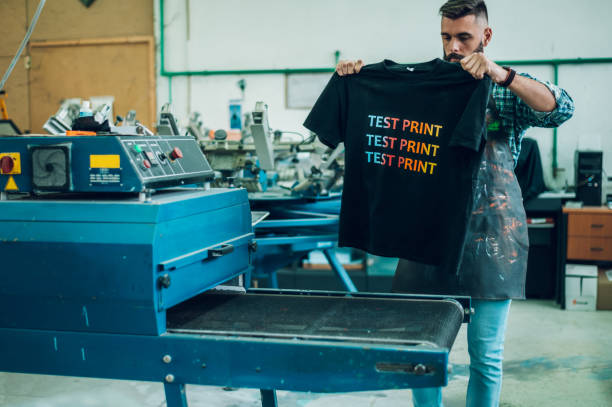
Have you ever stood in a busy queue at Westfield?
You are holding yet another generic, mass-produced cotton tee. You look at it and think: “Is this really who I am?”
Well, you are far from alone. Industry insights suggest that 70% of Australians prefer wearing apparel that reflects their personal style, according to Credence Research. They’re turning away from cookie-cutter fashion. Australian fashion reflects a mix of personal style, local culture, and community identity. Personalised clothing gives people another way to express these influences.
Custom clothing is no longer just a quirky merch trend. It is becoming another way to express personal style. From local artists wearing their own prints to weekenders repping unique design codes, Aussies are trading corporate labels for personal narratives. Your clothes tell a story. Are you writing it yourself?
Top Ways Personalised Clothing Shapes Identity
Telling Personal Stories Without Saying a Word
Look, we have all been there. You stand in front of the mirror wearing a generic logo tee from a department store. Somehow, it feels like you’re wearing a uniform for a company you don’t even work for. It feels hollow. In Australia, we pride ourselves on being authentic, so dressing like everyone else just doesn’t sit right.
Custom clothing lets people add personal touches, from inside jokes to custom graphics. These details can express something about their interests and personality before they say a word.
Unifying Communities and Local Subcultures
Think about the groups you roll with. It could be your local footy club, or a weekend surf crew. We all want to feel like we belong to something real. Throwing on a custom-made piece made exclusively for your crew creates an instant bond. It acts like a quiet visual handshake. It shows everyone that you share a common history and core values.
Custom clothing gives groups a way to express their shared identity without relying on mainstream fashion brands.
Upping Your Everyday Wardrobe Staples
Your clothes should feel like you, not a compromise. Most basic clothes off the rack are pretty dull. Such clothes leave your style looking flat. Adding personal touches can give everyday basics a more individual look. Think about the clothes you wear for a quick coffee run or a Sunday afternoon get-together.
Adding a few well-designed custom t-shirts to your wardrobe lets you express your personality through designs, colours and graphics that reflect your interests. You choose the print, the fit, and the vibe. It makes getting dressed easy because your clothes finally match who you are.
Merging Professional Branding with Personal Style
The line between personal branding and personal style is becoming less rigid. Look around. That’s why more freelancers and small business owners are opting for custom clothing. It helps them look the part while still feeling approachable. Maybe it is a subtle embroidered logo on a nice hoodie. Or maybe it is just a neat work shirt that fits well.
Sometimes, that’s all it takes to make your brand feel real. It displays the person’s passion behind the work. That turns a standard business interaction into something much warmer.
Making More Considered Clothing Choices
Some consumers are becoming more thoughtful about their clothing purchases, considering garment quality, durability and how often they will wear each item. Personalising a garment can make it feel more individual, while choosing quality clothing and caring for it properly may help extend its useful life.
A garment that reflects your personal style may become a valued part of your wardrobe. Choosing quality pieces and repairing them when needed can also help extend their useful life.
Turning Special Memories into Wearable Keepsakes
Not every good memory should stay on your phone. Remember that trip you took with your mates? Or the achievement everyone still talks about. Maybe it’s the day your club cricket team finally won. These are the memories you’ll want to look back on.
A custom tee can bring them to life with a photo, a date or a little inside joke. Unlike a trophy sitting on a shelf, it’s something you can actually wear. Years later, you might pull it out of your wardrobe and smile. Suddenly, you’re back in that moment again.
Conclusion
Personalised clothing offers a way to make everyday style more individual. Whether you’re creating a design for yourself, your community or your business, the right details can make a garment feel more personal.
Explore different designs and create something that reflects your style, interests or story.

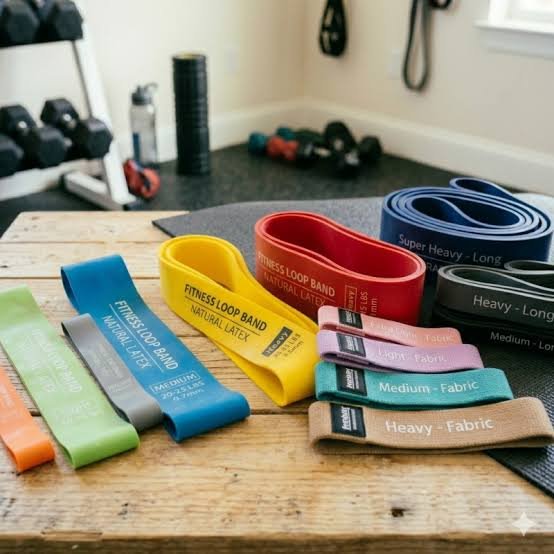
You have found a latex dress you want to wear. Before ordering, you send the maker your measurements and ask a sensible question: medium or large? That small exchange carries a lot of trust. You are not necessarily asking for a fully bespoke latex pattern. You may simply want reassurance that the standard latex size you are about to buy is the right starting point.
When the parcel arrives and the latex garment feels far too small, the disappointment is not just about the label. It is also about the sizing advice you thought you had received for your latex piece.
A recent customer complaint made us look closely at that distinction. This article draws on the correspondence anonymously. The fit concerns described below are the customer’s reports, not conclusions from a completed latex garment inspection. The matter was unresolved at the time of writing.
A size question is not a custom latex commission
The customer explained that they had shared measurements to ask which standard latex size to choose. They had not completed the detailed latex measurement form and did not consider themselves to have ordered made-to-measure latex garments.
That difference deserves a direct answer. Receiving a few body measurements does not, by itself, establish an agreement to craft a latex garment exactly to those dimensions. Sending a latex measurement form does not establish that the customer accepted that made-to-measure latex service either.
A useful confirmation would state clearly which service is being supplied: a standard latex size recommended against our latex size chart, an agreed adjustment to a particular dimension of the latex piece, or a made-to-measure latex garment based on a confirmed full set of measurements.
Without that distinction, the customer and maker can read the same email thread and believe they agreed to different latex services.
The latex size chart needs to answer more than a clothing label
The customer described the latex garments as much smaller than the UK clothing size they expected. That comparison communicates the extent of the disappointment, but it is not a substitute for checking the actual latex garment specifications.
Everyday textile clothing sizes alone cannot establish which latex size will fit. Latex has unique stretch properties, so the relevant comparison is between the customer’s measurements, the maker’s published latex size chart and the latex design being ordered — whether it is a latex bodysuit, latex corset, latex skirt or latex dress.
If chest, waist and hips sit across different ranges on the latex size chart, that should be explained before recommending one label. A latex sizing recommendation should identify any uncertainty rather than imply that one measurement settles the entire latex garment fit.
Equally, a customer who has asked for latex sizing help should not simply be told afterwards that they chose the wrong size. The original sizing advice needs to be reviewed alongside the latex order.
A latex collar and a latex bodysuit ask different fitting questions
Earlier correspondence described a high latex collar that felt choking, a latex bodysuit with tight sleeves and a short torso, and a latex skirt whose size and shape did not feel right. A later message described the full latex order as unusable.
Those accounts need listening to, but they do not all point to one automatic diagnosis. The latex collar opening, sleeve fit, torso length and latex skirt dimensions are separate areas to check.
A practical construction detail matters here: the route used to measure a finished latex garment must match the specification being checked. A relaxed, flat waistband width is not the same as the body waist circumference, especially for tight latex garments. Likewise, a straight bodysuit length cannot simply be substituted for a body measurement taken along a different route; latex’s inherent stretch and tension change how these dimensions translate on the body.
If photographs with a tape measure are requested, the maker should identify the measurement endpoints, say whether the latex garment should remain relaxed (not stretched) and explain what the reading will be compared against. Otherwise, collecting more measurements can add confusion rather than resolve the latex fit dispute.
A close latex fit also does not mean the wearer should push through pain or a choking sensation. Stop the fitting and raise the concern rather than treating discomfort as proof that the latex garment only needs more stretching or conditioning.
A latex material substitution is its own agreement
The customer also explained that a latex thickness change had been proposed because the originally selected latex material was unavailable. In their account, agreeing to that latex substitution had not meant accepting a made-to-measure latex service.
It is useful to keep those decisions separate. An agreement to use a different latex thickness should record the replacement specification clearly, for example 0.4mm, 0.6mm or 0.8mm latex sheet. It should not be treated as agreement to unrelated latex sizing changes or a different custom latex service.
For future orders, the clear approach is to confirm what is changing, what stays the same and whether the customer wishes to proceed. Latex material availability is a production issue to explain, not a reason to leave the rest of the latex order ambiguous.
The missed event was not a footnote
The customer had also said the latex garments arrived too late for their event. By then, a latex fitting problem was not something they could work through before the occasion. The opportunity to wear the latex outfit as planned had already passed.
That does not tell us what delivery commitment was agreed. It does tell us why repeating a general latex production estimate would not answer the customer’s disappointment.
A useful order update separates making time, dispatch and estimated transit. If a customer mentions an event, the maker needs to explain what can and cannot be confirmed, including time for the first latex fitting and break-in period for the new latex.
When a customer asks to return the latex order
By the later email, the customer had repeatedly requested a return address and had declined an offer of a partial refund without returning the latex garments.
At that point, another explanation of latex craftsmanship or resale difficulties for custom latex was not the information they were asking for. The return request needed a direct response and clear next steps.
A replacement latex piece, alteration service or no-return refund can be worth offering, but the customer must be able to understand it as an option rather than an obstacle. If the offer is declined, repeating it does not move the conversation forward.
This article does not determine the outcome or the legal rights in that individual case. Nor does it announce a new latex returns policy. It highlights a core communication problem: a maker can feel that it is proposing solutions while the customer feels that their actual request remains unanswered.
What we need to make clearer
The lesson is not that every standard-size latex order should become made to measure. It is that the service agreed needs to be clear before latex production starts.
Latex size advice should explain the relevant latex size chart comparison, and note the stretch allowance for that latex thickness and design. Any individual adjustment should be recorded specifically. A latex material substitution should remain a separate decision. If the latex fit is disputed, the assessment needs a consistent measuring method rather than assumptions about either the latex garment or the wearer.
And when a latex order goes wrong, listening has to continue after the first apology. The most useful reply is often not the longest explanation of how the latex garment was fabricated, but a clear answer to what the customer needs next.
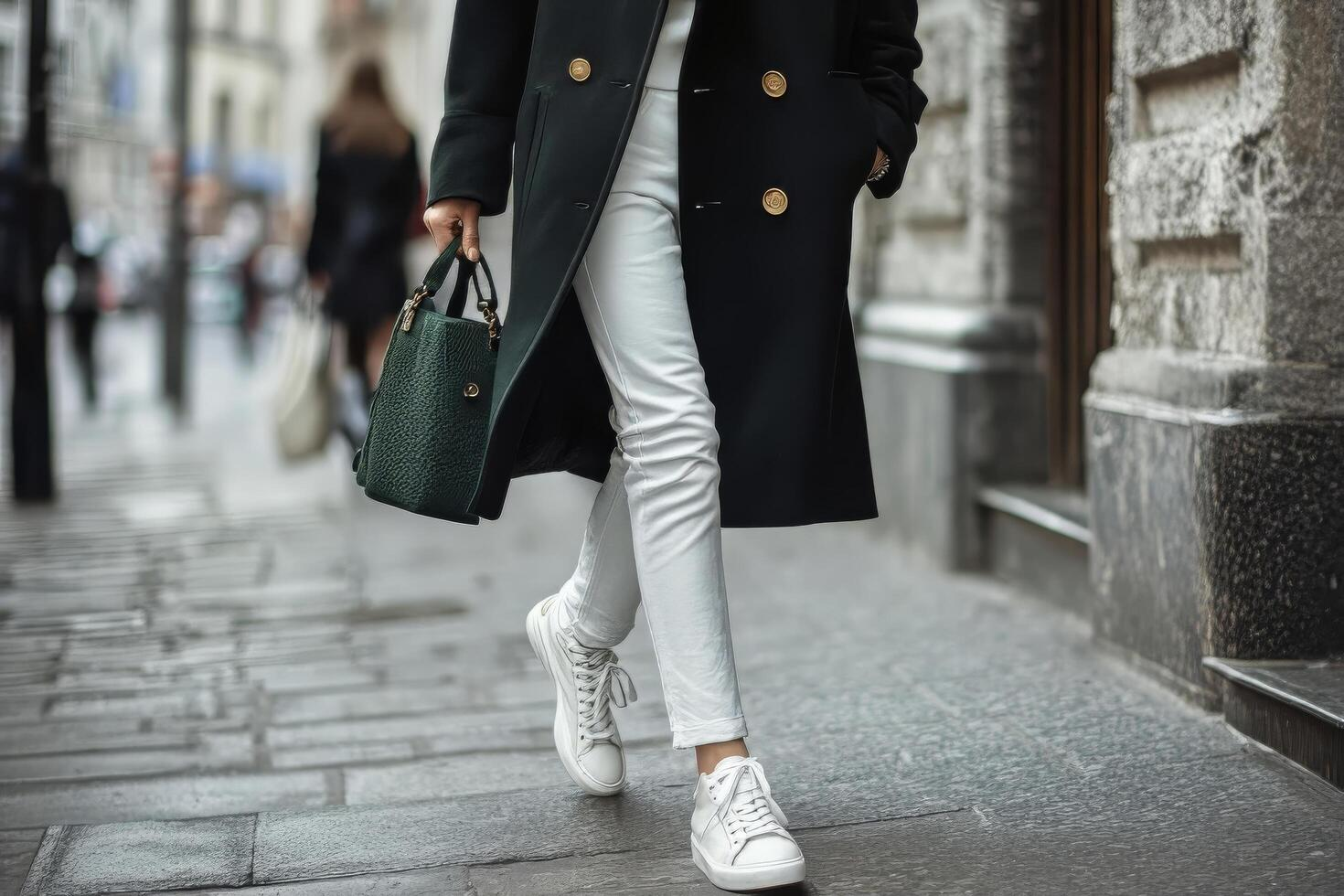
Growing older is no reason to slow down, and more people than ever are staying busy well into later life. Long walks with friends, afternoons in the garden, trips to see the grandchildren and the weekly shop all keep us moving and connected. Yet one thing that often decides how much we enjoy these moments is something we rarely stop to think about: what we wear on our feet.
Why Our Feet Change as We Get Older
Natural Changes Over Time
Over the years, the soft padding under the heel and the ball of the foot tends to thin, which means each step can feel a little harder underfoot. Ligaments may relax, so feet can spread slightly and become wider or longer. Many people also notice more stiffness in the ankles and toes, particularly first thing in the morning.
None of this is a cause for alarm. It is simply part of life, much like needing reading glasses. It does, however, mean that our footwear needs may shift, and it is worth checking your shoe size and width every so often rather than assuming it has stayed the same.
The Link Between Feet, Balance and Confidence
Our feet are constantly sending messages to the brain about the ground beneath us. When shoes fit well and grip properly, that information is clearer, which helps with balance. When shoes slip at the heel, pinch the toes or have worn, smooth soles, we tend to shorten our stride and move more cautiously.
Feeling steady on your feet builds confidence, and confidence encourages you to keep doing the things you love. That is why footwear plays such an important role in active ageing.
What to Look for in Supportive Footwear
A Comfortable, Secure Fit
A good fit is the foundation of everything else. Shoes should have enough room for your toes to move freely, with roughly a thumb’s width between your longest toe and the end of the shoe. The heel should feel snug without rubbing, so your foot does not slide around as you walk.
Because feet naturally swell a little during the day, it is often best to try shoes on in the afternoon. Always try both shoes, as many people have one foot that is slightly larger than the other.
Cushioning and Support Underfoot
With less natural padding, a cushioned sole can make a real difference to comfort on pavements and hard floors. Look for a supportive midsole and a gentle arch that suits the shape of your foot. A firm heel counter, the stiffer part at the back of the shoe, helps keep the foot stable with each step.
Grip That Helps You Stay Steady
A sole with good tread is one of the simplest ways to feel more secure, especially on wet leaves, shiny shop floors or damp paths in the winter months. Avoid soles that are completely smooth, and replace shoes once the tread starts to wear down.
Easy Fastenings
Adjustable fastenings such as laces or touch fastening straps allow you to tailor the fit throughout the day. They are especially helpful for anyone with stiff fingers or feet that tend to swell. Shoes that are easy to put on and take off also reduce the temptation to wear loose, unsupportive pairs simply for convenience.
A Quick Checklist Before You Choose
When you are deciding on a new pair, it helps to run through a few simple questions:
- Do my toes have room to wriggle? Cramped toes can lead to soreness and discomfort over time.
- Does my heel stay in place? A secure heel helps prevent slipping and supports better balance.
- Is the sole cushioned and grippy? Comfort and traction work together to keep you steady.
- Is the heel low and broad? A low, wide heel offers far more stability than a narrow or high one.
- Can I adjust the fit? Laces or straps make it easier to stay comfortable as your feet change during the day.
Matching Your Shoes to Your Lifestyle
Everyday Walking
Walking is one of the best ways to stay active in later life. It is gentle on the joints, supports heart health and is a lovely way to enjoy some fresh air. For regular strolls, choose lightweight shoes with good cushioning and a flexible sole that bends naturally at the ball of the foot.
Many people find that investing in a few pairs of genuinely comfortable shoes for women that suit different occasions, from a casual walk to a lunch out with friends, makes it much easier to stay on their feet for longer without aching afterwards.
Around the Home
It is tempting to pad around the house in worn slippers or socks, but this is often where slips happen. Supportive indoor footwear with a closed back and a non slip sole gives your feet far more protection than an old pair that has lost its shape.
Exercise and Staying Strong
Footwear works best alongside regular movement. Gentle activities that build leg strength and balance, such as walking, chair exercises, dancing or swimming, all help you stay mobile. If you are looking for fresh ideas, it is worth exploring some low impact ways to build strength and balance at home, as long as you check with your GP before starting anything new.
Simple Habits That Keep Feet Healthy
Good shoes are just one part of the picture. A few easy daily habits can help your feet stay comfortable too:
- Check your feet regularly for redness, blisters or changes in the skin.
- Keep toenails neatly trimmed and moisturise dry skin, avoiding the areas between your toes.
- Stretch your ankles and calves gently each morning to ease stiffness.
- Rotate your shoes so each pair has time to air and recover its shape.
- Seek advice from a podiatrist if you notice persistent pain, numbness or swelling.
Healthy, active ageing is built on lots of small, positive choices, and footwear is one of the easiest to get right. Shoes that fit well, cushion each step, grip the ground securely and suit the way you live can help you feel steadier, more comfortable and more confident on the move.
Take the time to check your size now and then, choose shoes for comfort as much as appearance and pair them with gentle, regular activity. When your feet feel good, it becomes so much easier to keep saying yes to the walks, outings and everyday adventures that make later life so rewarding.
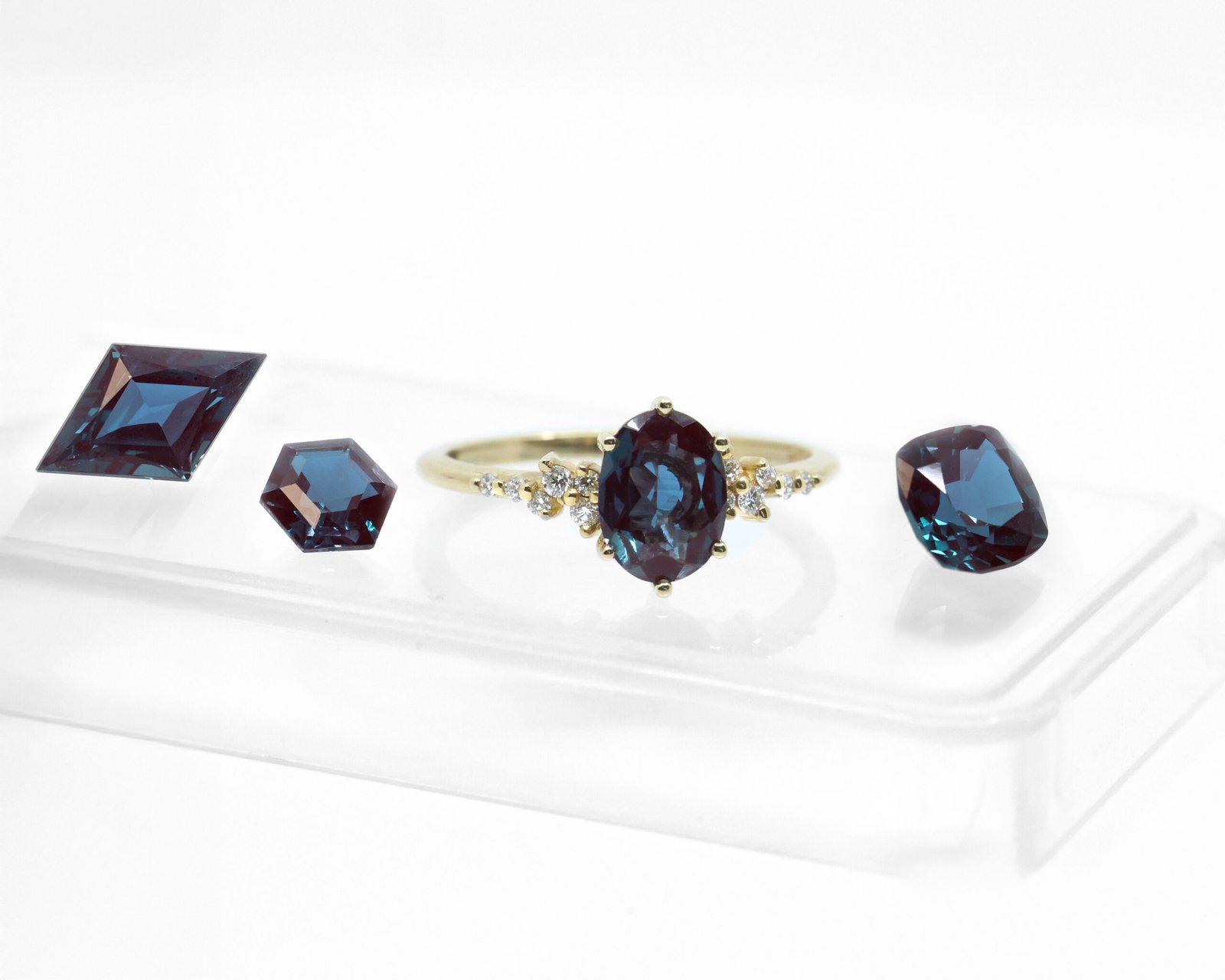
Considering the gemstone will likely get most of the attention. But the metal will remain a constant presence.
It will affect color, weight, durability, upkeep, price, and the way the gemstone looks on a hand. It will influence how easy it is to resize or repair the ring years later.
For most people, the decision will be between platinum or one of the three primary gold colors: yellow gold, white gold or rose gold.
There is no right answer for the ultimate engagement ring metal. It will likely depend on the wearer, lifestyle, sensitivity, upkeep preferences, type of gemstone, and budget.
What Is the Best Metal for an Engagement Ring?
Let’s begin with a quick summary.
Platinum is dense and naturally white, rose gold contains copper in its alloy, yellow gold retains the traditional warm color, and white gold typically requires periodic rhodium maintenance.
Each can be an excellent engagement ring metal. The decision will depend on the wearer’s lifestyle, sensitivities, preferred upkeep, and what they want the ring to look like on a hand.
First, Understanding Why Gold Isn’t Pure Gold
Pure gold is 24 karat, but it is too soft for regular use as jewelry.
Engagement rings are typically made with gold alloys: combinations of gold and other metals that change the characteristics of the metal.
The reason gold can appear in warm yellow, bright white or blush pink tones is because of the various elements combined with the gold in an alloy.
Yellow gold appears as traditional gold.
White gold uses other metals to whiten the alloy; it is commonly plated with rhodium to add extra brightness.
Rose gold contains copper; this is what gives the metal its warm pink color.
The karat weight will also affect the appearance and hardness, since it indicates how much gold is present in a precious metal alloy.
18K gold, for example, contains 75% gold, while 14K contains 58.3% gold.
Platinum: Naturally White and Dense
Platinum is one of the traditional premium metals for engagement rings.
Unlike white gold, it contains no additional elements to give it its bright white appearance.
It is also dense compared to gold, which means a platinum ring will likely feel heavier on a hand.
Some find this reassuring since it creates a certain level of physical presence on a finger, but others will prefer the more delicate weight of gold.
What Are the Advantages of Platinum?
The biggest advantage is its naturally bright white appearance.
That is especially useful for colorless diamonds since it prevents the ring from overpowering the gemstone.
Additionally, platinum is a durable metal and platinum settings are often chosen for valuable gemstones.
It will develop a patina with age, rather than retaining the same exact appearance throughout its lifespan.
Some prefer that subtle change in appearance, while others may want to have the ring professionally polished periodically.
Platinum is also generally well tolerated by people with sensitive skin, although the actual alloy will determine this individually.
What Are the Disadvantages of Platinum?
Platinum is generally more expensive compared to gold, and its density can add to the overall weight.
While it is a strong metal, it is not unbreakable: platinum rings will still be subject to every day wear and tear; they require special cleaning and periodic professional polishing.
These considerations might outweigh the benefits for some wearers, for whom a white gold ring would be a sufficient alternative.
Yellow Gold: Warm and Traditional
Yellow gold is one of the easiest precious metals to identify.
Its traditional yellow color has been popular for centuries in fine jewelry.
It can be used for simple modern solitaires and intricate vintage-style rings.
Yellow gold’s warm appearance creates an interesting visual contrast against a white diamond.
Instead of being overshadowed by the gemstone, the yellow gold band becomes a distinct part of the design.
This characteristic can be particularly appealing when set with sapphires, emeralds, champagne diamonds, moss agate, tourmaline or other colored gemstones.
Why Choose Yellow Gold?
Yellow gold can be a particularly good choice for people with existing yellow gold jewelry.
It will create a coordinated ensemble without the need to buy additional pieces.
It is also a consideration for skin tone, although there are no strict rules for what skin tones look good in what metals.
The most important test is simple: what metal will look good on the hand on a daily basis?
A ring is a personal accessory and a color-theory rule should not override an individual’s preference.
White Gold: A White Look With Gold Characteristics
White gold offers one additional approach to an engagement ring in a white metal.
It is a gold alloy combined with white metals to create a whitened appearance.
Many white gold jewelry pieces are then rhodium plated, which adds to the bright white appearance.
White gold and platinum rings will often appear similar at first glance, but they are fundamentally different metals with different characteristics.
Platinum vs. White Gold: What’s the Difference?
This is one of the most common questions concerning engagement rings.
The most basic difference is that platinum is naturally white while white gold is a gold alloy that is commonly enhanced with rhodium plating.
The rhodium plating on white gold can begin to wear off with time, revealing a slightly warmer metal underneath the surface.
The ring can then be replated at a professional jewelry workshop.
The frequency with which that needs to happen will depend on an individual’s lifestyle, the ring itself and personal preference.
Platinum doesn’t require rhodium plating, but it will develop a patina with age.
The decision ultimately comes down to personal preference: white gold replating or platinum patina?
Rose Gold: Warm, Pink and Distinctive
Rose gold receives its characteristic pink color primarily from copper in the alloy.
The amount of copper will determine how warm the metal appears; the higher the percentage, the more intense the color will be.
Rose gold can create a particularly interesting visual contrast with diamonds and colored gemstones.
It can give geometric ring designs extra softness and add to the romance of vintage-style rings.
If the wearer already owns other rose gold jewelry, the decision may be simple.
If the person is unfamiliar with the metal, a test on the hand is recommended: rose gold’s unique color will be far more noticeable than any white metal.
Does Rose Gold Require Plating?
Generally, no.
Rose gold’s characteristic pink appearance comes from the alloy itself, not a surface layer of pink plating.
That means it will not lose its color the same way rhodium plating on white gold can gradually wear off with time.
Like all precious metals, however, rose gold can still scratch and dull with regular wear.
It may occasionally benefit from professional cleaning or polishing.
Which Metal Is Most Durable?
The matter is more complex than a simple ranking of the metals from most to least durable.
Platinum and common jewelry gold alloys can potentially be excellent choices for long-term engagement ring wear.
They will simply behave differently.
Platinum is a dense metal that will develop a patina, while gold alloys will vary based on karat weight and the elements present in the alloy.
Higher purity gold does not necessarily indicate greater durability, since pure 24K gold is extremely soft.
The construction and dimensions of a ring also play an important role in its long term wear.
A properly made ring with adequate dimensions may well outperform an excessively delicate design, regardless of the precious metal used.
The Gemological Institute of America can provide additional information on choosing precious metals for engagement rings, as well as an overview of platinum and various gold alloys.
What if You Have Sensitive Skin?
Metal sensitivity deserves consideration before investing in a ring that will be worn every day.
It is rarely the gold itself that causes a reaction, but some of the additional elements in gold alloys.
Some white gold alloys, for example, can contain nickel, which can be problematic for people with nickel sensitivity.
Platinum is frequently selected by people seeking a highly pure white metal, but those with metal sensitivity should always confirm the specific alloy composition, rather than relying on a generic description.
The same advice applies to gold: “18K white gold” will indicate the amount of gold, but not the complete alloy composition.
How Does Metal Affect the Appearance of a Diamond?
The metal immediately next to a gemstone becomes part of the overall visual presentation.
White metals such as platinum and white gold can create a seamless visual transition around a colorless diamond.
Yellow and rose gold create more contrast.
Neither is objectively better than the other; it is a matter of personal preference.
Some designs even incorporate different metals: using white prongs around a diamond, while constructing the rest of the ring in yellow gold.
This allows the setting to remain neutral around the gemstone, while still incorporating warm gold into the design.
What About Colored Gemstones?
Metal color in colored gemstone rings can be even more important.
Consider a green sapphire: set it in white metal and the composition will feel cooler; yellow gold transforms the appearance into a warmer palette.
Rose gold introduces an additional color relationship.
That is especially relevant with gemstones containing complex coloration, such as teal sapphires, moss agate, tourmaline, opal, or salt-and-pepper diamonds.
When designing an engagement ring, the relationship between gemstone and metal should always be considered as equal elements.
The same center stone can appear dramatically different when surrounded by yellow, white or rose metals.
Should Your Engagement Ring Match Your Wedding Band?
Not necessarily.
Matching metals create a cohesive appearance, but mixed-metal ring stacks can also be appealing.
There is one consideration worth keeping in mind: different metals have varying levels of hardness and wear resistance.
Two rings that constantly press against each other will gradually affect the surfaces of both.
If planning to wear an engagement ring and wedding band together every day, consult with the jeweler about the combination, especially if the rings use different metals or unusual construction.
The interaction of the two rings can be just as important as their overall visual harmony.
Which Metal Is Best for an Active Lifestyle?
Consider ring construction rather than metal alone.
Someone who regularly wears rings while working with their hands may benefit from a lower profile setting, protective gemstone placement, and appropriately substantial band width to handle the additional wear.
Platinum can be an appealing choice due to density and naturally white appearance, but gold can perform very well when the ring is appropriately constructed.
The most appropriate ring will not be decided by the “strongest” metal alone, but will consider the band width, ring design, setting type, gemstone protection, and realistic expectations for wear.
How Does Budget Affect Your Choice?
Platinum tends to carry a higher price than gold, due to material composition, purity, density, and manufacturing requirements.
Gold will vary according to karat weight, ring weight, design, and current precious-metal prices.
Within a fixed budget, metal choice will affect what can be allocated towards the center stone, accent stones or ring customization.
Someone may prefer to dedicate more of their budget to a specific gemstone and opt for gold; another person may wish to invest more in platinum for the naturally white appearance and substantial feel.
Neither option is objectively better; it will depend on the individual’s priorities and what they wish to accomplish with their ring.
A Simple Engagement Ring Metal Decision Framework
If you are still considering your options, begin with four questions.
Do you want white, yellow or pink metal?
This will immediately eliminate some of the options.
How much maintenance are you willing to perform?
White gold may require periodic rhodium maintenance while platinum will gradually develop a patina. Yellow and rose gold do not require rhodium plating.
Are you sensitive to any metals?
Ask about the exact alloy, especially with white gold.
What matters most within your budget?
Decide what you want to prioritize: metal, center gemstone, setting or customization.
Those four questions should narrow the decision considerably.
Frequently Asked Questions
Is platinum better than gold for an engagement ring?
Not universally; platinum is naturally white, dense, and durable, while gold offers variety in color and options in karat weight, but they are fundamentally different metals.
Is white gold the same as platinum?
No; white gold is a gold alloy while platinum is a different precious metal.
Does white gold turn yellow?
White gold does not literally turn yellow, but the rhodium plating can begin to wear off, revealing the warm underlying alloy.
Is rose gold suitable for everyday engagement rings?
Yes; rose gold is commonly used in fine jewelry and engagement rings. Like any other precious-metal ring, its construction, thickness, setting and everyday wear will determine its suitability.
Is 14K or 18K gold better?
It will depend on the individual and their priorities; neither option is objectively better than the other.
What metal looks best with diamonds?
White metals create a neutral presentation around colorless diamonds, but yellow and rose gold offer interesting contrast.
Final Thoughts
Choosing the right metal for an engagement ring becomes easier when one stops searching for a universally best material and prioritizes a combination of considerations.
Choose platinum if you want a naturally white and dense premium metal and do not mind its patina with age.
Choose yellow gold if you want a traditional warm color; it will work especially well with diamonds and colored gemstones.
Choose white gold if you want a bright white appearance with the characteristics of a gold alloy, and accept the possibility of rhodium maintenance.
Choose rose gold if its warm pink appearance fits your personal style and the gemstone combination.
The most important question is also the most simple: which metal will the person still enjoy seeing on their hand, every day, years after the proposal?

How to Run an Instagram Giveaway Without Misusing Data

“Should I Order Medium or Large?” What Latex Sizing Advice Should Explain

How to Put Animated Characters into Viral Videos with genjutsu ai

Who Is Shameera? All You Need To Know About Charli XCX’s Mother

Who Is Gulliver Flynn Oldman? The Untold Story of Sir Gary Oldman’s Son

Meet Rosemary Turner: The Mother of Actor Callum Turner
-
Biographies9 months ago
Who Is Shameera? All You Need To Know About Charli XCX’s Mother
-
Biographies9 months ago
Who Is Gulliver Flynn Oldman? The Untold Story of Sir Gary Oldman’s Son
-
Biographies9 months ago
Meet Rosemary Turner: The Mother of Actor Callum Turner
-

 Biographies7 months ago
Who is Alexandra James? Inside The Life of Jeremy Clarkson’s Former Partner
-

 Blog5 months ago
AI Video for Social Media: How Small Brands Keep Up Without Burning Out
-
 Biographies9 months ago
Who is Todd McRae? Meet Tate McRae’s Father
-
 Biographies9 months ago
Who Is Daniel Mara? The Untold Story of Kate Mara’s Private Sibling
-
 Celebrity10 months ago
Who Is Peter Hernandez? The Real Story of Bruno Mars’ Father