
Biographies
Can a Common-Law Spouse File a Wrongful Death Claim in Katy, Texas?


The sudden, tragic loss of a life partner is an emotionally devastating event that reshapes a survivor’s world in an instant. When a fatal incident occurs due to another party’s negligence—whether in a commercial trucking collision on Interstate 10, an industrial accident near the energy corridor, or a fatal slip-and-fall in a local commercial establishment—the surviving partner is often left to face immense emotional grief alongside sudden, severe financial instability.
For couples who were legally married in a traditional, ceremonial fashion with a formal marriage license, the legal pathway to seeking justice and financial restitution through a wrongful death claim is clear and well-defined.
However, for the thousands of couples in Katy, Texas, who lived in committed, long-term relationships and operated as husband and wife without ever obtaining a formal marriage certificate, the legal path is significantly more complex.
In Katy, Texas, common-law marriage—officially referred to under state statutes as an “informal marriage”—is fully recognized and holds the exact same legal weight as a formal ceremonial marriage. This means that a common-law spouse has the legal right to file a wrongful death lawsuit.
However, exercising this right is far from automatic. Because the deceased partner is no longer able to testify, the surviving spouse bears the heavy burden of legally proving the existence of the common-law marriage in court. This process requires a sophisticated understanding of Texas family law and civil litigation, particularly because insurance defense attorneys will aggressively exploit any ambiguity in the relationship to get the claim dismissed.
The Legal Landscape of Wrongful Death Claims in Texas
To understand how a common-law spouse fits into a wrongful death action, one must first examine the statutory framework established by the state. Under the common law inherited from England, a personal injury claim died with the victim; a negligent party could completely escape civil liability if their victim did not survive the injury. To remedy this injustice, the Texas Legislature enacted the Texas Wrongful Death Act, which is codified in Chapter 71 of the Texas Civil Practice and Remedies Code. Section 71.002 of the Act establishes that an action for actual damages arising from an injury that causes an individual’s death may be brought if the injury was caused by a person’s or entity’s “wrongful act, neglect, carelessness, unskillfulness, or default.” This statute essentially acts as a bridge, allowing surviving loved ones to seek the financial and emotional damages they have personally suffered as a direct result of their family member’s untimely death.
However, the Texas Wrongful Death Act is highly restrictive regarding who actually has “standing”—the legal right—to file a lawsuit. Under Section 71.004, a wrongful death action is strictly limited to the surviving spouse, the children (including minor children, adult children, biological children, and legally adopted children), and the parents of the deceased. Siblings, grandparents, aunts, uncles, cousins, and close friends have absolutely no legal standing to bring a claim, regardless of how emotionally close or financially dependent they were on the deceased. Crucially, a fiancé or a long-term dating partner who lived with the deceased for decades without establishing a legal marriage is also entirely barred from recovery. Therefore, in the absence of a formal marriage certificate, establishing the existence of a legally binding common-law marriage is the single most critical factor in determining whether a surviving partner can seek justice for their loss.
The Legal Status of Common-Law Marriage in Texas
Texas is one of only a handful of states in the United States that continues to recognize common-law marriages. In the Lone Star State, there is no legal distinction between a common-law marriage (informal marriage) and a ceremonial marriage once the relationship is legally established. A common-law marriage is not a “second-class” union, nor does it grant lesser rights to the surviving spouse. It is a legally binding contract that carries the exact same protections, inheritance rights, and statutory benefits as a traditional marriage. Furthermore, because Texas recognizes these marriages as fully valid, there is no such thing as a “common-law divorce.” Once a common-law marriage is created, it can only be legally dissolved through a formal court-ordered divorce proceeding or by the death of one of the spouses.
The primary statutory basis for common-law marriage is found in Section 2.401 of the Texas Family Code, which governs the proof of informal marriages. The law provides two distinct pathways for a couple to establish a valid informal marriage in Texas. The first pathway is administrative: the couple can sign and register a formal “Declaration and Registration of Informal Marriage” with the county clerk. Once this document is filed, it serves as prima facie, irrefutable proof of the marriage. The second pathway—which is the source of most legal disputes in wrongful death litigation—occurs when a couple did not file a declaration but lived together and conducted their lives as a married couple. In these cases, the surviving partner must satisfy a rigorous, three-pronged legal test to prove to a judge or jury that a valid informal marriage existed prior to the partner’s death.
The Three-Pronged Legal Test for Informal Marriage
Under Texas Family Code Section 2.401(a)(2), a surviving partner who did not sign a formal declaration must prove by a “preponderance of the evidence” that they met three specific requirements simultaneously while residing in Texas. It is a very common and persistent myth that a couple must live together for a specific duration of time, such as seven years, to establish a common-law marriage. In reality, Texas law prescribes no minimum time limit; a common-law marriage can be legally established in a single day, provided that all three of the following elements are met at the same time:
First, the couple must have agreed to be married. This element requires a mutual, present agreement to be husband and wife from that moment forward. It cannot be a vague, future-oriented agreement to get married at some later date, such as an engagement, nor can it be an agreement to “try out” living together to see if they want to get married later. The agreement must be a firm, shared commitment that they are currently married. While a written agreement is highly persuasive, an oral agreement is entirely valid under Texas law. Because one of the partners is deceased and cannot testify to this agreement, Texas courts allow the agreement to be inferred or presumed if the surviving partner can comprehensively prove the other two elements of the statutory test.
Second, after the agreement to marry was made, the couple must have lived together in Texas as husband and wife (cohabitation). This prong requires more than just sharing an address or staying overnight frequently. It requires a shared domestic life consistent with a marital relationship. While the statute does not define a minimum length of time for cohabitation, the living arrangement must have been continuous and intended to be permanent. Temporary separations due to work, military service, or marital disputes do not automatically negate this element, provided the underlying intent to maintain a marital household remained intact.
Third, the couple must have represented to others in Texas that they were married. This requirement is commonly referred to as “holding out” to the public. To satisfy this prong, the couple must have behaved in a manner that led their family, friends, neighbors, coworkers, and the community at large to believe they were married. A secret agreement to be married does not satisfy this requirement. The representation must be active and consistent. Examples of holding out include introducing each other as “my husband,” “my wife,” or “my spouse,” sharing a last name, filing joint tax returns, listing each other as spouses on insurance or employment documents, and publicly celebrating wedding anniversaries.
In addition to these three prongs, both parties must have had the legal capacity to marry at the time the common-law marriage was allegedly established. This means both individuals must have been at least 18 years of age, not related by blood in a manner that violates Texas incest laws, and not currently married to anyone else. If either partner was still technically married to an estranged spouse and had not finalized a legal divorce, any attempted common-law marriage with the new partner is legally void from its inception.
Compiling Evidentiary Proof After a Partner’s Death
Proving a common-law marriage after a tragic fatal accident is one of the most legally intensive tasks in personal injury and probate litigation. Because the deceased partner cannot take the stand to testify about their intent, the surviving partner must rely on a combination of documentary evidence and third-party testimonies to build a bulletproof case. Insurance defense lawyers representing the negligent parties—such as major commercial trucking carriers or corporate employers—will go to extreme lengths to find any shred of evidence that suggests the couple was merely dating, as disproving the common-law marriage is the easiest way for them to avoid paying a multi-million dollar wrongful death claim.
To successfully establish standing, a surviving spouse should work with an attorney to compile a comprehensive portfolio of evidence. The most highly persuasive forms of evidence include:
- Joint Federal Income Tax Returns: Under federal law, filing a tax return as “married filing jointly” or “married filing separately” requires both parties to declare under penalty of perjury that they are legally married. This is considered one of the strongest forms of evidence of “holding out” to the public and agreeing to be married. Conversely, if the couple continued to file as “single” to maximize individual tax refunds or government benefits, defense lawyers will use this as powerful, sometimes fatal, evidence to defeat the common-law claim.
- Insurance and Benefit Policies: Providing documentation showing that the deceased partner listed the survivor as their “spouse” on health insurance plans, dental insurance, pension benefits, or 401(k) retirement accounts. This also includes auto insurance policies where the couple is listed as a married household.
- Employment and Human Resource Records: Emergency contact forms, life insurance beneficiary designations, and corporate directories where the deceased officially identified the surviving partner as their spouse to their employer.
- Financial and Housing Documents: Residential mortgage deeds, property titles, apartment lease agreements, and joint bank or credit card accounts that are held in both names. In Katy, this might include a lease agreement for an apartment in Cinco Ranch or a deed to a home in a master-planned community like Grand Lakes or Firethorne, signed by both parties as a married unit.
- Written Agreements and Communications: Personal letters, emails, holiday cards, and text messages where the couple explicitly referred to each other as husband and wife, discussed their marriage, or signed off as spouses. Social media posts on platforms like Facebook or Instagram showing public anniversary celebrations, family photos captioned with “my spouse,” or relationship statuses marked as “married” are also highly relevant.
- Third-Party Affidavits and Witness Testimony: Written statements and oral depositions from a diverse group of objective witnesses who can attest to the couple’s reputation in the community. This includes Katy-area neighbors, local business owners, coworkers, church members, and family members who knew the couple and can testify that they openly and consistently operated as a married couple.
Navigating Multi-County Jurisdictions in Katy, Texas
Katy, Texas, is a rapidly growing, vibrant community known for its excellent schools, family-oriented neighborhoods, and heavy industrial and commercial presence. However, from a legal perspective, Katy is uniquely complex because its city limits and surrounding unincorporated master-planned areas span across three distinct counties: Harris County, Fort Bend County, and Waller County. This geographic split introduces significant jurisdictional challenges for a surviving common-law spouse trying to file a wrongful death claim.
The specific county in which legal proceedings must be initiated depends on several factors, including where the fatal accident occurred, where the negligent defendant resides or conducts business, and where the deceased partner lived at the time of their death. For example, if the deceased lived in the Fort Bend County portion of Katy (such as Cinco Ranch), probate proceedings to establish heirship and formally declare the common-law marriage would typically be filed in the Fort Bend County Probate Courts located in Richmond. Conversely, if the deceased resided in the Harris County portion of Katy (such as near the Katy Mills area) and the fatal accident occurred on the Katy Freeway (Interstate 10) within Harris County, the wrongful death civil lawsuit would likely be filed in the Harris County Civil District Courts in downtown Houston. If the accident or residence falls in Waller County, the Waller County Court at Law in Hempstead would hold jurisdiction.
Because each of these three counties has its own specific local rules, judges, and probate procedures, it is critical for a surviving spouse to work with a local personal injury attorney who is deeply familiar with the nuances of Harris, Fort Bend, and Waller county courts. Successfully proving a common-law marriage often requires initiating a parallel proceeding in a local probate court to obtain a formal “Declaration of Heirship” while simultaneously prosecuting the wrongful death claim in a civil district court. A mistake in determining the proper venue or failing to coordinate these two legal actions can result in severe procedural delays or even the complete dismissal of the claims.
Defense Tactics: How Insurance Companies Dispute Common-Law Status
When a fatal accident occurs in Katy, the financial stakes are exceptionally high. Negligent defendants and their commercial insurance carriers are fully aware that wrongful death claims involving high-earning individuals, parents of minor children, or sudden, tragic deaths can result in substantial verdicts or settlements. If the claimant is a common-law spouse rather than a ceremonially married spouse, the insurance company’s legal defense team will almost certainly mount an aggressive campaign to dispute the validity of the marriage in an attempt to deny the claim entirely.
Defense lawyers and private investigators will conduct exhaustive research into the surviving partner’s past, looking for any shred of evidence that contradicts the claim of a marriage. Common tactics used by insurers to defeat a common-law wrongful death claim include:
- Exploiting Inconsistent Document Markings: Investigators will review years of financial and administrative records, looking for any instance where the surviving partner checked the “single” box on a credit card application, a medical intake form, a gym membership, a car loan, or a rental agreement. They will argue that if the survivor truly believed they were married, they would have checked “married” on every single document.
- Analyzing Social Media and Dating Profiles: Defense attorneys will subpoena records from social media platforms and online dating services (such as Tinder, Bumble, or Match) to see if either partner maintained active dating profiles or represented themselves as “single” or “searching” during the period of the alleged marriage.
- Leveraging Estranged Family Testimony: In many cases, the deceased partner may have had an estranged relationship with their biological parents or siblings from a previous marriage. If a common-law marriage is proven, the surviving spouse is entitled to the primary share of the wrongful death proceeds, potentially leaving the biological parents with nothing. Defense attorneys will frequently contact these estranged biological relatives, who may have a strong financial incentive to testify in court that the couple was “just dating” and never agreed to be married.
- Highlighting Inconsistent Financial Habits: The defense will point to separate bank accounts, separate utility bills, and separate property deeds to argue that the couple maintained independent lives and did not operate as a single, unified marital household.
Overcoming these aggressive defense tactics requires a meticulous, proactive legal strategy. An experienced attorney will thoroughly prepare the surviving spouse for depositions, anticipate the defense’s arguments, and present a compelling, cohesive narrative demonstrating that minor administrative inconsistencies do not negate the profound, daily reality of the couple’s shared life as spouses.
Wrongful Death Claims vs. Survival Actions
In the state of Texas, a fatal accident caused by negligence typically triggers two distinct types of legal claims: a Wrongful Death claim and a Survival Action. It is highly important for a surviving common-law spouse to understand the differences between these two claims, as they involve different types of damages and require different legal positioning to prosecute.
The Wrongful Death Claim
The Wrongful Death claim, as discussed, is brought under Chapter 71 of the Texas Civil Practice and Remedies Code. This claim belongs directly to the surviving family members (spouse, children, and parents) to compensate them for the personal losses they have suffered due to their loved one’s absence. The damages available in a wrongful death claim include:
- Loss of Companionship and Society: Compensation for the profound emotional loss of the deceased’s love, comfort, companionship, guidance, and emotional support.
- Mental Anguish: Compensation for the deep grief, sorrow, and psychological pain suffered by the surviving spouse as a result of the tragic death.
- Loss of Financial Support: Compensation for the loss of the income, benefits, and earning capacity that the deceased would have reasonably contributed to the household had they lived to a normal life expectancy.
- Loss of Household Services: Compensation for the tangible value of the household chores and services the deceased performed, such as home repairs, cooking, cleaning, and childcare.
- Loss of Inheritance: Compensation for the financial assets that the deceased would have reasonably saved and left to the surviving spouse as an inheritance at the end of a natural life.
The Survival Action
The Survival Action is brought under Section 71.021 of the Texas Civil Practice and Remedies Code. Unlike the wrongful death claim, which belongs to the survivors, a survival action belongs to the deceased person’s estate. It “survives” the death of the individual, allowing the estate to recover damages for the losses and suffering the deceased experienced before they passed away. The damages in a survival action include:
- The conscious pain and suffering and mental anguish experienced by the deceased between the time of the injury and the time of their death.
- The medical expenses incurred for emergency treatment, hospitalization, and surgical interventions prior to death.
- Reasonable funeral and burial expenses.
To bring a Survival Action, there must be a legally appointed personal representative, executor, or administrator of the deceased’s estate. If the deceased passed away without a will (intestate), the local probate court must appoint an administrator. Under Texas probate law, a surviving spouse has primary priority to be appointed as the administrator of an intestate estate. However, if the claimant is a common-law spouse, they must first successfully prove the existence of the marriage in the probate court of Harris, Fort Bend, or Waller County to gain the standing necessary to be appointed. Thus, proving the common-law marriage is doubly important: it grants the survivor the standing to sue for their own wrongful death damages, and it allows them to take control of the estate to pursue the survival action on behalf of their late spouse.
Statute of Limitations and Critical Legal Deadlines
Time is of the absolute essence in any fatal injury case, but the timeline is even more rigid and perilous for a surviving common-law spouse. Under Texas law, there are two distinct, highly critical statutes of limitations that a survivor must navigate:
First, the standard statute of limitations for filing a wrongful death lawsuit in Texas is generally two years from the exact date of the deceased person’s death. Failing to file a formal lawsuit in a court of competent jurisdiction before this second anniversary will forever bar the surviving spouse from seeking financial recovery or holding the negligent parties accountable.
Second, there is a highly dangerous, specific deadline embedded within the Texas Family Code regarding the proof of common-law marriage. Texas Family Code Section 2.401(b) states that if a legal proceeding to prove a common-law marriage is not commenced before the second anniversary of the date on which the parties separated and ceased living together, there is a strong rebuttable presumption that the parties never entered into an agreement to be married.
In a wrongful death context, the “separation” is the tragic and sudden death of the partner. While some legal scholars and creative defense attorneys argue over whether a sudden death constitutes a “separation” under this family code provision, the safest, most legally sound approach is to treat the date of death as the start of this two-year clock. If a surviving spouse waits more than two years after the fatal accident to initiate probate or wrongful death proceedings, they will have to fight against a legal presumption that they were never married in the first place, on top of trying to prove the three-pronged informal marriage test. Therefore, waiting to take legal action makes the burden of proof exponentially harder and dramatically increases the likelihood that the insurance company will succeed in getting the case thrown out.
Actionable Steps for a Surviving Common-Law Partner
If you have lost your partner in a tragic accident in the Katy, Texas area, taking immediate, methodical, and careful steps is vital to protecting your legal rights and securing your financial future. The decisions you make in the days and weeks following the accident will have a profound impact on your ability to establish your legal standing as a spouse. You should prioritize the following actions:
- Refuse to Give Statements to Insurance Adjusters: Representatives from the negligent party’s insurance company may contact you very quickly after the accident, acting sympathetic and offering to help. They may ask you to give a recorded statement or sign authorization forms. Do not agree to this. They will carefully structure their questions to get you to refer to your partner as a “boyfriend,” “girlfriend,” or “partner” rather than your spouse, which they will later use in court to argue that you lack standing.
- Refer to Your Partner as Your Spouse: From the very beginning, ensure that you refer to your deceased partner as your “husband,” “wife,” or “spouse” on all official documents, including hospital intake forms, police reports, and funeral home arrangements.
- Secure and Preserve Key Shared Documents: Locate and make copies of your joint lease agreements, mortgage documents, tax returns, utility bills, and insurance policies that show both of your names associated with your Katy residence. Do not throw away mail, cards, or holiday letters addressed to both of you.
- Preserve Digital and Social Evidence: Take screenshots of social media posts, announcements, and photos where you publicly declared your marriage or referred to each other as spouses. Save and back up text messages, emails, and voicemails in which you and your partner discussed your marriage, finances, or shared future plans.
- Compile a Witness List: Write down the names, contact information, and relationships of neighbors in Cinco Ranch, Firethorne, or other Katy neighborhoods, as well as coworkers, mutual friends, and family members who knew you as a married couple and can testify to that fact.
- Retain an Experienced Local Wrongful Death Attorney: Contact a personal injury attorney who has specific, proven experience handling complex common-law marriage disputes in wrongful death and probate cases across Harris, Fort Bend, and Waller counties. Your lawyer will immediately take over all communications with the insurance companies, begin gathering and organizing the necessary evidence, and file the appropriate probate and civil actions to protect your rights.
Summary of Texas Informal Marriage Requirements for Wrongful Death Standing
For quick reference, the following table summarizes the key legal elements, the required standards of proof, and the common evidence needed to successfully file a wrongful death claim as a common-law spouse in Katy, Texas:
| Legal Category | Statutory Requirement | How to Prove (Common Evidence) | Common Defense Challenge |
| Prong 1: Agreement | Present, mutual agreement to be married as husband and wife. | Written agreement; oral testimony; inferred from public representations and cohabitation. | Arguing the couple was merely engaged or “trying out” the relationship. |
| Prong 2: Cohabitation | Living together continuously in Texas as husband and wife. | Joint lease/mortgage in Katy; utility bills; shared mail; driver’s license addresses. | Showing separate residences for work, or periods of living apart. |
| Prong 3: Holding Out | Consistently representing the relationship as a marriage to the public. | Joint tax returns; insurance policies listing “spouse”; introducing each other as spouses; social media. | Finding documents (e.g., individual tax filings) where the survivor checked “single.” |
| Legal Capacity | Both parties must be 18+, unrelated, and not married to anyone else. | Birth certificates; finalized divorce decrees from any previous marriages. | Finding an unresolved, previous marriage of either partner. |
| Statute of Limitations | Action must be taken within a strict statutory timeframe. | File probate/wrongful death actions within two years of the partner’s death. | Arguing the claim is barred because the two-year deadline was missed. |


A healthy workplace culture is shaped by more than policies, targets, and performance reviews. It develops through how leaders communicate, employees handle pressure, teams collaborate, and organizations support sustainable work practices. Leadership wellness training connects leadership development with workplace wellbeing, helping managers understand how their behavior can influence employee experiences. When organizations develop these areas together, they can encourage stronger communication, healthier interactions, employee engagement, and a more supportive environment where people can perform and grow.
Understanding Leadership and Wellness Training
Leadership and wellness training combines management capabilities with learning focused on workplace wellbeing. Instead of treating leadership and wellness as separate subjects, this approach recognizes that managers influence team morale, communication, workload expectations, and everyday workplace behaviors.
Training in this area can cover communication, emotional intelligence, resilience, stress awareness, coaching, accountability, and healthy workplace practices. Its purpose is not simply to make employees comfortable but to help leaders develop practical behaviors that support constructive relationships, responsible performance, and sustainable team environments.
Why It Matters for Workplace Culture
Workplace culture develops through repeated experiences. Employees observe how managers communicate during challenging situations, respond to concerns, recognize contributions, and handle changing priorities. Consistent leadership behaviors can therefore influence whether employees experience their workplace as collaborative, respectful, supportive, and adaptable.
Wellness also has an important organizational role. When leaders understand the connection between wellbeing, communication, and performance, they can make more thoughtful decisions about team practices. Training can give managers practical approaches for supporting employees while maintaining clear expectations and organizational accountability.
Core Areas That Shape a Healthier Culture
A healthier workplace culture develops through several interconnected leadership and wellness practices. Effective leadership wellness training can help organizations strengthen communication, collaboration, employee engagement, and supportive relationships across teams.
- Leadership communication
- Emotional intelligence
- Stress and resilience awareness
- Coaching and mentoring
- Team collaboration
- Employee engagement
- Workplace wellness practices
- Constructive feedback
Together, these areas can strengthen behaviors that influence workplace culture. They give leaders practical skills to create respectful interactions and support teams through everyday professional challenges.
Leadership Behaviors That Influence Employee Wellbeing
Leadership affects the everyday employee experience. A manager’s communication style, approach to feedback, and response to workplace challenges can influence whether employees feel comfortable sharing ideas, raising concerns, and seeking support. Developing these behaviors can help create a culture based on trust, respect, and accountability.
1. Practicing Empathetic Communication
Leaders who listen carefully and respond thoughtfully can build stronger connections with their teams. Empathetic communication does not require avoiding difficult conversations; instead, it encourages leaders to address them with clarity, respect, and awareness of different perspectives. This can help employees feel heard while keeping expectations and responsibilities clear.
2. Encouraging Sustainable Work Habits
Wellness-focused leadership can encourage employees to approach responsibilities in sustainable ways. Leaders can model effective prioritization, realistic planning, appropriate boundaries, and organized workloads. These practices can contribute to an environment where productivity is balanced with responsible management of employee capacity.
3. Using Coaching to Build Confidence
Coaching allows leaders to move beyond simply assigning tasks. Through meaningful questions, constructive feedback, and development conversations, managers can help employees identify strengths and areas for improvement. This approach encourages greater ownership while creating opportunities for continuous professional growth.
4. Managing Pressure Constructively
Workplace pressure cannot always be eliminated, particularly during demanding projects, deadlines, or organizational changes. Leaders can learn to communicate priorities clearly, organize responsibilities, and respond calmly under pressure. Such behaviors can reduce unnecessary tension and help teams remain focused during challenging periods.
5. Creating Space for Collaboration
A positive culture depends on effective teamwork. Leaders can encourage collaboration by promoting respectful discussions, recognizing contributions, and addressing disagreements constructively. When employees understand that different perspectives are valued, teams can develop stronger working relationships and collaborate more effectively toward shared objectives.
Practical Benefits for Organizations
When leadership and wellness learning are connected with workplace objectives, organizations can develop more consistent management practices and stronger communication. Employees may gain clearer expectations, greater development opportunities, and better support from managers who understand the importance of workplace wellbeing.
The benefits can also extend across teams. Stronger leadership behaviors can support employee engagement, improve collaboration, and help employees navigate periods of change. A healthier culture can make professional development more effective because employees are learning within an environment that encourages participation, application, and growth.
Making Training Part of Workplace Practice
Training becomes more valuable when organizations create opportunities to apply learning after a session ends. Leaders can use improved communication techniques during meetings, practice coaching through one-to-one conversations, and apply resilience strategies while managing demanding assignments.
Organizations can reinforce learning through regular feedback, manager discussions, practical activities, and continuing development opportunities. This helps move leadership and wellness concepts from training sessions into everyday behaviors. Consistency is important because workplace culture develops through repeated actions rather than isolated learning experiences.
Selecting the Right Training Approach
Organizations should evaluate training based on workforce needs rather than choosing programs based only on broad wellness claims. The right approach should offer relevant content, practical learning, flexibility, and opportunities to develop leadership capabilities that influence workplace culture.
- Identify leadership and wellbeing priorities
- Consider the needs of different management levels
- Review course topics and learning objectives
- Look for practical application opportunities
- Consider flexible learning formats
- Assess customization options
- Plan ways to reinforce learning after training
A thoughtful selection process helps organizations choose learning that fits their workforce structure and workplace objectives. Training becomes more valuable when its content reflects real leadership responsibilities and is supported by continued workplace application.
Conclusion
Leadership and wellness training can strengthen workplace culture by connecting effective management with healthier workplace practices. Communication, emotional intelligence, coaching, resilience, collaboration, and thoughtful workload management can influence the everyday experiences that shape trust and engagement. Organizations that extend this approach through enterprise wellness programs can create broader opportunities for employee wellbeing while connecting wellness efforts with workforce development.
If you are looking for a learning partner that supports professional growth and workplace development, CCS Learning Academy offers leadership and professional development training alongside wellness-focused learning solutions. Its training portfolio covers leadership, communication, emotional intelligence, change management, coaching, mentoring, and workplace wellness. With flexible learning options and customized organizational solutions, CCS Learning Academy helps businesses develop capable leaders and build stronger, more adaptable workplace cultures.

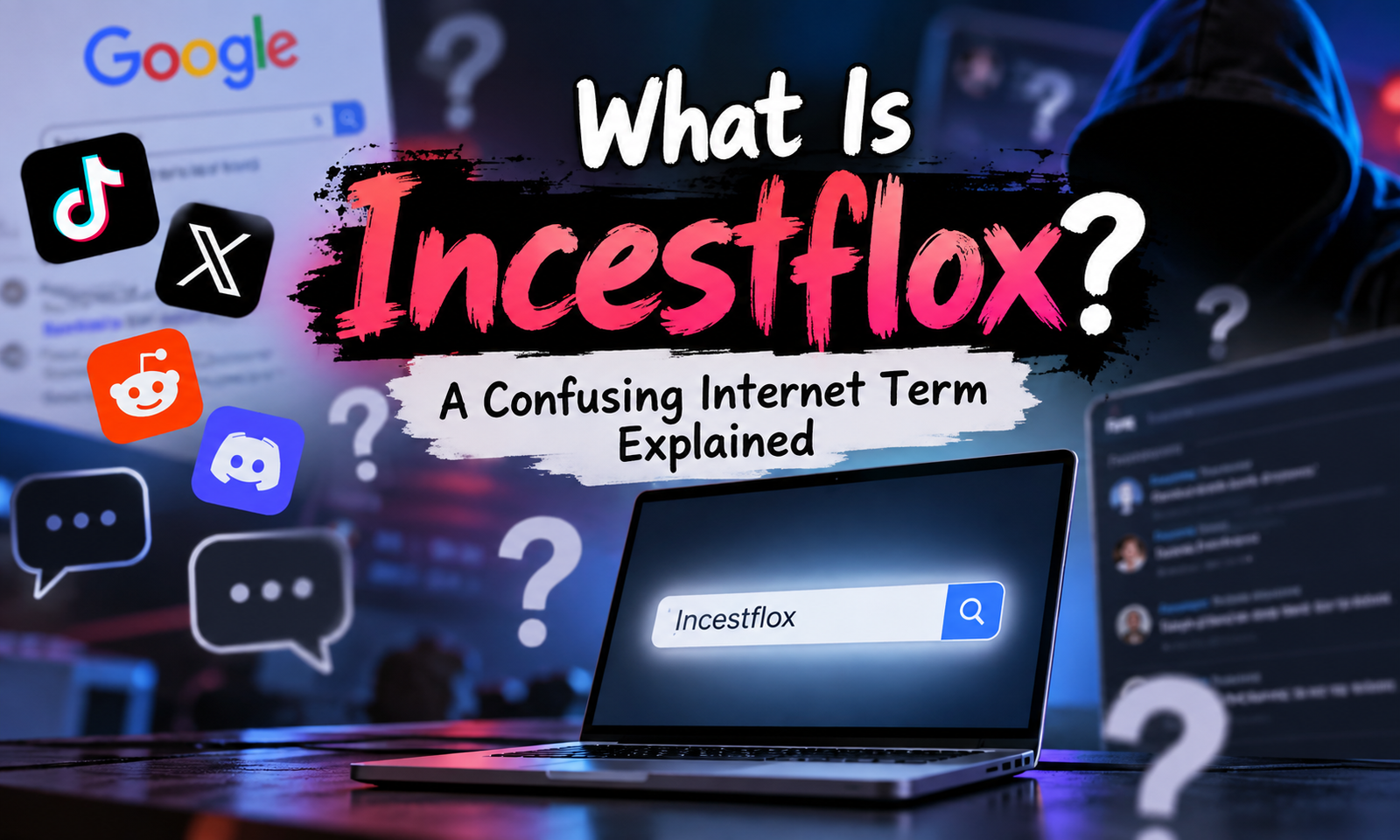
What Is Incestflox?
Incestflox is a weird and confusing internet term that often shocks people hearing it for the first time. It’s a word that pops up everywhere online, but that means something different depending on who is using it and where it appears. Some users handle it like an opaque internet word; some connect it with an online slang meaning or a digital culture term that has evolved.
As an internet-born term, people look for clarity and struggle to find reliable explanations. As the word goes viral across social media, search engines, and underground forums alike, it has become a controversial keyword online that requires unambiguous comprehension. How the Phrase “Incestflox” Appeared on the Internet
Why Confusion Exists Around Incestflox
There is so much competing analysis that it makes for muddled thinking. Some posts define Incestflox as a form of digital slang tag, others describe it as a tool that can be used with an AI-powered collaboration system. There are also posts on imaginary workflows based on productivity suite claims with absolutely credible proof. These divergent interpretations form a series of keystone-keyword misunderstandings, and they make it hard for your average reader to sort out the real from the fake.
It’s hard to know what to believe given the byline because there are a gazillion low-quality articles on the web. There are a lot of other writers who copy each other based on unproven premises. It results in lousy search content and increased misinformation tech descriptions muttered so often that people take it for granted, even when they don’t back it up. Gradually, readers grow distrustful of online references, particularly when each article defines the term in a new and different way.
How Vague Terms Spread Faster Online
Search engines favor rare words because users would be more curious about them, so they will click on them more often, and they can get algorithmically reinforced. This process is repeated until the phrase becomes a little internet phenomenon.
Dawn of the Term Through Social Media and Algorithms
Incestflox’s rate of growth was significantly influenced by social media platforms. TikTok, Reddit, and X users tend to jump on weird terms the moment they emerge, particularly if they sound strange or mysterious, or cool. These responses become the system’s mini waves of engagement, which nourish it. The platforms prioritize engagement-based models, promoting these posts for higher visibility and allowing Incestflox to get pushed further into viral search terms.
The Three Big Ones You’ll See Out There
Nowadays, Incestflox underscores at least three major versions. The first is as an argot within digital cultures. These groups consider it a symbolic phrase, connected with repressed or challenging to discuss themes that people deliberate upon in fictional or ideal spaces. In that respect, it operates more like a spoken word people use for creative thought or communication.
The second is the interpretation that there actually exists a platform called Incestflox. Writers invent fictional software with nimrods, including encrypted storage and collaboration tools. Some say it’s the equivalent of an advanced AI-based collaboration system, in spite of a complete absence of actual companies. At their heart, these are just content farm examples using made-up digital platforms to generate traffic. The third way of interpreting the term is as an online cultural trend; it is about how people play with unknown language.
The Online Communities that Incestflox Came From
To understand Incestflox, one must know from whence it came. It started in the raucous world of internet culture.
Primary Platforms and Forums
Incestflox is associated with some forums and social media. These are the places where online slang is made and transmitted. They make terms like Incestflox blossom and spread fast.
The main platforms are:
- Specialized forums for internet culture
- Social media sites focused on memes
- Online gaming groups where slang is common
User Demographics and Community Characteristics
The people who started using Incestflox are active online. They know a lot about internet terminology. They are mostly young adults who love digital culture and new slang.
| Demographic | Characteristics |
| Age Group | Primarily young adults (18-30) |
| Online Behavior | Active on social media, forums, and gaming platforms |
| Cultural Affinity | Familiarity with meme culture and internet slang |
Looking into these digital communities helps us understand Incestflox. It shows how terms like Incestflox become part of online slang. It also shows the ever-changing nature of internet culture.
Who Uses the Term — And Why
Incestflox is used by disparate communities for distinct purposes. Some authors utilize it for keyword behavior testing. Some use it as a narrative tool. Others just like the mood of mystery it brings. Because it remains an awkward term, experiments flourish in communities. In other words, Incestflox is play in digital margarinelanguage, or how creative we are with making up new vocabulary.
And there are authors and creators who do want to see how readers react to bizarre phrases. They monitor responses to determine how terms ricochet through the digital sphere. This helps them to make sense of internet discourse and changing norms of online communication. Their research could help us understand how language proliferates without rules, honed instead by personality and curiosity and what happens to be en vogue at the moment.
How Various Groups Inform the Identity of the Term
Each group strengthens different meanings. Some push fiction. Some push SEO. Some push culture. The dual use helps keep the definition vague.
What the Incestflox Trend on TikTok Reveals About Internet Culture
The ascent of Incestflox says much about the nature of modern digital behavior. The internet fosters curiosity, and people are exploring unknown language. And it demonstrates how internet culture and digital linguistics change even without formalized laws.Words arrive overnight, inspired by curiosity or creativity. This process illustrates how unpredictable language has become on the internet, especially once you start mixing in AI, memes and global communication methods.
Incestflox proves how rapidly a word becomes an internet culture phenomenon with absolutely no substance. It also reveals how technology influences the stories we tell. The internet rewards enigma, and users reward novelty. That can be a recipe for the sort of ambiguous language that can float to the top of search pages without anything in the way of facts.
Conclusion
Getting incestflox It’s so important on the net. You gotta know this to be cool online. It includes a lot of what happens when online slang comes and goes.
Incestflox is the best thing to talk about on the internet. It allows you to relate to other people/members, and reduces misunderstandings. Staying current with online slang is essential in order to play along.
Learning online words makes it easier for you to see the culture of the internet. It enriches your online time, and helps everyone get along better. This new knowledge is something that makes the digital world a nicer place.
FAQS
What is the real name of the Internet?
The World Wide Web is often referred to as the network of networks that connect users from around the world and enable them to share information and communicate.
What does online really mean?
Being online refers to a state of connectedness to the Internet providing access to websites, applications and other digital services.
What is the meaning of internet?
The Internet is a global network system that allows for computer data and information sharing.
What does the Internet slang term mean?
It is that worldwide space made up of computers, servers and data transfer mechanisms where information is shared.
What is the real name of the Internet?
It is officially known as the worldwide network of connected computers.


Seeking help for substance use can feel overwhelming, but finding the right care is an important first step toward recovery. If you or someone you care about is looking for Drug & Alcohol Rehab in West Palm Beach, FL, understanding the available treatment options can make the decision process easier. From medical detox and residential care to outpatient programs and long-term recovery support, West Palm Beach offers a range of evidence-based services designed to meet different needs.
This guide explains what Addiction Treatment in West Palm Beach, FL typically includes, how to choose a treatment program, and what to expect throughout the recovery journey.
Understanding Addiction Treatment
Addiction is a chronic medical condition that affects the brain and behavior. It can involve alcohol, prescription medications, opioids, stimulants, or other substances. Effective treatment addresses both the physical and psychological aspects of substance use while helping individuals develop healthier coping strategies.
Many treatment programs combine medical care, behavioral therapy, counseling, and ongoing recovery support. The right approach depends on factors such as the substance involved, the severity of the addiction, medical history, and any co-occurring mental health conditions.
Why Choose Drug & Alcohol Rehab in West Palm Beach, FL?
Drug & Alcohol Rehab in West Palm Beach, FL offers access to a variety of treatment settings and experienced healthcare professionals. The area is home to licensed treatment providers that offer individualized care plans based on each person’s needs.
Benefits may include:
- Comprehensive medical and clinical assessments
- Individualized treatment plans
- Evidence-based therapies
- Medical detox services when appropriate
- Family counseling and education
- Relapse prevention planning
- Aftercare and recovery support
Many people also appreciate the opportunity to focus on recovery in a structured environment while remaining connected to local resources and support networks.
Types of Addiction Treatment in West Palm Beach, FL
Treatment is not one-size-fits-all. Depending on your circumstances, a provider may recommend one or more levels of care.
Medical Detox
Detoxification helps individuals safely manage withdrawal symptoms under medical supervision. This may be recommended for substances such as alcohol, opioids, or benzodiazepines, where withdrawal can be uncomfortable or, in some cases, medically serious.
Detox is often the first step before transitioning into ongoing treatment.
Inpatient Rehabilitation
Residential or inpatient rehab provides 24-hour care in a structured setting. Patients participate in therapy, educational sessions, medical care, and recovery-focused activities while living at the facility.
Inpatient treatment may be appropriate for individuals with severe substance use disorders or those who need a highly supportive environment.
Outpatient Treatment
Outpatient programs allow individuals to receive treatment while continuing many of their daily responsibilities. Depending on clinical recommendations, services may include:
- Individual counseling
- Group therapy
- Family therapy
- Medication management
- Relapse prevention education
Some people begin treatment as outpatients, while others transition to outpatient care after completing residential treatment.
Dual Diagnosis Treatment
Many people living with substance use disorders also experience mental health conditions such as anxiety, depression, bipolar disorder, or PTSD.
Dual diagnosis treatment addresses both conditions simultaneously, which may improve overall treatment outcomes when clinically appropriate.
Therapies Commonly Used in Drug & Alcohol Rehab in West Palm Beach, FL
Evidence-based therapies are central to many treatment programs. Depending on individual needs, these may include:
- Cognitive Behavioral Therapy (CBT)
- Dialectical Behavior Therapy (DBT)
- Motivational Interviewing (MI)
- Family therapy
- Group counseling
- Trauma-informed therapy
- Medication-Assisted Treatment (MAT), when appropriate for opioid or alcohol use disorders
Treatment plans are typically developed after a clinical assessment and may evolve as recovery progresses.
What to Expect During the Treatment Process
Although every treatment program differs, the recovery journey often includes several stages.
Initial Assessment
A healthcare professional gathers information about medical history, substance use, mental health, and personal goals to recommend an appropriate level of care.
Personalized Treatment Plan
Based on the assessment, the care team develops an individualized plan that may include therapy, medical services, family involvement, and recovery support.
Active Treatment
Individuals participate in counseling, behavioral therapies, educational sessions, and wellness activities designed to build recovery skills.
Aftercare Planning
Recovery continues after formal treatment ends. Aftercare may include:
- Outpatient counseling
- Peer support groups
- Alumni programs
- Sober living, when appropriate
- Relapse prevention planning
- Ongoing medical or mental health care
Does Insurance Cover Addiction Treatment?
Many insurance plans provide coverage for substance use disorder treatment, although benefits vary by policy and provider. Coverage may include services such as detox, inpatient rehabilitation, outpatient treatment, and behavioral therapy.
Before beginning treatment, it’s helpful to verify:
- Accepted insurance plans
- Covered services
- Deductibles and copays
- Prior authorization requirements
- Out-of-pocket costs
A treatment center’s admissions team can often assist with insurance verification.
How to Choose the Right Drug & Alcohol Rehab in West Palm Beach, FL
Selecting a treatment provider is an important decision. Consider asking questions such as:
- Is the program licensed and accredited?
- What levels of care are available?
- Are treatment plans individualized?
- Does the program offer evidence-based therapies?
- Are medical and mental health services available?
- What aftercare services are provided?
- Does the program accept your insurance?
Choosing a provider that matches your clinical needs and personal circumstances can support long-term recovery.
Supporting Long-Term Recovery
Recovery extends beyond completing a treatment program. Maintaining progress often involves ongoing support, healthy routines, and continued engagement with recovery resources.
Long-term recovery strategies may include:
- Continuing therapy
- Attending peer support meetings
- Building healthy relationships
- Managing stress through wellness activities
- Following a relapse prevention plan
- Staying connected with healthcare providers
Each person’s recovery journey is unique, and ongoing support can play an important role over time.
Frequently Asked Questions
How long does addiction treatment typically last?
The length of treatment varies based on individual needs, the type of program, and clinical recommendations. Some outpatient programs last several weeks, while residential treatment and continuing care may extend for several months.
Is detox the same as rehab?
No. Detox focuses on safely managing withdrawal symptoms and is often the first phase of treatment. Rehabilitation includes therapy, counseling, education, and recovery planning aimed at addressing the underlying causes of substance use.
Can family members participate in treatment?
Many programs offer family education or family therapy to help strengthen communication and support recovery, when appropriate and with the individual’s consent.
What substances are commonly treated?
Programs may provide care for alcohol, opioids, prescription medications, cocaine, methamphetamine, marijuana, and other substances. Treatment recommendations depend on an individual’s clinical assessment.
Conclusion
Finding the right Drug & Alcohol Rehab in West Palm Beach, FL can be an important step toward addressing substance use and building a healthier future. With options ranging from medical detox and residential care to outpatient services and ongoing recovery support, individuals have access to a variety of evidence-based approaches designed to meet different needs.
If you are exploring Addiction Treatment in West Palm Beach, FL, consider speaking with a qualified healthcare professional or licensed treatment provider to discuss available options and determine the level of care that best fits your circumstances. Early evaluation and appropriate treatment can help individuals begin the recovery process with informed support.

Best UI UX Design Company in India: What Startups and Enterprises Should Look For

What 4000+ Fashion Backlinks Can Tell Brands About SEO Budgets

Why Medication Awareness Matters For Men’s Long-Term Health

Who Is Shameera? All You Need To Know About Charli XCX’s Mother

Who Is Gulliver Flynn Oldman? The Untold Story of Sir Gary Oldman’s Son

Meet Rosemary Turner: The Mother of Actor Callum Turner
-
Biographies8 months ago
Who Is Shameera? All You Need To Know About Charli XCX’s Mother
-
Biographies8 months ago
Who Is Gulliver Flynn Oldman? The Untold Story of Sir Gary Oldman’s Son
-
Biographies8 months ago
Meet Rosemary Turner: The Mother of Actor Callum Turner
-

 Biographies6 months ago
Who is Alexandra James? Inside The Life of Jeremy Clarkson’s Former Partner
-
 Biographies8 months ago
Who is Todd McRae? Meet Tate McRae’s Father
-
 Biographies7 months ago
Who Is Daniel Mara? The Untold Story of Kate Mara’s Private Sibling
-
 Celebrity8 months ago
Who Is Peter Hernandez? The Real Story of Bruno Mars’ Father
-
 Biographies8 months ago
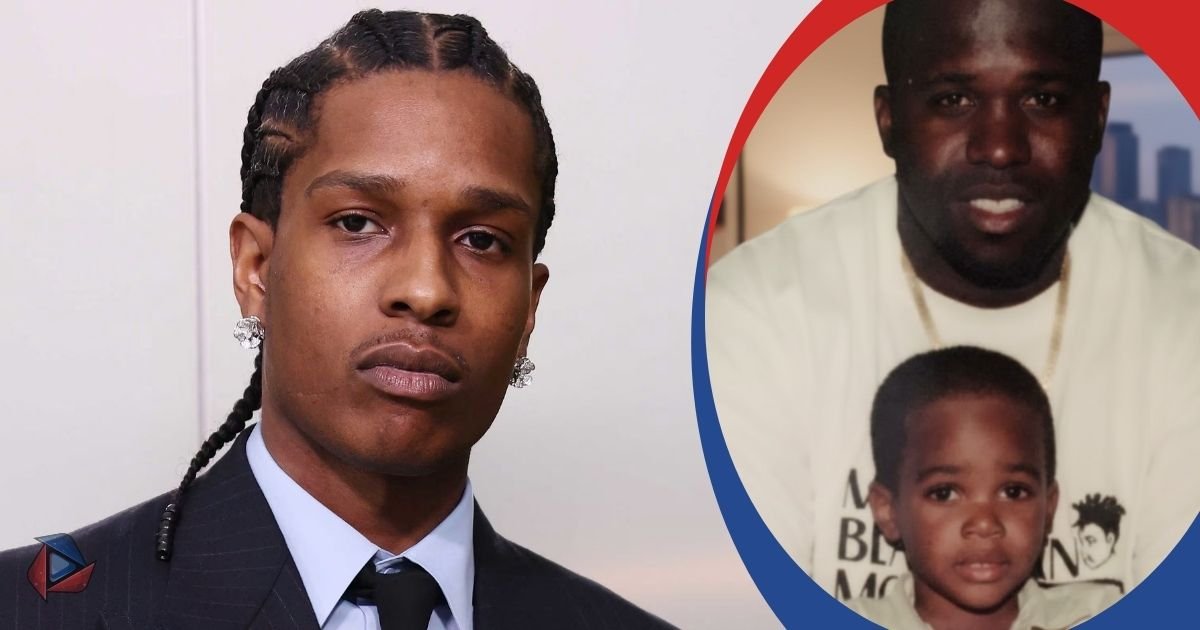
Who Was Adrian Mayers? The Untold Life of A$AP Rocky’s Late Father